

Wild cat
Rembrandt Bugatti was the pride of his famous family, says Adrian Dannatt. But although his sculptures of animals were instantly acclaimed, his affinity with humans was more problematic
Rembrandt Bugatti had everything necessary to become a legendary artist: an impressively resonant name – indeed two of them – famous family and friends and an early and tragic death. And that is before one has even begun to consider the purring, leonine potency of his actual art. As with artists such as Caravaggio, Van Gogh, Schiele, Frida Kahlo, Jackson Pollock and Basquiat et al, Bugatti’s reputation is as unfairly based on the rich anecdotage of his brief life as it is on his work.

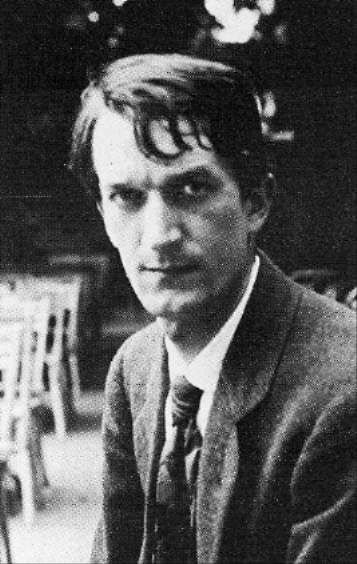
What's in a name? With a name like that, Rembrandt Bugatti (1884-1916) had always been destined for greatness
What's in a name? With a name like that, Rembrandt Bugatti (1884-1916) had always been destined for greatness
In this special galaxy of stardom, suffering and illness, addiction, murder and suicide are all very present, and Bugatti, despite being considered the leading sculptor of his generation, took the radical decision to end his own life in 1916, aged only 31. In doing so, he left behind an exceptional body of work which has steadily grown in importance, not to mention value, along with his reputation.
“Bugatti, despite being considered the leading sculptor of his generation, took the radical decision to end is own life,... aged only 31”
‘Rembrandt’ is itself no modest nomenclature, but his family name was also equally resonant as his father Carlo Bugatti was a celebrated furniture and jewellery designer, whose work was inherently sculptural, and who already had an international reputation. To add to such associative glory ‘Rembrandt’ had been named after the Dutch old master by his uncle, Giovanni Segantini, a major painter still revered as among the most important Italian artists of that era.

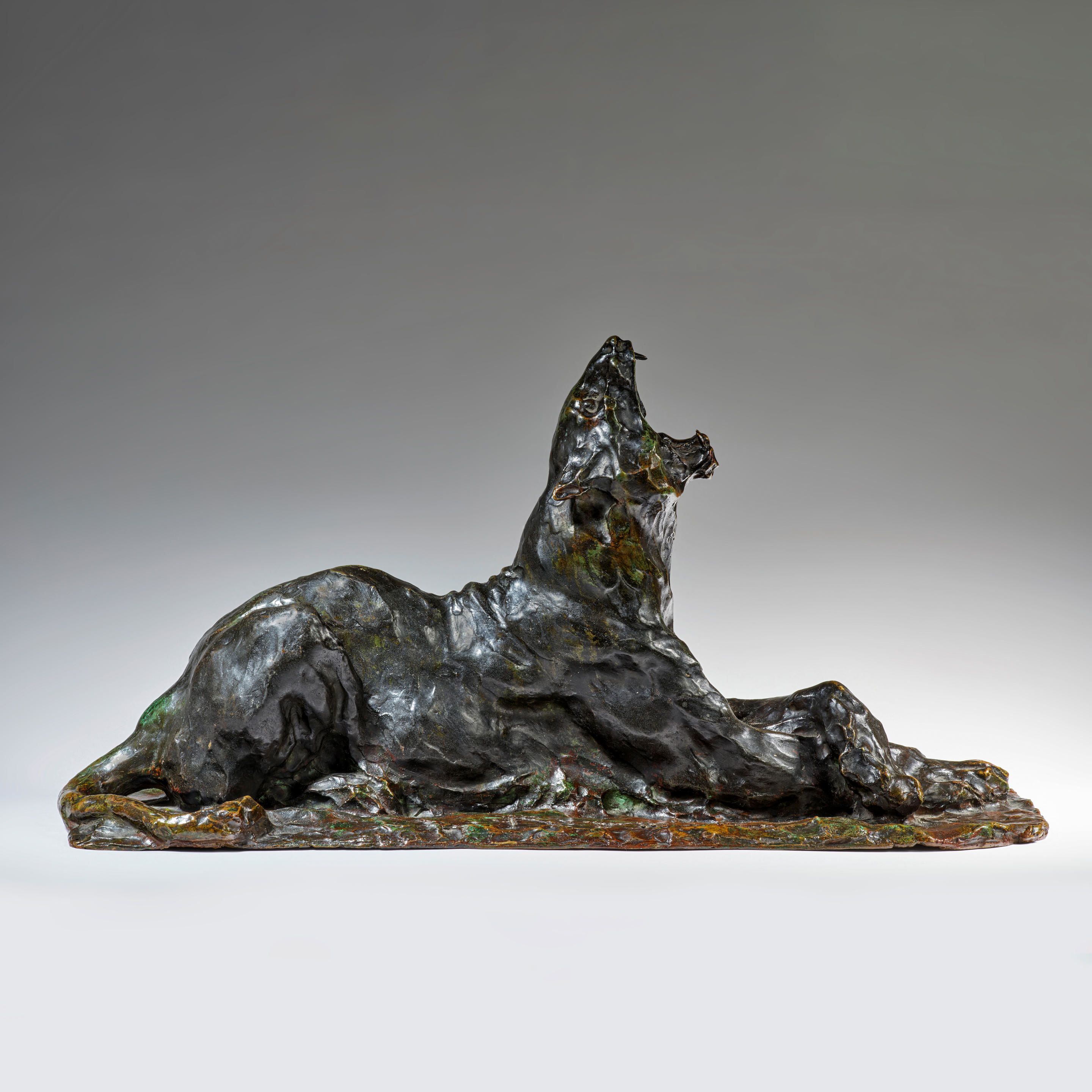
Born in 1884 in Milan, Bugatti essentially grew up in his father’s studio and proved precociously talented himself. He surprised his father by leaving a fully formed sculpture in the workshop when aged only 15. This was of cows with their herder, and animal subject matter was to remain the core of Bugatti’s work for the next 18 years of his busy practice. Indeed, his stated aim was to become the greatest ‘animalier’ sculptor of his time. This term might now seem quaintly archaic but it defines one of the great strands of all art-making, stretching from the very first known images made by humans, hunting totems found on rocks and in caves, through the highly desirable work of Claude and François-Xavier Lalanne to the contemporary trophies of Koons.
“Bugatti's stated aim was to become the greatest 'animalier' sculptor of his time”
Continuing to work with his father at his atelier, Bugatti found success early and easily, showing at the Venice Biennale before he had turned 20, followed by exhibitions in his Milan hometown and Turin. A major transformation, and certainly one of the most significant factors in Rembrandt’s career, came with the move of the entire family to Paris in 1902, then the very epicentre of the international art world. Here the young Bugatti met a truly transformative figure, Adrien-Aurélien Hébrard, the dynamic publisher and art dealer. For Hébrard ran his own eponymous foundry which became the centre of Bugatti’s working life as his creative-collaborator and representative. The partnership proved most rewarding.

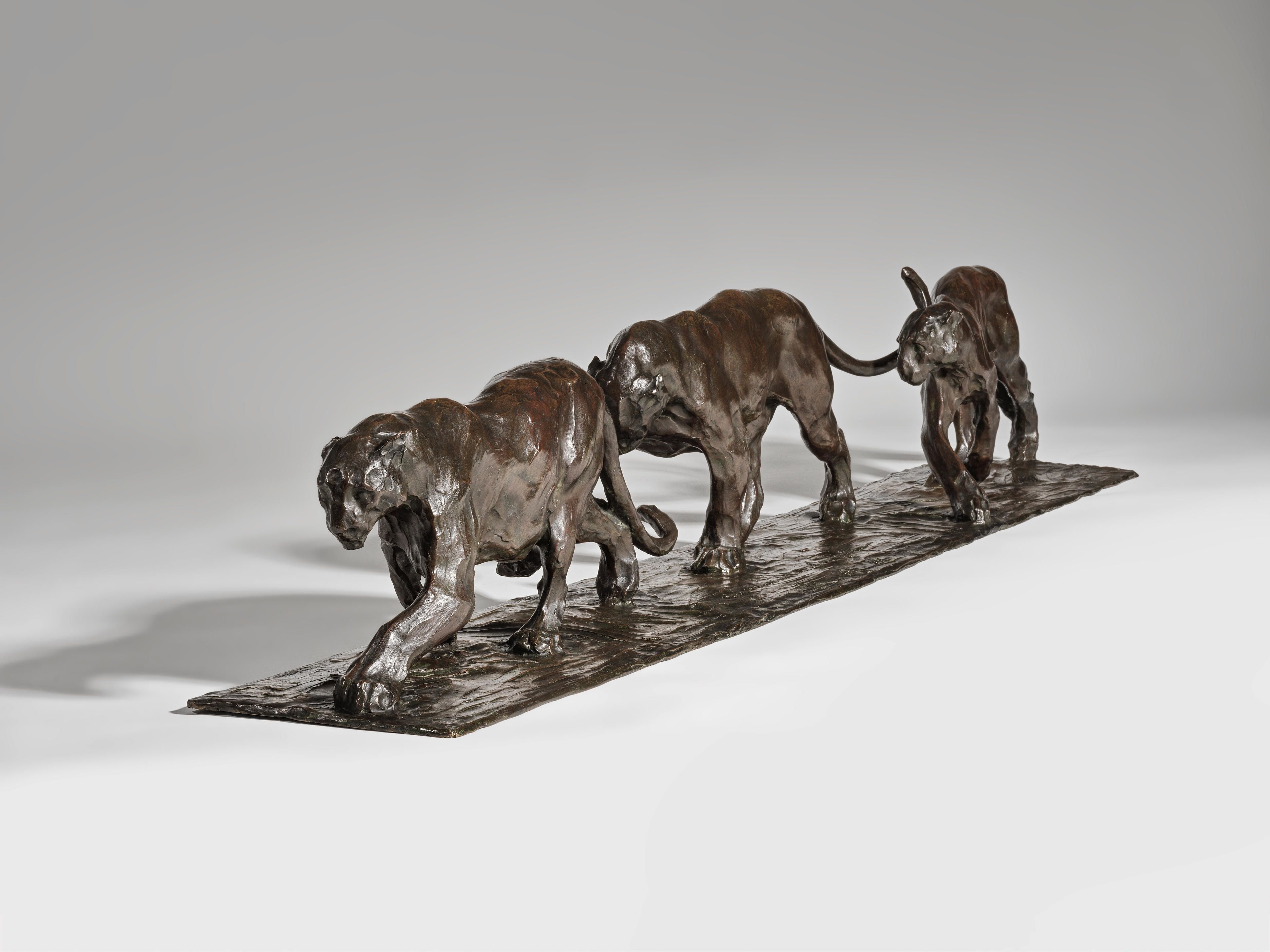
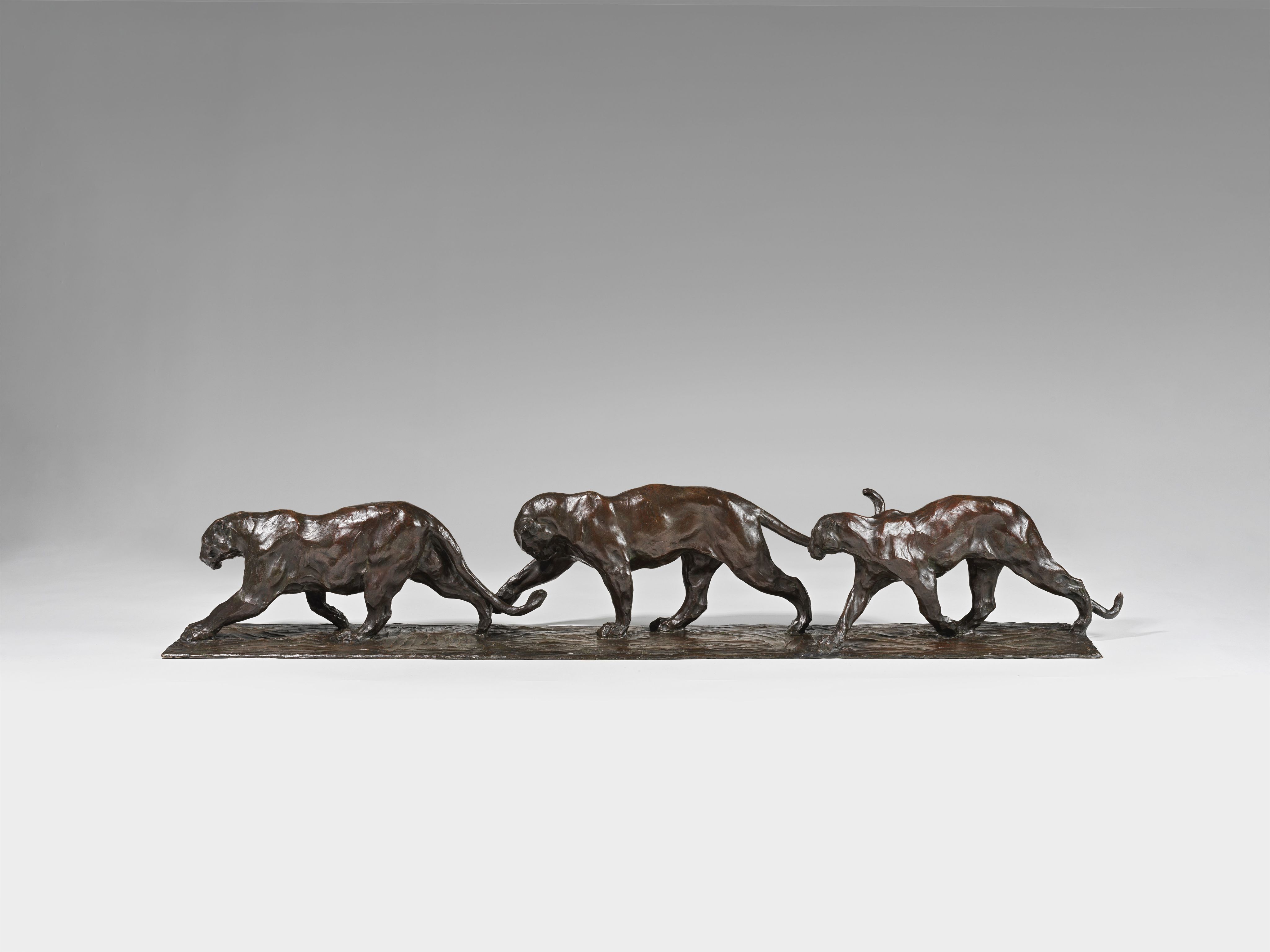
Rembrandt Bugatti (1884-1916), Trois panthères marchant, circa 1905. Estimate: €3,500,000 - €5,500,000
Rembrandt Bugatti (1884-1916), Trois panthères marchant, circa 1905. Estimate: €3,500,000 - €5,500,000
Perhaps the pinnacle of this collaboration is Trois panthères marchant, the work coming to auction at Bonhams Cornette de Saint Cyr in Paris this June. Conceived and cast in the French capital, this bronze sculpture comprises a trio of brilliantly interlinked wild cats following each other, loping with as much menace as charm across some imaged veldt, a wide-open empty space which is ultimately the horizon of the artist’s imagination and one granted to every viewer to share.
But the magic of this work is as much temporal as spatial. Created around 1905 and as impressive in its scale as its deeply luscious material glow, these Trois panthères are a masterpiece in ‘negative space’ and interlocking elements. And as such they obviously required a highly complex bronze casting process. It was so complicated to cast that Hébrard produced only this one exemplary sculpture by itself, forsaking any edition. This was unusual in itself, and equally improbable is that though the work is the most celebrated of all Bugatti’s sculptures, and widely exhibited around the world, it has never been seen at auction before.
“It was so complicated to cast that Hébrard produced only this one exemplary sculpture by itself, forsaking any edition”
Bugatti had enormous success in his lifetime. He won numerous major prizes and international awards, his work was regularly included in all the official salons around the world, and he was honoured with his first official monograph in 1907 when still only an astonishing 23-years old. Bugatti was seen to represent both the new Italian art and the latest Parisian trends, with retrospectives everywhere from Antwerp to New York, exhibiting in the Olympics of 1912, and even being granted the Légion d’honneur.

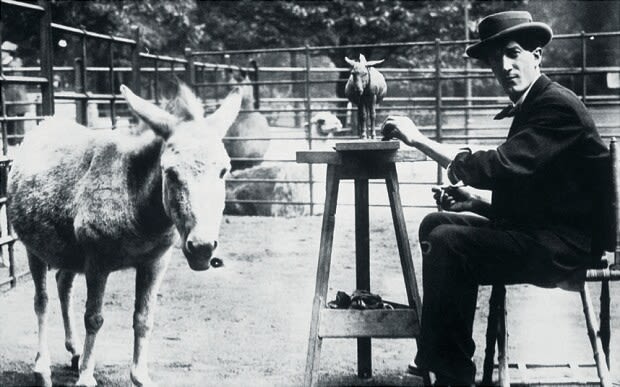
Client satisfaction survey: Bugatti would often make models 'live' in front of his subject
Client satisfaction survey: Bugatti would often make models 'live' in front of his subject
But even so one can sense that perhaps Bugatti was at his happiest when alone with his beloved animals, whether in the Jardin des Plantes or Antwerp Zoo, where he would model the animals from life, directly in front of them, sculpting freehand, and where he clearly connected, communicated, corresponded, with them all in some very fundamental mimetic, if not metaphysical manner.

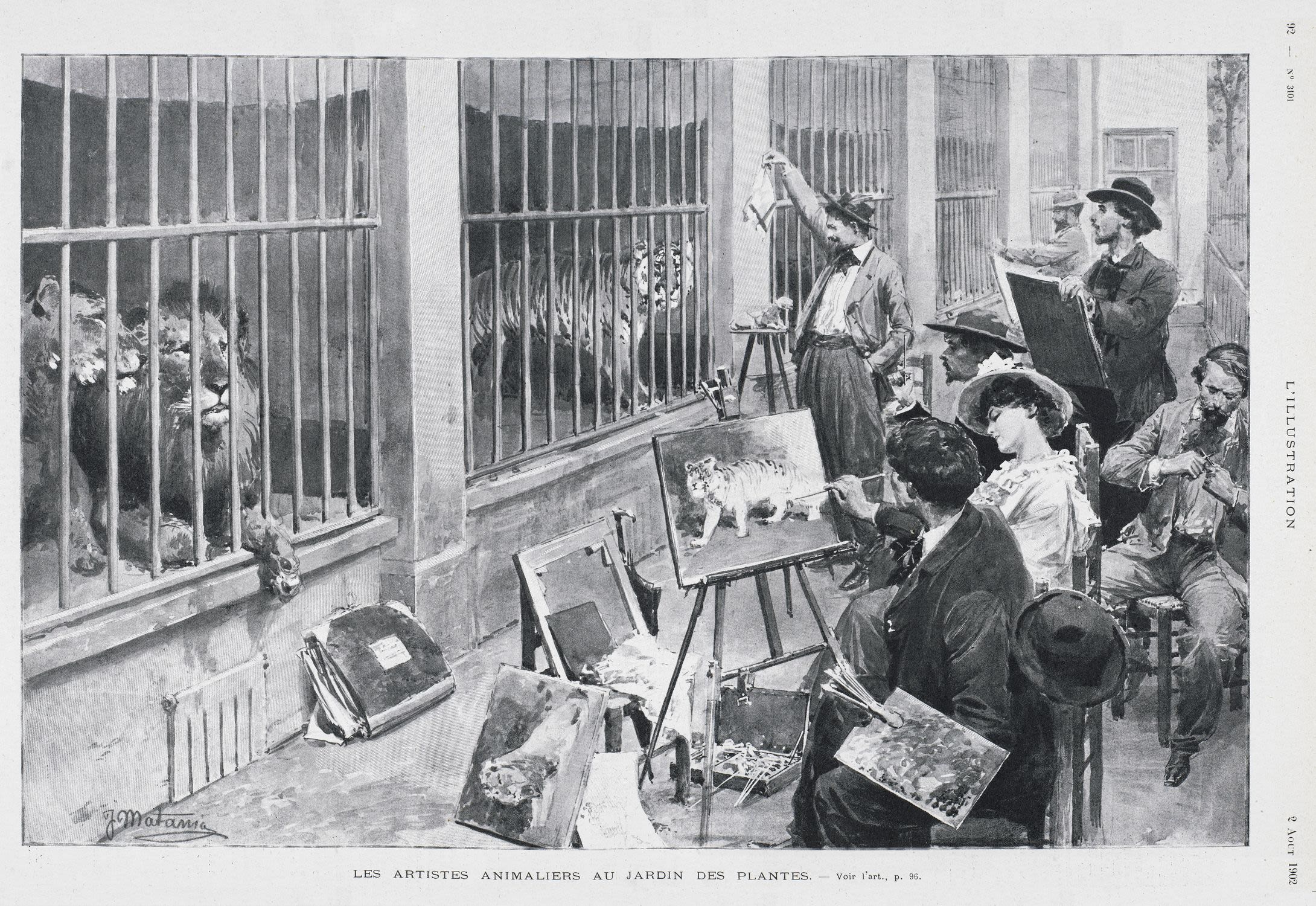
With the outbreak of war in 1914, Bugatti began to work as a nurse-assistant at a military hospital in Antwerp, and the sensitive young artist was clearly fundamentally shaken by the tragedy of this conflict. He was equally disturbed by the destruction of some of his favourite animals at his home-from-home, the zoo of Antwerp as at the outbreak of war, the particularly wild beasts had been killed in the interests of safety. Bugatti was also afflicted with tuberculosis, unable to work or make much money, and the combined weight of such depressing factors led to his unexpected suicide at his Parisian studio.
Rainer Maria Rilke, that close friend and collaborator of Rodin, wrote for the sculptor a most celebrated poem The Panther, which perhaps captures some sense of Bugatti’s final sadness:
‘As he paces in cramped circles, over and over,
the movement of his powerful soft strides
is like a ritual dance around a centre
in which a mighty will stands paralyzed.’
Nonetheless, despite Rembrandt Bugatti’s early demise, his work still roams on its pedestals – and within the imagination.
Adrian Dannatt’s most recent book is Doomed and Famous: Selected Obituaries.
Impressionist & Modern Art auction | 5 June, Paris
For enquiries, contact Bénédicte van Campen on benedicte.vancampen@bonhams.com or +33 1 56 79 12 58.
Read more...
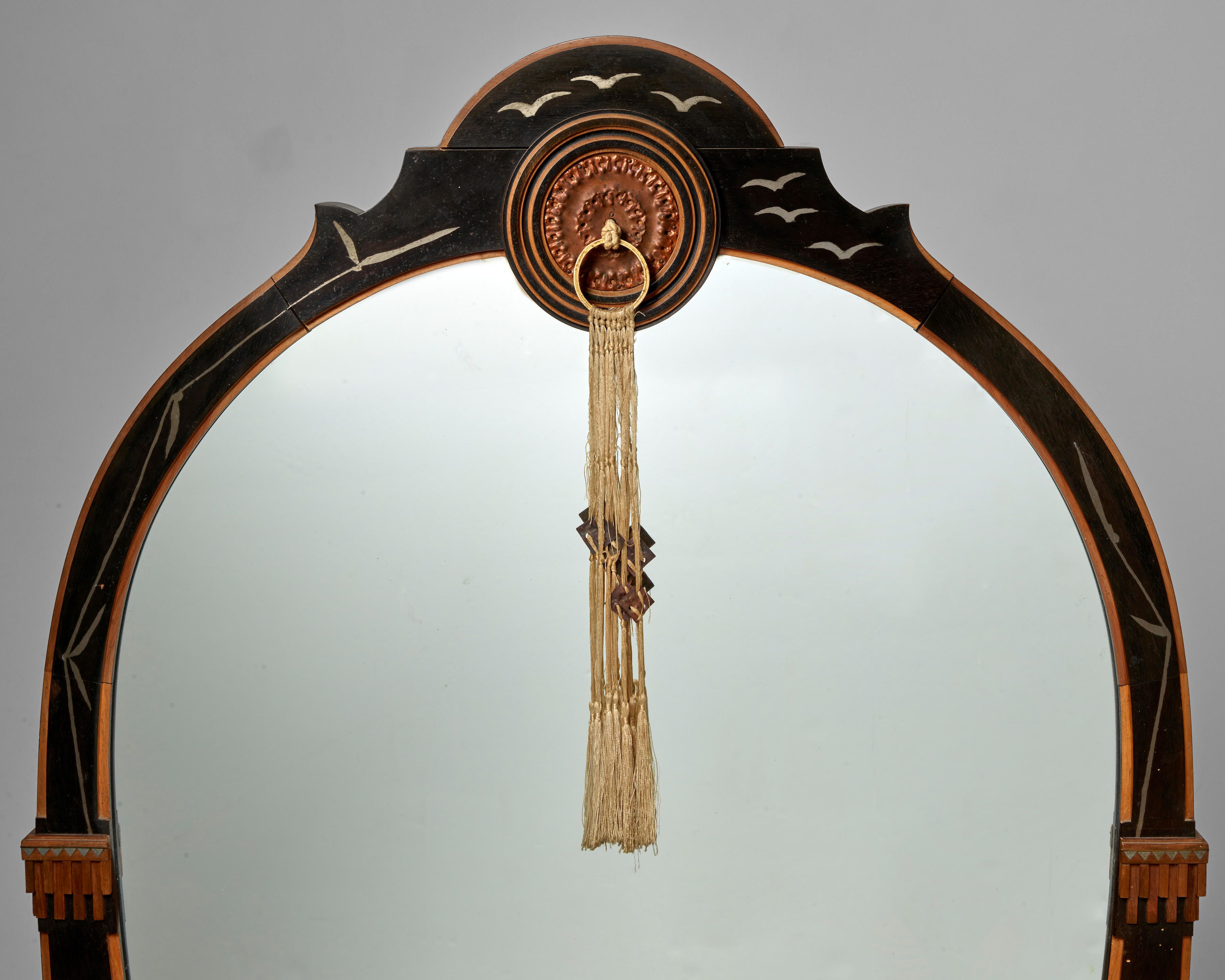
Like father, like son
The Bugattis' claim to fame in the history of European design is unmatched. It all started from patriarch Carlo’s beginnings as a furniture designer in Milan
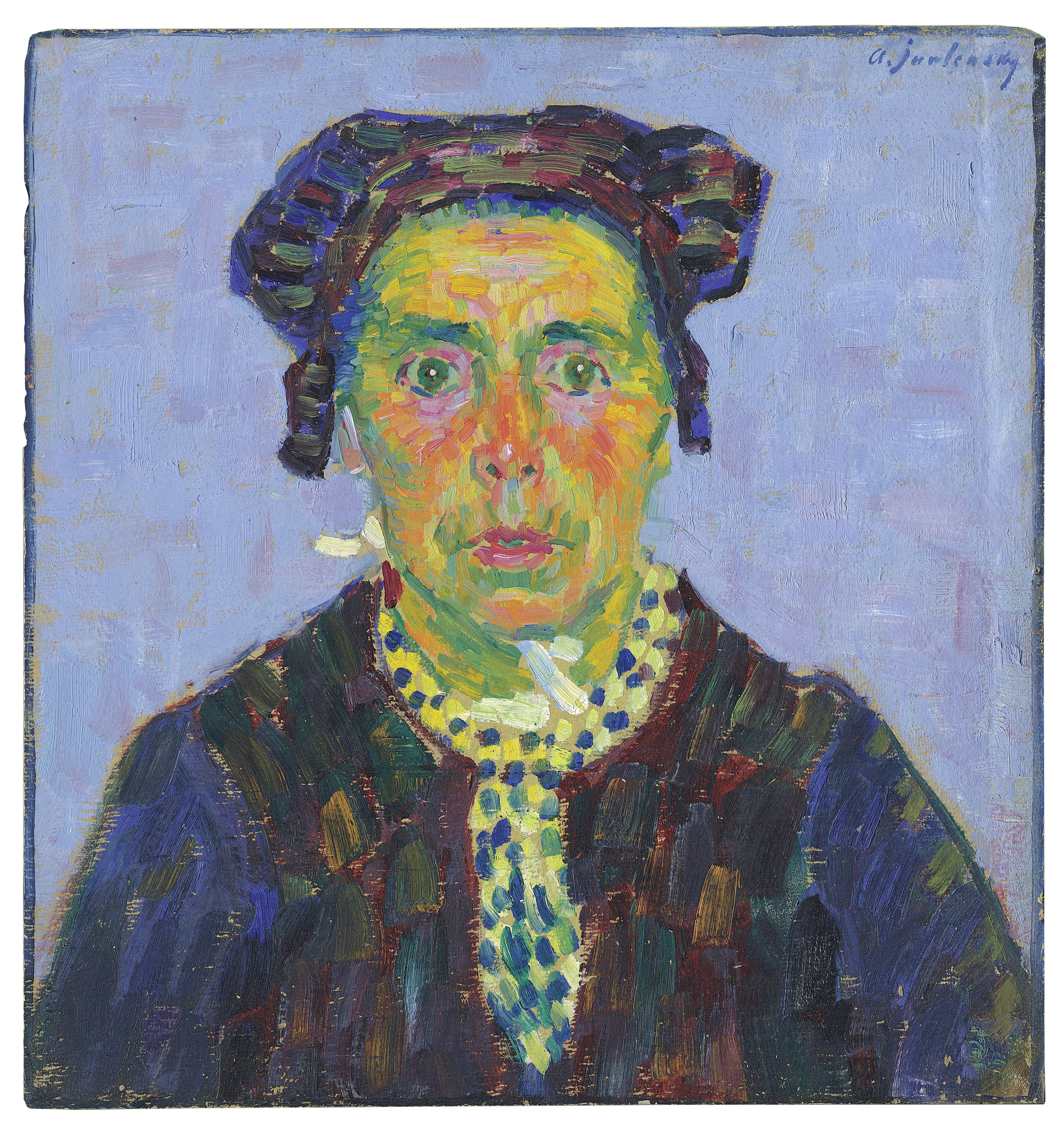
A colourful past
Often described as “devout”, Expressionist painter Alexej von Jawlensky was certainly devoted to his art – and to his lover’s teenage maid, says Claire Wrathall.
Glory days
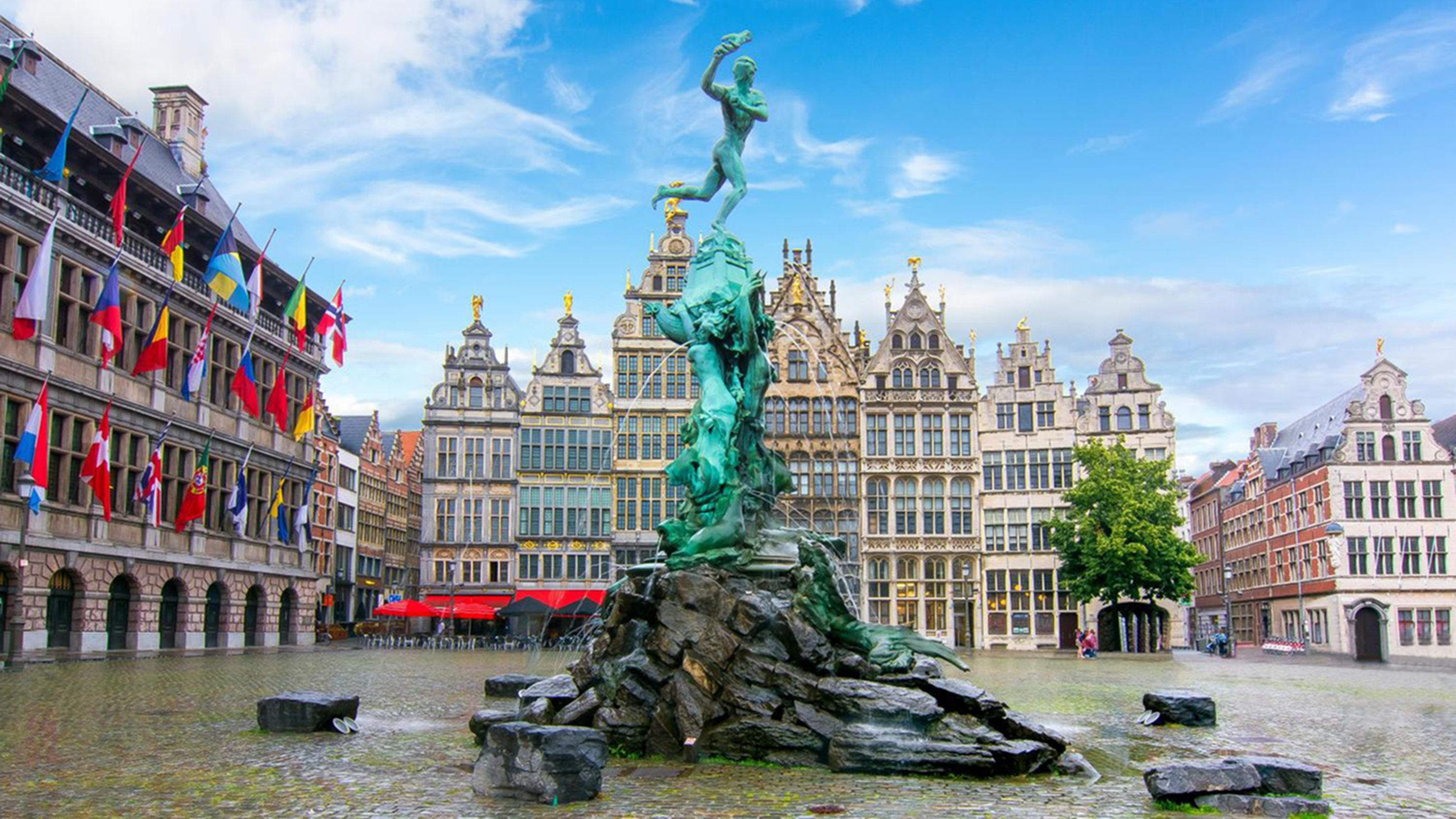
Antwerp has a magnificent past, and, with new museums opening, the future looks good too, says Michael Pye

 Built with Shorthand