
Weaving magic

Creating interiors is one of the things I very much enjoy doing,” says Lady Hamlyn, who is sitting in the conservatory of her house in Chelsea, turning the pages of a magnificently bound photograph album. In it are some of her greatest hits.
There’s Whichford, a 14th-century manor house in Warwickshire, that Harpers & Queen admired for the way it had been transformed from a house where “nettles met the thatched roof” to its full glory; Edgeworth Manor, a glorious Elizabethan-cum-Carolean stately house with medieval underpinnings; and – the project that one feels is Lady Hamlyn’s pièce de résistance, Château de Bagnols, a 13th-century turreted fortress in Beaujolais with a magnificent Gothic fireplace.
According to Lady Hamlyn, “When Paul and I married we decided to restore a château in Beaujolais. It took a few years to find it and four years to restore. I was told I would never do it, but I did supported by many craftsmen. I was asked on television how much it had cost. I told them, ‘It cost me four years of my life’.” In 2006, Helen was appointed Chevalier d’Ordre des Arts et Lettres for her restoration, so at least the French government recognised her efforts.
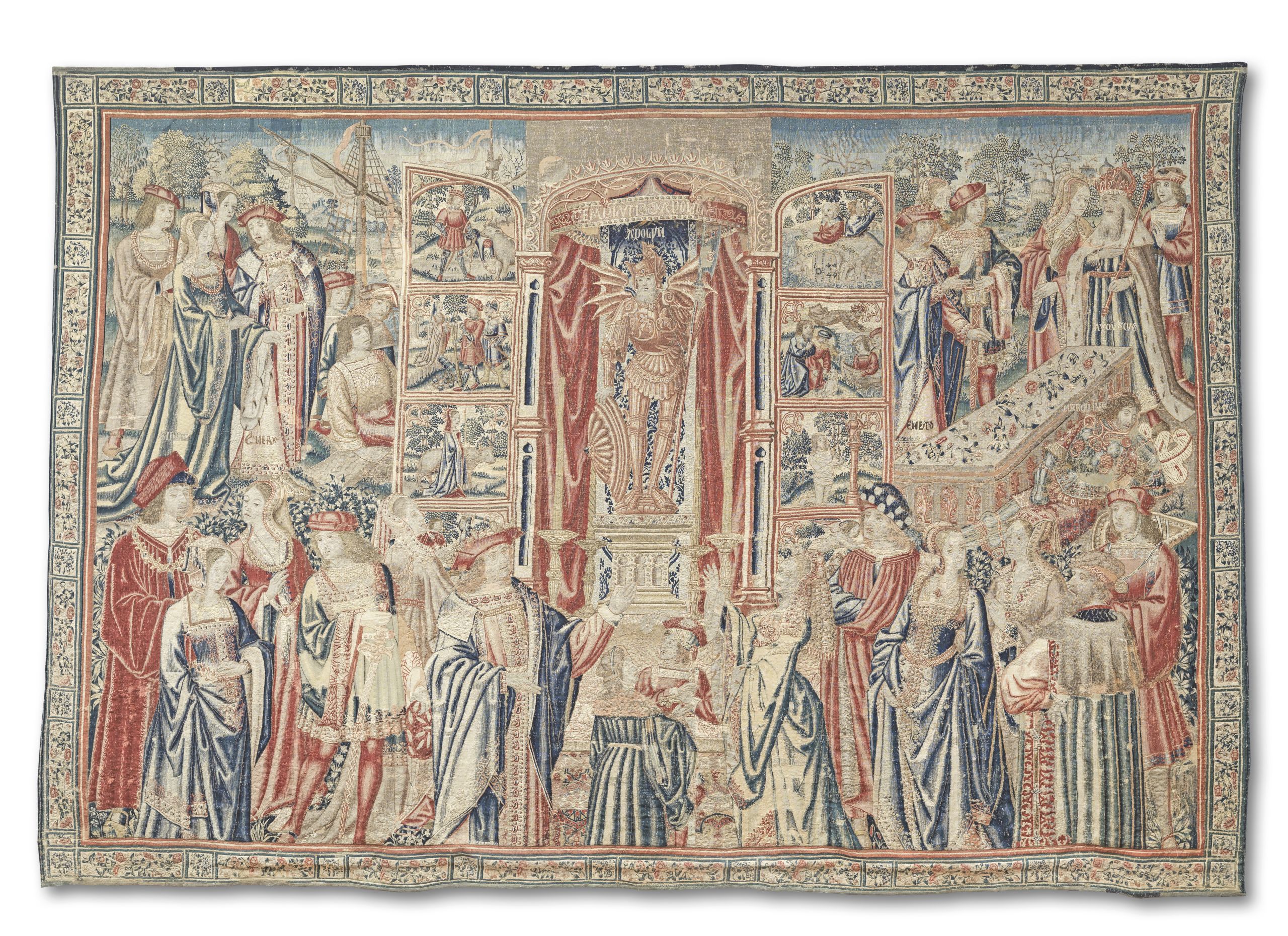
Lady Hamlyn, whose philanthropic foundation, the Helen Hamlyn Trust, supports arts and education, is now rationalising her houses – which means some of her collection of furniture, sculptures, textiles, mirrors and tapestries – will be offered at Bonhams in New Bond Street this September. As she says, “When we sold Edgeworth, I realised that not only had we an awful lot of furniture in the house… we had an awful lot in storage.” This was a Grade II-listed house in Gloucestershire that, when the Hamlyns arrived, had “the nastiest ginger panelling you can imagine”, as she told Town & Country. It was turned into one of the most beautiful houses in Britain, with a museum-quality collection of English oak furniture and antique tapestries – which became much copied by decorators. Much of the furniture in the sale has come from Edgeworth, including a vast, important 16th-century tapestry.

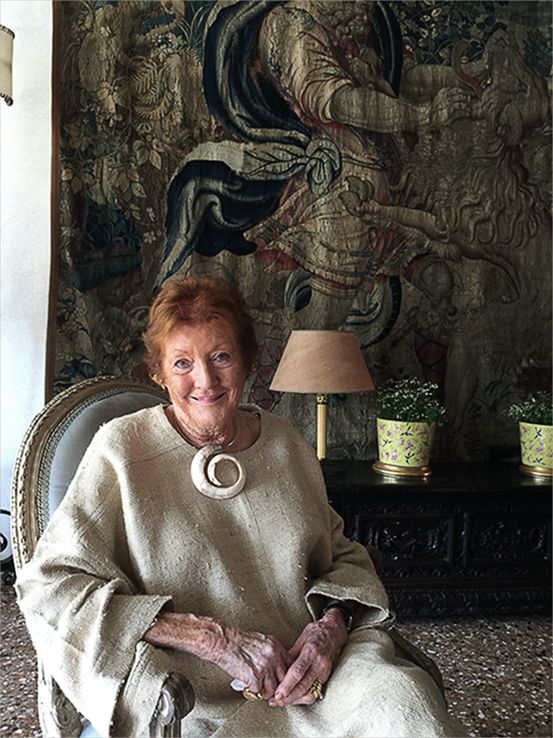
Lady Hamlyn at home
Lady Hamlyn at home

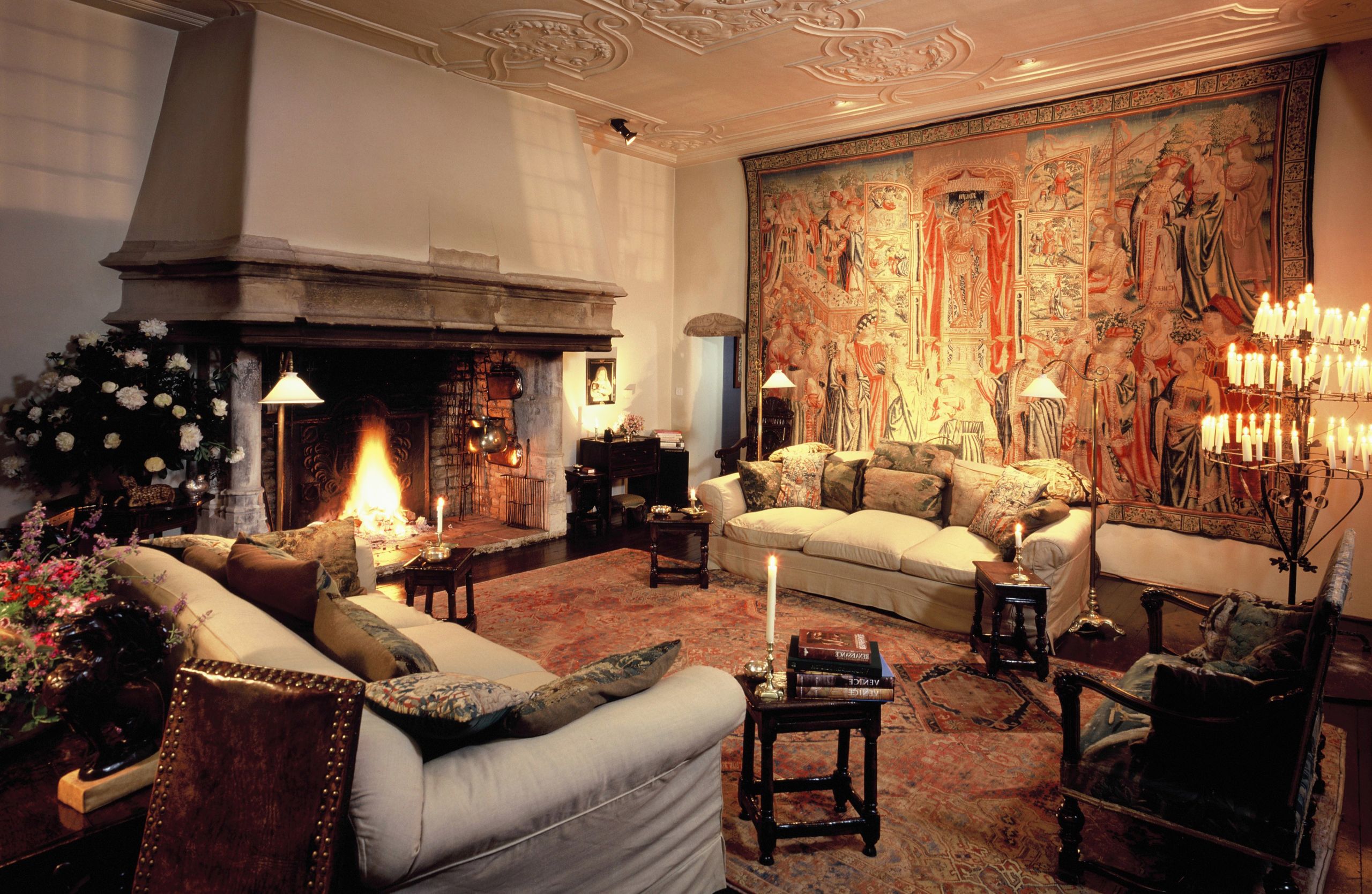
The drawing room at Edgeworth Manor, Gloucestershire, showing the 16th-century tapestry on offer at Bonhams
The drawing room at Edgeworth Manor, Gloucestershire, showing the 16th-century tapestry on offer at Bonhams

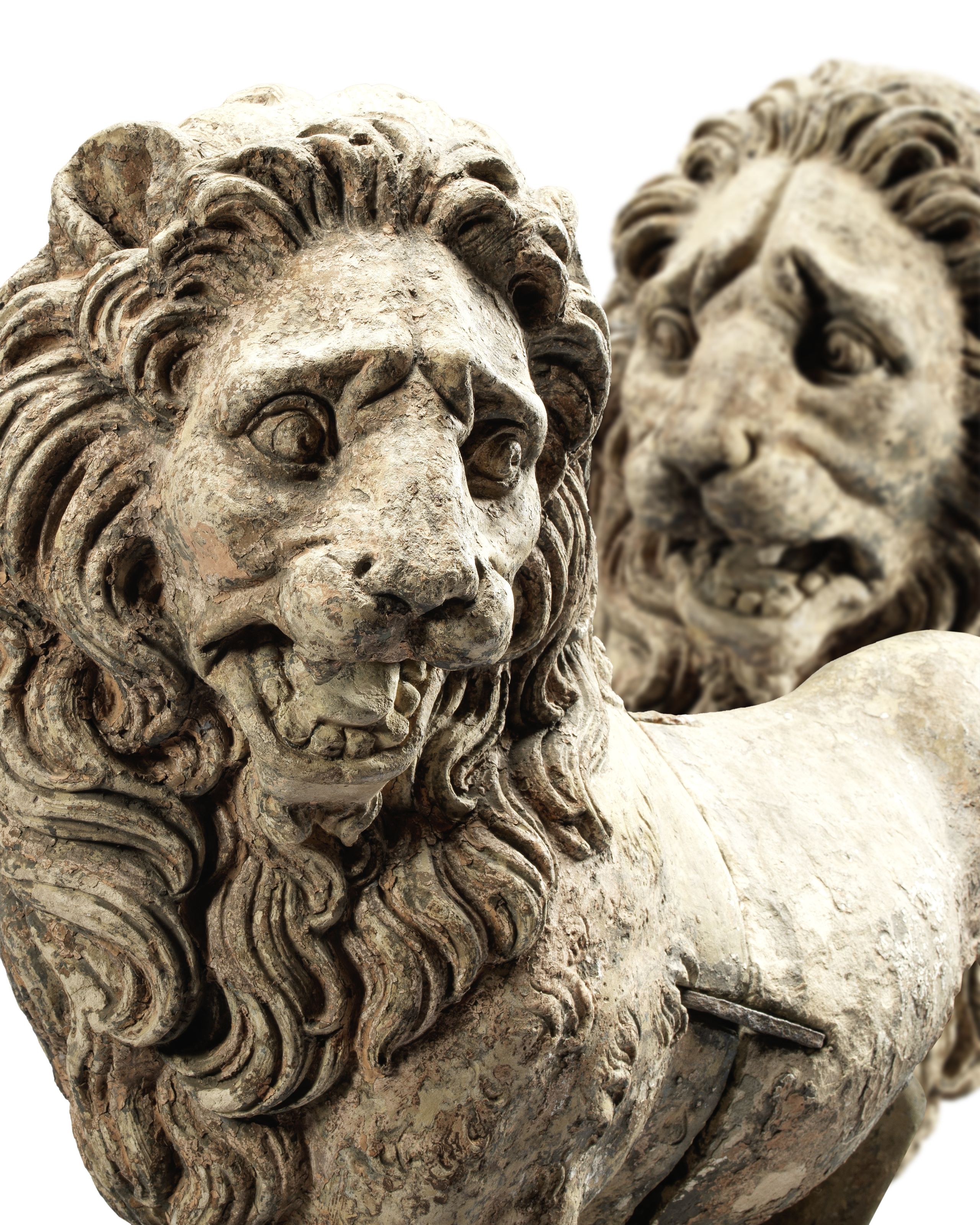
A pair of 18th-century north Italian terracotta lions Estimate: £20,000 - 30,000
A pair of 18th-century north Italian terracotta lions Estimate: £20,000 - 30,000
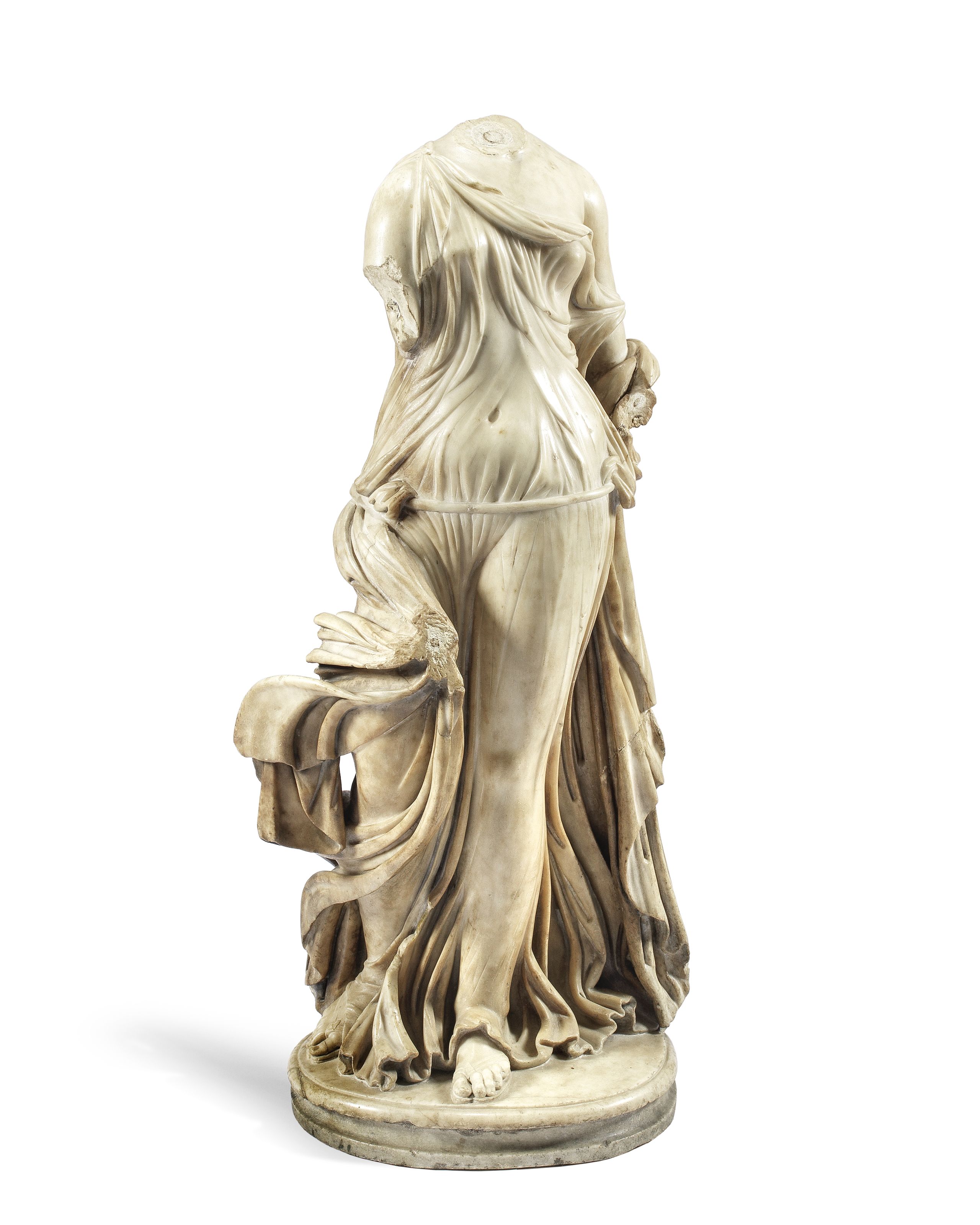
A Renaissance fragmentary marble figure of a classical maiden Northern France or Flemish, mid-16th century Estimate: £8,000 - 12,000
A Renaissance fragmentary marble figure of a classical maiden Northern France or Flemish, mid-16th century Estimate: £8,000 - 12,000

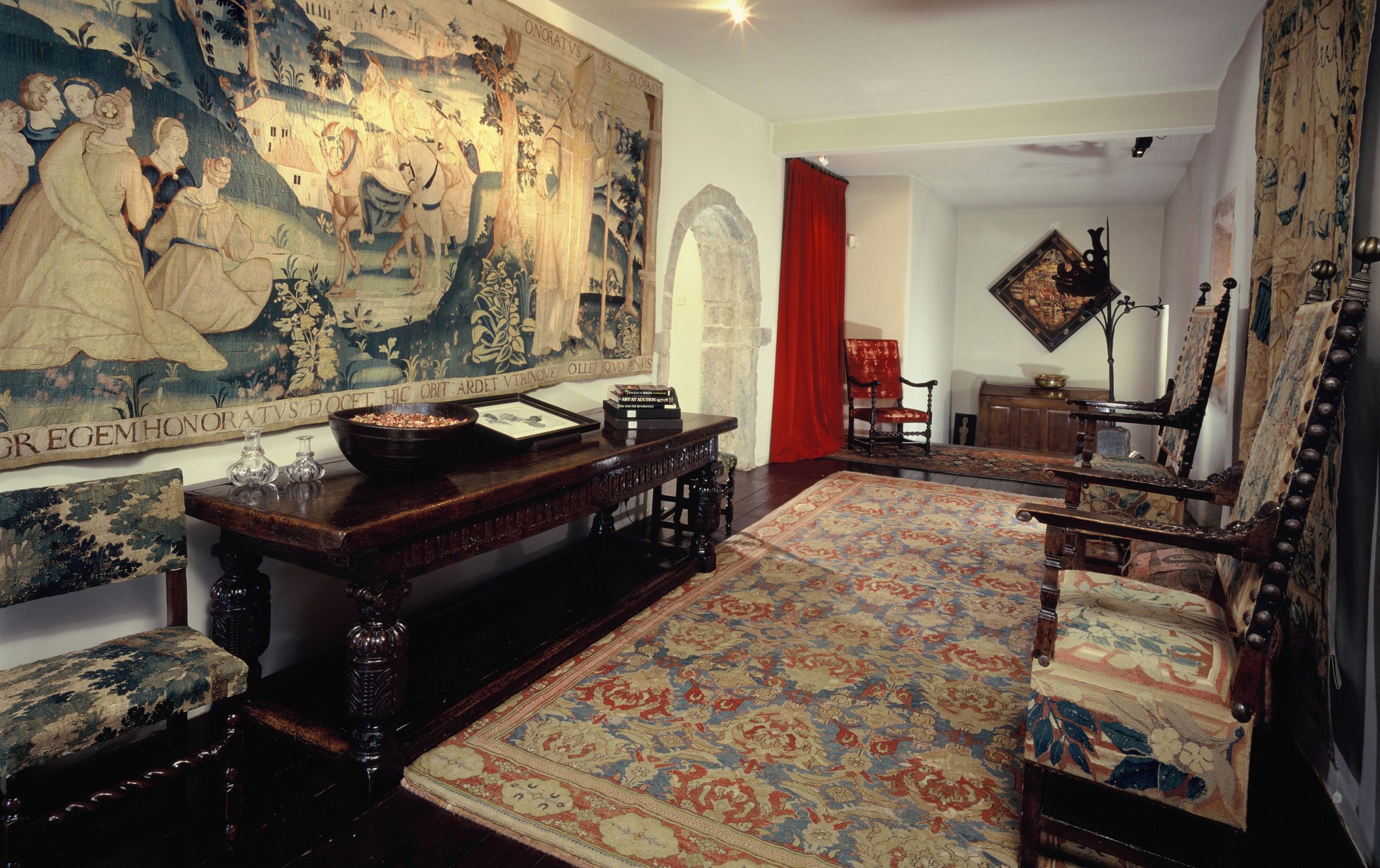
One of Lady Hamlyn’s many tapestries hanging at her home, Edgeworth Manor
One of Lady Hamlyn’s many tapestries hanging at her home, Edgeworth Manor
Lady Hamlyn was born in London. She had the most marvellous mother, who took her two daughters abroad as soon as the war ended: first stop, France. “I was 14 and I remember distinctly looking at the women when we crossed the Channel. It was the time of the Dior ‘New Look’, and suddenly there were all these wonderful women with their small waists and twirling skirts…”. A lifelong affinity with the country was forged.
A stay in hospital when she was a child had also been a formative experience. “There were piles of old copies of Country Life, which I read cover-to-cover, and through those pages I developed a passion for art, antiques and historic properties. I decided then and there to make the houses I lived in as beautiful as possible.”
Lady Hamlyn’s first project – aged 18 – was renovating a “delicious little mews house off Eaton Square” for her mother. Married at 21 to an architect, she then began looking for a house in the country – “I could only look at houses made of stone” – and eventually she found one near Southrop in Gloucestershire, which she bought from a local farmer with five acres thrown in for £1,500!
t was then that the acquisitions began in earnest. As Lady Hamlyn says, “One of the great excitements is the hunt, the chase and then bringing the acquisition back home to see where it would work best. I was fascinated by early English oak because that was the traditional furniture for early houses in this country.” The first important antiques dealer for Lady Hamlyn was Mary Bellis in Hungerford. Bellis had gathered furniture and furnishings for St Donat’s Castle, then owned by William Randolph Hearst. But, as Lady Hamlyn says, “Hearst’s wife would never go there, as she thought there were ghosts – so the collection was sold. It so happened Mary had an Elizabethan bed from there, which captivated me. It was so beyond my means at that point, so I bought it in instalments.”
This steely resolve to acquire key pieces underlies Lady Hamlyn’s philosophy. As she says, “One rule is always to buy from the best one can afford. Provenance, as we know, is so important when acquiring art and antiques, so I bought from leading dealers such as Peta Smyth and Mary Bellis, who both became my friends, as well as from major sales such as Mentmore.” One of her treasures, the tapestry that once hung in the vast hallway at Edgeworth, came from the celebrated de Rothschild Collection.
Lady Hamlyn did not exactly move on from her early interests, but she did – as do all serious collectors – add more passions. “My collection is drawn from across Europe and different centuries. My fascination in early English oak and medieval French architecture developed into a passion for Renaissance furniture from Tuscany.” Her horizons expanded further: “When one adds in pieces from 17th-century Spain, Italian Baroque chairs, textiles from Brussels and terracotta lions from northern Italy, it’s a pan-European journey which has enhanced our homes.”
Lucinda Bredin is Editor of Bonhams Magazine.

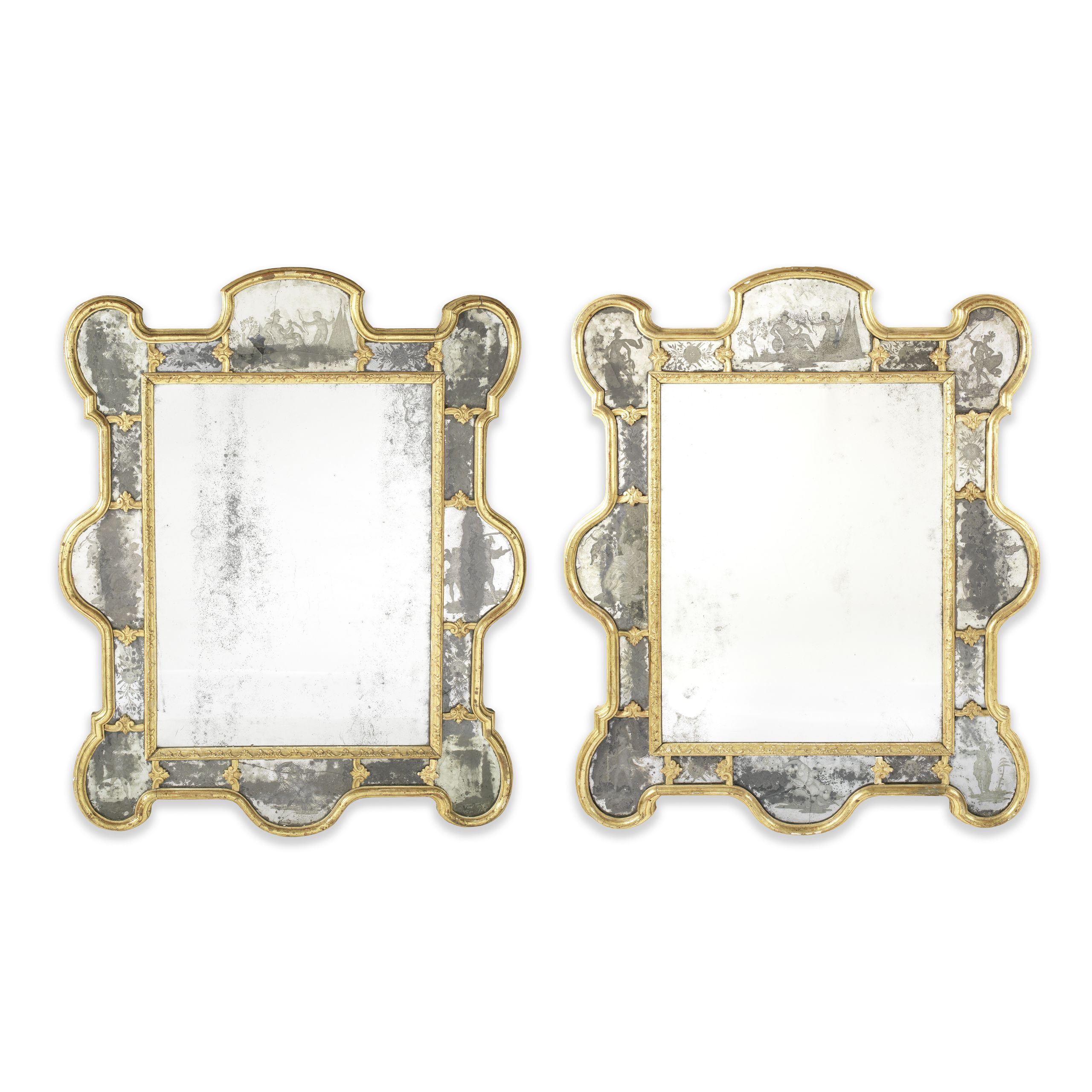
A pair of fine Venetian giltwood and etched-glass mirrors mid-18th century 127 x 157cm (50½ x 62in) Estimate: £15,000 - 20,000
A pair of fine Venetian giltwood and etched-glass mirrors mid-18th century 127 x 157cm (50½ x 62in) Estimate: £15,000 - 20,000

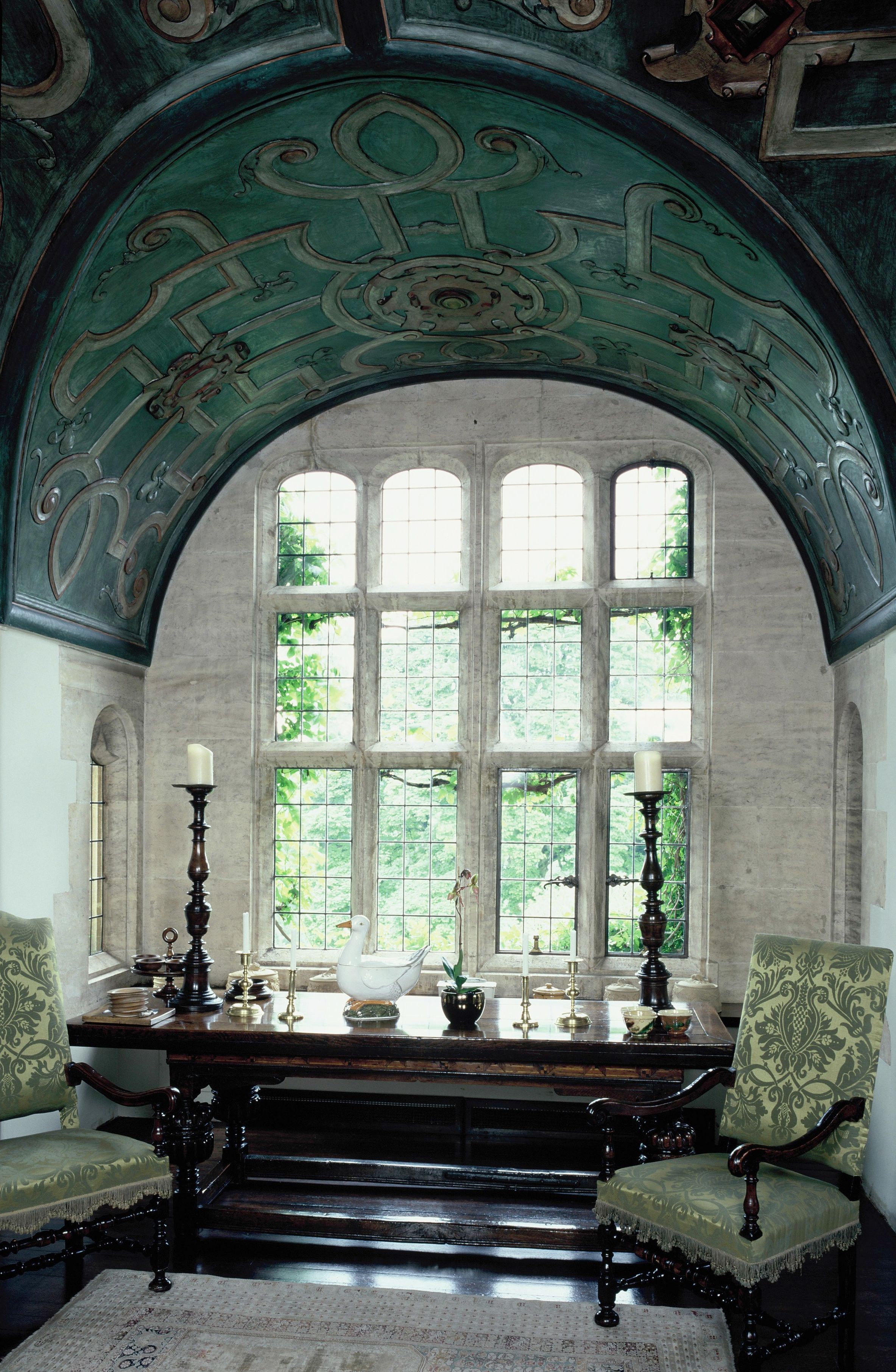
A window looking out on to the gardens of Edgeworth Manor
A window looking out on to the gardens of Edgeworth Manor
 Built with Shorthand