
The World Through
18th Century Eyes

History
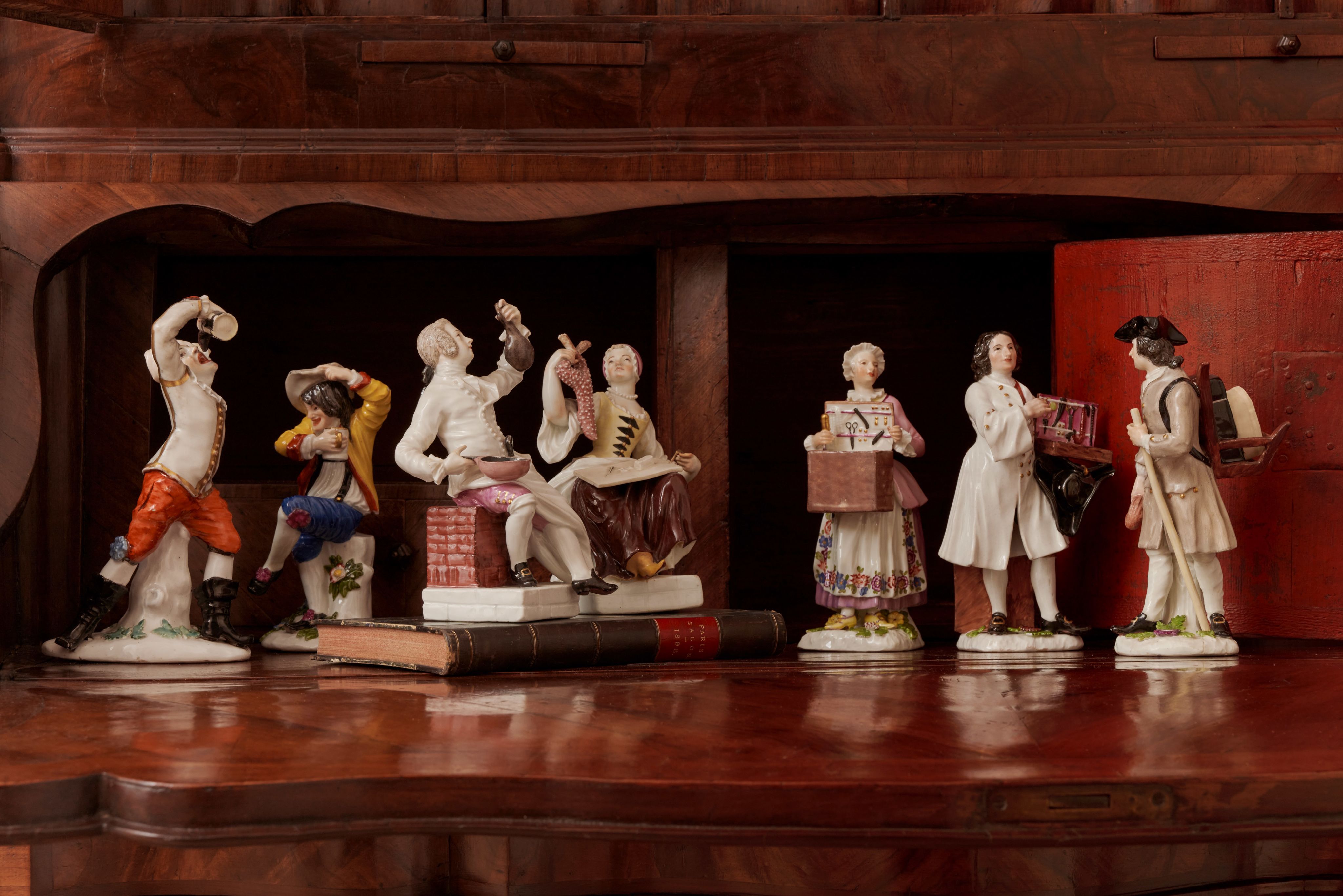
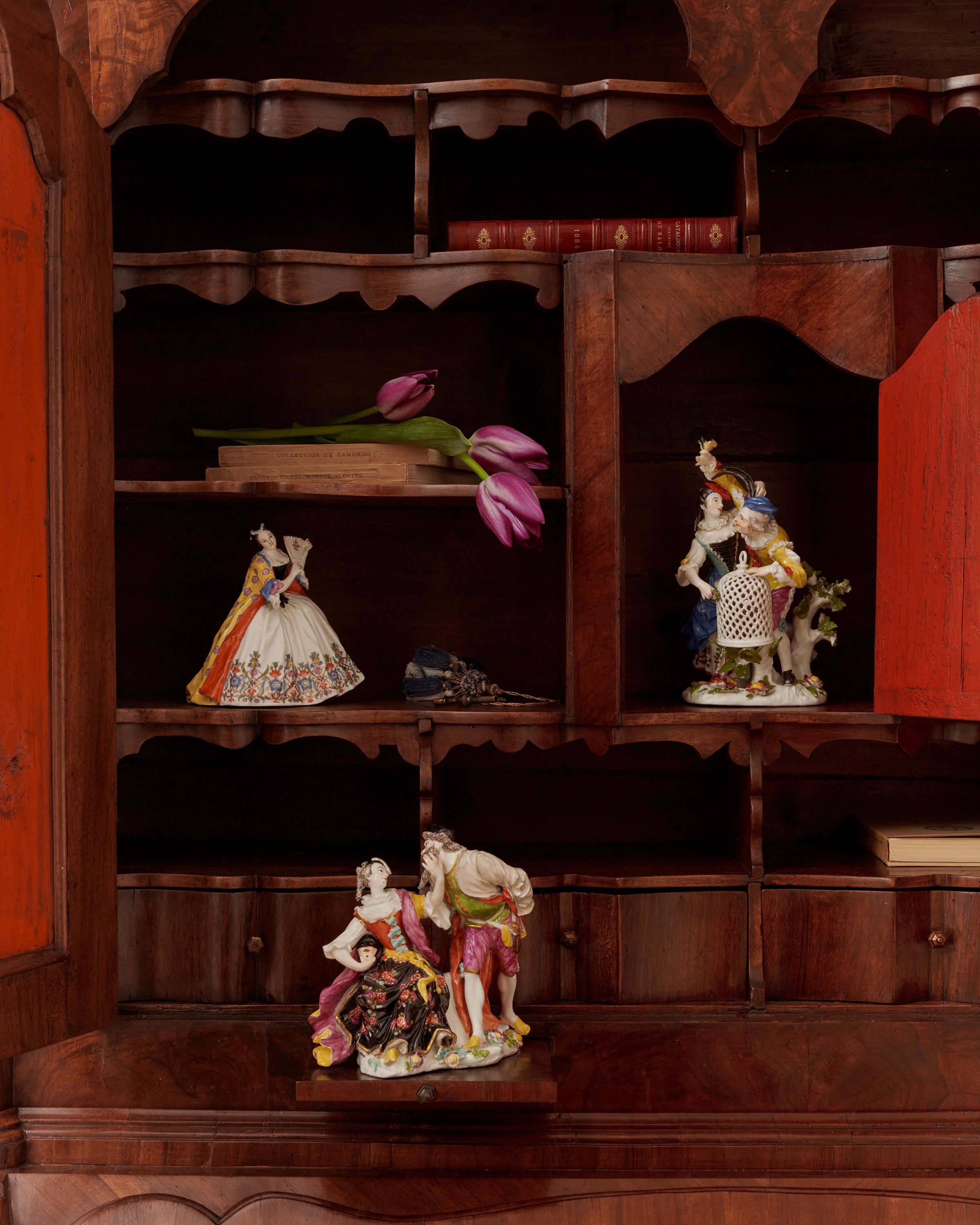
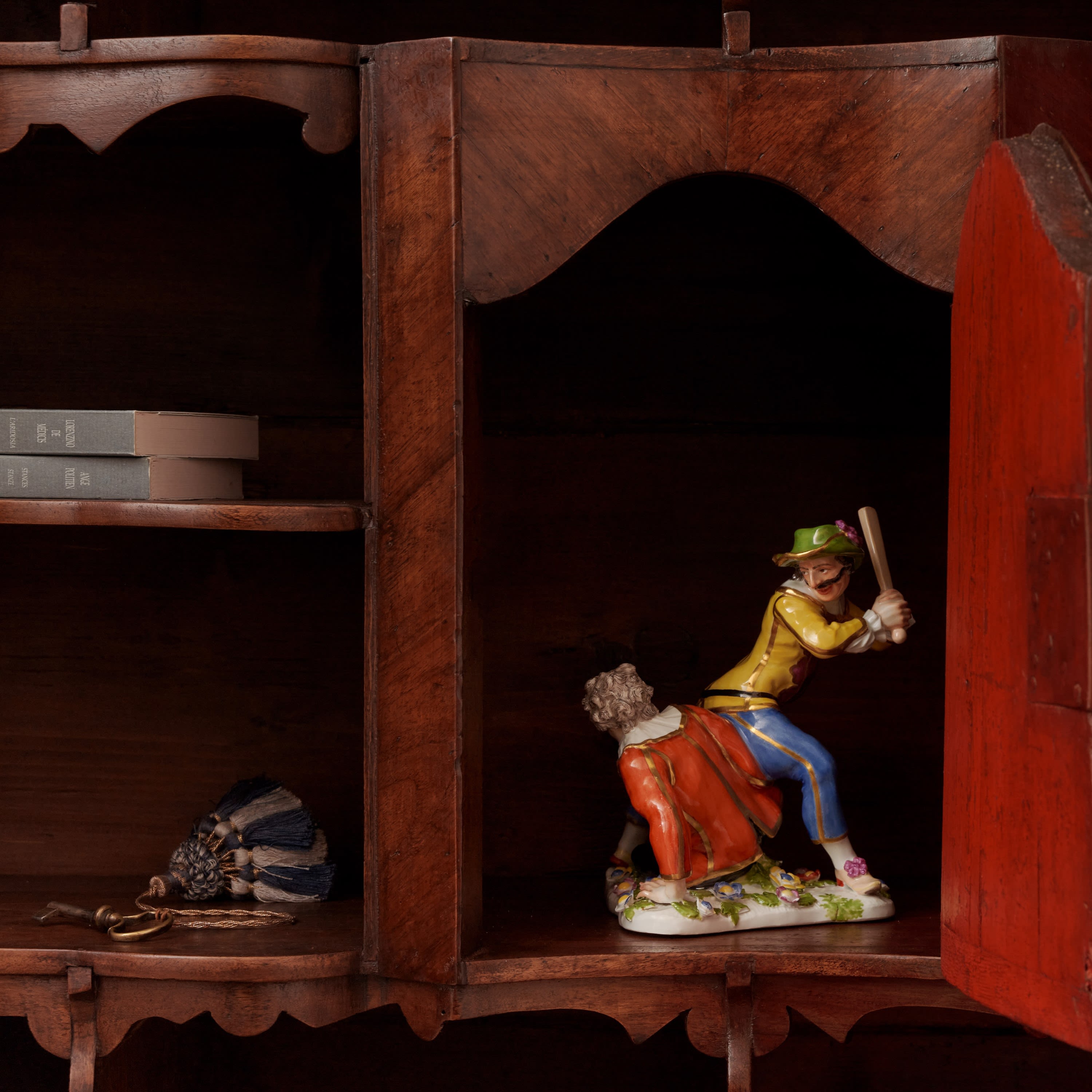
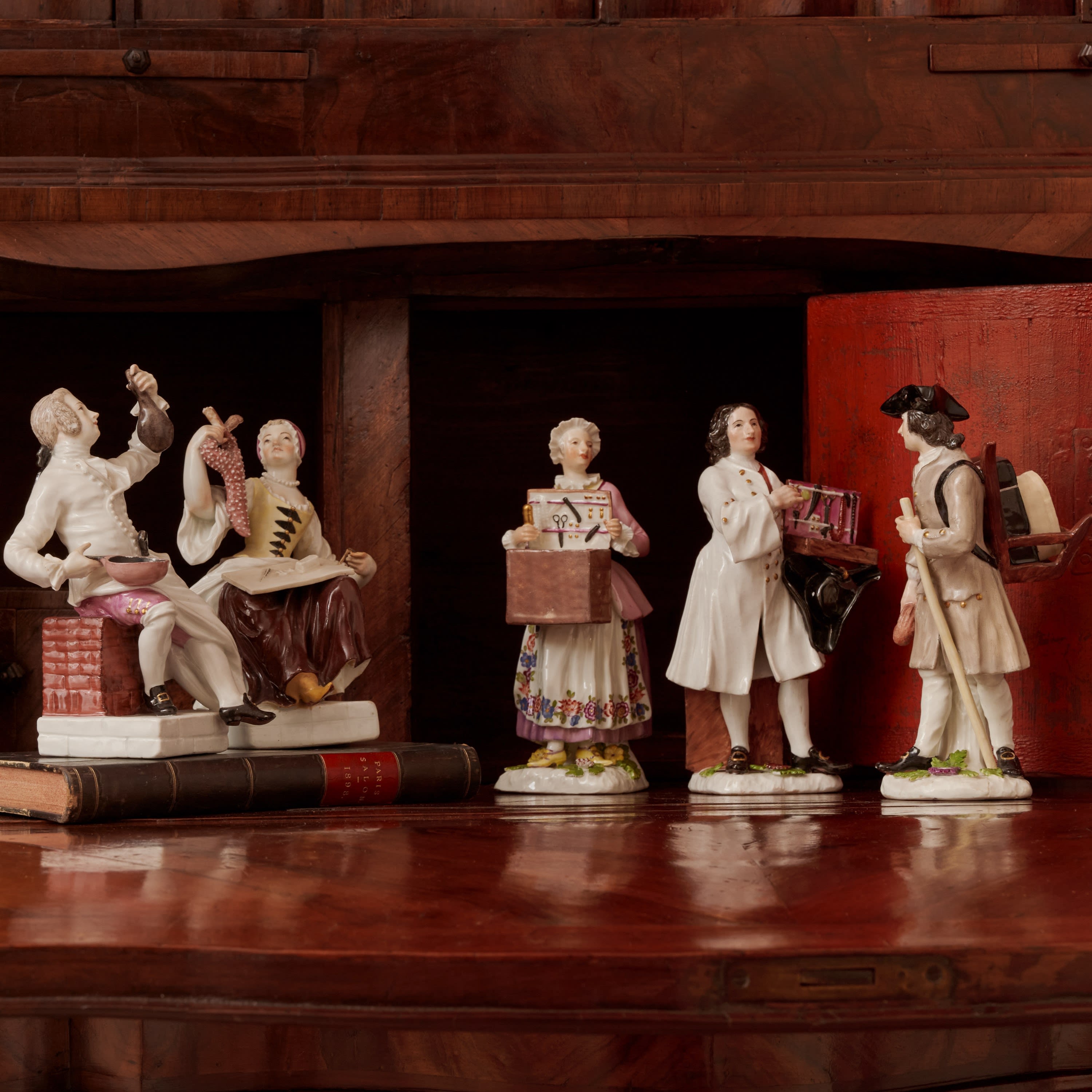
Hadrian Merkle began his collection of Meissen porcelain 50 years ago. He was a hugely passionate and knowledgeable collector, who devoted a great deal of time and effort to studying the subject.


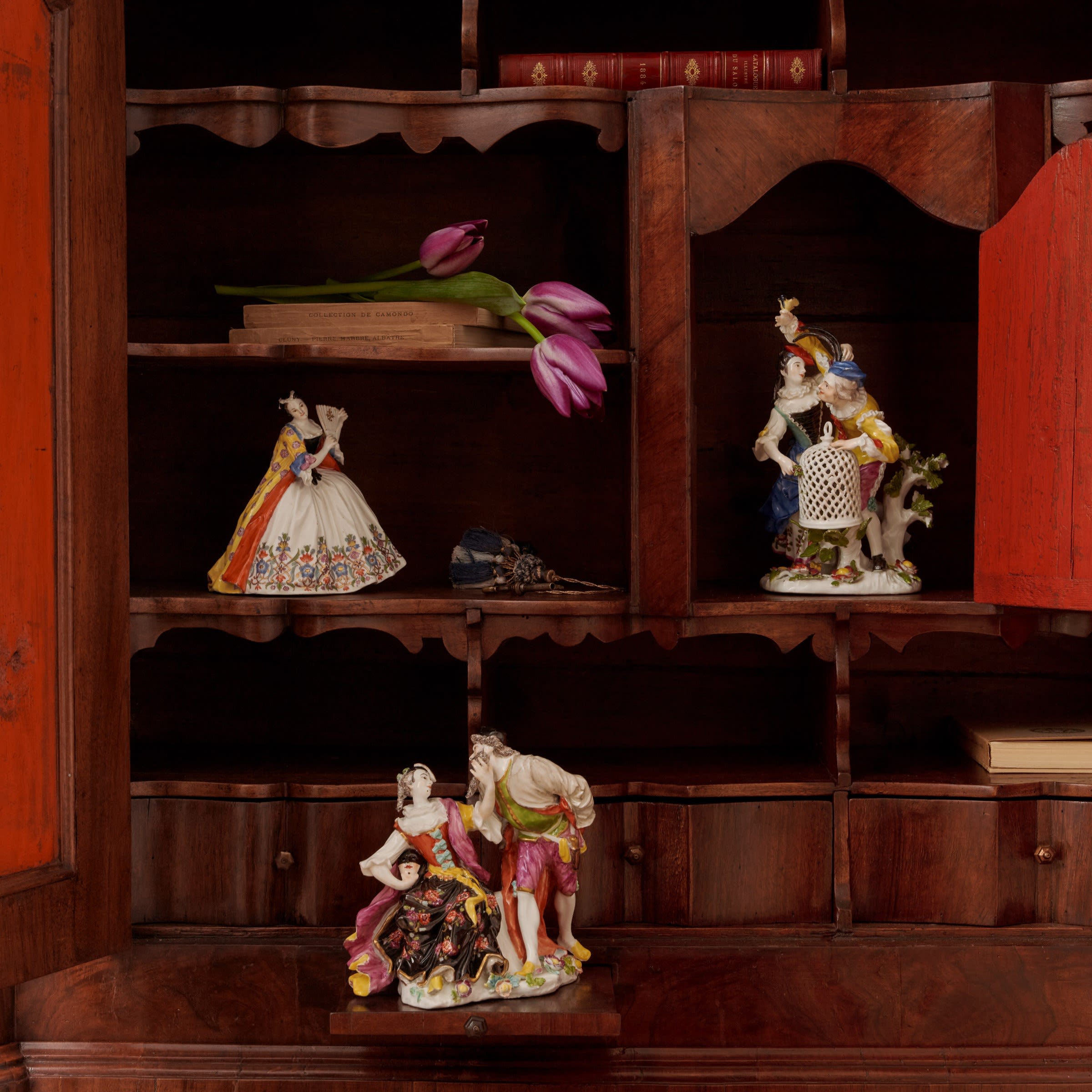
He built up a unique collection covering the breadth of Meissen porcelain sculpture, from the rarest early harlequin figures to the largest collection of figures representing the world’s nations. He was also part of a tradition of scholarly collecting of Meissen porcelain that stretches back to the end of the 19th century. Mr. Merkle’s goal as a collector was to show the incredible ambition of the Meissen factory as well as the genius of its master modeller, Johann Joachim Kaendler.

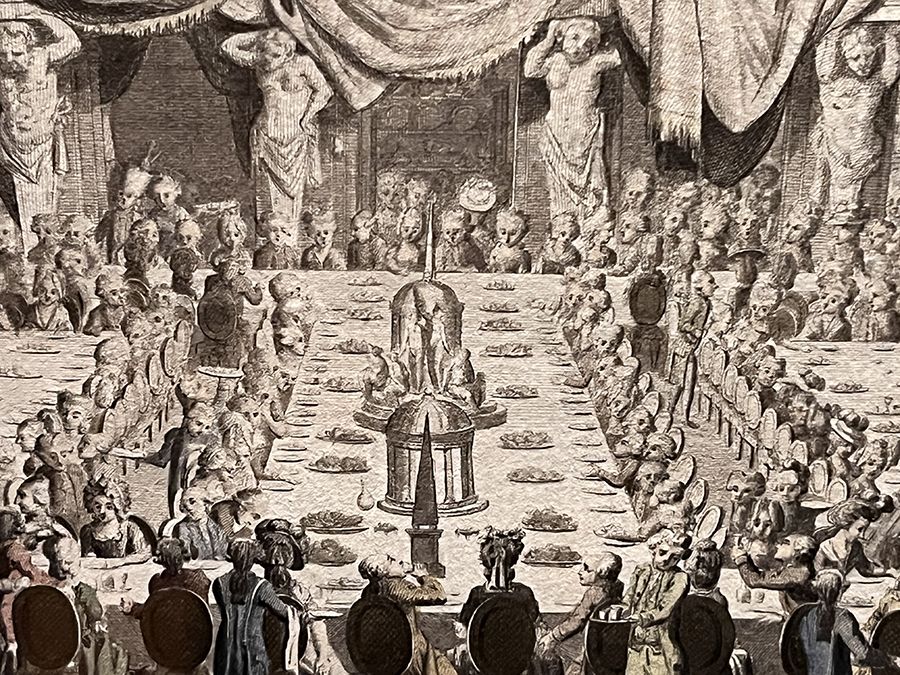
Banquet set up at the Palace of Count Marcolini, 1781
Banquet set up at the Palace of Count Marcolini, 1781
Porcelain figures and groups were an essential part of table culture at European courts in the 18th century. The discovery of the secret of hard-paste porcelain at Meissen around 1710 led to the replacement of sugar sculpture on the table with the finer and more durable material that could also be painted and gilded. The elaborate table sculptures were an expression of beauty and the grandeur of the court but were also an amusing and sophisticated tableau to stimulate conversation among the diners and a diversion from the sometimes-rigid court etiquette.
Standing on the shoulders of giants
Mr. Merkle followed a distinguished line of porcelain collectors who loaned to major European exhibitions. The 1904 exhibition, Europäisches Porzellan des XVIII. Jahrhunderts [European Porcelain of the 18th Century], at the Kunstgewebemuseum in Berlin (which alongside Paris and London was one of the centres of the art market) signalled to a broader public the “arrival” of porcelain as a collecting field on a par with any of the fine and decorative arts. Among the lenders were some of the greatest early collectors: Ludwig Darmstädter, Walter von Pannwitz, Wilhelm Gumprecht, Wolfgang von Dallwitz and Otto von Klemperer. When collections of porcelain came to the market, the sale catalogues were often written by the leading museum scholars of the day – Otto von Falke, Ludwig Schnorr von Carolsfeld and Erich Köllmann – and became reference works for a new generation of collectors, who thus “stood on the shoulders of giants”.

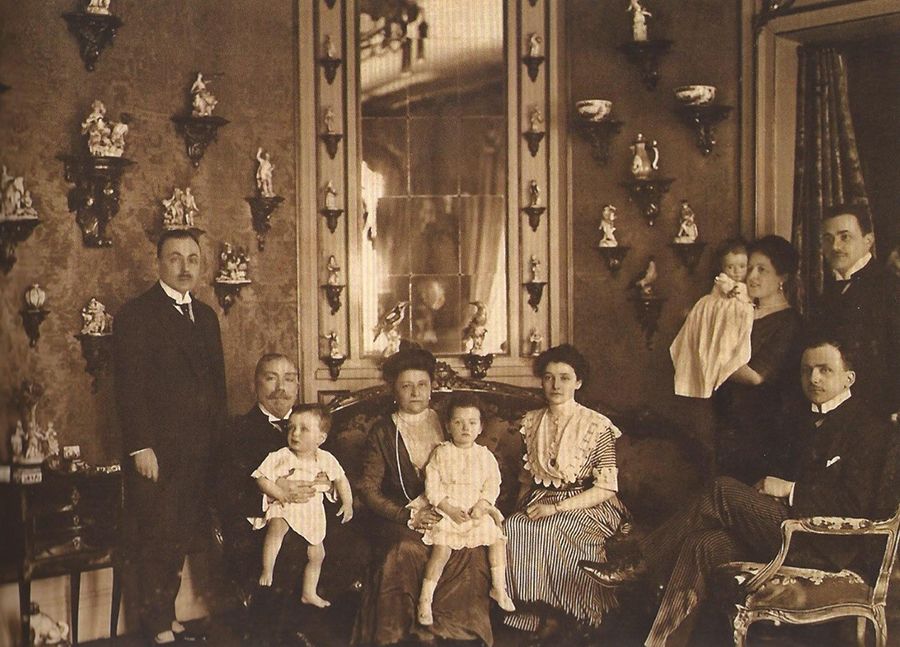
Gustav von Klemperer and family surrounded by their treasures in their house on the Tiergartenstrasse in Dresden, c. 1911
Gustav von Klemperer and family surrounded by their treasures in their house on the Tiergartenstrasse in Dresden, c. 1911
The exhibition Masterpieces of European Porcelain at the Metropolitan Museum of Art in 1949 demonstrated the shift in collecting gravity post-war to the United States; many of the lenders, such as Irwin Untermyer, R. Thornton Wilson and Jack and Belle Linsky subsequently left their collections to the museum. German porcelain became an international collecting taste. The revival of collecting in Germany came in the 1950s with the founding of the Gesellschaft der Keramikfreunde (Keramos), a society that brought museum scholars and collectors together. Leading post-war collectors, such as Dr. Ernst Schneider in Munich, and Dr. and Mrs Pauls-Eisenbeiss in Switzerland (originally from Dresden), set an example that inspired many a subsequent collector, including Hadrian Merkle. He in turn lent many objects to international exhibitions, including the largest European museum for Porcelain, the State Museum Porzellanikon in Germany.

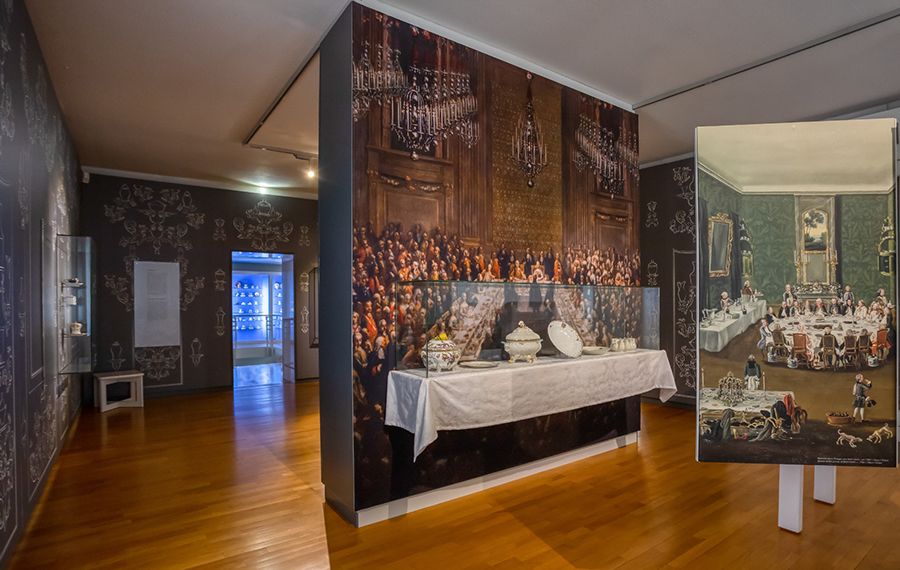
View of the exhibition Tischkultur im 18. Jahrhundert [Dining Culture in the 18th Century] in Hohenberg a. d. Eger. Photo: Andreas Gießler, ©Porzellanikon
View of the exhibition Tischkultur im 18. Jahrhundert [Dining Culture in the 18th Century] in Hohenberg a. d. Eger. Photo: Andreas Gießler, ©Porzellanikon
Hadrian Merkle’s collection is a testament to his skill and passion as a collector and a legacy of a great tradition of collecting; it is also a record of the almost boundless artistic ambition of the Meissen manufactory, that allows us to see the world through 18th century eyes.

Highlights

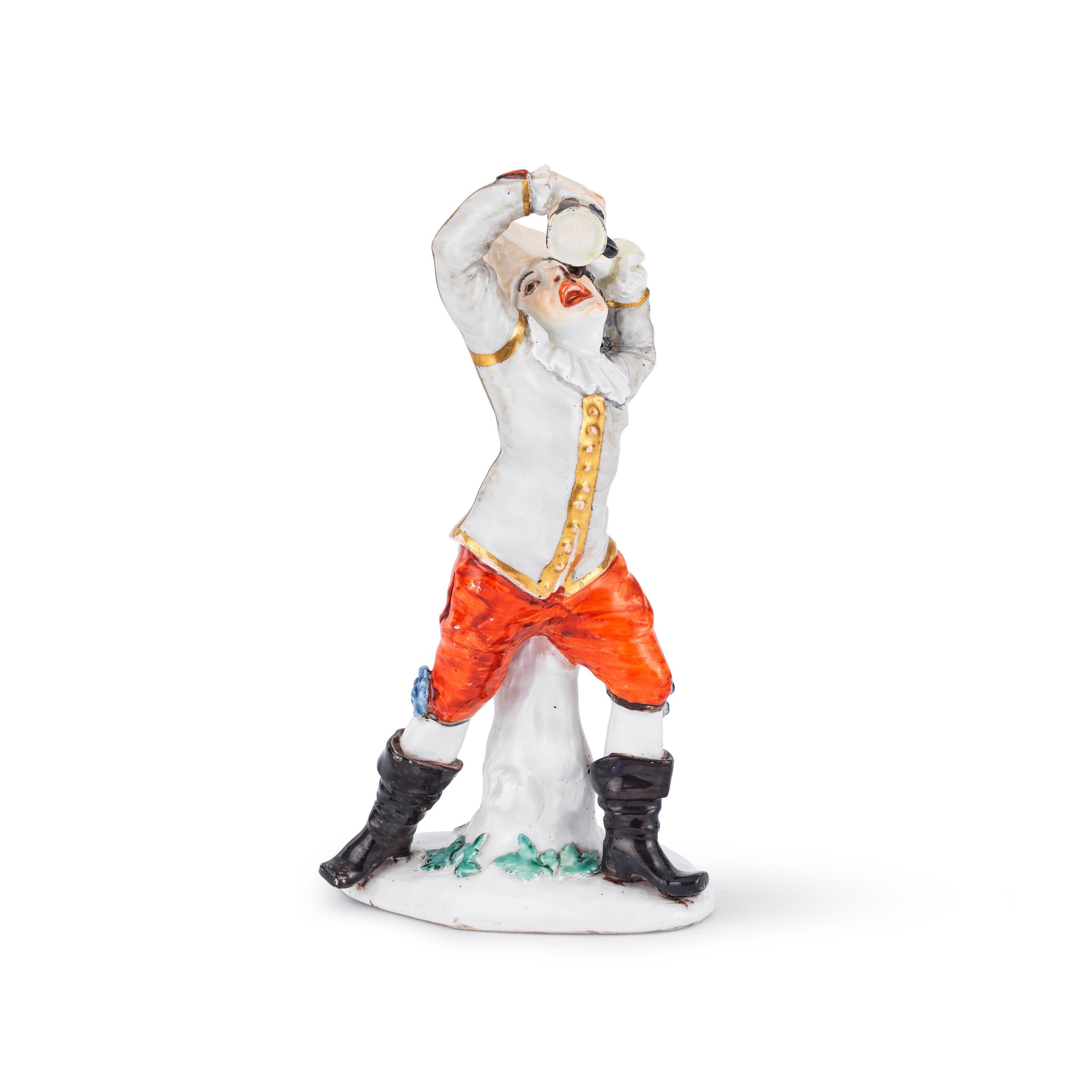
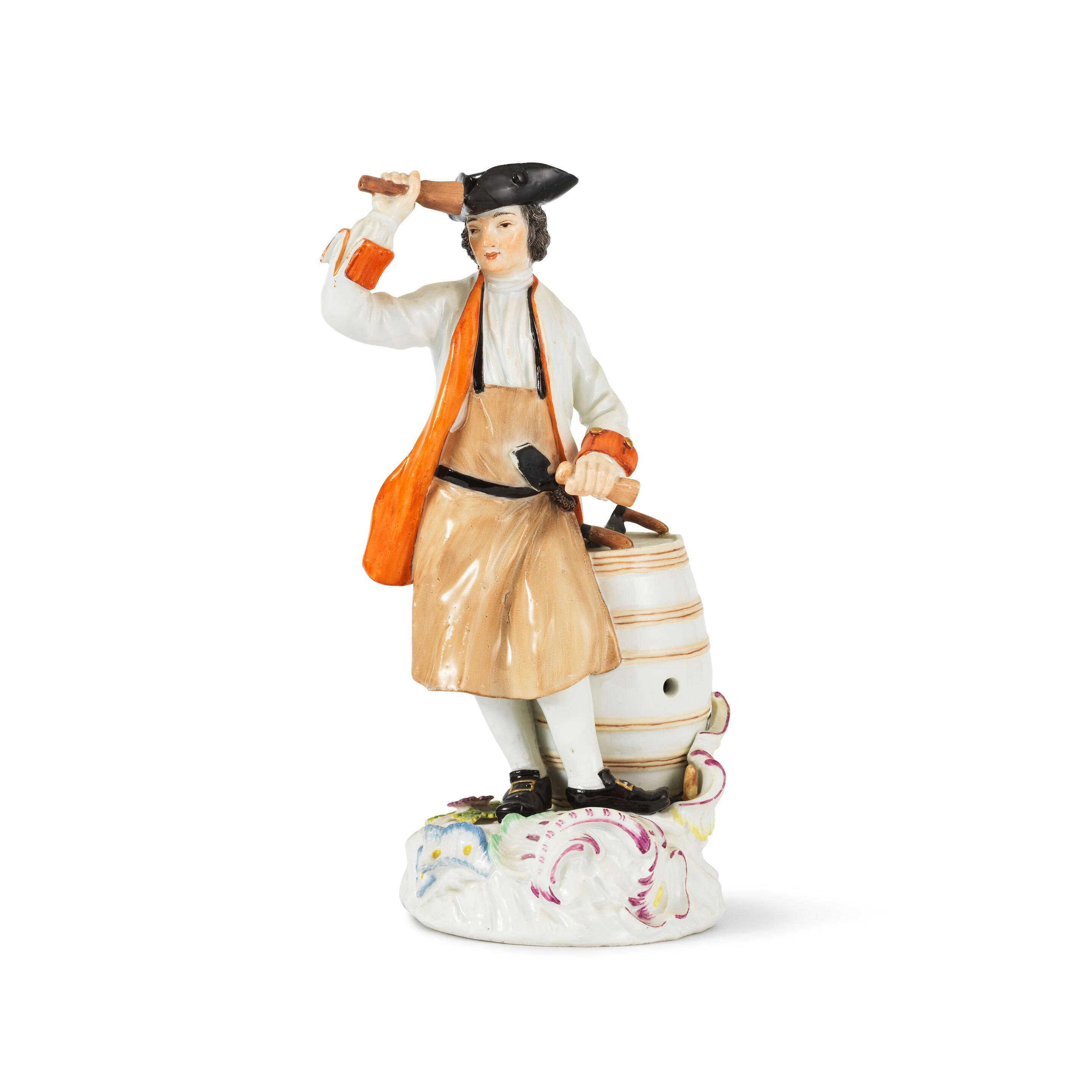

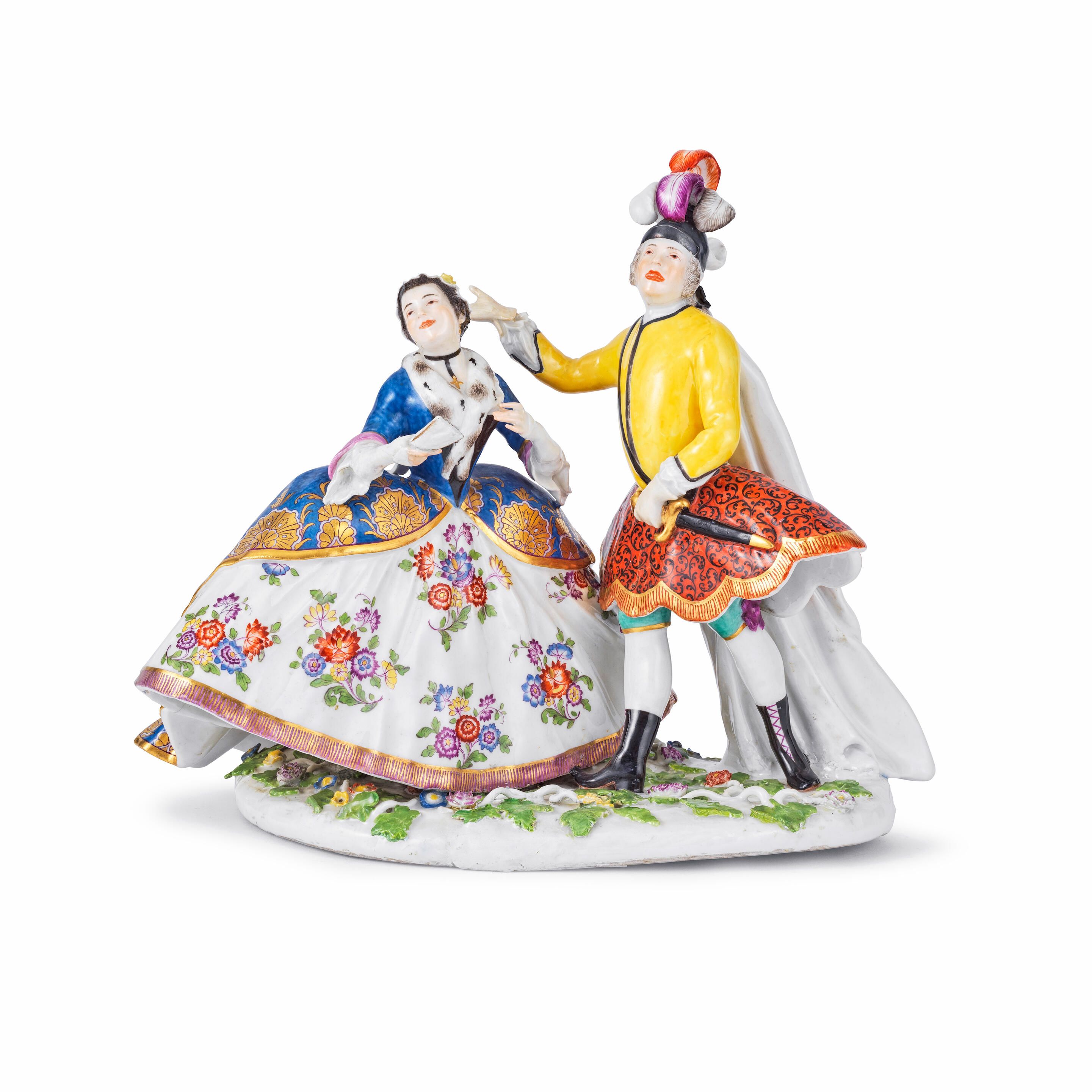
A very rare Meissen group of opera singers, the porcelain circa 1745, later decorated
Estimate: €15,000 - €20,000
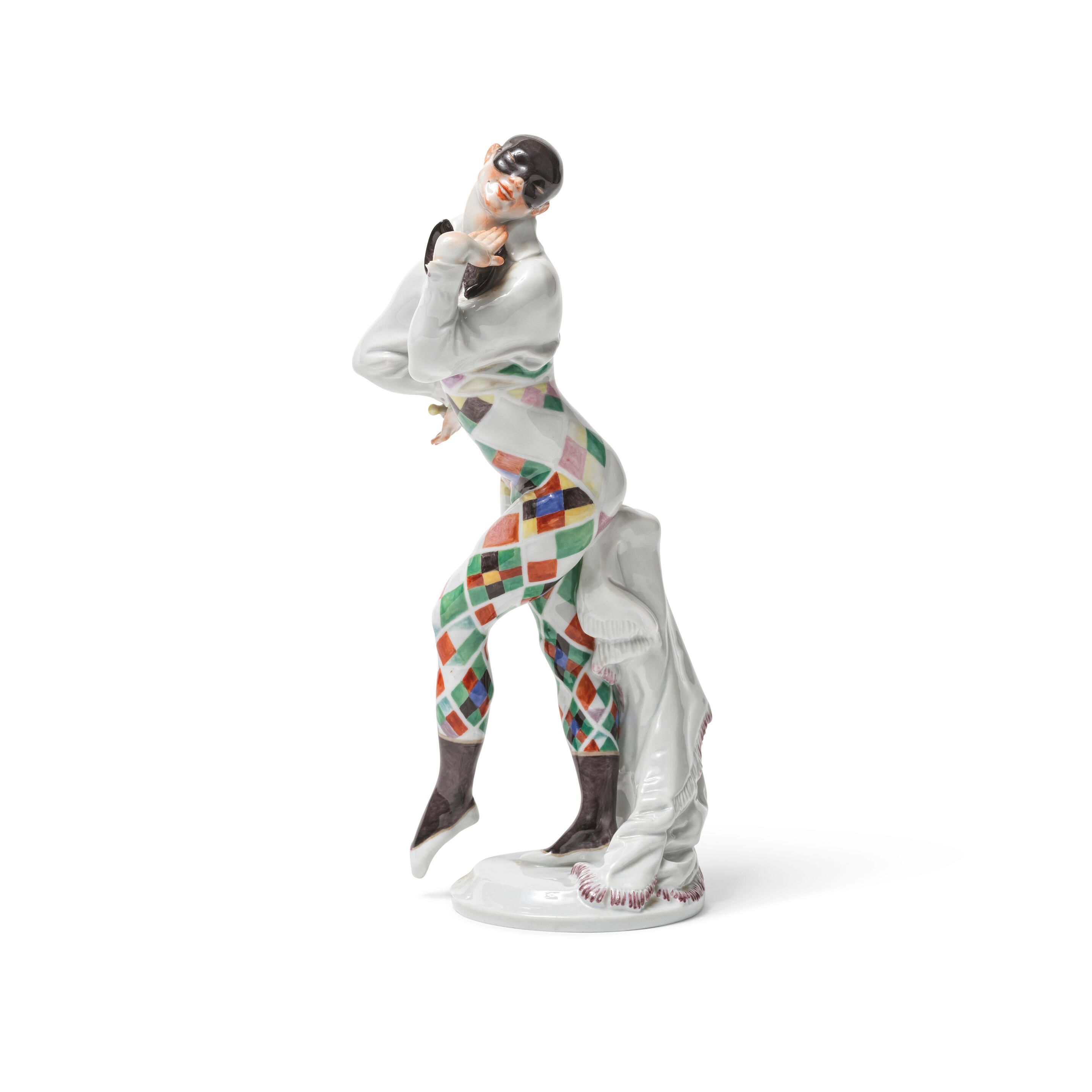
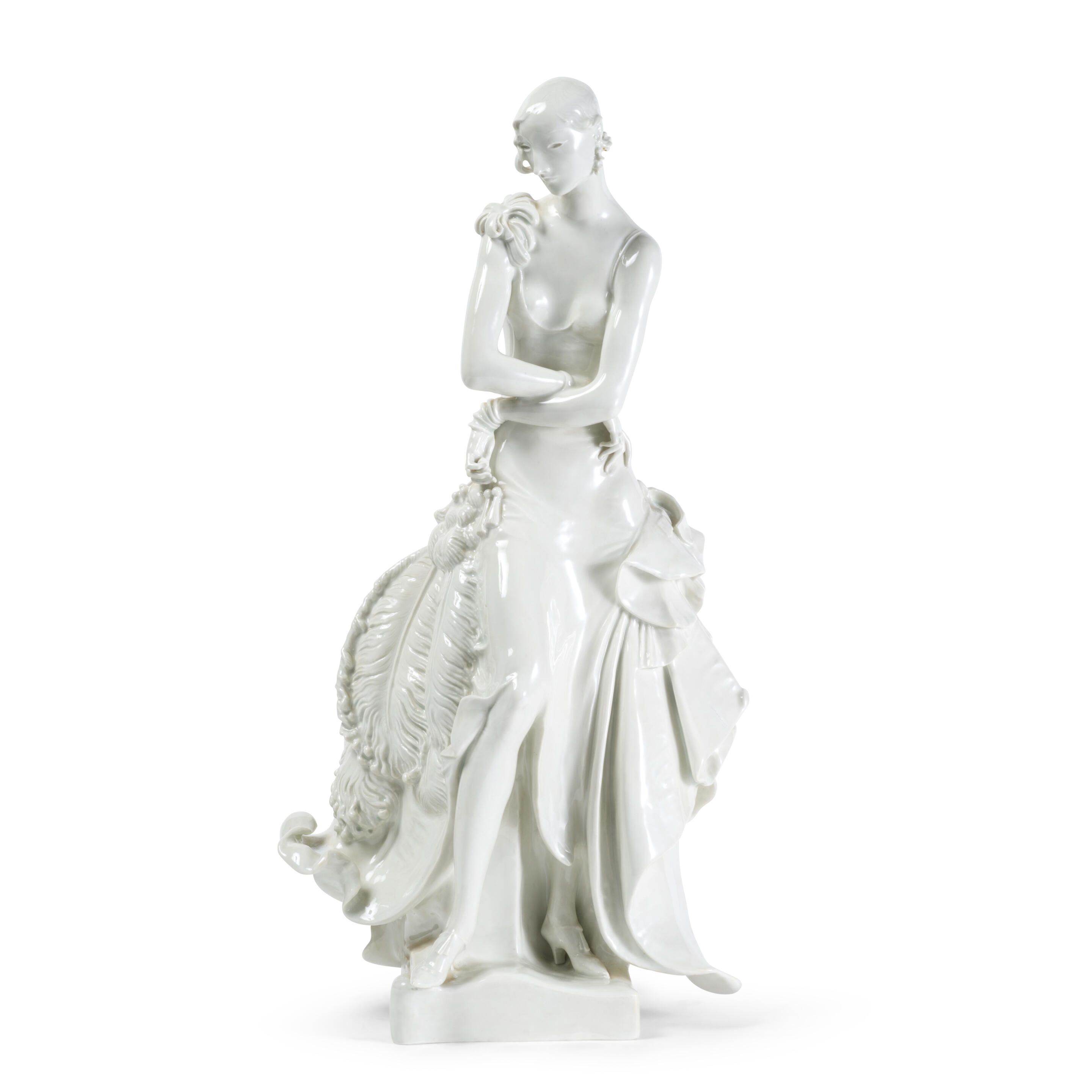
A white Meissen figure of the lady with a fan (Stehende Dame mit Fächer), circa 1934-1948
Estimate: €2,500 - €3,500
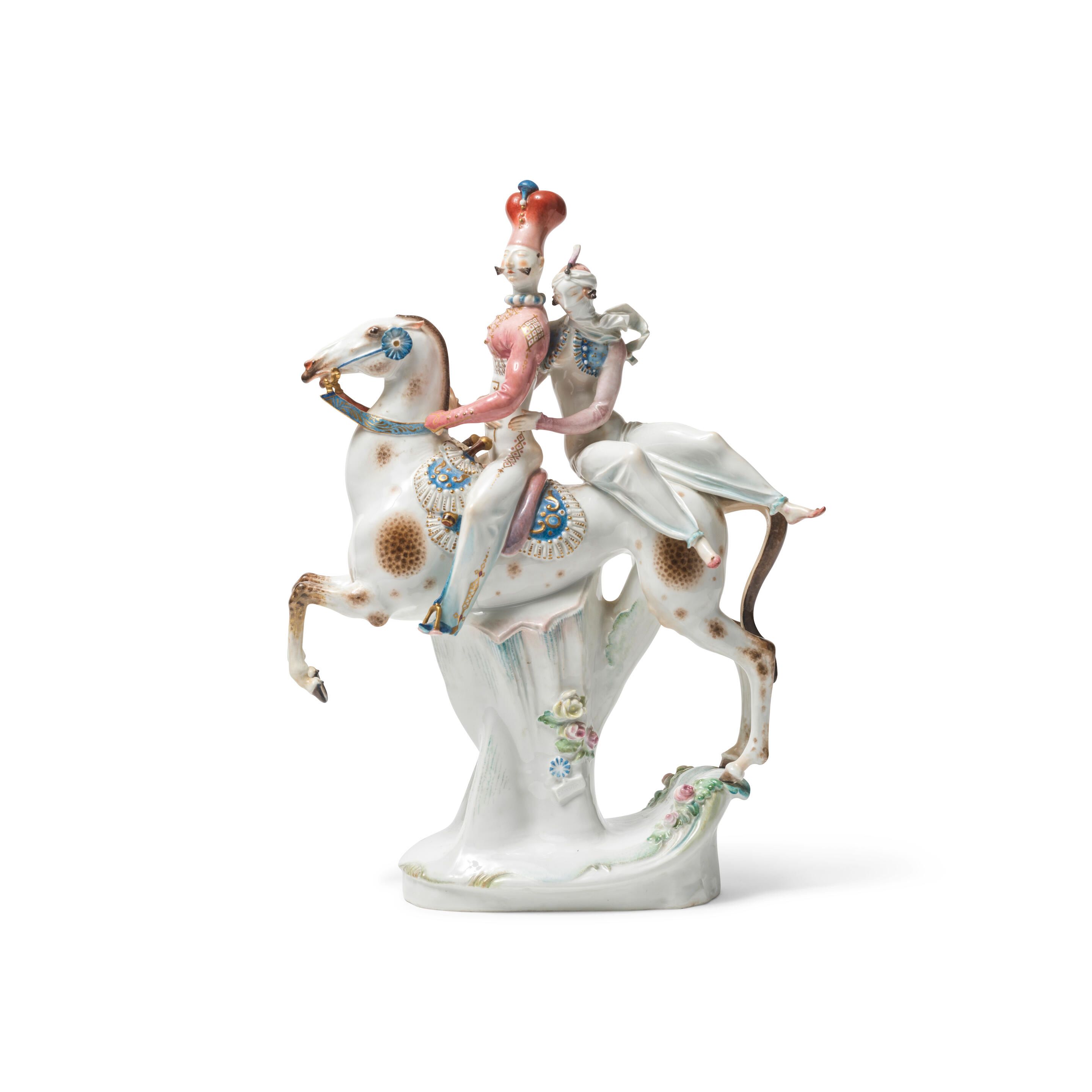
A rare Meissen group of a Turkish couple on horseback, circa 1930-33
Estimate: €7,000 - €9,000
Auctions


Contact us
Sebastian Kuhn
Department Director, European Ceramics
Sebastian.Kuhn@bonhams.com

Stay updated with our auctions. Create an account with Bonhams to follow your favourite collecting categories and get email alerts when new auctions are open for bidding. Register now
 Built with Shorthand