
Masterpieces
The Eddi Van Auken Collection


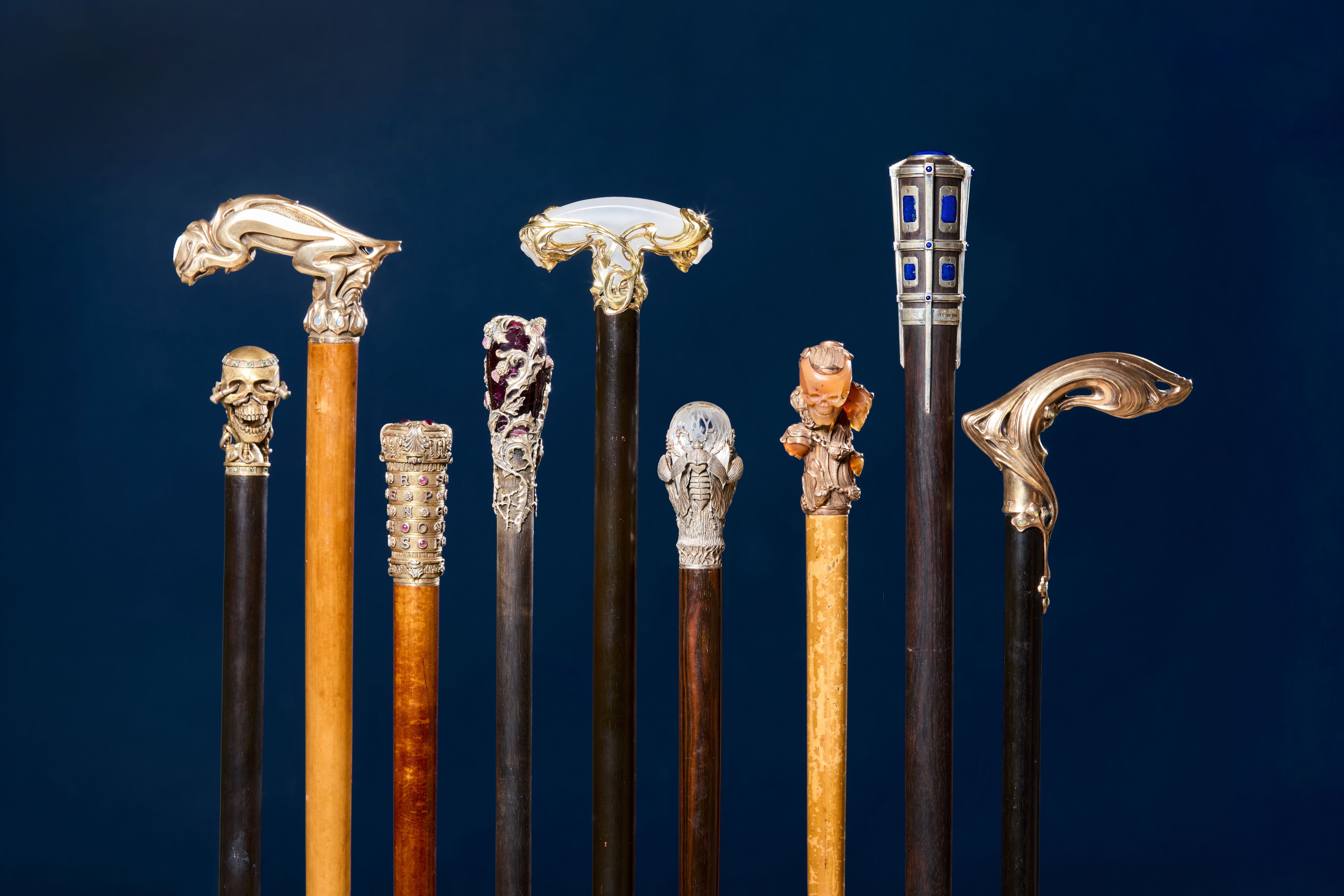
To describe Eddi Van Auken merely as a cane collector understates her singular vision. She was, rather, a connoisseur of vertical artistry, a curator of craftsmanship, character, and provenance. Over three decades, Van Auken assembled an extraordinary collection of antique canes, each chosen not simply for rarity or material (though gold, silver, and gemstones abound), but for personality and presence.
Van Auken's San Francisco Bay Area home became a sanctuary for her collection, chronicled in her book Vertical Art: The Enduring Beauty of Antique Canes and Walking Sticks. A second, planned volume, entitled MASTERPIECES: The Eddi Van Auken Collection of Antique Walking Sticks and Cane, was actively underway at the time of her passing in 2024.
Bonhams is honored to present select highlights from The Eddi Van Auken Cane Collection | Masterpieces, available for auction on December 8 in New York. The second in a series of auctions, this sale represents an anthology where art meets utility, and ornament meets authority. Step into the world of Eddi Van Auken, where canes gleam with silver, whisper histories, and walk with unmistakable style.


The Victorian Fascination with the Macabre
The Industrial Revolution in the 19th century brought a Victorian fascination with the macabre and the mystical. Gothic horror flourished in literature, and participating in séances was a fashionable pastime. The prevalence of early deaths during this time, as well as elaborate mourning rituals, cemented death and remembrance as a major facet of life.
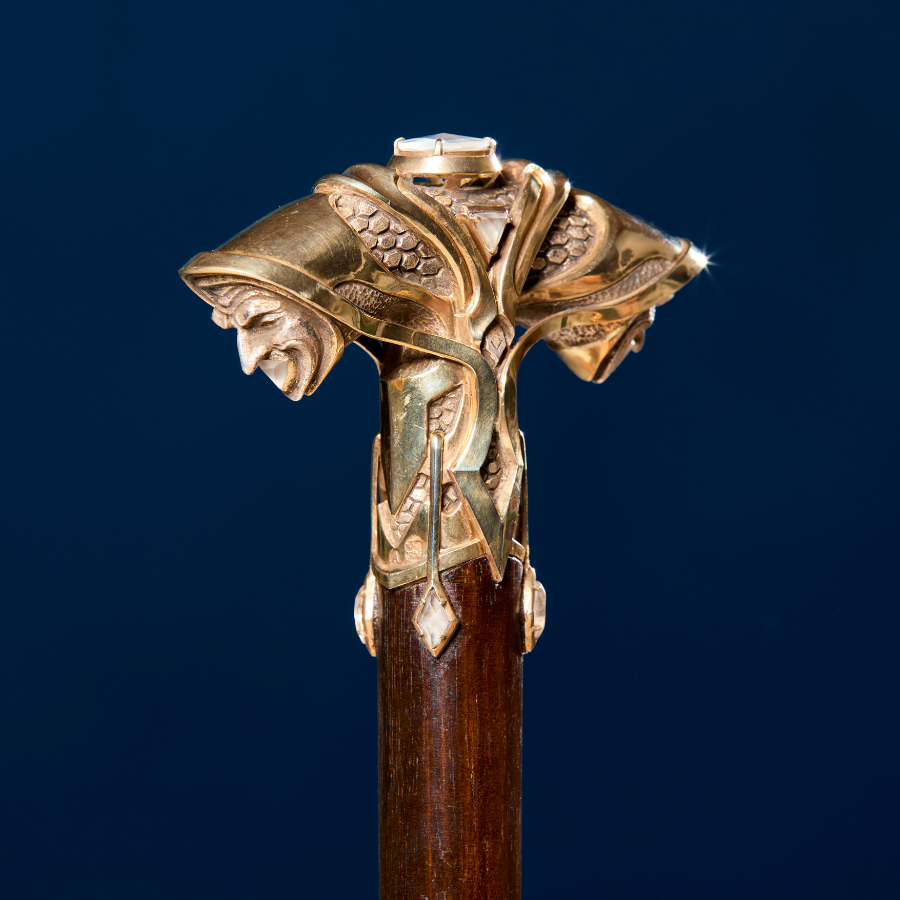
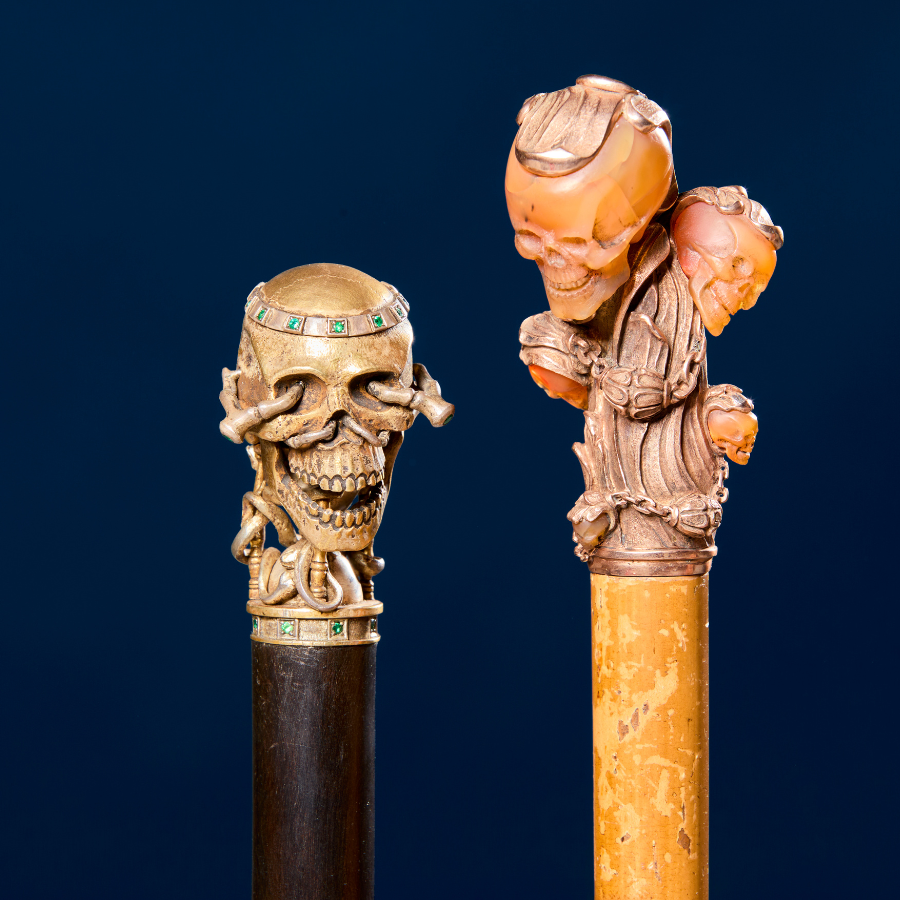
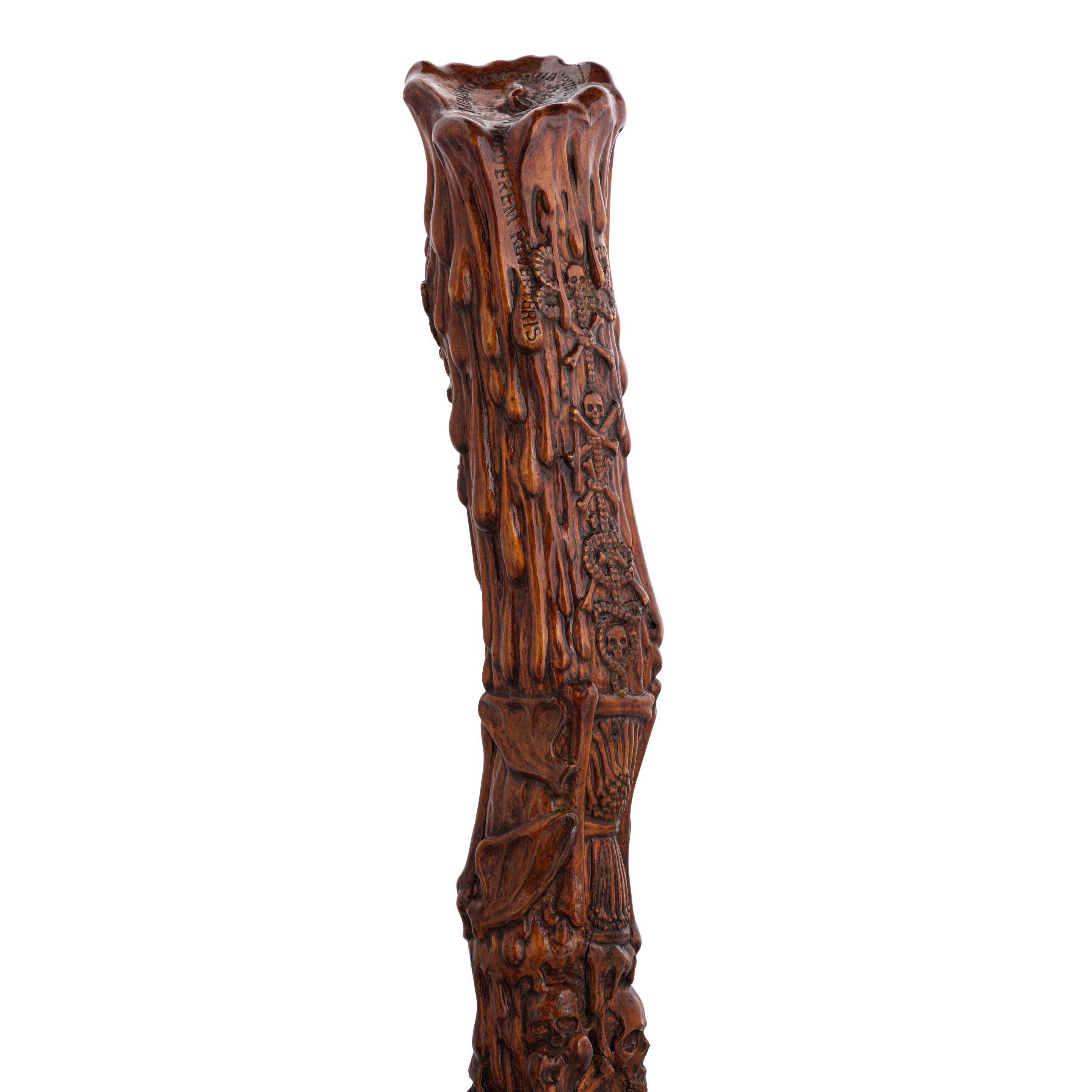
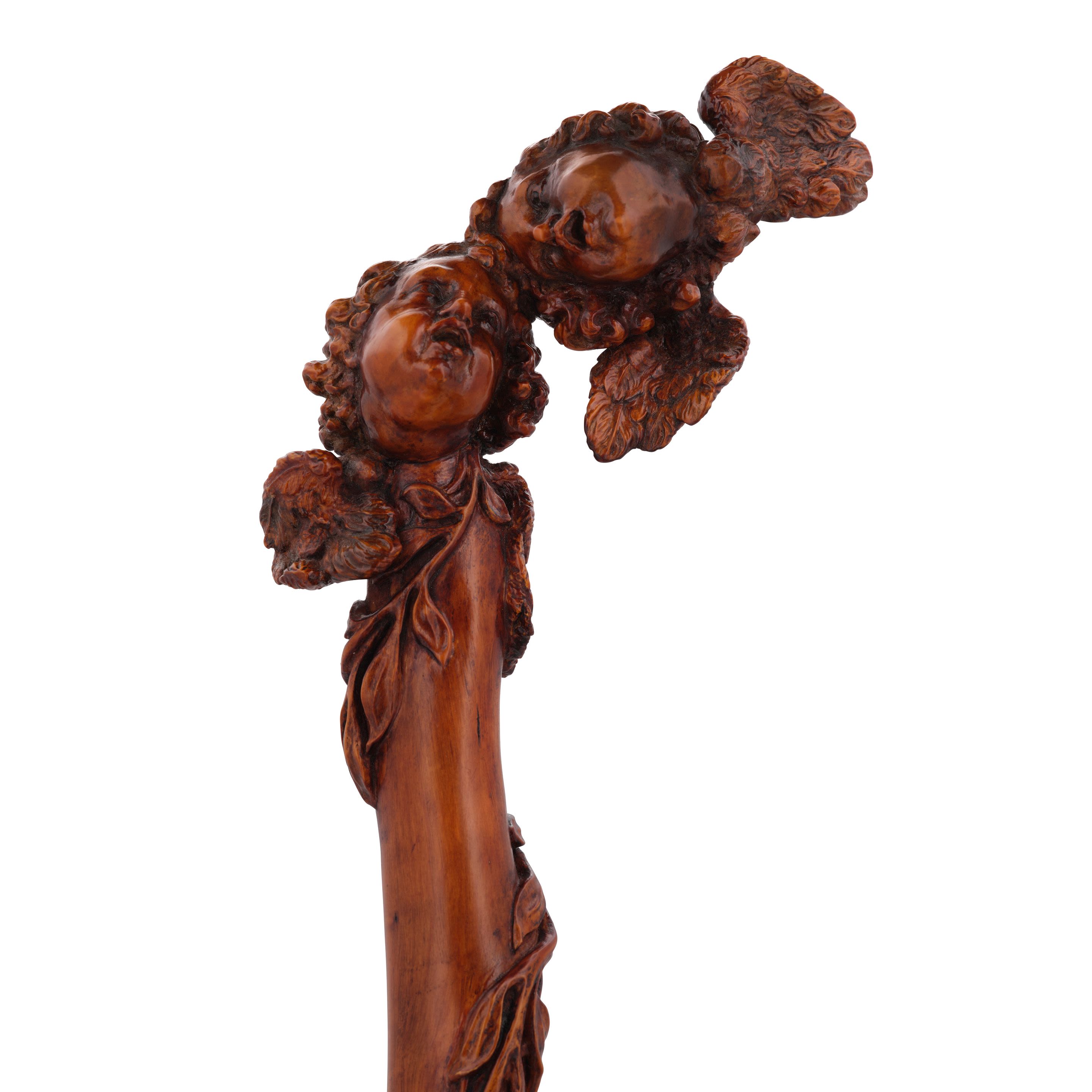
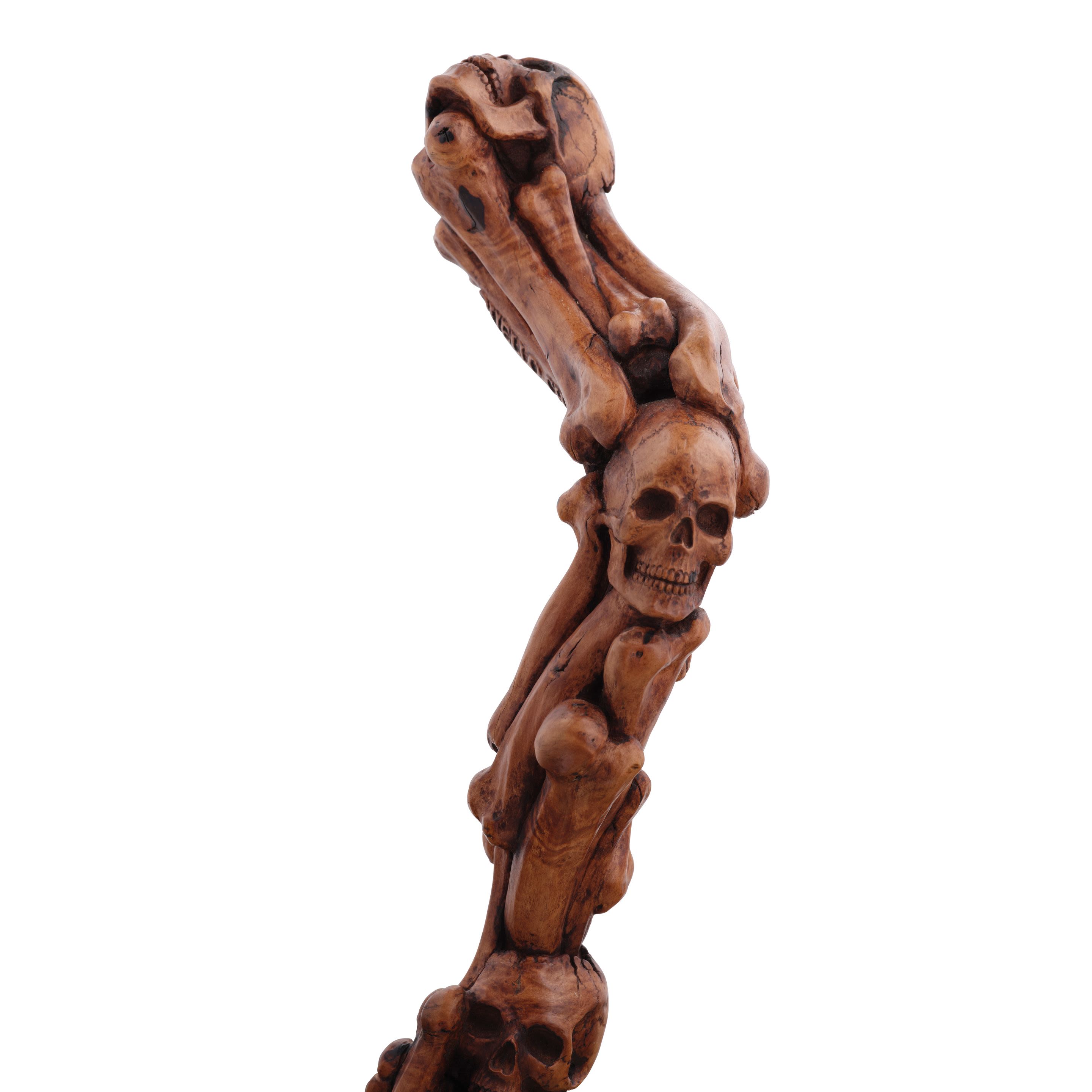
It is therefore unsurprising that the fashion and trends of the early 19th century would also incorporate a dark element. With the popularity of canes rising during the 17th to 20th centuries, walking sticks functioned less as a practical tool for walking and more as a symbol of status, power, and authority. In the 18th century, gentlemen in London were even required to have a license to carry a cane and had to abide by strict rules of etiquette while using it in public. Canes and walking sticks became intricately carved and embellished to depict memento mori motifs, including skulls, skeletons, hourglasses, and figures in various stages of decay.
"More than objects of utility, these canes embody cultural symbolism, social history, and an enduring sense of individuality – mirroring Van Auken's discerning and unconventional eye,"
Anna Hicks
Head of Private and Iconic Collections at Bonhams

Memento Mori
Memento mori, meaning “Remember you must die,” often evokes a sense of dread to the modern ear. However, the practice of contemplating death as a means of guiding life dates to the philosophers of Greece and Rome. The Stoic philosophers, in particular, embraced their mortality to shape their perspective and spur themselves towards meaningful action.
Visual symbols of death in paintings, iconography, and objects became commonplace, collectively referred to as memento mori. United by common symbols such as skulls, skeletons, hourglasses, extinguished candles, and flowers, the imagery serves to remind the viewer of their impending mortality and the fleetingness of life. This reminder was intended to encourage a virtuous life. Perhaps the first English literary reference to memento mori appears in William Shakespeare’s 1598 play Henry IV: “No, I’ll be sworn; I make as good use of it as many a man doth of a death’s-head or a memento mori.”




Auction Highlights


Josef Hoffman (Austrian, 1870–1956)
Austro-Hungarian Secessionist Cane, circa 1907
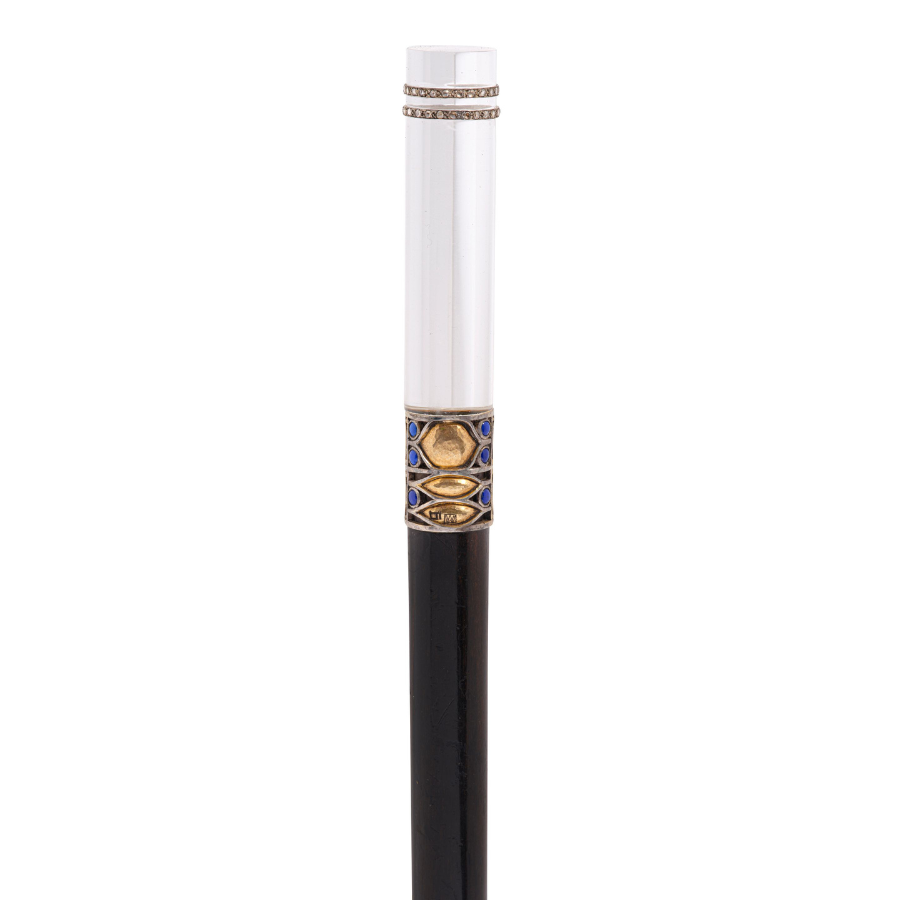
Josef Hoffmann (Austrian, 1870–1956): Austro-Hungarian Secessionist Cane, circa 1907
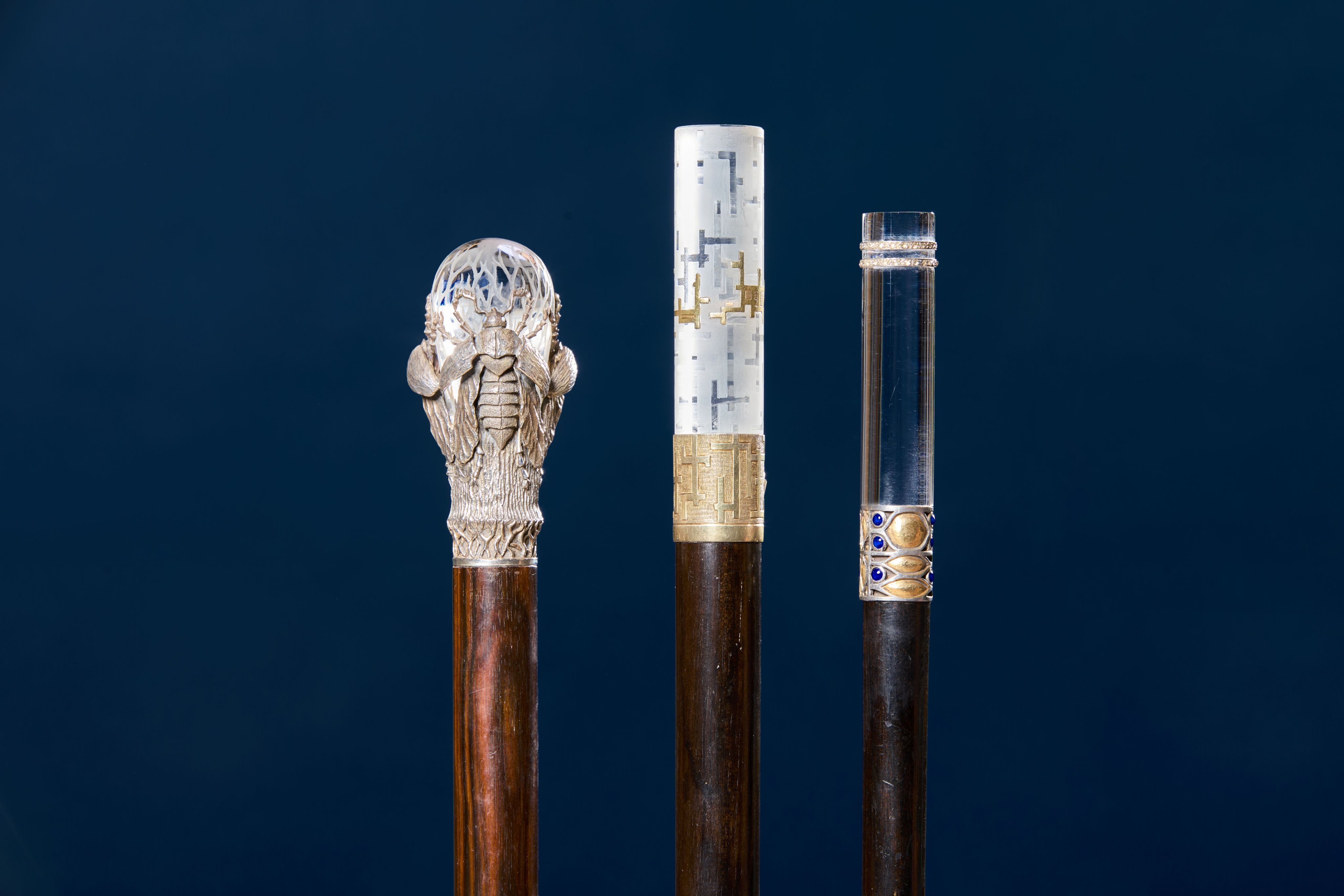
This exceptional walking cane epitomizes the aesthetic principles of the Vienna Secession and the Wiener Werkstätte, founded by Josef Hoffmann. Executed in 800 standard silver, silver-gilt overlay, rose-cut diamonds, and lapis lazuli, the object’s design showcases Hoffmann’s progressive transition from Jugendstil to a geometric functionalism that directly foreshadowed the visual vocabulary of the Moderne movement.
The handle is formed from a polished rock crystal quartz, encircled by platinum bands set with rose-cut diamonds, a silver and silver-gilt collar inset with lapis lazuli cabochons, and an ebony shaft with a metal ferrule.
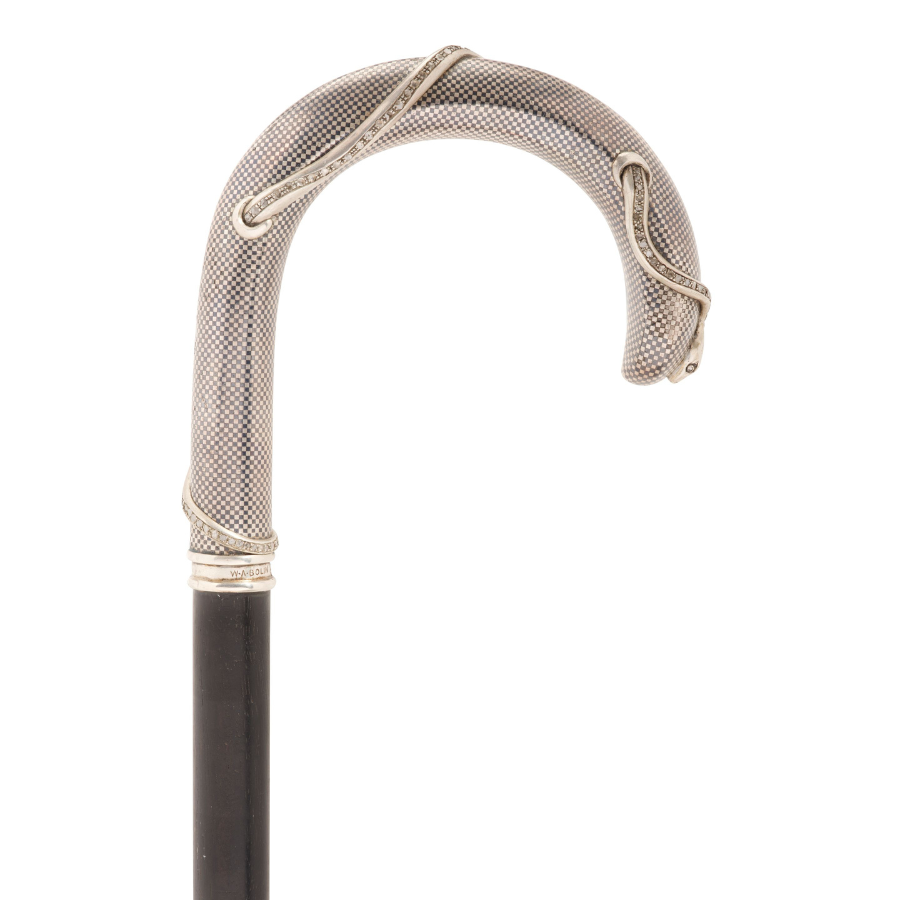
House of Bolin (Swedish, Established 1791)
Diamond-Inset 800 Standard Silver Niello Snake Cane, circa 1919
This distinguished walking cane is a superb example of early twentieth-century craftsmanship and luxury, originating from the esteemed House of Bolin, the official jeweler and silversmith to His Majesty the King of Sweden.
This cane features a crook handle with a silver niello checkerboard surface entwined by a silver snake set with mine-cut diamonds, crafted by the House of Bolin, official jeweller and silversmith to the King of Sweden.
Tiffany & Co. (American, Established 1837)
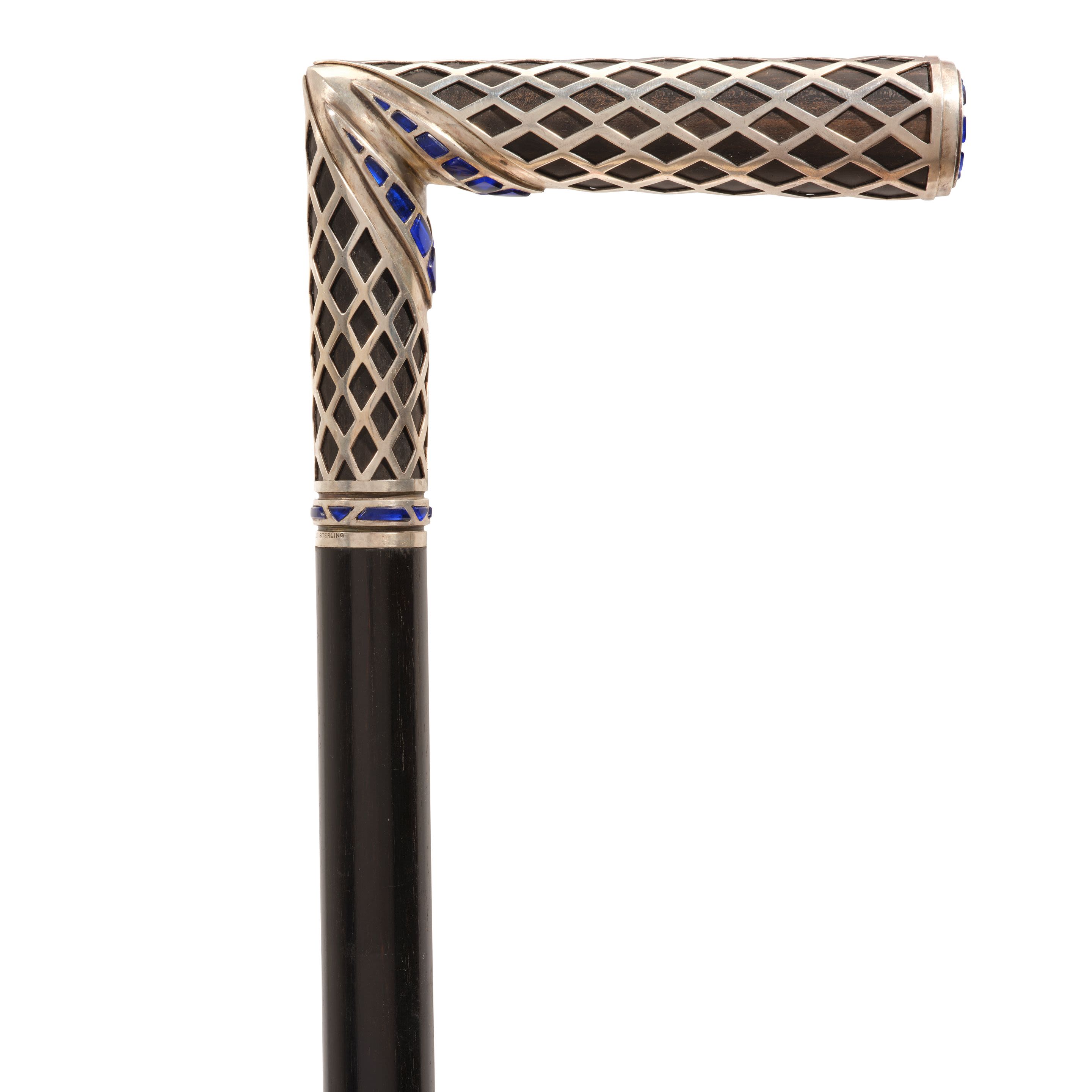
Art Deco Cobalt Blue Glass Inset Sterling Silver Cane, circa 1935
This cane represents a definitive expression of the Art Deco aesthetic as executed by the renowned American firm Tiffany & Co., circa 1935. Emphasizing geometric structure and luxurious materiality, the design directly reflects the prevailing stylistic trends of the period.
The crook handle is constructed of sterling silver, the terminal features a prominent cobalt blue glass star inlay, which provides a focal point and enhances the overall symmetry. The handle is mounted upon an ebony shaft and terminated with a metal ferrule.

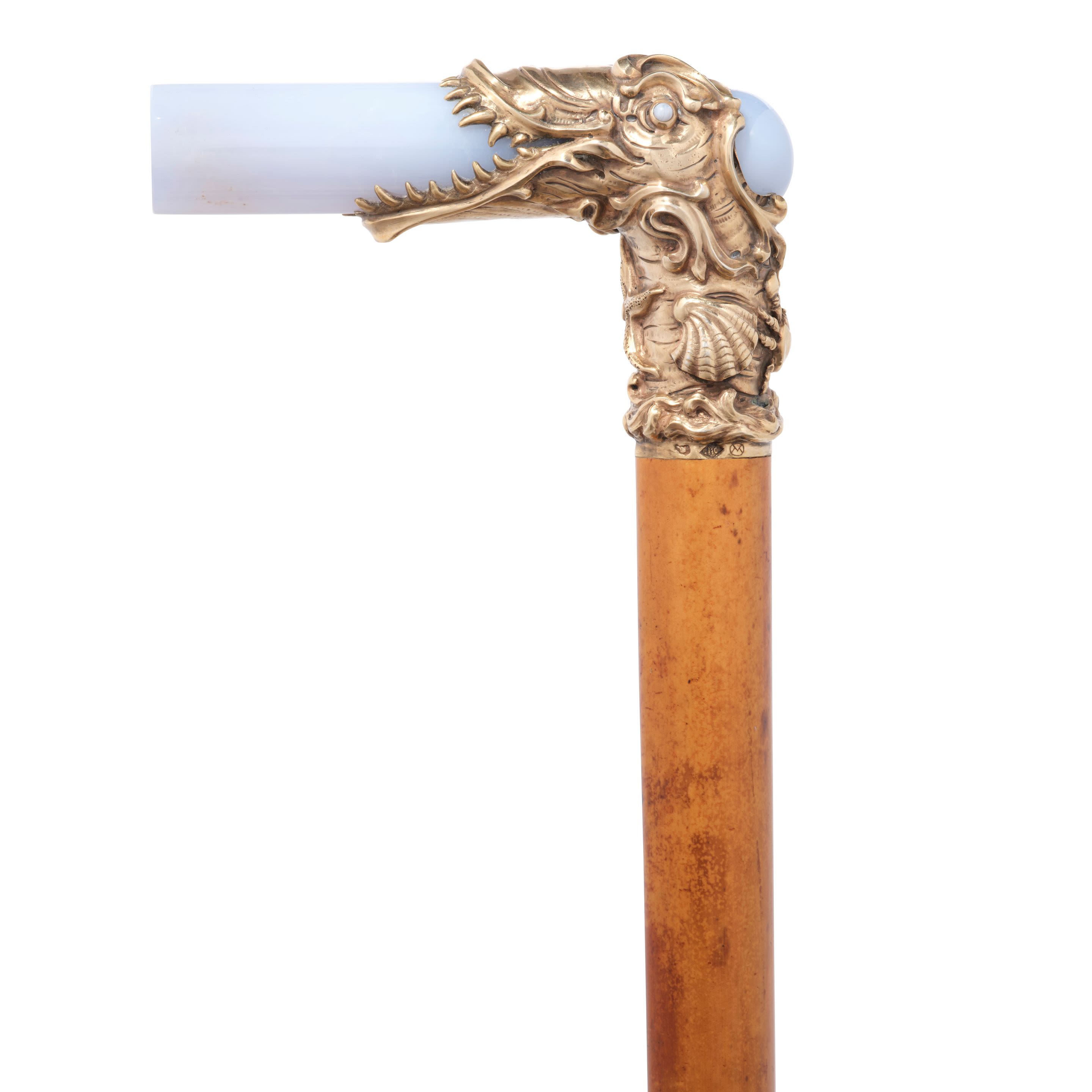
A FRENCH ART NOUVEAU CHALCEDONY AND STERLING SILVER-GILT SEA CREATURE CANE
Designed by Mathurin Méheut and executed by Camille Colot, Paris, 1914
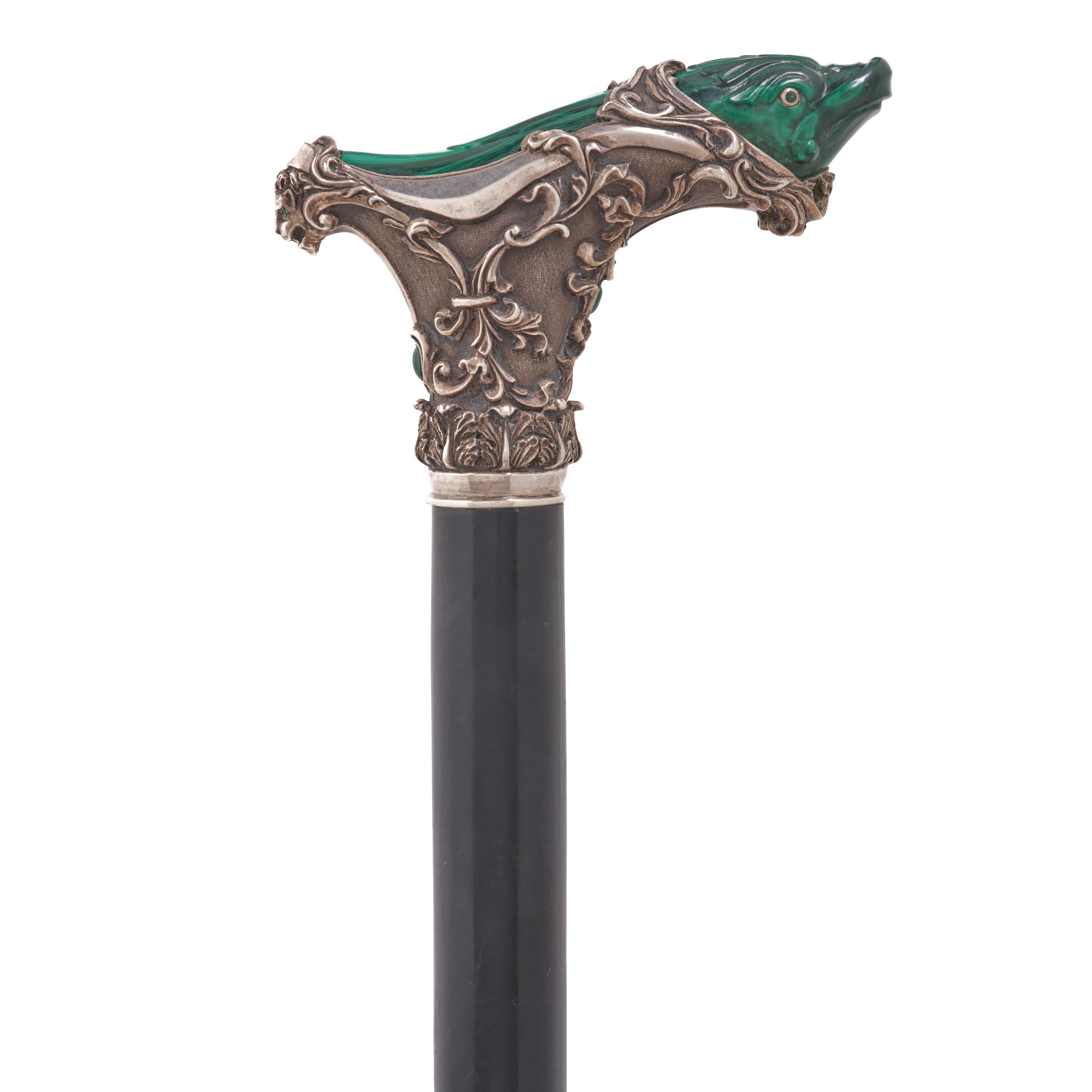
A RUSSIAN MODERNE EMERALD INSET CARVED MALACHITE AND 875 STANDARD SILVER DOLPHIN CANE
St. Petersburg, 1890-1900
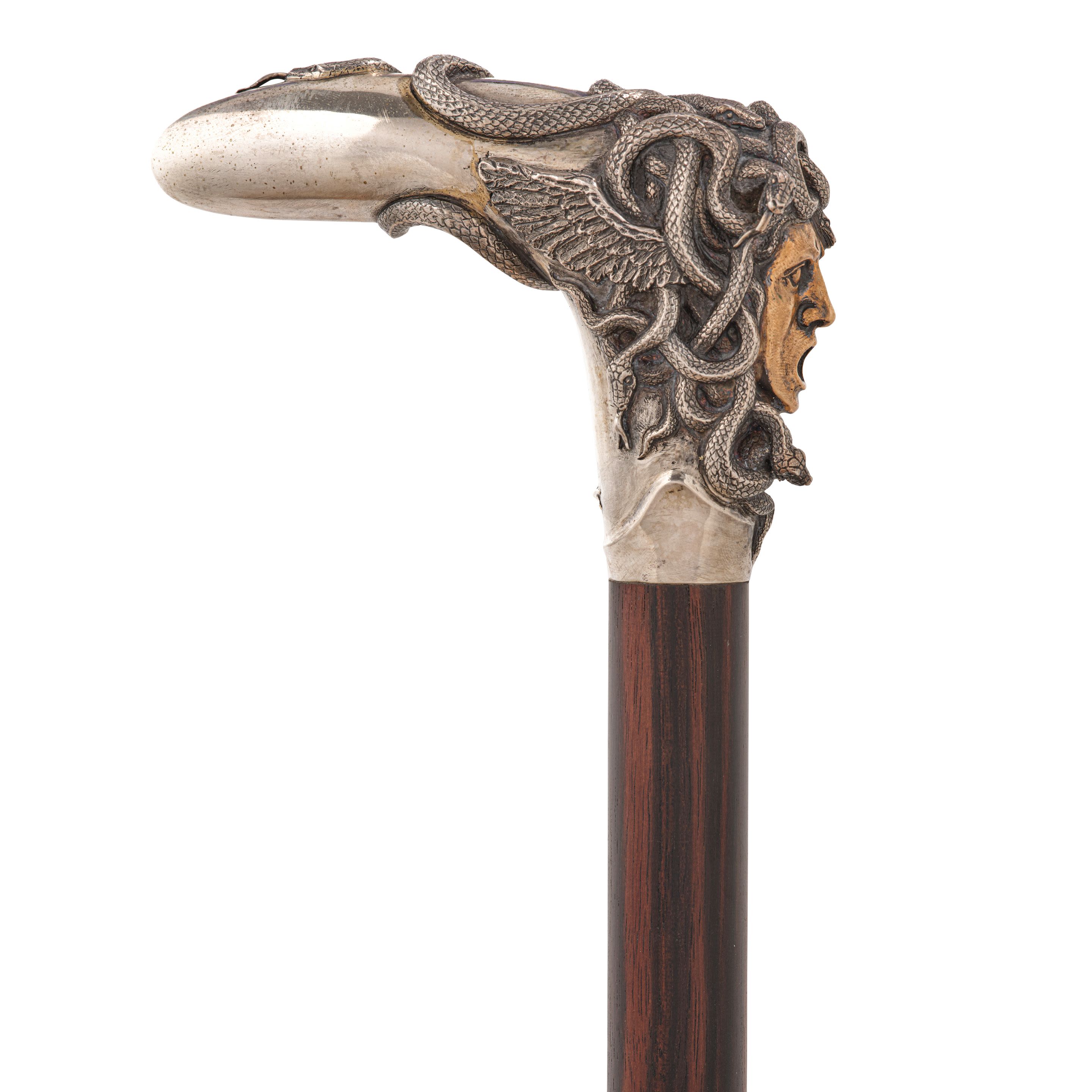
A GERMAN 800 STANDARD SILVER AND BRONZE MEDUSA CANE
Designed and executed by Albrecht Holbein, Nuremberg, circa 1900
The Eddi Van Auken Cane Collection
8 December 2025 | Live Auction, New York
To learn more about the works on offer, please reach out to Anna Hicks, Head of Bonhams Private and Iconic Collections department.
 Built with Shorthand