
The Ellis Collection:
Q & A with Richard C. Nylander and Margaret Wood
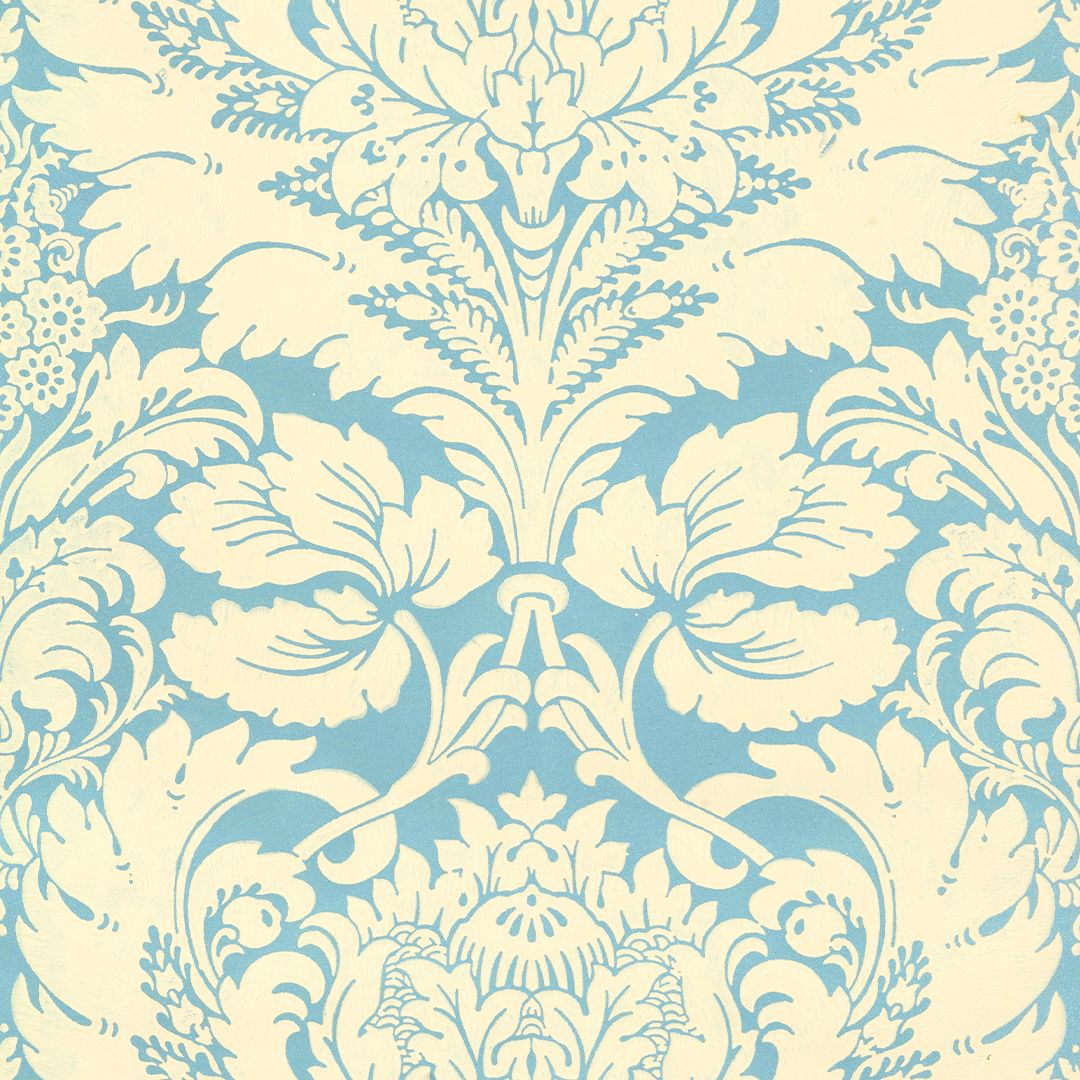

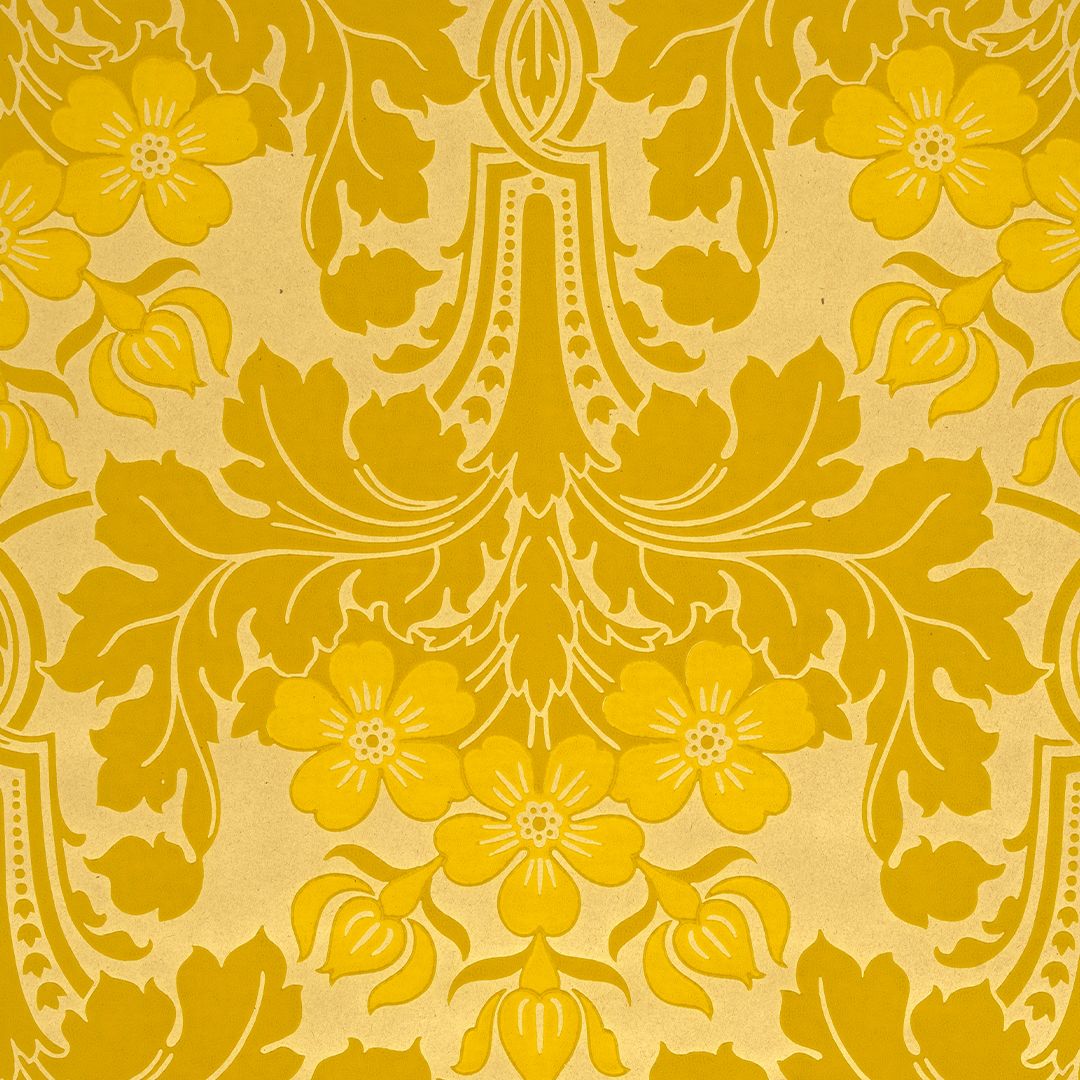
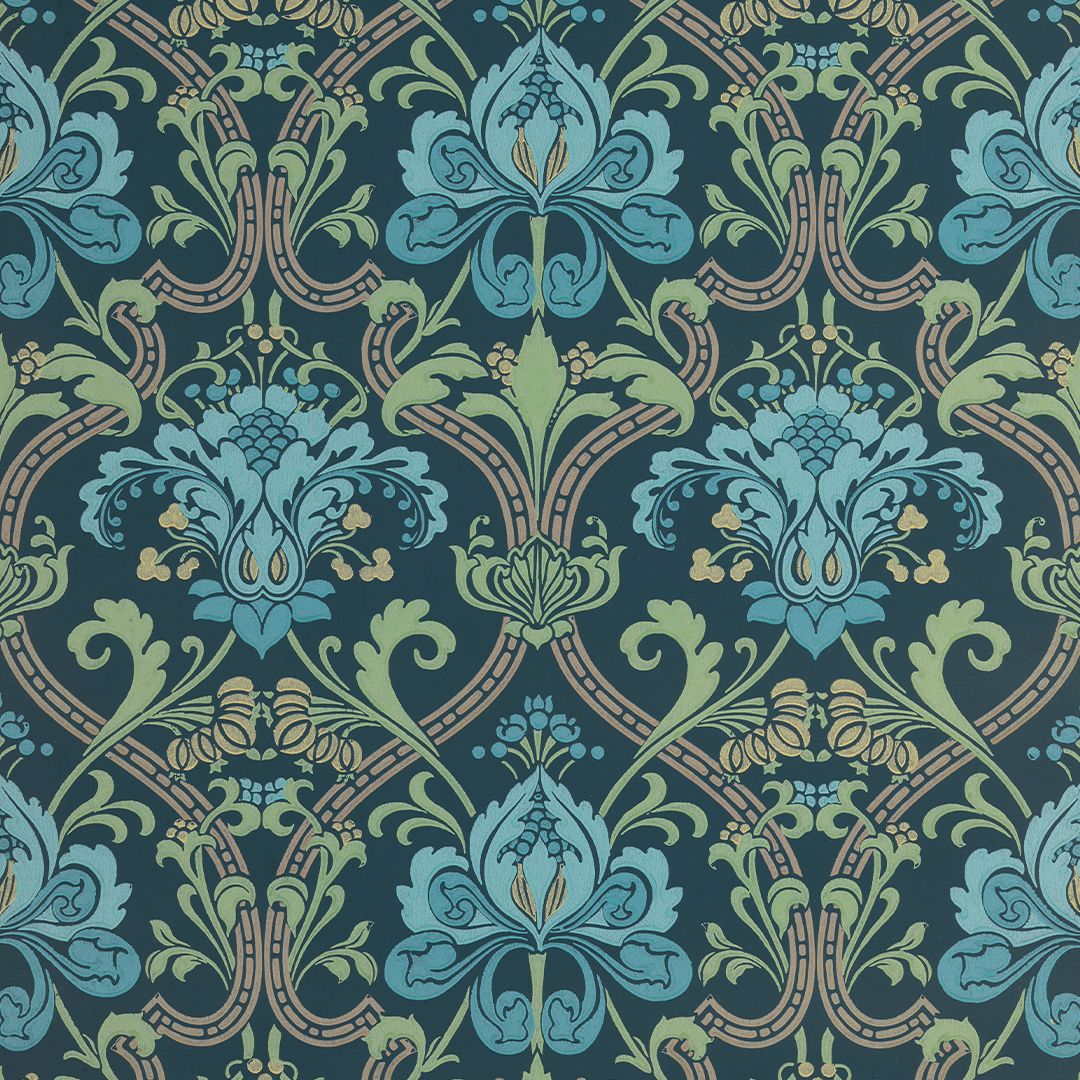
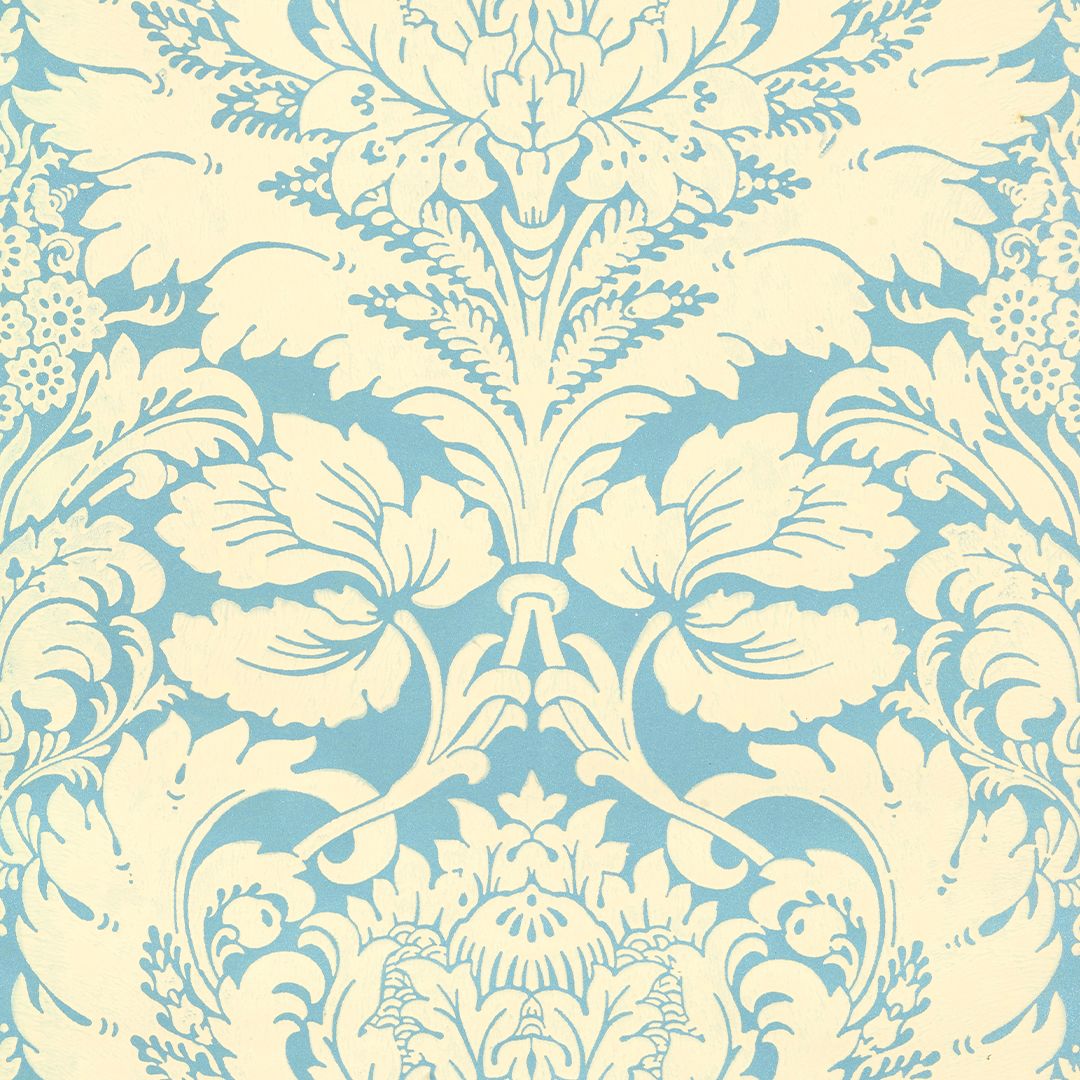
This October, we are pleased to present Wonders in Wallpaper and the Magic of Murano. More than 100 examples of uniquely designed, vintage wallpaper, offered from the exceptional Ellis Collection, will cross the auction block on 6 Oct 2022 in New York.
The following Q&A is between Richard C. Nylander, Curator Emeritus, Historic New England, and Margaret Wood, Design Cataloguer and graduate of the George Washington University's Decorative Arts and Design History program, offered in partnership with the Smithsonian Associates, with a master's thesis on wallpaper historian Nancy Vincent McClelland and early twentieth century wallpaper.
How did you become familiar with the Arlene and Thomas Ellis collection?
I was hired by the Society for the Preservation of New England Antiquities (now Historic New England) in 1967 as a Curatorial Assistant and one of my first projects was reorganizing its large collection of historic wallpaper documents. The more I worked with them, the more interested I became in the variety of designs, what they could tell us about period decoration, and how people envisioned the rooms that they lived in. Although I had other interests and responsibilities in my 40-year career at Historic New England, I was the go-to person for information about historic wallpaper. I am still fascinated by it.
I remember well when Arlene Ellis first called and told me about the collection she had acquired. As she described the wallpaper to me, I recalled a few samples of Japanese Leather paper that Mrs. Frederick Wise, the woman from whom she had acquired the collection, had given to Historic New England in the 1960s, so I had an inkling of how rich the collection might be. Seeing it in its entirety, however, was a real eye-opener.
The Ellises generously donated samples of the wallpapers to Historic New England and the Cooper-Hewitt, Smithsonian Design Museum, the two major collections of historic wallpaper in the country. I featured some of the highlights in an article for The Magazine Antiques (August 1982) and was delighted that one of the papers was chosen for the cover.
The collection is incredibly rare. In your career, have you come across many other collections of this caliber?
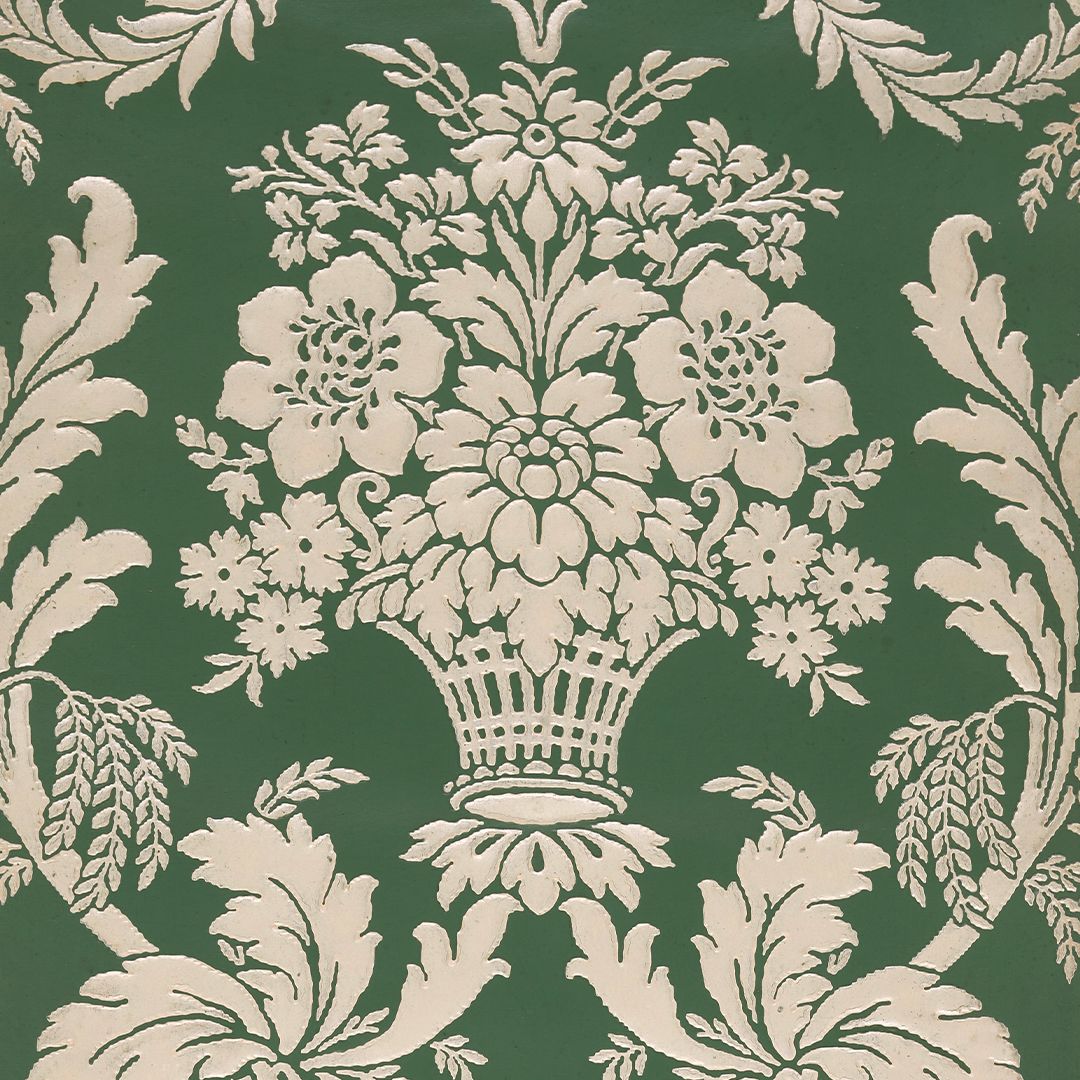
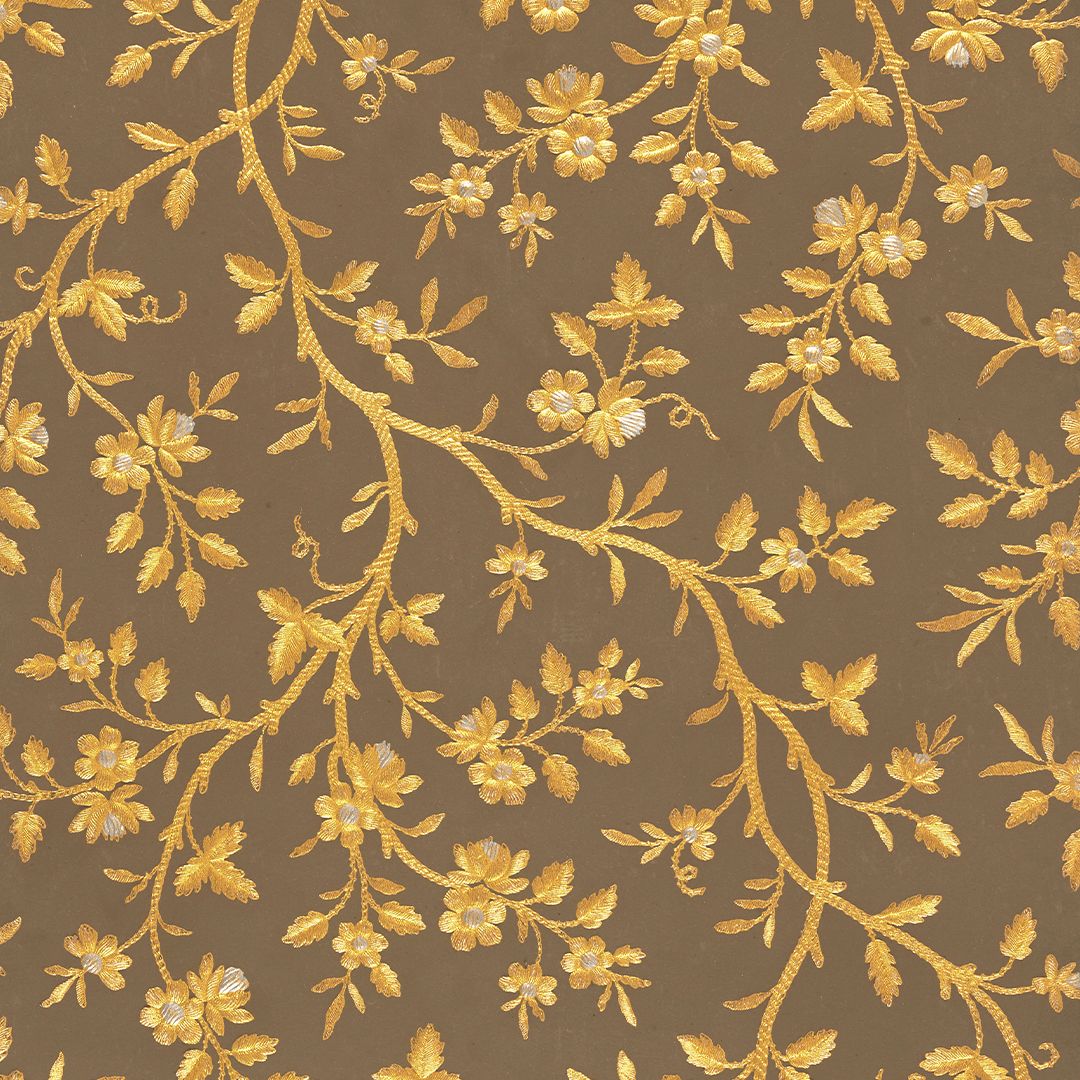
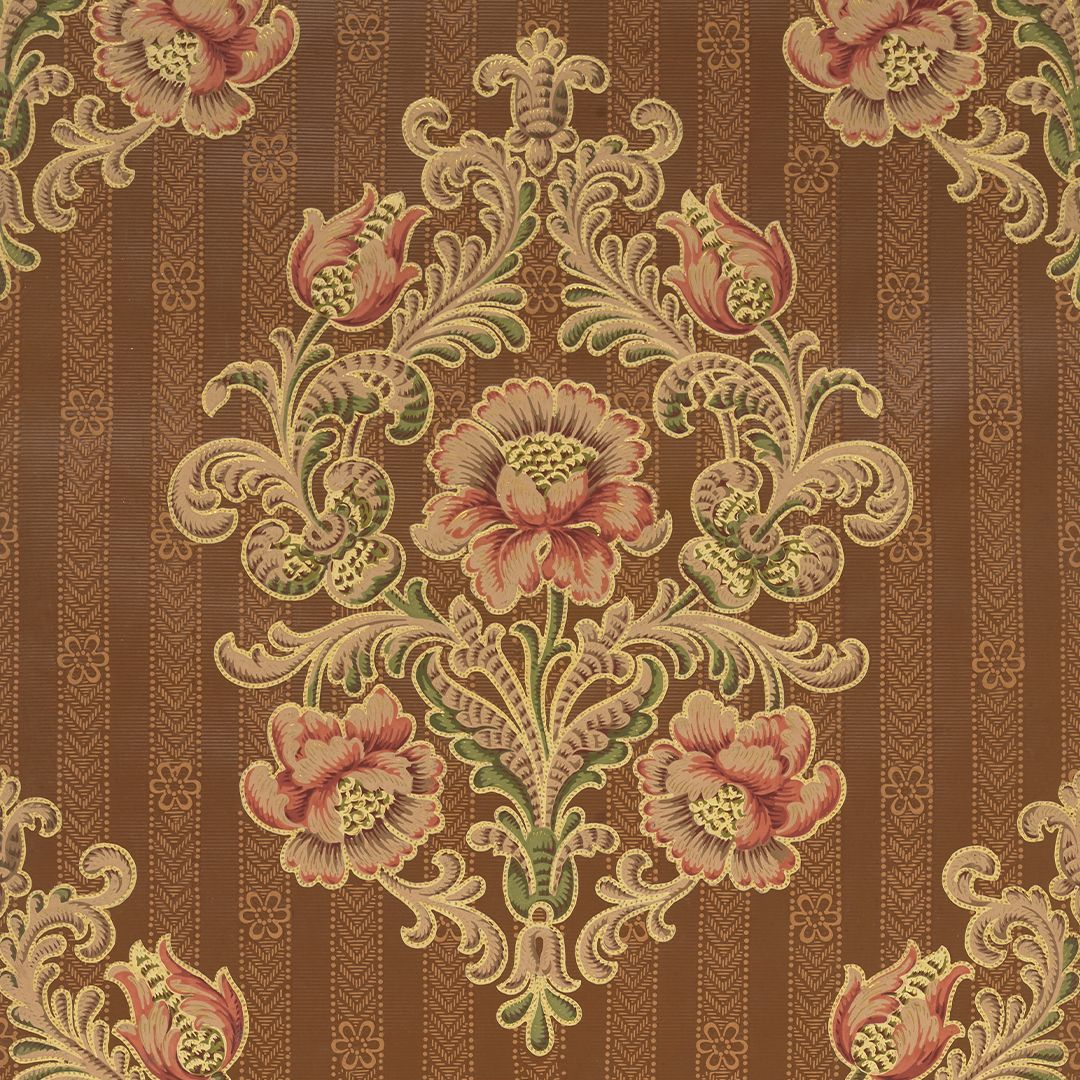
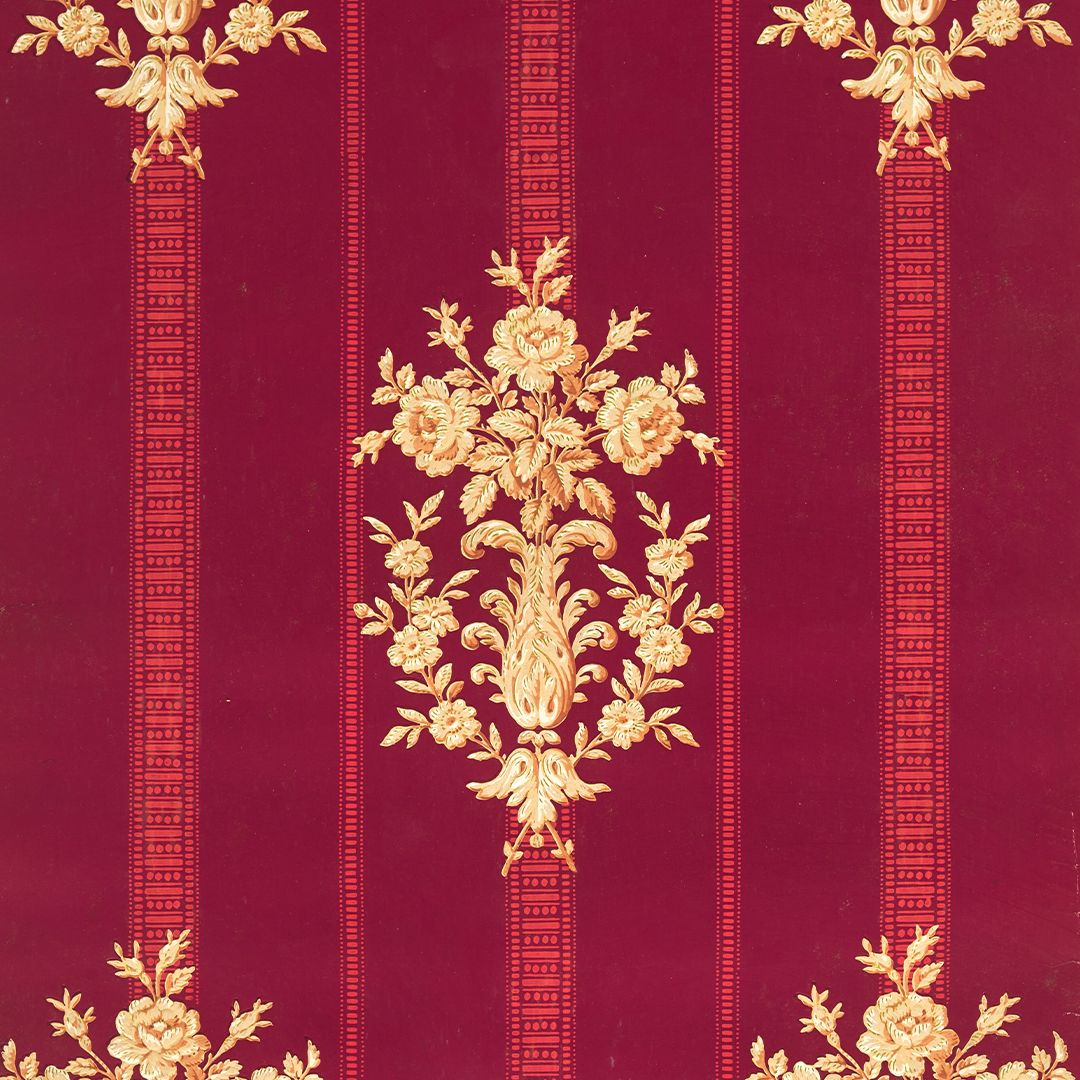
The simple answer is no, I haven’t. These wallpapers are of the highest quality that was available in the late nineteenth and early twentieth centuries. From a historic point of view, this many examples of luxury items from one retailer to study is indeed rare. In addition to quality, there is quantity: smaller samples that would make appealing framed items and enough rolls of several patterns that could be used to create some stunning interior projects.
The collection descended from the stock of the important retailer A.H. Davenport. His name curiously appears on the selvedge of a Zuber wallpaper in the sale. Can you shed light on the relationship Davenport had with wallpaper manufacturers?
Although no written documentation exists, Davenport certainly must have established good relationships with the manufacturers represented here because of his reputation for high-end commissions in Boston and New York, where he had showrooms. He was also known for his decorating work in Iolani Palace in Honolulu in the 1880s and the White House in 1903. His name on the selvedge may indicate that he had a proprietary interest in the pattern and Zuber printed it specifically for him. The names of manufacturers of many of the imported wallpapers in the Ellis collection were found on the wrapping papers, not on the selvedges.
This is also a diverse collection as it includes English, French, and Japanese wallpapers. Is this diversity reflective of what was popular in the late nineteenth and early twentieth-century America?
During this time period in America, wallpaper was a universally accepted finish for walls. Imported papers, regardless of where they were made, always appealed to a certain clientele. There was an enormous variety of wallpaper styles around the turn of the century. One estimate states that in 1890 American mills alone produced over 100 million rolls for wallpaper. Think of the number of choices the consumer had!
Can you explain what makes the Japanese imitation "leather" papers so special? What distinguishes them from other embossed papers?
In the late nineteenth century, there were many embossed papers that imitated the rich gilded and embossed leather wall hangings that had been made in Spain and Holland in the sixteenth and seventeenth centuries. Of these, the so-called Japanese Leather Papers were the most exceptional. They were distinguished by their high relief, rich coloring, and luminous surface. The latter was created by a wash of gold highlighted by a finish coat of lacquer.
I have previously seen Japanese "leather" wallpapers in historic house museums so seeing the rolls presented an entirely different view of them. There is almost something poetic about how they age once hung on walls, similar to how real leather ages. Was this a favorable outcome for consumers hanging these papers? Or do you suspect there was disappointment when the imitation "leather" wallpapers faded and darkened?
You are correct that most of the Japanese Leather Papers that survive on walls today have darkened. That is why this particular group of wallcoverings in this collection is such a revelation. There are probably several reasons for the darkened appearance. One may be inherent to the papers themselves, the lacquer or varnish used to create the original high gloss having naturally degraded and become somewhat dulled over the years. Many of these papers were used in urban settings where the smoke from coal-burning fires darkened them over time. I suspect come consumers, mistaking them for real leather because of the name, may have even tried to polish them. They certainly must have been disappointed with the results.
England and France are well known for their wallpaper manufacturers, but this collection has a few Austrian and Scottish examples. Can you talk a bit about what American consumers may have thought about wallpapers from lesser known manufacturers? Was name recognition as important for wallpaper as it can be today?
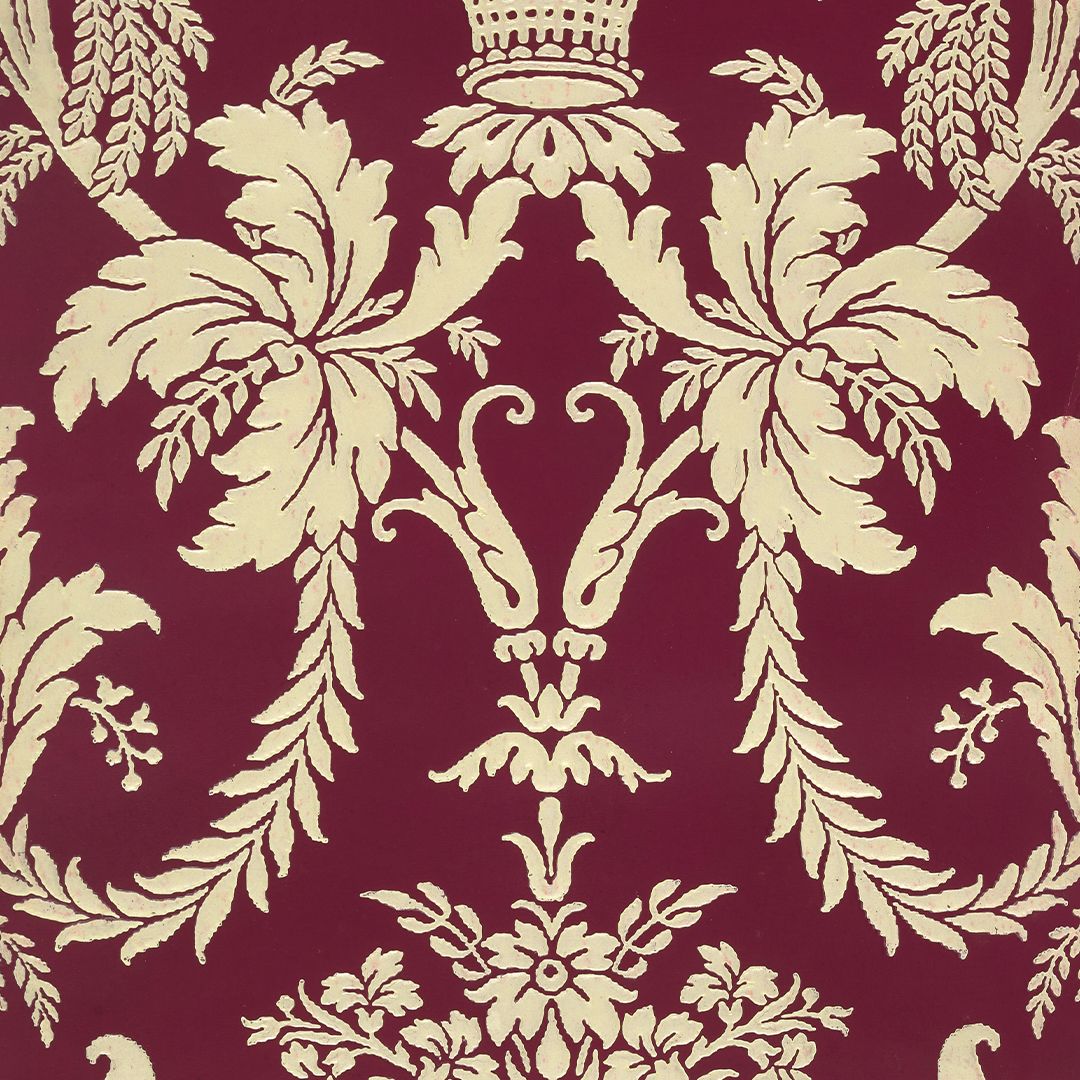
I think it is difficult to determine how important name recognition was to the consumer at the time these wallpapers were available. A salesman may have promoted one company over another, but it stands to reason the deciding factors in purchasing a wallpaper may not have been different from those today—the appeal of the particular pattern, its suitability to the room being decorated, and the price. If one was looking for imitation silk, the offerings of the embossed “Metaxin” brand may have been preferable to a printed imitation of silk by Zuber.
W. Scott Morton’s modeled canvas wall coverings particularly interested me for their unique texture. This collection has one example that is partially painted which completely changes the overall effect. Did Morton intend for the canvases to be painted or is that a rare exception?
The Modeled Canvas, also called Tynecastle after the name of Morton’s company, was a by-product of one of his decorating commissions where he matched some antique embossed and gilded leather hangings with a sized canvas that was hand-pressed into wooden molds. When used as a wallcovering, the product was intended to be painted after it was hung on the walls. Some of the designs were also used to imitate decorative plaster ceilings in which case it could be left unpainted.
William Morris wallpapers are still popular and widely recognizable today. What do you think makes them so appealing to both collectors and casual admirers?
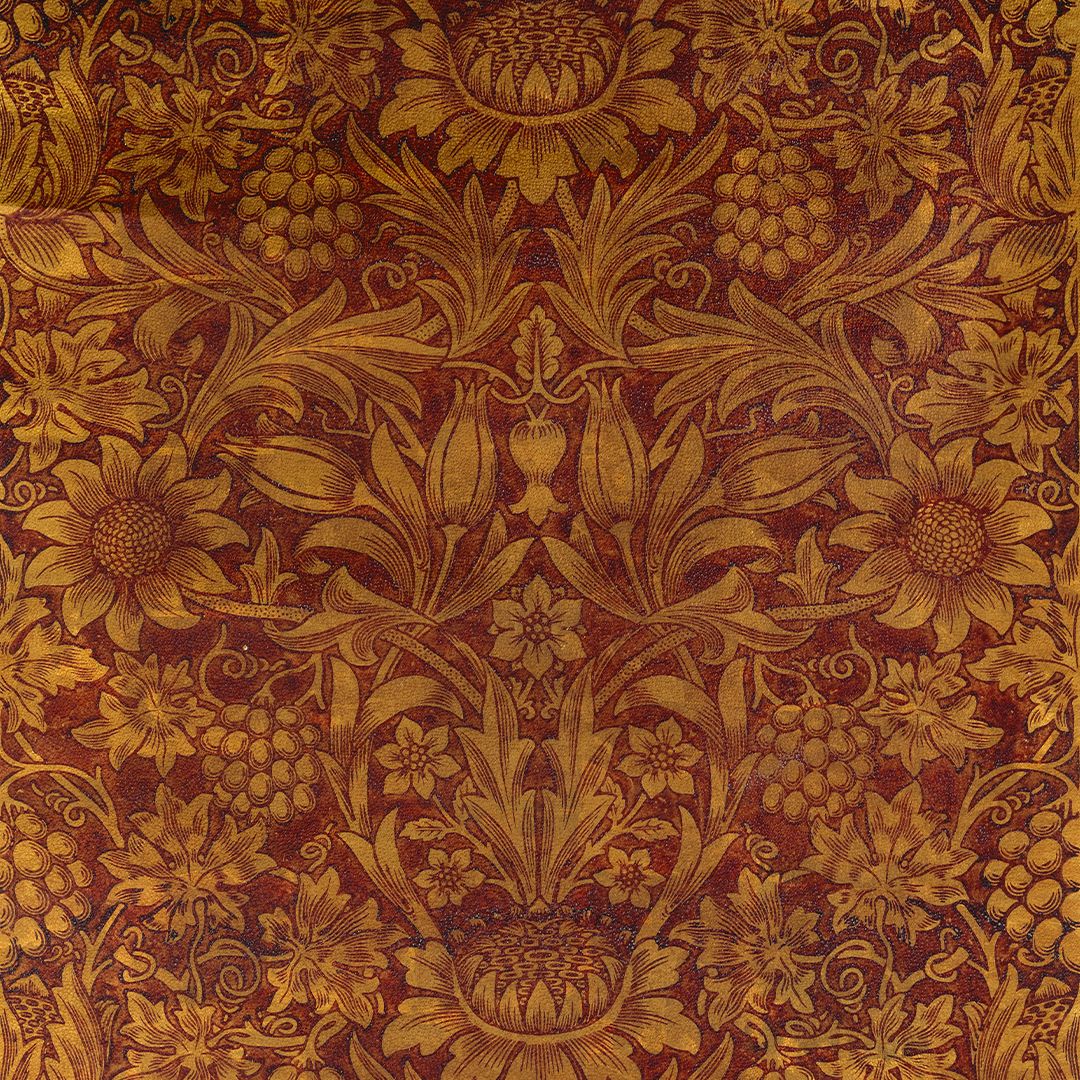
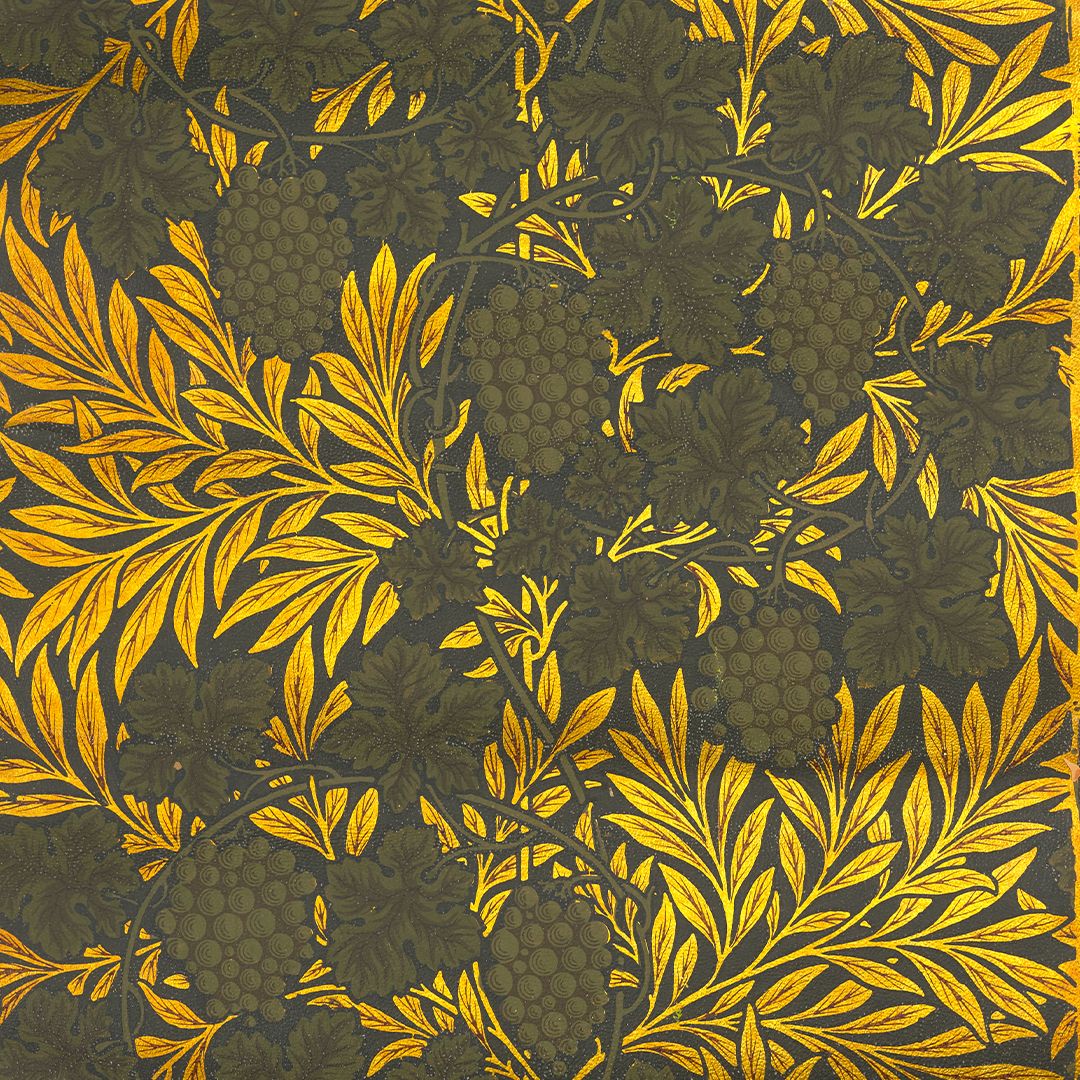
William Morris created some of the most popular and enduring wallpaper patterns that have ever been produced. Some of them have never gone out of production and others have been revived because of the renewed interest in the Arts and Crafts Movement. Part of the appeal of the designs may come from the fact that most are inspired by nature. Another part may be compatibility; the complex weaving together of the stylized motifs creates a subtle and pleasing background for objects of any era.
Finally, on a personal note, do you have a favorite wallpaper in this collection?
I would have to say after reviewing all the wallpapers in the collection, the Morris patterns are still my favorites.
Wonders in Wallpaper and the Magic of Murano takes place on 6 October 2022. Register to bid.



 Built with Shorthand