
The Spirit of Experimentation
Cranbrook Art Museum X Bonhams
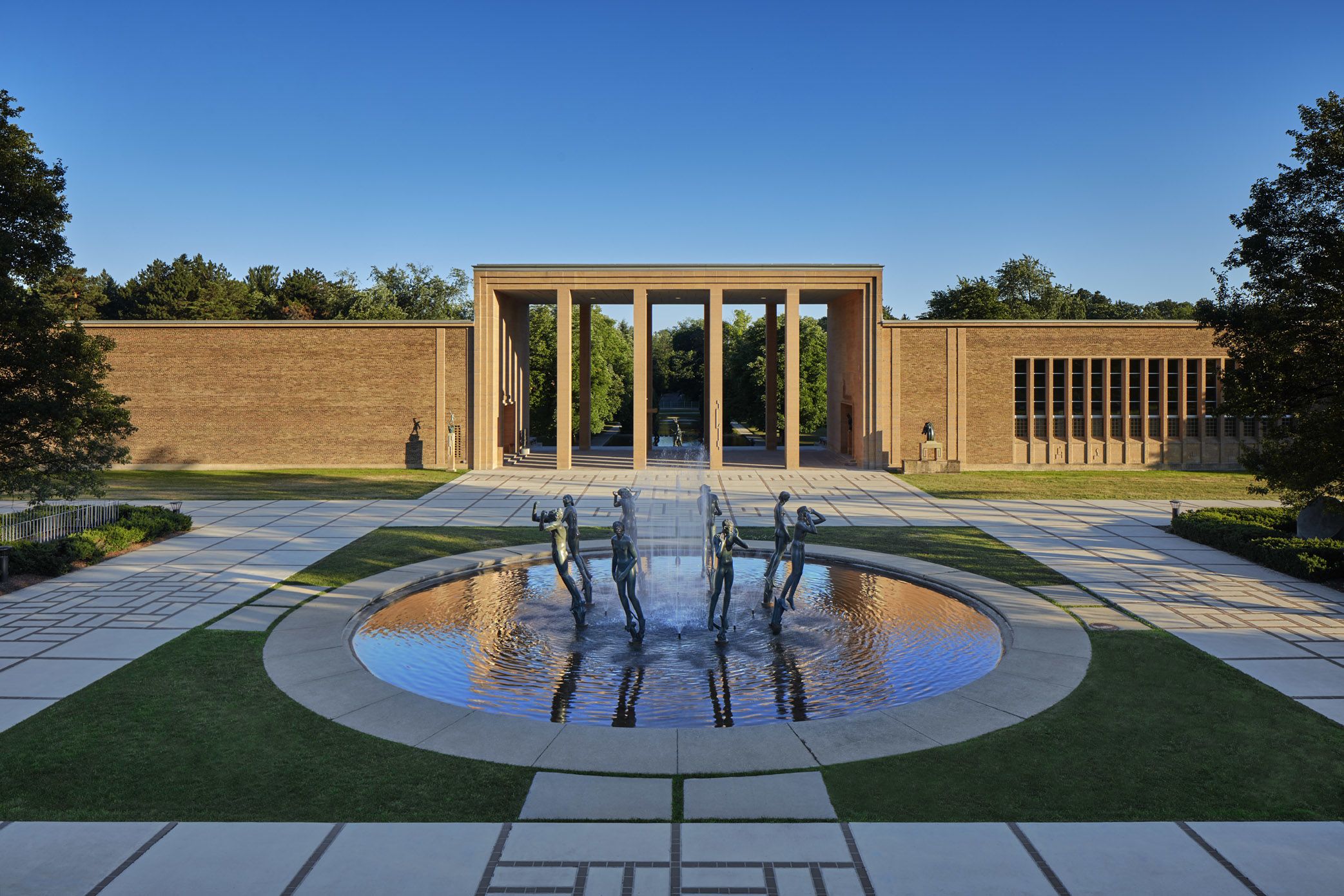

We’re pleased to announce a special partnership between Bonhams and Cranbrook Art Museum, celebrating the enduring legacy of Cranbrook’s artists and designers. As part of our upcoming Modern Design | Art sale in Los Angeles on October 22, Bonhams will present a curated capsule highlighting works by artists affiliated with Cranbrook, reflecting the institution’s profound influence on American modernism.
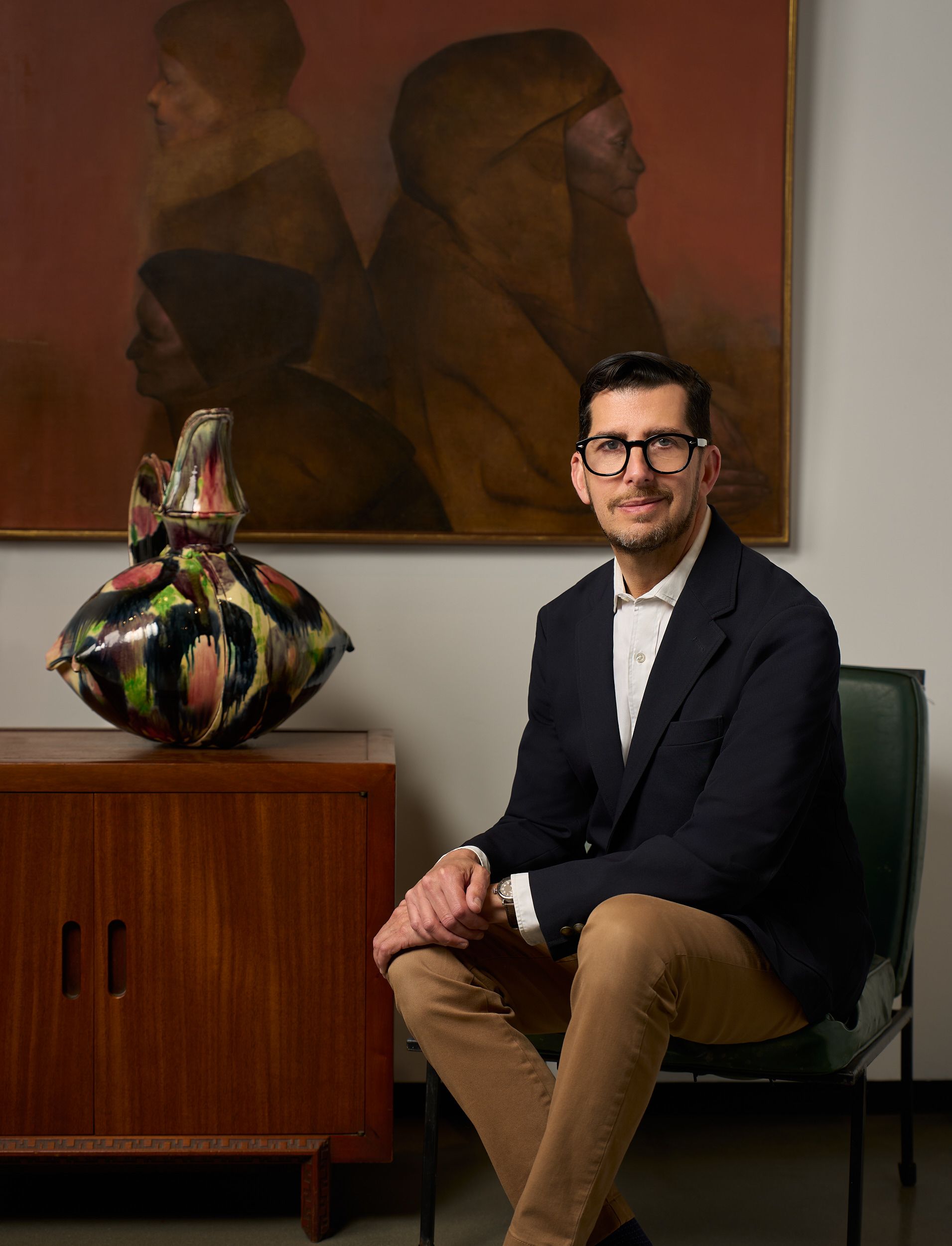
Our West Coast Director of Modern Design, Jason Stein, sat down with Andrew Blauvelt, Director of Cranbrook Art Museum, to discuss the Academy’s remarkable creative lineage, from Eames, Bertoia, and Saarinen to contemporary innovators like Chris Schanck and Jonathan Muecke, and how Cranbrook’s spirit of experimentation continues to shape the story of design today.
In your view, who are some of the most recognizable makers, both past and present, who have emerged from Cranbrook?
The Academy’s early years produced a remarkable roster of legendary designers: Charles and Ray Eames, Harry Bertoia, Eero Saarinen, Florence Knoll, Ralph Rapson, and Harry Weese. To that list we can add those who followed soon after, including Ruth Adler Schnee, Gere Kavanaugh, Jack Lenor Larsen, Pipsan Saarinen Swanson, Maija Grotell, Toshiko Takaezu, and Olga de Amaral.

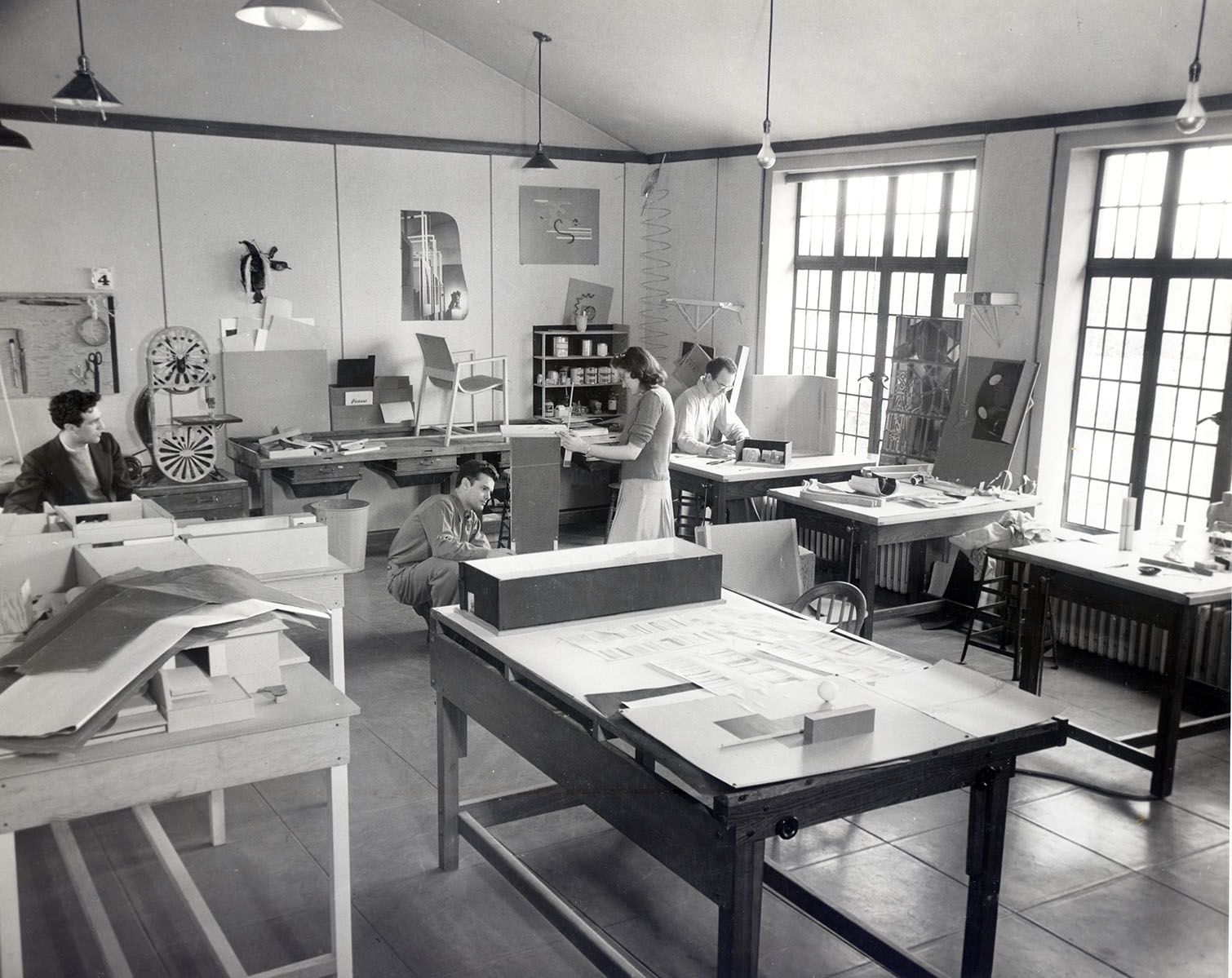
Cranbrook Academy of Art Design Department, featuring Charles Eames. Photograph courtesy of Cranbrook Art Museum.
Cranbrook Academy of Art Design Department, featuring Charles Eames. Photograph courtesy of Cranbrook Art Museum.

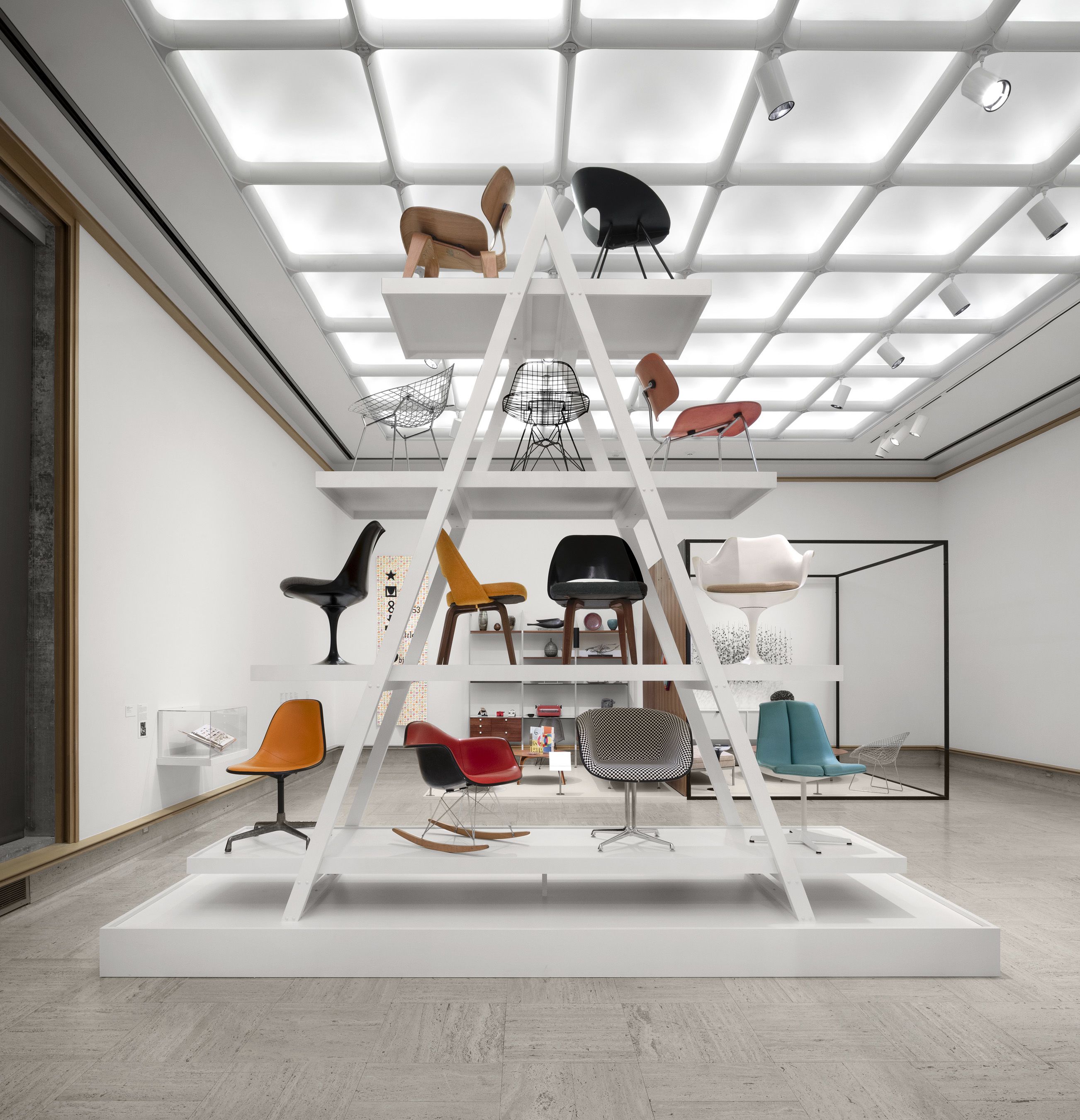
The "chair pyramid" from the recent exhibition Eventually Everything Connects: Mid-Century Modern Design in the US at Cranbrook Art Museum. Photo: PD Rearick.
The "chair pyramid" from the recent exhibition Eventually Everything Connects: Mid-Century Modern Design in the US at Cranbrook Art Museum. Photo: PD Rearick.
Cranbrook has produced some of the most influential designers of the 20th and 21st centuries, including Charles and Ray Eames. What, in your view, gives Eames furniture its timeless appeal, and do you have a personal favorite piece?
Eames furniture possesses a sense of completeness; every element feels resolved, yet it still conveys experimentation. I’m especially drawn to the systematic exploration of their fiberglass chair collection: the range of bases, the original color palette, and the material innovation.
Drawing on Charles Eames’ famous quote, “Eventually everything connects,” Cranbrook Art Museum presented Eventually Everything Connects: Mid-Century Modern Design in the US.
Do you see connections between the creative work of Cranbrook makers and the broader design and art scene that emerged in postwar California?
Absolutely. The Eameses and other Cranbrook alumni helped define postwar design in California. Michigan laid the groundwork, but California offered the ideal environment for it to flourish, the indoor-outdoor lifestyle, and the sense of “newness” and “freshness” that contrasted with East Coast traditions.

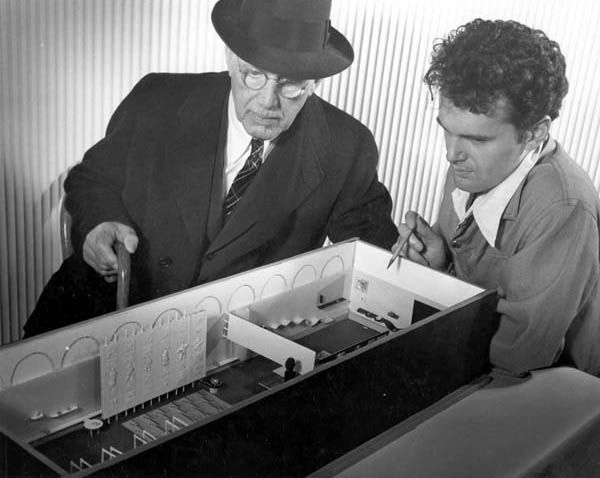
Charles Eames with George Booth. Photograph courtesy of Cranbrook Art Museum.
Charles Eames with George Booth. Photograph courtesy of Cranbrook Art Museum.
"There is a sense of completeness to Eames furniture, that everything has been resolved and yet it still suggests a sense of experimentation."

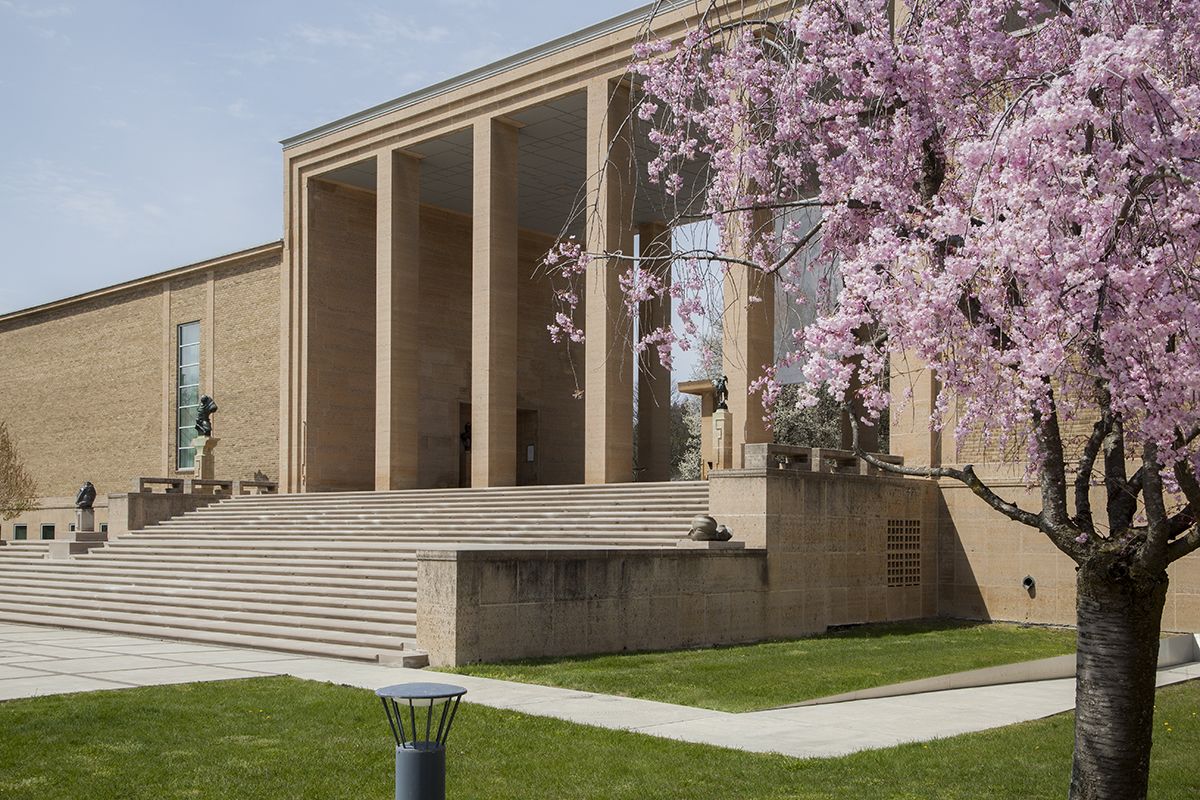
Harry Bertoia arrived at the Cranbrook Academy of Art at just 22, where he encountered the creative minds of Saarinen, Eames, and Knoll. How do you think these formative experiences shaped the sculpture and furniture for which he later became so well known?
The atmosphere at Cranbrook in the late 1930s was extraordinary, a place of unbridled experimentation where disciplines freely intersected. It’s remarkable that students like Bertoia and Eames could rise to head departments. The intentional blending of craft, design, architecture, and fine art fostered a uniquely collaborative and non-hierarchical environment that deeply informed Bertoia’s later work.
What current design work, whether by Cranbrook makers or others, is most exciting to you today?
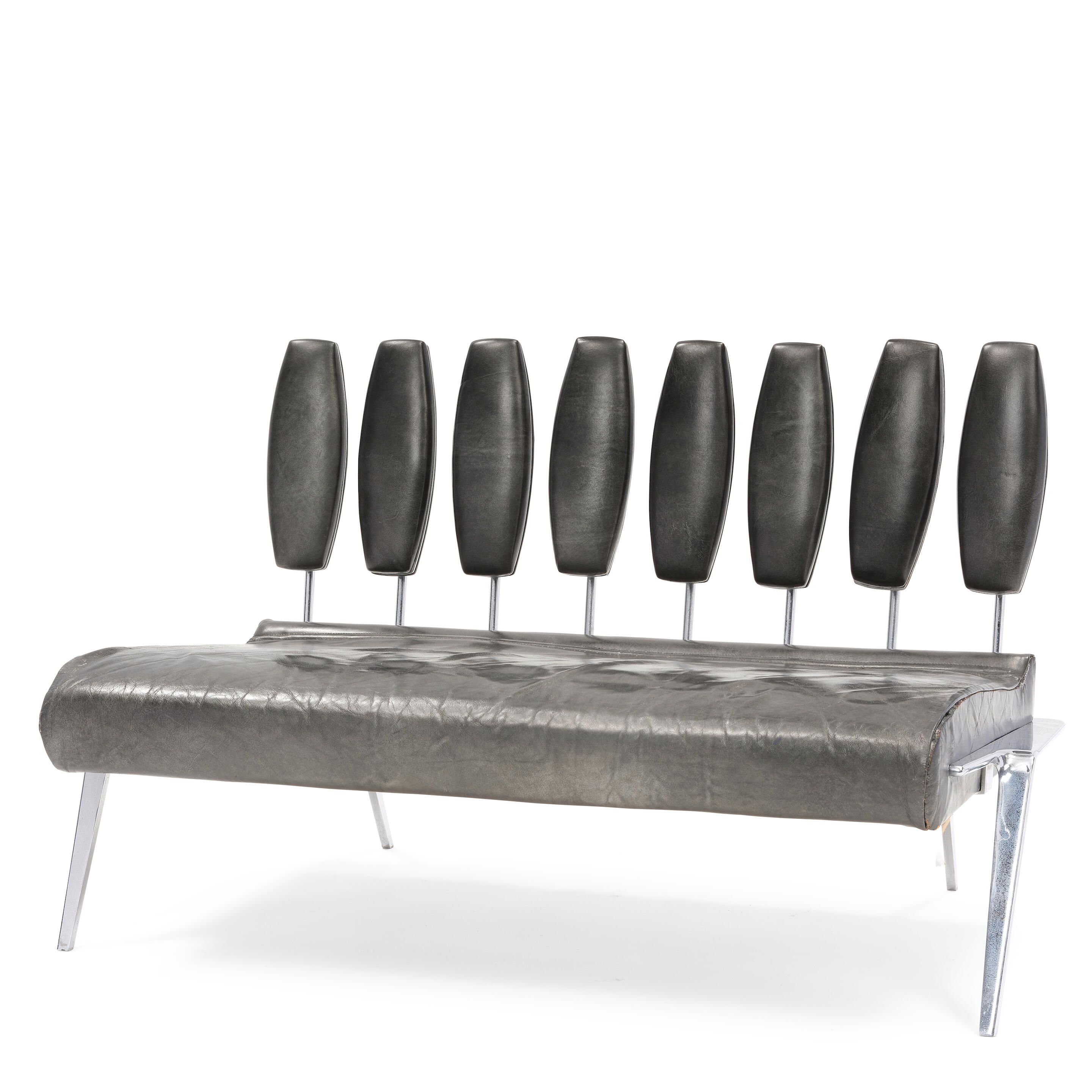
In recent years, particularly the 2010s, we’ve seen a renewed interest in material experimentation reminiscent of Cranbrook’s late 1930s spirit. Designers like Chris Schanck, with his alufoil process of foil and resin, Jack Craig’s transformations of PVC and melted carpet, Jay Oh’s intricate jute and leather works, Jonathan Muecke’s explorations of carbon fiber, and Ross Hansen’s gravity-defying hemp and resin lighting, all exemplify this bold, process-driven innovation.

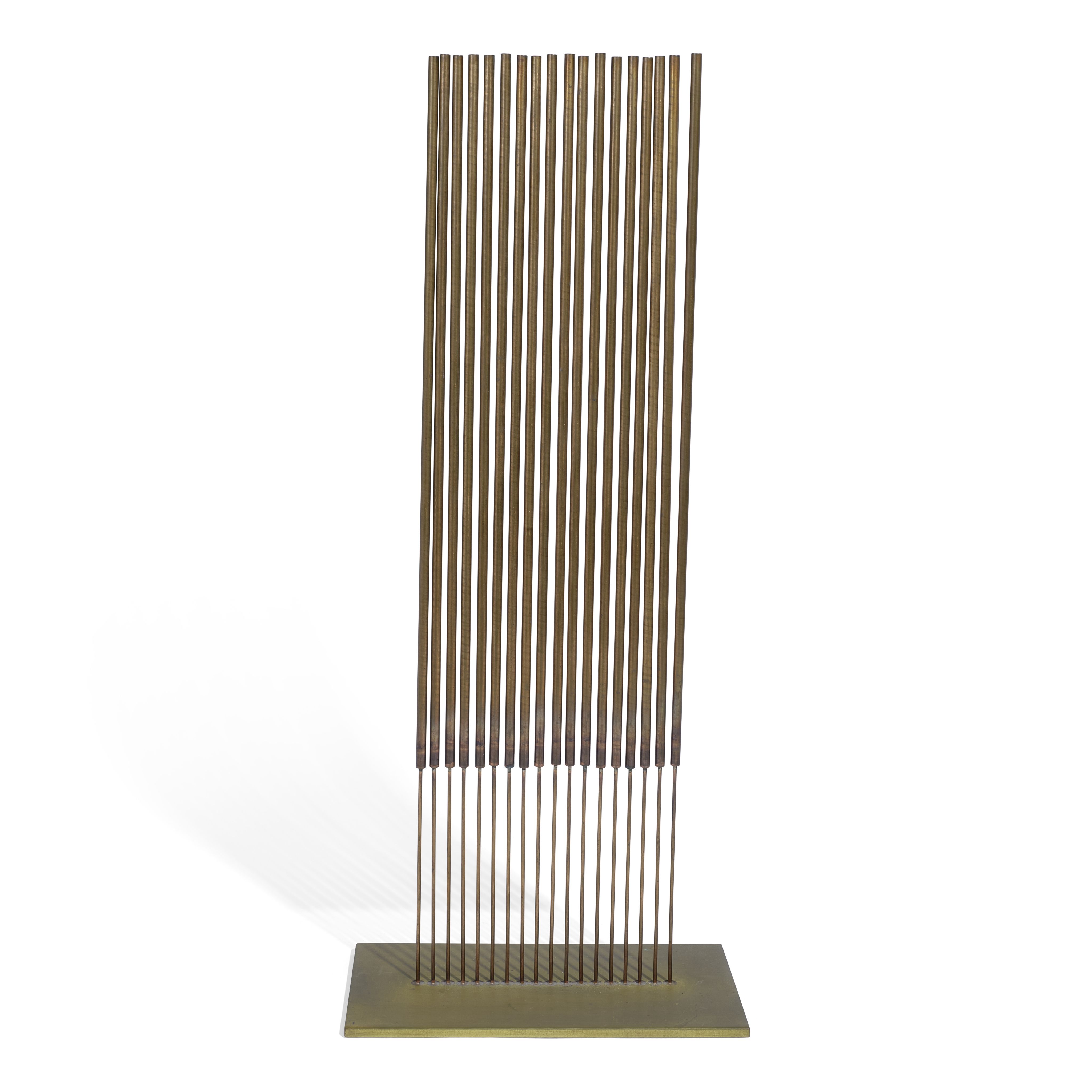

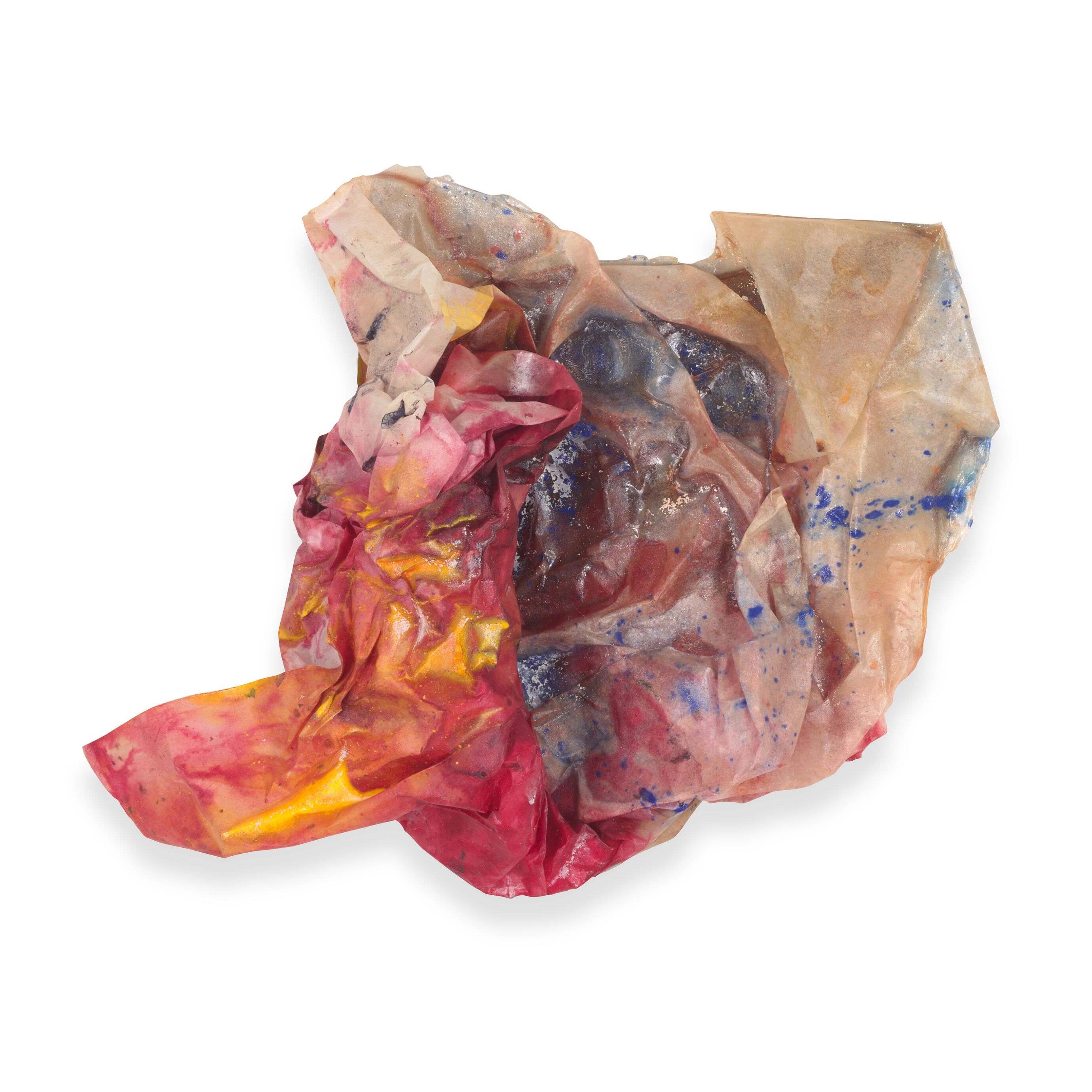
Sam Gilliam (1933-2022) Untitled circa 1969. Estimate: US$7,000 - US$10,000r Hygge & West 'Connections' Wallpaper
Sam Gilliam (1933-2022) Untitled circa 1969. Estimate: US$7,000 - US$10,000r Hygge & West 'Connections' Wallpaper
This collaboration between Cranbrook Art Museum and Bonhams offers a rare opportunity to highlight Cranbrook’s legacy within an international auction context. How do you see this partnership helping to broaden the audience for Cranbrook’s artists and designers?
A key part of our mission at the museum is to tell the story of innovation at the Academy across its many decades of existence. I see this partnership as an extension of what we do in terms of exhibitions and publications, but in a different space. One that is engaged with collectors and connoisseurs.
Bonhams has long championed 20th- and 21st-century design. In celebrating Cranbrook's extraordinary contributions through this auction capsule, what aspects of the school’s legacy do you feel are most important to share with today’s collectors and design enthusiasts?
Probably that the Academy’s legacy is constantly evolving: our knowledge of the past is not static, it grows and changes with the passage of time and new revelations and research. This is what the exhibition, Eventually Everything Connects, tries to do: expanding our Cranbrook canon while situating what was happening in a broader historical narrative. In the same vein, the Cranbrook story does not end in 1942 but rather continues to the present and into the future.
"I see this partnership as an extension of what we do in terms of exhibitions and publications, but in a different space. One engaged with collectors and connoisseurs."


How does Cranbrook Art Museum fit into, and help carry forward, the legacy of Cranbrook Academy of Art?
Through exhibitions and publications, we tell the story of the Academy in many different ways, both historical and contemporaneous narratives. Through our collections, we include and preserve the best examples we can find of the work of those affiliated with the Academy.
Mid-Century Modern design has never really gone out of style. What do you think keeps it so enduringly appealing to collectors and audiences?
Mid-century design in the US had to appeal to an American sensibility that was initially skeptical of modernism, especially the machine-age version originating in Europe. In doing so, it embraced many things that were dogmatically rejected, ornament, texture, organic forms, the handmade, color, pattern, etc.
The designers of the era captured something very human, the emotional. It wasn’t just about function or efficiency or simplicity, but rather it celebrated being human and living life exuberantly. This was encoded into so many of the era’s designs, and that language can still be read by people today.




Stay updated with our auctions
Register with Bonhams to follow your favourite collecting categories and get email alerts when new auctions open for bidding.
 Built with Shorthand