
Shape shifters
When Lamborghini designers showed the boss what they’d been working on, he was unimpressed. But their Miura P400 supercar changed the motoring world, writes Neil Lyndon
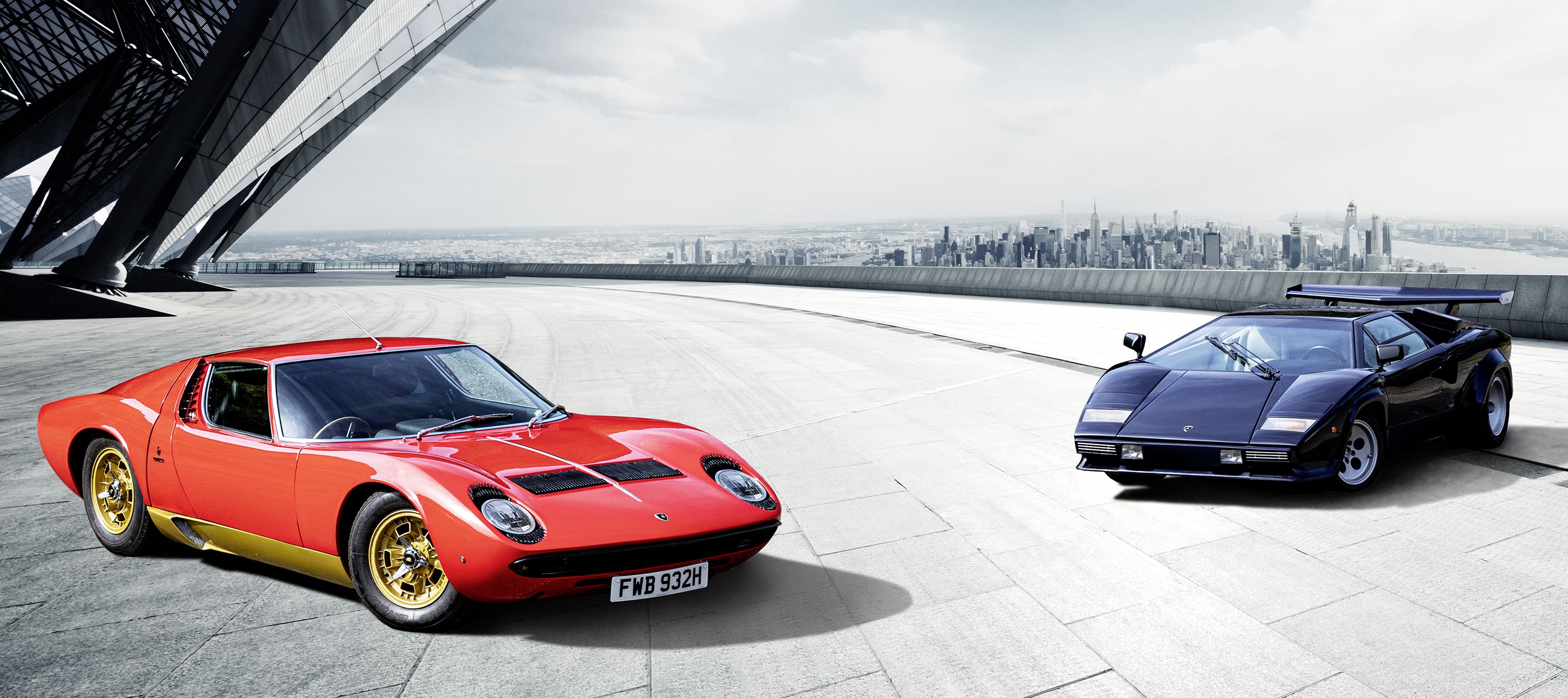

When it first appeared at the 1966 Geneva Motor Show, the Miura P400 created almost as much of a stir as the first showing of Picasso’s Les Demoiselles d’Avignon in 1916. The world’s first ever supercar was not only a creation of astonishing, hand-built beauty but also a confection of undreamt-of engineering. Capable of 175mph and 0-60mph in 6.7 seconds, making it the fastest production car in existence, the Miura drew on and advanced the technical set-up of Ford’s Le Mans-winning GT40; but the Miura’s home-grown V12 engine with six Weber carburettors was transversely mounted behind the passengers, and effectively merged with the transmission and differential to save space. Jaws dropped on all sides. Aston Martin’s wonderful DB4 and Jaguar’s glorious E-Type had first appeared only a handful of years before, yet the Miura made them both look antediluvian.
These revolutionary innovations were the work of three Lamborghini engineers, led by Gian Paolo Dallara, who had worked in their own time, after office hours, to compose their automotive beau ideal.
The firm’s founder Ferruccio Lamborghini – son of a farmer and formerly a manufacturer of tractors – had little enthusiasm for what was, effectively, a two-seater racing car for the road. Though he was a Ferrari owner himself, Ferruccio preferred to sell grand touring cars after the manner of France’s Facel Vega. Viewing the Miura as not much more than a loss-leader, he consented to the development project chiefly because he believed it might become a useful promotional tool for the company’s mainstream products. In a nod to Ferrucio’s enthusiasm for the corrida, the car’s creators named it Miura after the famous lineage of fighting bulls.
What entranced customers, however, was Georgetto Giugiaro and Marcello Gandini’s design for the Miura’s body. Working for the Bertone design house, they drew the declining bonnet so low that pop-up headlights had to be installed (the suggestion of mascara touches on their eyelids was merely a witty ’60s jeu d’esprit). With an overall height of less than four feet, the Miura presented a challenge of spinal flexibility for any prospective owner – especially one trying to get in or out wearing a short skirt – but that didn’t stop the starriest of customers queuing up to pay $20,000 to get their hands on one. They included the Shah of Iran and Frank Sinatra (who were both long past the first flush of youth by that time), along with the more agile Elton John, Rod Stewart and Miles Davis (though Miles managed to break both ankles crashing his Miura in a cocaine-fuelled smash).
Let the good times roll: Lamborghini through the ages

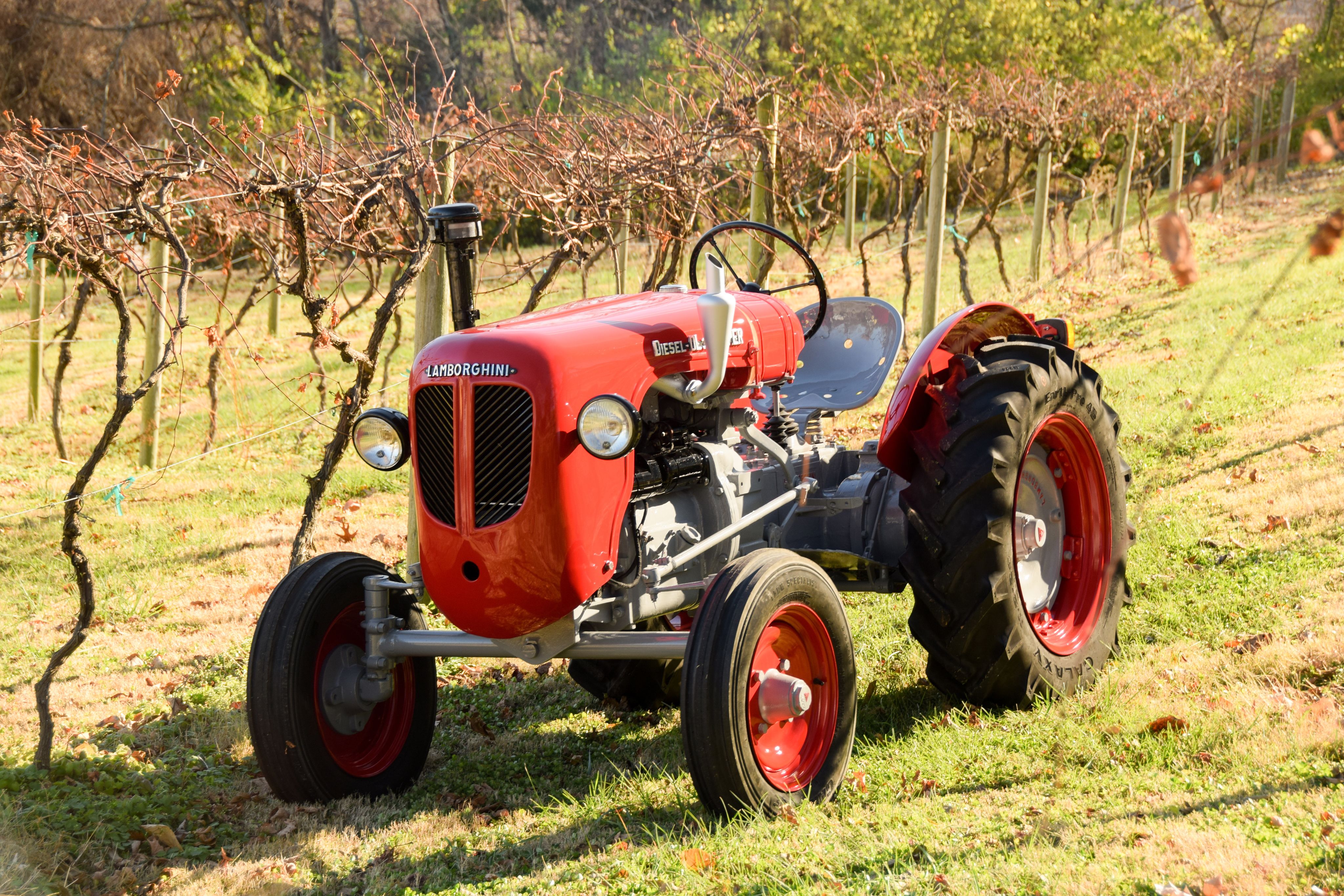
1957 Lamborghini Dl30 Tractor
Primitive farm machines laid the ground for the world’s most beautiful and complex cars. Ferruccio Lamborghini’s company started making tractors in 1948 and still does so today, though there’s nothing primitive about them now. Naturally, when Jeremy Clarkson needed a tractor for his farm, it had to be a Lamborghini.

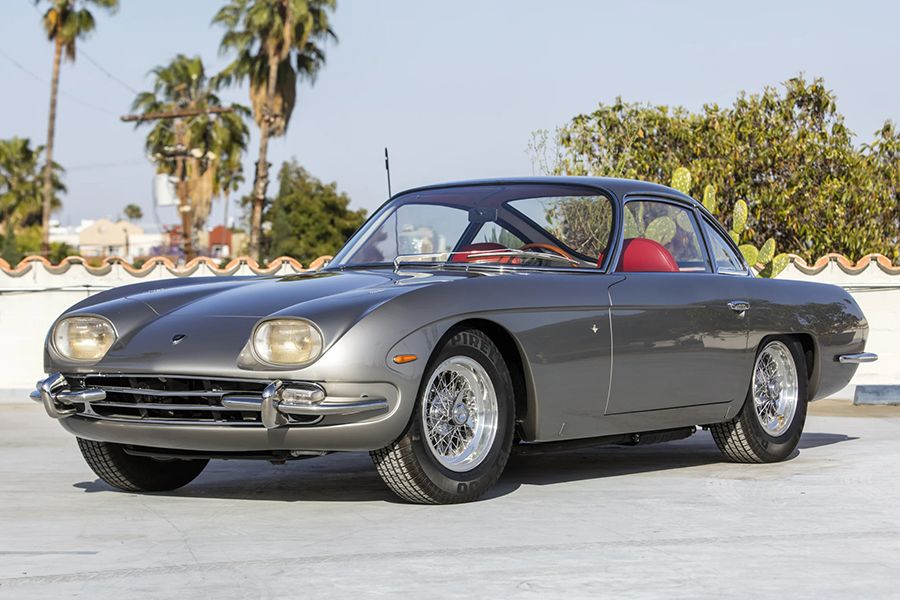
1965 Lamborghini 350 GT Coupé
Lamborghini’s first production car resulted from a row between Ferruccio and Enzo Ferrari. When Lamborghini failed to get satisfaction from Ferrari over a faulty clutch on his Ferrari 250 GT, he decided to show Il Commendatore how a grand tourer ought to be built. Ferrari have been kicking themselves over that clutch for half a century.
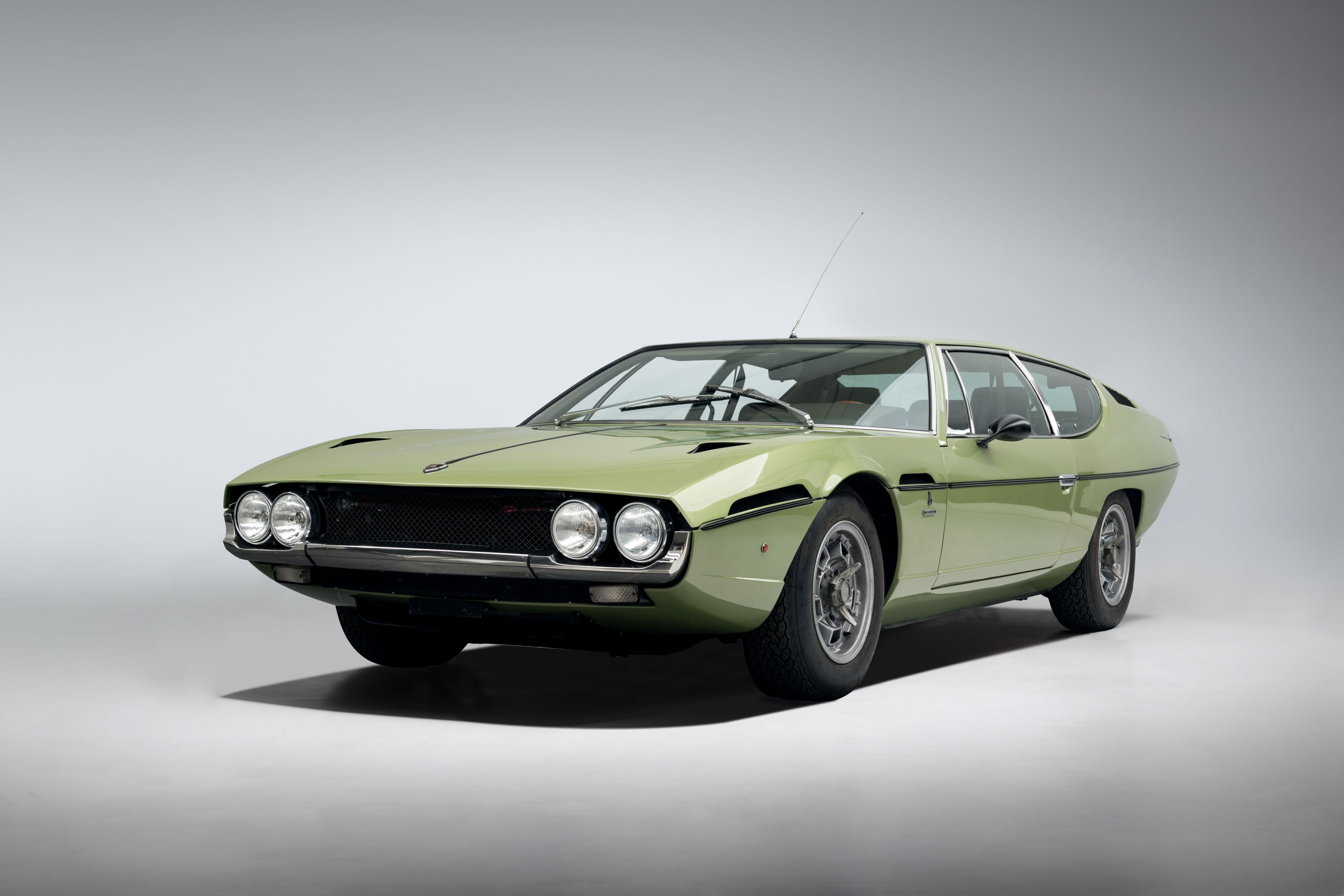
1970 Lamborghini Espada Series II Coupé
Having thrown Ferrari a stunning blow with the 350 GT two-seater, Lamborghini delivered the knock-out punch with the Espada four-seater, created by the trio of geniuses who would secure Lamborghini’s name in immortality – engine by Bizzarrini, chassis by Dallara, body design by Gandini.
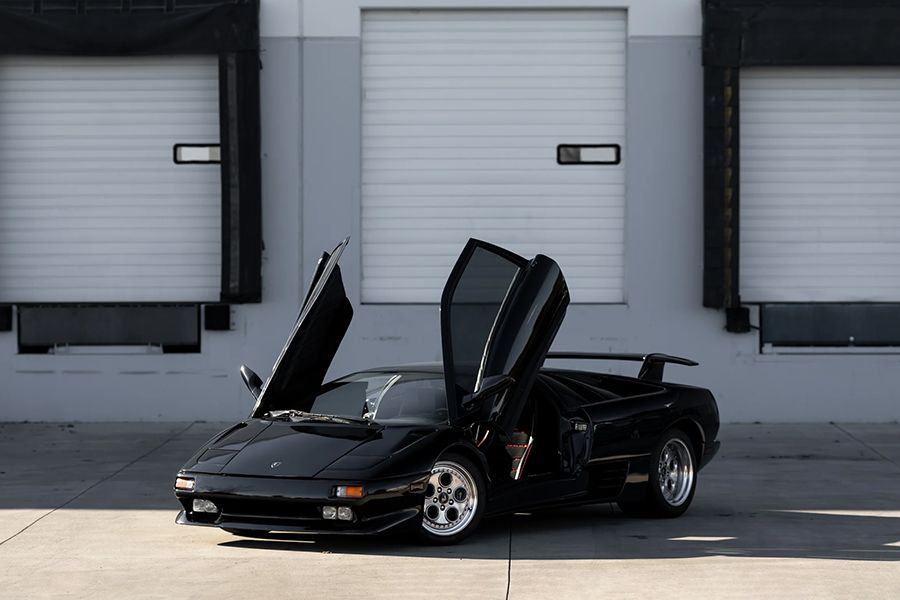
1994 Lamborghini Diablo VT
The ravishing Diablo VT was one of the first Lamborghinis that could be driven by anybody who wasn’t an F1 champion. Power was supplied to the front wheels as well as the rear, helping it to go round corners front-end first.
Only 763 Miuras would be built in the entire production run from 1966 to 1973. One of the most desirable was the P400 S Coupé, introduced in 1968. Only 146 were ever built, one of which is to be offered by Bonhams in the Bond Street Sale in December. For this version, some nominal concessions were made to creature comforts – such as electric windows, enlarged boot space and glove box – while adding another 20bhp to the already outrageous powers of the engine, pumping it up to 365bhp. In the course of that production run, the world rapidly adjusted to the Miura’s innovations and competitors began to appear, notably Ferrari’s Daytona. As the 1970s began, the question for Lamborghini was how to follow the Miura. Their answer was the mind-blowing Countach.
By that time, given the astounding success of the Miura, Ferruccio Lamborghini had come round to appreciating the commercial benefits of creating cars as works of art. For the Countach, he actively encouraged his team to give expression on company time to their most far-fetched fantasies and yearnings. The result was a car whose wedge shape and scissor doors made it look as if it had arrived from another planet.
Again, Lamborghini called on Marcello Gandini of Bertone for the body design. Gandini had already experimented with wedge-shaping for the Lancia Stratos rally car, which won the World Rally Championship repeatedly in the 1970s. Where the Miura had been a sports racing car for the road, the Countach was more like a road-worthy rally car (and it was equally trying to get in and out of).
The name, according to Gandini, came from a guy in the workshop who spoke only Piedmontese and would exclaim “countach!” – meaning something like “would you believe it?” or “son of a gun” – every time something went wrong. Gandini fancied the sound of the word for the car but wasn’t sure if it would work in Anglo-Saxon. Some self-appointed know-all in the workshop assured him it would be fine, so that was that.
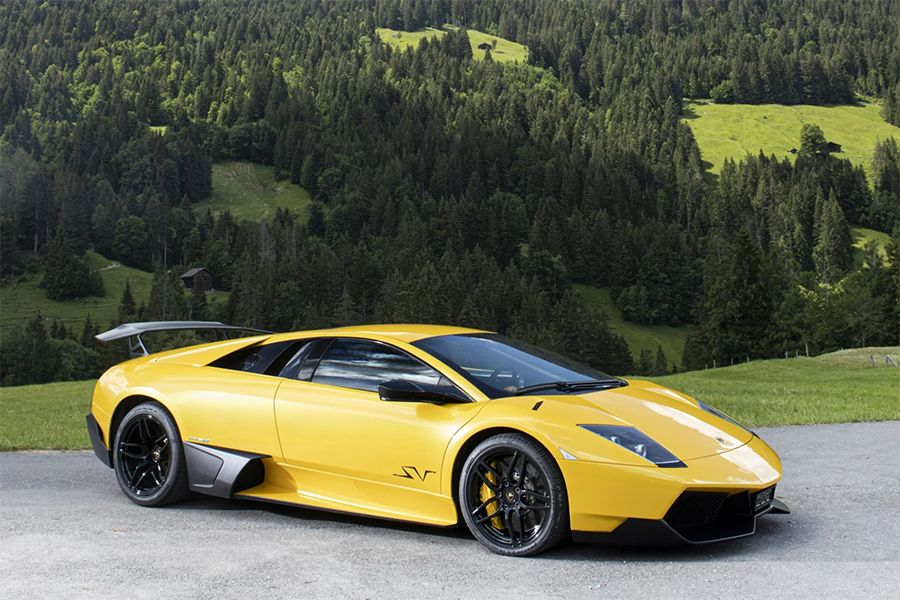
2010 Lamborghini Murciélago Lp 670-4 Sv Coupé
Full Formula One powers were contained in Lamborghini’s first ‘hypercar’: 663bhp; 0-60mph in 3.2 seconds; 0-100mph in under 7 seconds. ‘Over the top’ doesn’t come close.
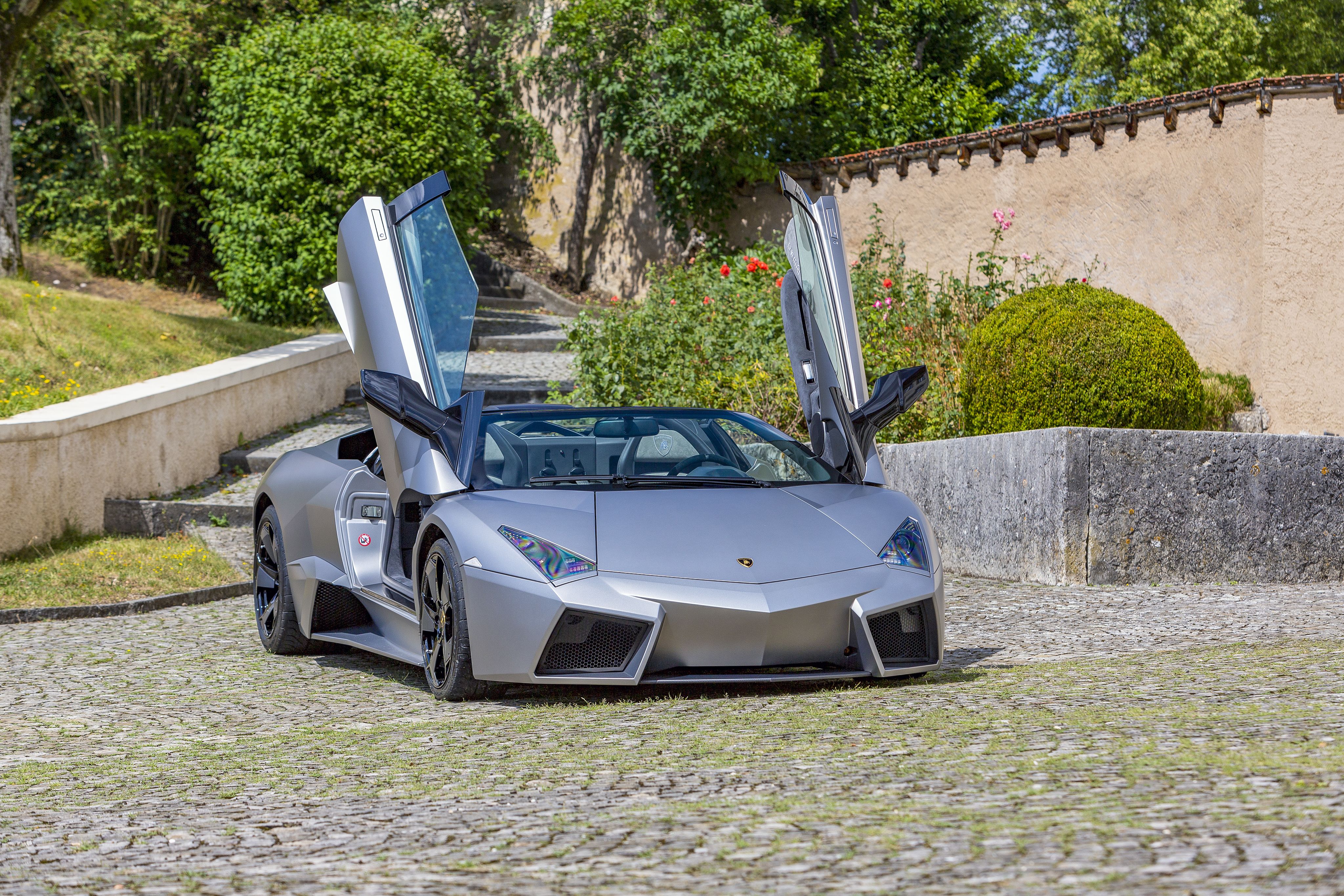
2010 Lamborghini Reventón Roadster
Effectively, a Murciélago convertible, the Reventón was one of the most exclusive cars in the world, with only 15 ever built.
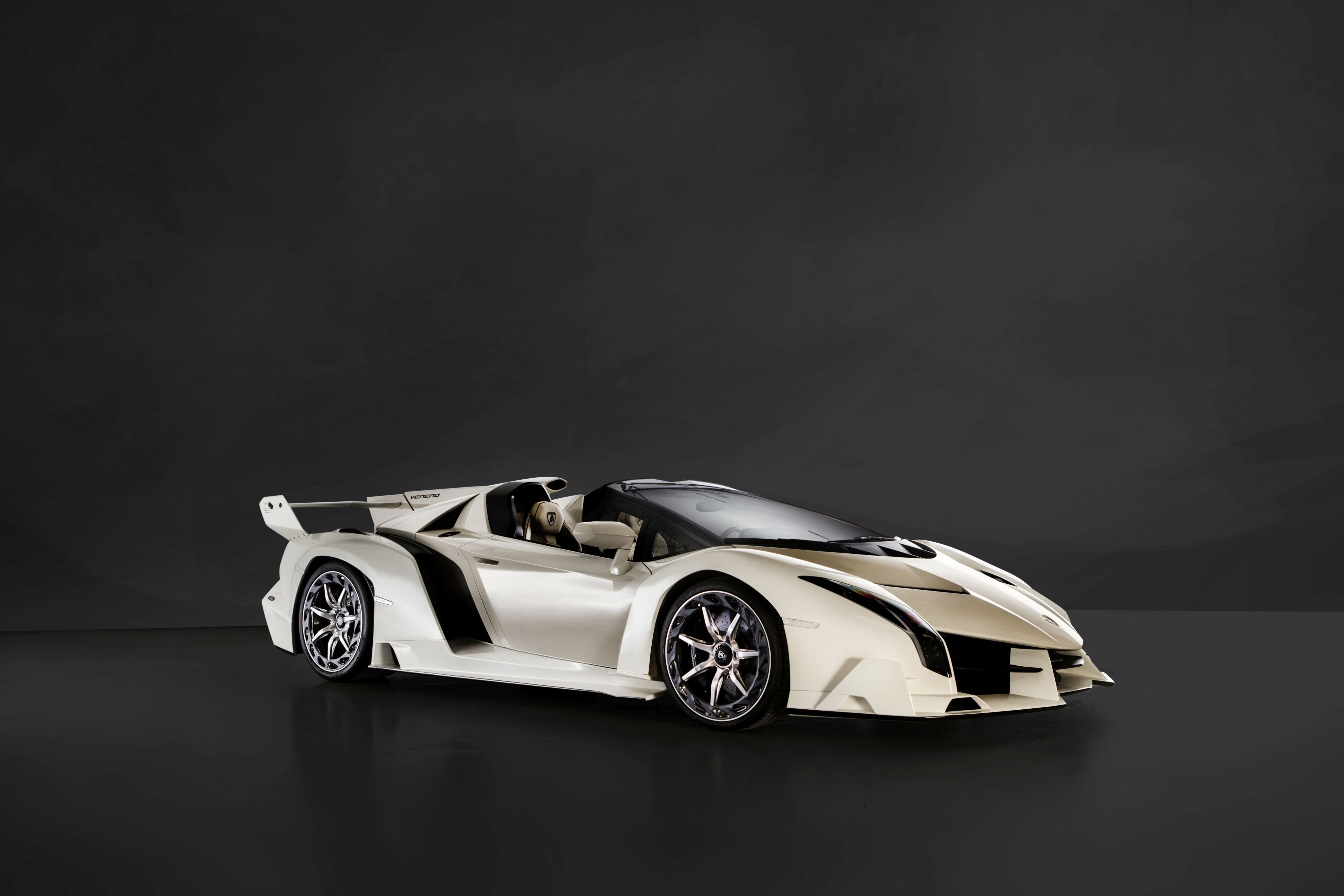
2014 Lamborghini Veneno Roadster
The Veneno made the Reventón look commonplace. Based on the Aventador, only nine Venenos were ever built, three of them for customers. The original price was $4,000,000. All were sold.

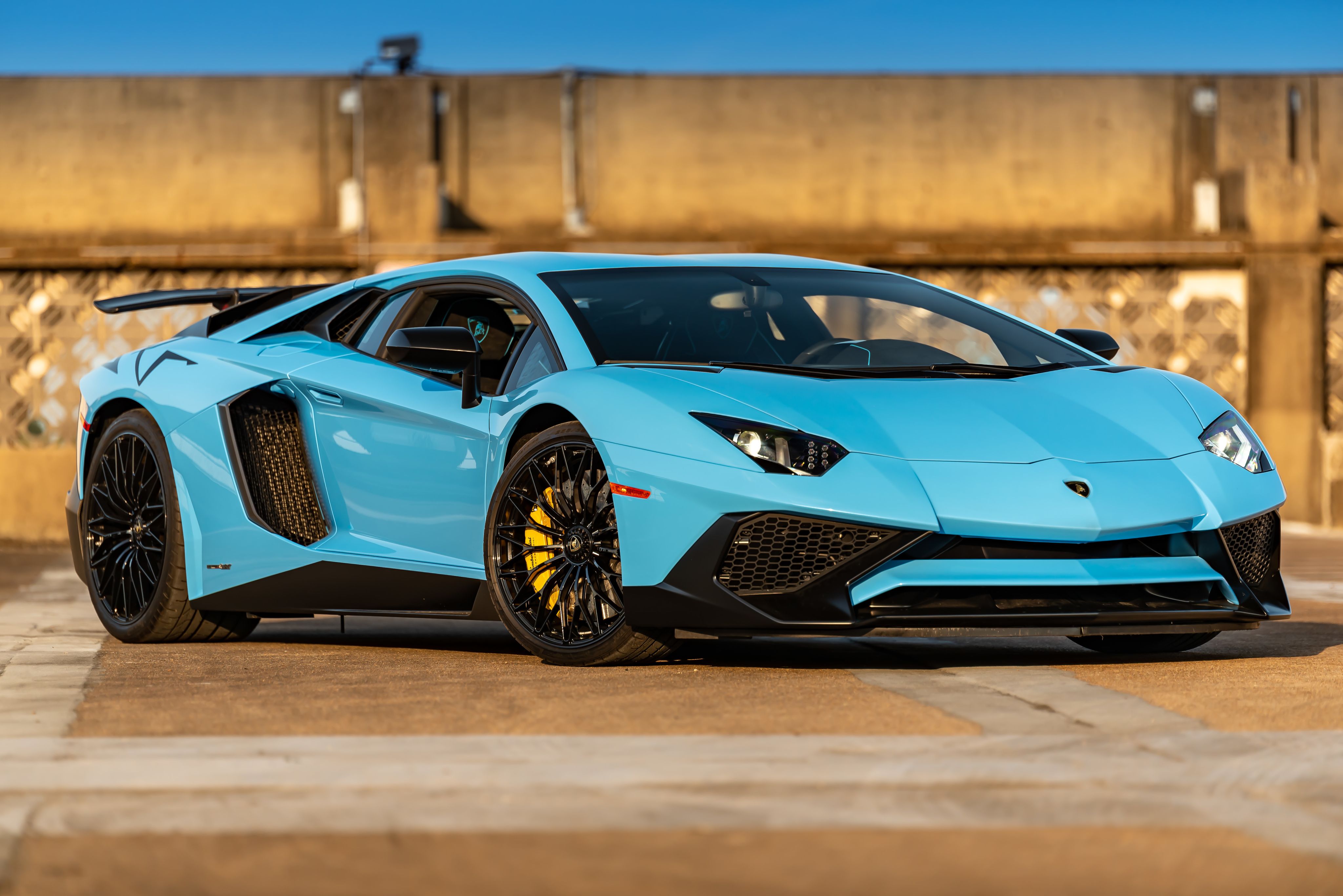
2017 Lamborghini Aventador Lp750-4 Superveloce Coupé
The nearest Lamborghini has ever come to mass production, with 11,500 Aventadors sold worldwide between 2011 and 2020. You might even see one on the road without having to wait the whole of your life.
In keeping with the car’s spaceship character, Gandini insisted for the prototype that the aerodynamics of the body’s lines should be uninterrupted by fripperies like bumpers or wing-mirrors. This aesthetic purity made the car impossible to sell in America unless modifications were made to meet federal regulations.
Further pursuing the Starship Enterprise theme, the dashboard instruments for the prototype featured some of the first digital displays ever seen in cars, as well as warning lights to tell the driver that he might be pushing it a bit too hard.
That consequence was frighteningly easy to achieve. For the Countach prototype, Lamborghini’s Chief Engineer Paolo Stanzani expanded the company’s V12 engine to almost five litres, and mounted it longitudinally behind the passenger compartment, with fuel and water carried by two side-mounted tanks and radiators. The result was a missile capable of nearly 200mph and 0-60mph in five seconds. With all that power being fired directly to the rear wheels, with no traction control, and visibility through a windscreen that was little more than a slot, controlling the car through corners was an exercise that demanded advanced skills. Many a less-gifted or -experienced driver might well have found himself exclaiming “countach!” as the tail-end whipped round and stung like a scorpion.
Rod Stewart was only one of many Lamborghini fanciers who reckoned he could handle the Countach. He would be joined in later years by such as shy and retiring customers as Kanye West and Cristiano Ronaldo. The car was in production for 17 years from 1973 to 1990, passing through a succession of modifications that in most instances enhanced its powers and eschewed all concession to normal commercial considerations.
The LP400 S Coupé dating from 1981 that is offered by Bonhams in the Bond Street Sale in London in December typifies that uncompromising approach. It was designed to bring the body even lower to the ground – lower, in fact, than an anteater’s snout. On any surface rougher than glass, it was gruelling to drive – but it simply looked fabulous. It is one of the very best Countaches.
As always with these Lamborghinis, practicality should count for nothing when compared with art.
Neil Lyndon is a writer and journalist.
 Built with Shorthand