
Cornelis Paulus van Pauwvliet
An introduction by Professor Reinier Baarsen
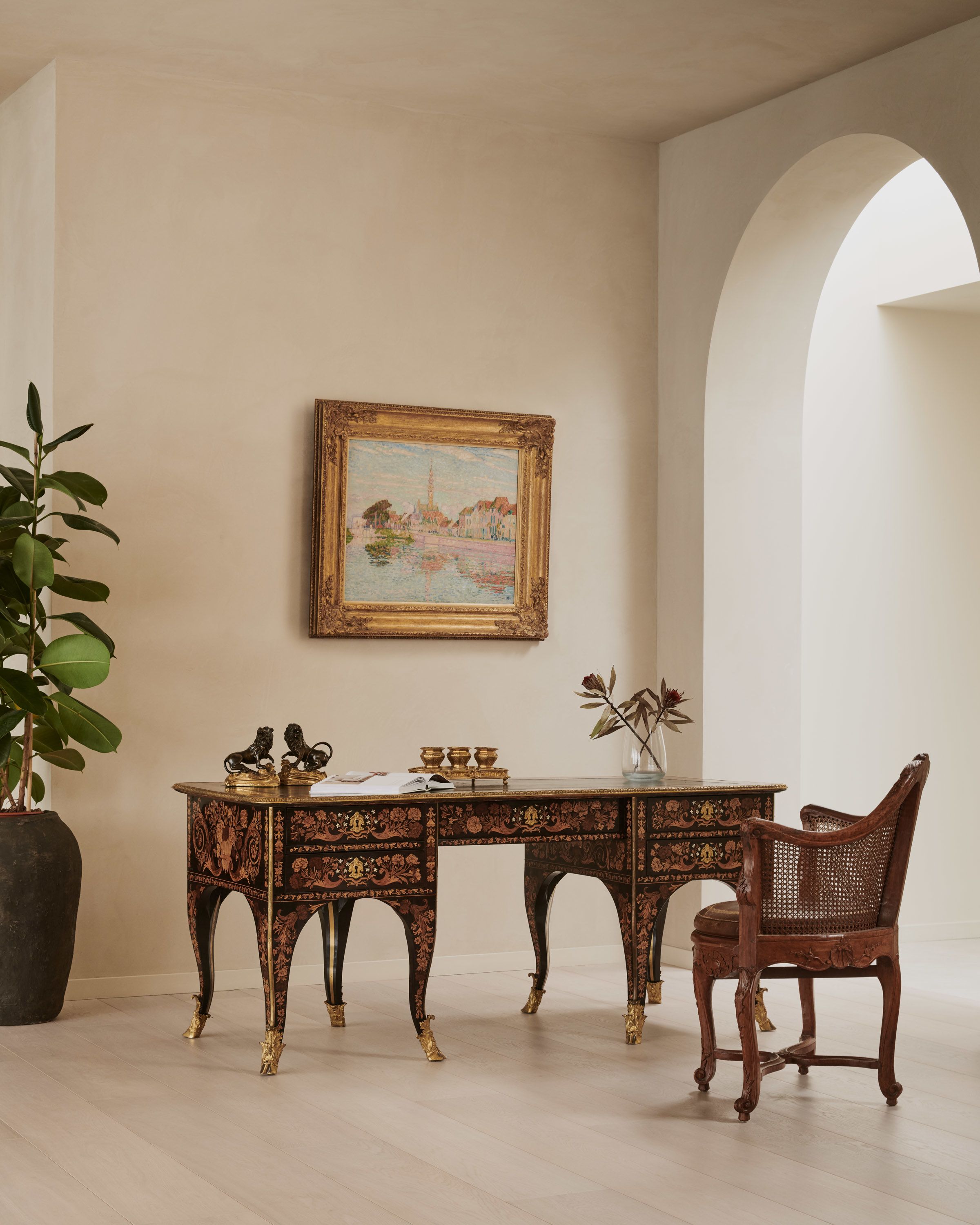

The collection of works of art formed by Cornelis Paulus van Pauwvliet (affectionately known as ‘Cees’ by his family and friends) is, in all its various components, firmly rooted in the Dutch tradition, and yet it has an unmistakably individual character – which was also true of the collector himself.

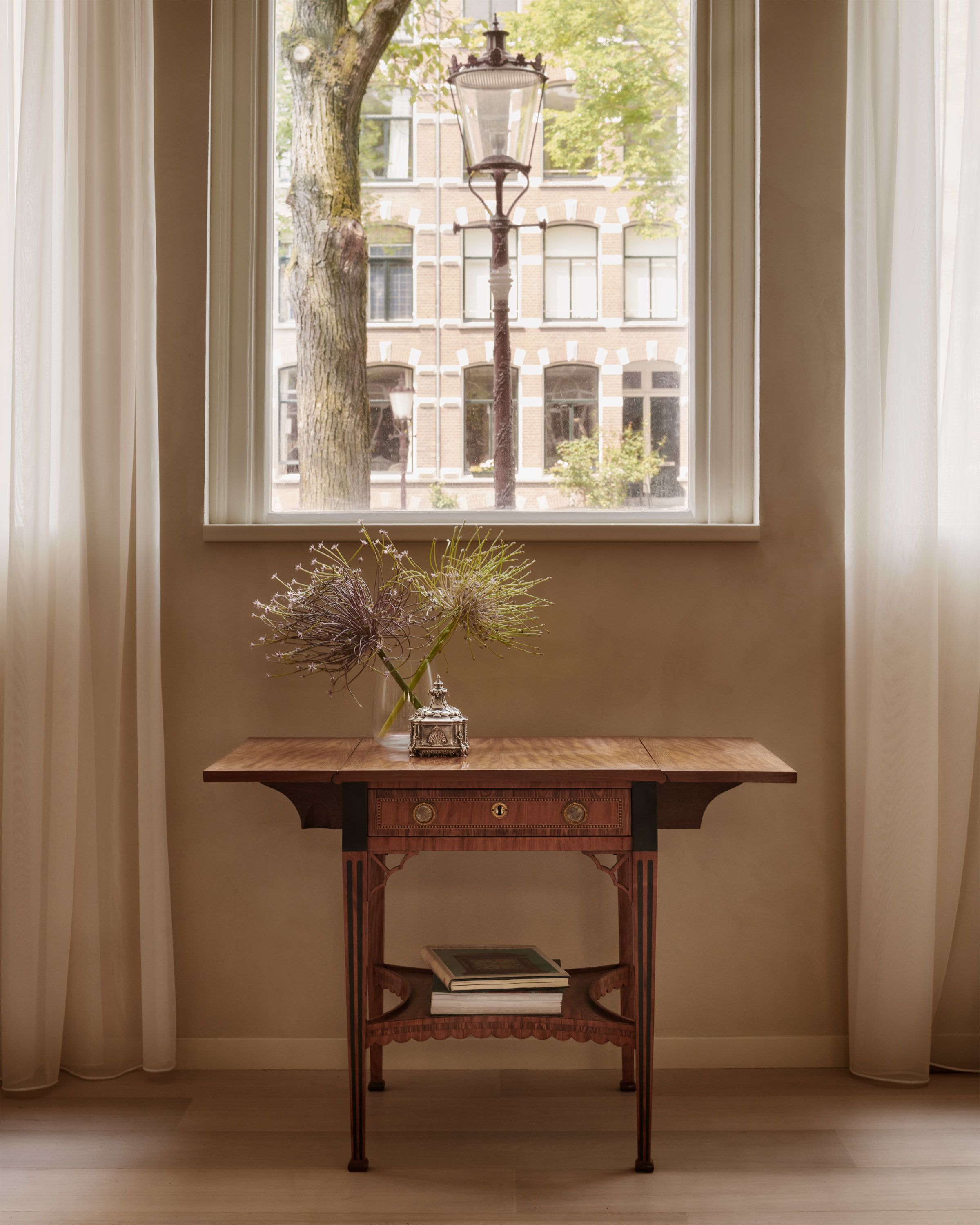
The circumstances in which the collection was put together were themselves remarkable. While living in an attractive, but not very large flat in Amsterdam’s smartest shopping street, which was filled with fine furniture and paintings, much of which was inherited from his father, the Brussels-based art collector Bernard Paulus van Pauwvliet, Cornelis bought an apartment that did not yet exist: it was part of a large condominium that was being built on Pieter de Hoochstraat, a stone’s throw from the Rijksmuseum.
The purchaser was able to have the plan of the apartment adapted to his needs, and from there began a serious campaign to acquire works of art to fill it. The appearance of every room was more or less fully worked out in advance, centred on the furniture, paintings and works of art that were bought for each particular space – a late echo of the detailed drawings which in around 1820 the firm of Morel and Seddon prepared for every projected interior in King George IV’s apartments at Windsor Castle, likewise composed around individual works of art. When building work on the apartment was finished, the owner could furnish it almost completely – leaving, somewhat to his frustration, only limited scope for further collecting activities.
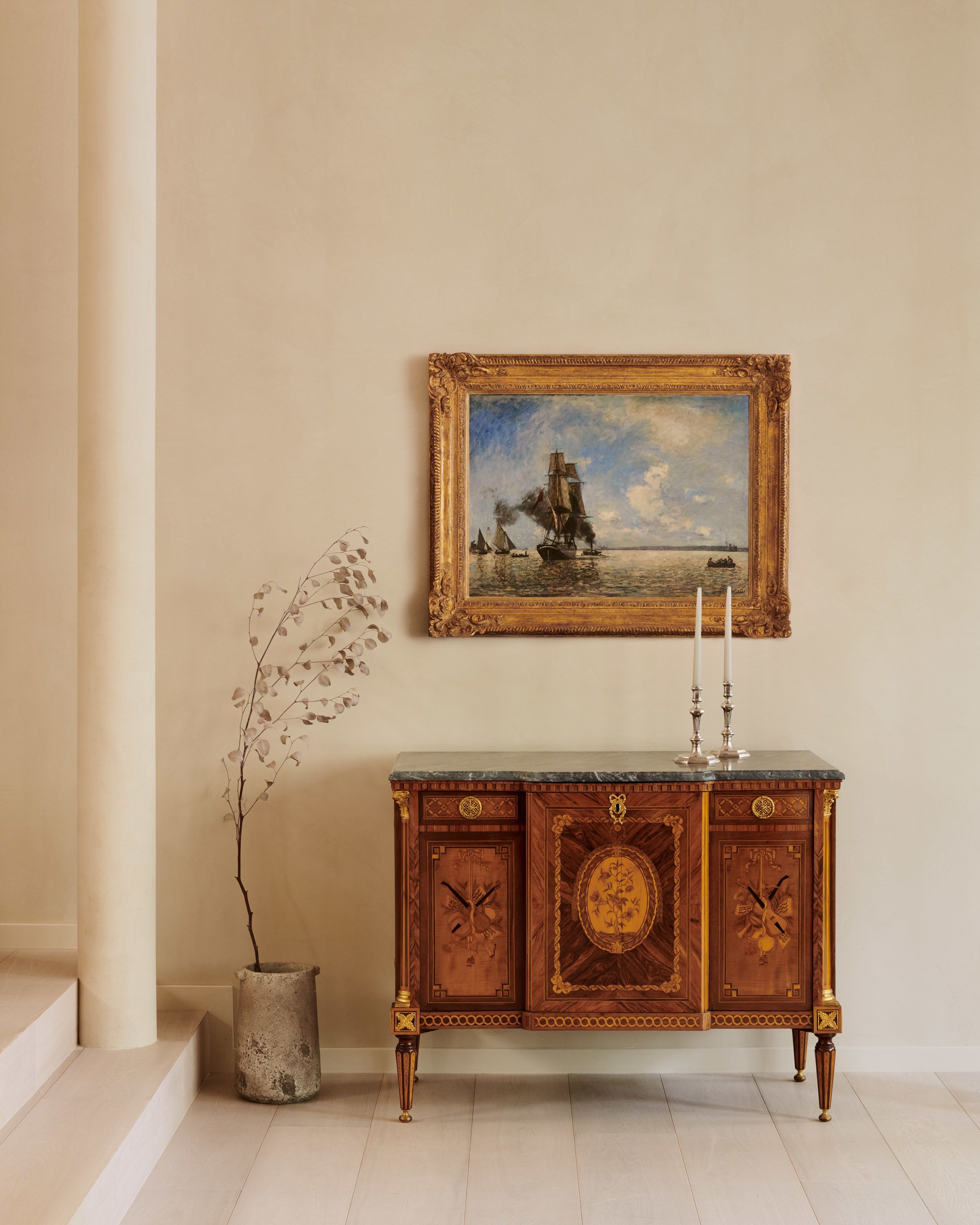
Naturally, the proportions of the apartment determined the size of the furnishings, and Paulus van Pauwvliet concentrated on relatively small eighteenth-century furniture, with marble or wooden tops that provided space for dense displays of works of art. As had been the case for Dutch patrons in the latter part of the eighteenth century itself, his preference was for the Parisian style: he selected either pieces by ébénistes working in Paris or by their Dutch followers, most notably Matthijs Horrix from The Hague, whose work was first identified in the 1990s and who had appropriately named his workshop ‘In the commode of Paris’. Luxurious marquetry furniture from the second half of the eighteenth century was combined with more discreet Dutch pieces from a somewhat earlier period. For their adornment, Paulus van Pauwvliet bought a large selection of gilt-bronze mounted vases, in porcelain and other materials – a taste that is less widespread in Holland, and which he was mainly able to satisfy by patronizing Parisian dealers.
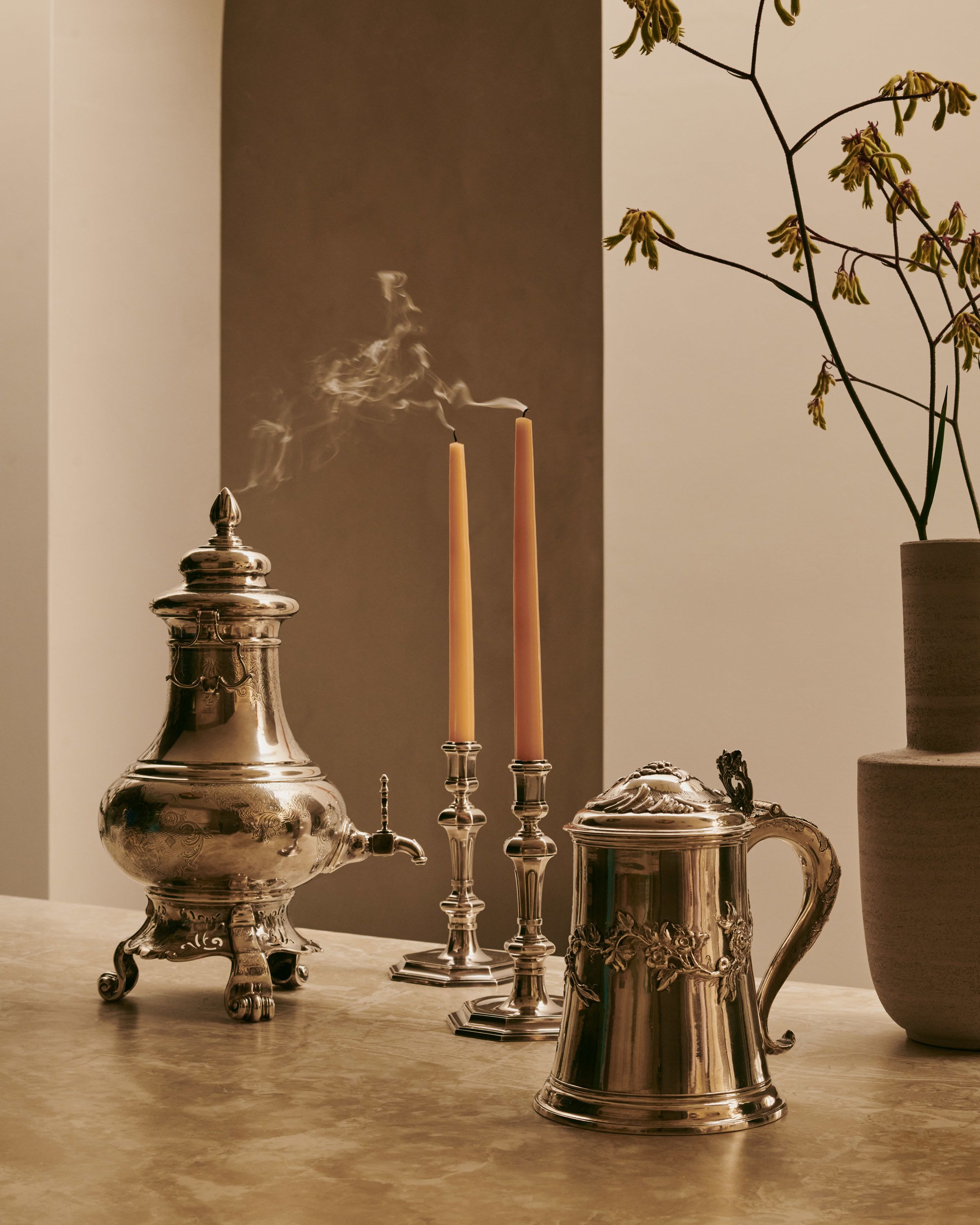
As with collectors in most European countries, his preferences concerning silver were decidedly national, and he assembled an extremely fine and varied collection of Dutch silverware, principally from the eighteenth century, which – unusually for the Netherlands, and more in keeping with a German style of living – he displayed in the rooms that he inhabited. Like many other amateurs, Paulus van Pauwvliet had a persistent predilection for particular kinds of objects, and the possession of one or more of those did not quench his thirst for further acquisitions of the same kind: thus, the collection boasts several series of silver candlesticks in the late Louis XIV style, as well as candlestands to hold them. In fact, nearly every piece of carcass furniture would be flanked by a pair of stands supporting candlesticks.

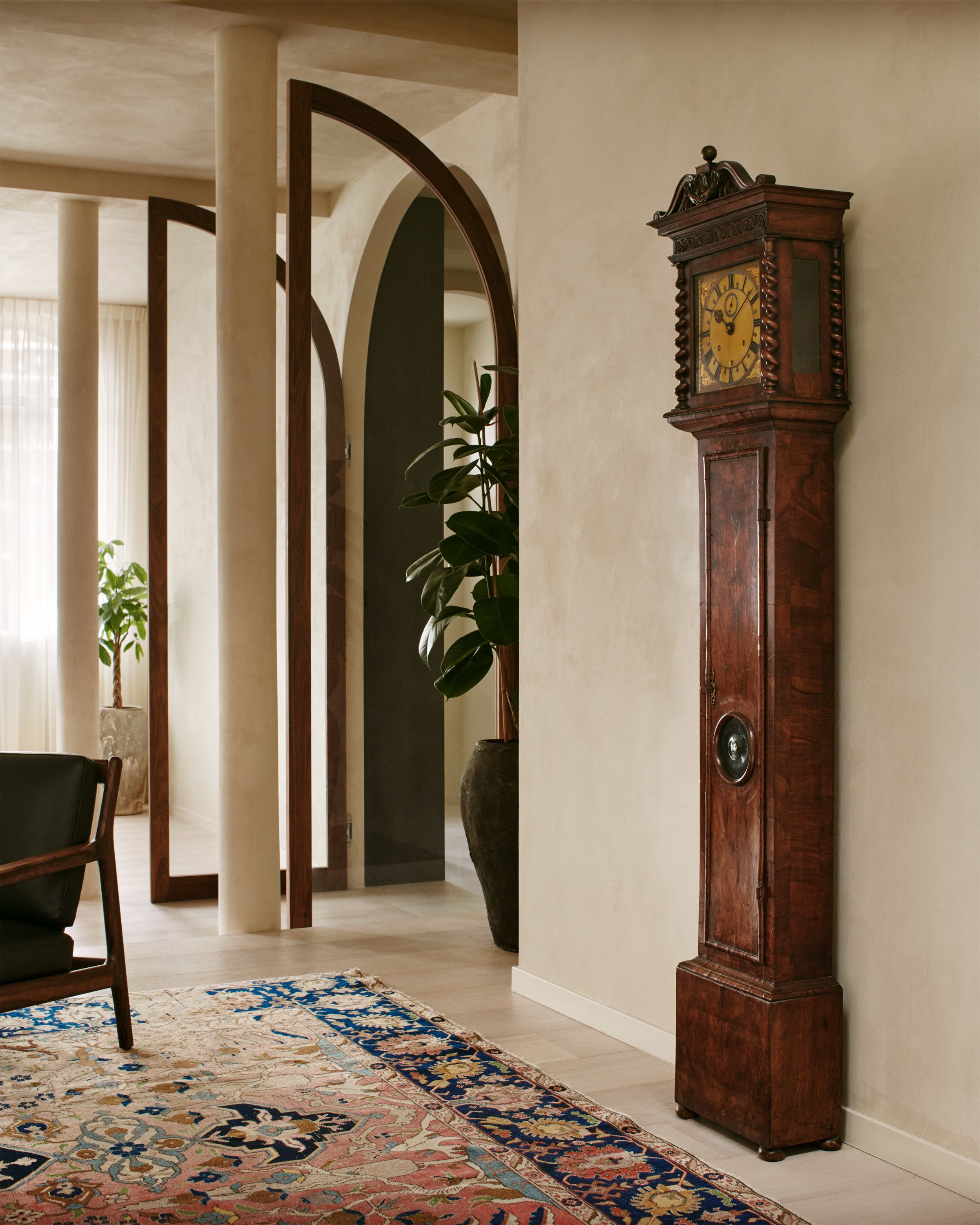
A particular passion was clocks, both important early Dutch ones and impressive gilt-bronze Parisian examples in the neo-classical and Empire styles; this typically masculine preoccupation the collector shared with many late eighteenth-century rulers, such as Louis XVI of France, George III of England, Friedrich Wilhelm II of Prussia, and the Dutch stadtholder William V.
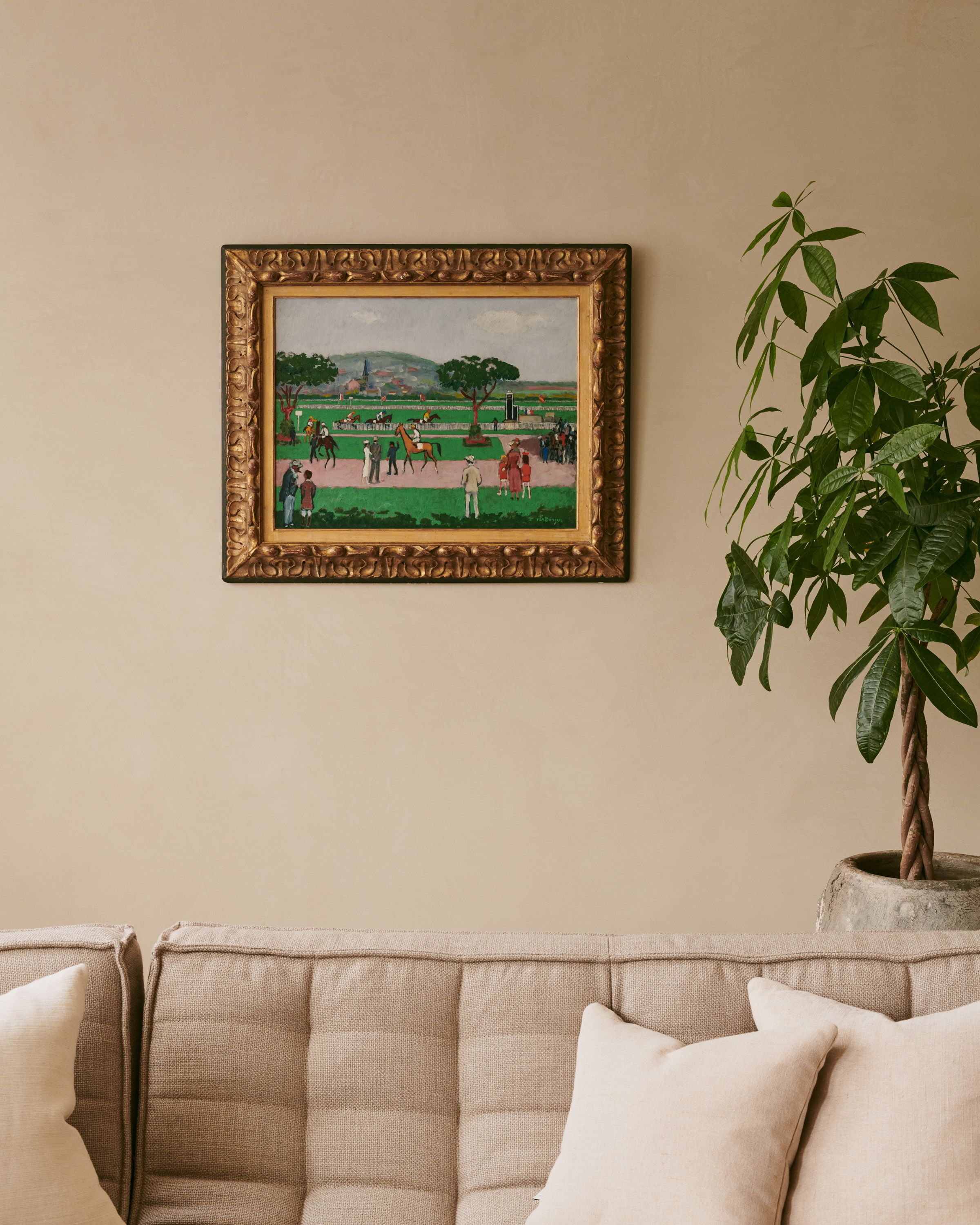
The walls of the apartment were hung with a remarkable selection of paintings, principally from the late nineteenth century, which were a particular source of pride and satisfaction. Like the furniture they are a mixture of French and Dutch, including works by Jongkind, Israels and van Dongen as well as by Bernard, Boudin and Lépine.
In the case of Paulus van Pauwvliet, passion is not just a cliché to describe his involvement: he deeply loved his possessions and delighted in discussing them with dealers, especially those in Amsterdam, who he was able to frequent, and with museum experts. He enjoyed inviting small groups of like-minded enthusiasts out for dinner, where conversation inevitably turned to works of art coming up on the market or on items in his possession. His love of repeatedly discussing the merits of particular pieces probably goes a long way in explaining why he preferred to buy from dealers, rather than frequenting the salerooms: his chosen circle of dealers became a highly appreciated sounding board for his opinions and points of view, and indeed his presence much enlivened the world of Amsterdam antiques’ dealers in its late heyday. Paulus van Pauwvliet’s extensive library underscores his sustained interest in, and genuine desire to learn about, the art of the past, even though discussion on such topics was always spiced with his strongly voiced, personal ideas.
The elegant assembly of works of art, determined by a taste for the Parisian style of the eighteenth century and combined with nineteenth century paintings, reflects the preferences of the internationally oriented generation of collectors and dealers, many of German origin, who made Amsterdam between the two World Wars a centre of the art trade. The best-known representative of this milieu was the German banker Fritz Mannheimer, whose unparalleled collection of European decorative arts has immeasurably enriched the Rijksmuseum’s holdings. After the Second World War, several dealers and collectors, or their successors and offspring, moved to New York, although a large and influential group remained in Amsterdam as well. It is therefore no coincidence that the collection of Cornelis Paulus van Pauwvliet rather feels like many that were formed in New York during the second half of the twentieth century.
The collection of European decorative arts of the Rijksmuseum was a constant inspiration for Cornelis Paulus van Pauwvliet, and it is particularly fitting that a small number of his fine clocks and works of art will enter the museum’s collection. Similarly, individual paintings will go to enrich the holdings of the Teylers Museum in Haarlem, the Kunstmuseum in The Hague and the Museum in Dordrecht. Moreover, the collector has left a generous bequest to the Vereniging Rembrandt, which supports museum acquisitions in the Netherlands. Thus, his name will live on as a cherished memory in the world of Dutch museums and their visitors.

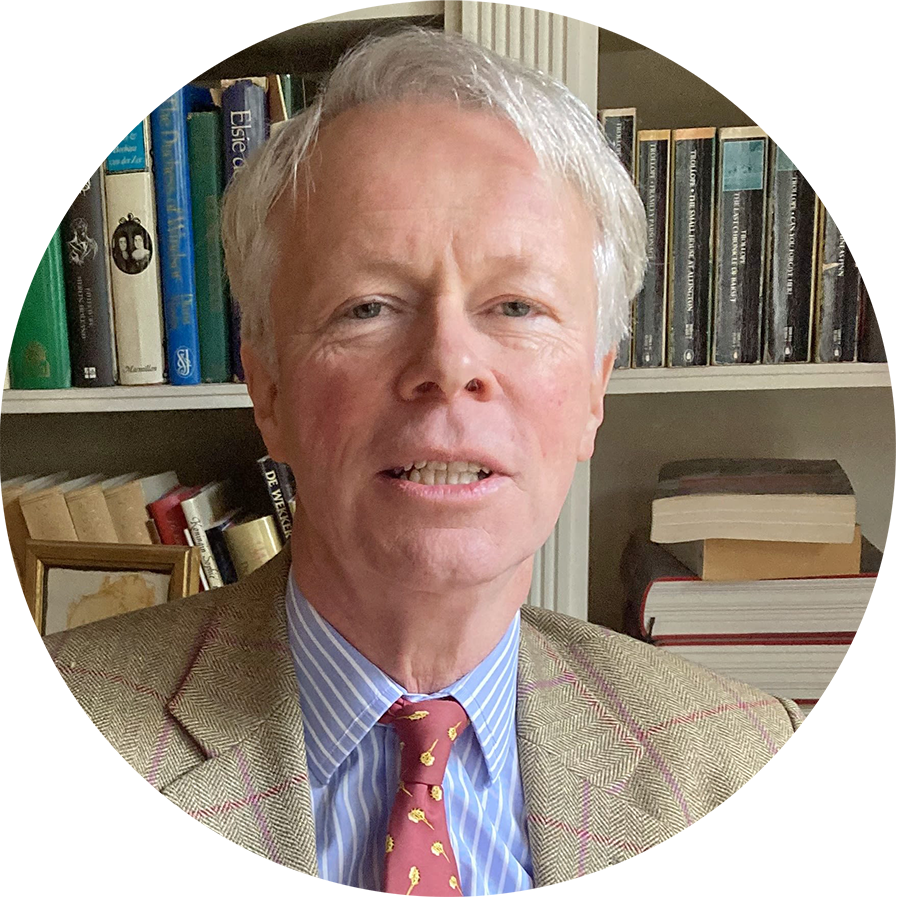
Prof. Dr Reinier Baarsen is senior curator of European furniture at the Rijksmuseum, Amsterdam and Professor in the History of European Decorative Arts at Leiden University.
 Built with Shorthand