

Moon shot
The Apollo missions were not just feats of engineering, they shaped how we see space. Now, many of NASA’s early photographs, both famous and forgotten, are being rediscovered through the collection of Victor Martin-Malburet
Who hasn't yearned to float through space? NASA (National Aeronautics Space Administration) didn't just launch space ships – it ignited dreams. On 21 July 1969, Neil Armstrong took a small step for man but a giant leap for mankind when he set foot on the surface of the moon, with the world watching in grainy black-and-white. But even before that pivotal moment, the romance of boldly going where no man has gone before became a global obsession and it was fuelled by images from space.
Originally NASA released only select images for scientific study and public relations, leaving many photographs unpublished. But gradually images of early space travel filtered out – and many of these now iconic images were collected by Victor Martin-Malburet, a space historian, who spent more than 25 years rediscovering these photographs.
In April, the sale of his collection, For All Mankind: The Artistic Legacy of Early Space Exploration, Bonhams is offering 450 vintage NASA photographs and the chance to own a piece of space history, with estimates starting at €300. Running online from April 14 to April 28, 2025, in Paris, the sale includes images alongside previously unseen shots buried in archives for decades.
Among Martin-Malburet's collection is the first-ever photograph of Earthrise, taken by Apollo 8 astronaut William Anders. Overlooked at the time, it became one of the most influential images in history. Also included are Armstrong’s first Moon photo, Aldrin’s spacewalk selfie, and the earliest human portrait in space. These images are not just documentation – they are a record of humanity’s first steps beyond Earth, now preserved for future generations.
Highlights of the Victor Martin-Malburet collection
The only photograph of Neil Armstrong on the Moon, taken by Buzz Aldrin

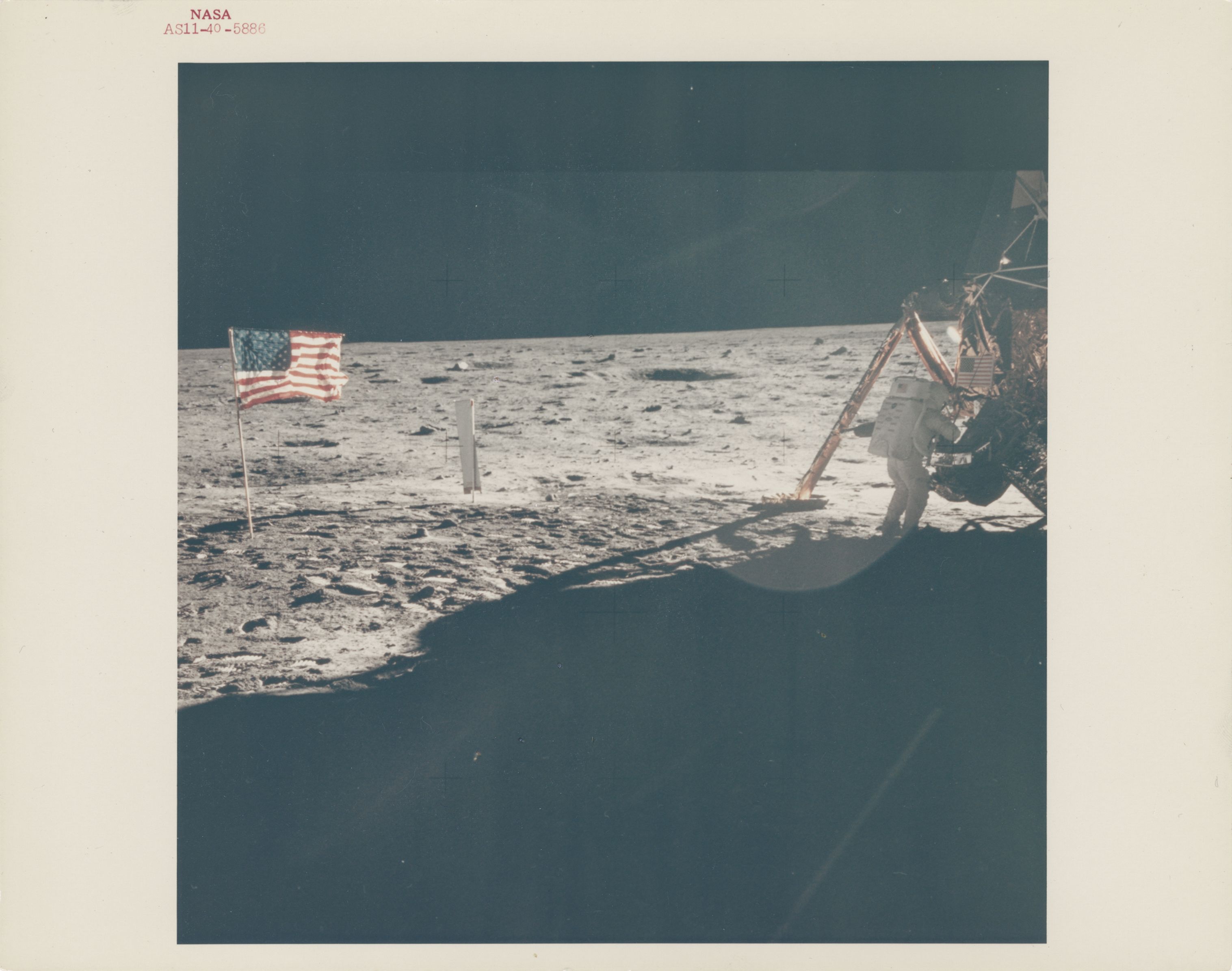
After the Apollo 11 mission, NASA claimed that no photograph of the first man on the Moon existed. Yet, this unique image, showing Neil Armstrong standing beside the Lunar Module Eagle, was rediscovered 17 years later.
Estimate: €18,000-25,000
The footprint on the Moon


This photograph by Buzz Aldrin during the Apollo 11 mission shows mankind leaving his mark.
Estimate: €5,000-7,000
The blue marble

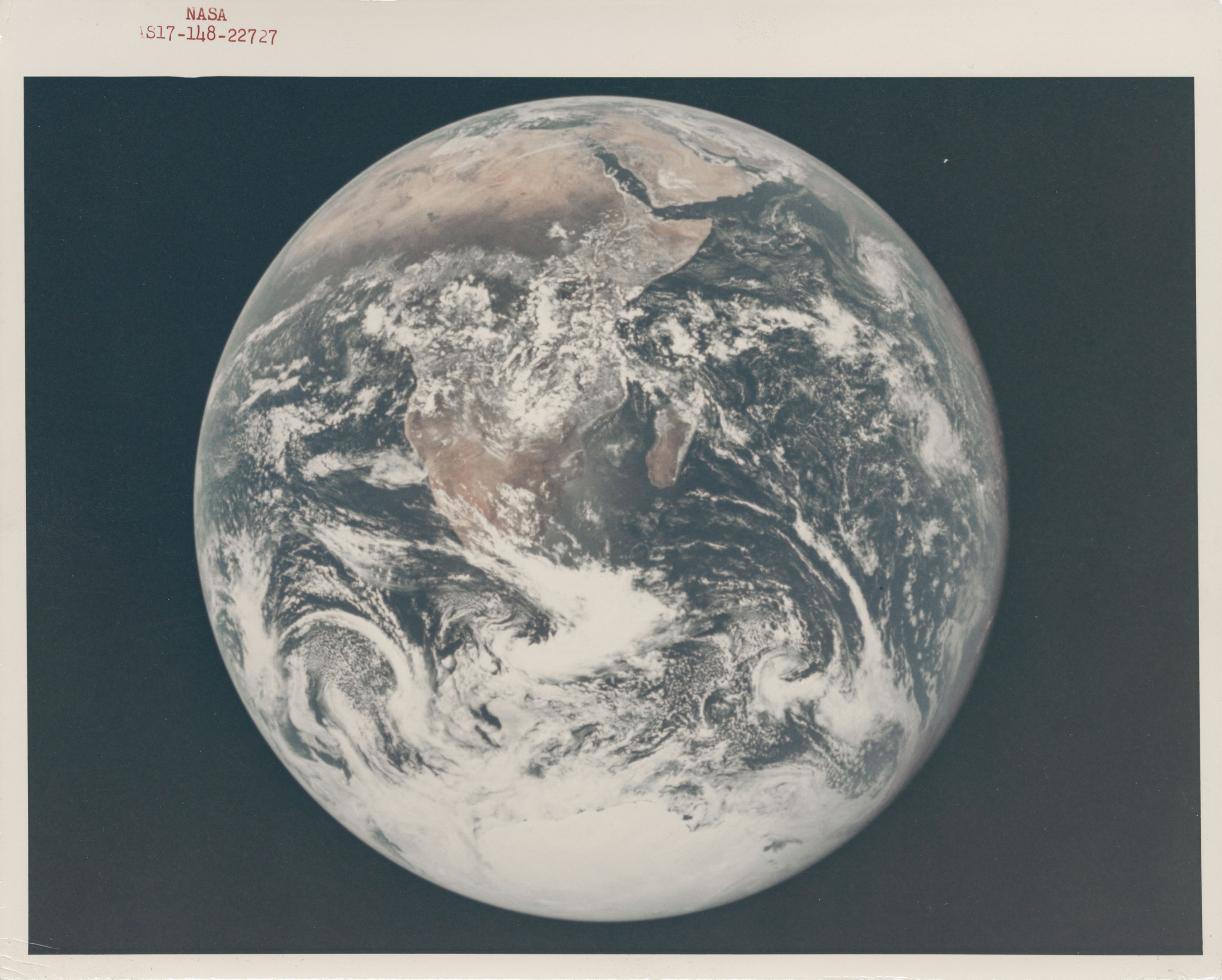
The first full-disk photograph of Earth was taken in December 1972 by the astronauts on the Apollo 17 mission. It's an iconic image that's become the most widely reproduced photograph in history. As Carl Sagan said: “That’s home. That’s us.”
Estimate: €7,000-10,000
Portrait of Buzz Aldrin with Neil Armstrong, the Eagle and earth reflected in his gold-plated sun visor

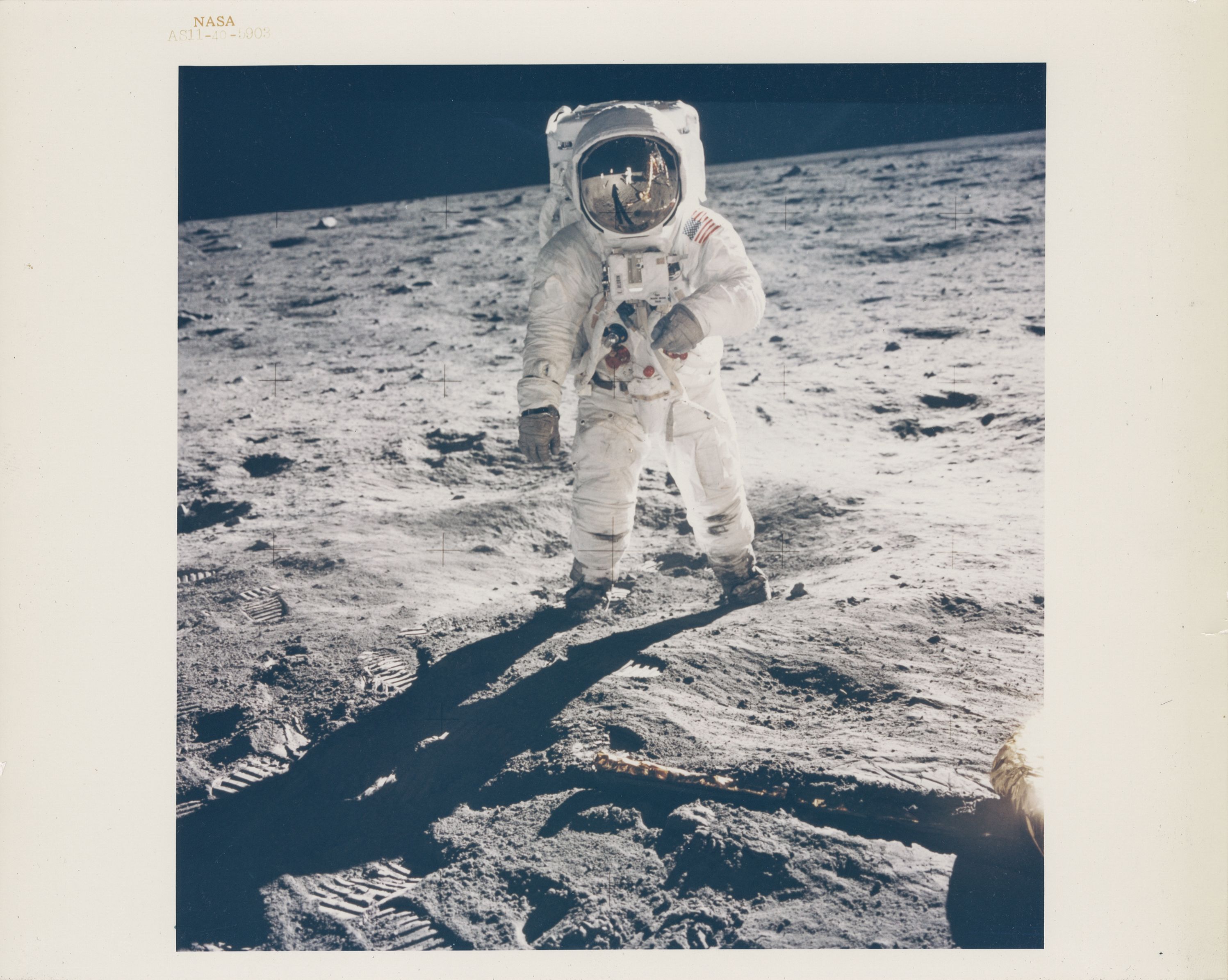
This remarkable composition by Neil Armstrong encapsulates all the key components of the Apollo 11 mission in a single frame.
Estimate: €5,000-7,000
The first photograph of a human on another world

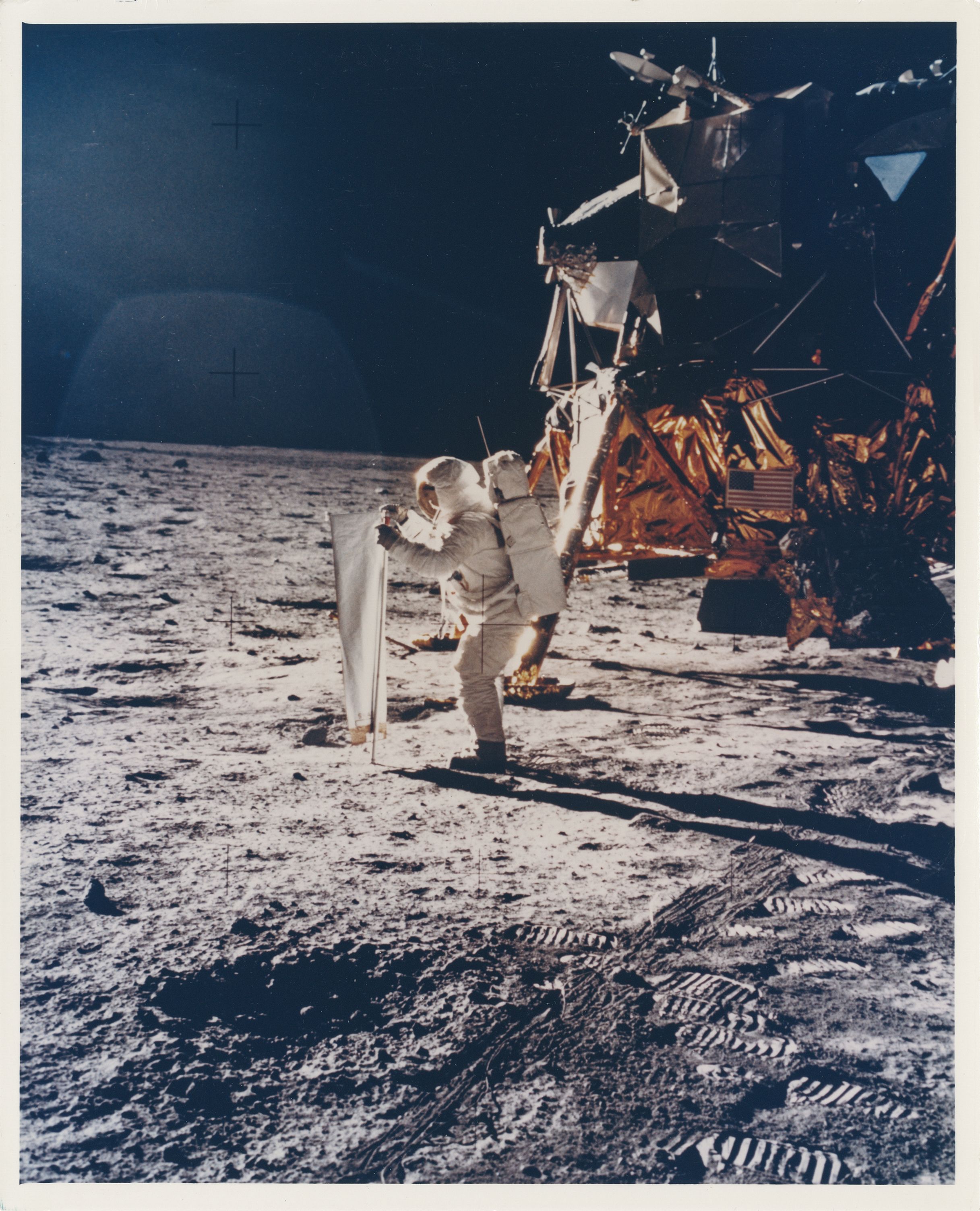
Captured by Neil Armstrong in the early moments of Apollo 11’s moonwalk, as Buzz Aldrin deployed the Solar Wind Experiment, this historic image is the first photograph of a human on another world. For Buzz Aldrin, stepping onto the sunlit Moon felt like crossing into another dimension.
Estimate: €4,000-6,000
The first-ever photograph of Earthrise

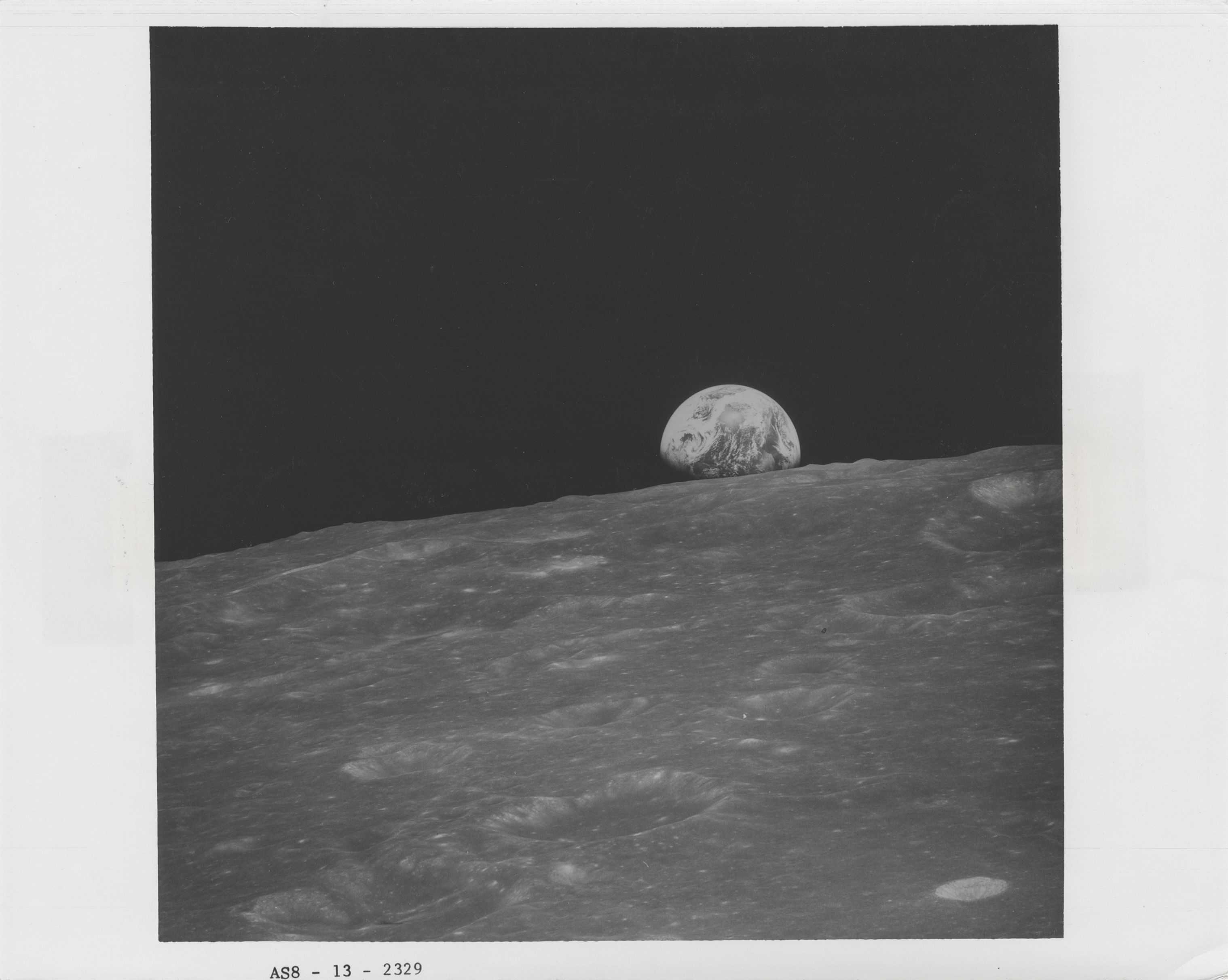
This first-ever image of earthrise was captured by astronaut William Anders during the mission of Apollo 8. Despite being one of the most awe-inspiring pictures, it remained in NASA’s archives for years. But Anders knew its impact: at the moment he took the shot, he exclaimed, “Oh, my God! Look at that picture over there! Here’s the Earth coming up. Wow, is that pretty!”
Estimate: €12,000 - 18,000
The first photograph taken by Neil Armstrong on the lunar surface

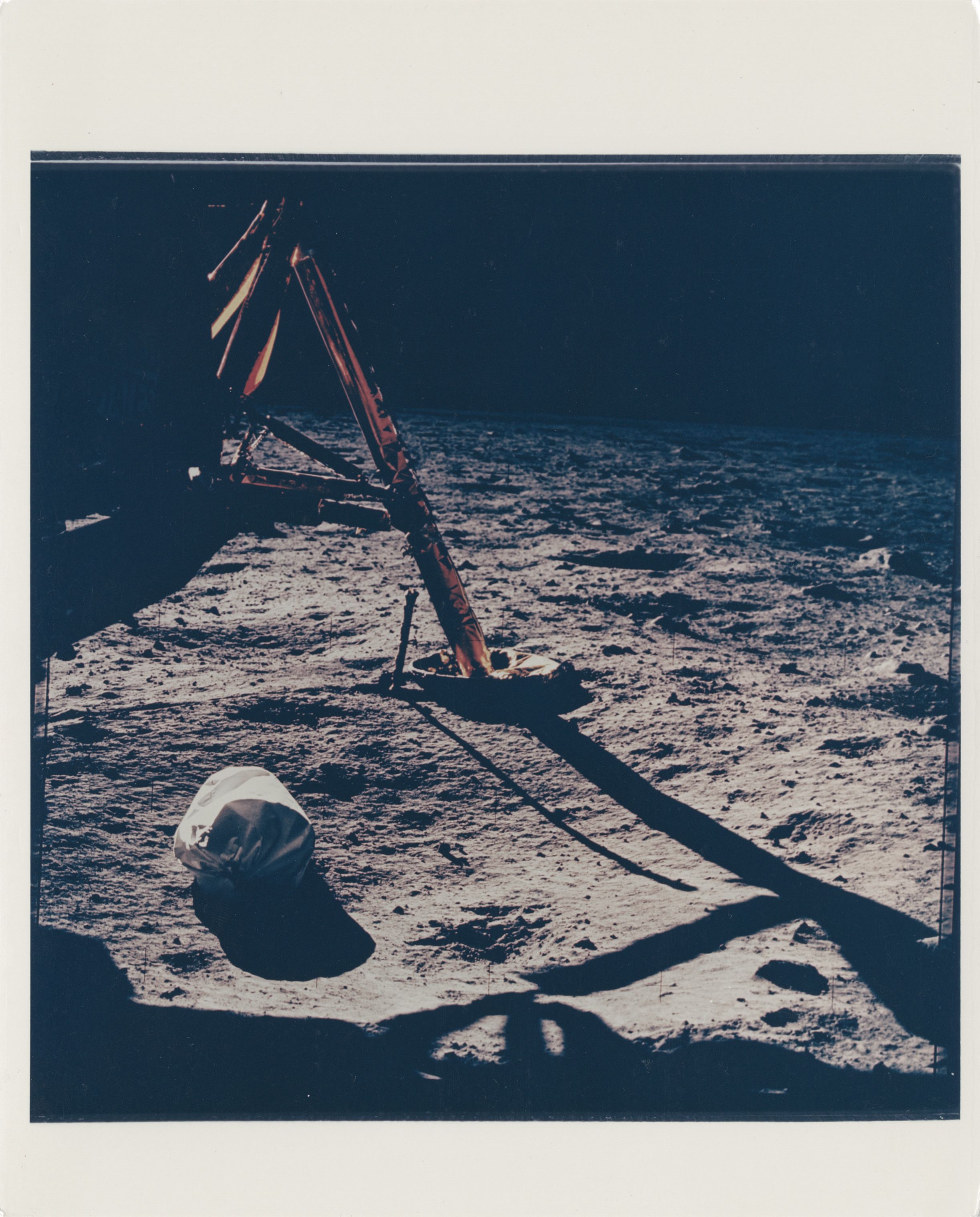
After taking his first step, Armstrong was required to collect a contingency lunar sample in case of an emergency return. However, he couldn't resist going off-plan, and told Control, “I’ll step out and take some of my first pictures here.”
Estimate: €7,000-10,000
The first selfie in space

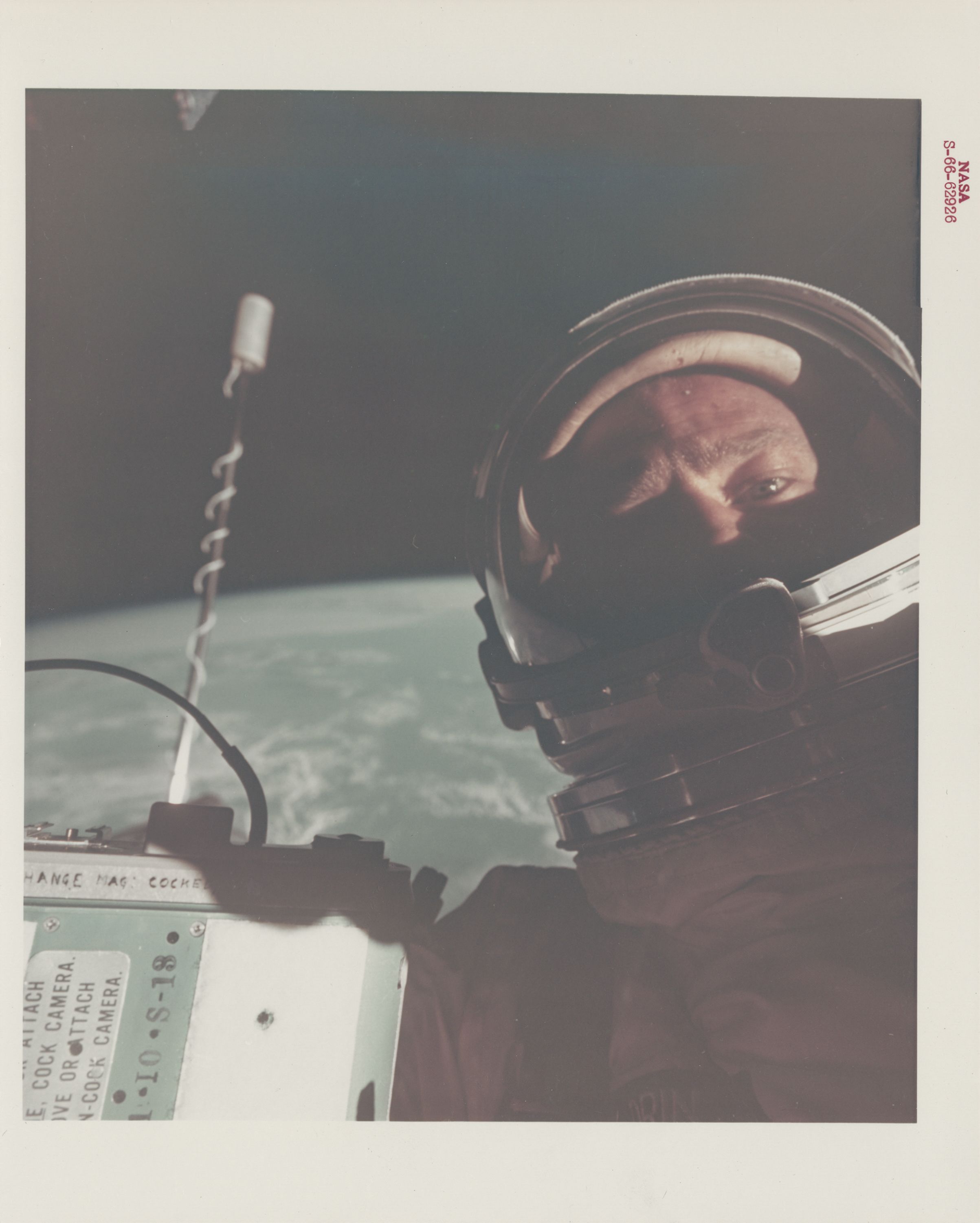
Originally, NASA described this image from the Gemini 12 mission in a rather mundane way: “Astronaut Aldrin is photographed with the spacecraft hatch open.” Much later, Buzz Aldrin himself reclaimed the image, captioning it: “THE BEST SELFIE EVER.”
Estimate: €8,000-10,000
The first-ever photograph taken in space by humans

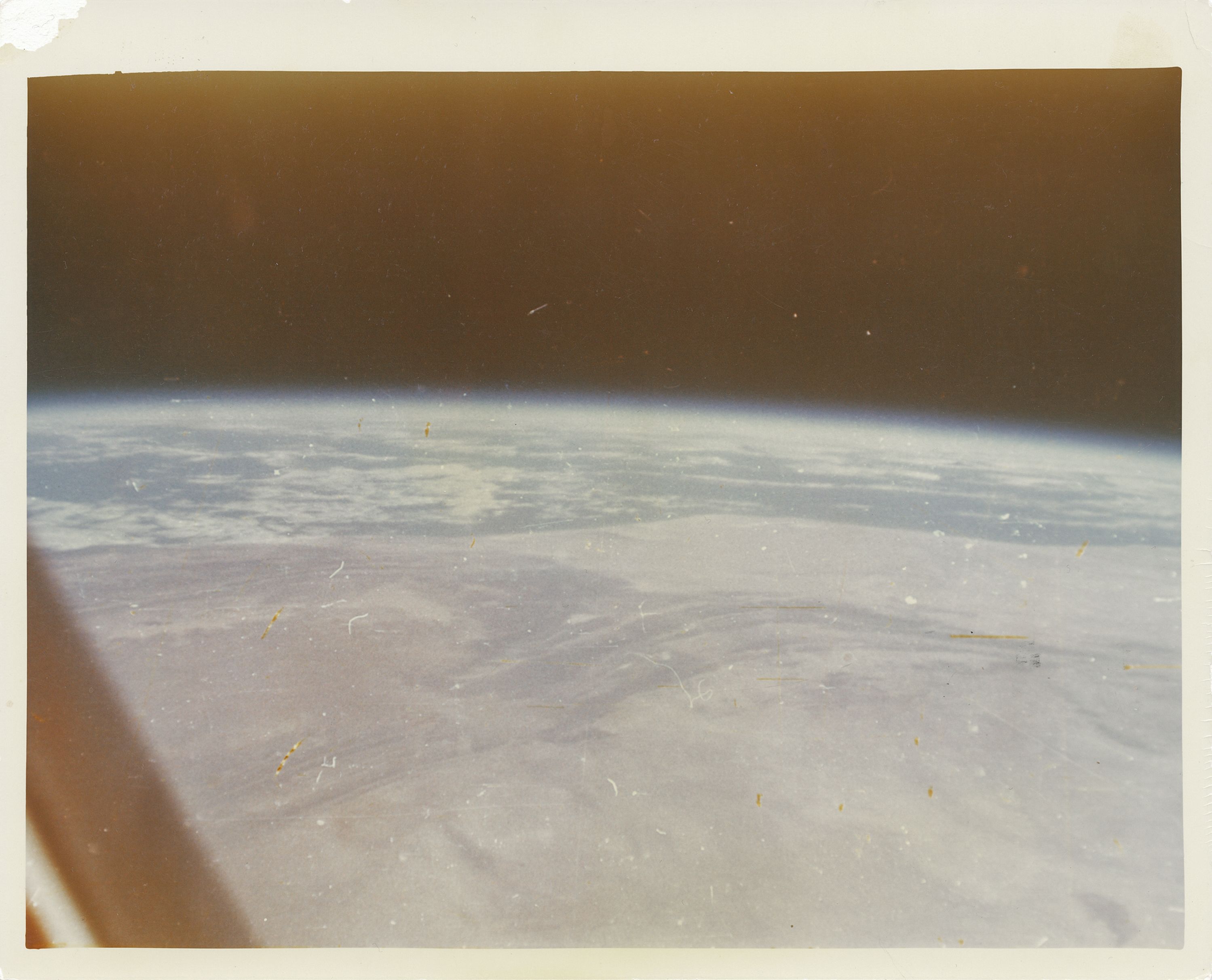
Captured by John Glenn during Friendship 7's first orbit in 1962, this historic image marks the dawn of photography in space. Glenn, the first American to orbit Earth, purchased his own camera for the shot.
Estimate: €4,000-6,000
The first photograph of a human in space

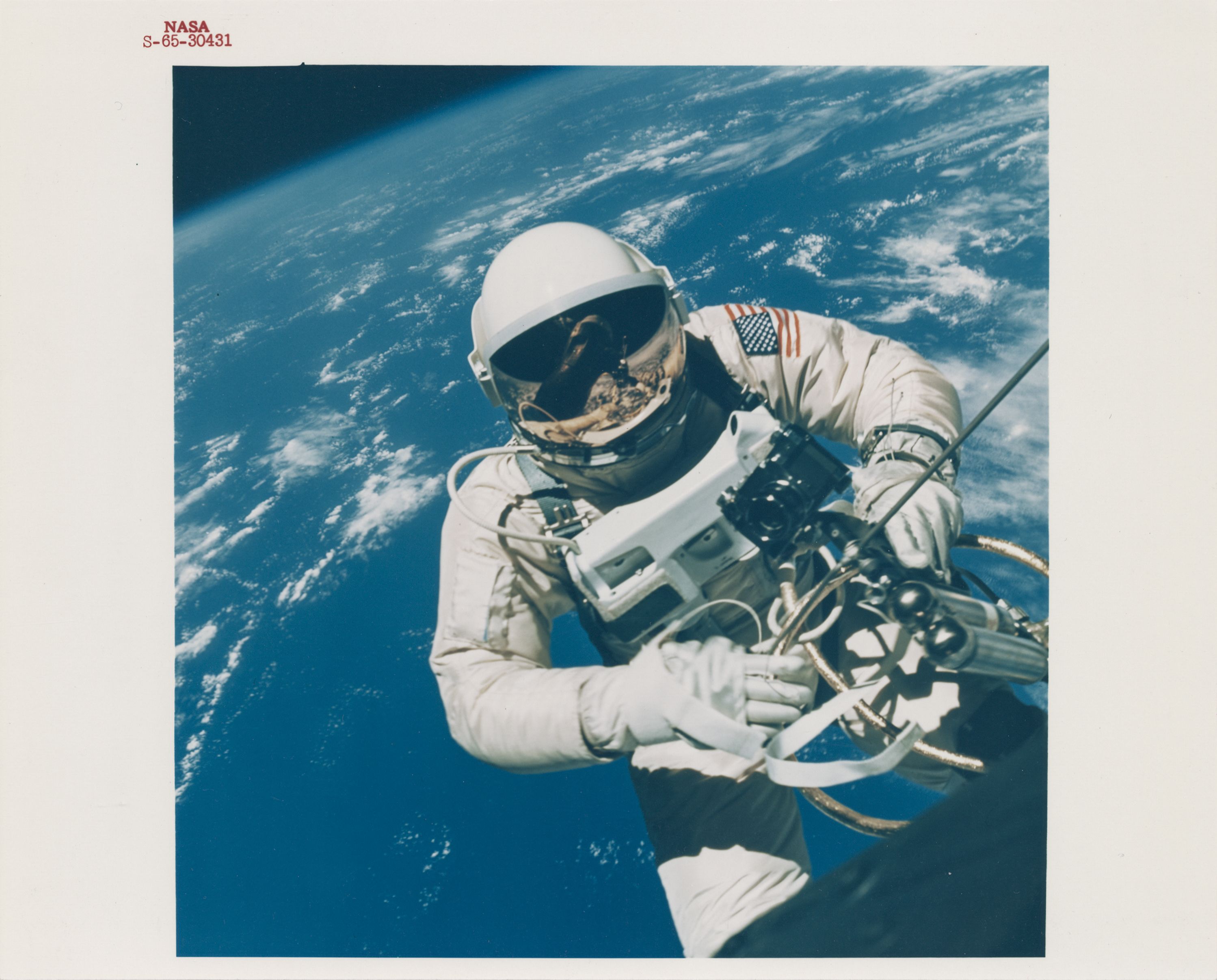
This iconic image, captured by James McDivitt during the first American spacewalk on Gemini 4, stands as the first-ever still photograph of a human in space. As he floated above Earth, Ed White famously remarked, “I feel like a million dollars.”
Estimate: €4,000-6,000
The first portrait in space

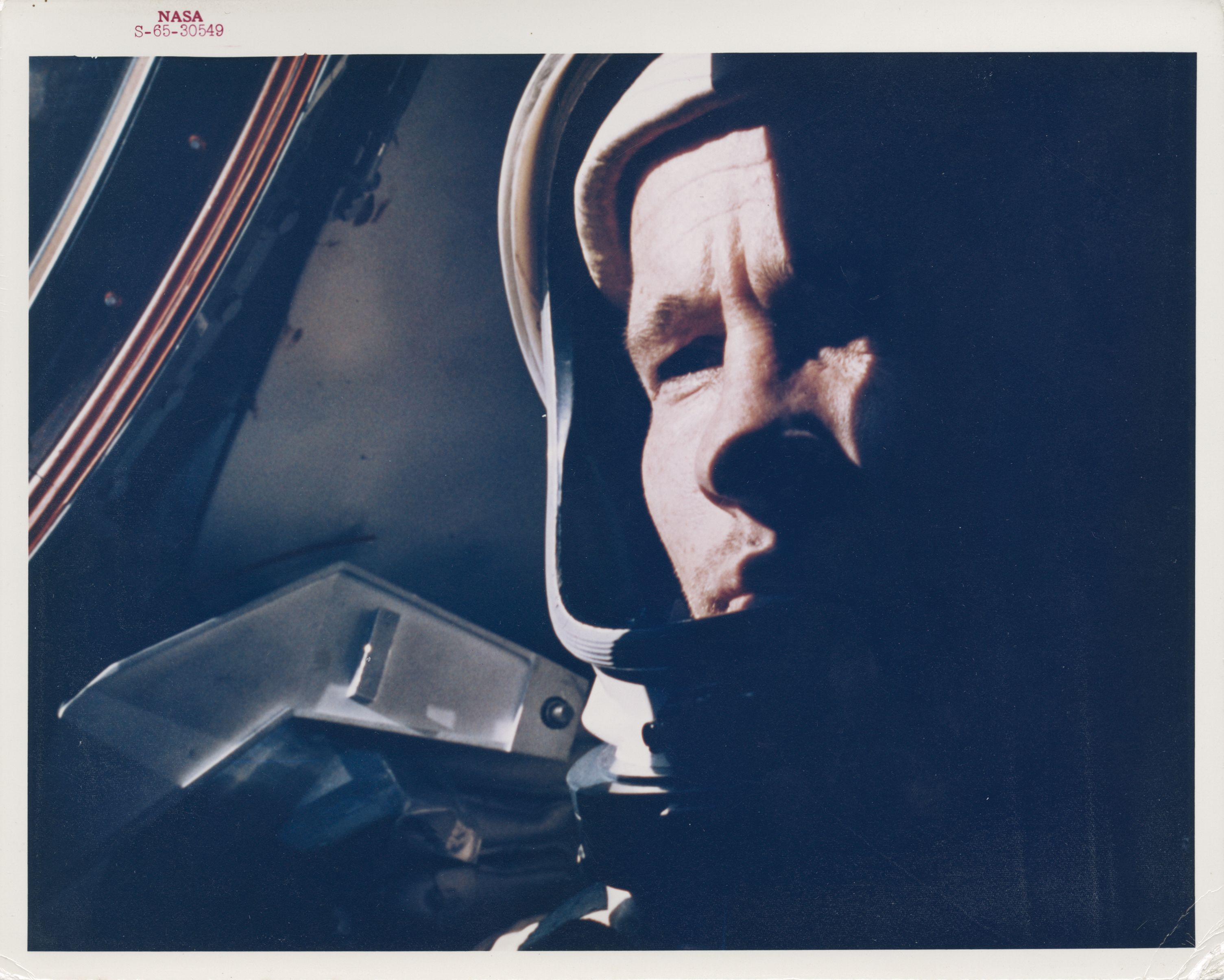
Captured by James McDivitt during Gemini 4, this shows an exhilarated Ed White upon his return to the Gemini capsule after America’s first spacewalk.
Estimate: €2,000-3,000
The first photograph of the Moon’s far side taken by humans

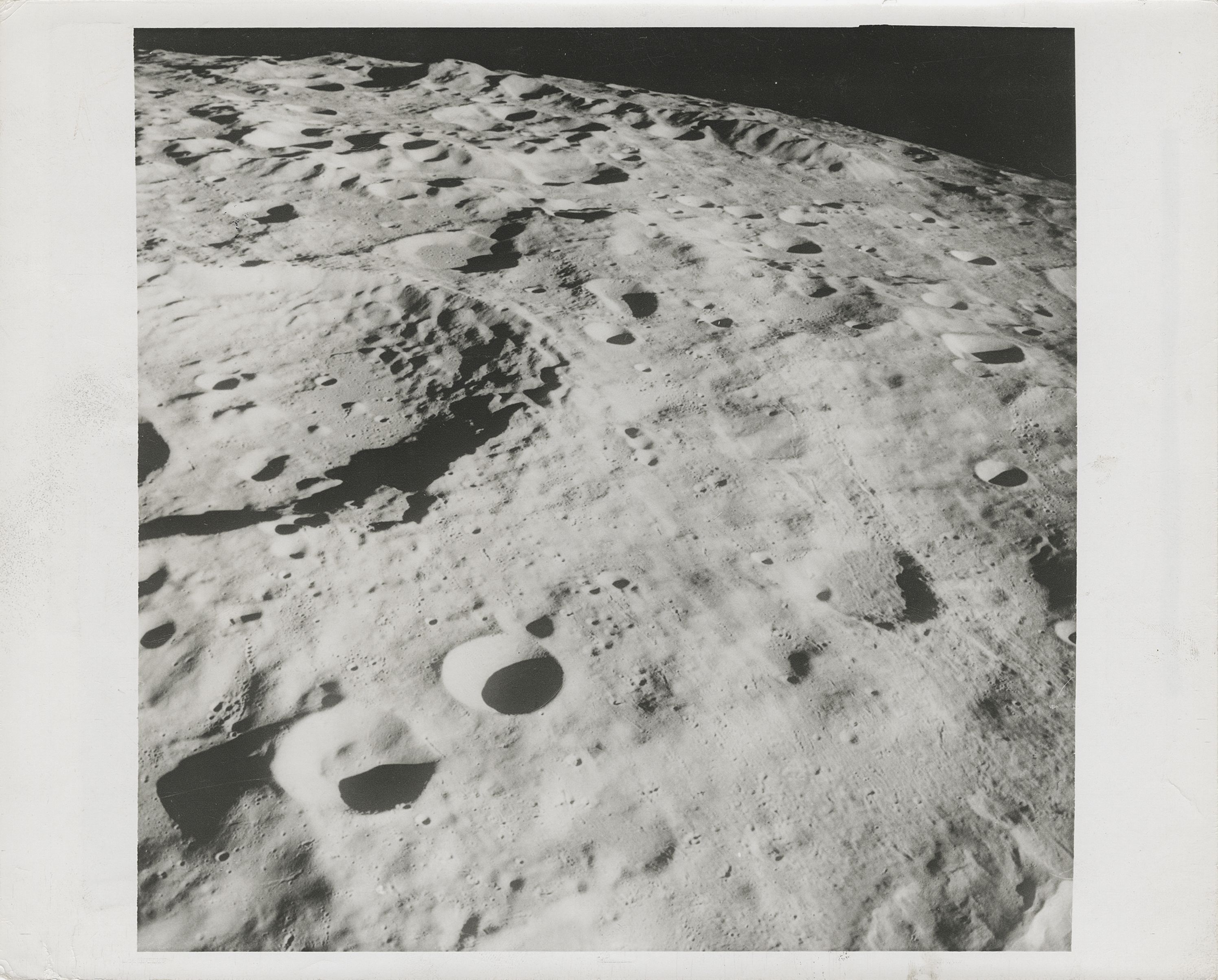
Captured by William Anders during Apollo 8’s first orbit, it revealed a landscape that had remained hidden from human eyes since the dawn of time. Anders reflected, “That was a real thrill. I mean, to suddenly see those mountains. Another world...”
Estimate: €1,200-1,800
The first photograph of the whole Moon seen from a non-Earth perspective

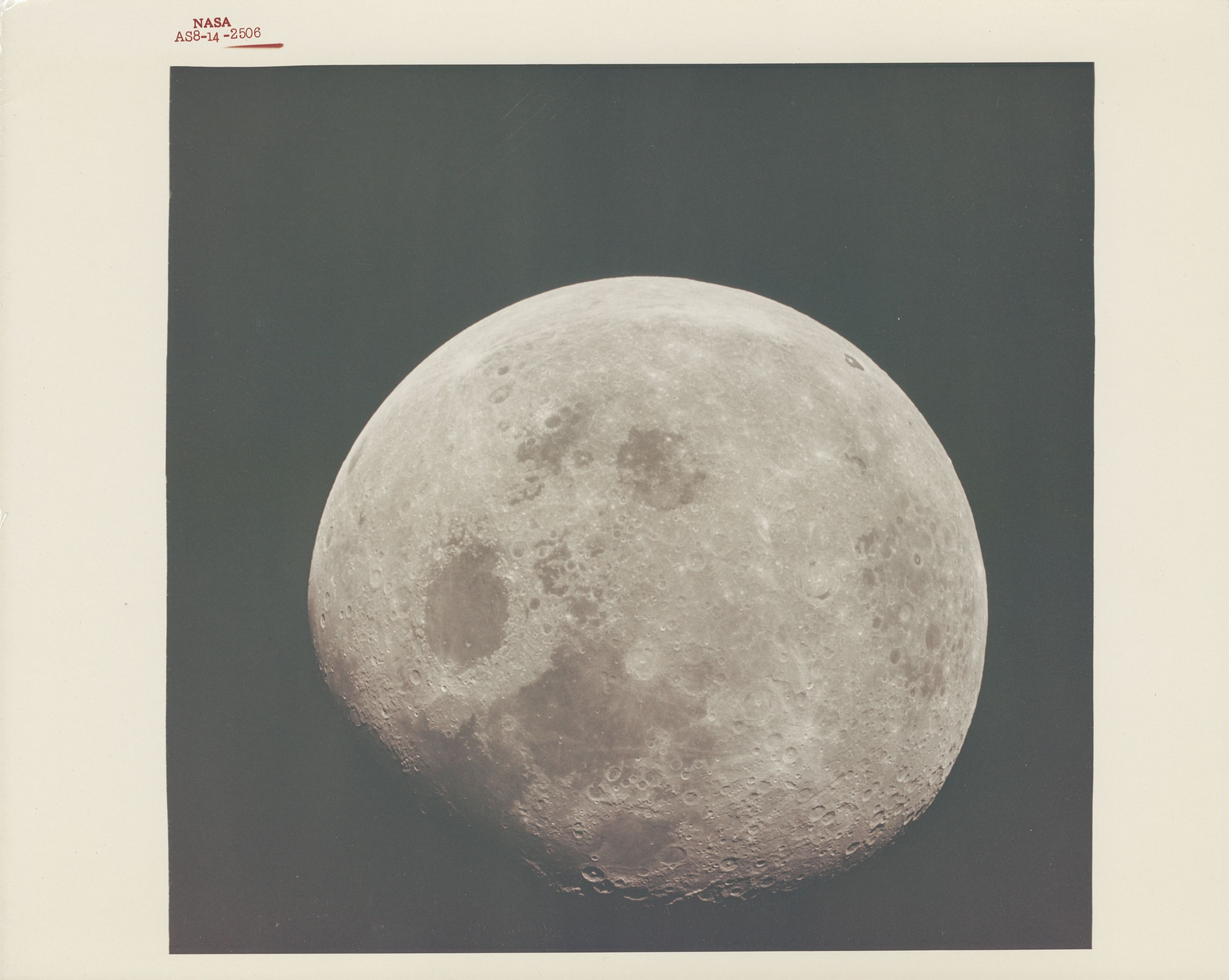
Captured by William Anders at the beginning of Apollo 8’s return journey, it reveals a Moon that Earth-bound observers can never see, as it always shows us the same face.
Estimate: €1,200-1,800
The first space sunset

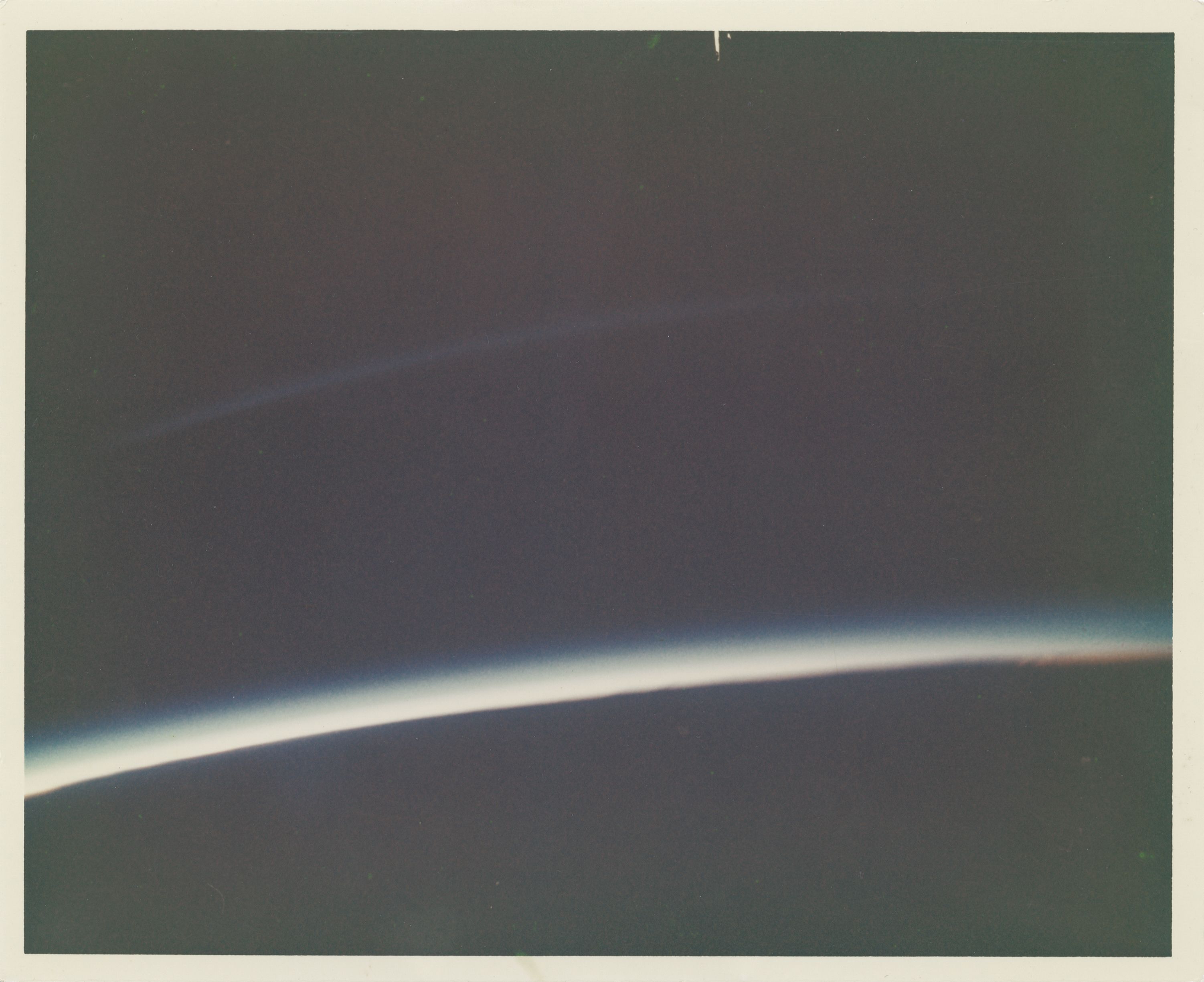
Captured by John Glenn – the first human to photograph space – aboard Friendship 7 on February 20, 1962. Glenn marveled, “Orbital sunset is tremendous... a truly beautiful, beautiful sight. The setting sun wraps a scarf around Earth's curving face.”
Estimate: €4,000-6,000
The spectacular Hadley-Apennine Valley, Apollo 15 landing site

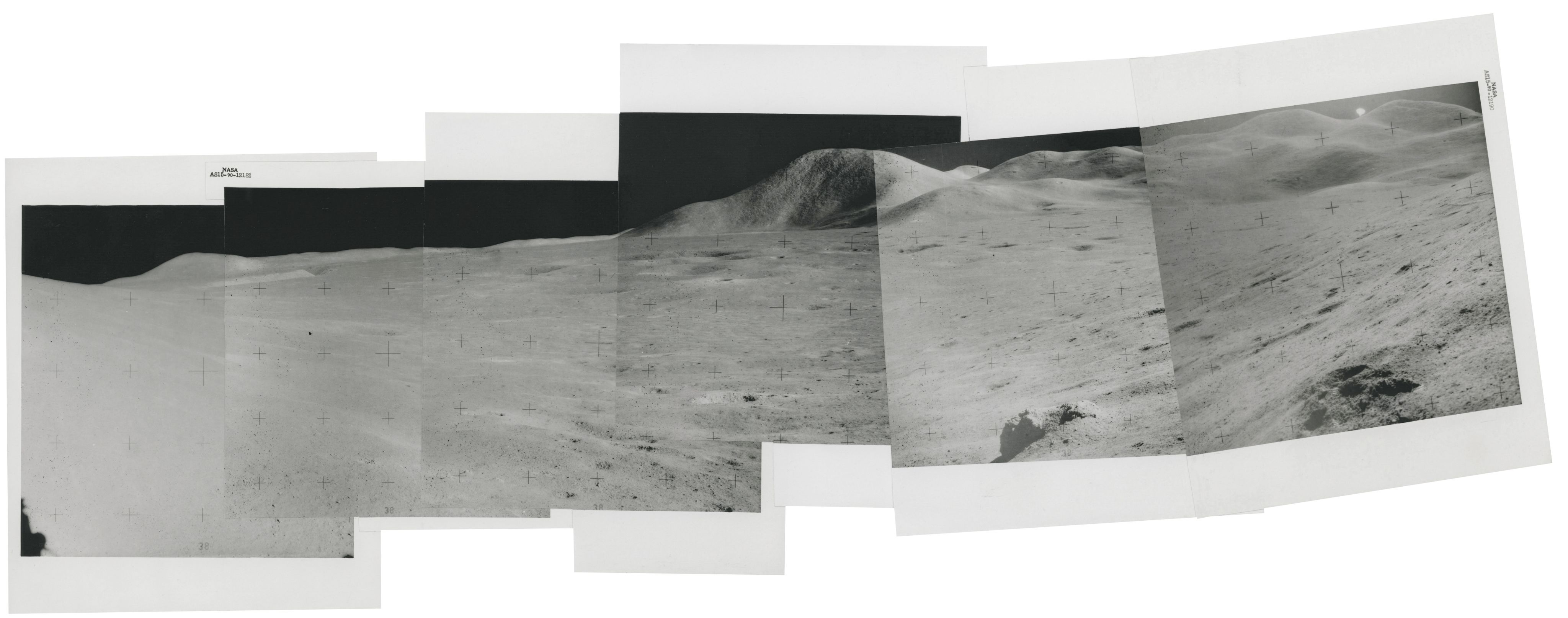
The original panorama captured by James Irwin. Exceptionally rare, the lunar panoramas taken by astronauts were used to reconstruct the geological features of the explored sites. They reveal the unreal and majestic beauty of the lunar landscape.
Estimate: €4,000-6,000
The final night time launch to the Moon, Apollo 17: NASA’s annotated and used copy

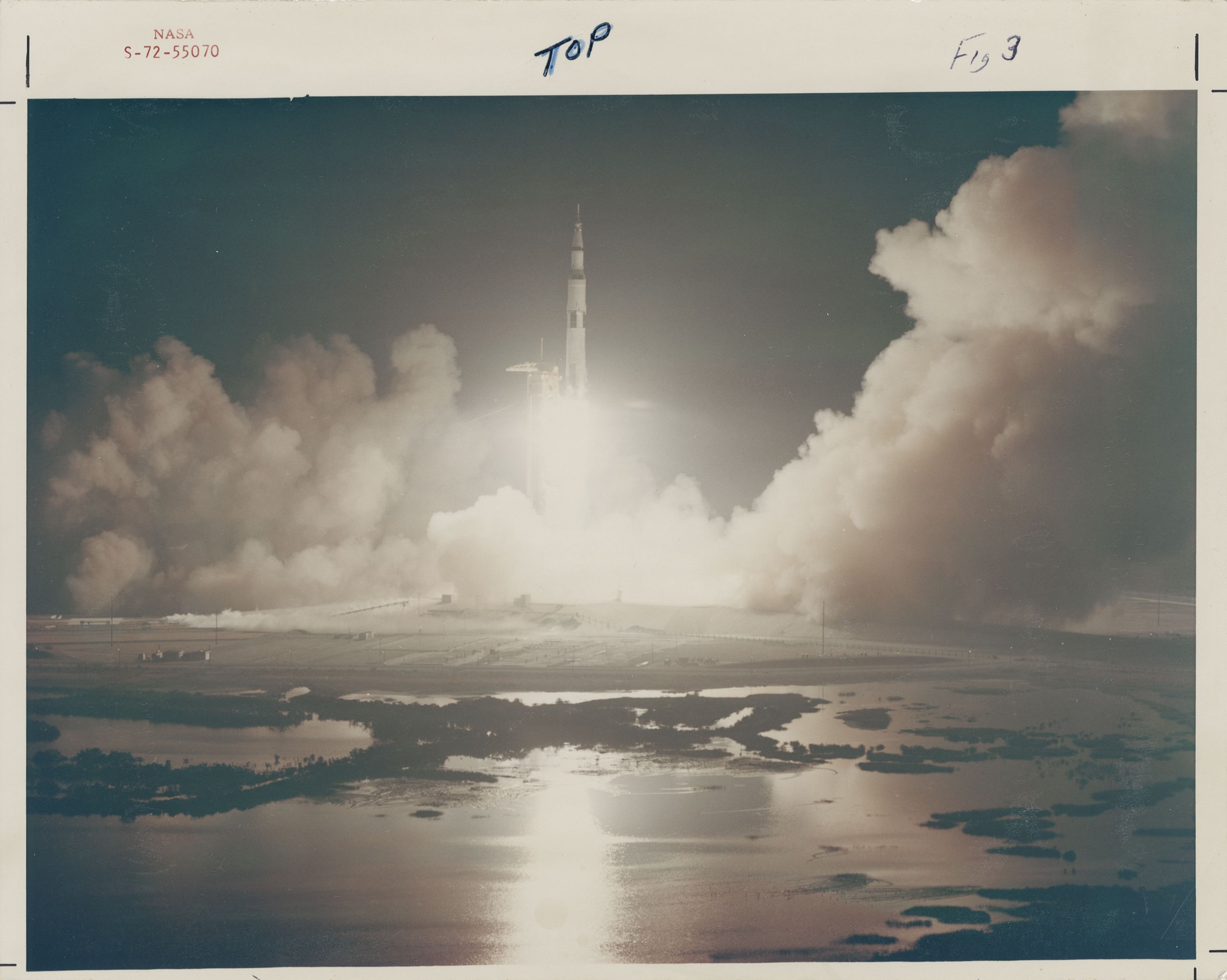
Victor Martin-Malburet’s collection includes the original prints used by NASA to produce the Apollo 17 Preliminary Science Report, on humanity’s final voyage to the Moon.
Estimate: €1,200-1,800
The first colour photograph of Mars

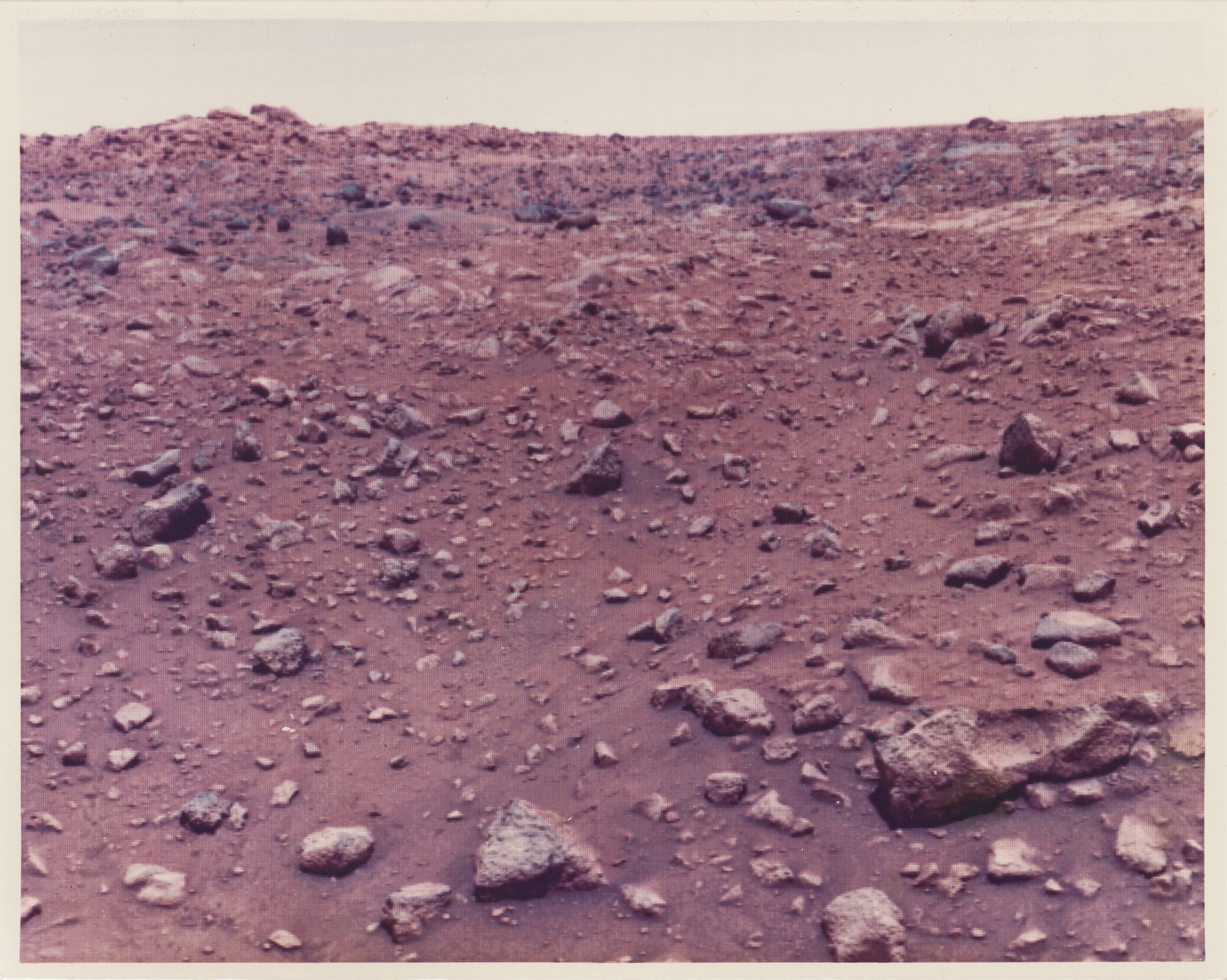
Taken by the first probe to land on the planet in July 1976, Viking 1. A testament to humanity’s ongoing journey into the Cosmos.
Estimate: €2,000-3,000
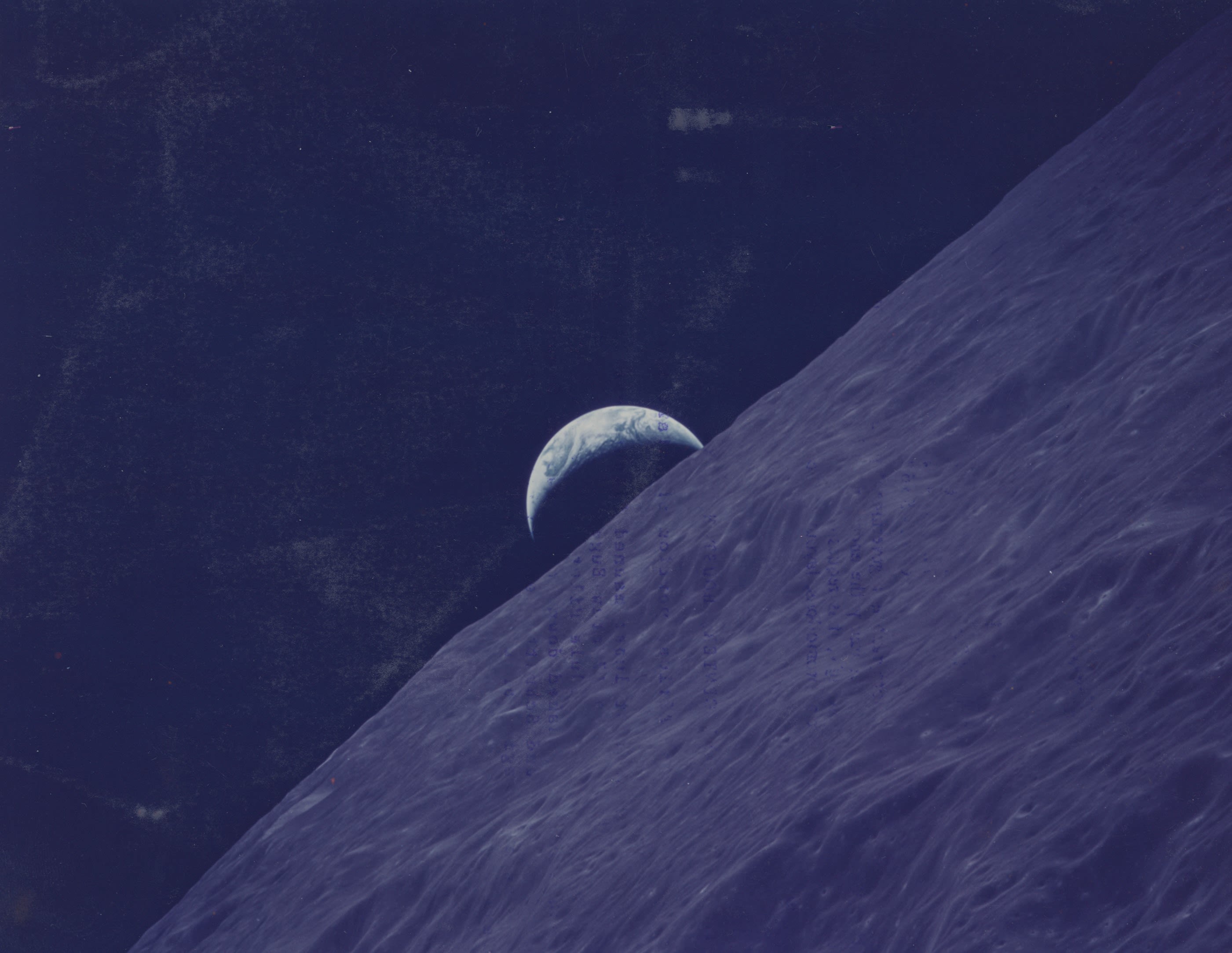
The final Earthrise captured by humans

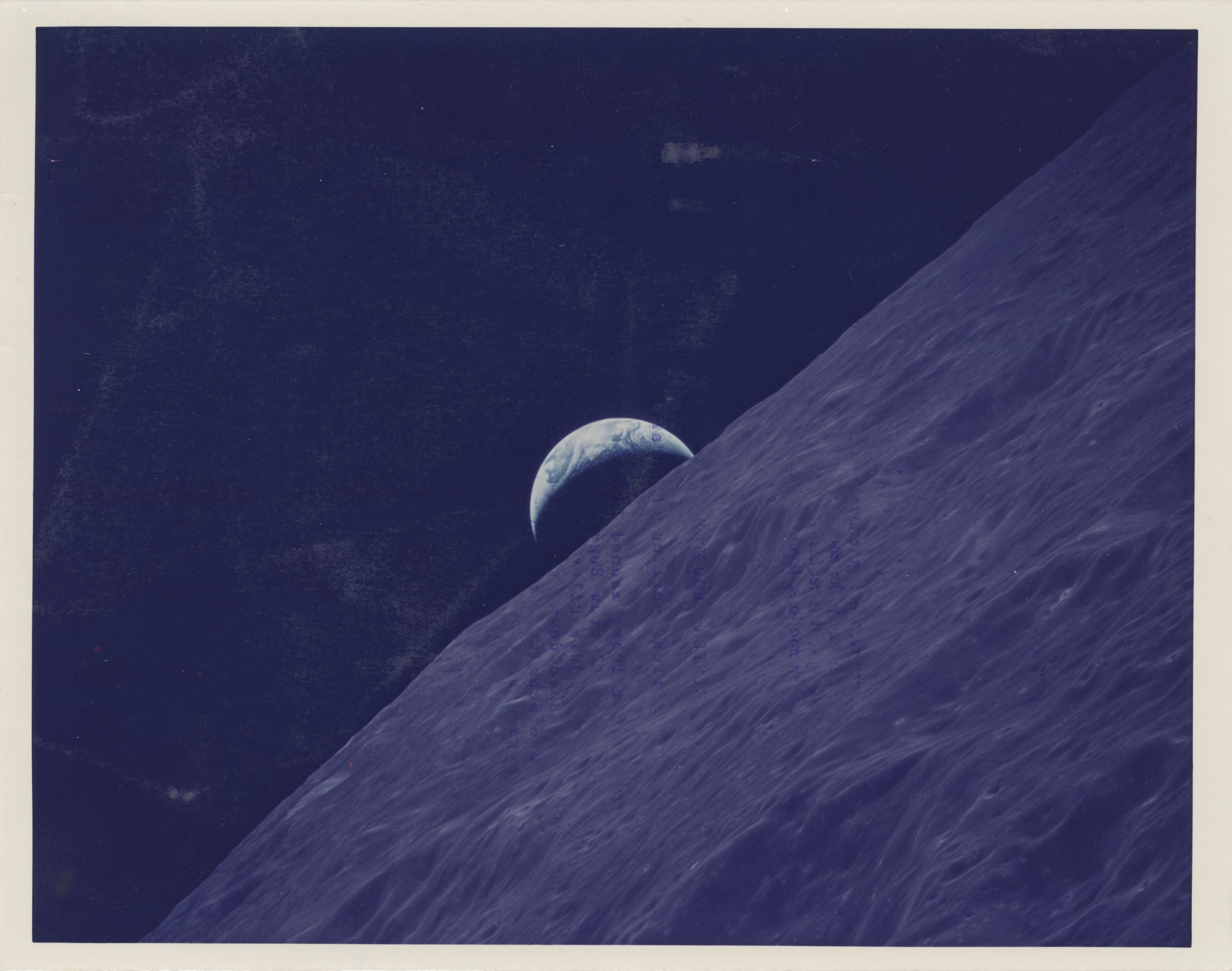
Apollo 17, December 7-19, 1972. This poetic crescent Earth, photographed by Ronald Evans above the dramatic lunar horizon, has come to be seen as a symbol of the end of the first era of space exploration.
Estimate: €3,000-5,000
The Victor Martin-Malburet Photographs | Paris | 14-28 April 2025
For enquiries, contact Sabine Cornette de Saint Cyr on Sabine.CSC@bonhams-csc.com
Read more...
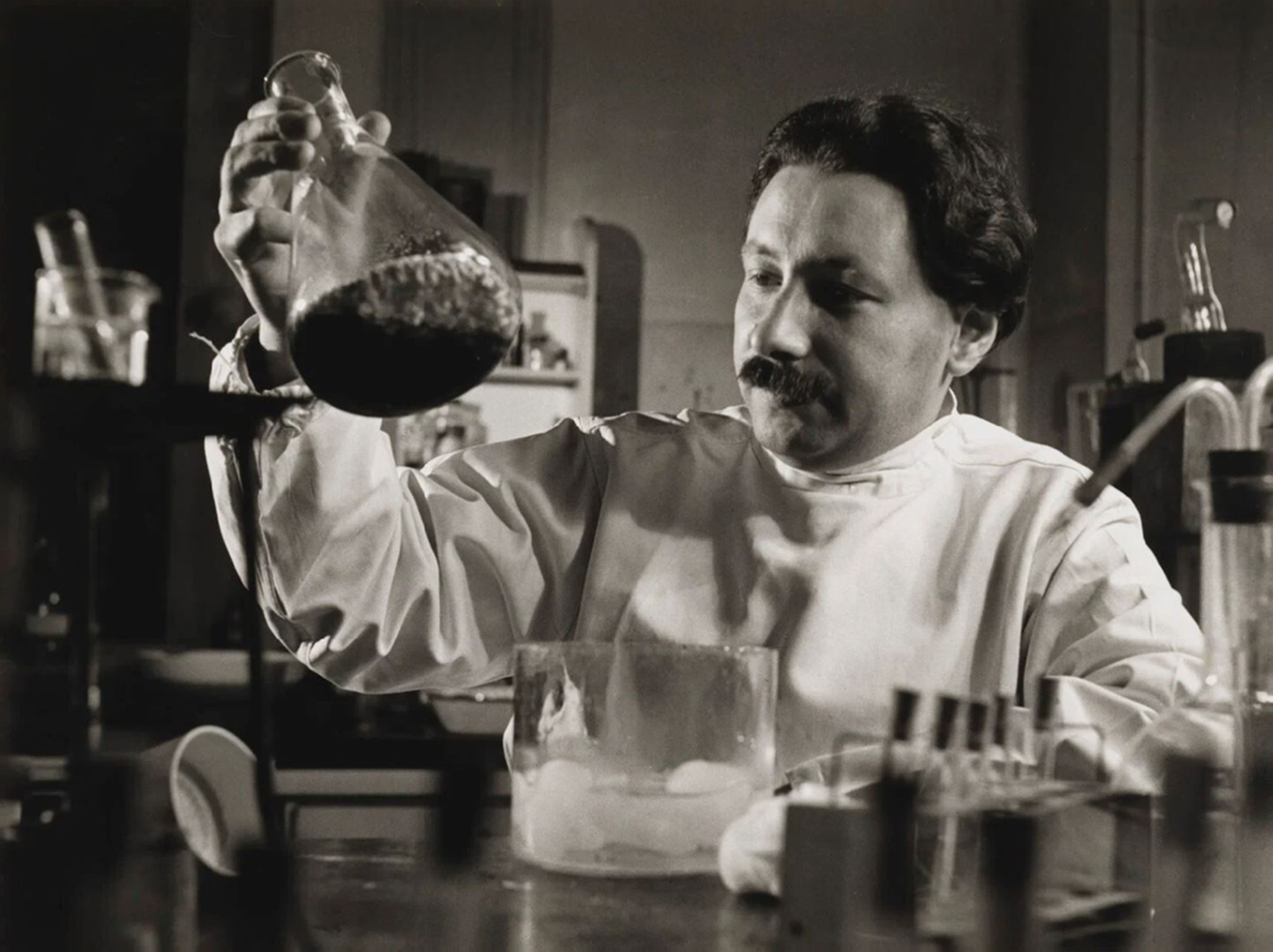
Chain reaction
Penicillin was the world’s first ‘wonder drug’, says Robert Bud. But Ernst Chain’s dramatic part in its story has been too long neglected

Boy wonder
Everyone could see his talent, but Messi was too small for professional football. Those 850 goals might never have happened but for three signatures on a humble napkin, says Sid Lowe
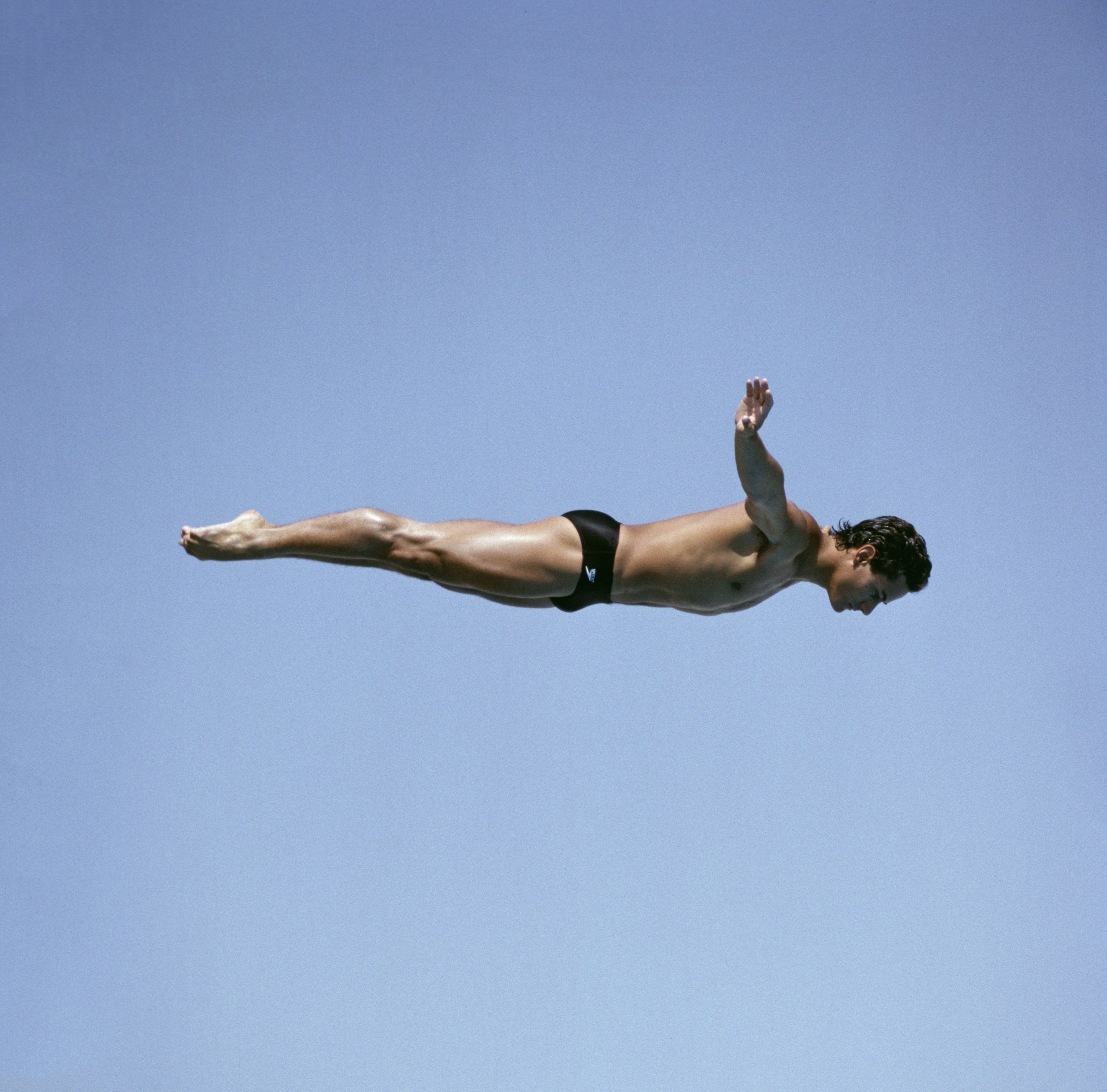
In at the deep end
Greg Louganis achieved diving perfection at the Olympics – and now he wants those medals to leave a legacy, says Harry Fisher

 Built with Shorthand