
Le dernier cri

Forget cheese, wine, and couture: in the 1960s, France’s most fashionable export was Maoist chic. This revolutionary philosophy and theory, an almost exclusively French way of thinking, permeated all art forms, most notably the cinema, especially the engagé Marxism of Godard. Yet, strangely, French visual artists, who were literally fighting on the barricades with their film-maker and philosopher comrades, never received the same acclaim.
This is about to change, for post-war French art is primed and pumped for rediscovery, a fertile zone of forgotten figures and major talents, a clearly undervalued area of contemporary art. And despite art-market analysts and collectors closely combing art history, this opportunity has been seemingly hidden in plain sight, in la Belle France elle-même.
This is even more paradoxical as for some 150 years Paris was the epicentre of the art world. Some date the definitive death of France’s art-world power to 1964, when Robert Rauschenberg won the Lion d’Or at the Venice Biennale. Several other American-led art movements followed, from Op to Minimalism and Photo-Realism, all effectively stemming from a single city: New York.
But post-war France was a bubbling cauldron of creativity, spitting out improbable flavours. However, nobody noticed; France may have maintained its traditional art de vivre, but its actual art d’art had lost its lustre. Thus, when Mitterrand took power in 1981, his new Socialist government injected large amounts of money and energy into promoting contemporary art by setting up a system of regional art centres. Until then, French art was an unregulated and uncharted free-for-all – and well under the international radar.

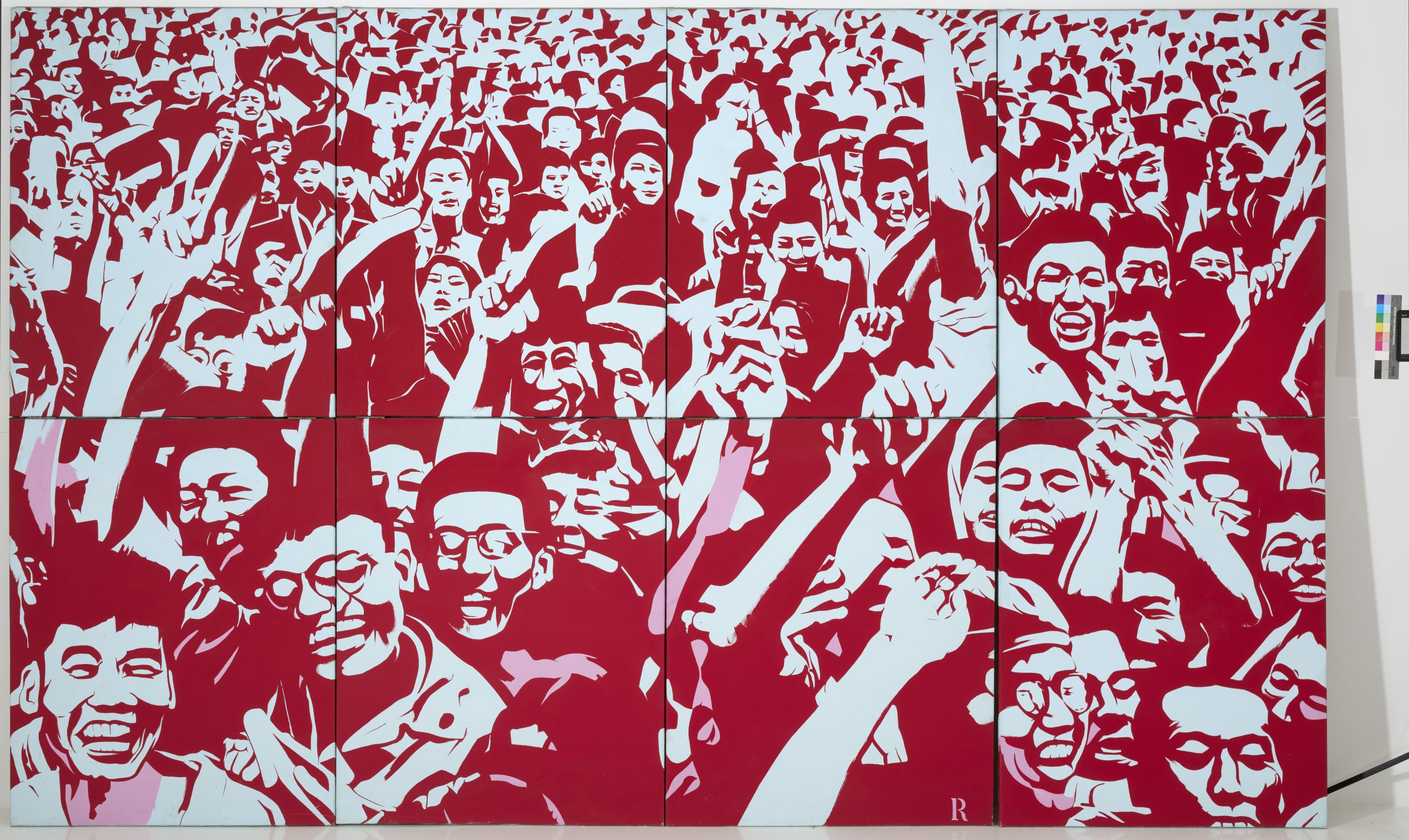
Bernard Rancillac (born 1931) L’Evangile selon Mao, 1967 (8 parts) Acrylic on canvas Each: 100 x 81cm Estimate: €18,000 - 25,000 (£15,000 - 21,000)
Bernard Rancillac (born 1931) L’Evangile selon Mao, 1967 (8 parts) Acrylic on canvas Each: 100 x 81cm Estimate: €18,000 - 25,000 (£15,000 - 21,000)

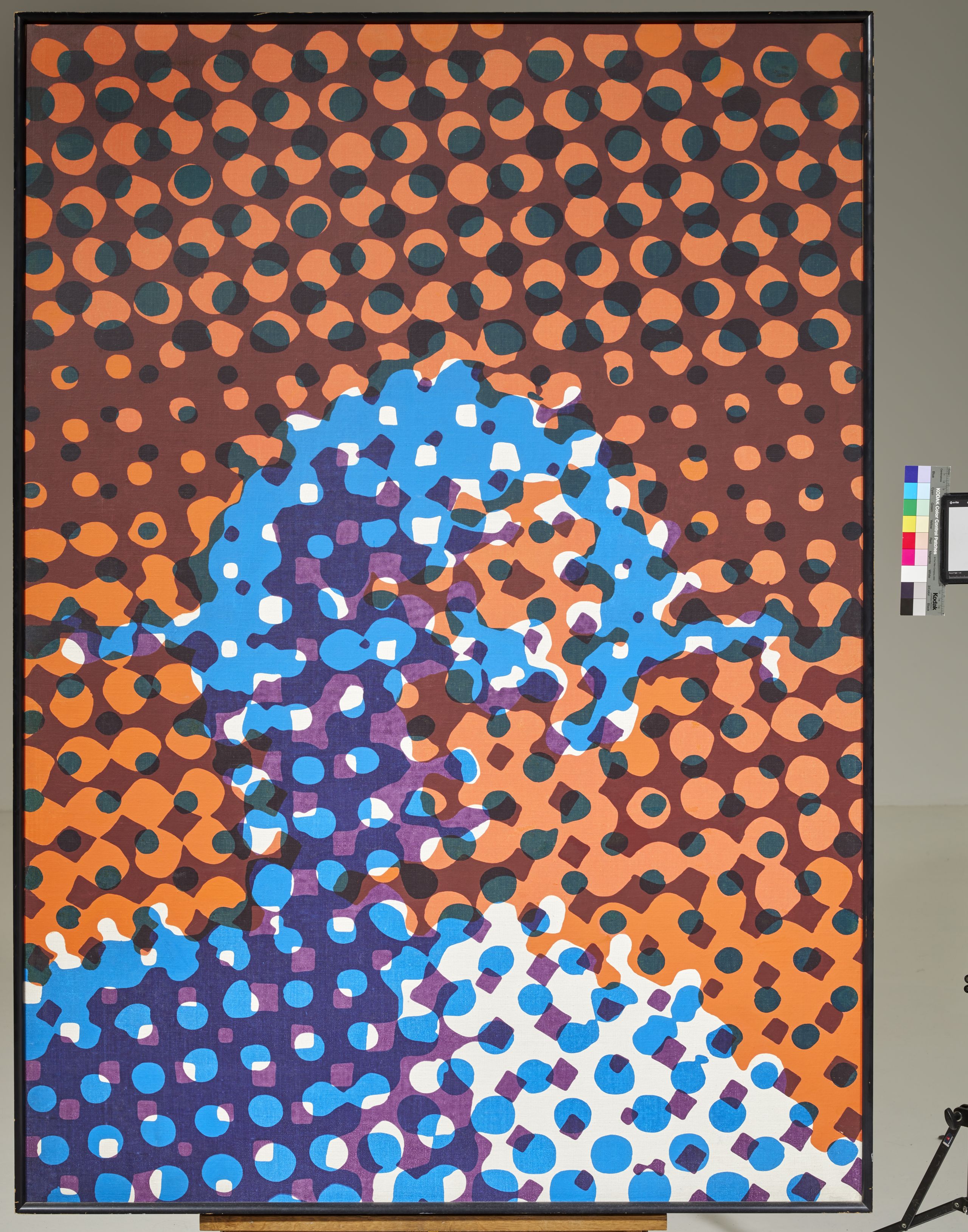
Alain Jacquet (1939-2008) Portrait of a man, 1964 Silkscreen on canvas 163 x 114cm Estimate: €8,000 - 12,000 (£6,500 - £10,000)
Alain Jacquet (1939-2008) Portrait of a man, 1964 Silkscreen on canvas 163 x 114cm Estimate: €8,000 - 12,000 (£6,500 - £10,000)

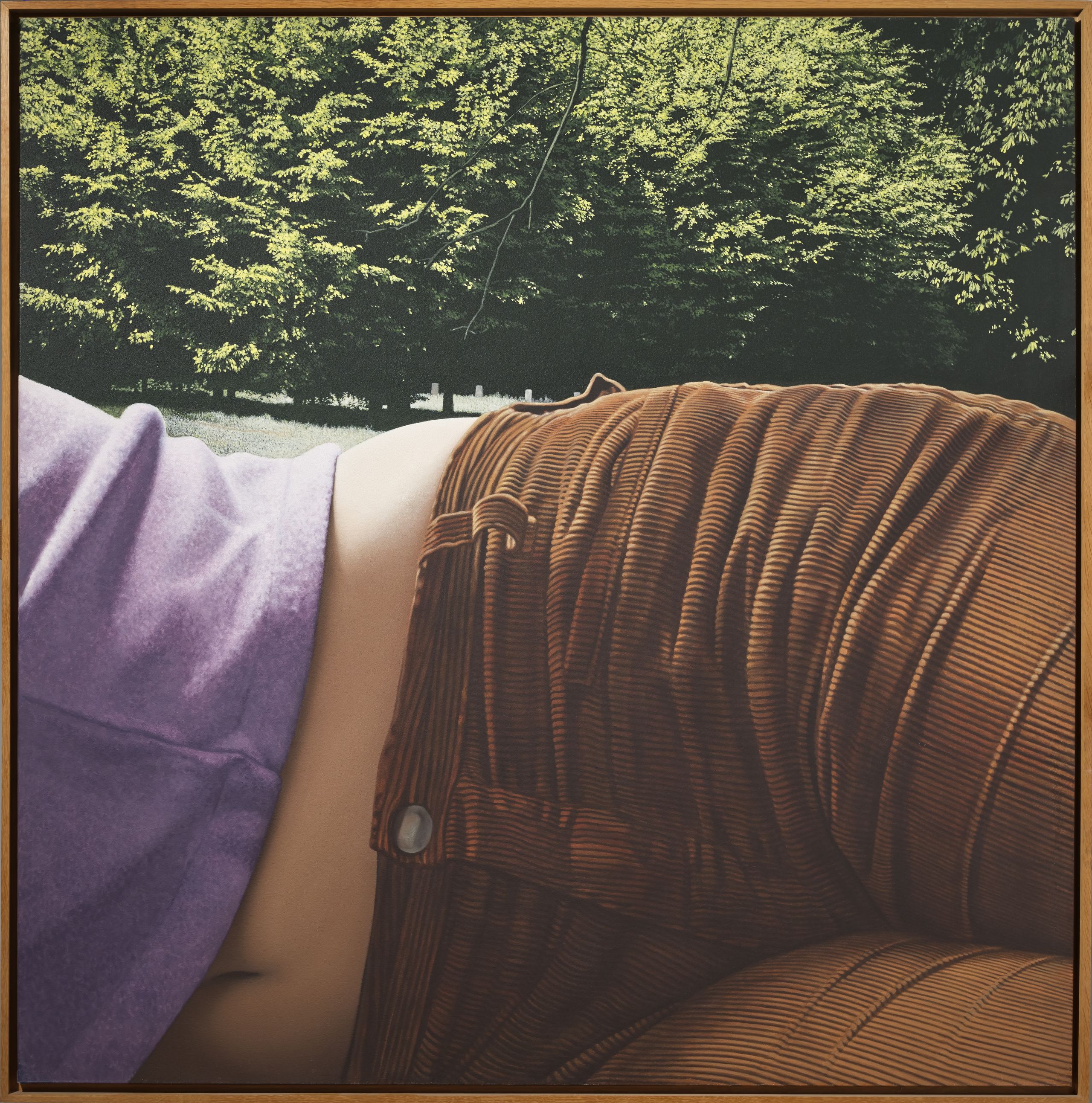
Gerard Schlosser (born 1931) Ça donne dans une cour, 1977 Acrylic and sand on canvas 190 x 190cm Estimate: €10,000 - 15,000 (£8,500 - 13,000)
Gerard Schlosser (born 1931) Ça donne dans une cour, 1977 Acrylic and sand on canvas 190 x 190cm Estimate: €10,000 - 15,000 (£8,500 - 13,000)

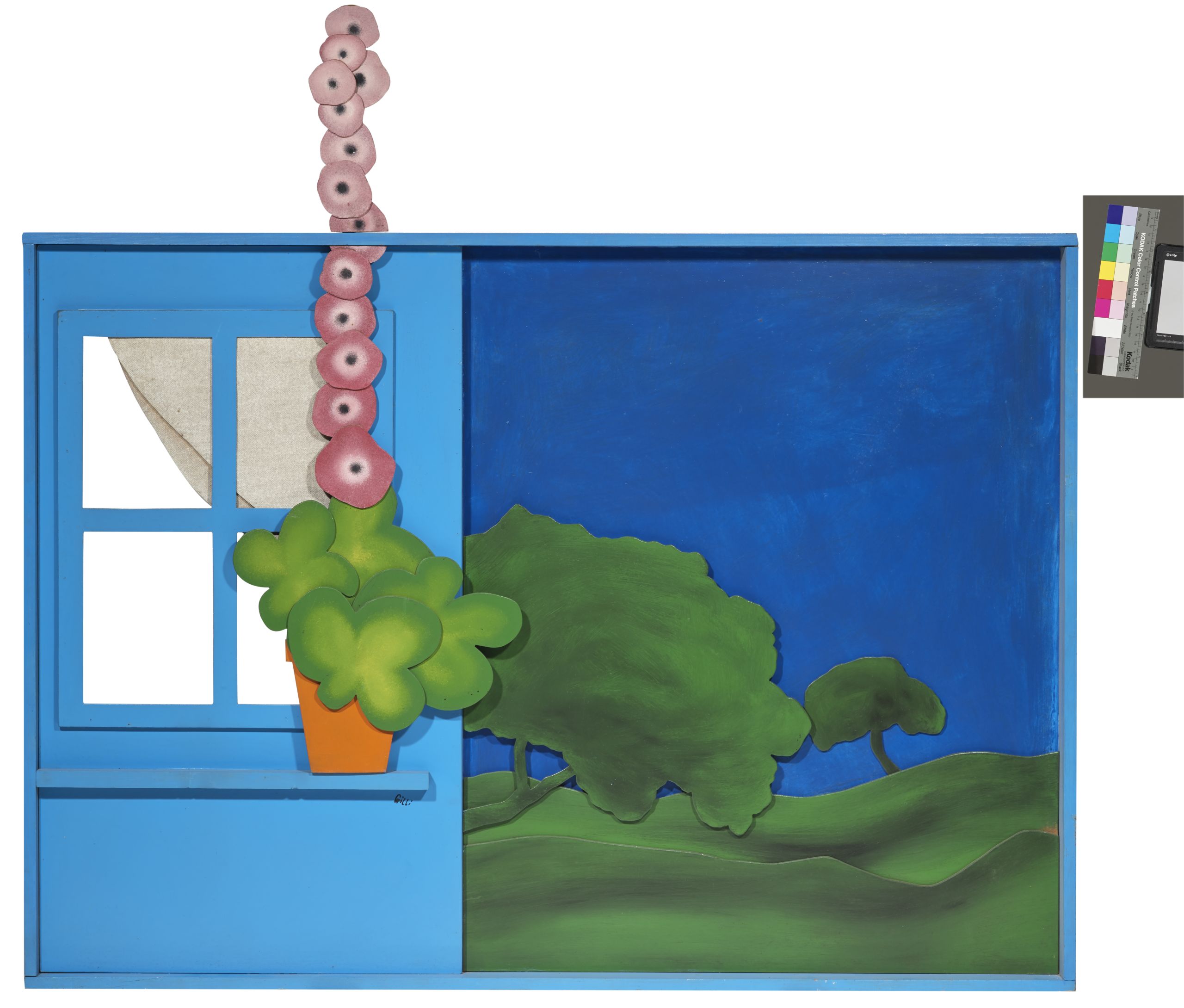
Claude Gilli (1938-2015) Matin de Mai, 1965 Painted wood relief 80 x 120cm Estimate: €3,000 - 5,000 (£2,500 - 4,000
Claude Gilli (1938-2015) Matin de Mai, 1965 Painted wood relief 80 x 120cm Estimate: €3,000 - 5,000 (£2,500 - 4,000
Interestingly, while France had its own equivalent of every Anglo-Saxon art movement, these maintained a distinctly Gallic taste, often with a discreet reverence towards the past. What is truly impressive about the exemplary single-owner collection that is to be offered at Bonhams Paris in October, is that the collector has gathered prime examples of these alternative French movements, including masterpieces in each succeeding era and successive school.
Chronologically, the collection begins with the oddities of late Surrealism, which carried on long after the war and it still gathered some notably eccentric individuals. These would include Pierre Bettencourt, a perverse ‘Outsider’ who created his own bizarre universe, and Jean-Claude Silbermann, a radical poet who later constructed his own fantastical sculptures. Among such ‘late, late’ Surrealists, one would include the Cuban Jorge Camacho and ‘Dado’ from Montenegro, whose truly extra-ordinary, genuinely worrying paintings have recently achieved justifiably high prices.
This being France, there were more movements than you could shake a paintbrush at, each with its own striking nomenclature and fierce adherents, not to mention splinter factions: thus Lyrical Abstraction was succeeded by Nouvelle Figuration which begat the GRAV group of opto-kinetic sculptors which begat the Supports/Surfaces minimalists.
But perhaps the most engaging of all these movements was the arrival of Figuration Narrative, which heralded the arrival of a very French sort of Pop. This emerged around the same time as Pop worldwide, from 1962 onwards, but it always maintained a more political stance, a revolutionary sarcasm closer to the Capitalist Realism of Polke and Richter in Germany than the commercial capitulation of pure US Pop. To understand these differences, one only has to look at Bernard Rancillac’s painting of Chinese workers, painted in 1967 at the height of the Cultural Revolution, and an outsize Maoist masterpiece.
ancillac was one of the key figures in this ultra French version of Pop, not least as co-curator of the major 1964 exhibition Mythologies Quotidiennes, which introduced these artists to Paris. He was, typically enough, overtly political in his life and work, making posters during the May 1968 uprisings with the revolutionary Atelier Populaire. As such, Rancillac was something of a star of the Tate’s big alternative show The World Goes Pop, which included such paintings as his celebration of the contraceptive pill Pilules Capsules Conciliabules and his parody of upper-class white collectors of African art, Dinner of the Head Collectors from 1966.
Other leading Figuration Narrative artists in this collection include Peter Klasen, Jacques Monory and Claude Gilli, as well as the incomparable Alain Jacquet. The collection also includes a prime example of Jean-Pierre Raynaud’s work, which bridges a Pop sensibility with Minimalist cool.
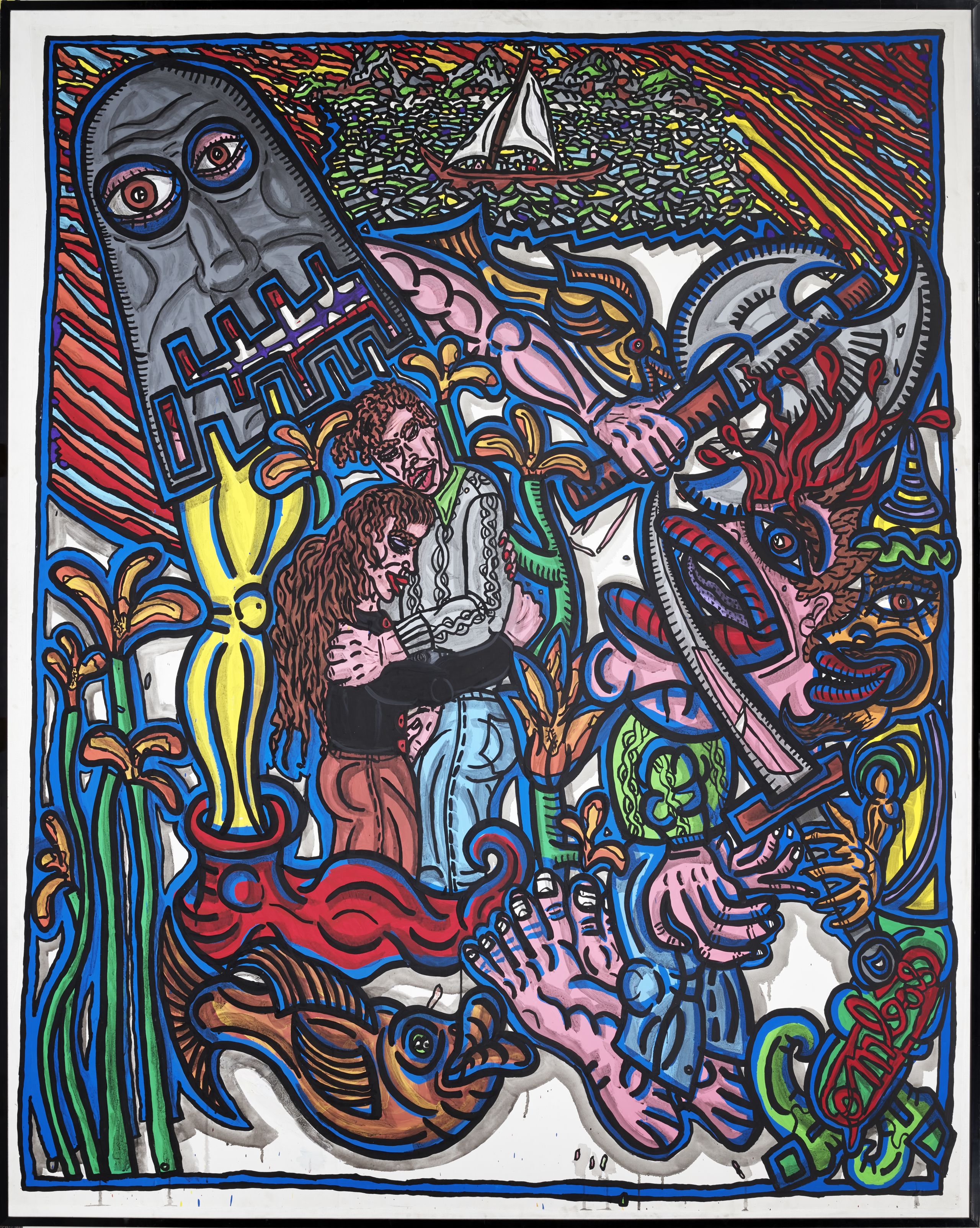
By contrast, Robert Combas is represented by an enormous, exuberant painting, a bona fide masterpiece that provides the best possible example of Figuration Libre. This movement was the notably punky French equivalent of the Transavanguardia in Italy and New Figuration in the Anglo-Saxon world. Interestingly, it was launched in 1981, precisely when the new Ministre de Culture Jack Lang decided to massively support and subsidise French contemporary art. It made stars of a whole generation of young artists who were as successful as their direct American equivalents, Keith Haring and Basquiat.
One might conclude this tour of the parallel, alternative universe of French post-war trends by celebrating the notably cerebral, political and literary emphasis that has made its visual art so unique, and paraphrasing that leading theorist Deleuze and his notion of différence et répetition to happily proclaim vive la différence!
Adrian Dannatt is a curator, collector and writer based in Paris and London.

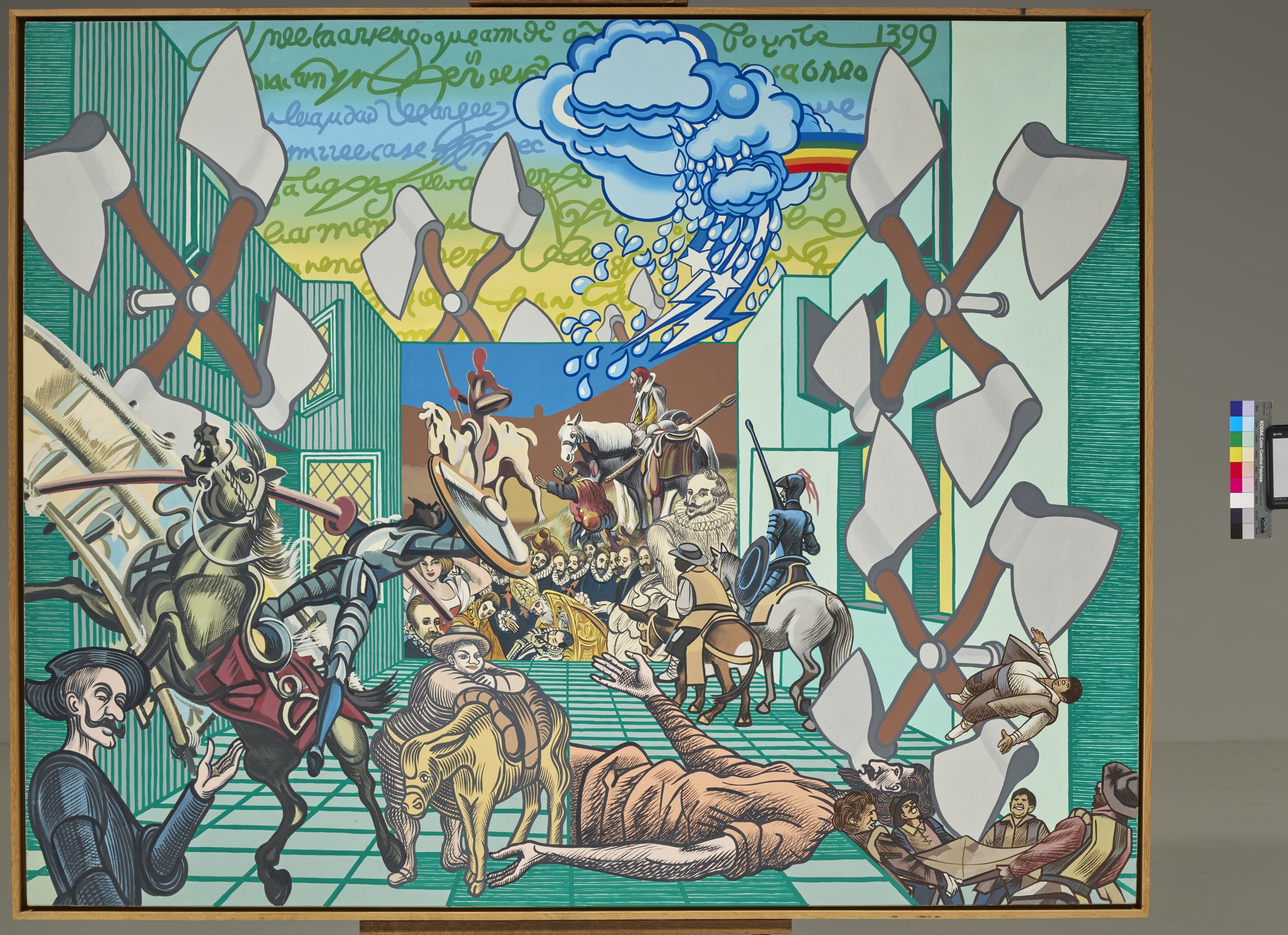
Erro (Gudmundur) (born 1932) Don quichotte de la mancha, 1979 Glycerophtalic paint on canvas 132 x 162cm Estimate: €10,000 - 15,000 (£8,500 - £13,000)
Erro (Gudmundur) (born 1932) Don quichotte de la mancha, 1979 Glycerophtalic paint on canvas 132 x 162cm Estimate: €10,000 - 15,000 (£8,500 - £13,000)

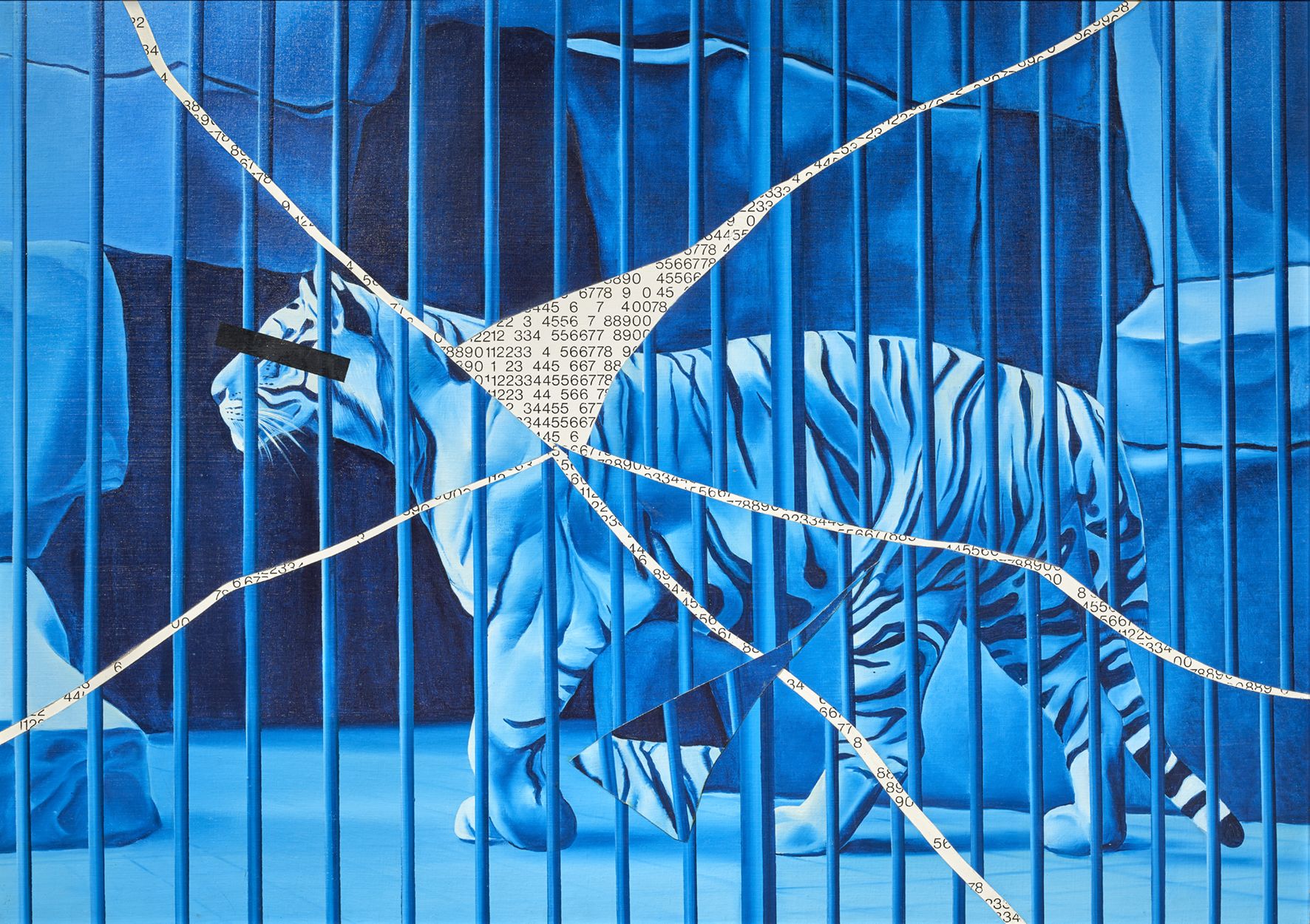
Jacques Monory - Dream Tiger no. 2 - 1971 - 130 x 162 cm - Estimate EUR 12.000-18.000.jpg
Jacques Monory - Dream Tiger no. 2 - 1971 - 130 x 162 cm - Estimate EUR 12.000-18.000.jpg
 Built with Shorthand