
Jason Jacques–
Fire in the Belly

Jason Jacques has spent three decades redefining decorative arts. From Art Nouveau to contemporary ceramics, his adventurous eye, theatrical exhibitions, and scholarly rigor have reshaped collecting across multiple categories and disciplines. As he steps away from his eponymous New York gallery for a quieter life in Costa Rica, he leaves behind a singular legacy of vision and vitality.
When Siegfried Bing opened La Maison d’Art Nouveau, in December 1895, he defined not only an aesthetic movement, but also a business model. His new gallery, devoted to the very idea of the new itself, was had a vibrant aesthetic identity, imparted by a single visionary intelligence. Bing was as much auteur as entrepreneur.
In the century and more since, that highly personal approach has been more the exception than the rule, though to a great extent, art history has been shaped by those galleries that had a comparable sense of mission: Alfred Stieglitz’s 291, Katherine Dreier’s Société Anonyme, Edith Halpert’s Downtown Gallery, Peggy Guggenheim’s Art Of This Century. The flame of art burned with special intensity in these spaces: these were the furnaces that fuelled the avant garde.
“Jason is a character of uncommon charisma and intensity – the Indiana Jones of the design world”
Few gallerists, today, stand within this tradition; Jason Jacques has been one of them. He is a character of uncommon charisma and intensity – the Indiana Jones of the design world – and had he been born in a different century, might indeed have been an explorer-collector of the type Susan Orlean wrote about in her book The Orchid Thief, always on the hunt “for something exceptional, something to pursue, even at their peril, rather than abide an ordinary life.”

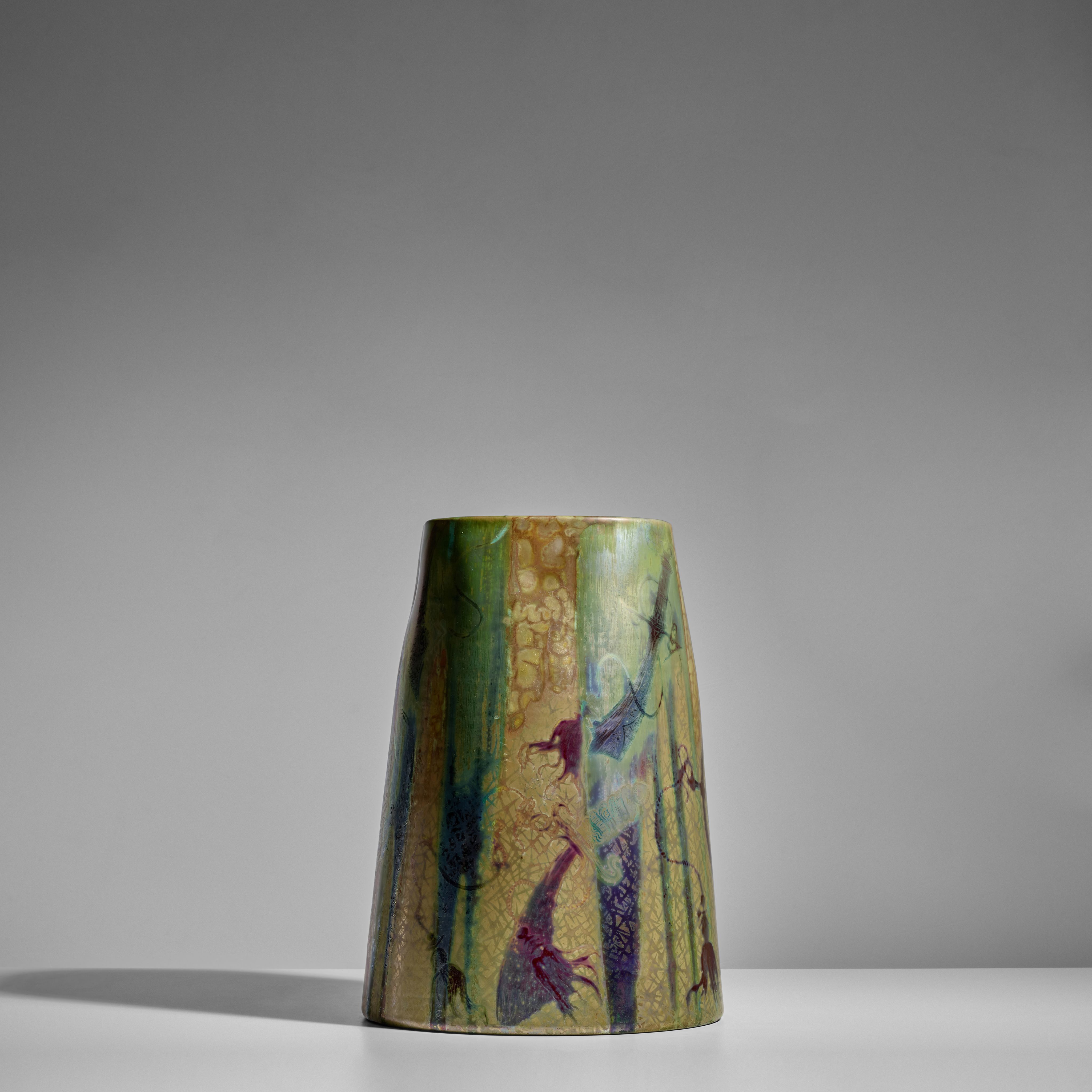
Jacques’ roving eye has traversed many artistic domains, from the onset of the Gothic Revival to the latest contemporary art. His great abiding passion, however, has been the European decorative art of the fin de siècle. He is in every respect Bing’s successor, dedicated to reinfusing Art Nouveau with its original strangeness, mystery, and power. Jacques has done this partly through stagecraft. His Upper East Side gallery, a converted townhouse, opened in 2005 with a brilliantly polychromatic set of interiors by Joe Holzman.


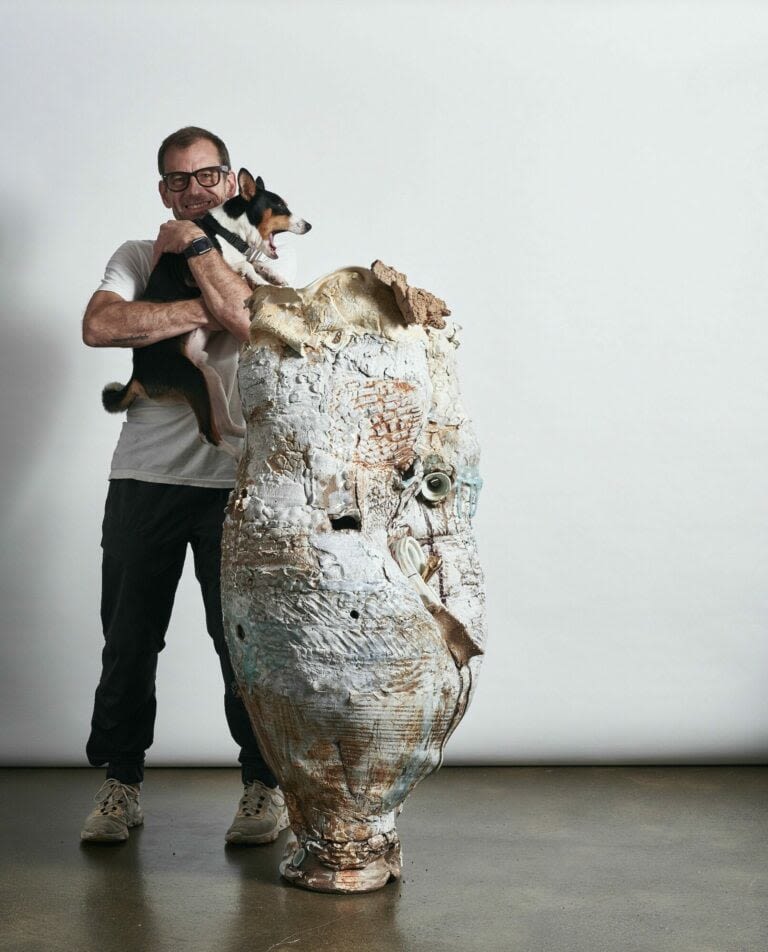
Jason Jacques pictured in his New York gallery. Photography courtesy of Robert Cass.
Jason Jacques pictured in his New York gallery. Photography courtesy of Robert Cass.
The ceiling was patterned in homage to cracked porcelain; Aric Chen, in the New York Times, described the color accents on the paneling as “acid green, electric blue, and bordello red.” Jacques subsequently reinvented the showroom as a glowering chamber fitted out in black steel, a perfect setting for objects to take their long-delayed star turns. And his presentations at art fairs were reliably jaw-dropping. A collaboration with artist Nick Waddell at Design Miami in 2021, for example, featured a monumental moss-covered geodesic dome, memorably described in the gallery’s press release as “a recreation of an Ayahuasca ceremony from the planet Zeefromzeglop.”
Were Jacques only a showman, though, he could scarcely have had the transformative effect on the field that he has. The other side of his personality – the Apollonian scholar, not the Dionysian fantasist – has been equally important to his impact.
It’s useful to remember that he came up the old-fashioned way, working first as an assistant for an Arts and Crafts dealer in Chicago, and then as a “picker” in Vienna and Paris. He learned what he could about the Wiener Werkstätte and French art pottery from books, but got the most insight from hands-on object study, a method that may now seem unfashionable, but remains irreplaceable.
"this selection of works from his collection stages a compelling cross-temporal conversation."
Over the years, Jacques continually extended his knowledge base, taking up other neglected topics such as German modernist ceramics. A 2022 project focusing on the so-called London Group – Beate Kuhn, Karl and Ursula Scheid, Margarete Schott, and Gotlind and Gerald Weigel, who showed together at Primavera Gallery in 1968 – was realized as a pop-up exhibition in Chelsea; yet such was its quality that it could easily have been uptown at MoMA.
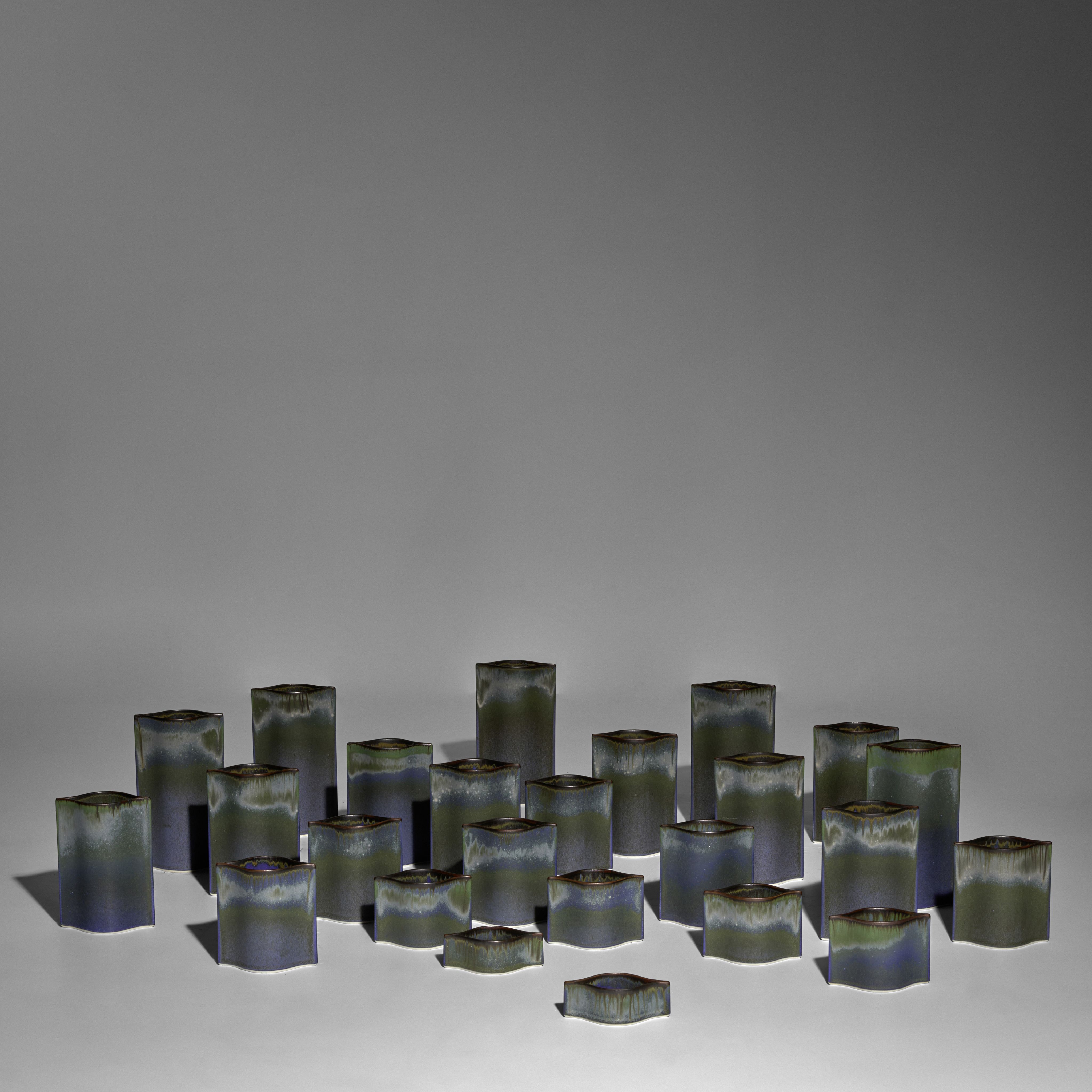
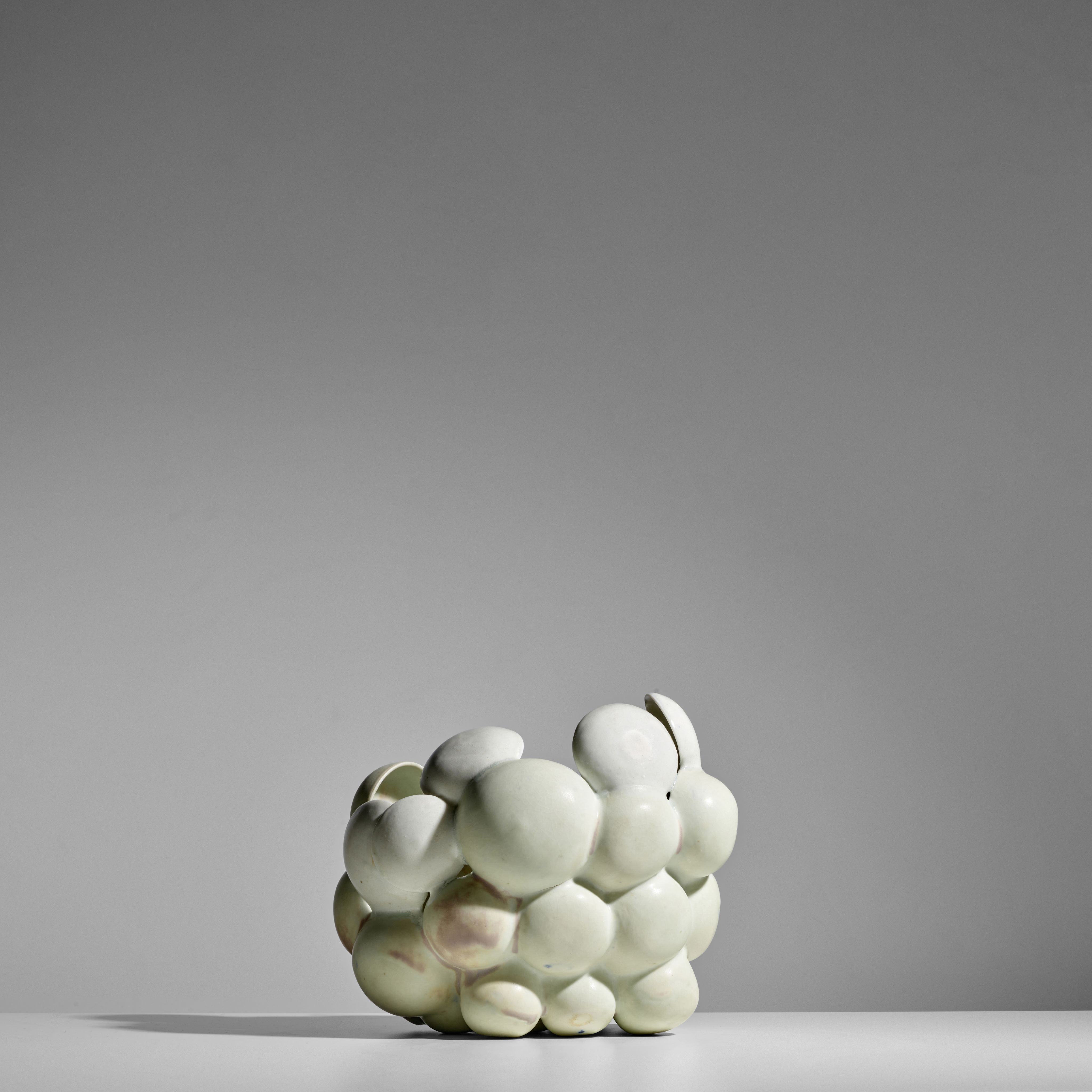
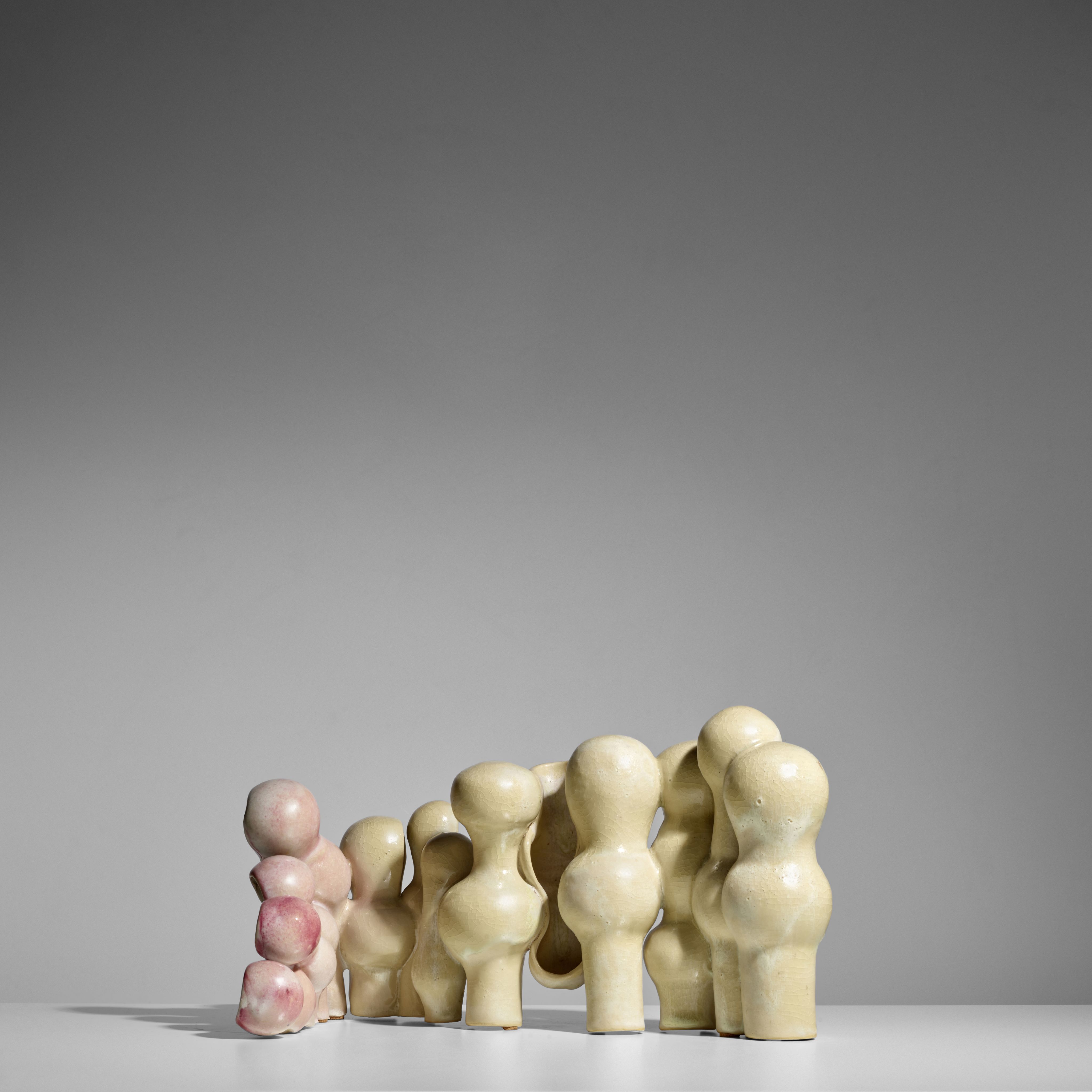
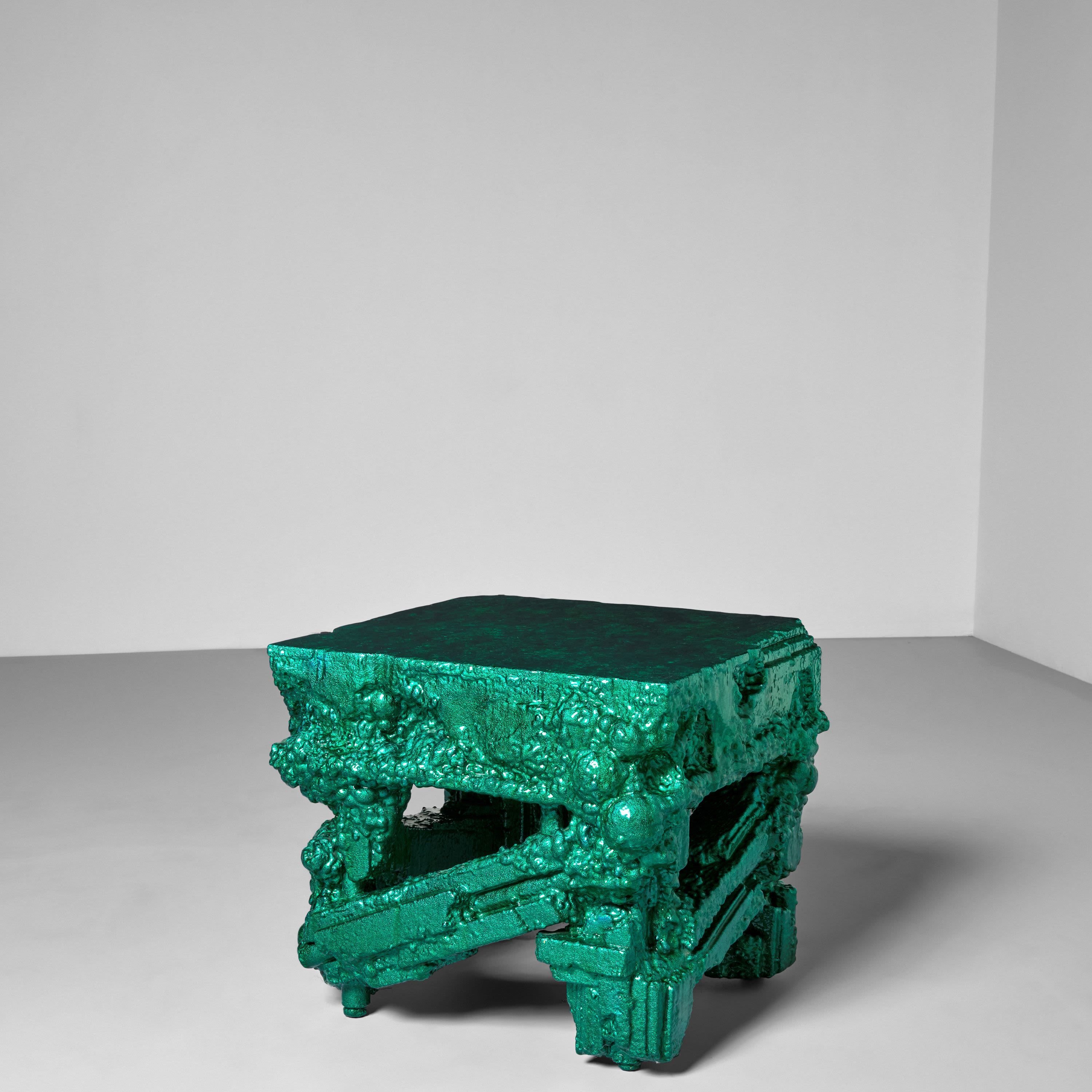
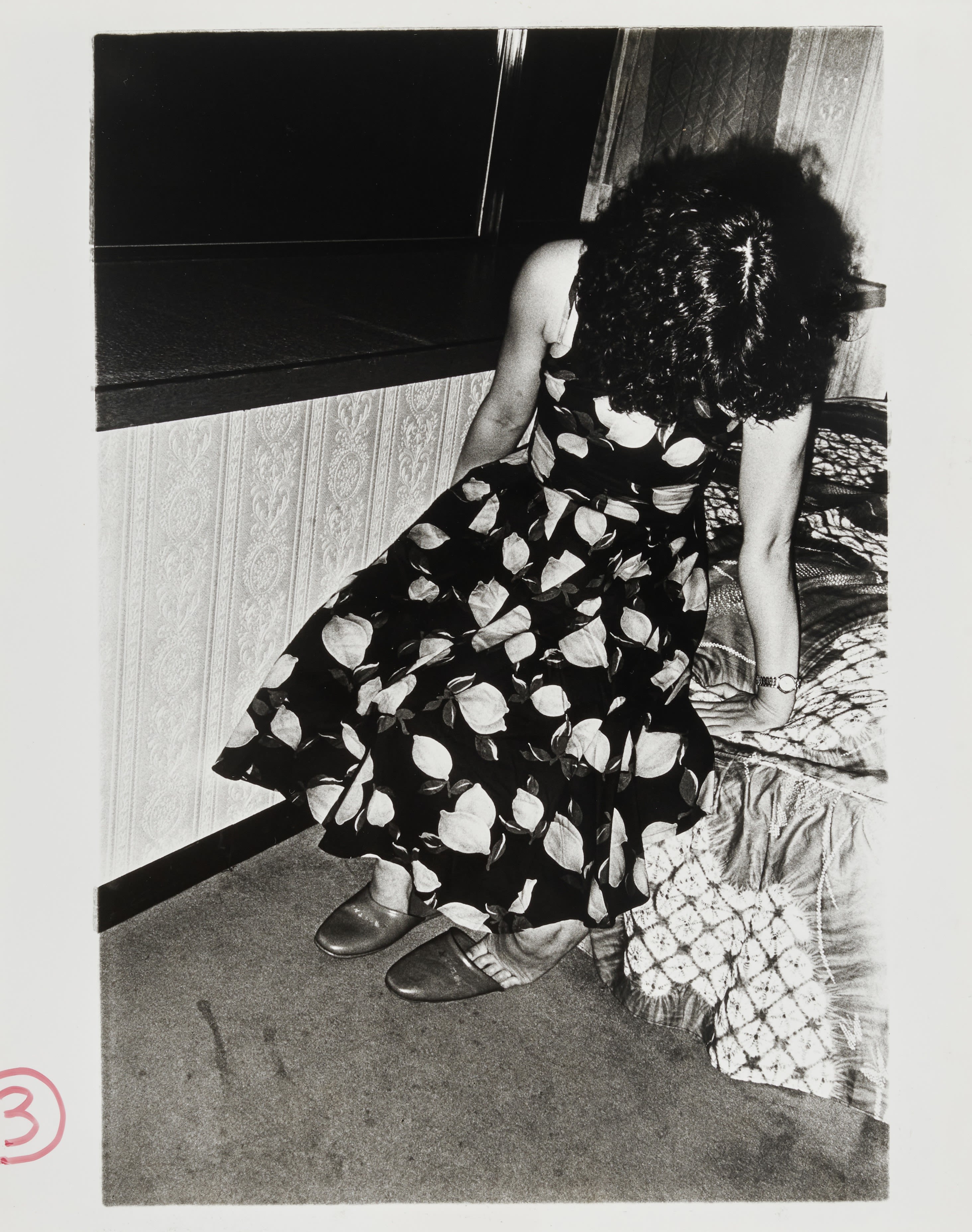
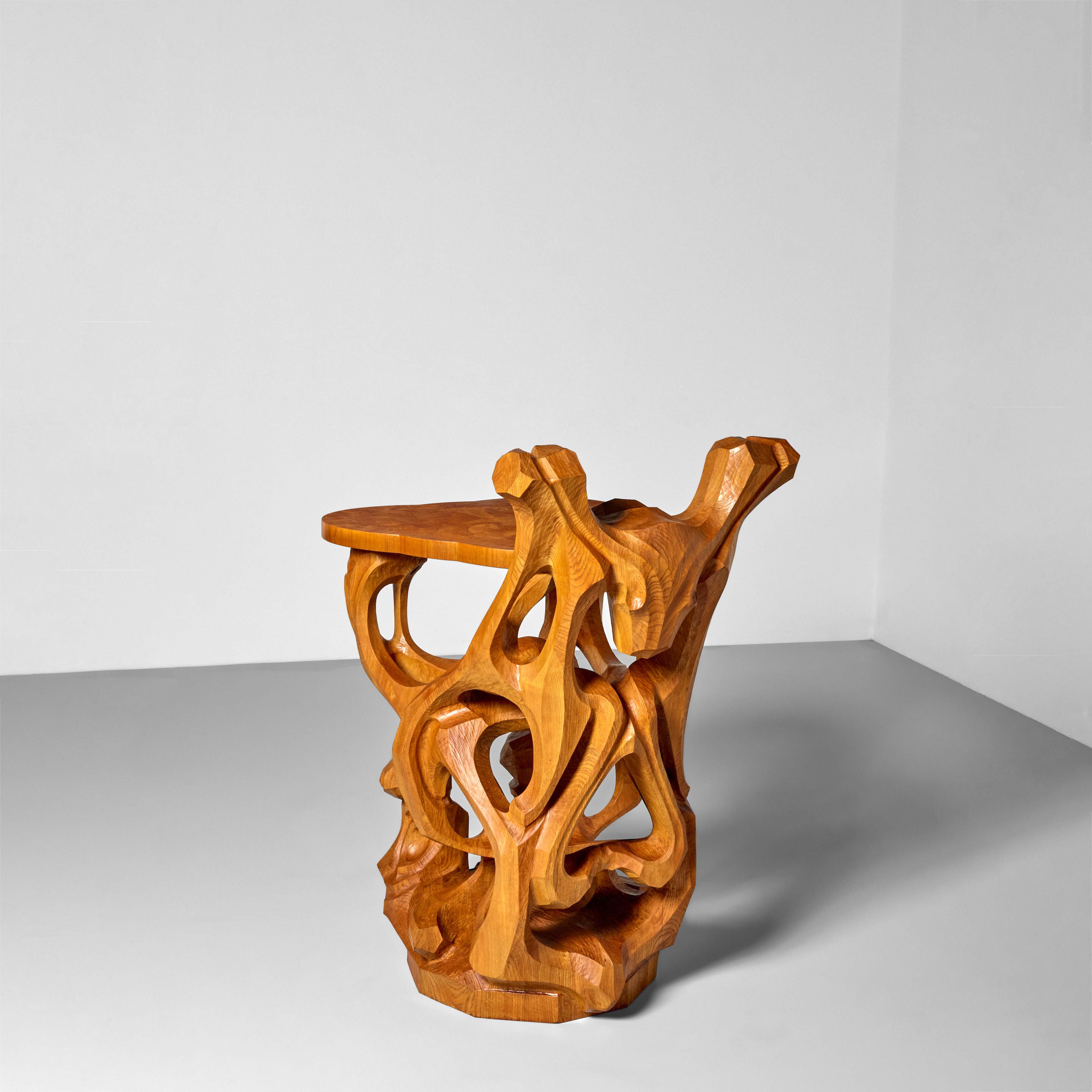
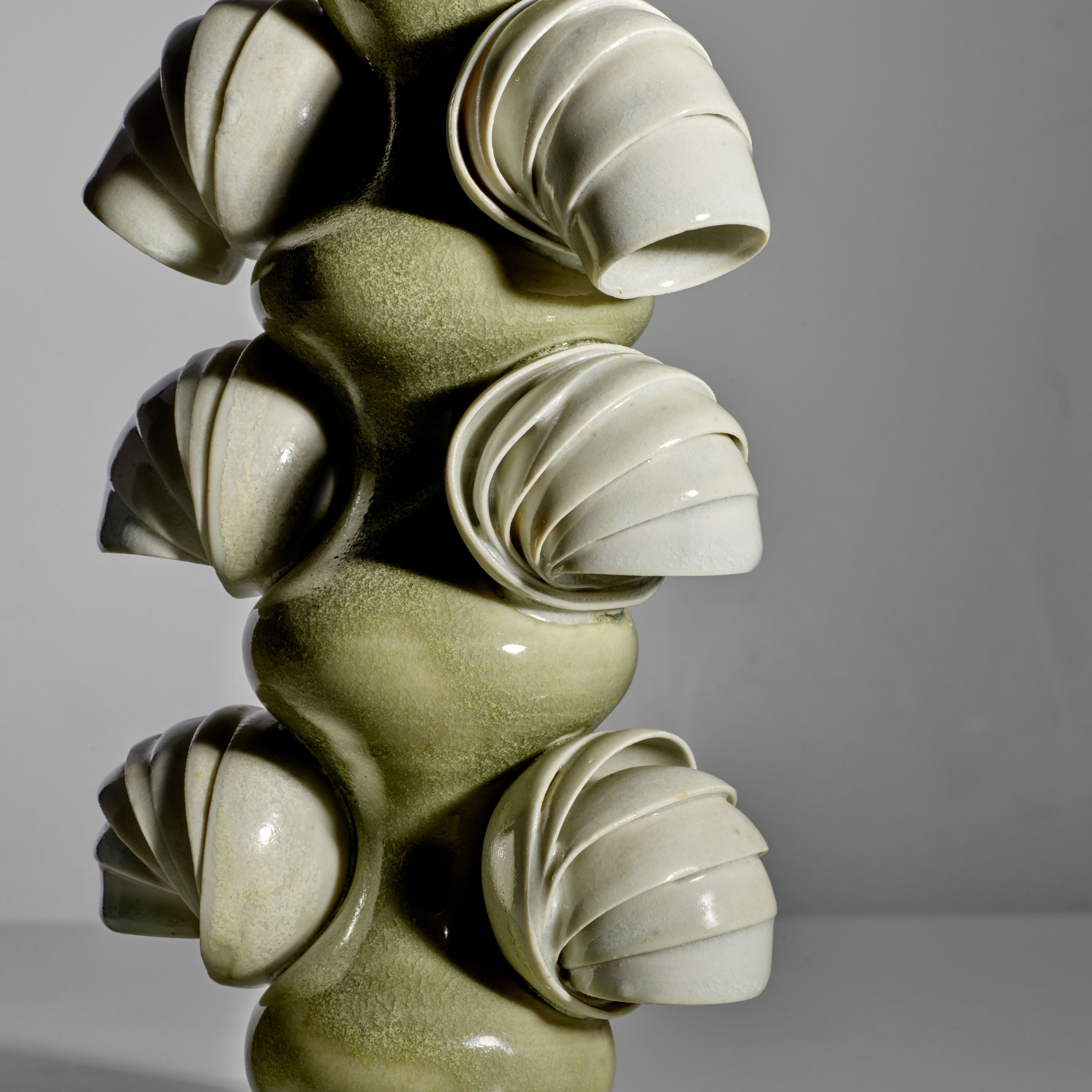
Alongside his enterprising explorations of historical objects, Jacques has also shown a great deal of contemporary work over the years, particularly in the field of ceramics. This decision, somewhat counterintuitively, was also inspired directly by Bing; only by showing “new art,” Jacques reasoned, could the gallery ultimately stand the test of time. As a result, the present selection of works from his collection stages a compelling cross-temporal conversation.
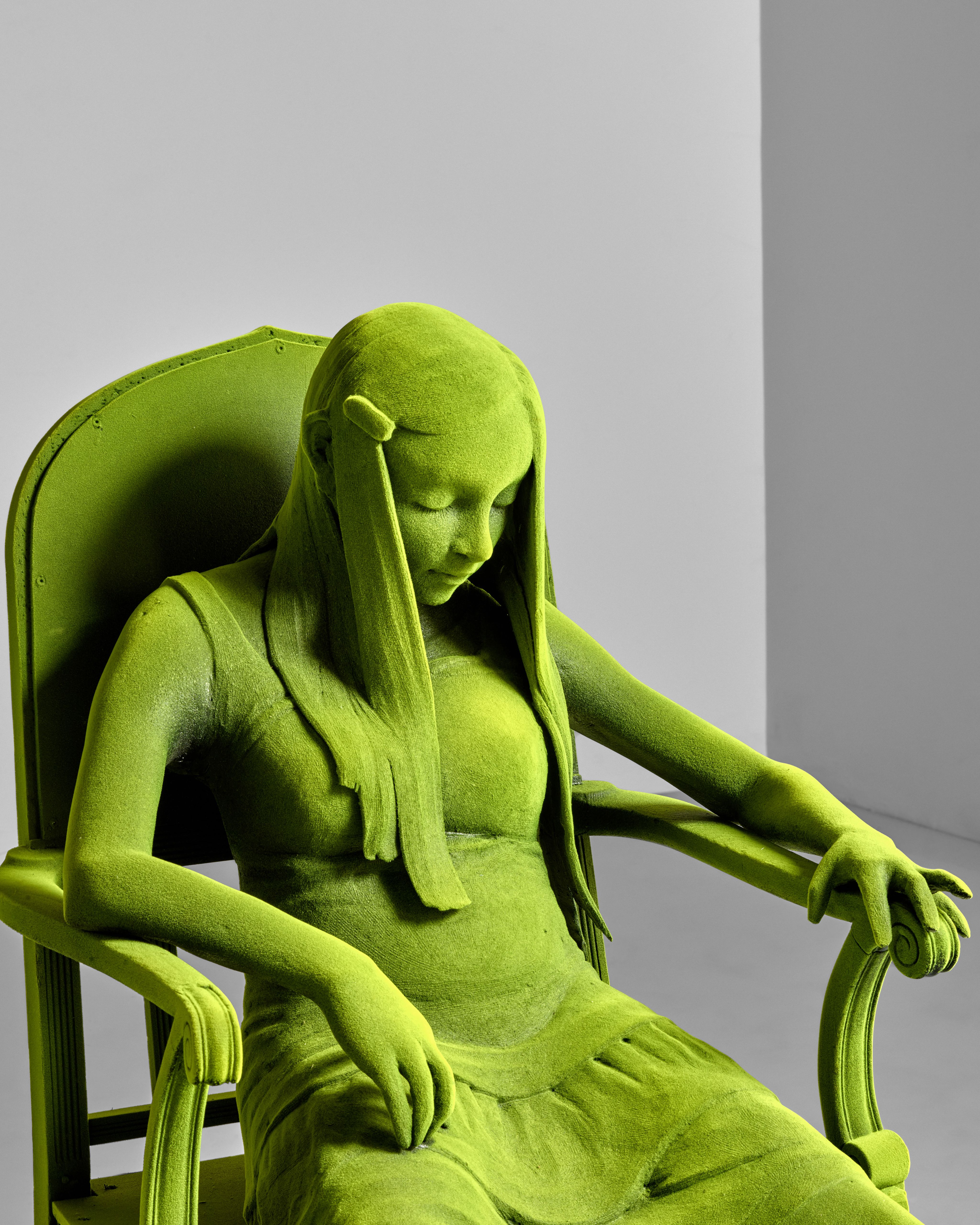
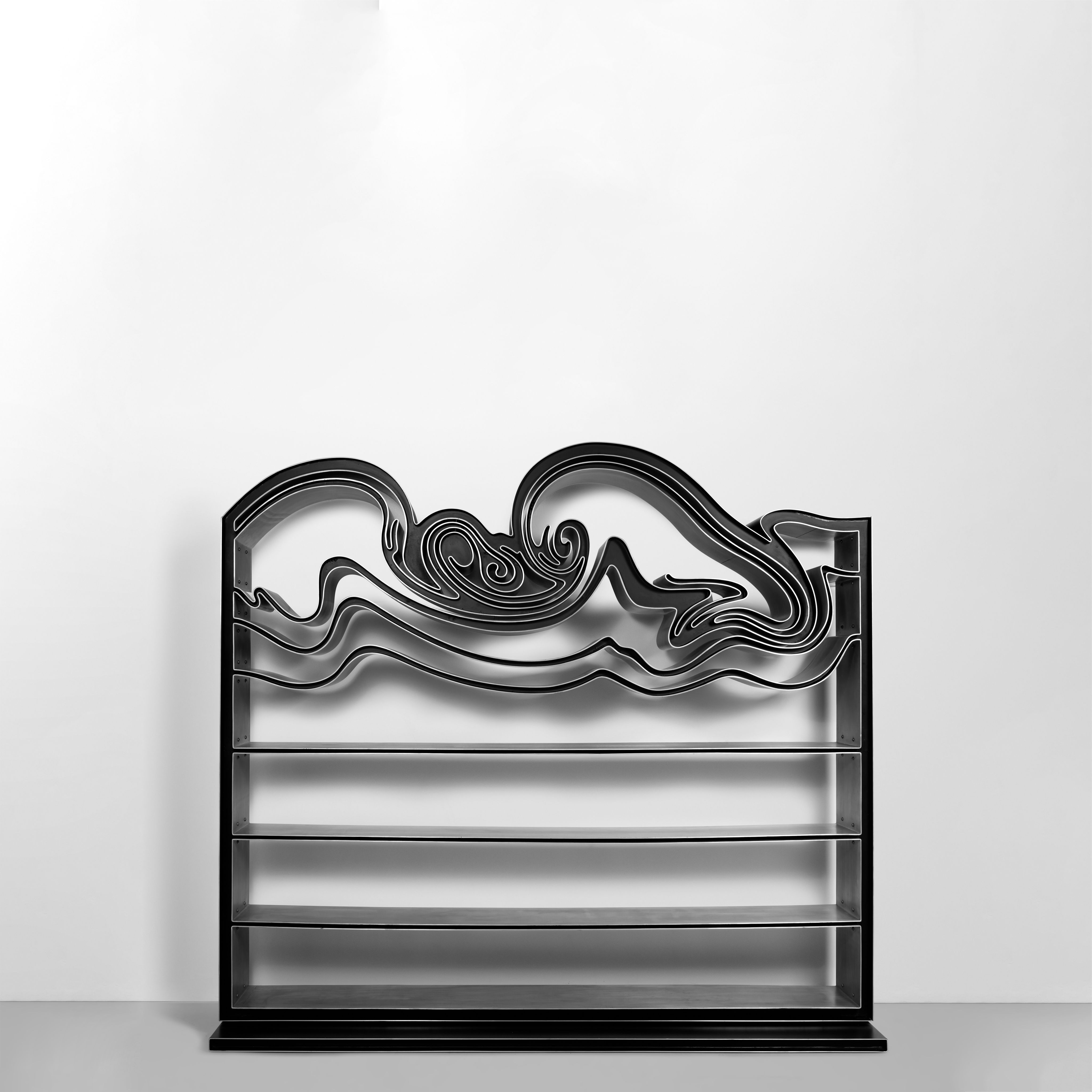
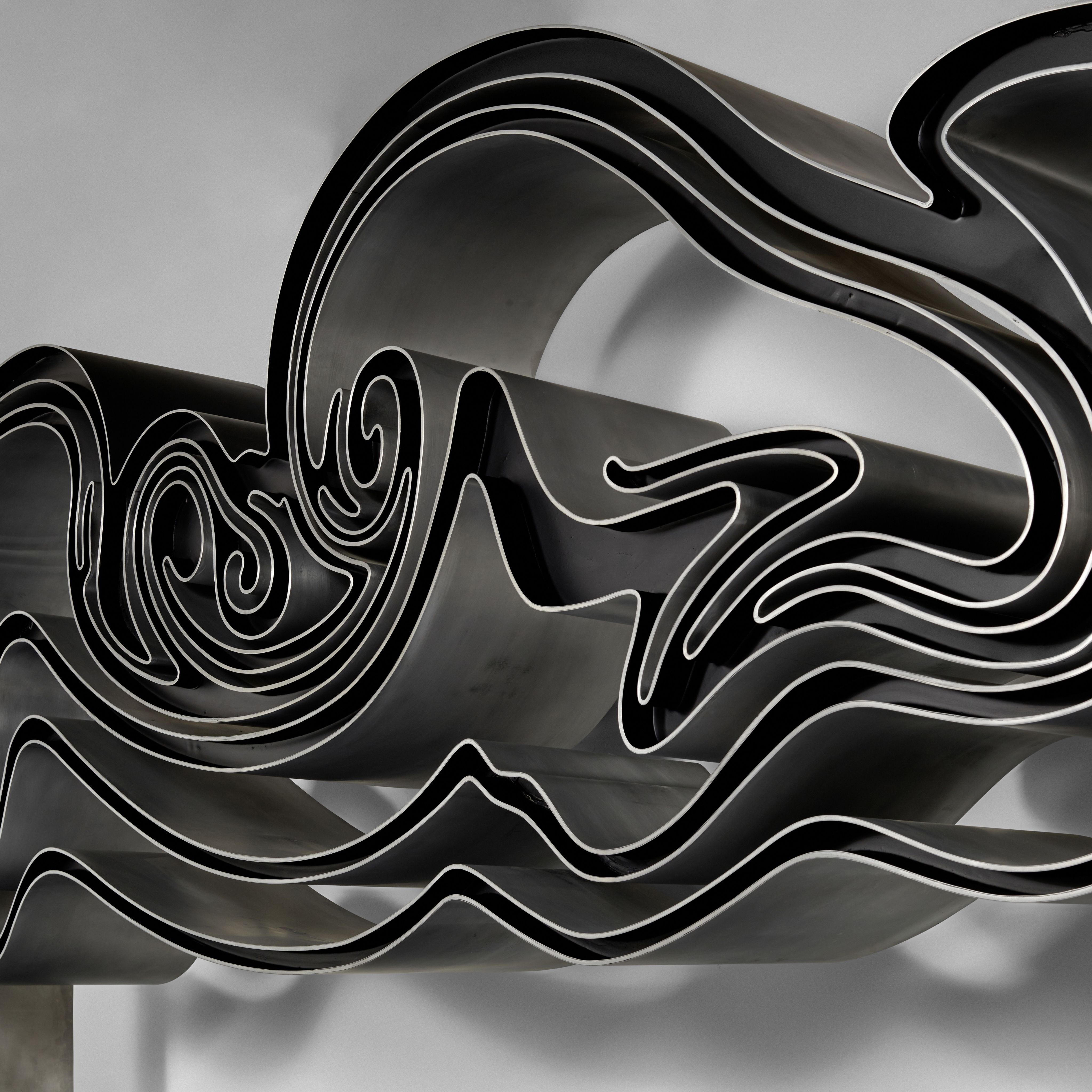
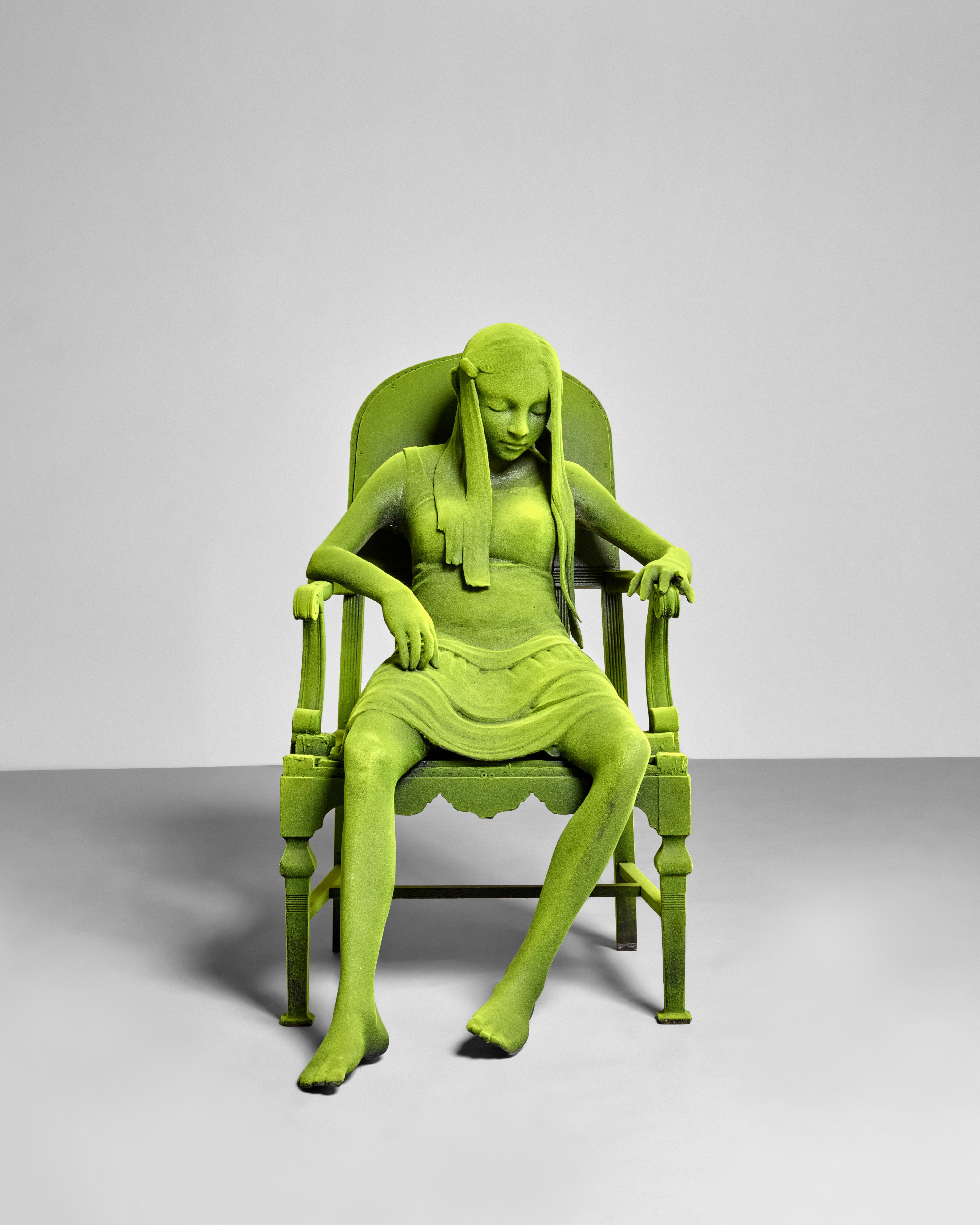
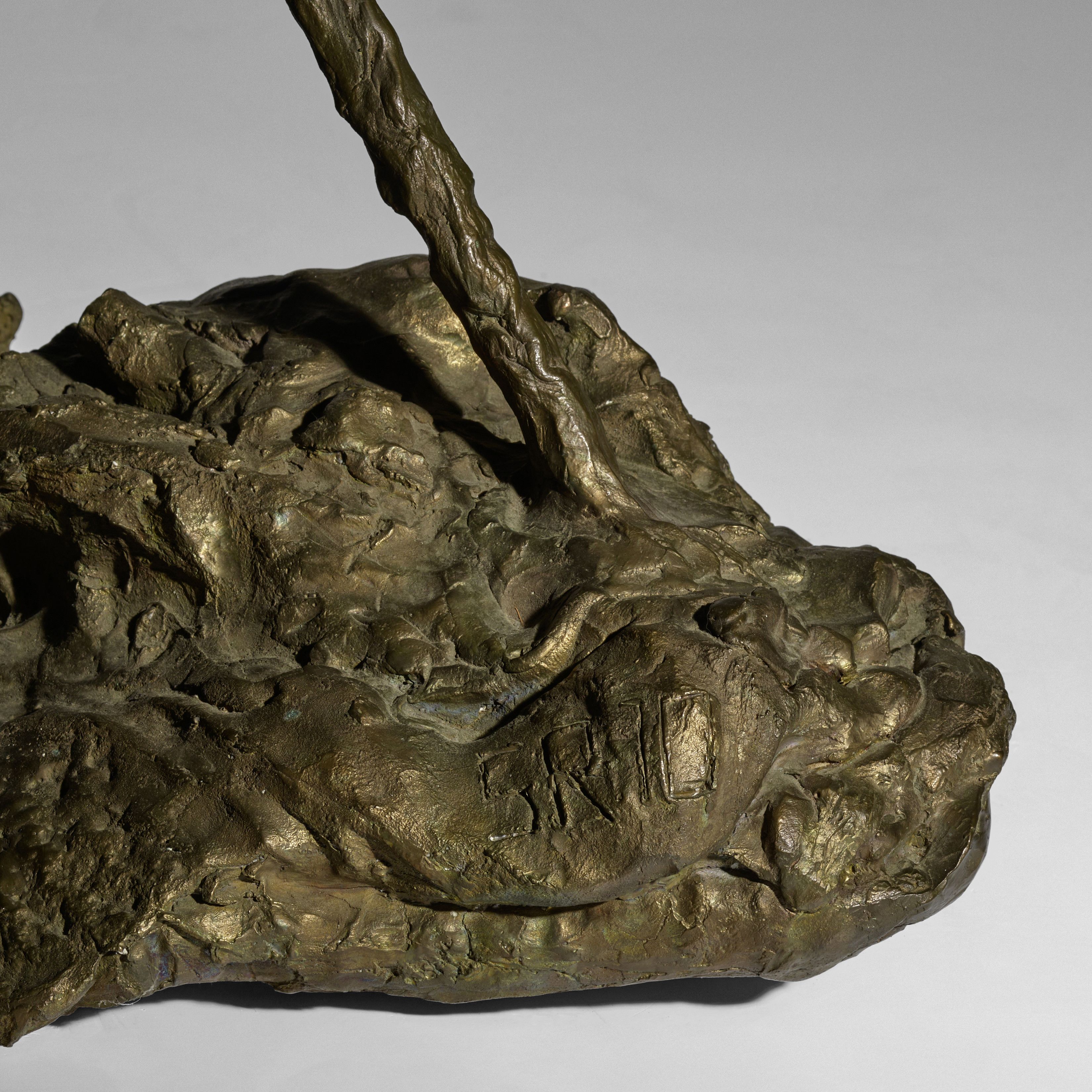
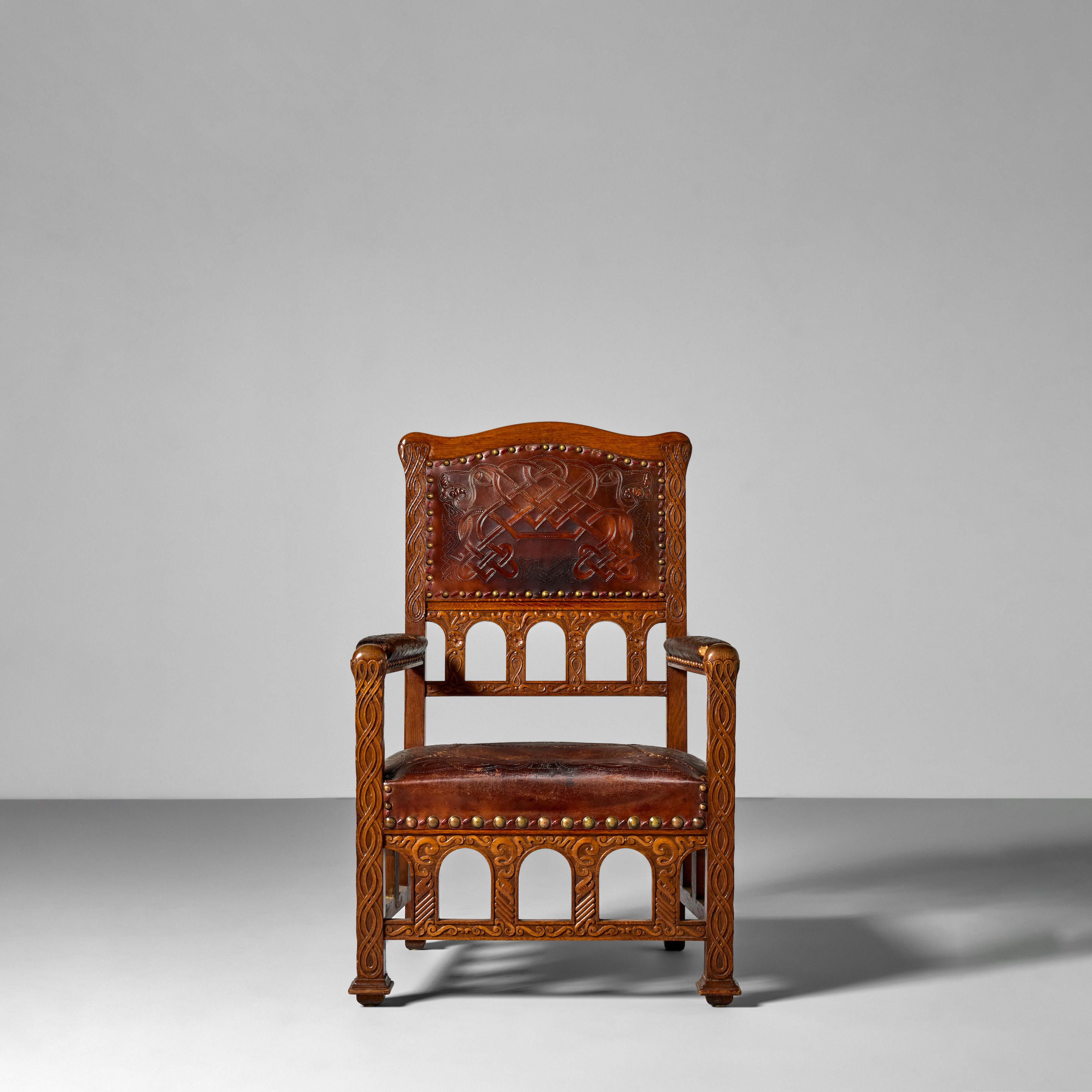
The organic vitalism of a century ago is brought into dialogue with the luminously flocked figures of Kim Simonsson, the exquisitely rendered animals of Beth Cavener, and Joris Laarman’s groundbreaking Vortex Bookcase, in which the designer updated the fluid dynamics of Art Nouveau design using cutting-edge algorithmic techniques.

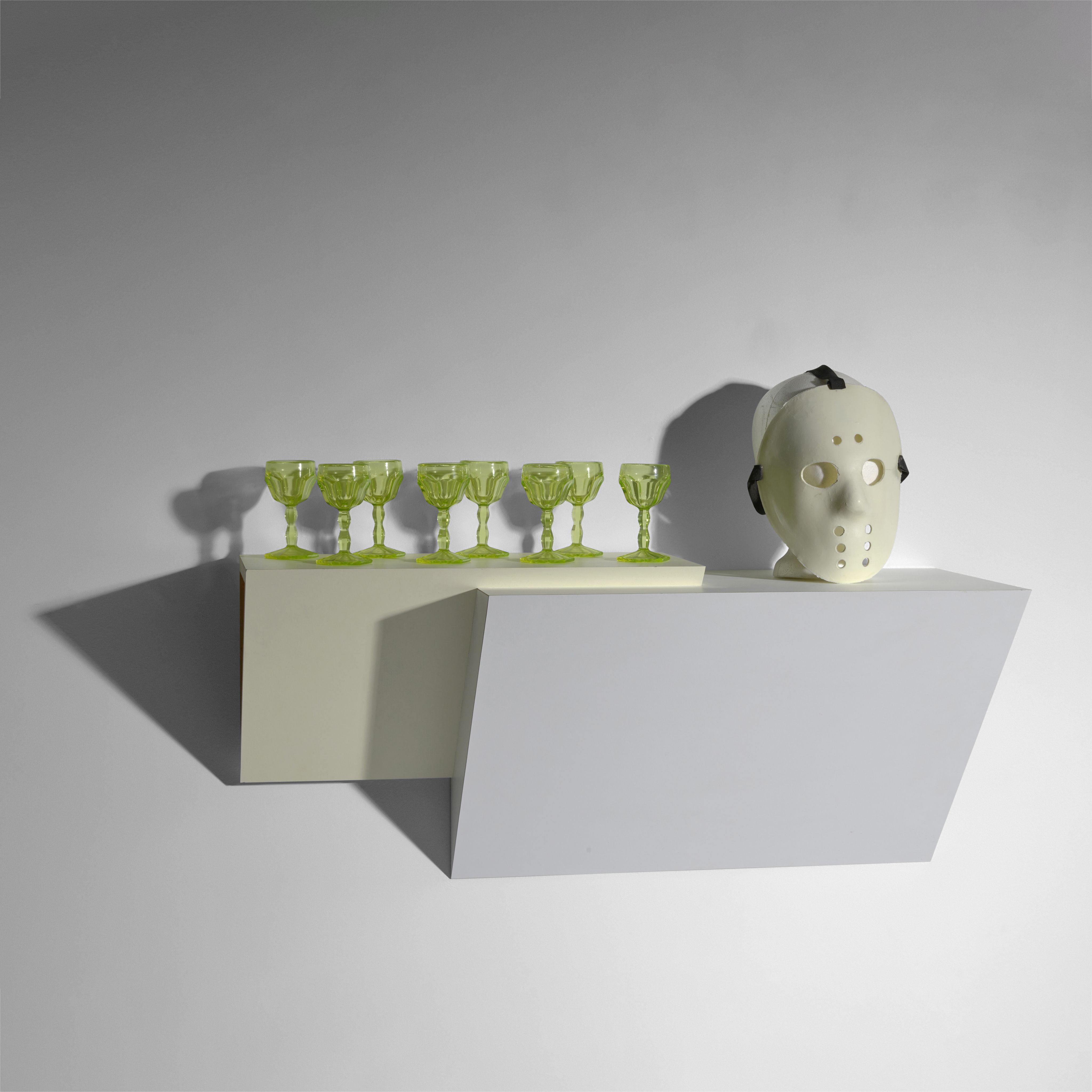
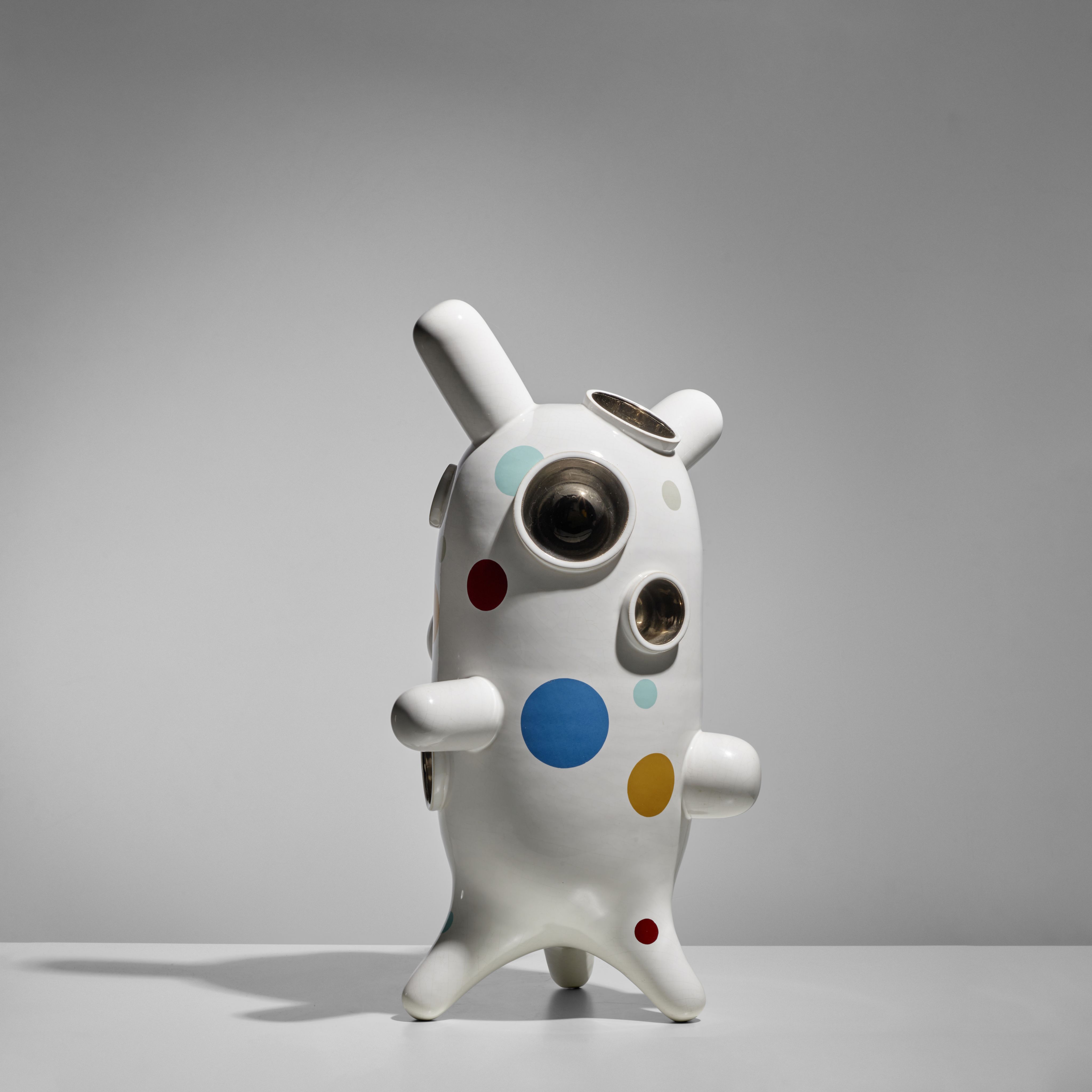

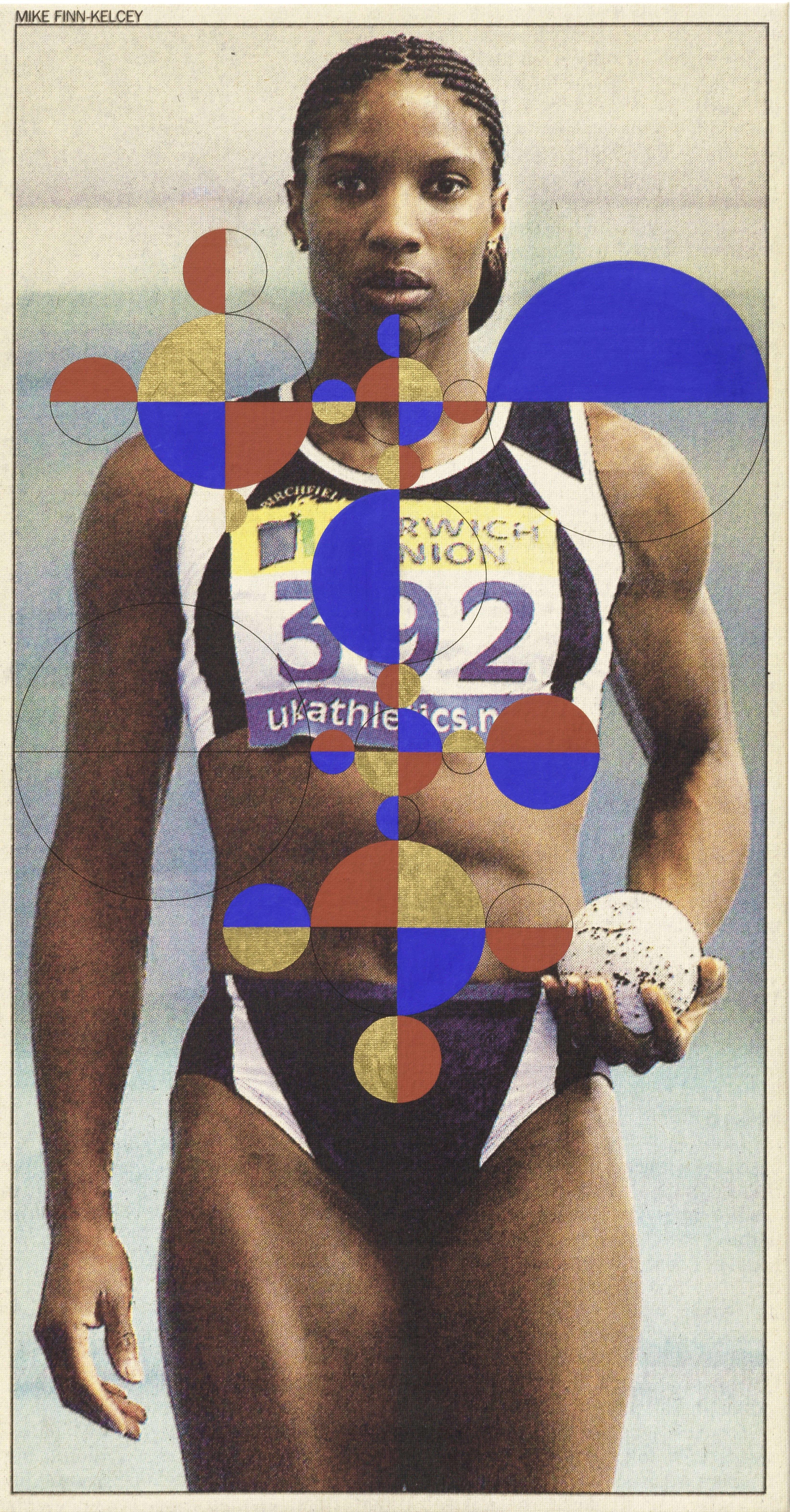
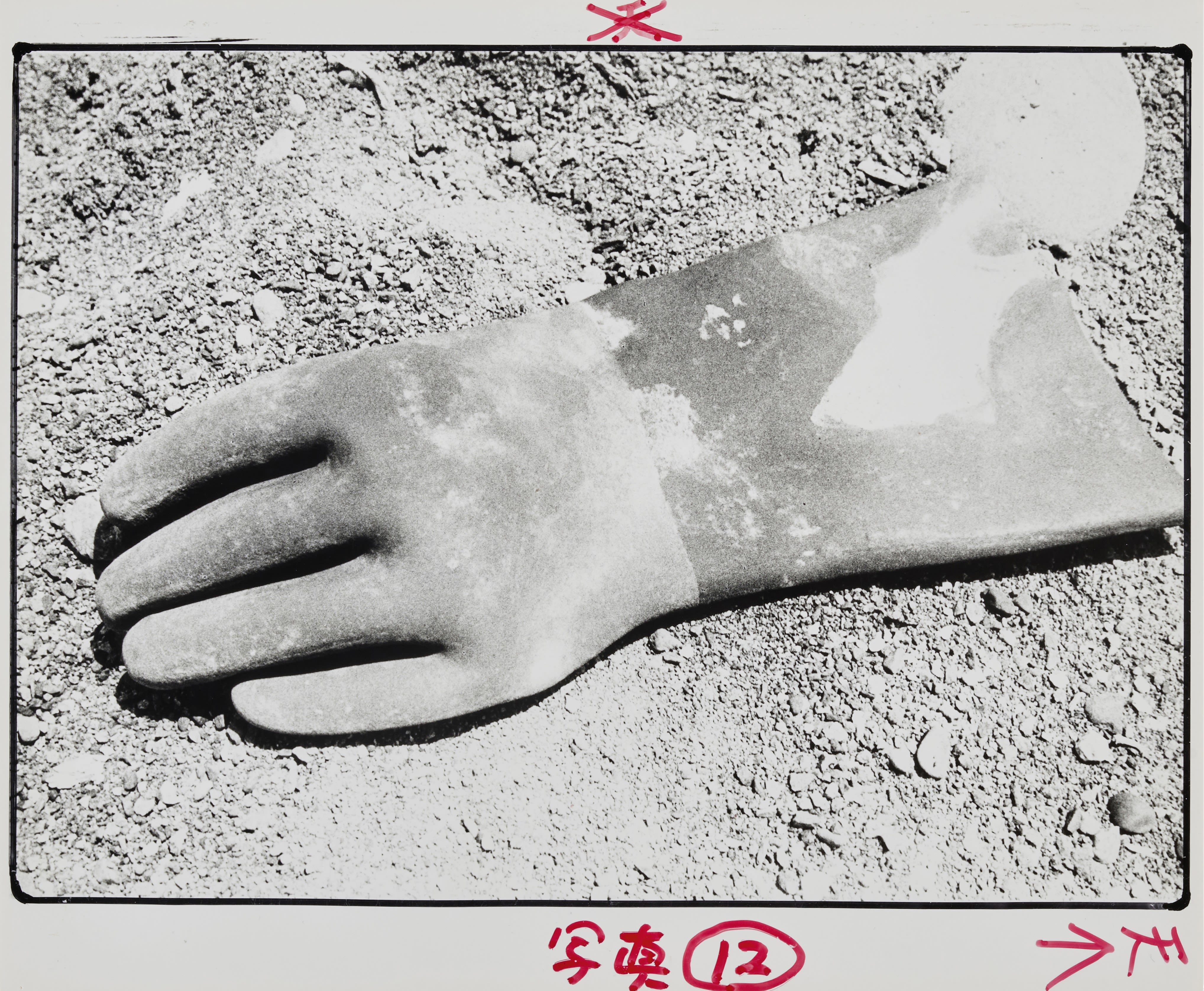
The contemporary art works included here may initially seem less attuned to Jacques’ home ground. Look closely, though, and you will see deep affinities: Gabriel Orozco’s application of paint and gold leaf to an athlete’s portrait, which reimagines the function of ornament just as the Wiener Werkstätte did in its day; photographs by Daido Moriyama that conjure an atmosphere of haunted sensuality comparable to that of belle époque Paris; a shelf-bound sculpture by Haim Steinbach, which interrogates the very language of display that has been Jacques’ own creative métier. To see this constellation of works is to understand how he has navigated his long and venturesome career.
Now Jacques is moving on, and like everything he does, he’s doing it all the way. Shortly after marking his 30th anniversary in business, in grand style – the retrospective publication that he produced for the occasion remains the definitive account of his various interests – he decided it was time for a change. He closed his East Side gallery in January 2021, during the Covid pandemic, then took over the aforementioned pop-up space in Chelsea. Soon he relinquished that too, relocating his business to his upstate residence.
Now Jacques is moving on, and like everything he does, he’s doing it all the way. Shortly after marking his 30th anniversary in business, in grand style – the retrospective publication that he produced for the occasion remains the definitive account of his various interests – he decided it was time for a change.
He closed his East Side gallery in January 2021, during the Covid pandemic, then took over the aforementioned pop-up space in Chelsea. Soon he relinquished that too, relocating his business to his upstate residence.
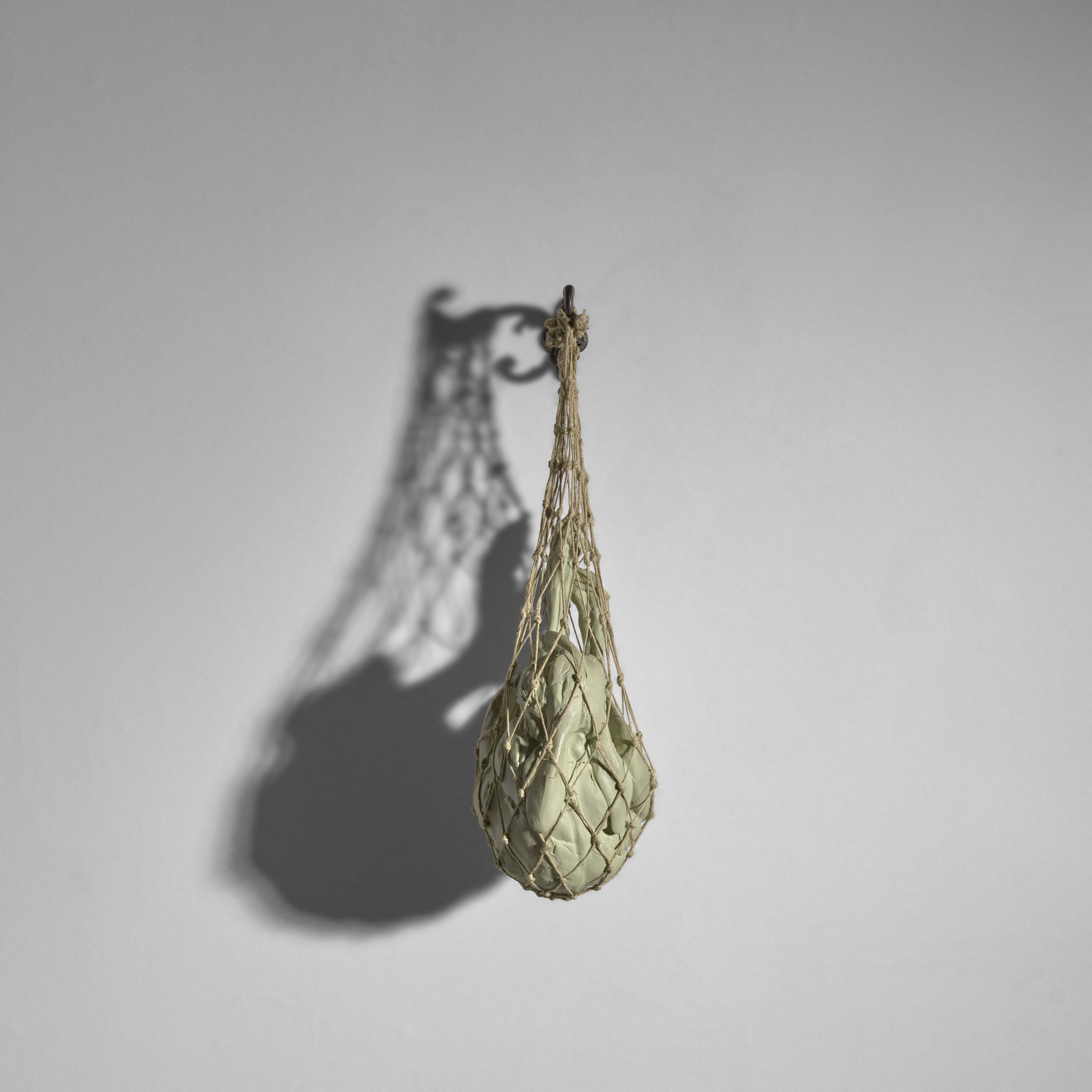
Highlights from the Jason Jacques Collection

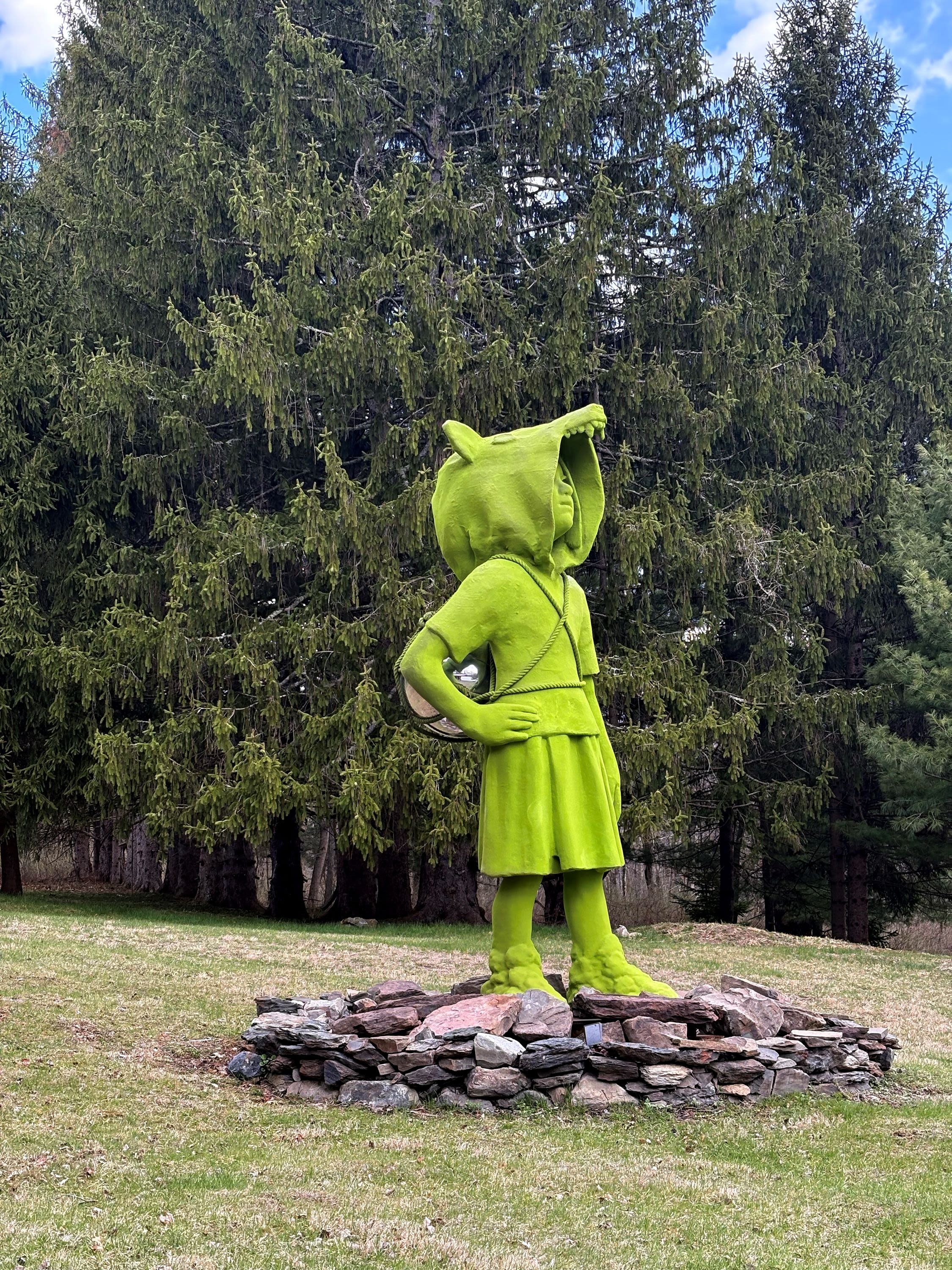









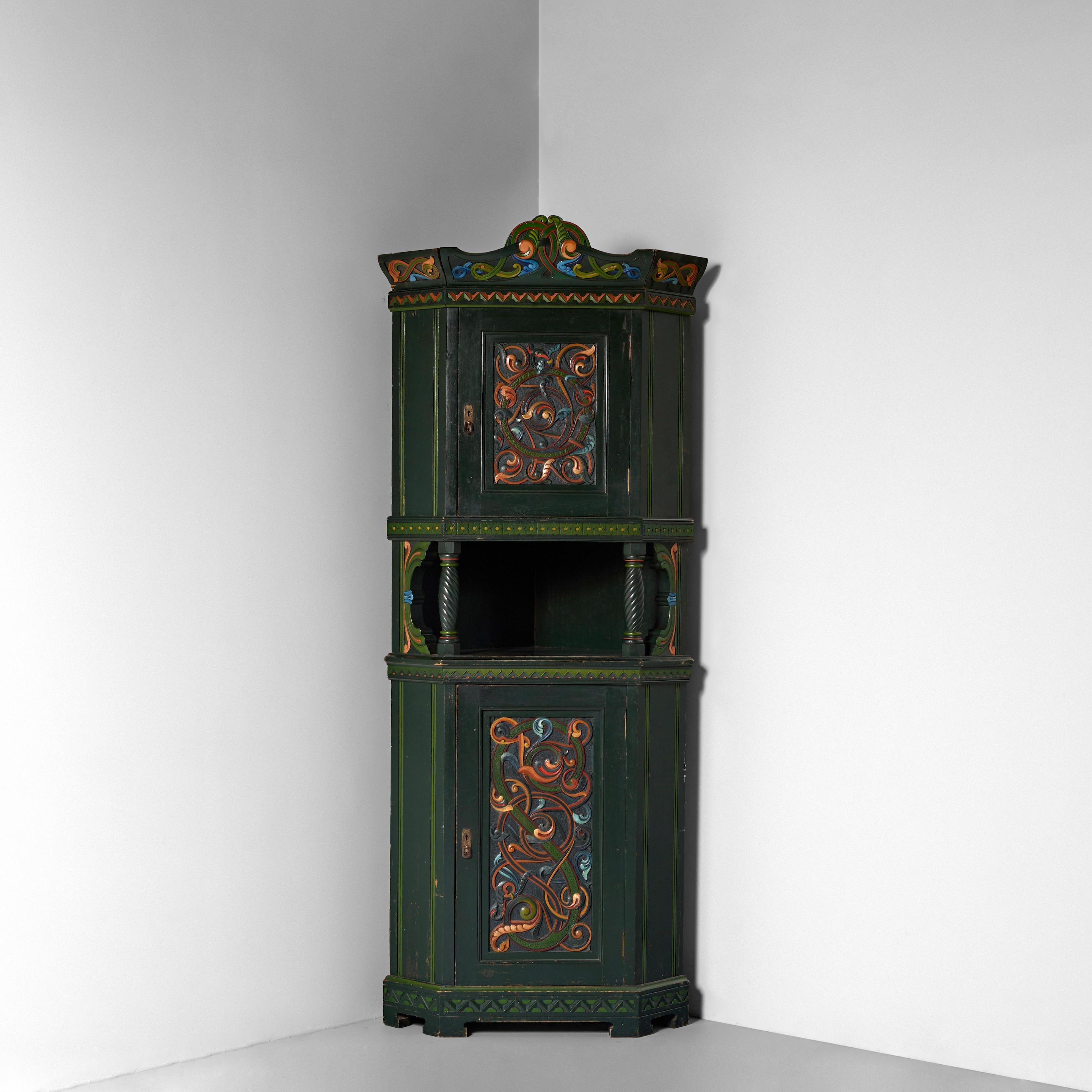

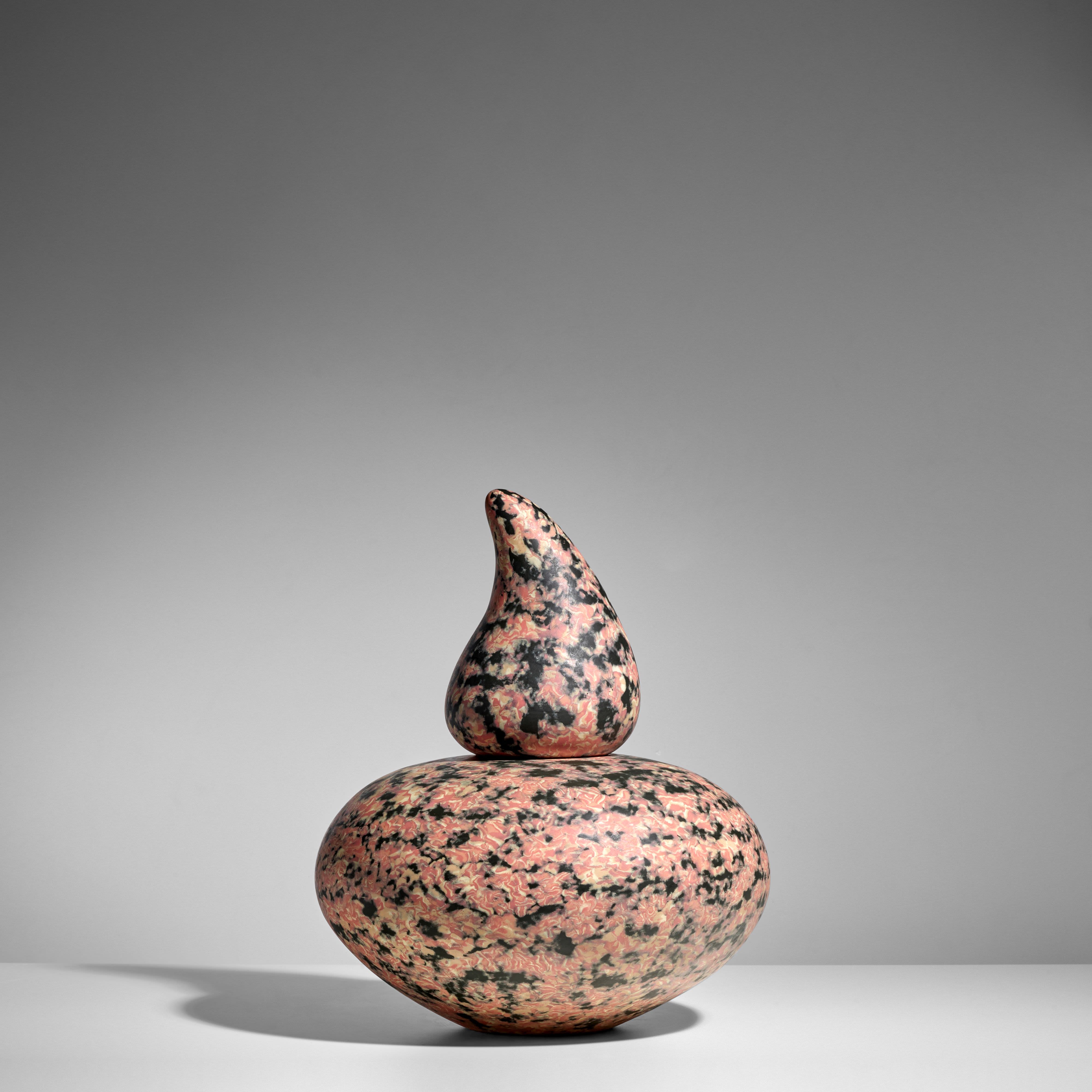


Now, if reports are to be believed, he’s off to Costa Rica, where he intends to nurture wild bees and make “jungle honey.” (Not a bad name for an exhibition… just saying.) Whether this is an au revoir or a final goodbye is hard to say. Meanwhile, we are left to appreciate the unique combination of energy and connoisseurship that he has brought to New York’s art and design scene.
Bing, in his 1895 book Artistic America, offered his reader this single rule: “be ever and always equal to the perpetual metamorphoses of the times, the day and the present hour—in every branch of human activity ripe for development.” Jacques, asked a few years ago if he himself had any advice to offer, said much the same thing, if more briefly: “Trust your gut.” They are all words to live by. And he has.
The Jason Jacques Collection
30 September | Starting at 12:00 EDT
The Jason Jacques Collection Online
2 - 10 October

Stay updated with our auctions
Register with Bonhams to follow your favourite lots and receive alerts when new auctions open for bidding. Subscribe here.
 Built with Shorthand