
From Muhammad Ali to Messi: The Sports Memorabilia Boom

Collecting sports memorabilia is more than just a hobby, it's a global industry known for record breaking prices and headline-worthy bidding battles. It also a category that casts an eye back over notable moments charged with nostalgia. You may be a die-hard fan or a savvy investor, but sports collectibles offer unique opportunities to own a piece of athletic history. Peter Carr takes a look at the rise and rise of this booming category.
What is Sports Memorabilia?
Sports memorabilia encompass a wide and eclectic range of items tied to athletes, players, teams, or events. These can include trading cards featuring athletes’ statistics, signed shirts and jerseys, photographs, game-worn items, and even tickets or programs. Each piece holds historical, cultural, or sentimental value, appealing to fans and collectors alike.
Jean-Marc Leynet, a leading expert in the field explains: “all sports (collectibles) are currently experiencing significant growth, particularly American sports and soccer, which dominate the global market. The Olympics and more traditional sports are still sought after by collectors but only for rare items associated with great champions. Today, there is fierce competition in the auction world between investors, collectors, and museums.”
What makes a piece of memorabilia collectible?
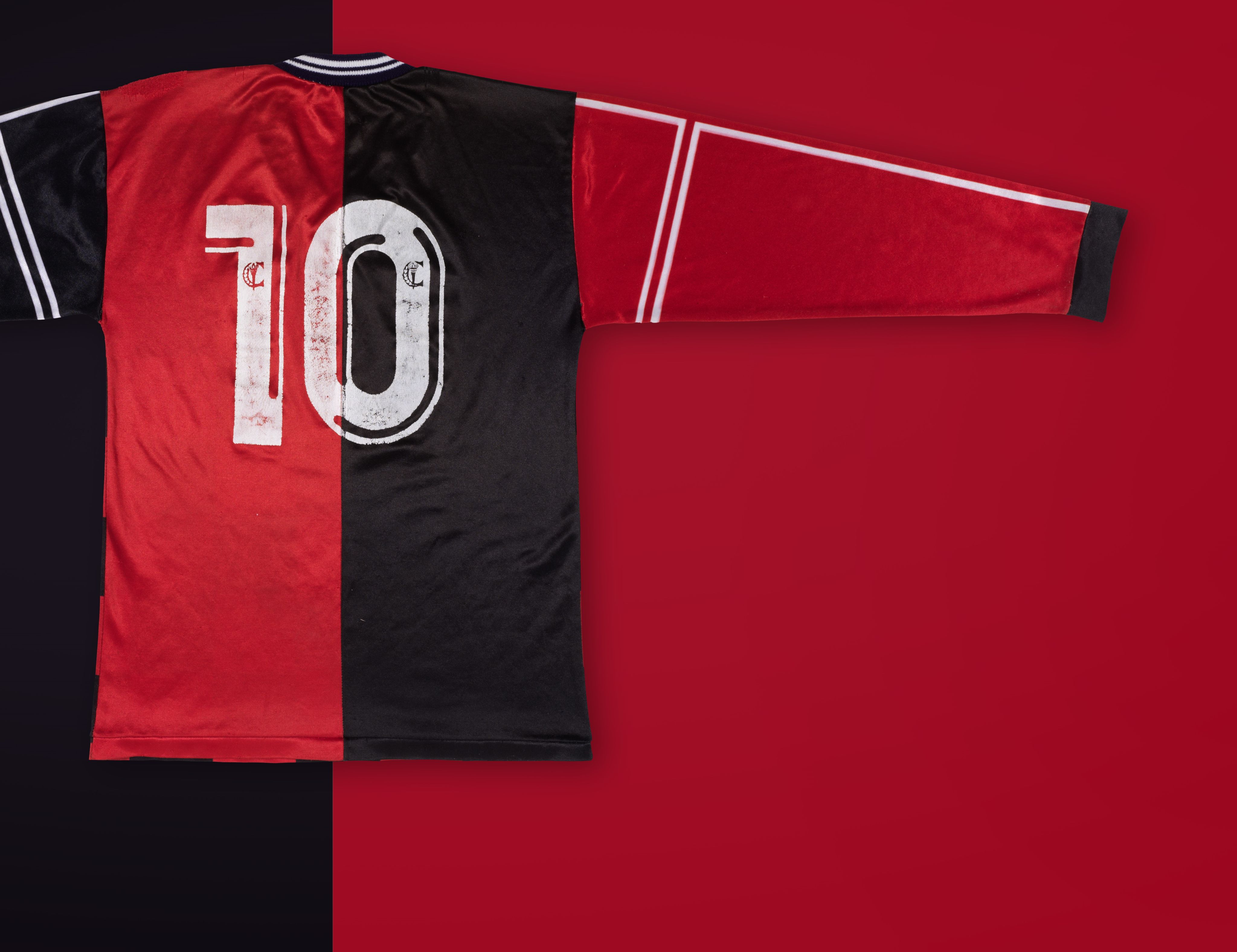
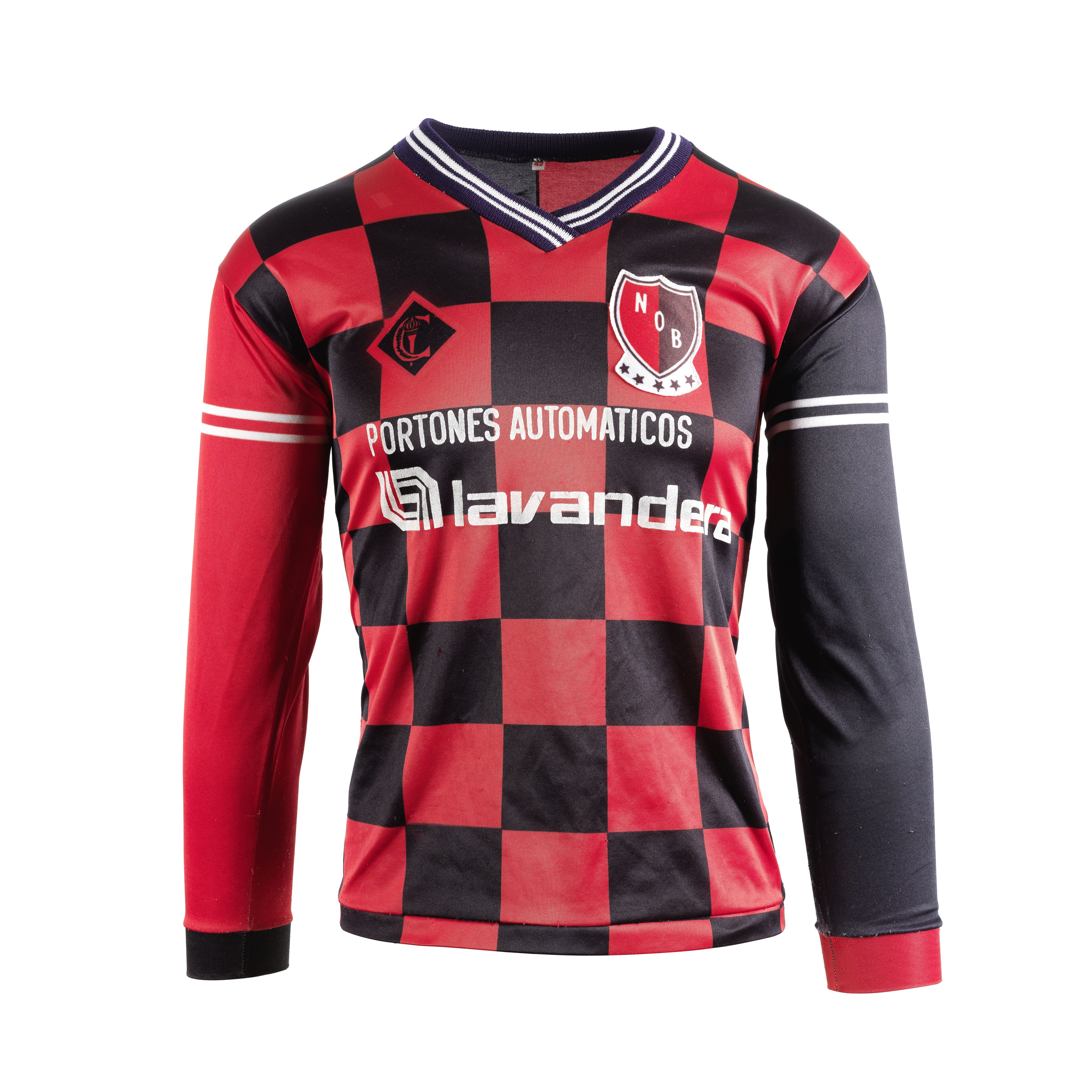
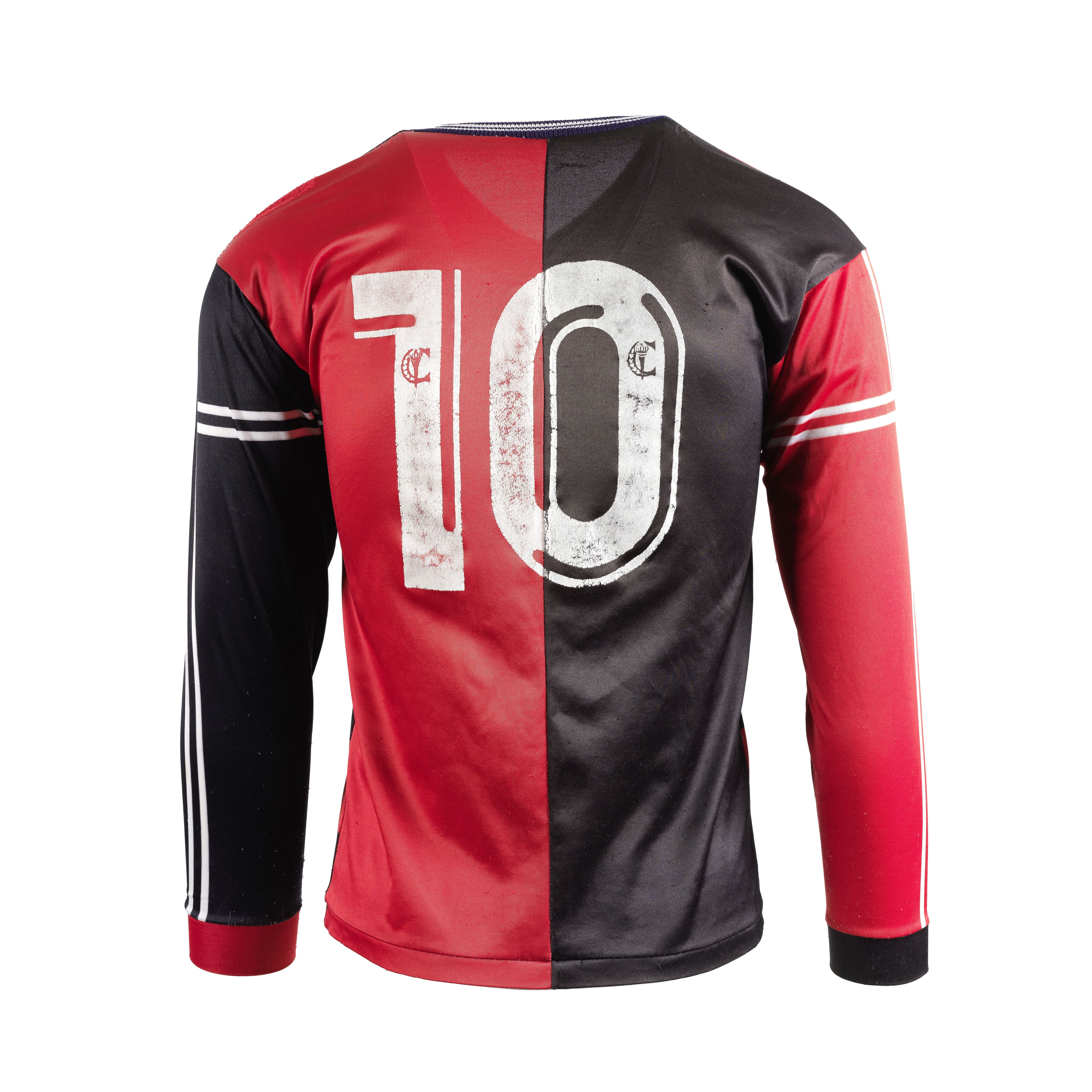
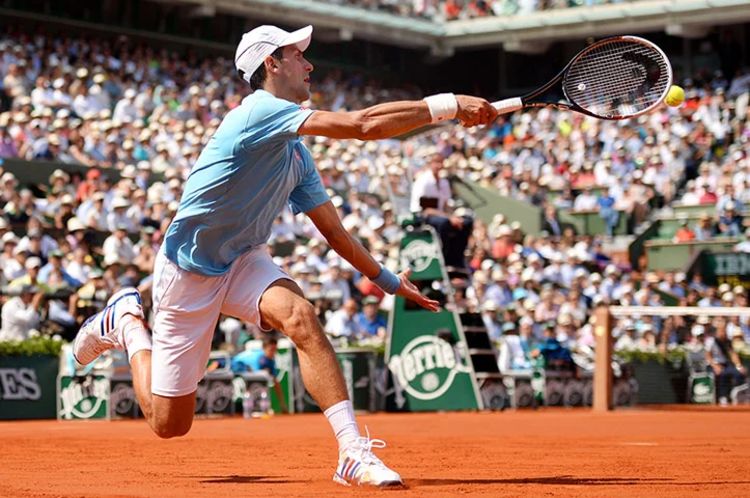
Items tied to milestone events such as the Olympics, or legendary players (Michael Jordan, Lionel Messi, Novak Djokovic, etc.) carry intrinsic value, as do those that are rare or part of a limited production run. Well-preserved items, especially those professionally graded, hold a strong appeal to both collectors and investors alike — for instance, the Lionel Messi shirt offered by Bonhams in Paris in March.
Worn by a then 12-year old Lionel Messi at the Pibes 99 tournament, in which Argentinian youth team Club Atlético Newell's Old Boys came runner up in December, 1999. It was the last shirt worn by Messi in an official match before his transfer to FC Barcelona, and sold for €102,000 inc. premium.
To be considered collectible, an item must meet certain criteria and be verified by reputable certification authorities like Professional Sports Authenticator (PSA), Certified Guaranty Company (CGC) or Beckett grading. Graders compare the item with photos or video captures to find markings and unique characteristics to certify its validity.
"Well-preserved items,
especially those that are
professionally graded, hold a
strong appeal."
Jean-Marc suggests “collectors are drawn to these items because they can connect with a moment of their personal history, that of a loved one, or even a period in history. This collection often becomes a passion that they will continuously seek to enhance.”


Why are sports collectibles valuable?
The value of sports memorabilia is defined by several factors. At its core, authenticity serves as the bedrock, with certified items consistently commanding higher prices at auction. Rarity amplifies this appeal, as limited-edition or one-of-a-kind pieces attract intense interest from collectors.
Equally important are condition and presentation. Pristine, professionally graded items tend to achieve premium prices. Lastly, the historical significance of memorabilia — especially items tied to legendary athletes or iconic moments — drives both demand and value, underscoring how the intersection of authenticity, rarity, and history fuels this unique market.
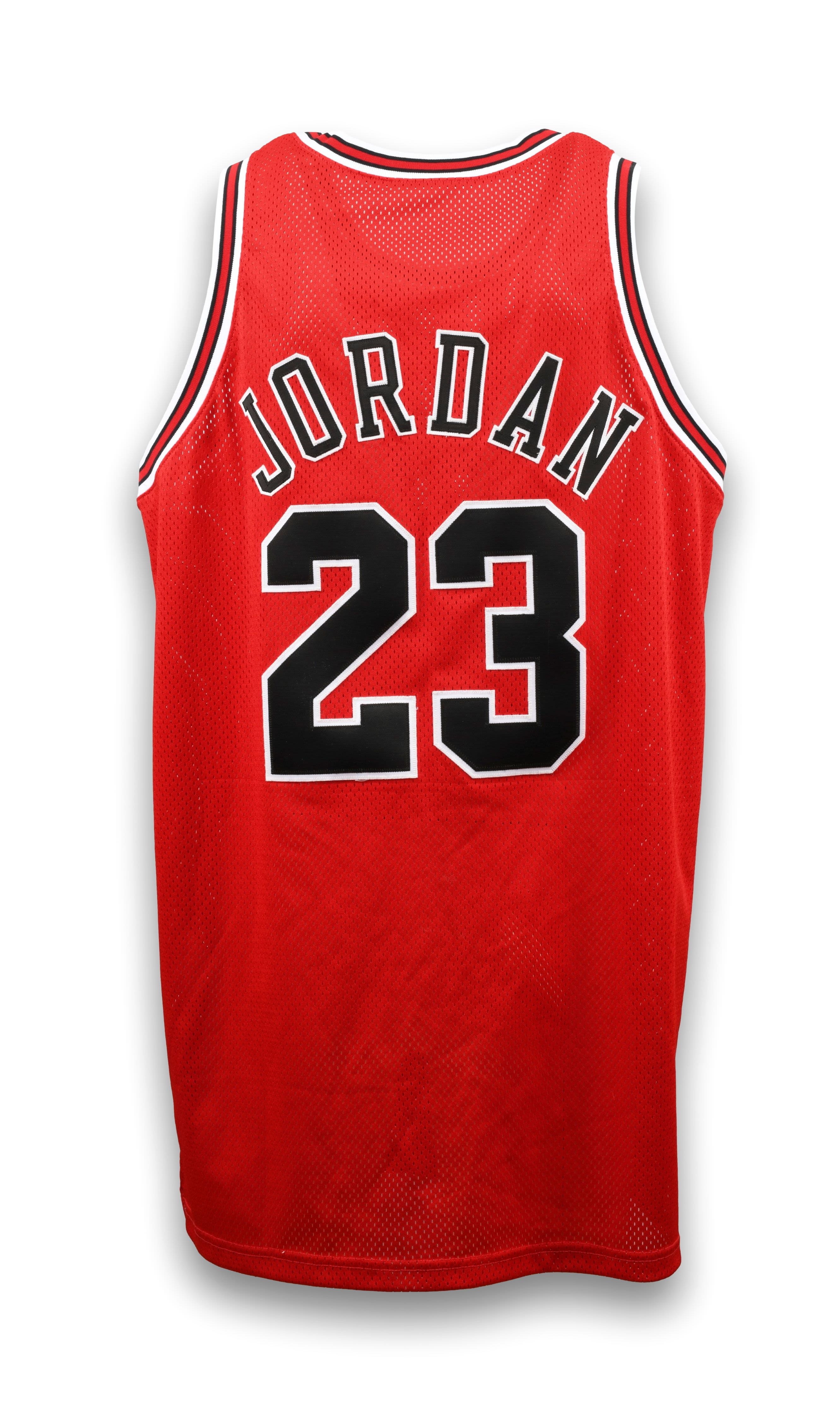
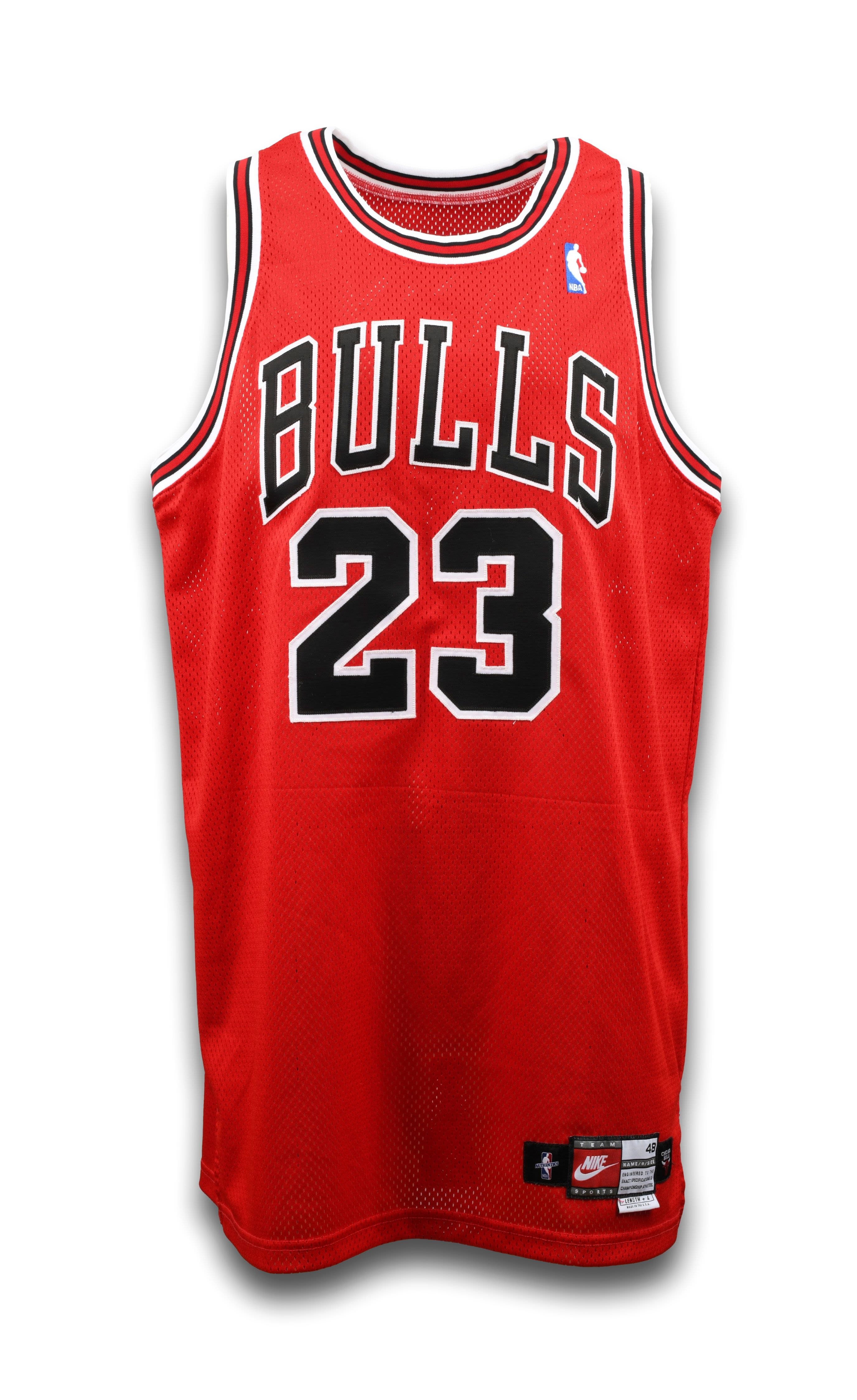
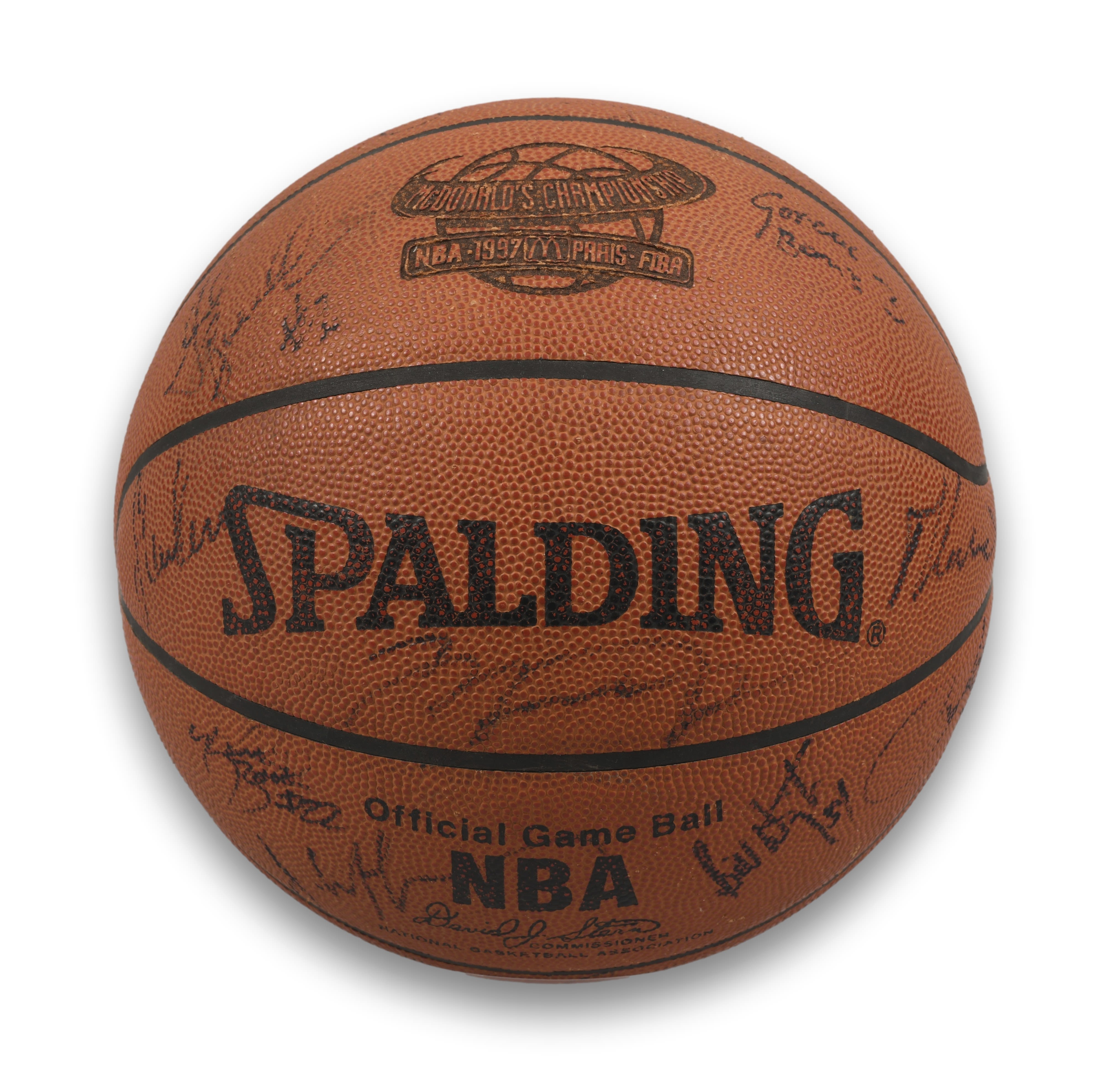
For example, the Michael Jordan jersey worn playing for the Chicago Bulls during the semi-final of the McDonald’s Open against PSG Racing, on 17 October 1997, one of the key lots, is estimated at €40,000- €60,000. Jordan remains one of the names able to command record-breaking prices for memorabilia.
"A new generation of collectors has been empowered through technology; ease of purchase has accelerated growth in the sector."

Why is the market suddenly booming?
The sports memorabilia market has experienced an upward surge in interest in recent years. One development has been in alternative investments, including collectibles, which have grown in popularity as investors look beyond traditional assets in the fine arts and luxury sectors.

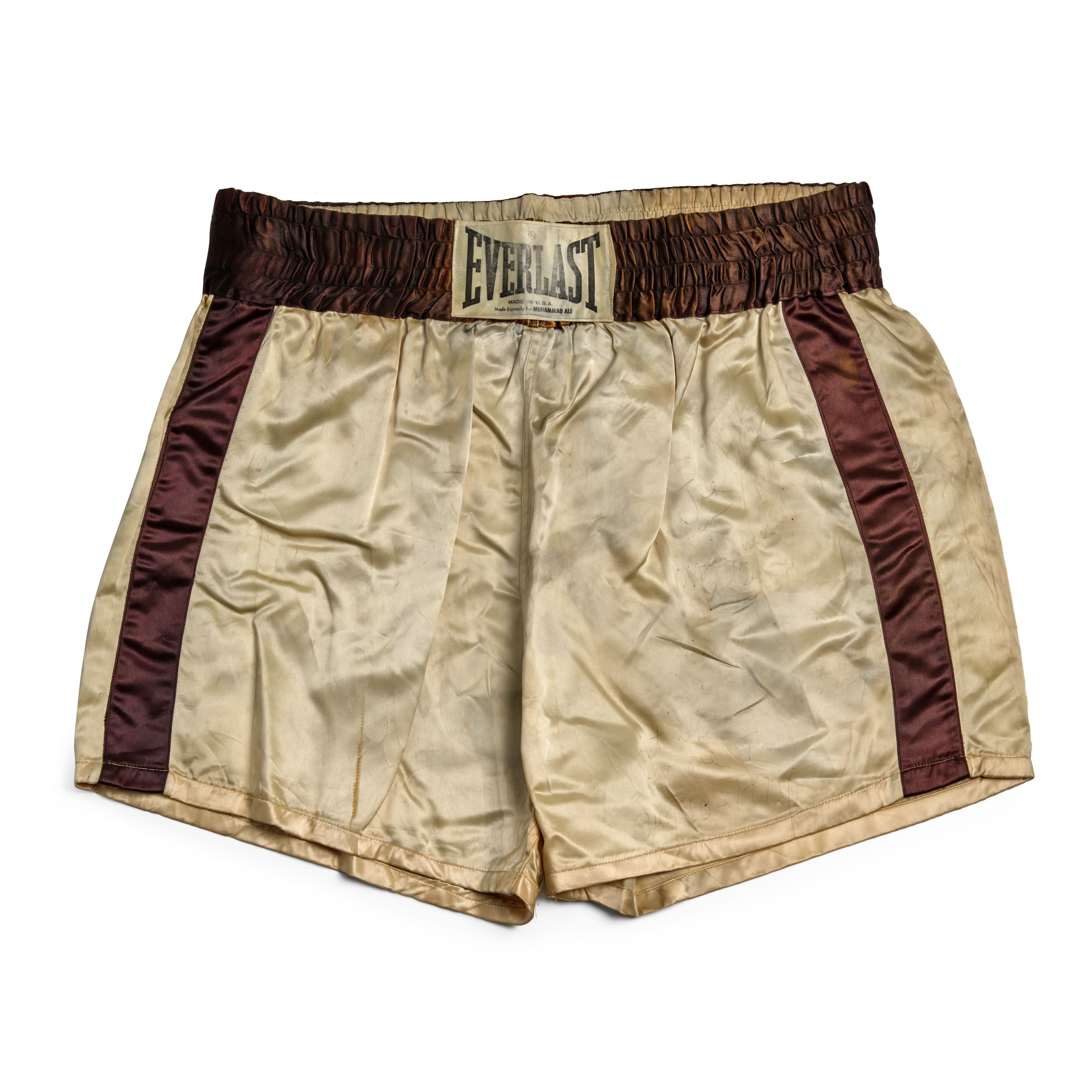
Nostalgia has also played a role, with both Millennials and Gen Z rediscovering items tied to their childhood heroes. Online marketplaces have made buying and selling easier than ever, while high-profile auctions and record-breaking sales have brought mainstream attention to the collectibles industry. A new generation of collectors has been empowered through technology, and ease of purchase has accelerated growth in the sector. Objects can be brought to life online and new audiences are happy to buy objects without physically seeing them first.
What’s the most expensive piece of sports memorabilia ever sold?
The most expensive piece of sports memorabilia ever sold is a baseball jersey worn by legendary batter Babe Ruth in the 1932 World Series for $24.1 million in 2024. It shattered the world record by almost $10 million. Previously, the record was held by a 1952 Mickey Mantle Topps baseball card, which fetched $12.6 million in 2022. Its near-perfect condition — even over 70 years old — and iconic status cemented its place in history.
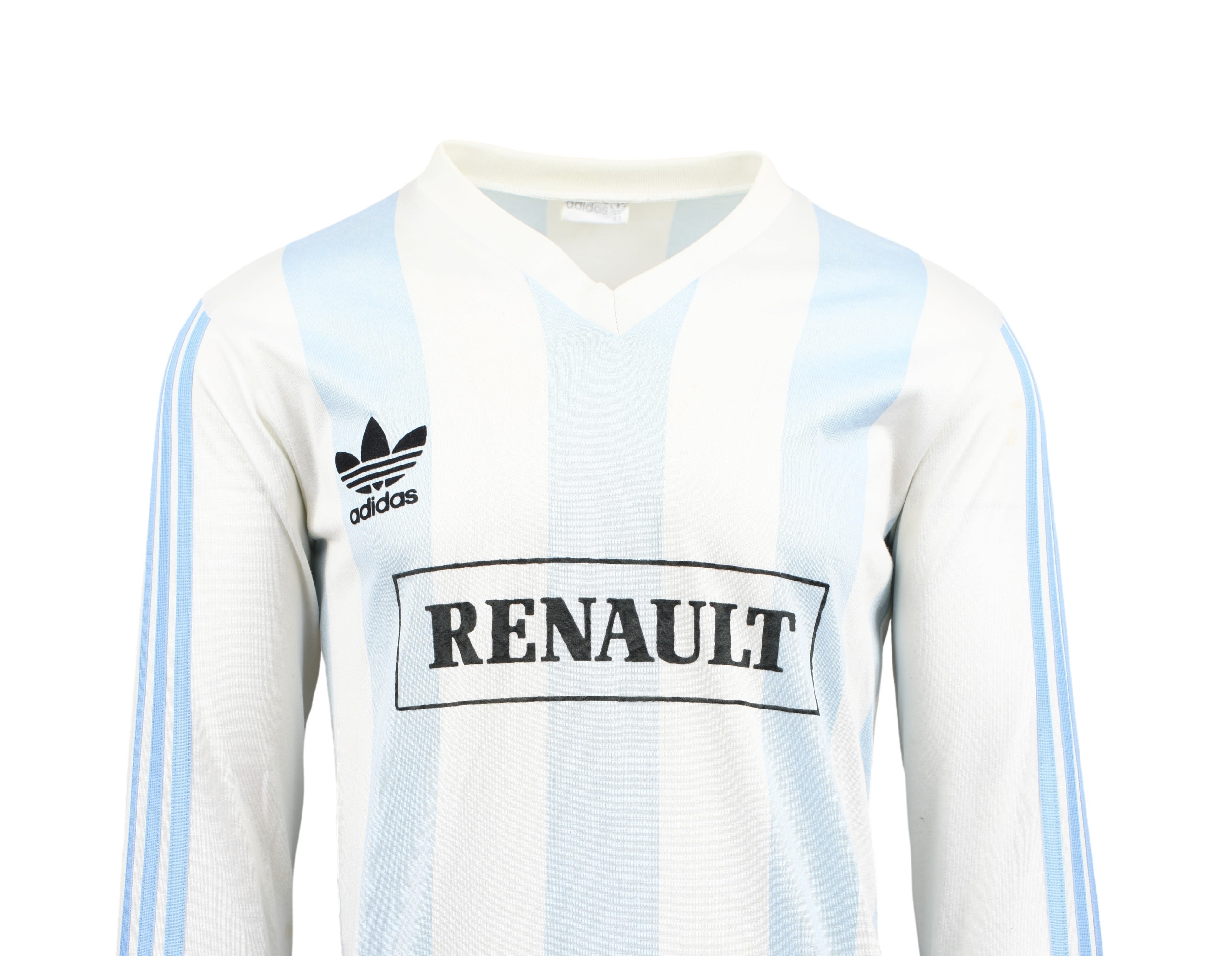
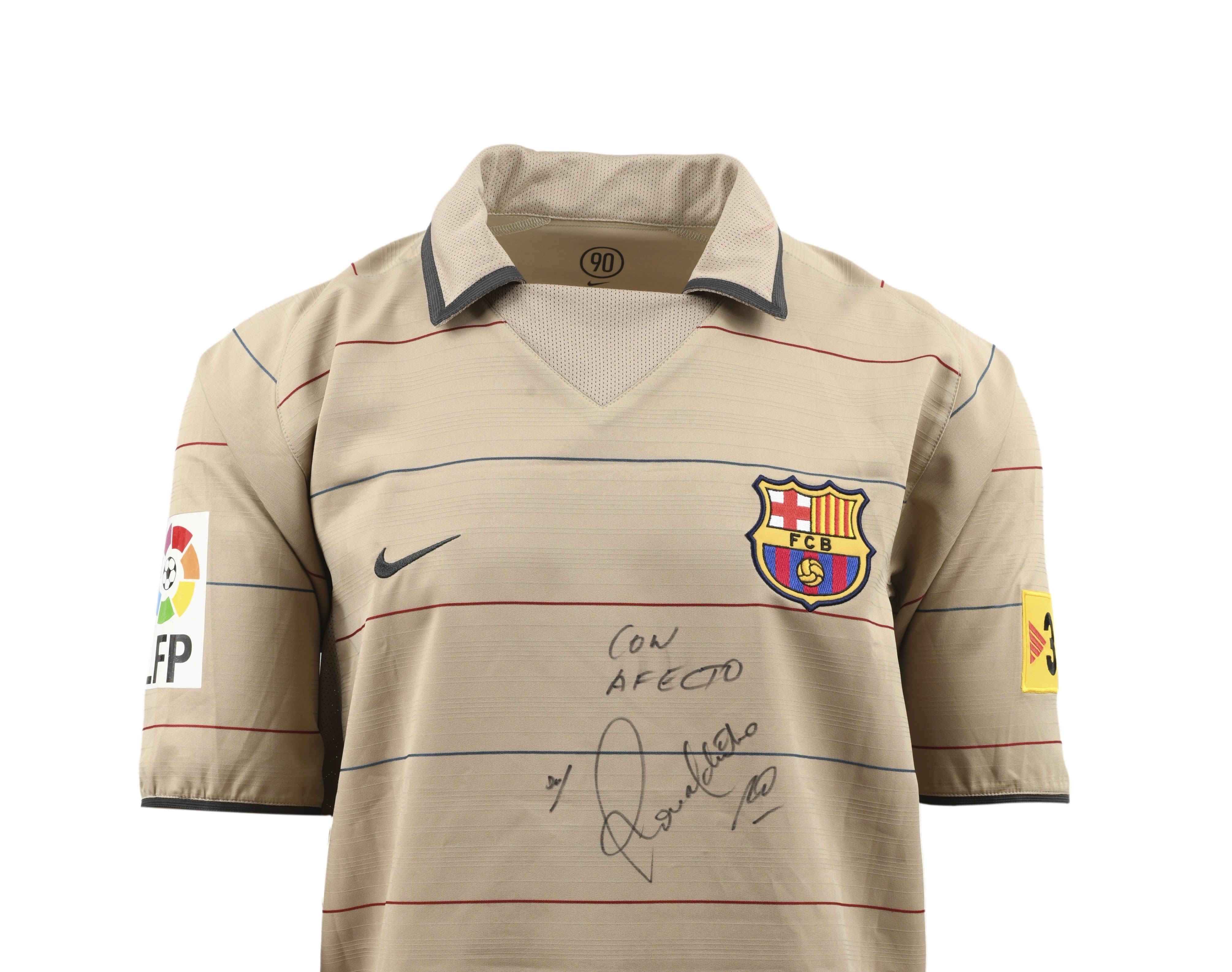
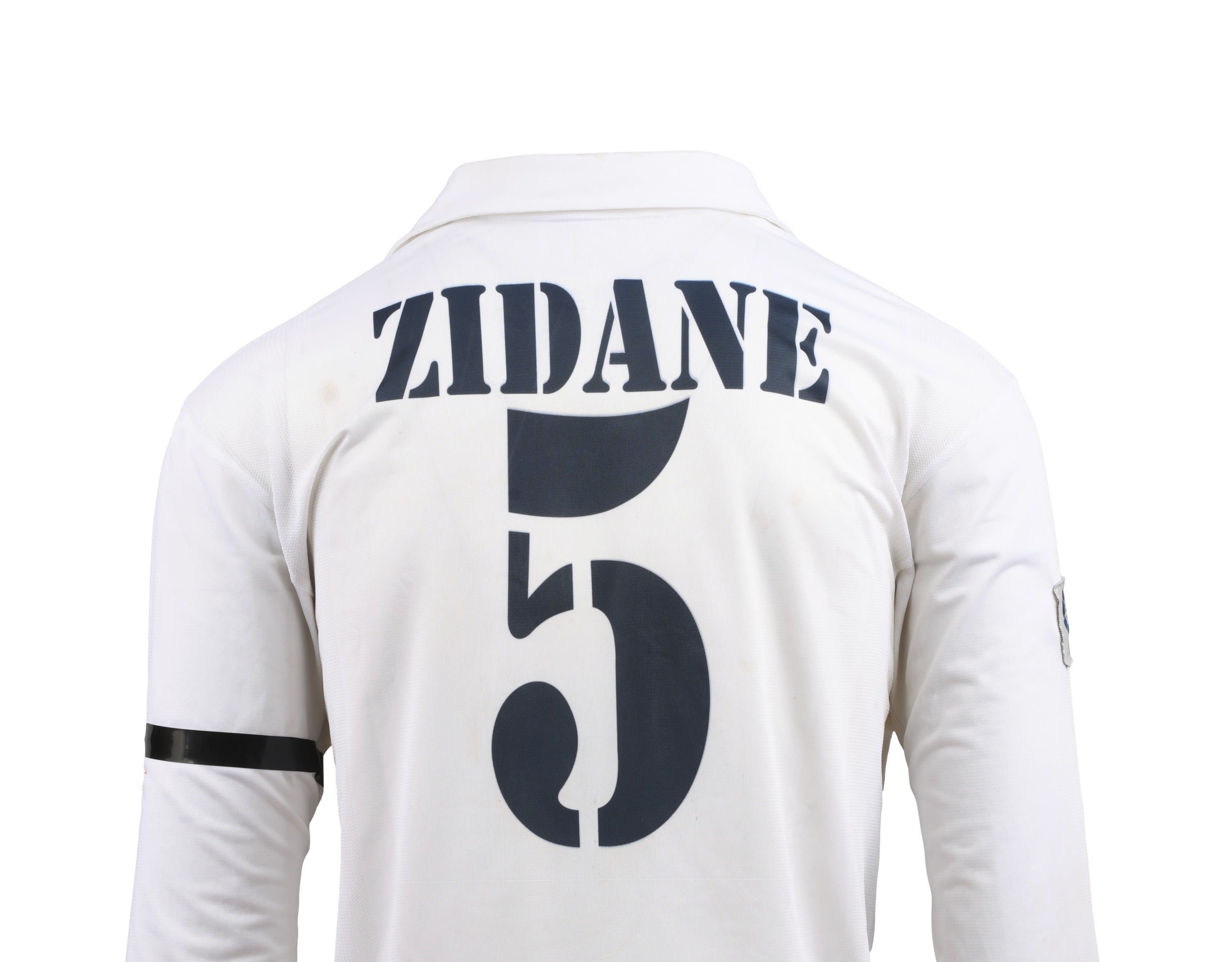
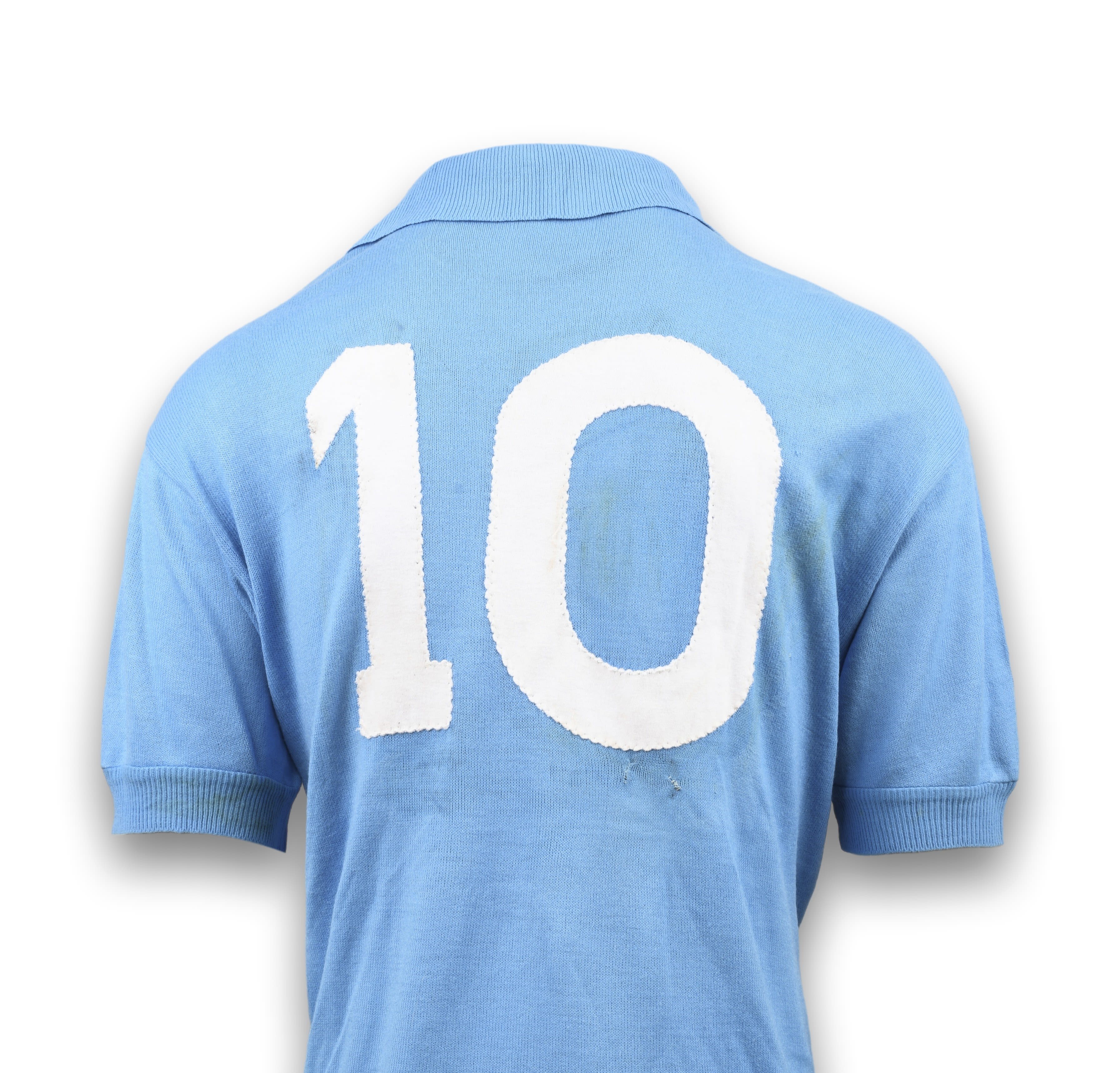
Other notable high-value items include another Babe Ruth game-worn jersey for $5.64 million, and Michael Jordan’s 1998 NBA Finals jersey, which went for $10.1 million. Jean-Marc confirmed “the European record stands at $9.2 million for the jersey worn by Diego Maradona during the 1986 World Cup quarterfinal (the infamous “hand of God” game) against England.” There are two Maradona shirts offered in Sports Memorabilia, one from the Argentine national team and one from his time playing at SSC Napoli.

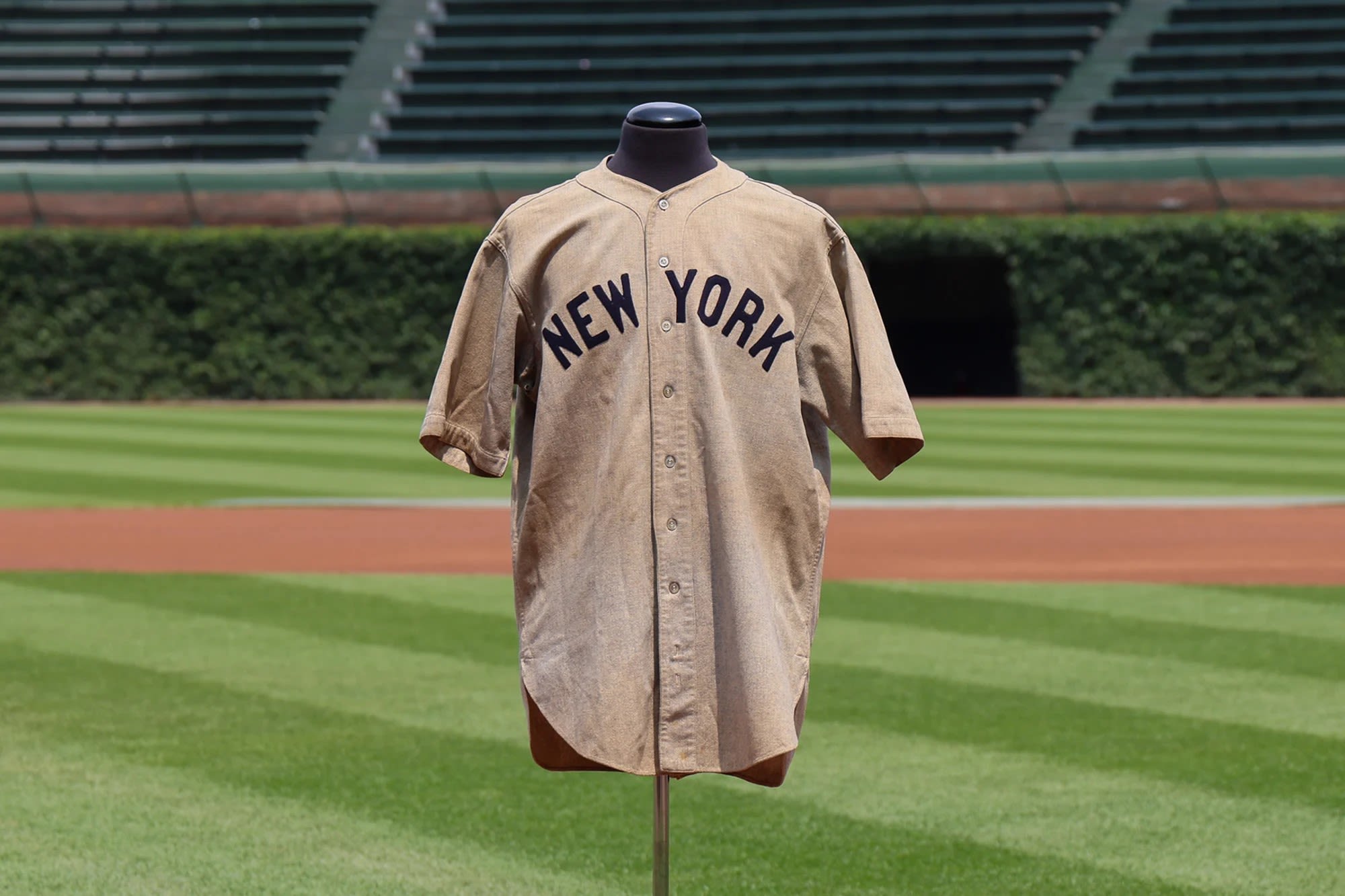
Babe Ruth's 'Called Shot' New York Yankees jersey, which sold for $24.12 million in 2024. The most expensive piece of sports memorabilia ever sold. Getty Images.
Babe Ruth's 'Called Shot' New York Yankees jersey, which sold for $24.12 million in 2024. The most expensive piece of sports memorabilia ever sold. Getty Images.
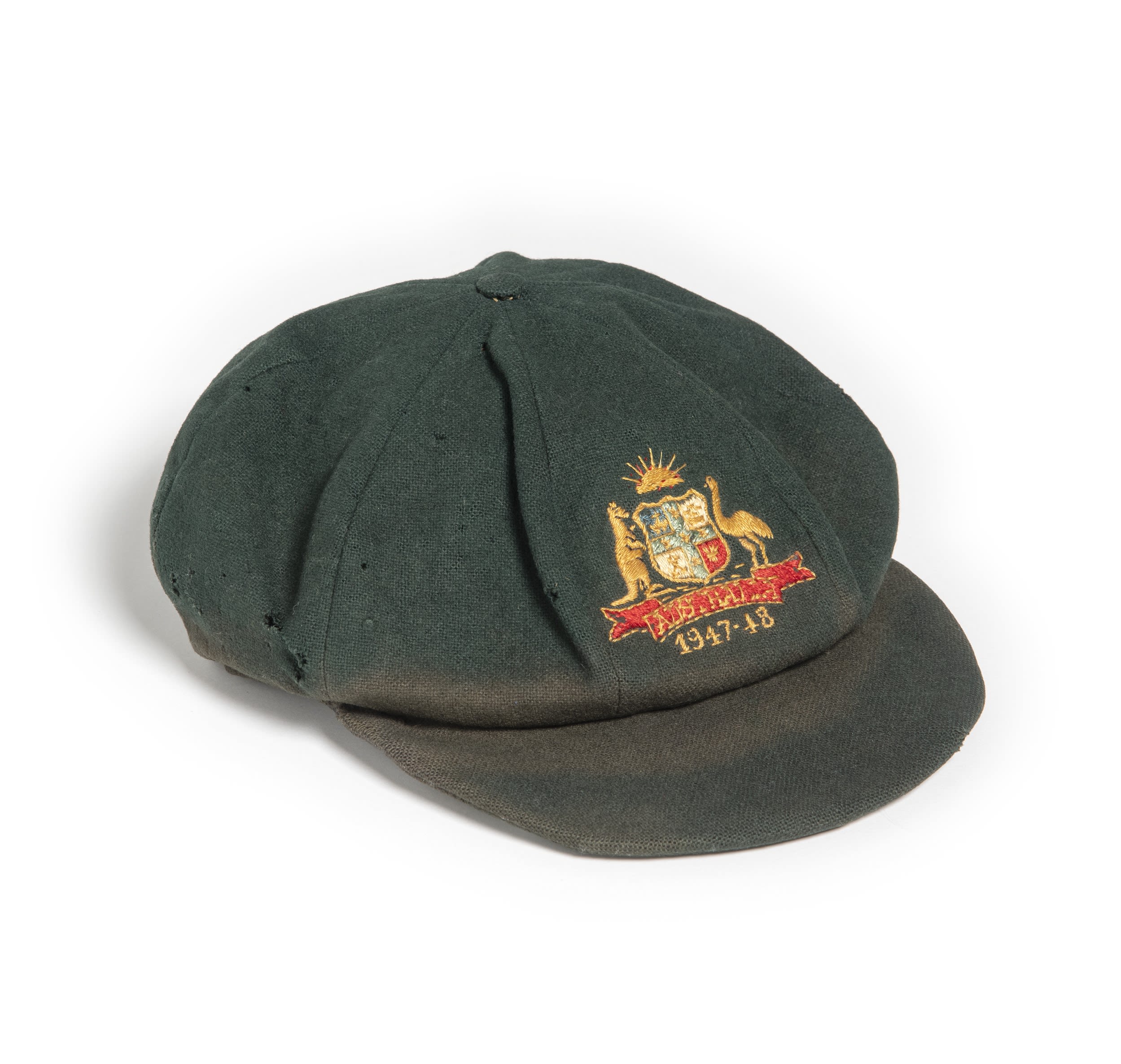
More recently, Donald Bradman's Baggy Green cricket cap sold for AU$479,700 at Bonhams in Sydney. The hammer price demonstrates enthusiasm for pieces owned by revered national figures, whose legacy is preserved in the items they wore on the pitch, and off.
Do you own a hidden gem?
You might unknowingly possess valuable collectibles, boxed away or lurking under the bed. Items like vintage trading cards, autographed photographs or jerseys, tickets from historic games, or limited edition collectibles tucked away in storage could be sought after with active, committed collectors seeking inventory.
For instance, a 1999 Pokémon First Edition 'Charizard' card sold for $420,000, highlighting the potentially significant value of items that might initially seem ordinary. Keepsakes collected as a childhood passion could have increased in value, be nestled amongst your belongings and could convert into an auction star.
"Jerseys hold history, experience, and DNA... fans will always be searching for the rare gem."
—Jean-Marc Leynet
Alternatively, securing game-used equipment — balls, bats, racquets, shoes — will also hold value in the market. The auction includes an official torch of the XXXIII Olympic Games (Paris 2024) designed by Mathieu Lehanneur, and with only 1,500 units made, has an estimate of €20,000-€25,000.
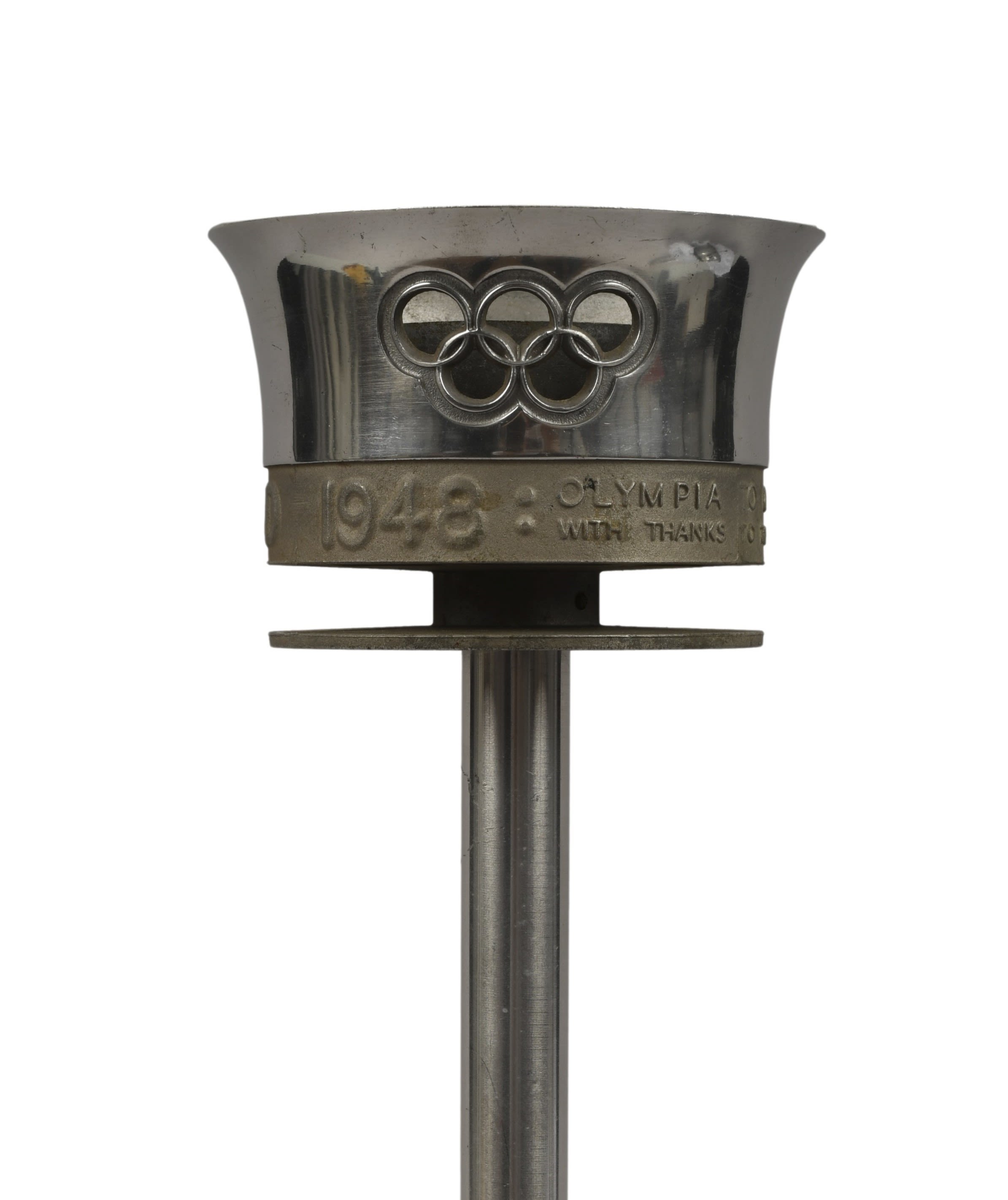
Alongside the Paris torch, the 1948 Olympic torch from the London games is offered in the auction, with a pre-sale estimate of €4,000-€6,000.




Trading cards vs. shirts: where should you invest?
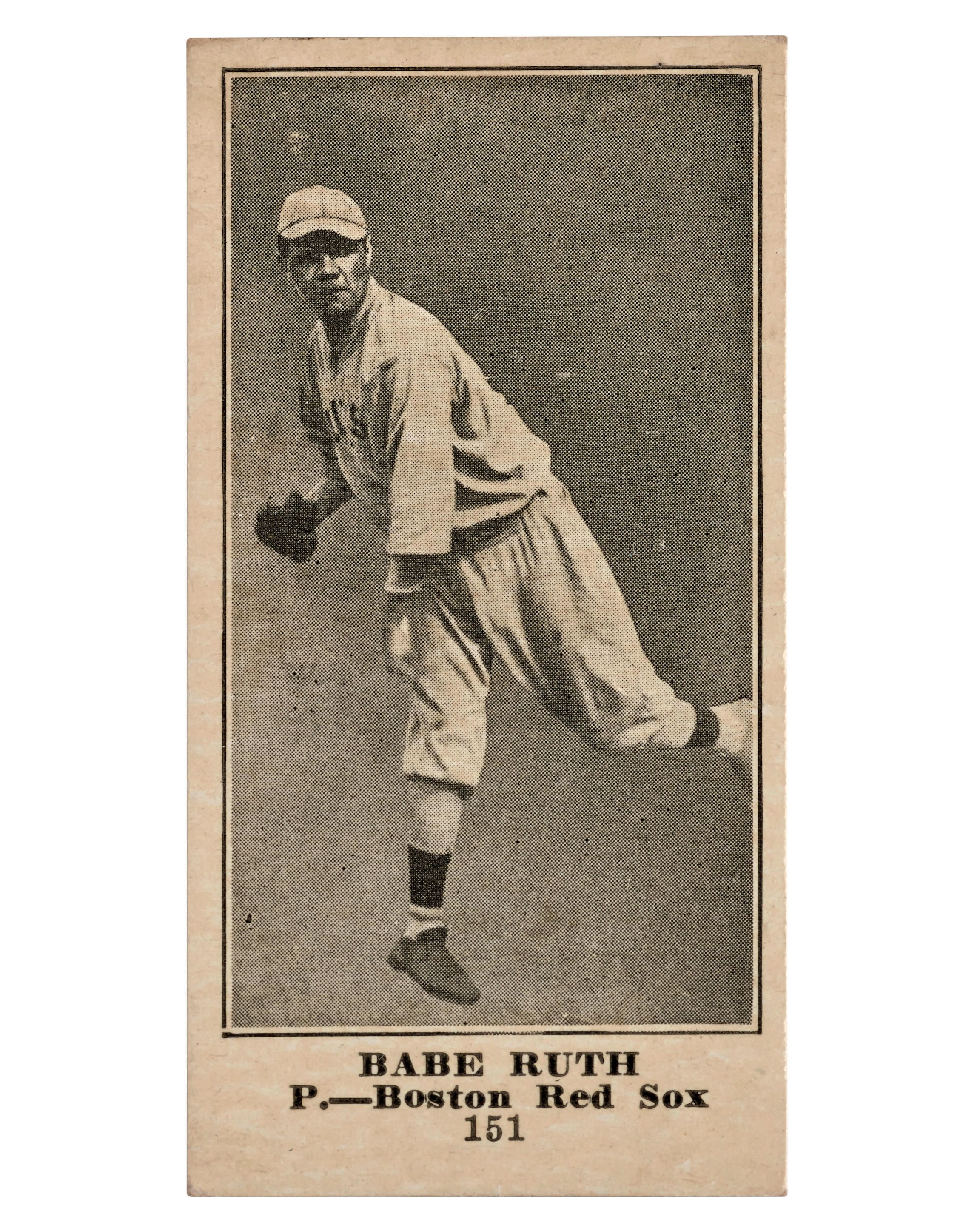
Trading cards and sports shirts and jerseys each have their merits. Trading cards offer high liquidity and are easy to store, but have a vast market demand. However, they require careful and official grading and authentication to maximise their value.
Jean-Marc suggests that “lockdown revived the market with new manufacturers who helped renew interest in it. Many auction houses have opened specific departments and created demand for exclusive products, offering limited series and grading systems based on card quality.”
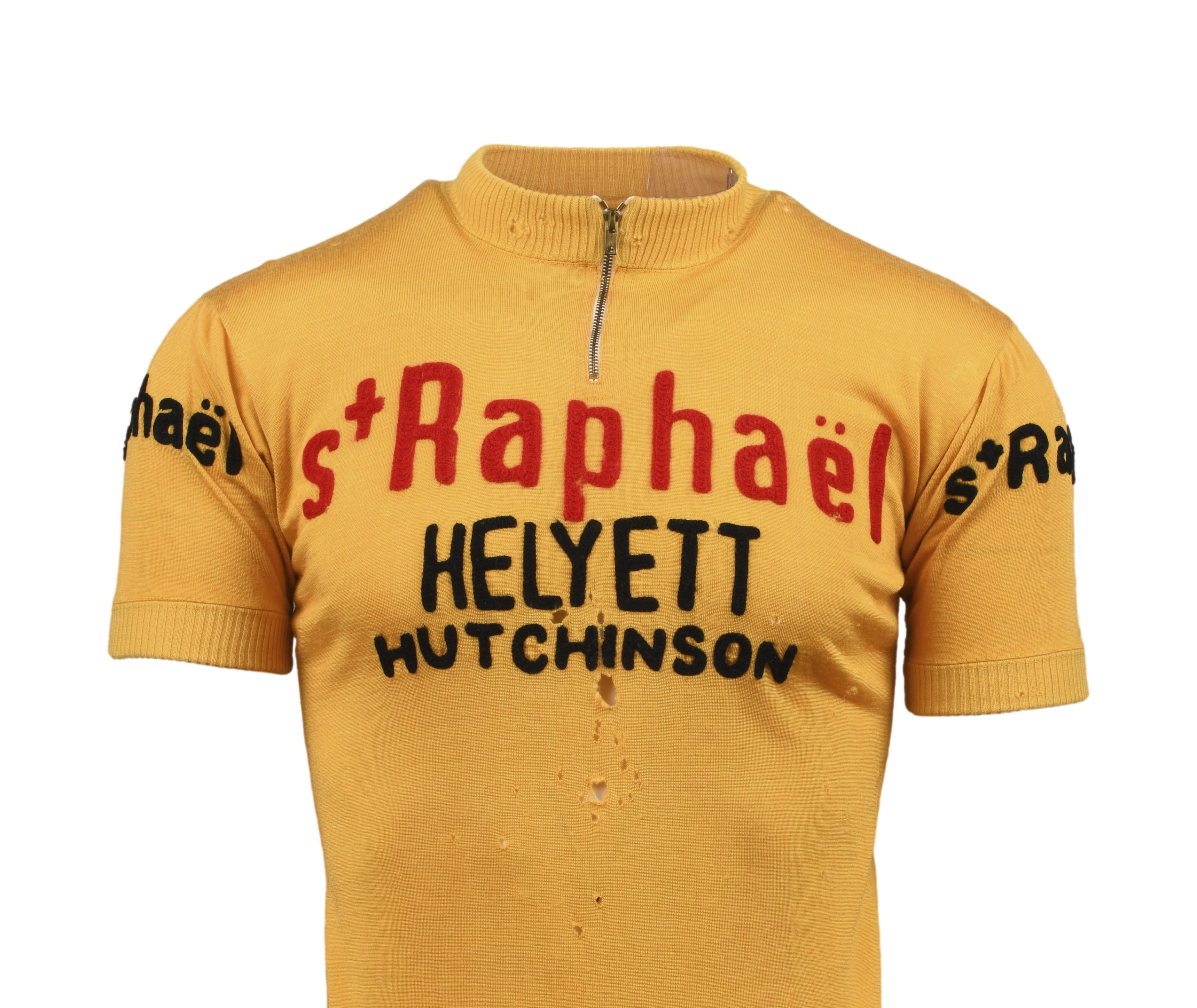
Shirts and jerseys, on the other hand, are tangible and visually impressive. They’re often tied to famous moments in sporting history — star debuts or final games. And while they require more storage space and preservation effort, this connection makes them highly desirable for fans and collectors.
“Jerseys hold history, experience, and DNA. This collection will persist over time as fans will always be present, continuously searching for the rare gem, even if that gem isn’t the greatest player on earth” Jean-Marc added.
"lockdown revived the market for trading cards new manufacturers –helped renew interest..."

Stay updated with our auctions
Sign up to receive your weekly newsletter of global auctions, stories and more from the Bonhams network. Subscribe here.
 Built with Shorthand