
From Apple-1 to the Astrolabe: Five Moments of Groundbreaking Technology at Bonhams

From the earliest tools of celestial navigation to the machines that shaped modern computing, the story of human progress is etched into the instruments we create. At Bonhams, some of the world’s greatest scientific and technological treasures have gone under the hammer: an important 15th-century astrolabe, one of the earliest Apple computers that heralded the personal technology revolution; and a rare Leica camera that changed the way we document the world. As an important German Enigma M4 machine, whose ciphers challenged Allied codebreakers during the Second World War is offered for sale, we look back over objects that reflect giant leaps in knowledge, design and human endeavour.
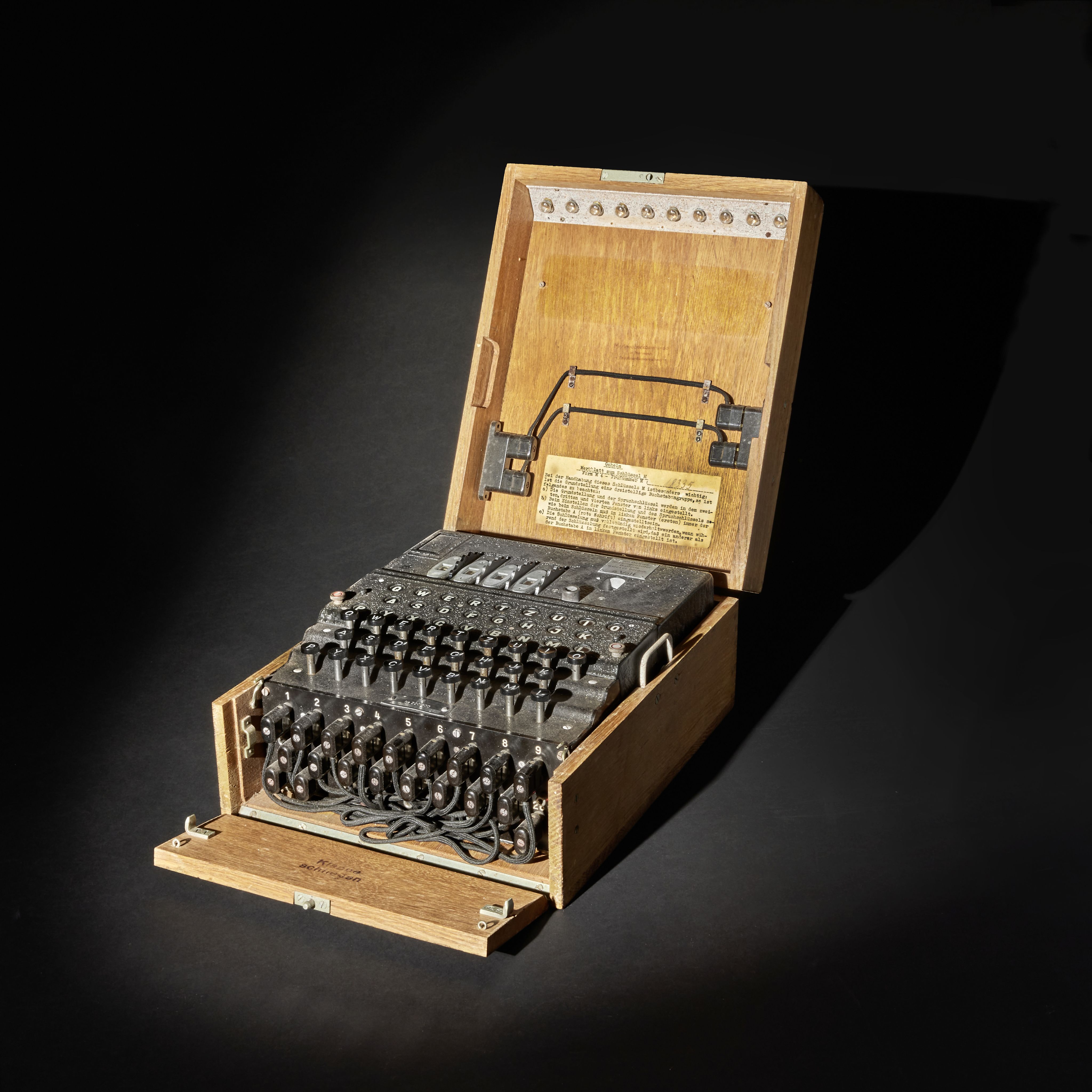
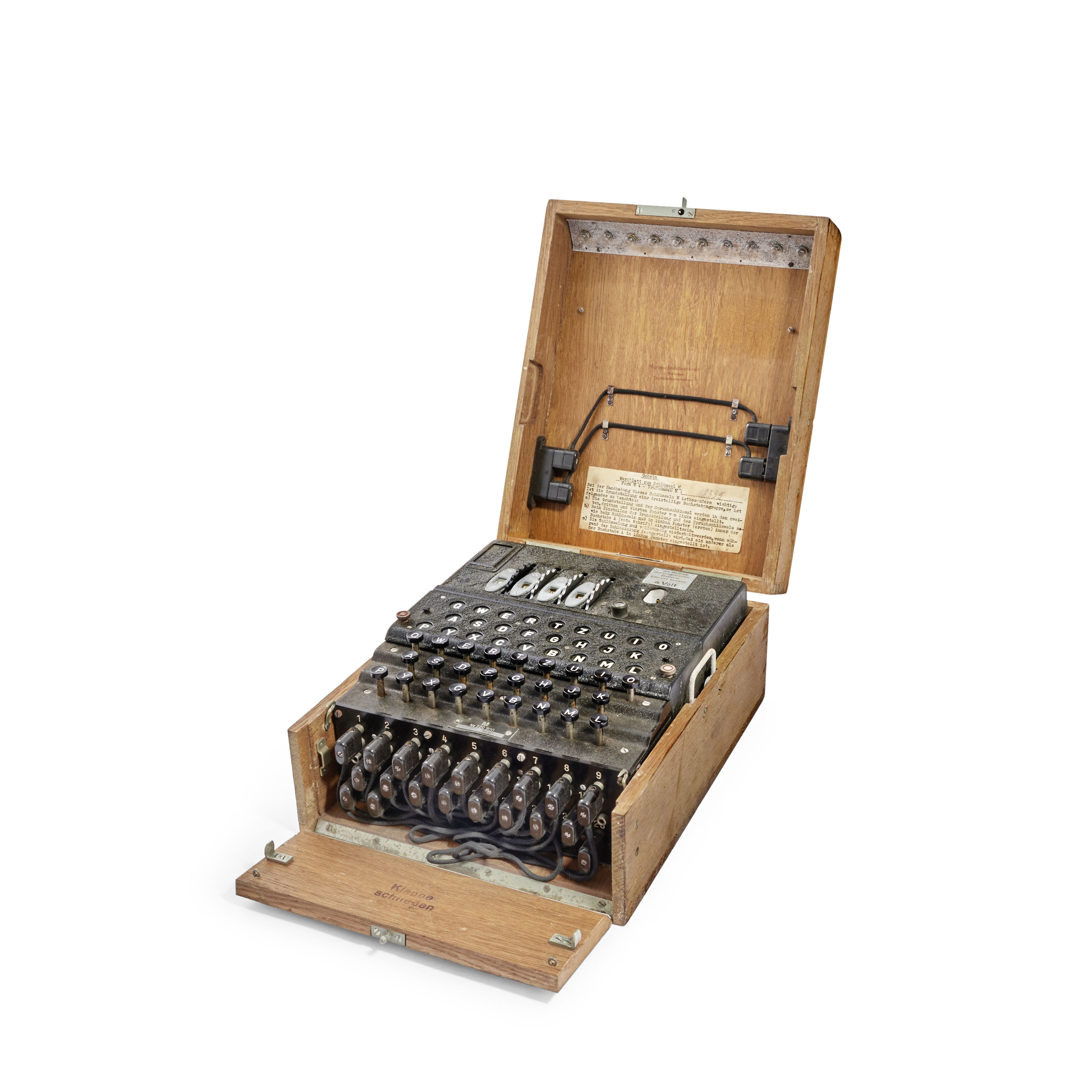
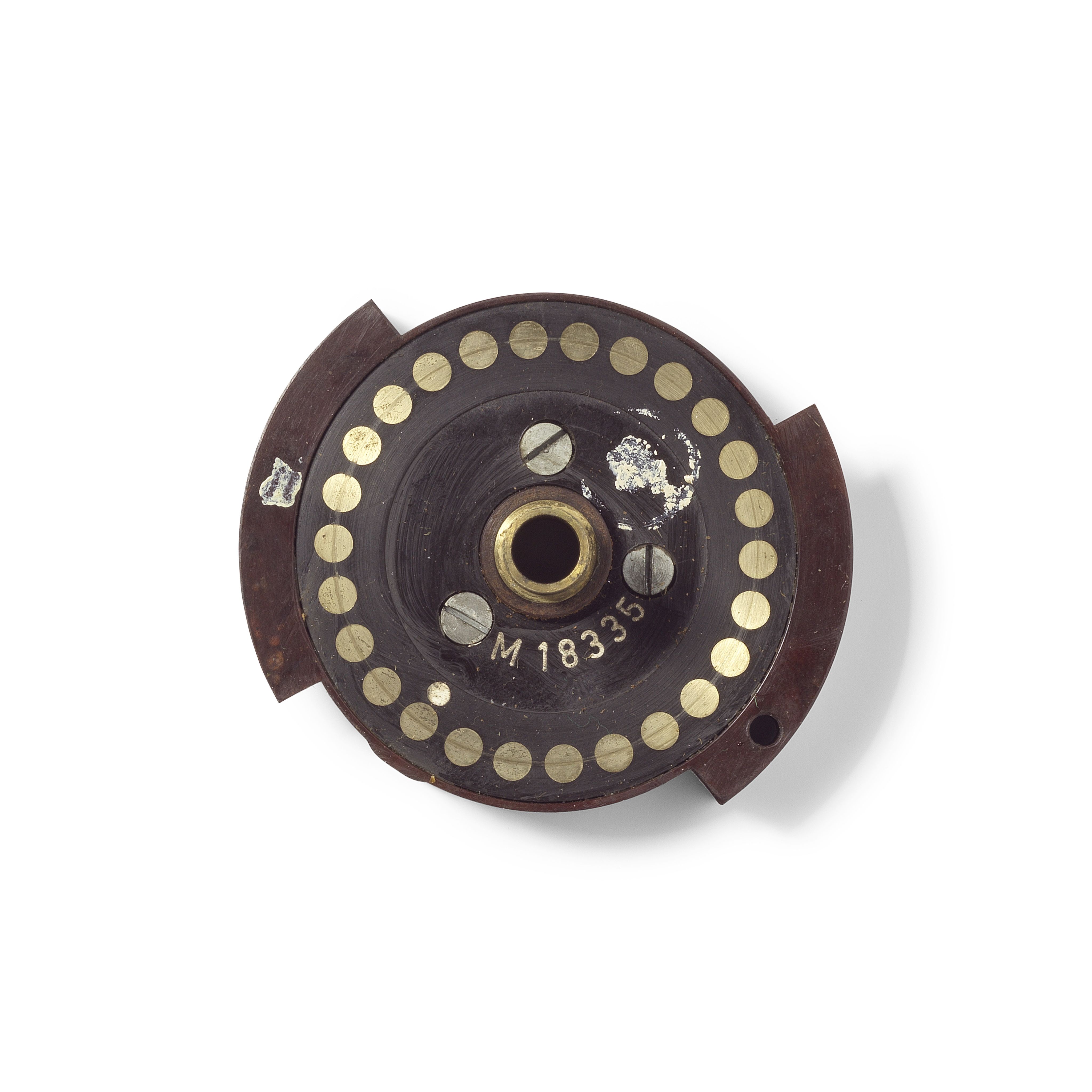
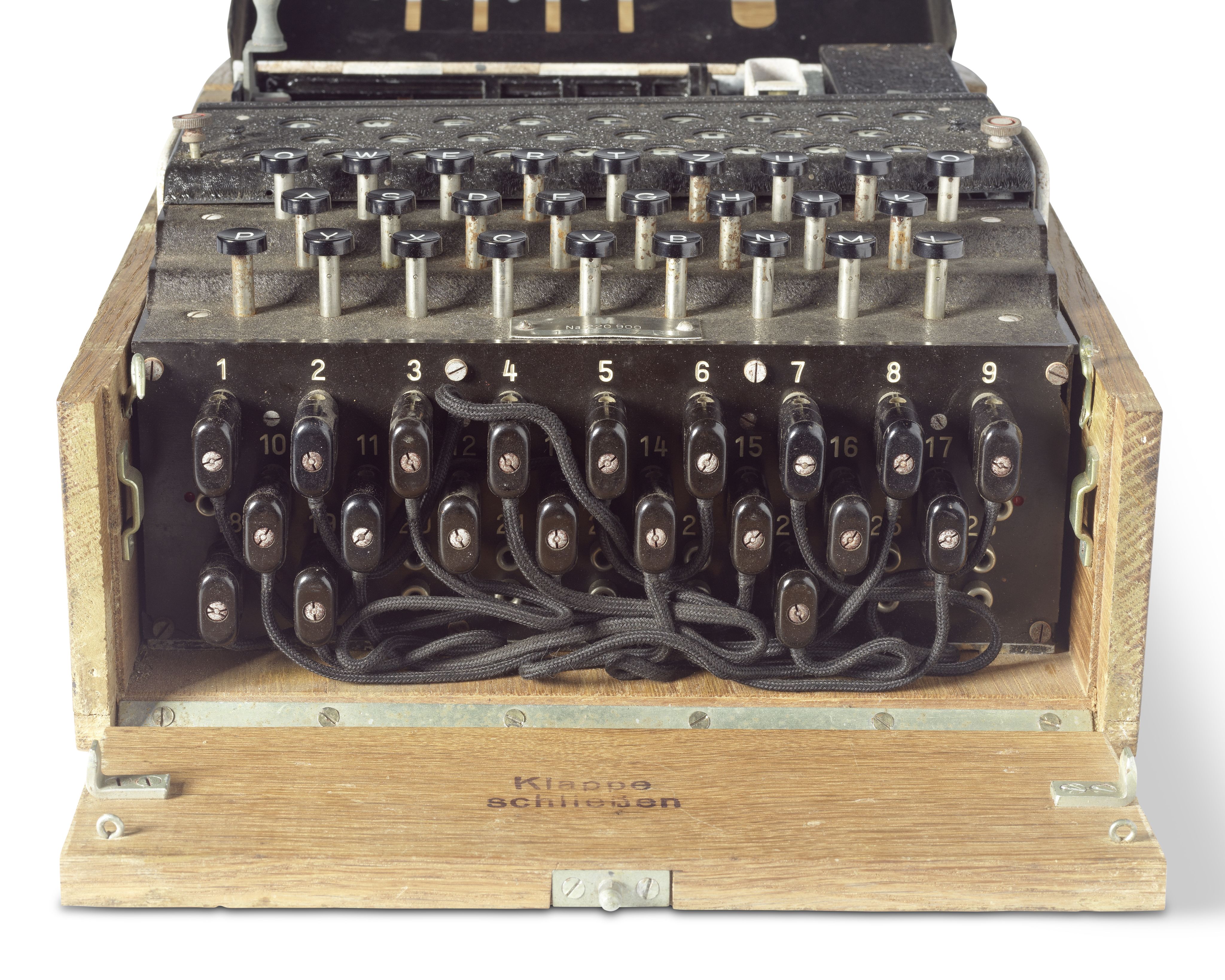
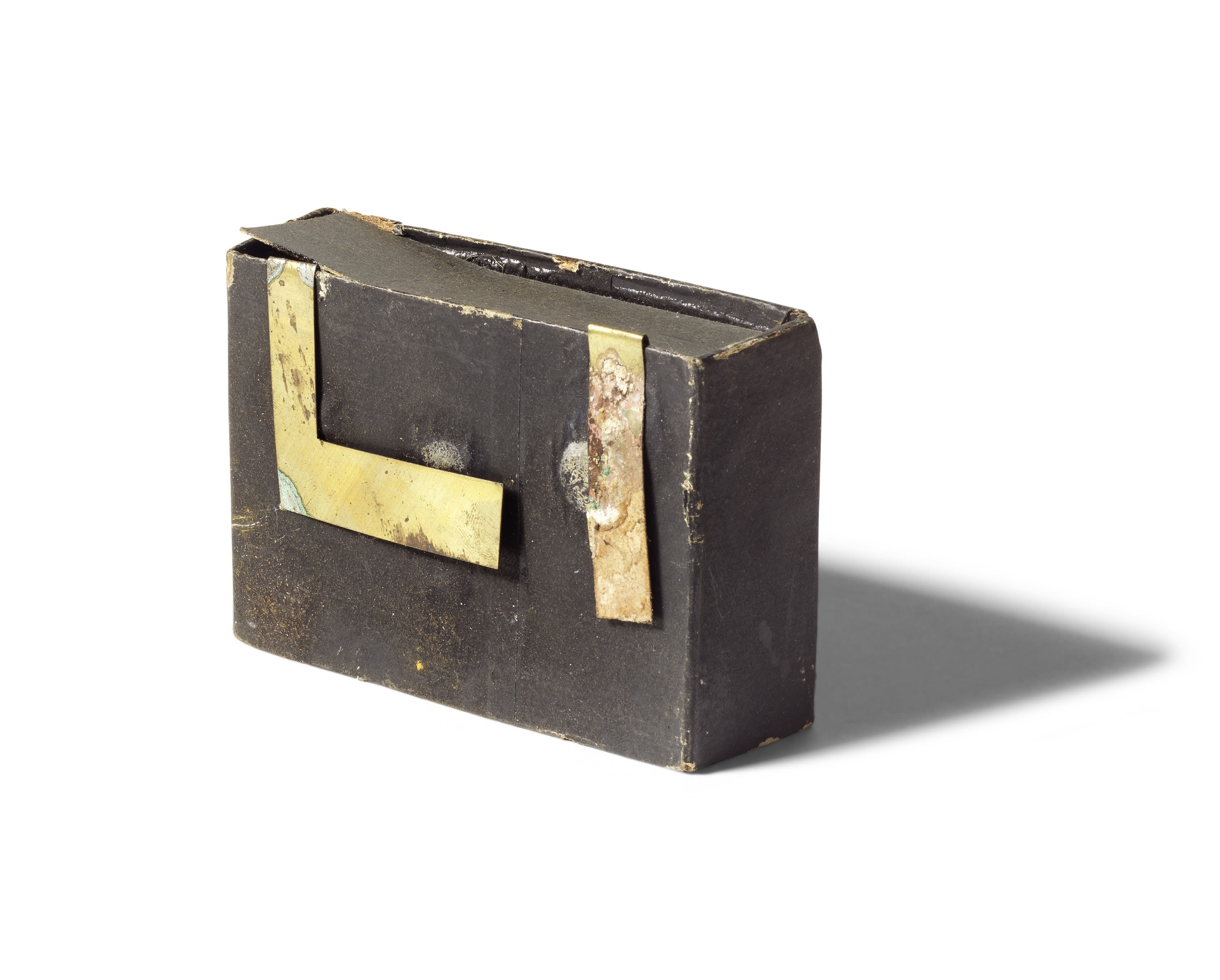
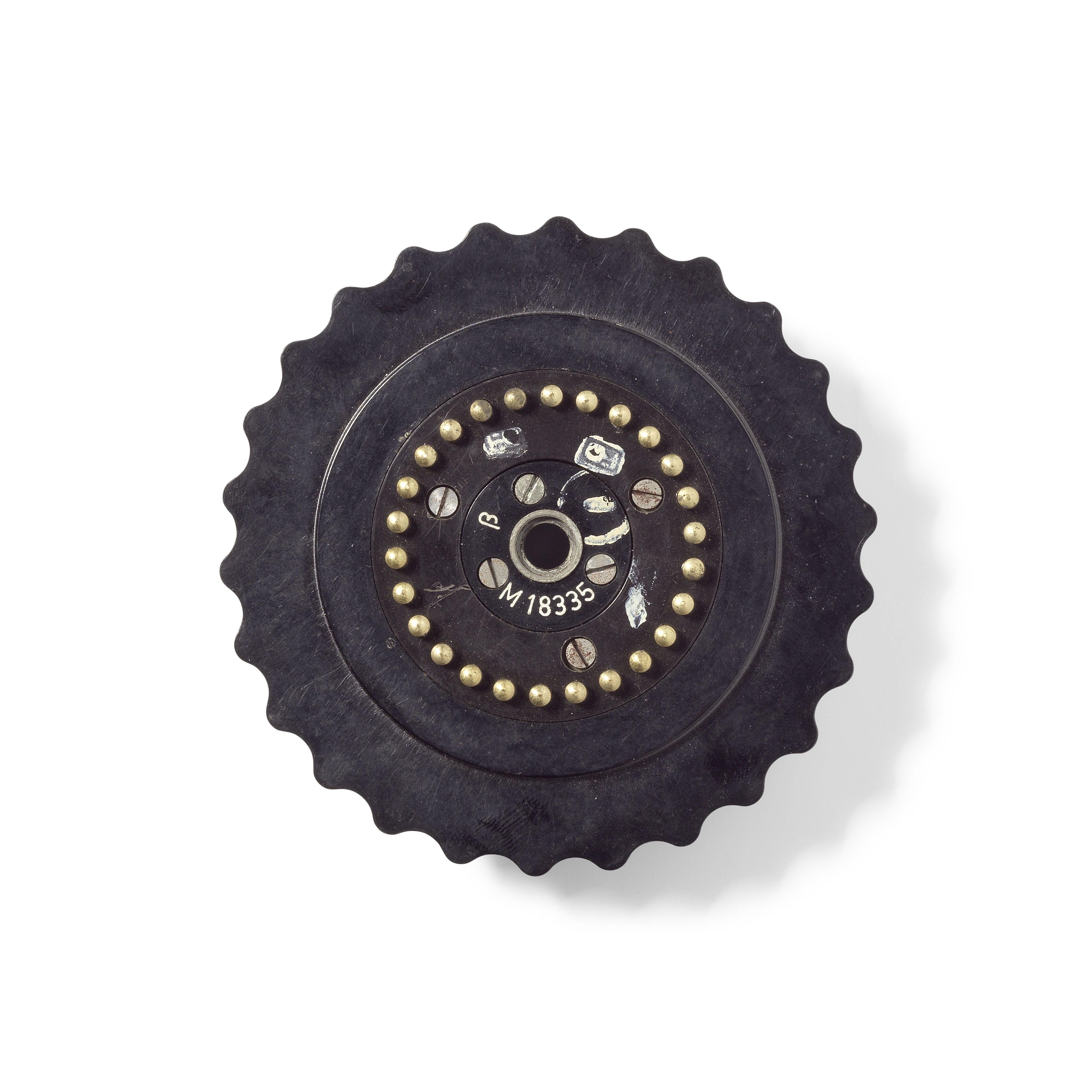
M4 Enigma Cipher Machine, 1944
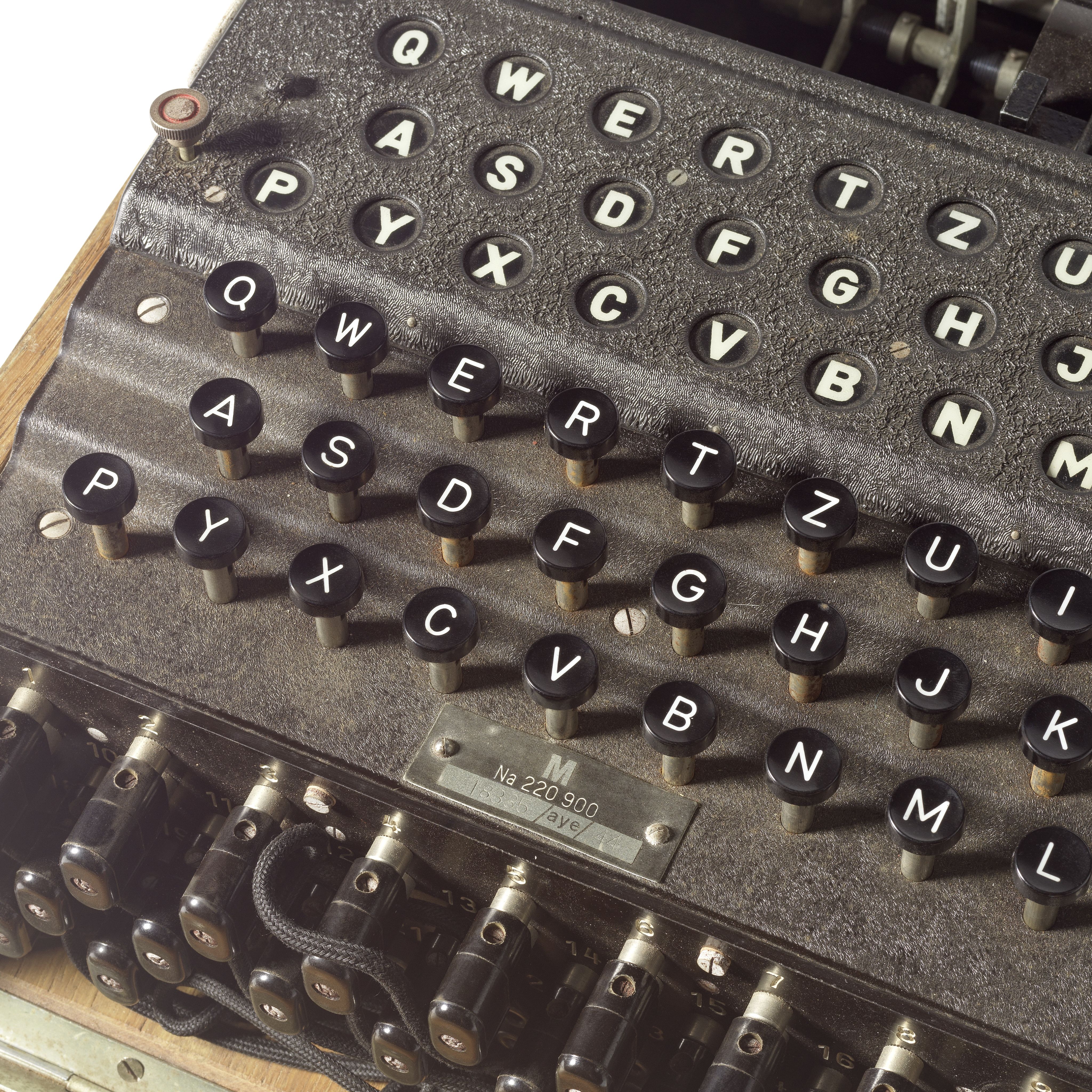
Admiral Dönitz of the Kriegsmarine, concerned about the security of three rotor Enigma that the been broken by the team at Bletchley Park, ordered the development of the M4 in 1941. The M4 differs from other models in that it has a fourth, additional but non-rotating and non-interchangeable rotor that increased the complexity of the enciphering process. It was the fourth naval model and was particularly intended for use by the U-boat division. Production of this model began in late 1941 and it was introduced early into 1942.
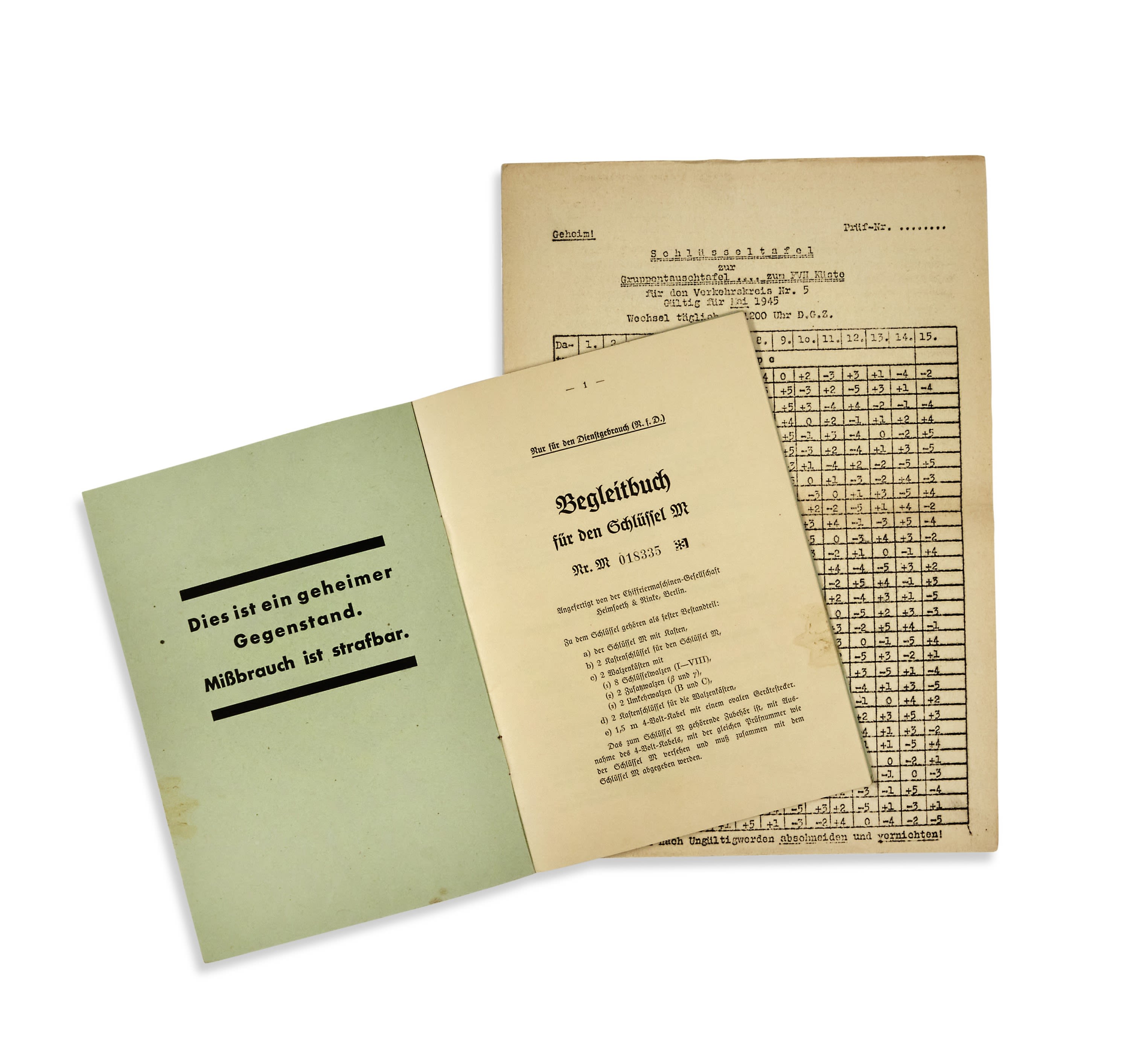
With the increased complexity introduced by this model, the M4 came as a shock to Allied codebreakers and went unbroken for nine months, until the capture of important key sheets aboard the U-559 by British sailors in October 1942. Traffic enciphered by the M4 was codenamed SHARK by Allied codebreakers and this eventual breach of this communications channel played an important role in the Battle of the Atlantic.
The German High Command ordered that Enigma machines be destroyed in the event that capture by Allied forces was imminent, so few survive today.








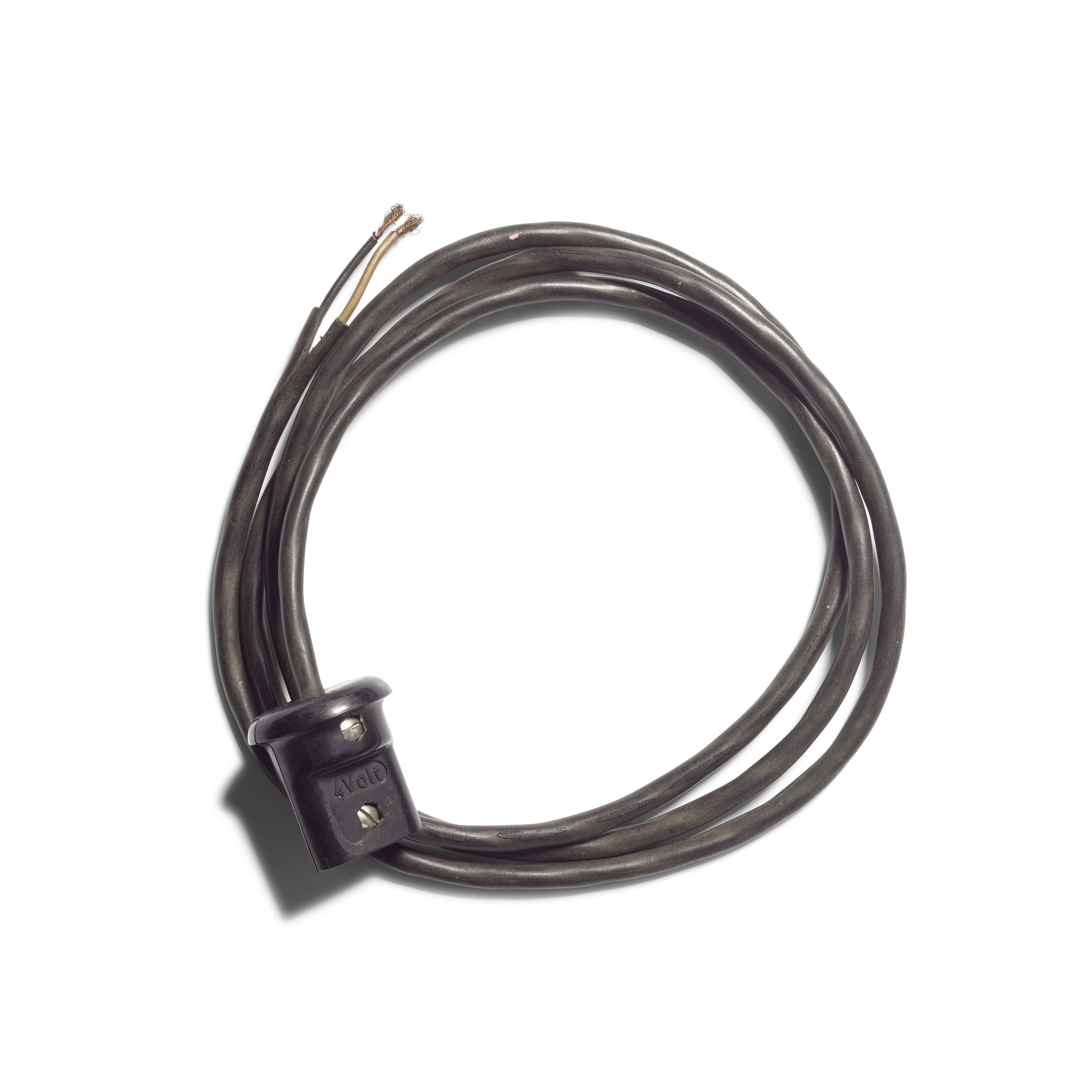


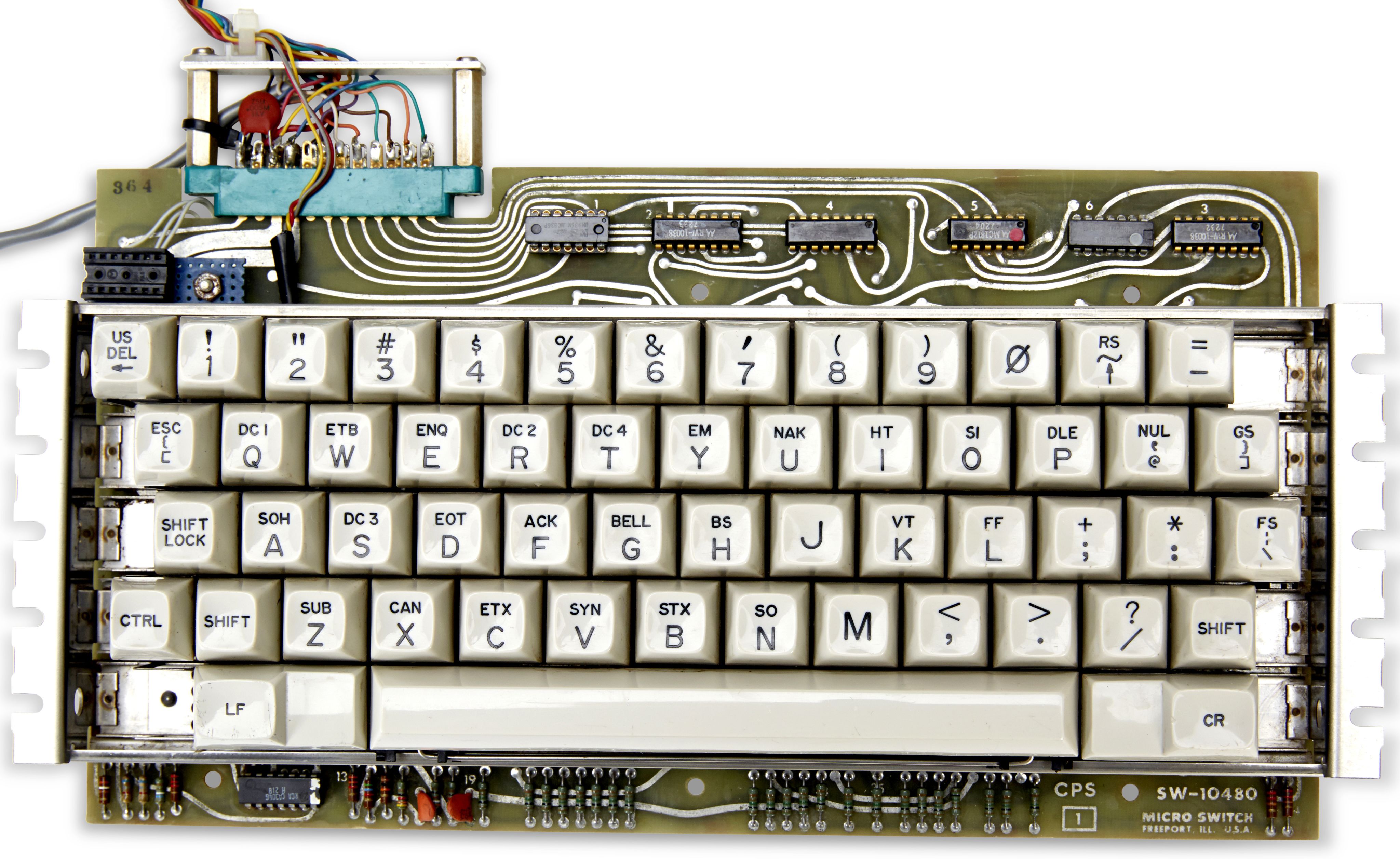
The Apple-1 Computer, 1976
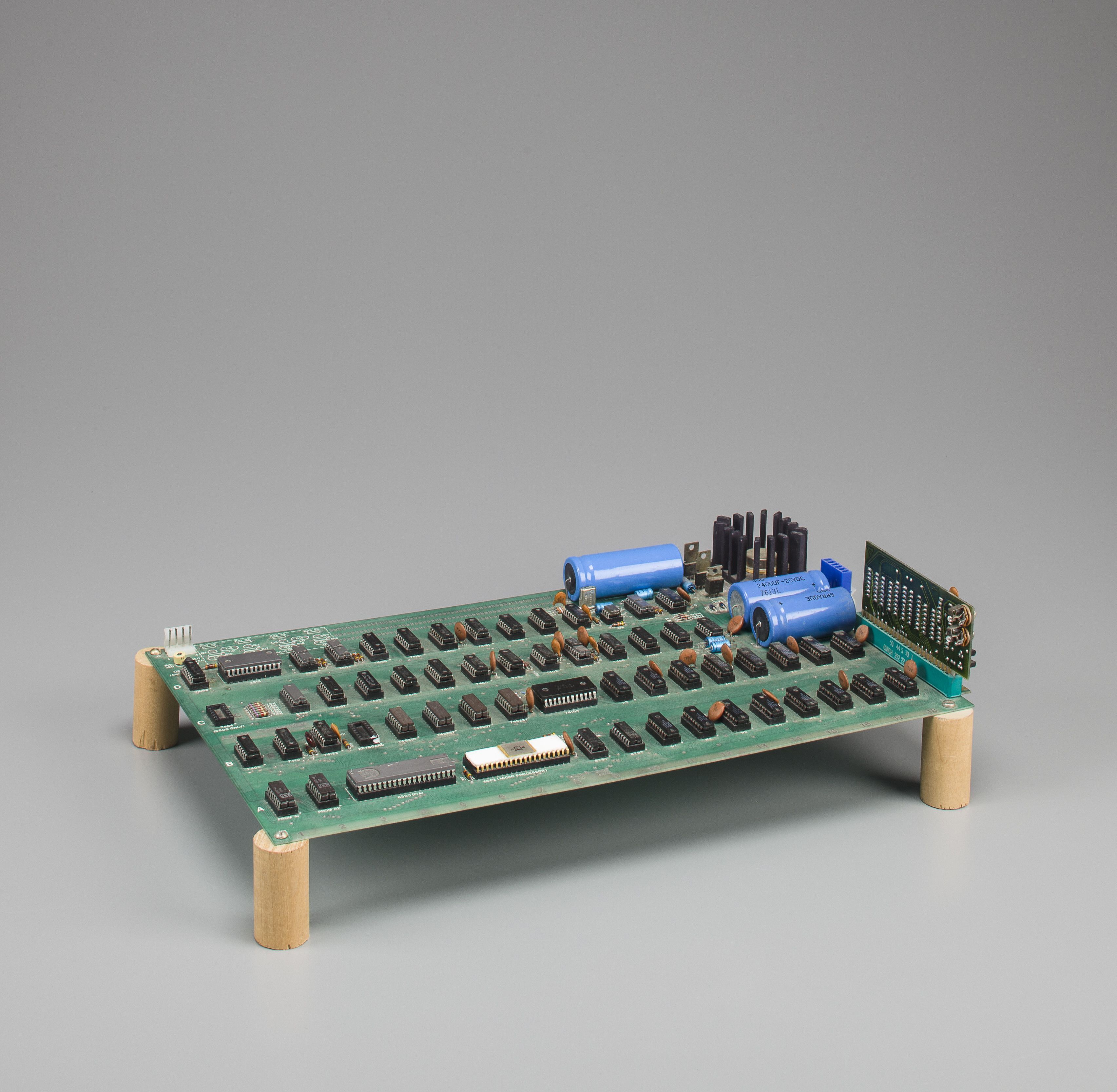
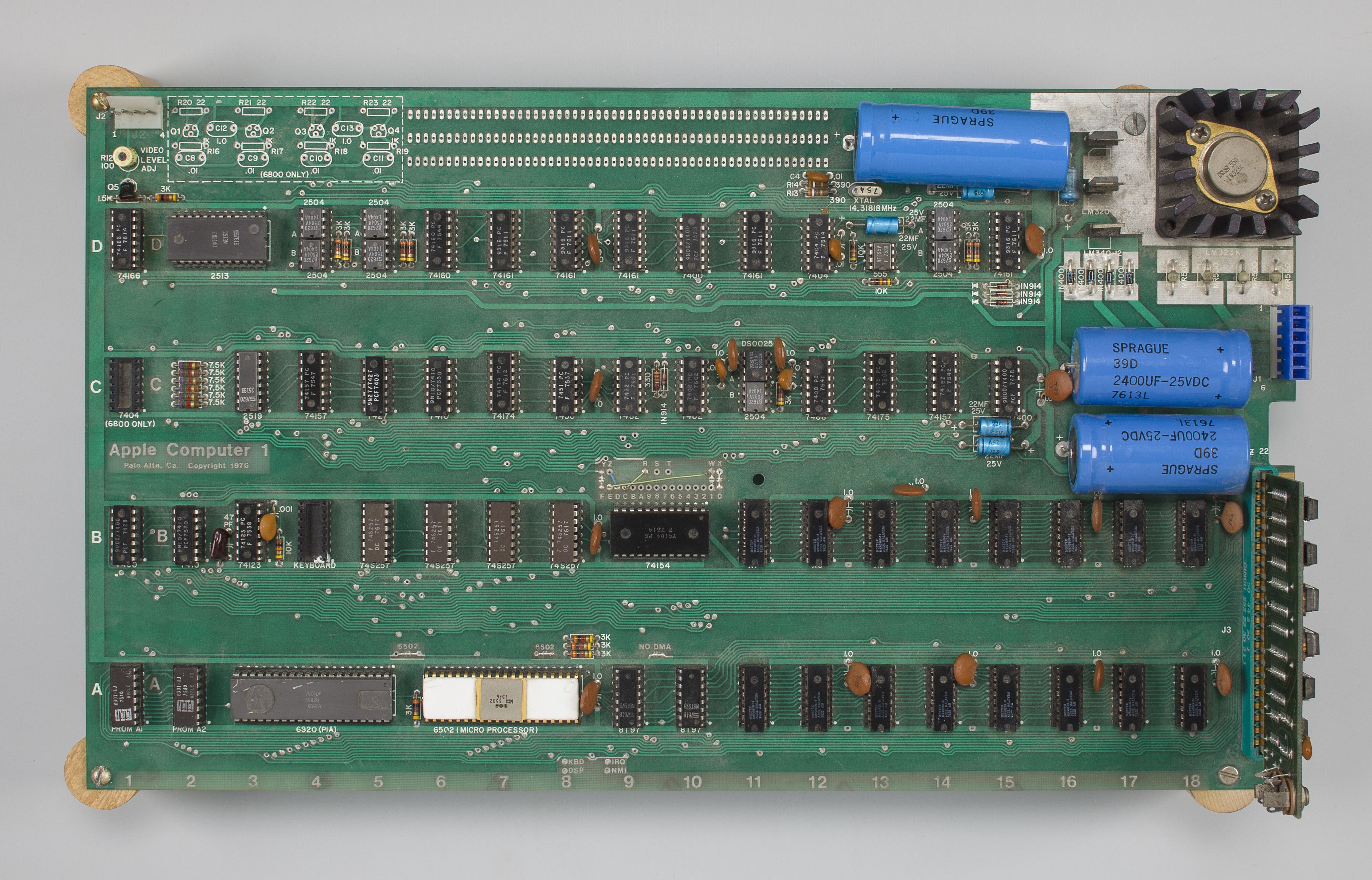
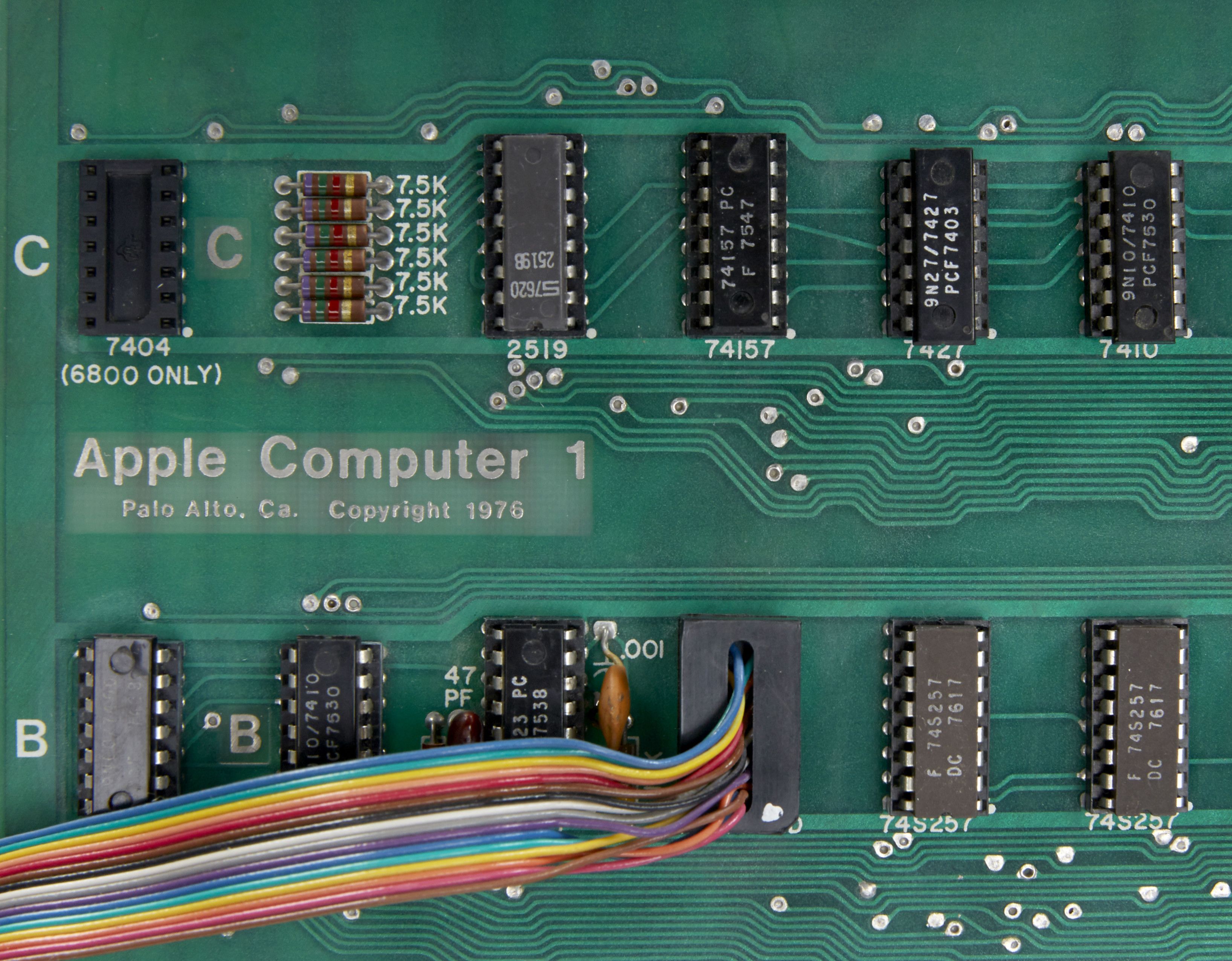
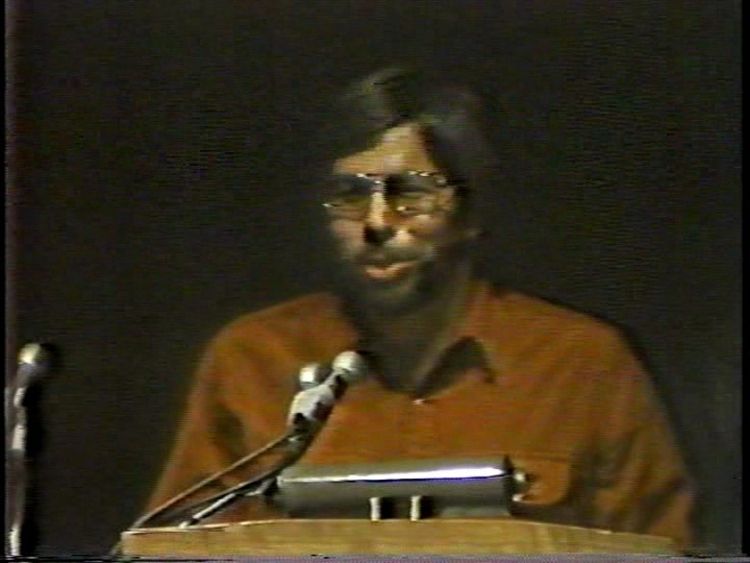
The Apple-1 computer was the first pre-assembled personal computer to come to market, heralding the dawn of the personal computer revolution. The story of its production and sale has become one of the most potent legends in 20th century history. Steve Wozniak had demonstrated his breakthrough design at the Homebrew Computer Club in Palo Alto and, with his high-school friend Steve Jobs, obtained an order from Byte Shop owner, Paul Terrell, for 50 assembled boards to be delivered in 30 days. The Apple-1 was built by Wozniak in the Jobs' family garage.
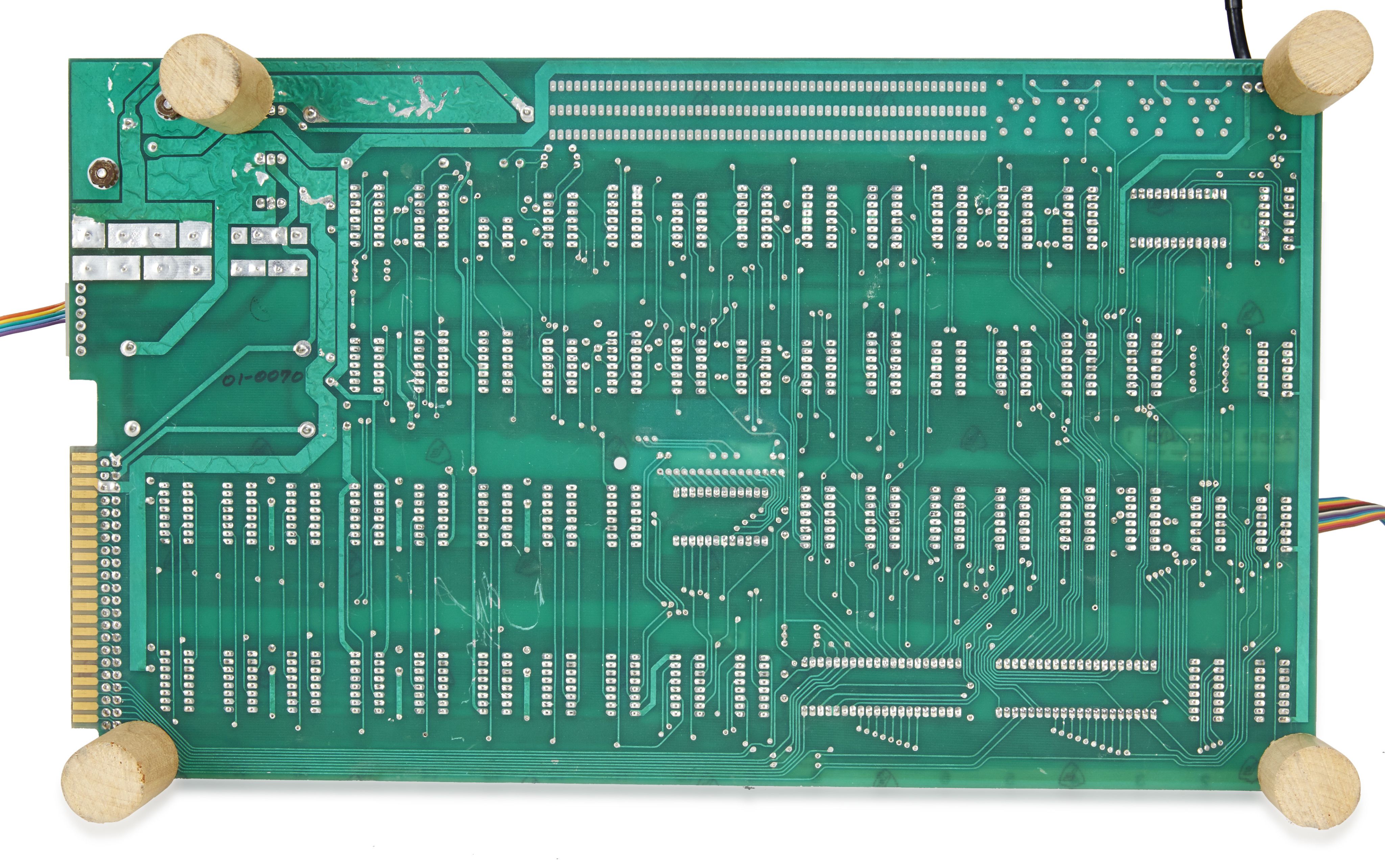
Approximately 200 units were eventually made, but this is thought to be one of the first batch of 50 with the PCB manufacturer unidentified on the front copper layer of the board. Only 63 surviving authentic Apple-1s are listed in Mike Willegas's Apple 1 Registry as of January, 2014. Of those 63, only 15 are documented as having been successfully operated since 2000 and in this context, the state of preservation of this example is truly remarkable.








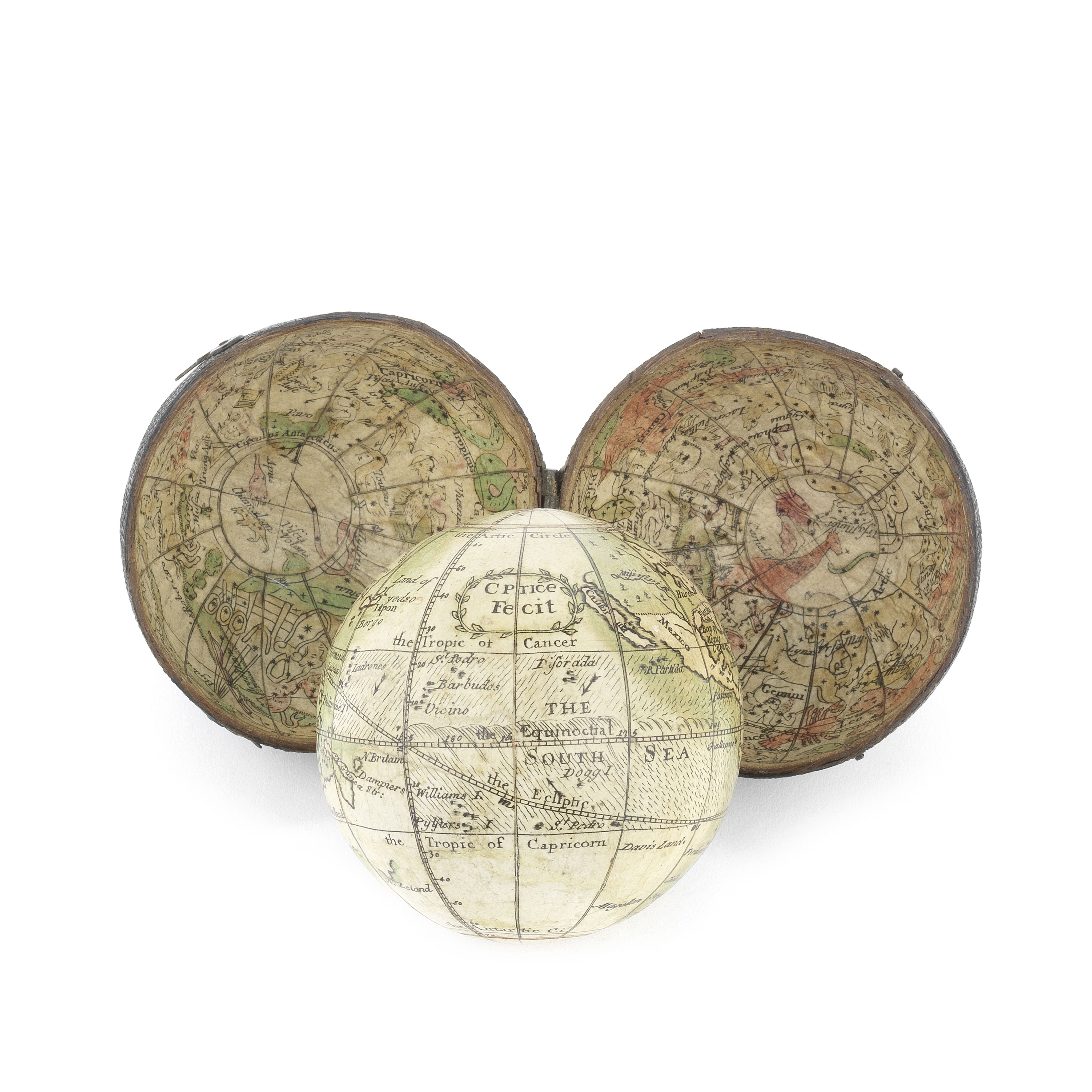
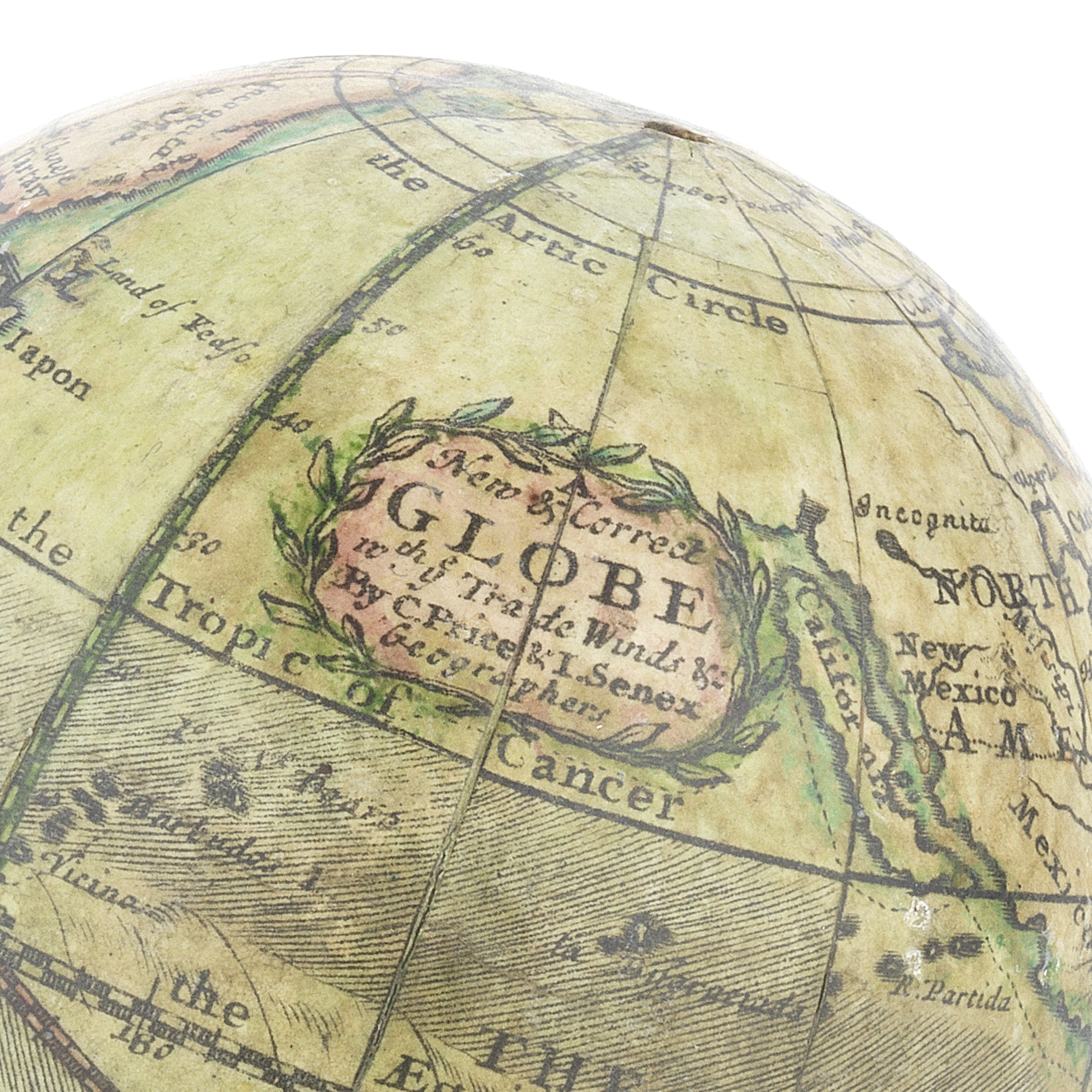
Joseph Moxon Pocket Globe, 1675
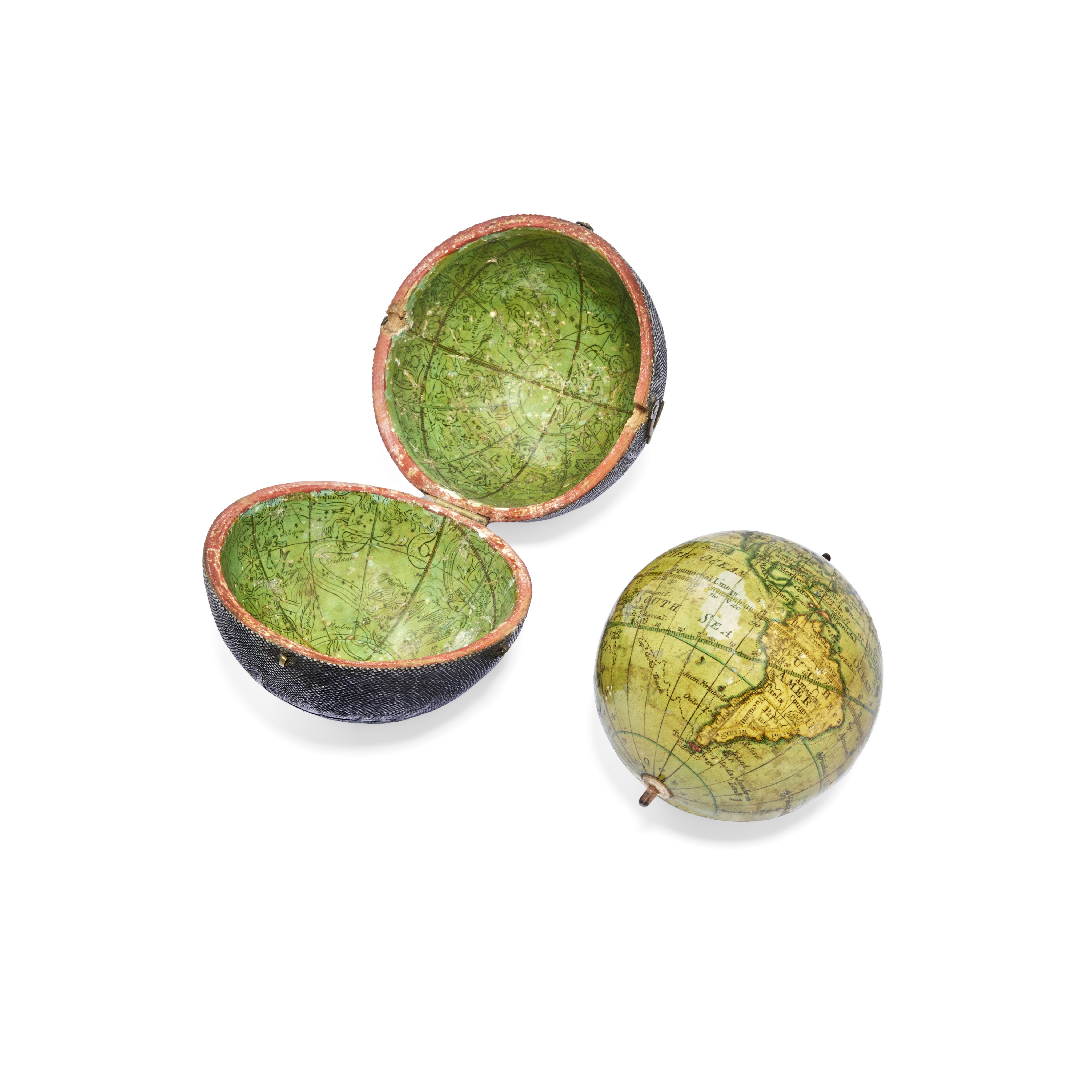
Joseph Moxon (1627-1691) was the second person to make printed globes in England and it is suggested that he was the first to produce and sell small "pocket" globes. Moxon learnt the printing trade in the Netherlands and, followed in his father's footsteps, after his return to England in the 1650's, when he started to produce scientific papers, maps and a variety of globes ranging in sizes up to 26 inches in diameter.
"pocket globes proved popular as a convenient, portable way to discuss latest discoveries with colleagues in the emerging coffee houses in the City..."
The pocket globes proved to be very popular as a convenient and portable way to discuss latest discoveries with colleagues in the emerging coffee houses in the City. They were priced at 15 shillings, a sum much less expensive than the larger table and library globes. Samuel Pepys (1633-1703) bought a pair of the larger Moxon globes for himself, and also acquired another pair for the Admiralty during his time as Chief Secretary.

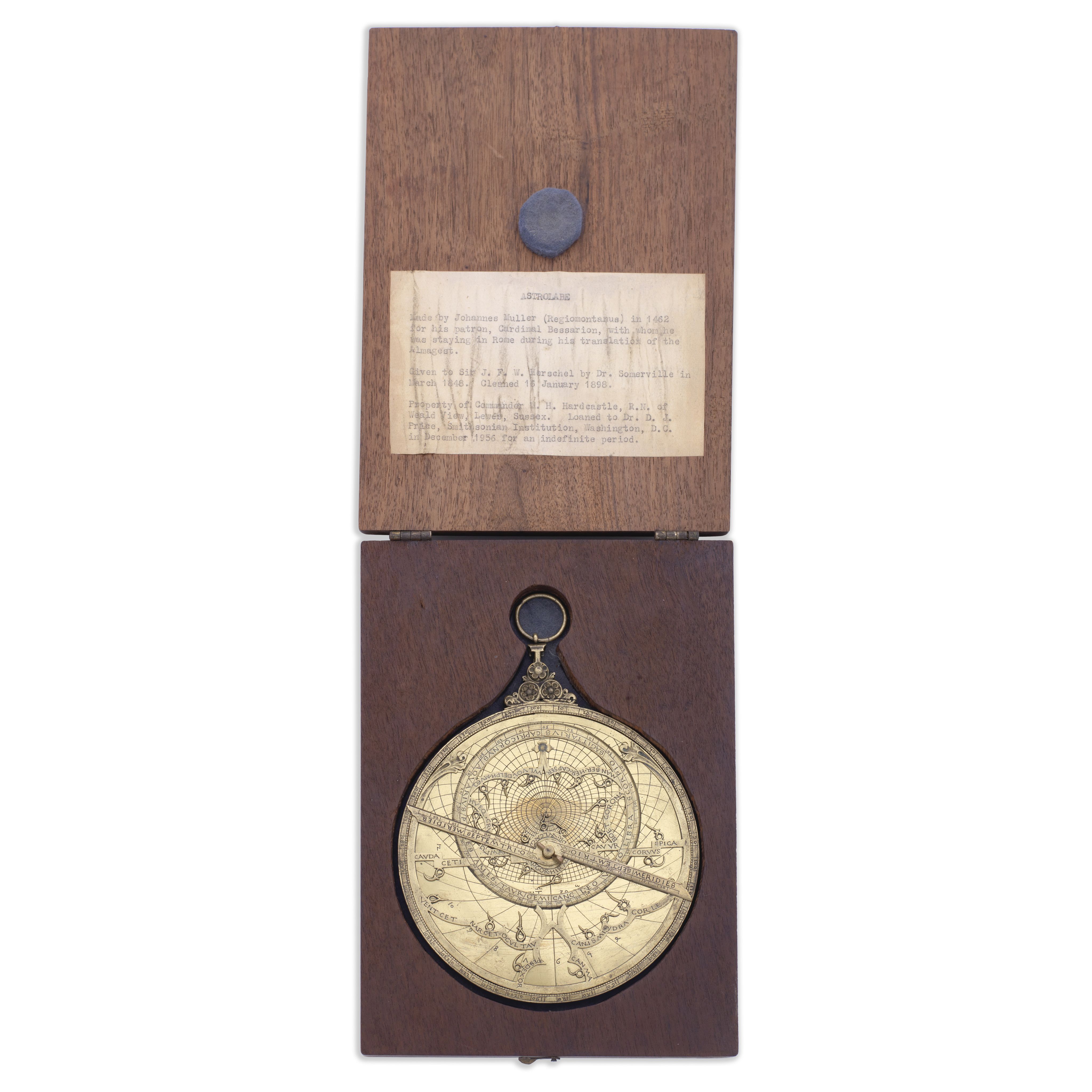
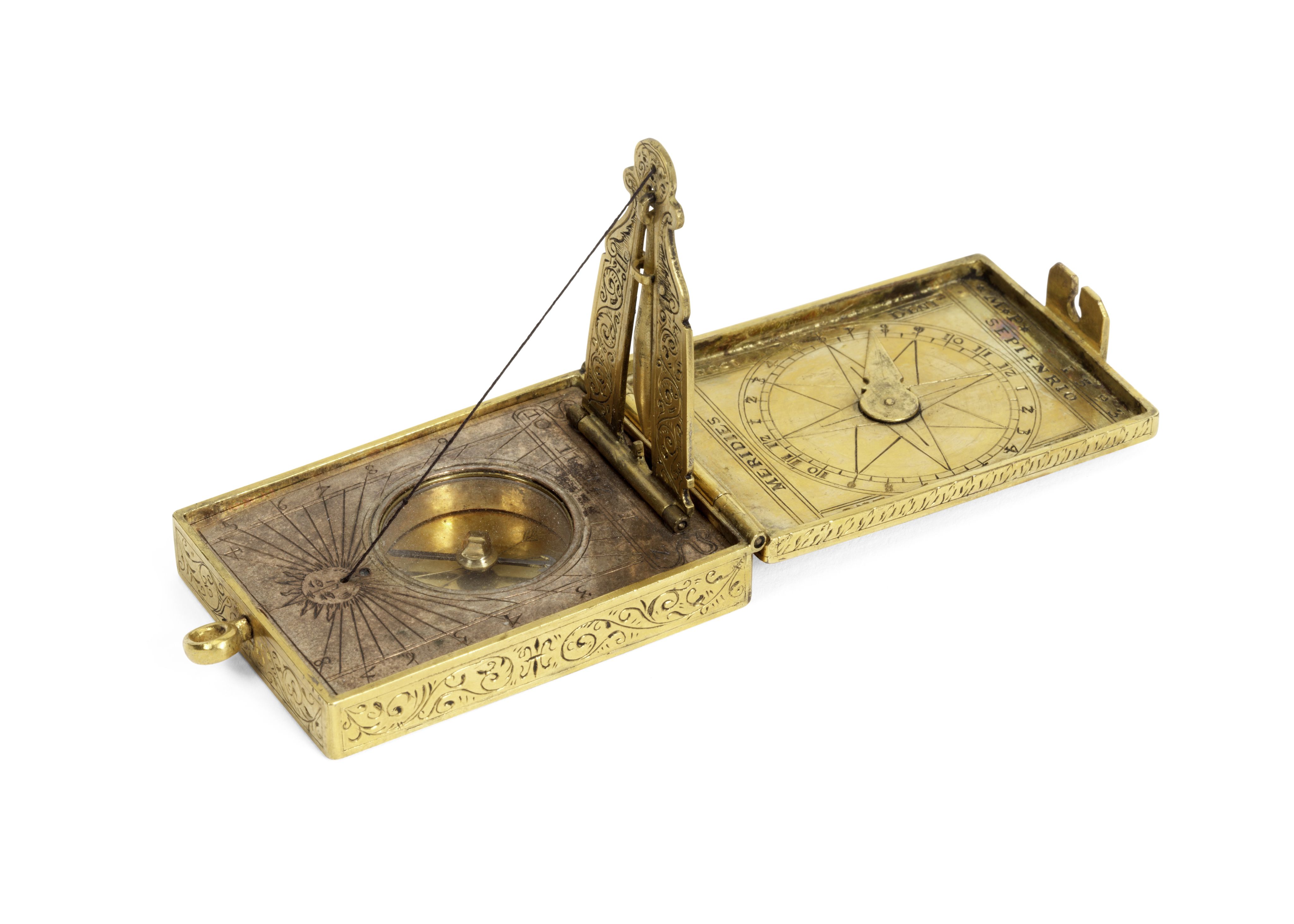
The Regiomontanus & Cardinal Bessarion Astrolabe, 1462
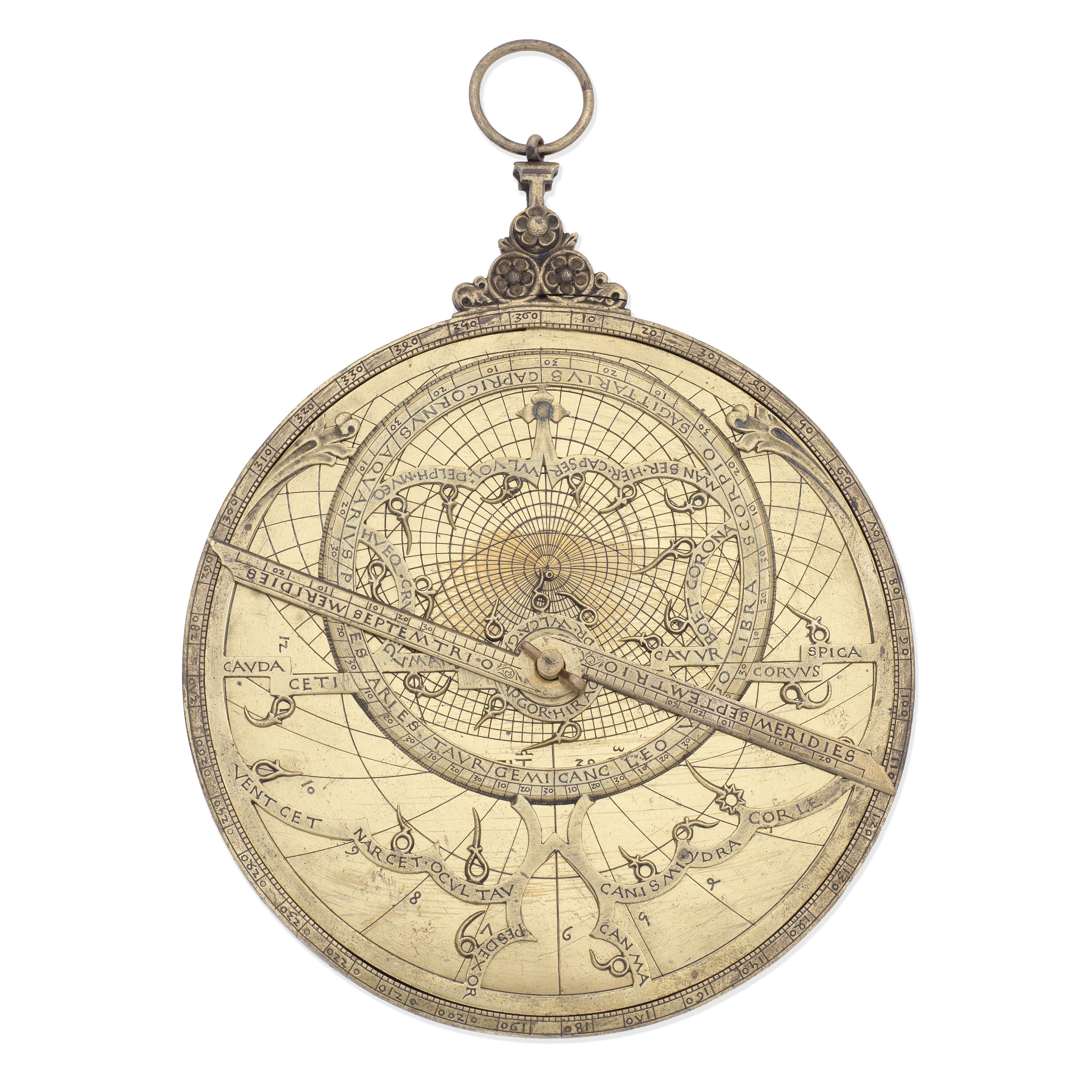
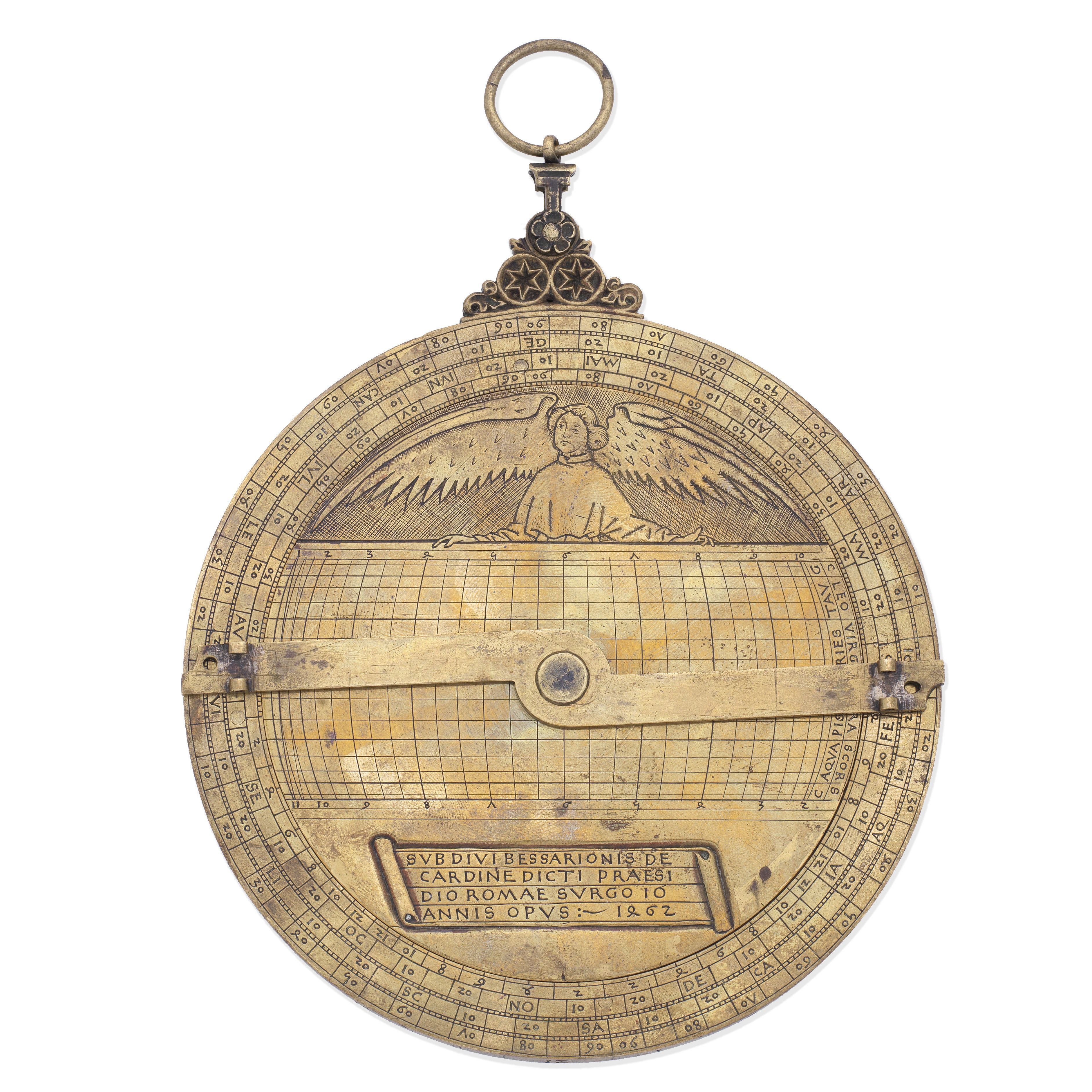
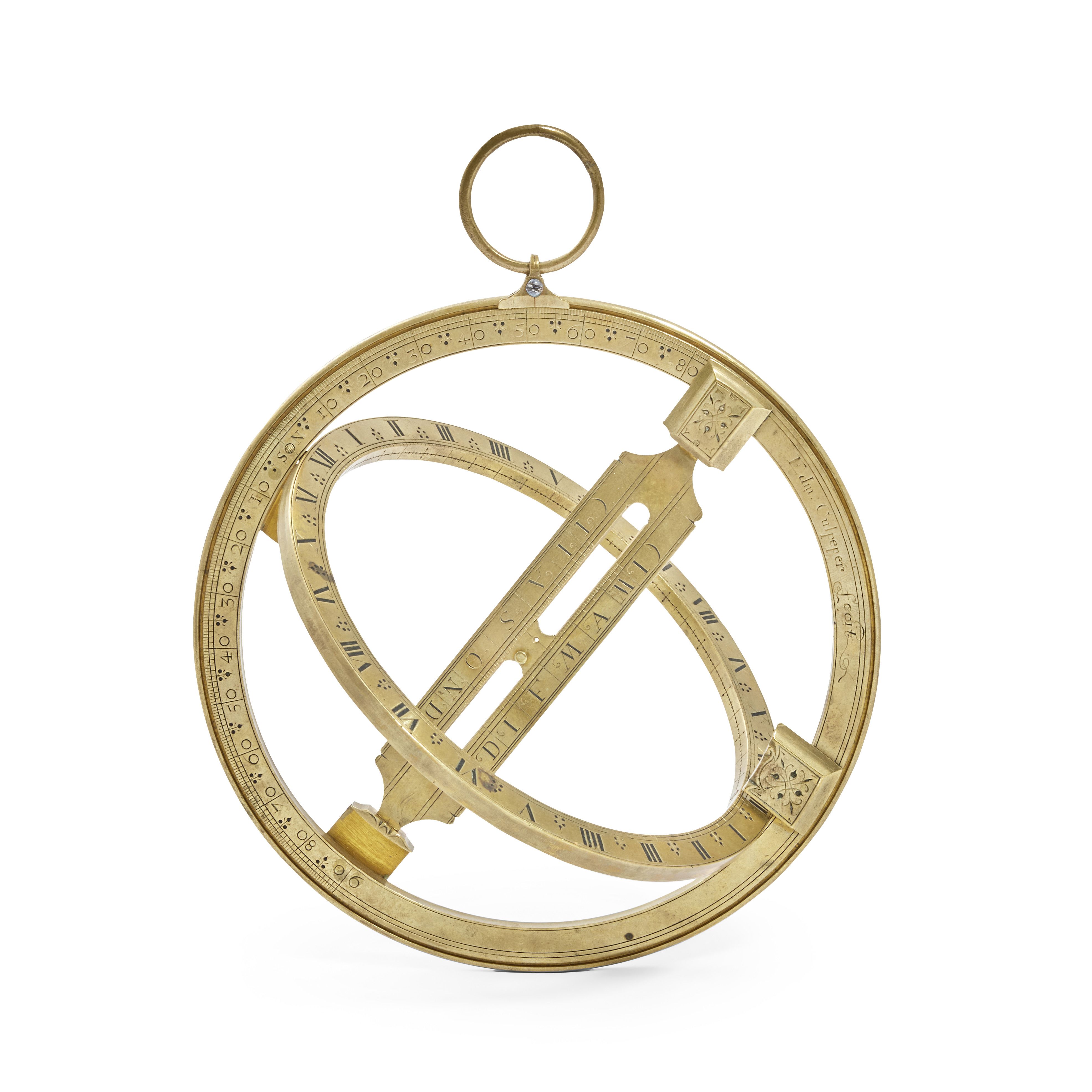
A finely engraved, well-made, astrolabe, witness to the patronage relation between a young German humanist mathematician-scholar, and an older Greek humanist and bibliophile who laboured for the reunification of the Eastern and Western churches. A notable, and influential, material survival of mathematical culture from the European Renaissance.
Only one of five dated astrolabes of this type in the world, the Regiomontanus/Bessarion model is a direct link to a period of scientific and spiritual transition in European culture. The humanist Roman script used in the engraving is characteristic of the 15th century, but it retains traces of the preceding Gothic era, in its numerals and the use of the quatrefoil motif.
Hans (Johann/John) Müller (1436-76), who would later become known as 'Regiomontanus' studied in Leipzig and Vienna. A student in the latter university of Georg Peurbach (1423-61) through whom he came into the circle of Bessarion, who in May 1460 was in Vienna as papal legate. With him, Regiomontanus would depart for Rome where in 1462 he not only completed an Epitome of Ptolomey's Almagest that had been begun by the now defunct Peurbach for Bessarion, but also created this astrolabe.
"Long before the era of smartphones, there was the astrolabe. It was used for not only telling the time, but mapping one's location, tracking the stars, and even as a tool for decision-making."
Jon Baddeley, Bonhams Scientific Instruments Specialist
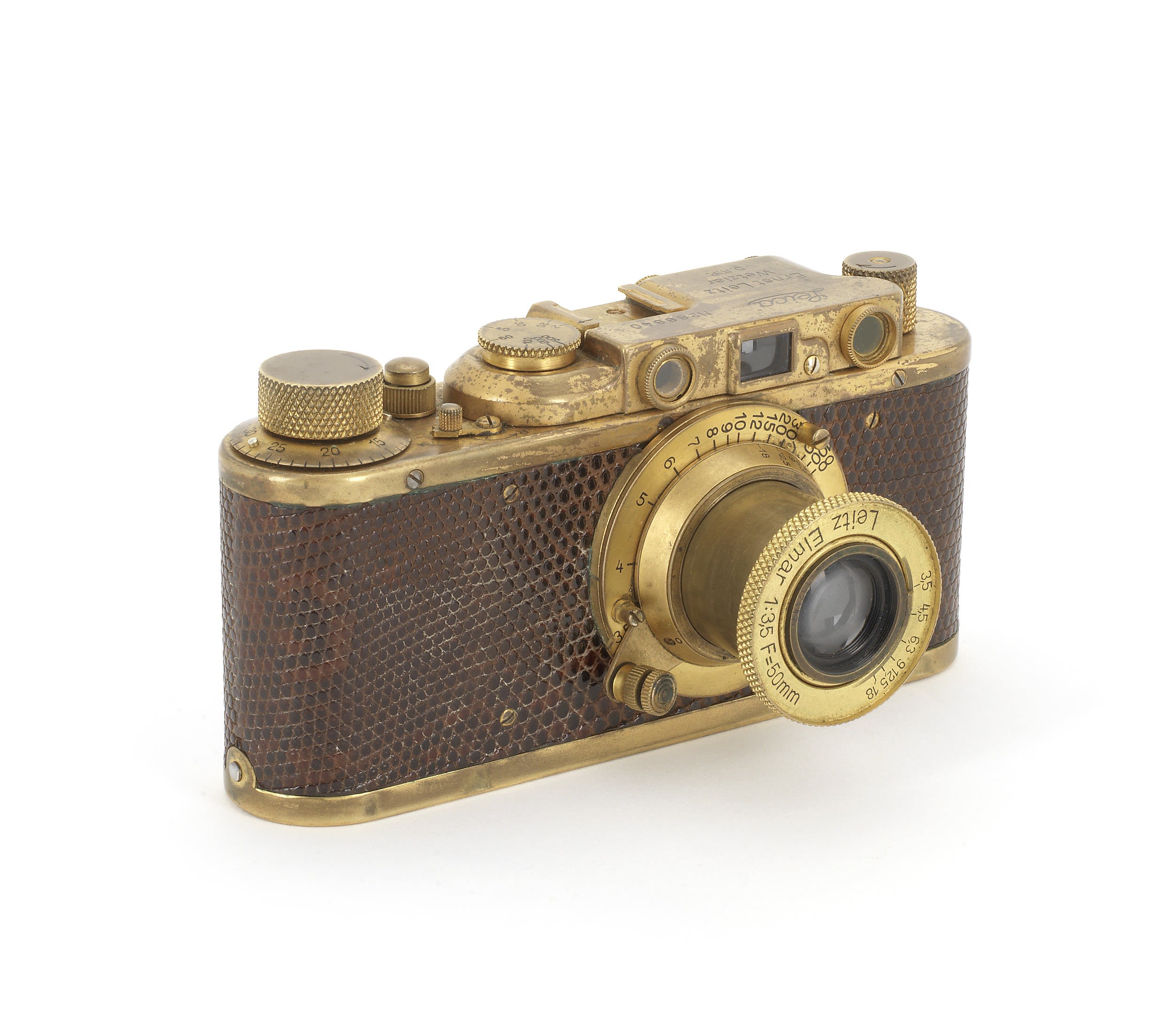
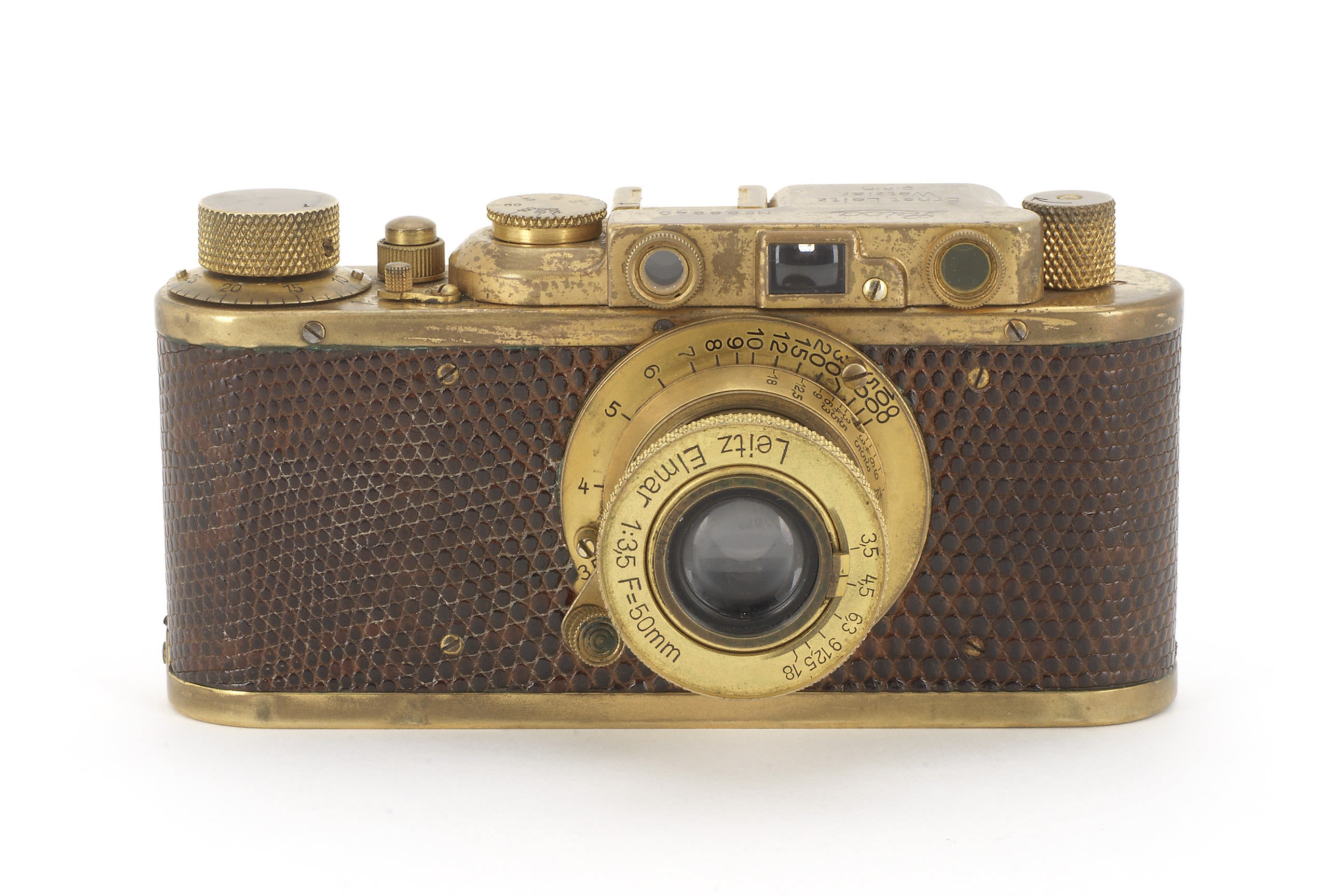
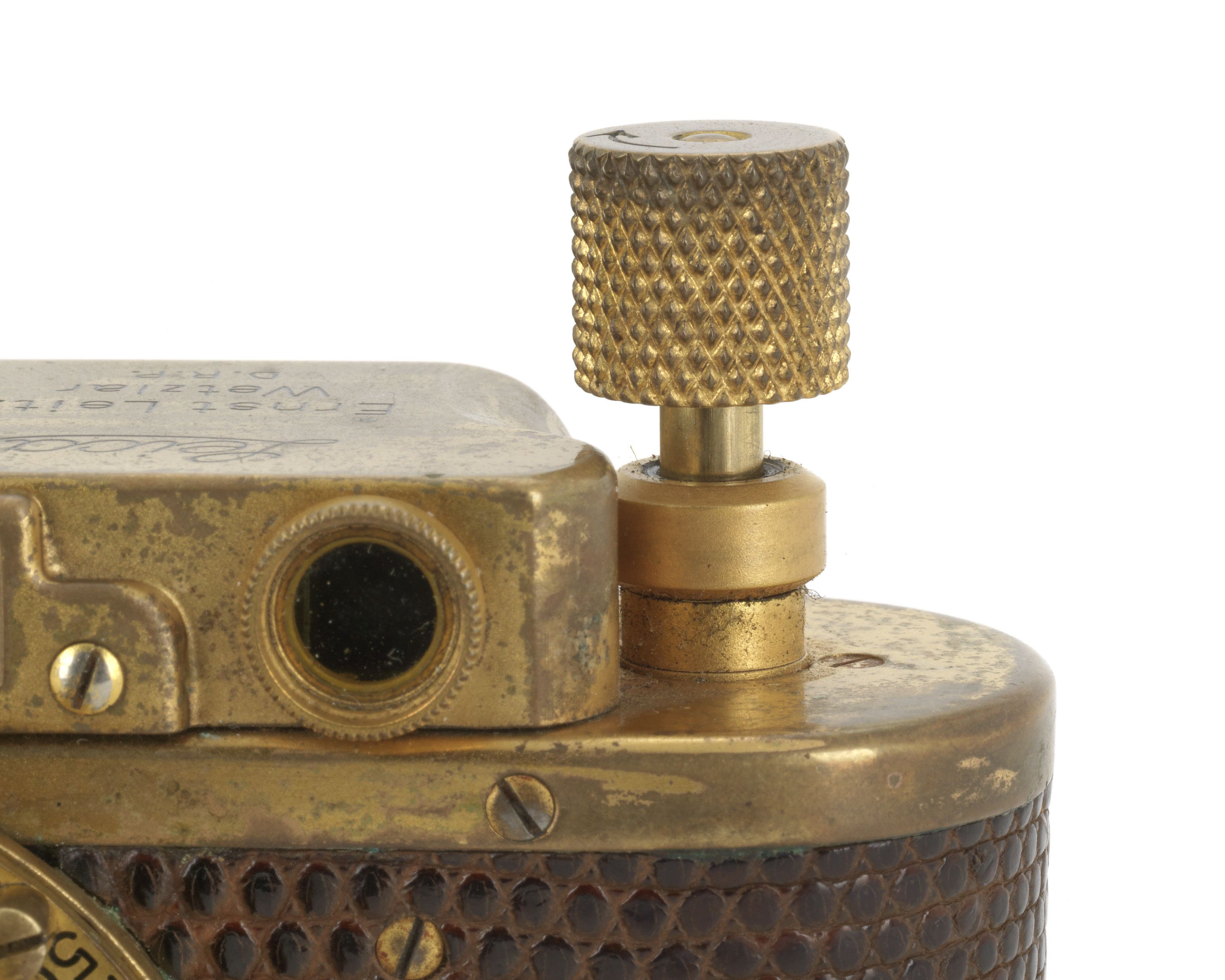
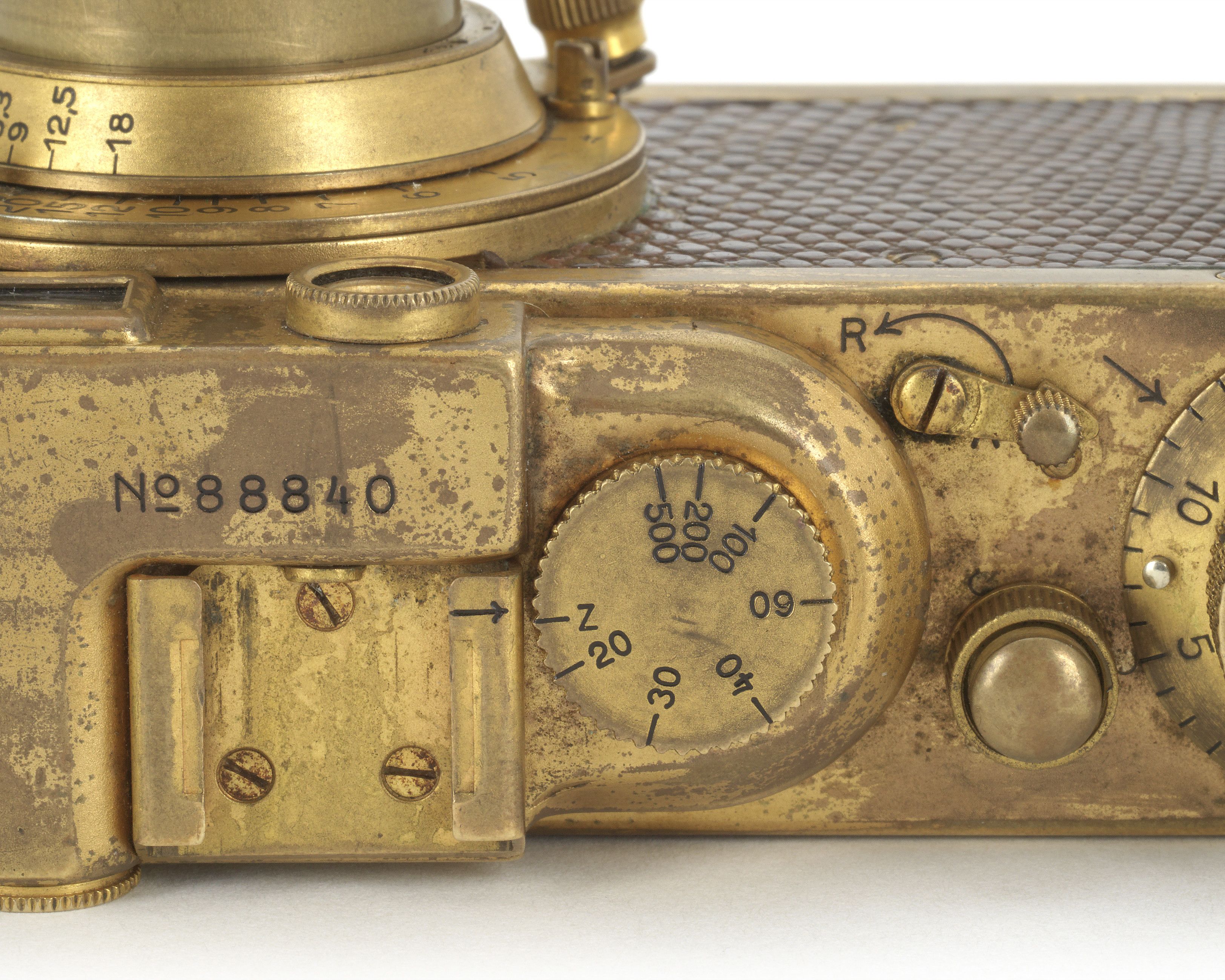
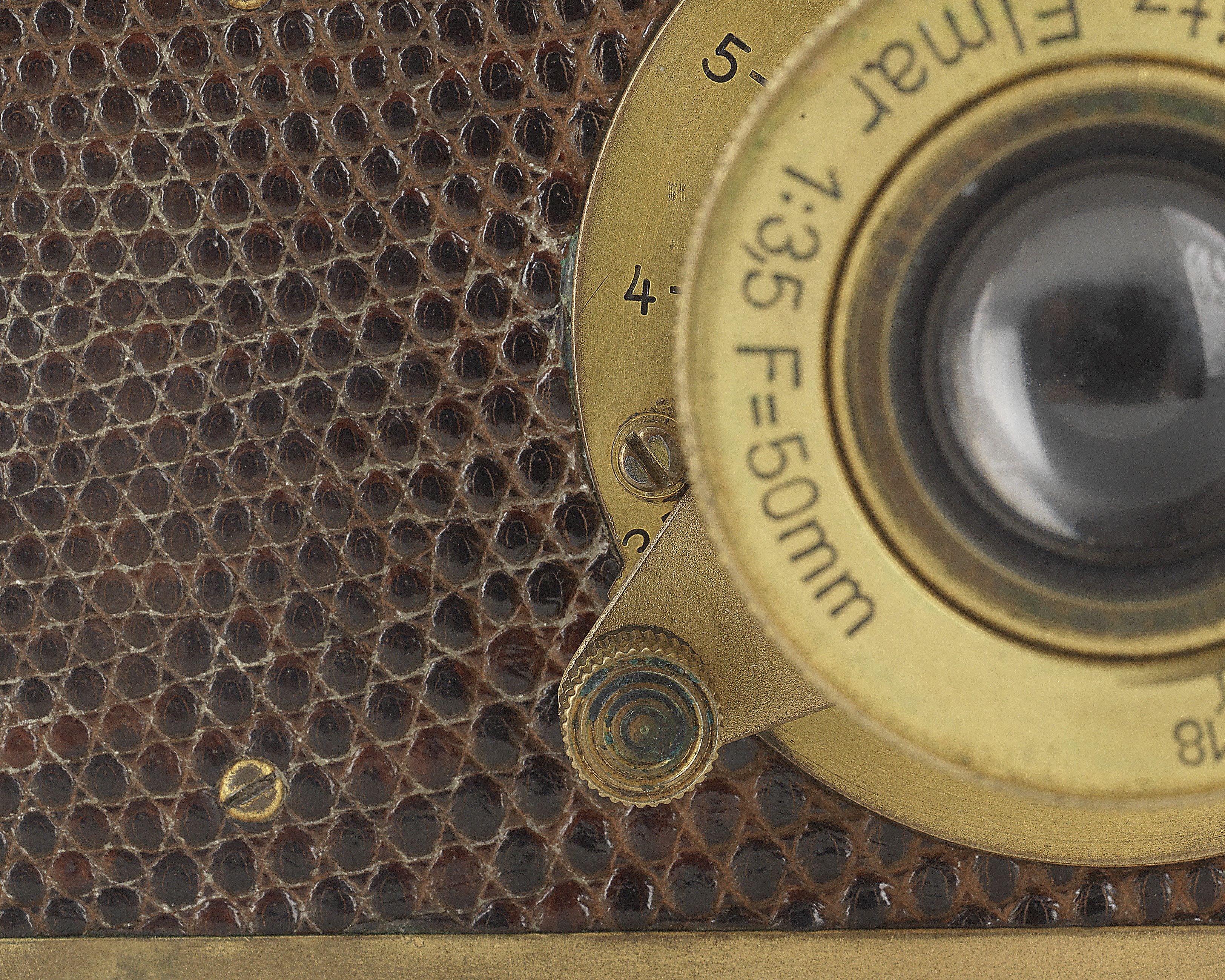
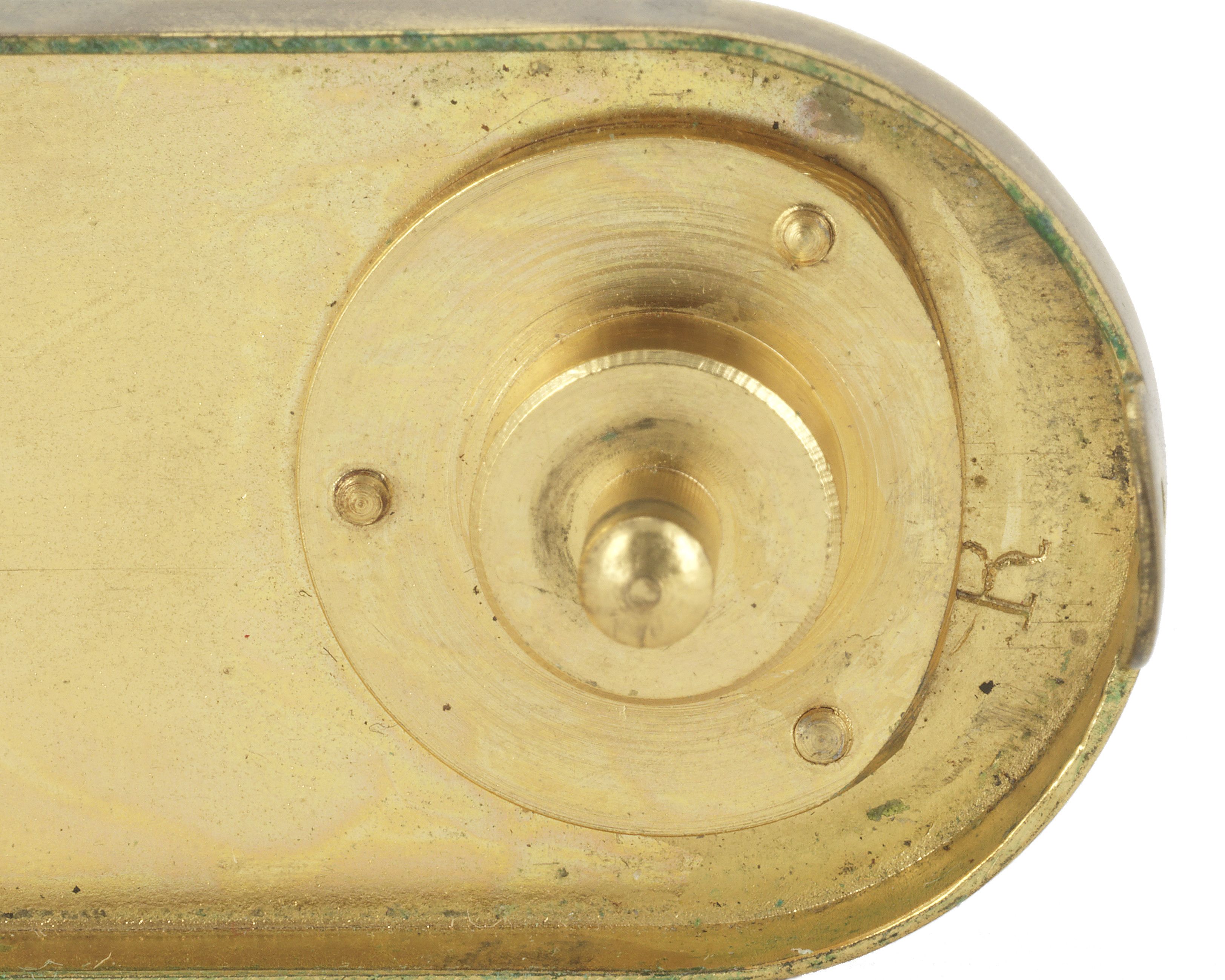
A Leica Luxus II, 1932
According to Leitz factory records, only four Luxus Leica IIs were made with serial numbers: 88840, 94573, 97313 and 98248. The whereabouts of the other three examples is currently unknown.
In addition, two special presentation Leica II's were also made. Number 75,000 was presented to Professor August Piccard, one of the pioneers of the exploration of the stratosphere and later designer of the "Bathyscape". Number 100,000 was presented to Dr Leon Frobenius, a leading explorer of Central America.
Although the crocodile ever-ready case appears in various advertisements for Leica Luxus, this is the first example ever to come to light. The French photographer, Henri Cartier-Bresson, considered to be the father of modern photojournalism, used Leica cameras throughout his career. The robust and diminutive design of Leica made it ideal for his "life reportage" style that influenced generations of photographers who followed.








Auction Highlights from Science,
Technology & Natural History
Science,
Technology & Natural History
29 August-9 September
Online | London, Knightsbridge
Stay updated with our auctions
Register with Bonhams to follow your favourite collecting categories and get email alerts when new auctions open for bidding.
 Built with Shorthand