
EXHIBITION
Confucian Elegance
Commemorating the 60th Anniversary of Pu Ru’s Passing
儒風—紀念溥心畬先生逝世六十週年
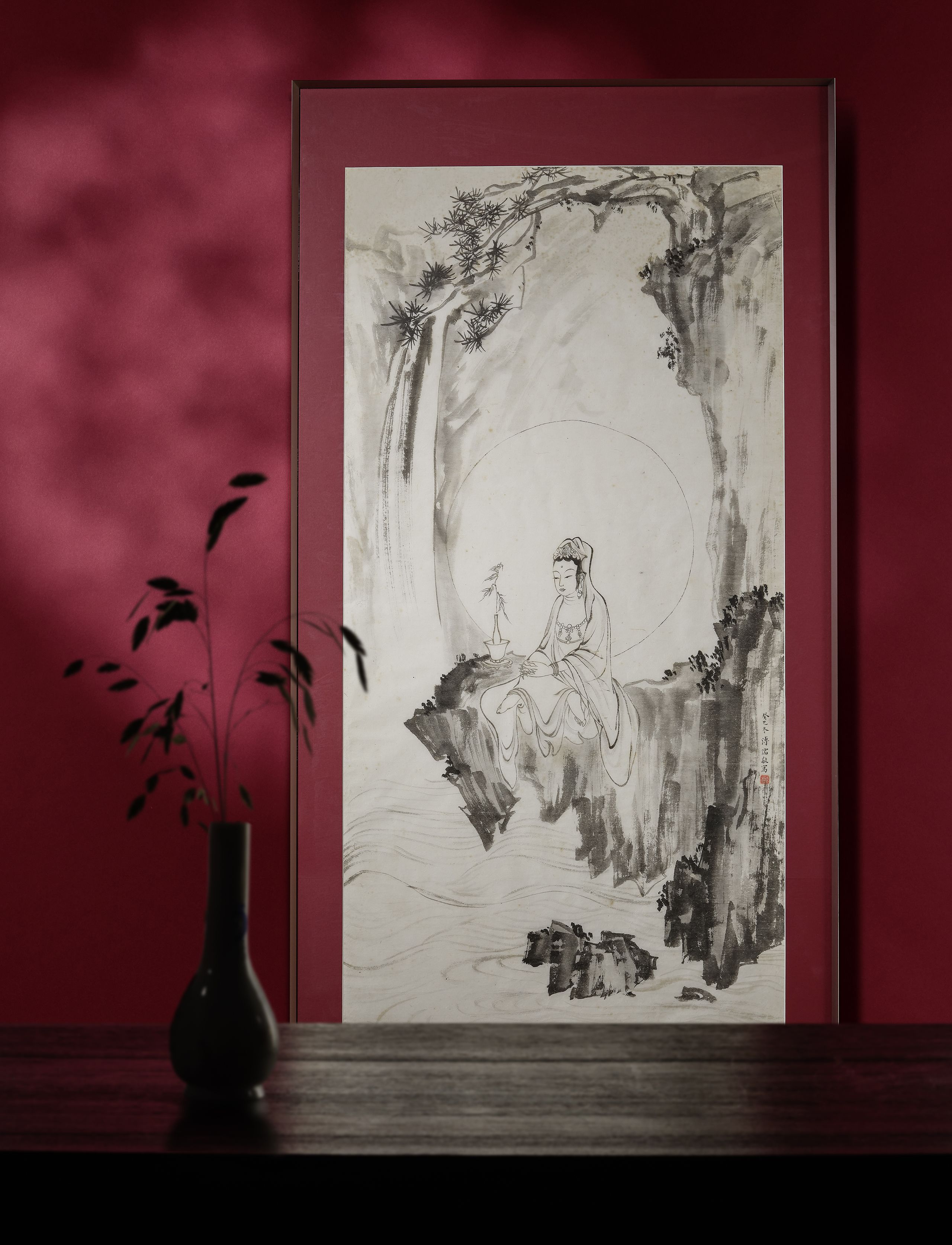

This year marks the 60th anniversary of Pu Ru’s passing. By a fortunate coincidence, Bonhams Art and Chinese Paintings Department has had the privilege of receiving a commission from the family of Pu Ru’s close friends, who have been safeguarding his treasured artworks for several decades. These artworks, many of which have never been auctioned and have been stored in the same format as when they were painted, have been carefully selected. This collection of 15 exceptional pieces encompasses landscapes, figures, flowers and birds, animals, poetry, and more. Some are meticulously crafted, while others are created with an uninhibited brush, blending Pu Ru’s distinctive style into each piece. Among them, the painting ‘Bodhisattva’ is particularly noteworthy as one of the largest pieces ever offered on the market with this subject matter and size. Read more →
今年躬逢先生辭世六十週年,邦瀚斯書畫部於機緣巧合下,有幸獲得寒玉堂故交家屬之委託,揀選其珍藏數十載的溥儒精品佳作,輯成一組,多數作品尚未裝池,以畫心形式庋藏數十寒暑。本輯十五幀佳構,涵蓋山水、人物、花鳥、走獸、詩文,或精心佈置,或逸筆揮灑,或工寫兼備,件件皆不失為溥氏典型。其中〈觀音大士〉一幀,更是市場釋出相同題材尺寸之最。閱讀全文→
Exhibition highlights
展覽亮點

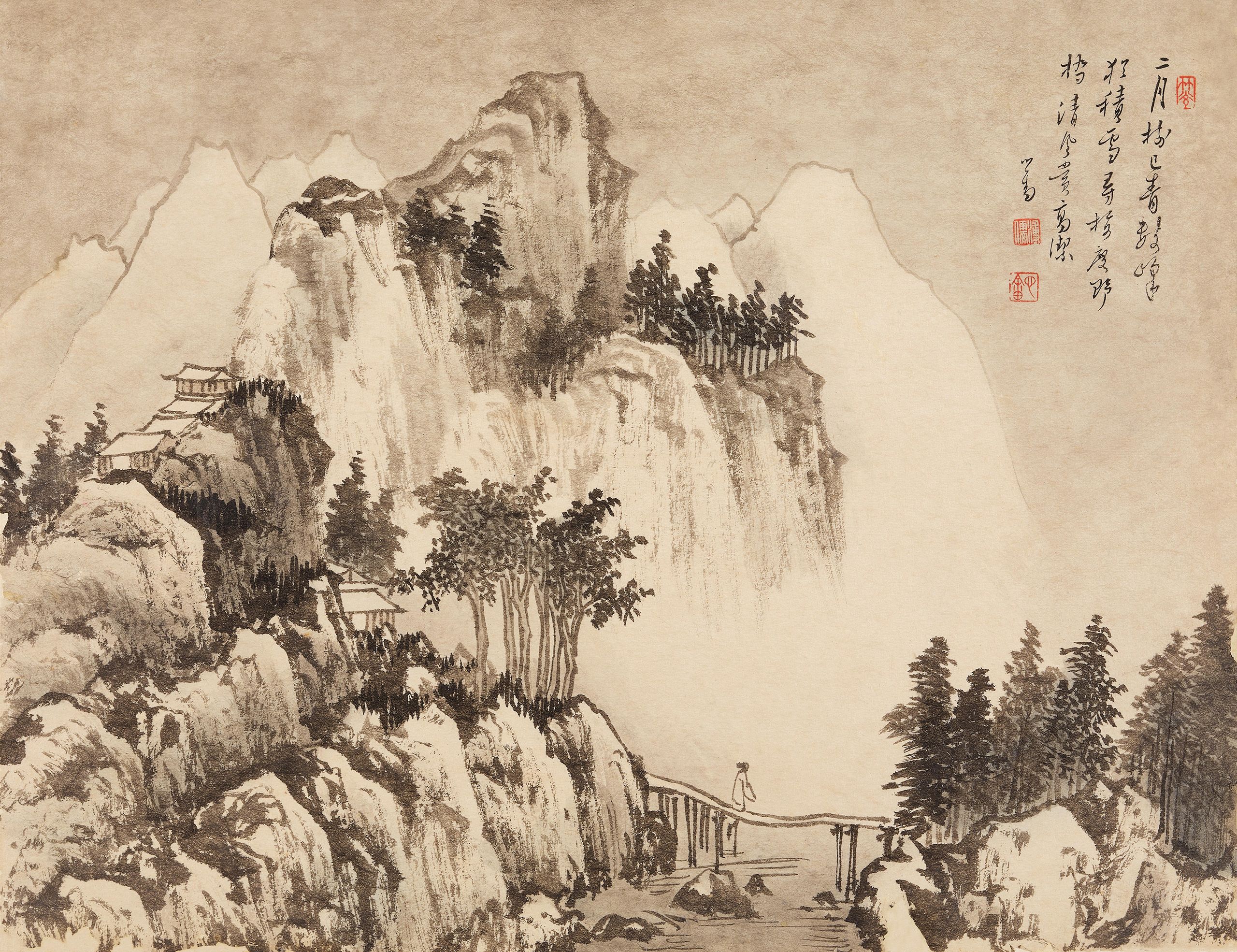

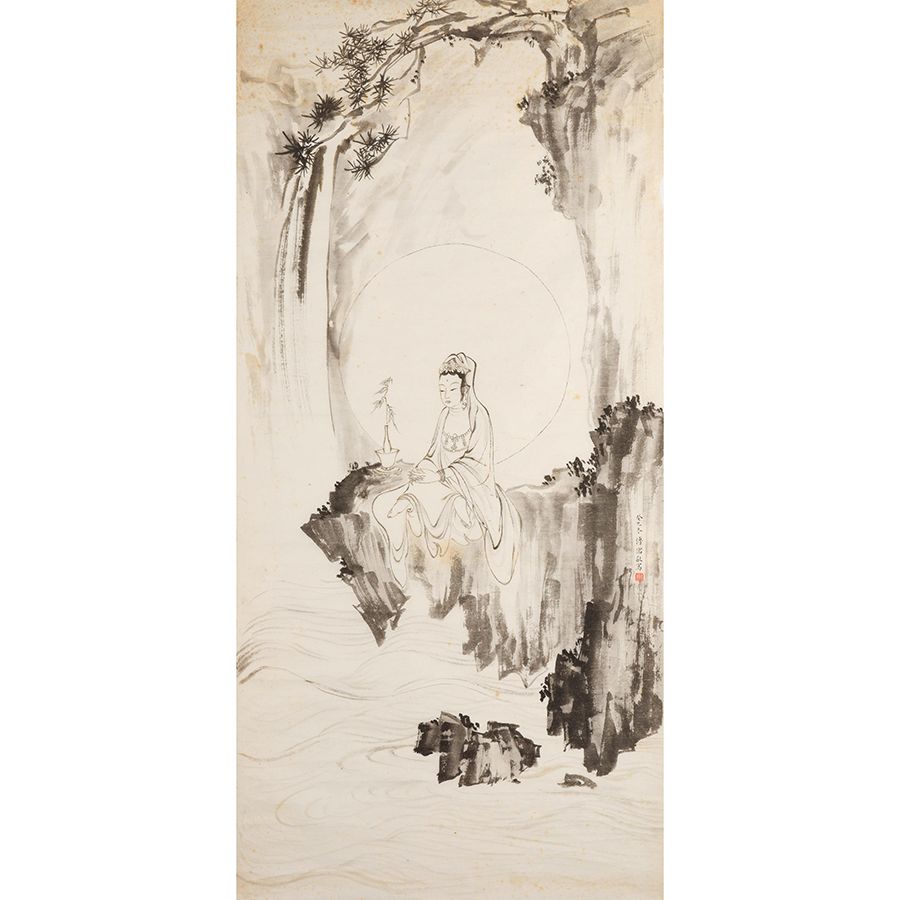
PU RU 溥儒 (1896-1963)
Guanyin 觀音大士
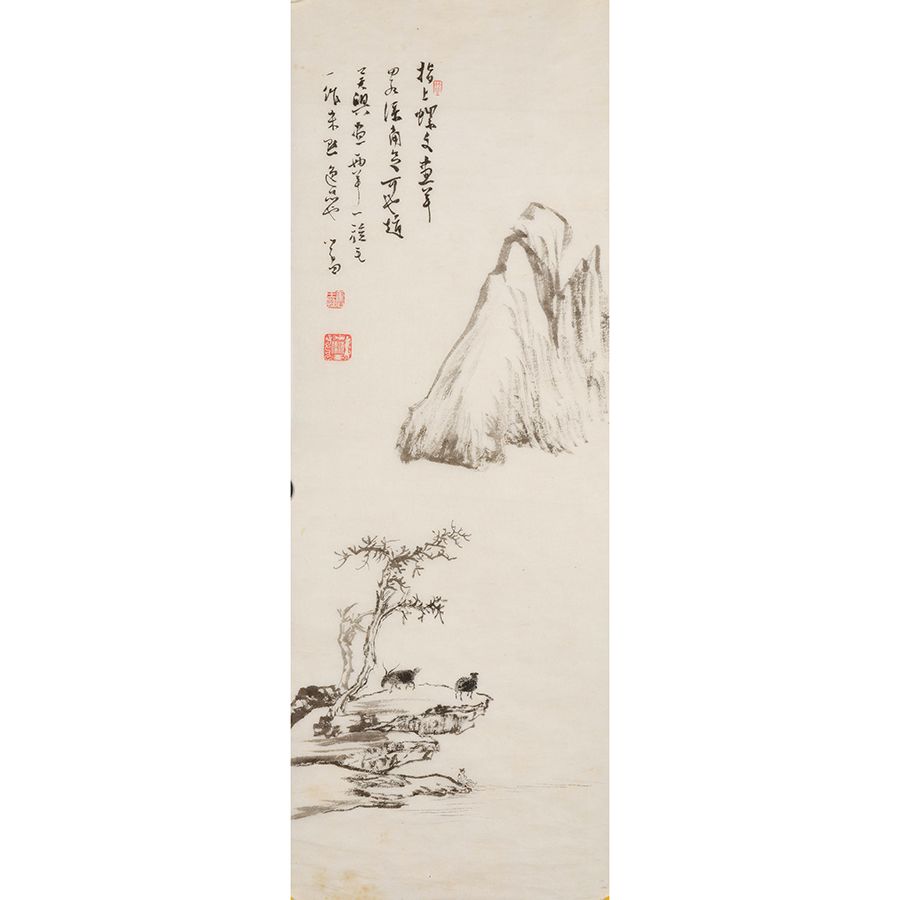
PU RU 溥儒 (1896-1963)
Two Goats 螺紋畫羊
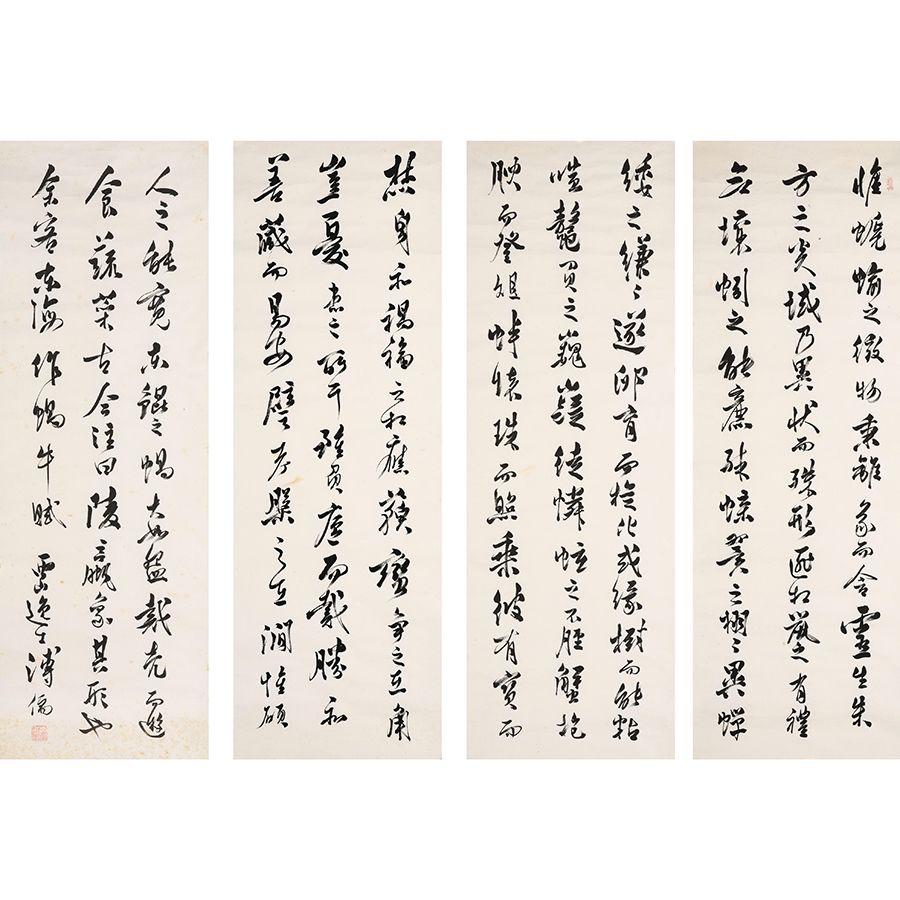
PU RU 溥儒 (1896-1963)
Ode to Snails in Running Script 蝸牛賦
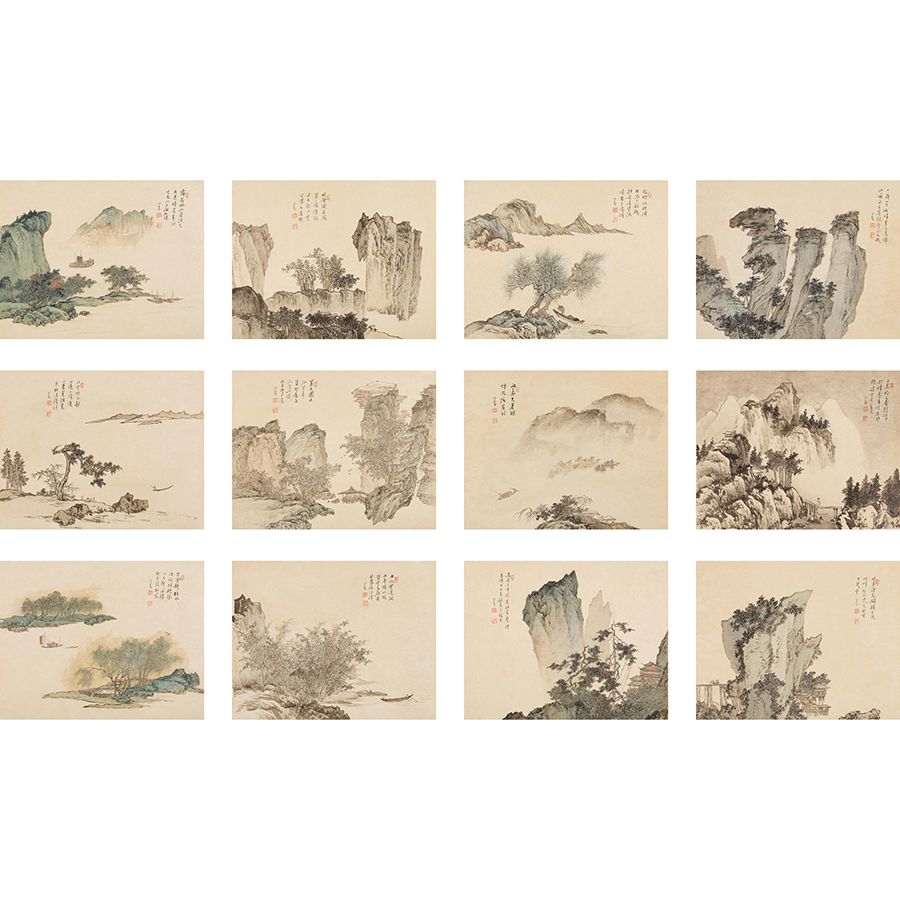
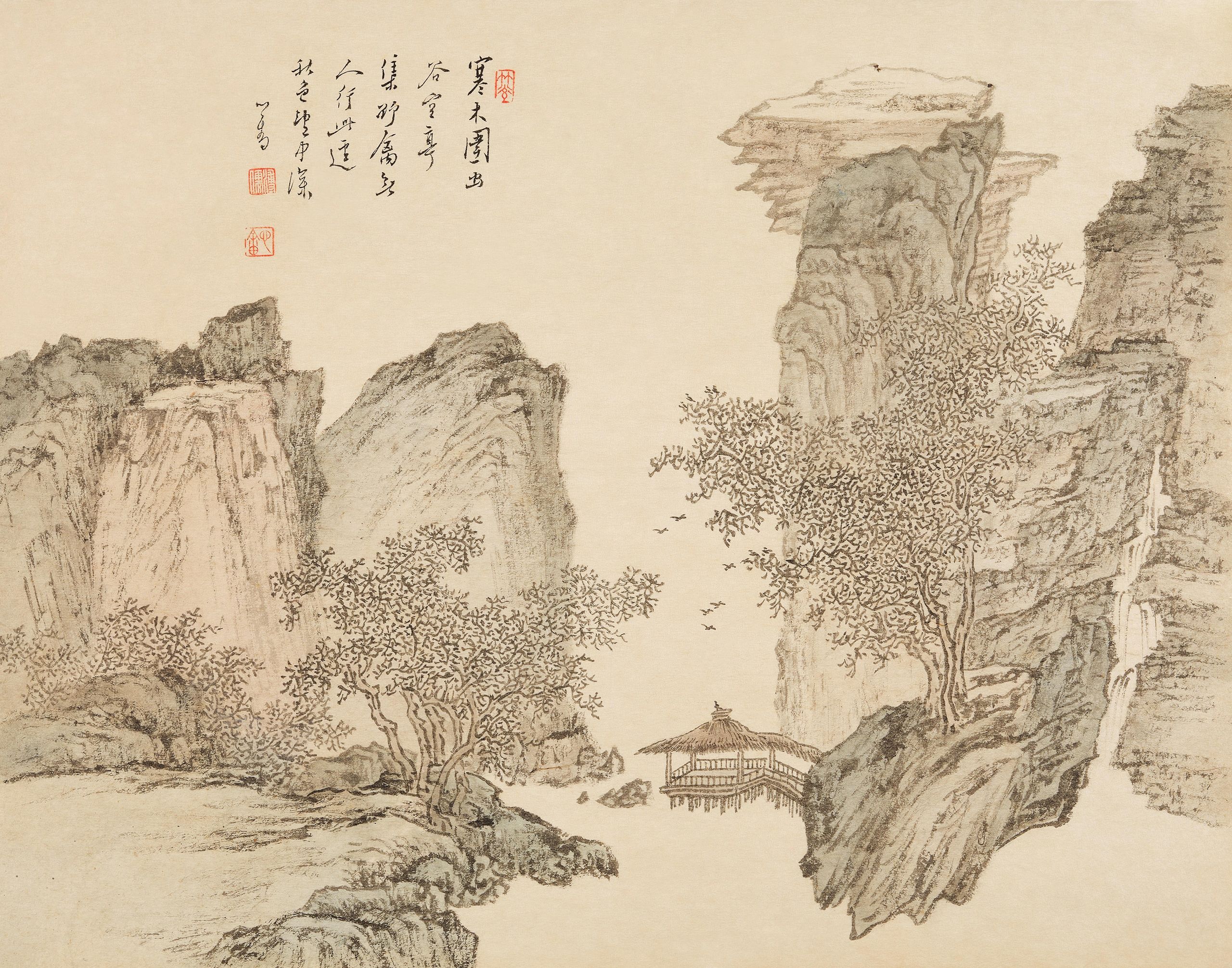
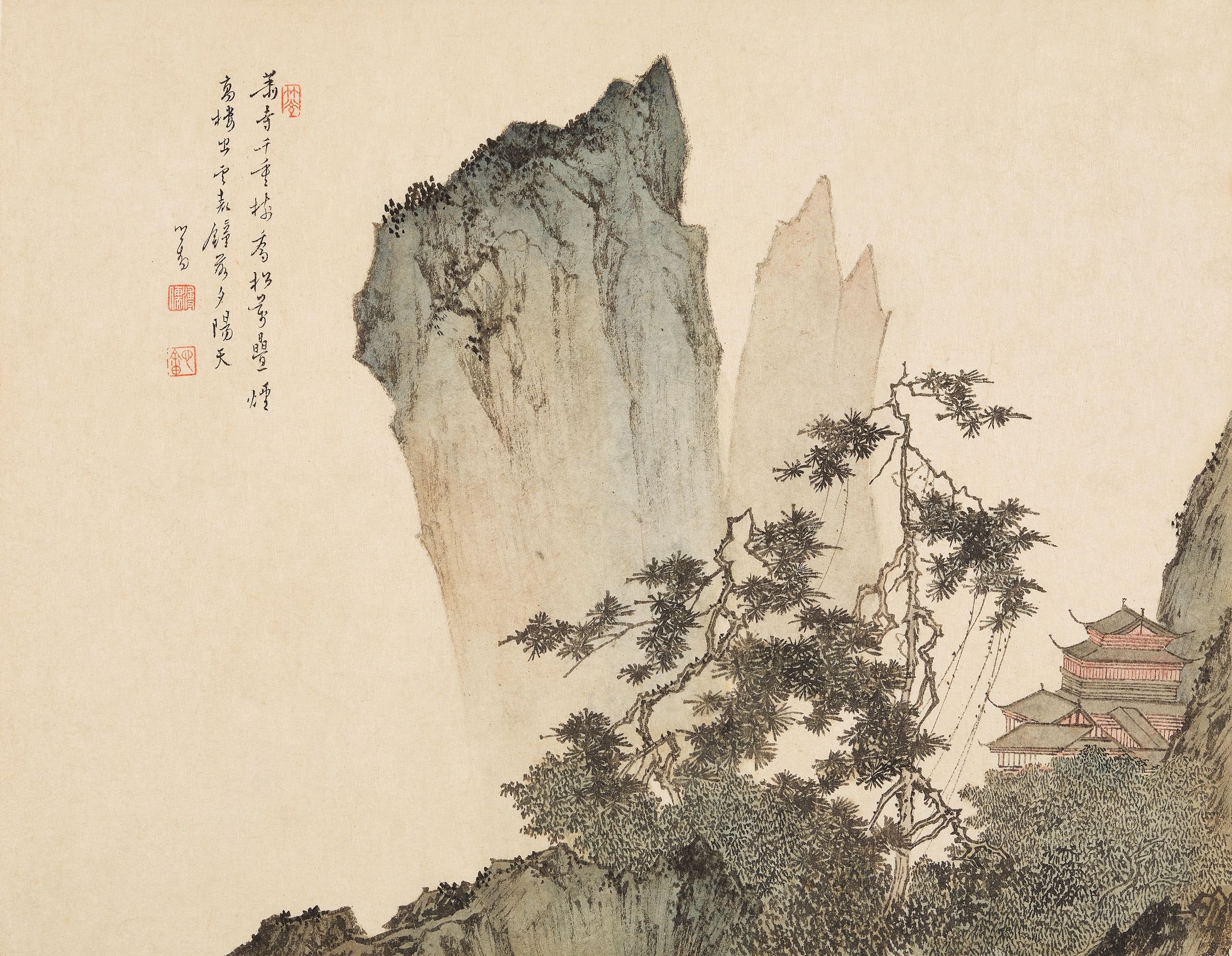
PU RU 溥儒 (1896-1963)
Poetic Landscape 山水詩意冊
Visit us 參觀

Opening times 開放時間
18–22 November 11月18日至22日
10am – 6pm 上午10時至下午6時
Bonhams Hong Kong, 20/F, One Pacific Place, Admiralty, Hong Kong
香港邦瀚斯 金鐘太古廣場一座 20 樓
Enquiries 查詢
+852 2918 4321
hongkong@bonhams.com
About the artist
關於藝術家

Pu Ru, with the courtesy name Xinyu and the pseudonyms Xishan Yishi and Xi Huang Shangren, was known for his studio named Hanyu Tang. His great-grandfather was Emperor Daoguang of the Qing Dynasty, and his grandfather was the influential Prince Gong Yixin of the late Qing period. Pu Ru was deeply immersed in traditional culture from a young age, surrounded by the treasures in the Prince Gong’s Mansion. With exceptional talent and diligent effort, he excelled in his studies. He once said, ‘My lifelong learning starts with classics, followed by poetry, then calligraphy, and lastly painting.’ Despite this, his reputation in painting was well-established both in China and abroad, earning him the title of the ‘Three Masters of Poetry, Calligraphy, and Painting.’
As a quintessential literati painter, Pu Ru’s artworks, whether large or small, carried a unique style. His paintings could be elegantly refined or robust and expansive, radiating a subtle and harmonious beauty. Observing his paintings was like glimpsing into his soul, offering insights into his varying moods and thoughts: sometimes serene and detached, other times critical of the world, at times playful and humorous, and occasionally filled with nostalgia for his homeland. All of these aspects naturally flowed from his character and upbringing.
In Pu Ru’s ‘Autobiography,’ he mentioned that he had no formal teacher in painting. Qi Gong also stated that Pu Ru began his journey into painting by copying a long scroll of landscape by a Song Dynasty master from his family collection. His unique style, characterized by a delicate balance of the ‘Southern’ and ‘Northern’ schools of Chinese painting, merged the structural strength of the Northern School with the softness of the Southern School, imbued with a rich humanistic atmosphere. His art was known for its refined brushwork and a sense of ethereal charm, earning him the recognition as the ‘final touch’ in Chinese literati painting. Even when emulating ancient works, Pu Ru could assimilate and transform them entirely into his own, surpassing the originals in elegance and simplicity, showcasing the essence of traditional Chinese literati painting.
For Pu Ru, the creation of calligraphy and paintings was a true expression of his emotions and thoughts. He lived through dynastic changes, held steadfast to traditional values as a Confucian scholar, and possessed a rich and lively personality as an artist. As an ‘old scion’ of the Qing Dynasty, he, like the Eight Eccentrics of Yangzhou and the late Ming Four Monks, immersed himself in art and enriched his life after experiencing setbacks, disappointments, and the end of his official career. Was it misfortune or fortune?
After Pu Ru moved to Taiwan in 1949, he had numerous students and friends who sought his guidance and companionship. They cherished the time spent with him, admired his character, knowledge, and art. Whether through valuable acquisitions or gifts from Pu Ru, the writings and artworks from Hanyu Tang were highly treasured. During his stay in Taiwan, Pu Ru created a diverse range of artworks, reflecting various themes and aspects of his life.
This year marks the 60th anniversary of Pu Ru’s passing. By a fortunate coincidence, Bonhams Art and Chinese Paintings Department has had the privilege of receiving a commission from the family of Pu Ru’s close friends, who have been safeguarding his treasured artworks for several decades. These artworks, many of which have never been auctioned and have been stored in the same format as when they were painted, have been carefully selected. This collection of fifteen exceptional pieces encompasses landscapes, figures, flowers and birds, animals, poetry, and more. Some are meticulously crafted, while others are created with an uninhibited brush, blending Pu Ru’s distinctive style into each piece. Among them, the painting ‘Bodhisattva’ is particularly noteworthy as one of the largest pieces ever offered on the market with this subject matter and size.
Bonhams Chinese Paintings Department hopes to use this special project to commemorate a master of a generation and to celebrate the extraordinary life and artistic achievements of Pu Ru.
溥儒,字心畬,號西山逸士、羲皇上人,齋號寒玉堂。其曾祖係清宣宗道光皇帝,祖父乃晚清權傾一時的和碩恭親王奕訢。溥儒自幼深受傳統文化薰陶,耳濡目染恭王府中珍藏,加以天資稟異,精勤用功,雖自謂「一生之學在經史,餘事為詩、其次書法、畫再次耳」,但其畫名早年便已蜚聲海內外,有「詩、書、畫」三絕之譽。作為典型文人畫家,其畫無論大幅抑或小品,莫不風格獨特,或明秀雅逸,或渾厚高曠,蘊涵淡雅平和之美;觀其畫如見其人,並可推想他揮毫時的心境變化,或閑適澹泊、或憤世嫉俗,或戲謔笑罵,又或哀歎故國。凡此種種,無一不是其人格與涵養在有意無意間地自然流露。
溥儒《自述》中云其學畫並無師從,啟功亦曾說心畬先生乃是從臨摹一幅家藏宋人山水長卷入手。其柔而峭的清健風格,融「南北宗」於一爐,以北宗之骨滋南宗之柔,充滿濃郁的人文氣息。他的畫不僅筆墨精煉,更流露著出塵的貴胄之氣與空靈之韻,被公認為「中國文人畫最後一筆」。即便「臨古」,亦能食古而化,全出己意,形成一種特別儒雅的「溥式」風格,甚至有高於古人的俊逸簡遠,一覽無餘地展現了中國傳統文人畫的精髓。
書畫創作對心畬先生而言,是真正的「寄情」與「抒懷」。他是朝代更迭的親歷者,是堅守道統的儒士,也是富有個性情趣又天真詼諧的藝術家。溥心畬身為「舊王孫」,與明末四僧中的八大和石濤一樣,於生命困頓、挫折、沮喪乃至仕途斷絕後,浸淫翰墨,轉而經營個人藝術與生命的豐富與圓滿,是不幸耶?是幸耶?
心畬先生一九四九年渡臺後,慕名拜師、結交者甚眾,他們與心畬先生長期相處,相知相交,傾慕先生的為人、學養與藝術,或重金購藏或得自贈予,幸獲寒玉堂隻字片紙,皆珍而重之,因而心畬先生旅臺期間,佳作頻出,且題材多樣,面貌豐富。
今年躬逢先生辭世六十週年,邦瀚斯書畫部於機緣巧合下,有幸獲得寒玉堂故交家屬之委託,揀選其珍藏數十載的溥儒精品佳作,輯成一組,多數作品尚未裝池,以畫心形式庋藏數十寒暑。本輯十五幀佳構,涵蓋山水、人物、花鳥、走獸、詩文,或精心佈置,或逸筆揮灑,或工寫兼備,件件皆不失為溥氏典型。其中〈觀音大士〉一幀,更是市場釋出相同題材尺寸之最。
邦瀚斯書畫部冀願以此專題緬懷一代宗師,光大溥心畬先生非凡之一生與藝術成就。


 Built with Shorthand