
Dr. Jane Goodall's Legacy of Change

Dr. Jane Goodall, DBE, Founder of the Jane Goodall Institute and UN Messenger of Peace has been at the forefront of conservation and activism to champion and protect planet earth's most precious asset. As Bonhams hosts an auction to benefit her foundation, Dr. Goodall shares insight on her work with animals, hopes for Generation X and how to unplug from tech by embracing the natural world.
Looking back, what was the most significant moment of your career?
It's hard to choose between two: 1. When Louis Leakey asked if I would go and try to study wild chimpanzees in Tanganyika (Tanzania today) on the shore of Lake Victoria. 2. When I saw the chimpanzee David Greybeard using and making tools to 'fish' for termites. Back then, in 1960, Western science believed that we were the only creatures who could use and make tools – it was the thing that made us quite different from the rest of the animal kingdom.

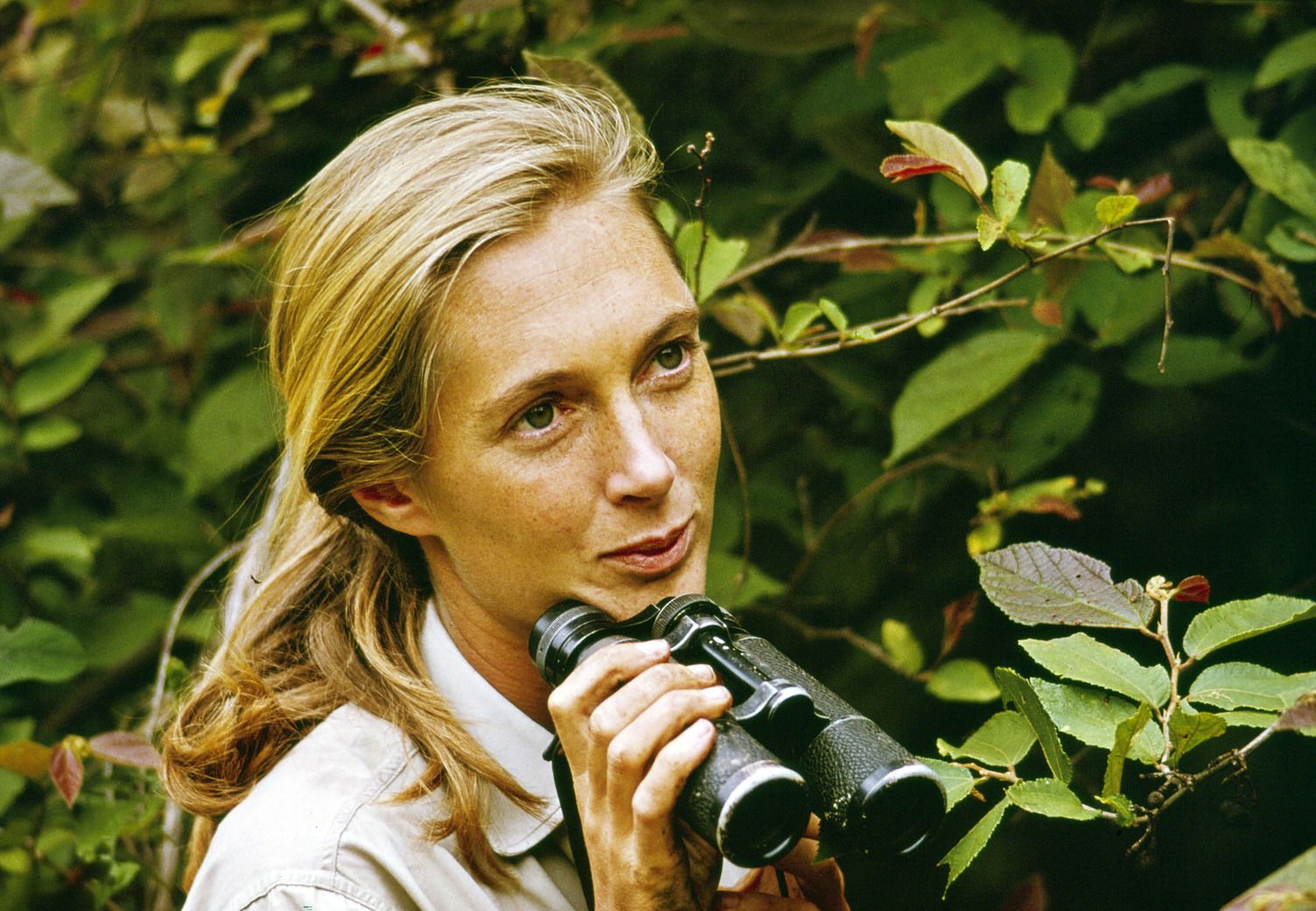
Scientist Jane Goodall in Gombe National Park. 1965. Courtesy Jane Goodall Institute/Hugo van Lawick.
Scientist Jane Goodall in Gombe National Park. 1965. Courtesy Jane Goodall Institute/Hugo van Lawick.
Of course, I could also say it was when I had saved up enough of my pocket money, a few pennies a week during WW2, to buy a small, cheap edition of Tarzan of the Apes. TV hadn't been invented yet. I was 10 years old, and that was when my dream started: I will grow up, go to Africa, live with wild animals, and write books about them.
Would you do anything differently if you had your career again?
No. Of course I made mistakes, but I learned from them.
Were there challenges associated with being a woman in science and conservation?
When I reported my findings about chimpanzee behaviour—all the ways in which they were so like us, with similar postures and gestures in the same context, tool use, a dark and brutal side—even a sort of primitive war, but also showing compassion and true altruism—many scientists were reluctant to accept my findings. When Leakey got me a place at Cambridge University to do a PhD in ethology, I was told I’d done everything wrong—that I should give my chimpanzee “subjects” numbers, not names, and that I could not talk about them having personalities, minds, and emotions—those were said to be unique to humans.

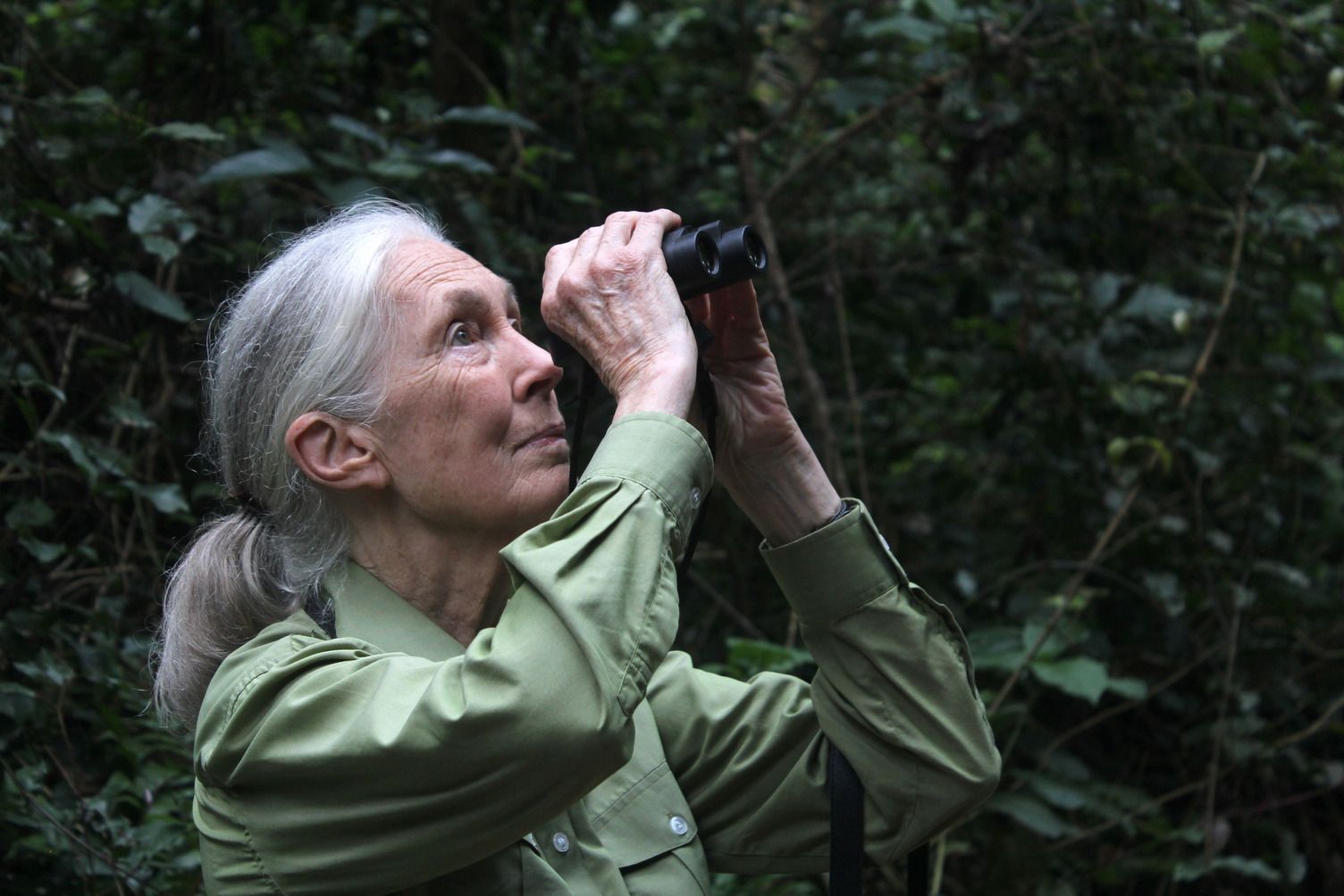
Jane Goodall in Gombe National Park. Courtesy Jane Goodall Institute/Shawn Sweeney.
Jane Goodall in Gombe National Park. Courtesy Jane Goodall Institute/Shawn Sweeney.
Luckily, I had a great teacher when I was a child who had taught me all that was rubbish—my dog, Rusty. Anyone who has had a dog, cat, rat, rabbit, horse, bird etc., will know we are definitely not the only sentient, sapient beings on the planet. Some scientists simply said I was only a girl, and I hadn’t even been to university. I was just a National Geographic cover girl—and that was only because I had nice legs! Luckily, I only wanted to get on with learning about the chimpanzees, and so long as there was money to do that, I didn’t care what people said. (And they were nice legs!)
"I was 10 years old when my dream started: I will grow up, go to Africa, live with wild animals, and write books about them."
What are the biggest challenges facing animals in their natural habitat in the year 2025, and what actions can be taken to address them?
The number one challenge is probably habitat destruction, as human populations grow and invade animal habitats for development and agriculture. Sea animals face increasingly polluted water, sound pollution, and strikes from boats. All wildlife is affected by warming temperatures and changing weather patterns.
The illegal wildlife trade—smuggling animals or their body parts around the world—is having a massive impact on wild populations of elephants, rhinos, pangolins, tigers, and all manner of creatures for the pet trade—including snakes and other reptiles, as well as some insects, plants, and trees.

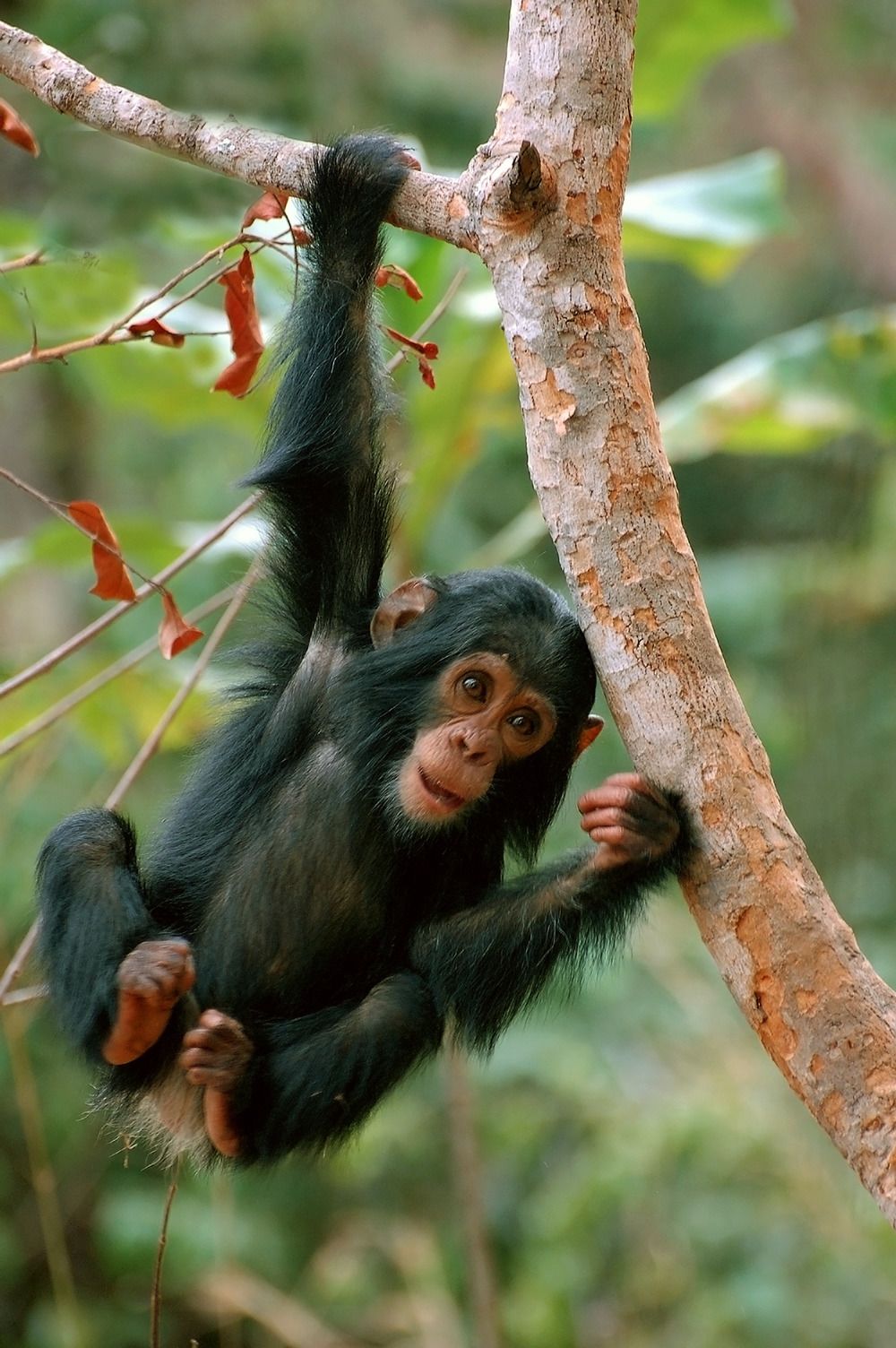
Chimpanzee Tabora swings from a branch in Gombe National Park. Courtesy Jane Goodall Institute/Rob Sassor.
Chimpanzee Tabora swings from a branch in Gombe National Park. Courtesy Jane Goodall Institute/Rob Sassor.

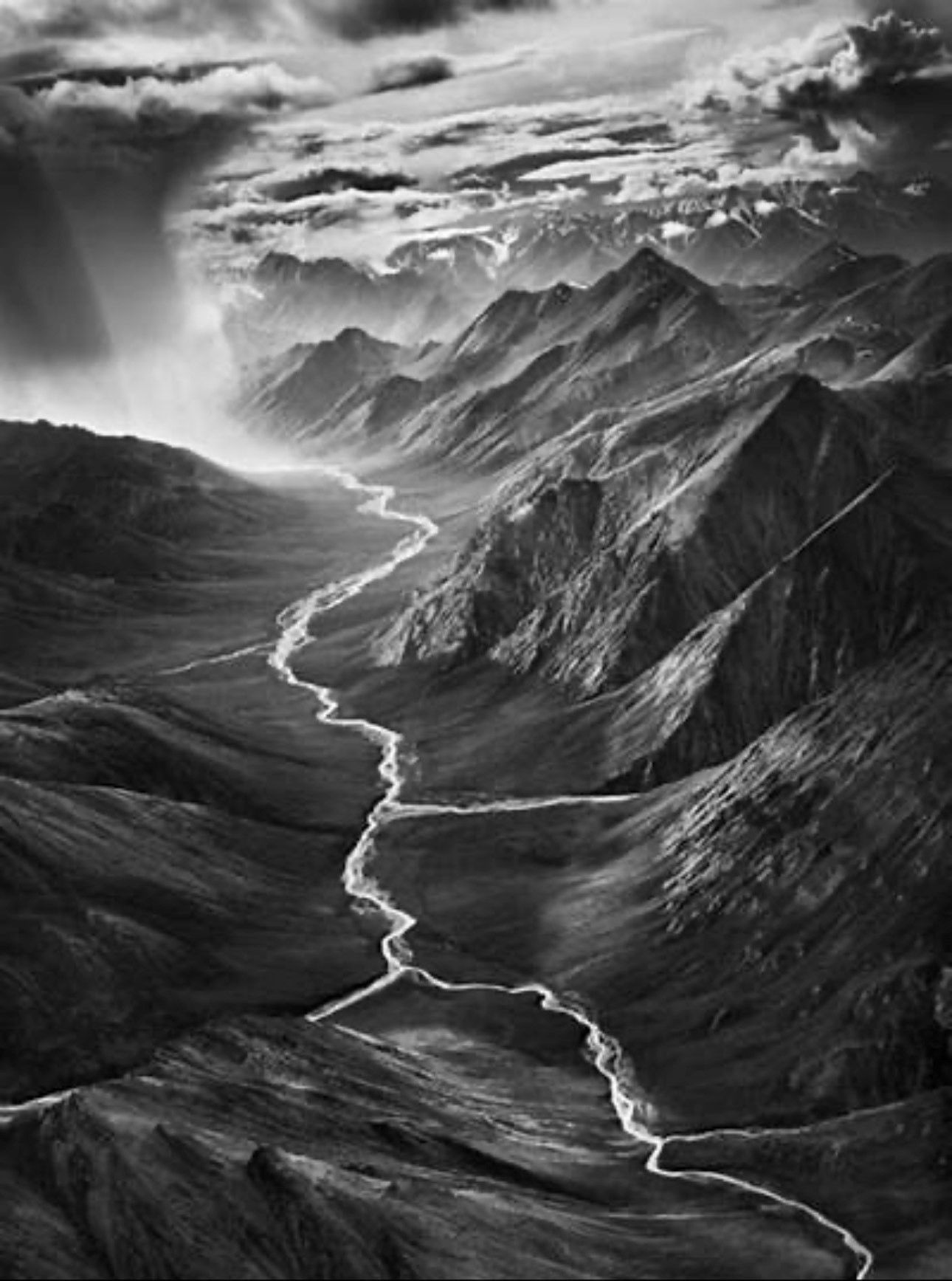
Sebastião Salgado, Brooks Mountain Range, Alaska, USA, 2009. Estimate £20,000-30,000.
Sebastião Salgado, Brooks Mountain Range, Alaska, USA, 2009. Estimate £20,000-30,000.
What choices would you urge people to make in their everyday lives that will help to conserve the planet and ecology?
Just remember that every day you live, you make some impact on the planet—and you get to choose what sort of impact you make. What do you buy? Ask how it was made or produced. Did it harm the environment? Was it cruel to animals—in intensive farming, for example? Is it cheap because of unfair wages? If the answer is yes, find something that is more ethically produced. Will it cost more? Probably—but then you will value it more and waste less. Waste is a huge problem.
Another thing that will make a big difference, as more and more people make change, is moving to a plant-based diet. Industrialized animal farming—to feed the billions of animals raised for meat, dairy, and eggs—converts vast areas of habitat into monocultures, which use a great deal of pesticides and herbicides and require much water to convert plant protein into animal protein. The animals, especially cows, also produce the virulent greenhouse gas methane.
Finally, not only is vegan food better for us, but these days it has gotten so good, you often cannot tell the difference between dairy cheese and vegan cheese, for example.
What do you want to say to Generation X about the future of the natural world, in the face of advances in technology such as AI?
First of all, it is very concerning that more and more people are becoming increasingly disconnected from the natural world. This is especially bad for small children – spending time in nature is necessary for healthy psychological development.
Secondly, we are not only part of nature – we depend on it for food, water, fresh air – almost everything. And the materialistic kind of life adopted by so many is, in some places, taking more from the natural world than nature can replenish. We cannot carry on with business as usual, believing that there can be unlimited economic development of this sort, on a planet with finite natural resources and growing human and livestock populations.

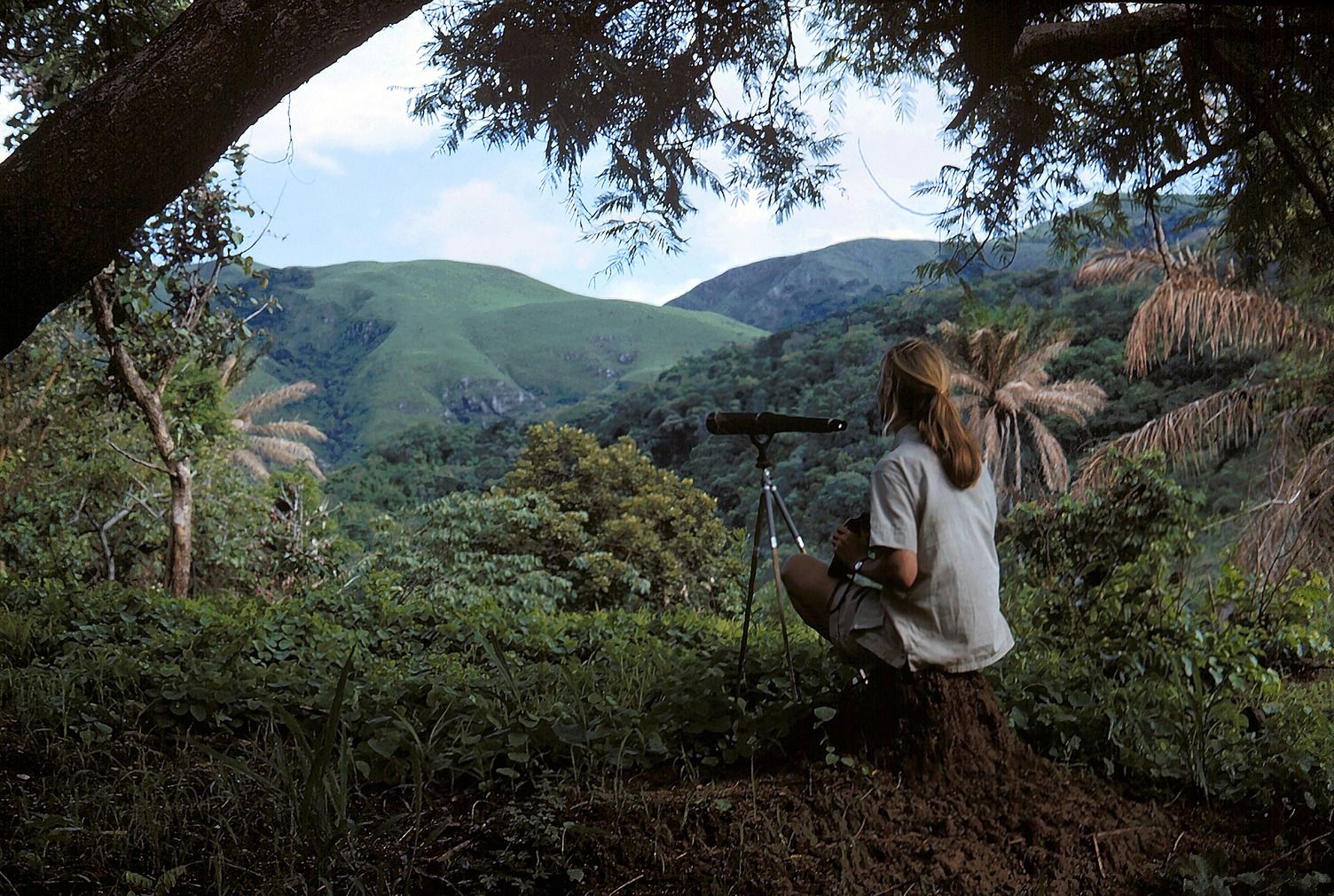
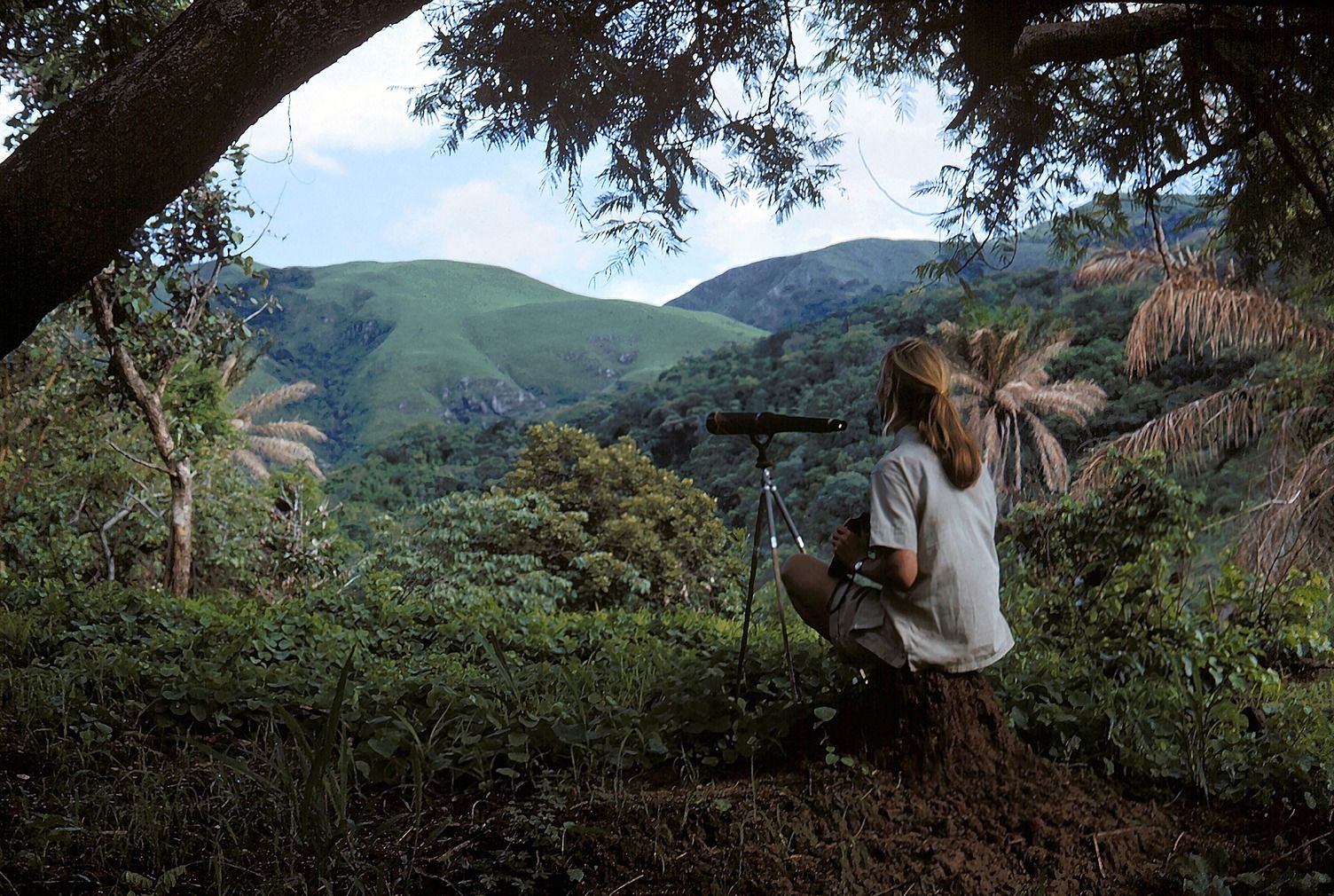
In her early days at Gombe, Jane Goodall spent many hours sitting on a high peak with binoculars or a telescope, searching the forest below for chimpanzees. This is a self-portrait that she took by placing her camera on a tree branch. Courtesy JGI/Jane Goodall.
In her early days at Gombe, Jane Goodall spent many hours sitting on a high peak with binoculars or a telescope, searching the forest below for chimpanzees. This is a self-portrait that she took by placing her camera on a tree branch. Courtesy JGI/Jane Goodall.

What do you hope to achieve with this auction?
I just turned 91—I won’t be here forever. That’s why this auction means so much. My hope is that it will help build a strong endowment through the Jane Goodall Legacy Foundation, so the work I’ve dedicated my life to can continue long after I’m gone. The funds raised will protect animals and their habitats, support future generations of compassionate changemakers, and keep our message of hope alive. This is about ensuring that the legacy we’ve built together endures—not just for years, but for generations to come.
Do you personally collect anything?
I collect “See no evil, hear no evil, speak no evil” monkeys – and now other animals. Some add “do no evil.”
Honouring an Icon
Support of the Jane Goodall Legacy Foundation, Featuring Dr. Jane Goodall
18 April-7 May | London, New Bond Street
 Built with Shorthand