

Cycle of life
Jules Speelman has collected Chinese and Himalayan works since he was 18. Now in two special sales, many of these masterpieces come to auction to mark his 80th birthday. Emma Crichton Miller asks how it all began
In 1964, aged just 18, Jules Speelman joined his father Alfred Speelman, in the family business. The Speelmans – Jules’s grandfather and great uncle – were Dutch dealers in general antiquities who had expanded from their base in Holland to London around the turn of the last century. When Speelman joined, A&J Speelman ran on similar general lines, with an especial focus on European porcelain and Chinese porcelain. But gradually Speelman turned the gallery eastwards, developing a passion for Chinese art works and Himalayan sculpture.
Last June, Jules Speelman celebrated the 60th anniversary of his entry into the dealership with a sale of works he has so far held close. Within Chinese culture, the idea of completing a 60-year cycle is an important one. The sexagenary cycle, a single cycle of 60 years, also known as the Stems-and-Branches or ganzhi (干支), has been used to record time since at least the 2nd millennium BC. This private collection, accumulated over many years, included 28 Tibetan, Nepalese and Chinese bronze Buddhist figures and vessels, dating from the 12th to the 18th century. As he puts it, “I have been a dealer all my life but there have been certain areas which I have tended not to trade in. I just like them, and I have kept them. A lot of these bronzes, for example, I have had for 40 or 50 years.” The subtitle of that sale, 60 Years of Devotion, underlined that what united these objects, from across vast geographical distances and several hundred years, was their place within a perpetually unfolding history of Buddhist devotion. The devotion is also Speelman’s for these objects.
“With Speelman and his family observing from a private room, Speelman was pleased to see many final bids fly above the estimates”
As they went under the hammer, with Speelman and his family observing from a private room, Speelman was pleased to see many final bids fly above the estimates: “Given the conservative estimates, I was sure that the artworks would sell, but to what degree I had no idea.” He adds, “Certainly some of the higher prices, multiples of the estimates, I might have predicted, but you can never tell on the day.” Four items exceeded €1million while the top lot, a gilt copper alloy figure of the Vajradhara, from Nepal, the early Malla period, 14th century, soared to €4,162, 400, against an estimate €600,000 - €800,000. Speelman adds that watching the sale via a screen, “we could feel a certain buzz of the auction room, which was encouraging.” Rather than the pride of vindication, it was the excitement of his family that gave Speelman most pleasure: “I wasn’t totally surprised because they were very good pieces, but they didn’t know what was going to happen. I enjoyed seeing their astonishment.”

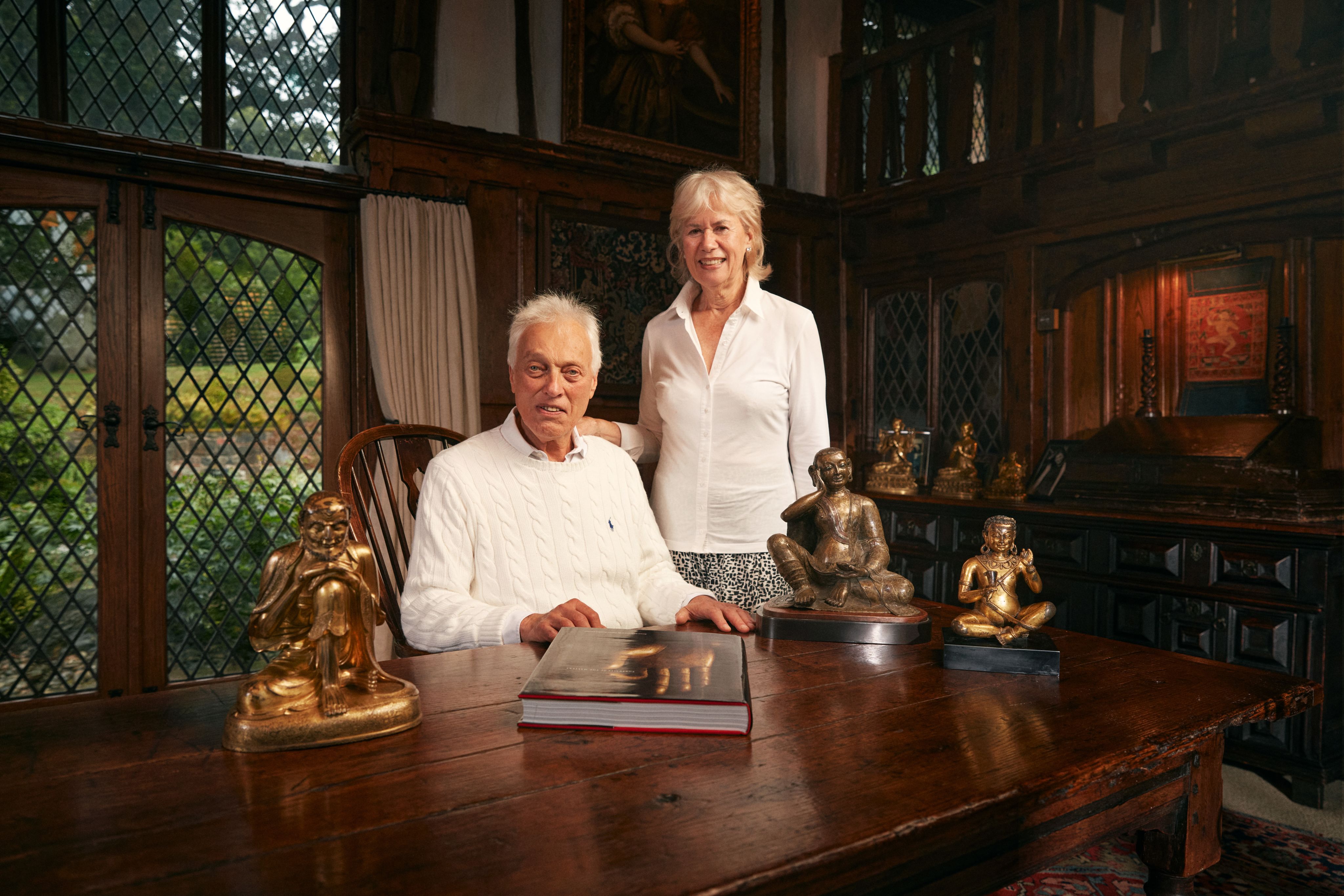
In April this year, there will be two more sales from this highly personal collection, in Hong Kong. Just as last year’s sale marked 60 years in business, this year’s 8 at 80 sale honours Speelman’s 80th birthday by showcasing eight exceptional examples of Himalayan Art, each from a distinct, significant period. Meanwhile, the collection of 25 Monks and Mahasiddas reflects a long-held fascination with these Tibetan portraits of important teachers. Speelman says, “Years ago I was intrigued by monks because they are, by definition, a real picture made at the time, in bronze or silver, of a person who lived. They are true portraits. The photography of the 15th century. Again, I tended to purchase and hold things which I thought were exceptional of their type, so each individual one is extremely rare and a really good example.”

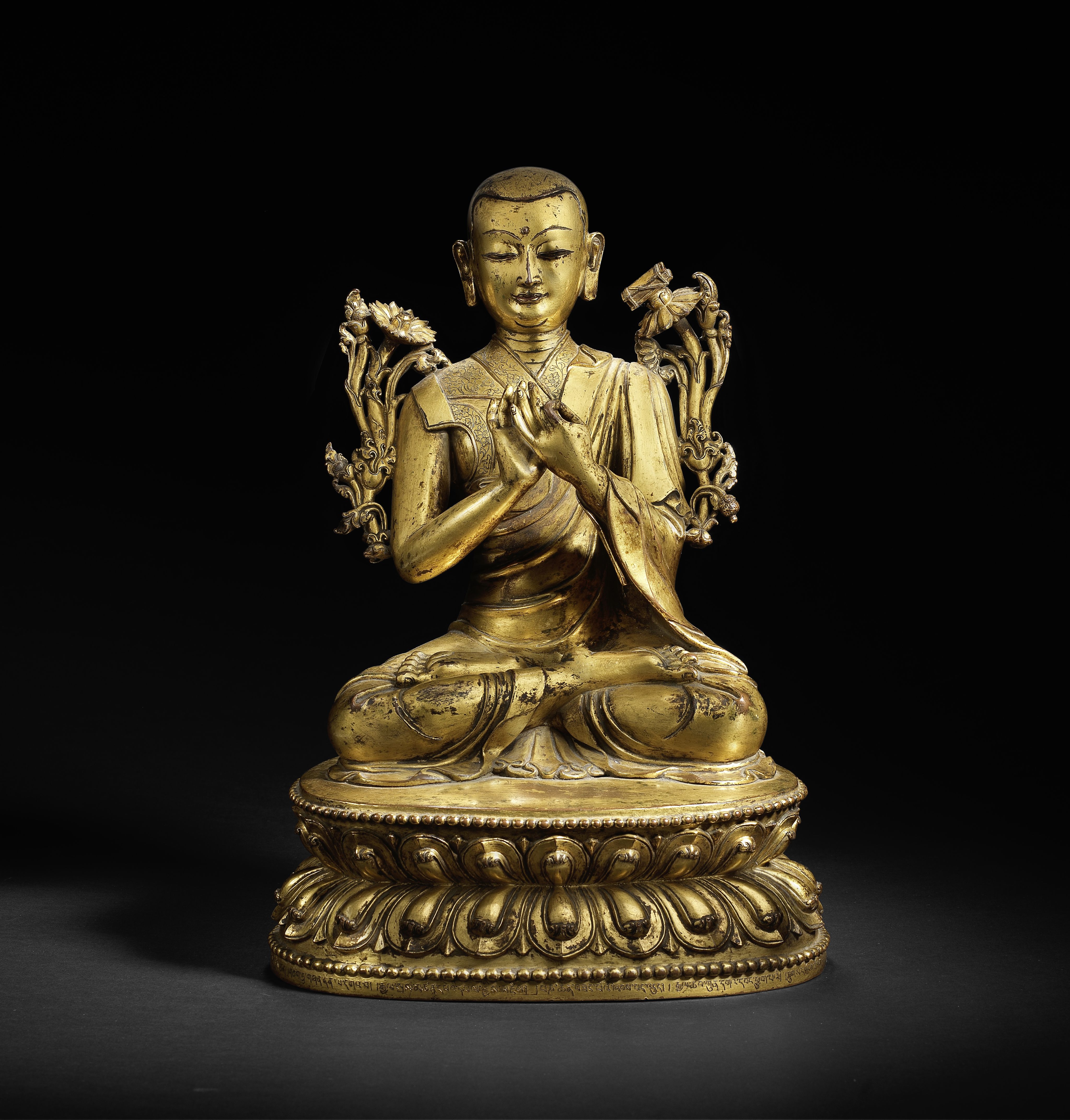
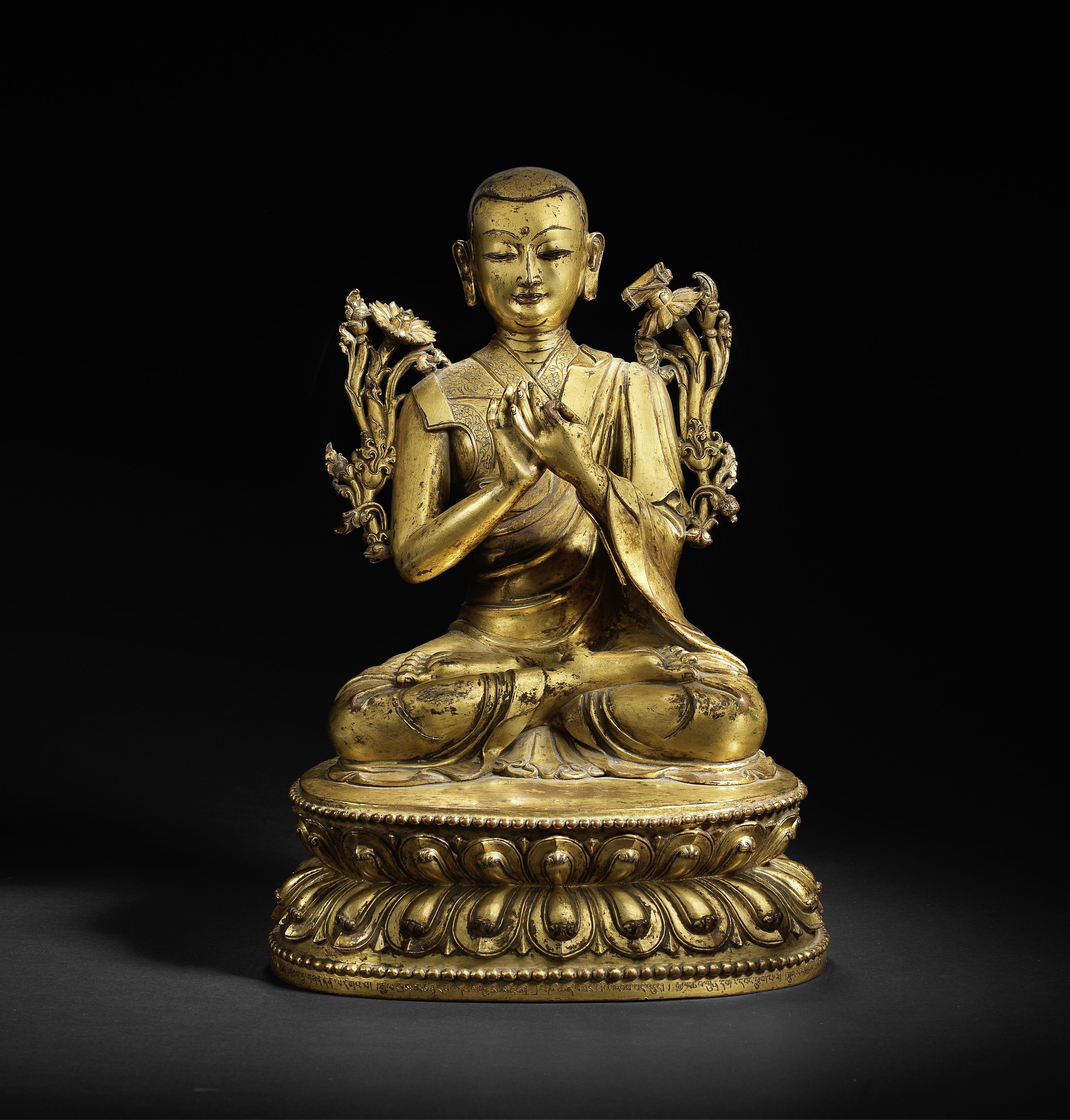
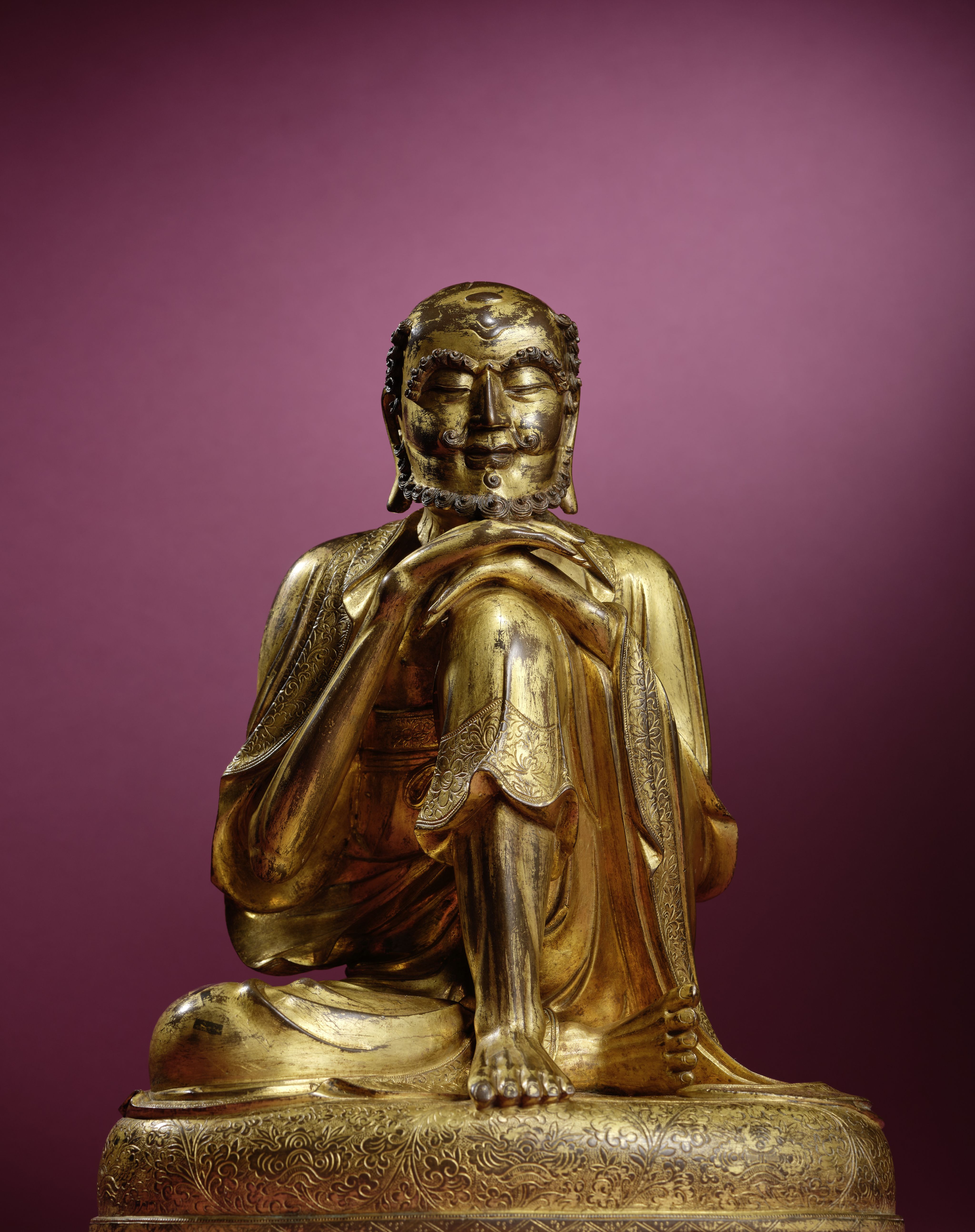
Monks and Mahasiddhas: A GILT COPPER ALLOY FIGURE OF SAKYA PANDITA, TIBET, CIRCA 1480-90. Estimate: HK$4,000,000-6,000,000
Monks and Mahasiddhas: A GILT COPPER ALLOY FIGURE OF SAKYA PANDITA, TIBET, CIRCA 1480-90. Estimate: HK$4,000,000-6,000,000
“His elegant home in Kensington is filled with astonishing art works from large Tang ceramic figures to Northern Song Dynasty stone sculpture”
Speelman developed his eye for the exceptional early on. In his elegant home in London’s borough of Kensington, filled with astonishing art works from large Tang ceramic figures to Northern Song Dynasty stone sculpture, Speelman talks about his unswerving commitment to the business of collecting. “The interest came from a very early age – 13, 14, 15 – when I collected Matchbox toys.” As a child, accompanying his father to the Victoria and Albert Museum, he would look at the showcases of English porcelain, for example, and put the question, “So how do you recognise if that is Bow Porcelain or Chelsea?” He adds, “Learning to recognise specific detailed styles intrigued me.”
Rather than university, he put himself through a rigorous training within museums of examining objects closely, determined to develop the capacity to respond to any object he might encounter with “a rough of idea of what I was looking at, whether a piece of Saudi Arabian alabaster or a Gandharan sculpture or a Tompion clock.”
“The interest came from a very early age – 13, 14, 15 – when I collected Matchbox toys”
He recognised that his father’s primary interest in European porcelain meant a focus on art works produced over a brief 150-year period – from 1700 to 1850, “whereas Chinese Art was 4,000 years.” With pragmatism and commitment, Speelman moved from studying Ming bronzes to Tibetan bronzes and Nepalese. As he says, “You have to learn the iconography and the stylistic periods, but as regards whether something is genuine or not, you use the same criteria as you do for Chinese art.”

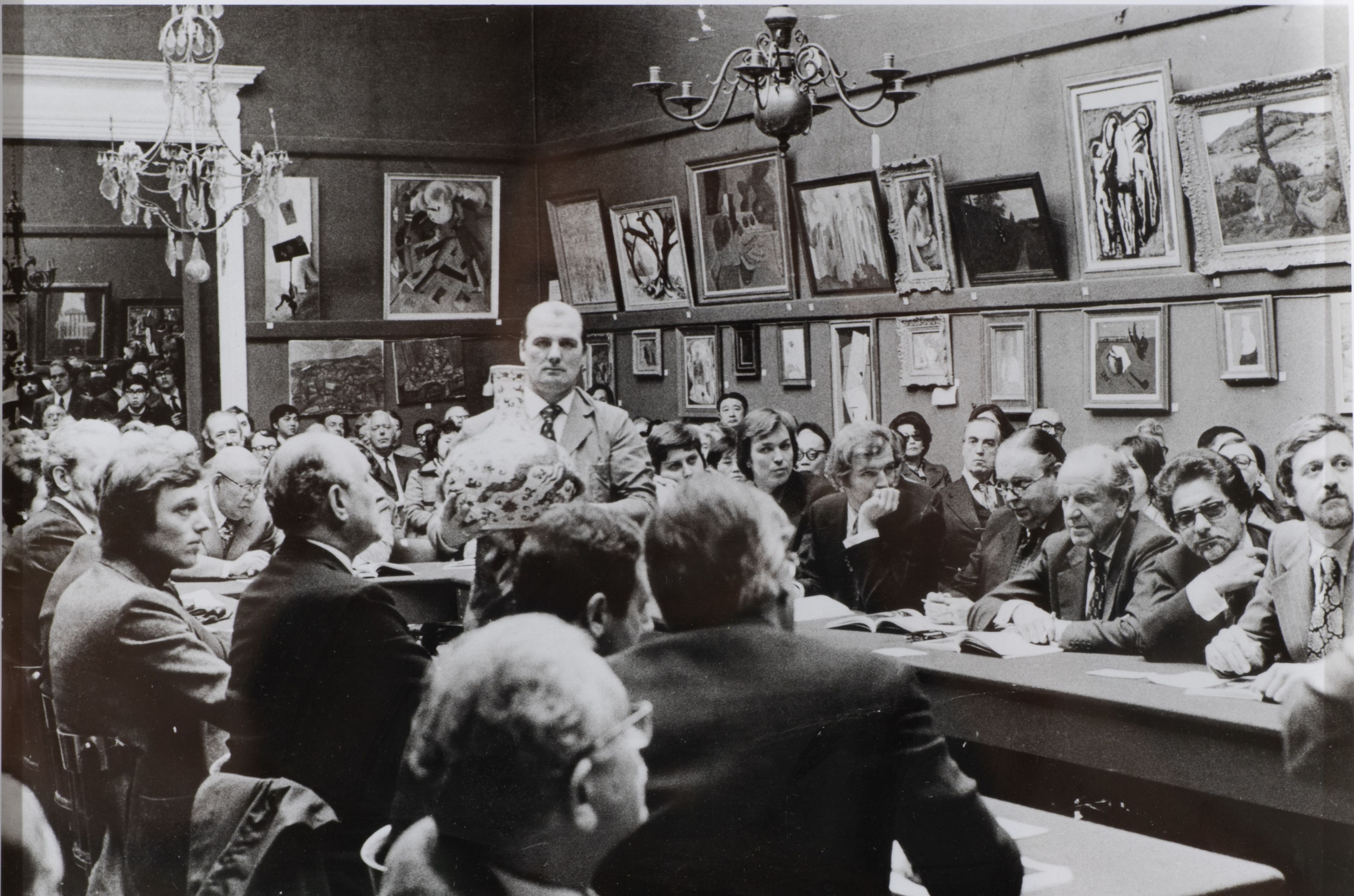
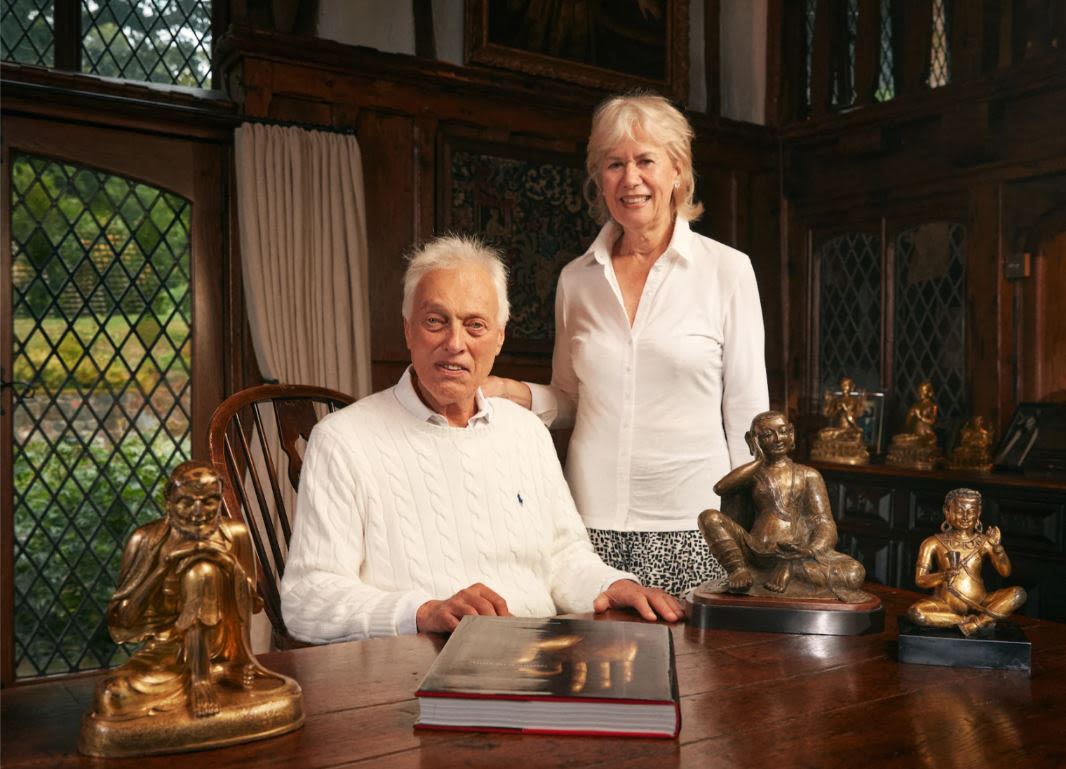
From Matchbox toys to Himalayan art: Speelman, seated far left, at auction in the early days of his collecting journey
From Matchbox toys to Himalayan art: Speelman, seated far left, at auction in the early days of his collecting journey
He credits his father and great uncle – whether through genetic inheritance or example – for his instinct for quality: “It has been my good fortune to be able to sense if something is absolutely top and therefore I have to have it.” If his instinct is true, there is little risk: “There is always going to be someone else with deeper pockets to whom you are going to be able to sell it.” He adds, “The excitement is having that object and knowing it is great.”
Speelman’s pursuit of quality has been accompanied by an embrace of different materials – the bronzes of this collection, but also hardstones, lacquer and ceramics – and different artistic traditions. But he suggests that he is especially drawn to sculptural, three-dimensional art, largely figurative, and is fascinated by cross-cultural influence: “One of the first things that appealed to me was Gandharan art, because that sculpture stemmed from Greece. And then the flow from Gandhara to the whole of Asia; the way the robes were interpreted from Greek and Roman sculpture into Gandharan art; and the way the Chinese or the Sri Lankans interpreted those.”

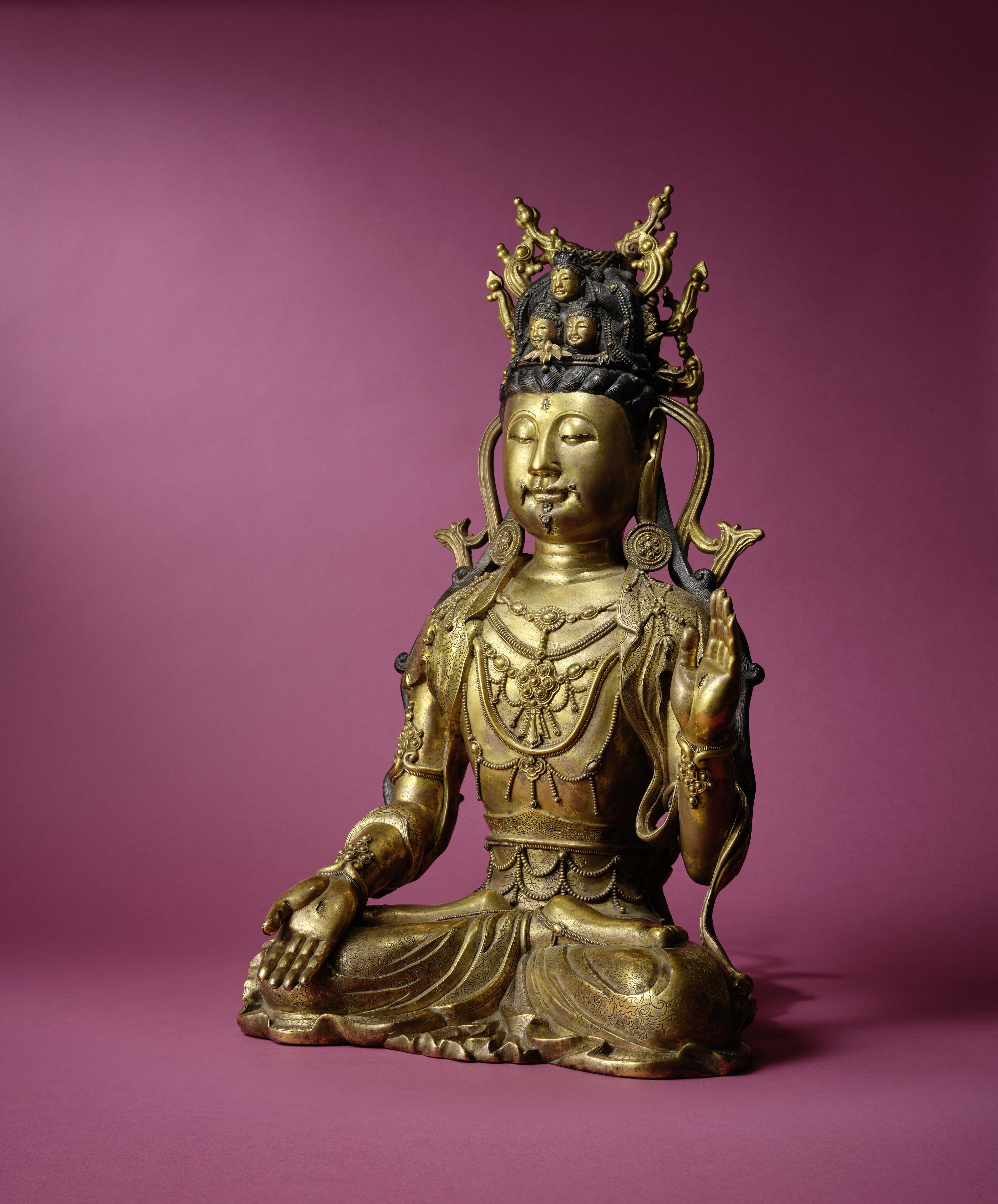
8 at 80: A gilt copper alloy figure of Shakyamuni Buddha as an Ascetic, China, Yuan Dynasty. Estimate: HK$8,000,000-10,000,000
8 at 80: A gilt copper alloy figure of Shakyamuni Buddha as an Ascetic, China, Yuan Dynasty. Estimate: HK$8,000,000-10,000,000
His eclectic taste is evident too in the range of styles found in the upcoming sales – from the massive gilt-bronze figure of the Bodhisattva Avalokiteshvara, made in China, from the Song/Ming Dynasty, on offer in the 8 at 80 sale, to the highly individual silver and parcel gilt portrait of a lama, from 15th/16th century Tibet, with its expressive features and unusual paintwork, just 19.5 cm in height. As Speelman puts it, “I get just as much interest and pleasure from the bronze pieces as from the gilt or silver ones. Each is a different period. Each period has to be understood in its own terms.” He does, however, acknowledge the especial rarity and beauty of his early gilt copper alloy Figure of Maitreya, from Central Tibet, dated 11th/12th century: “It is very rare to find a sizeable gilt-bronze piece of that period in such exceptional condition and quality. It is parallel with another one in the Potala Palace which is very similar. It is of exceptional quality. What is interesting is that the depiction of the face is atypical for bronzes, but you find it reflected in Thangkas of that period. It has got rather unusual pointed features to the face related to Thangkas that also signifies its early period.”

So why is Speelman selling this collection now? There is some family pressure: “Certainly my family has said to me, ‘You have so many items. Why not curb it a bit?’” Until now he has resisted, recognising that to part with these objects would mark the ending of an era. But there is also an excitement about completing the cycle. Speelman says, “I might have a notional value for what I judge to be a fantastic object, but will other people see it as quite as good as that? When those things are sold, the market will tell me to what degree my judgment was correct.”
“I might have a notional value for what I judge to be a fantastic object, but will other people see it as quite as good as that?”


Completing the cycle: Highlights of Speelman's exceptional collection will be offered across two sales in Hong Kong this April, 8 at 80 and Monks and Mahasiddhas: Living the Teachings of Buddha
Completing the cycle: Highlights of Speelman's exceptional collection will be offered across two sales in Hong Kong this April, 8 at 80 and Monks and Mahasiddhas: Living the Teachings of Buddha
The market has undoubtedly shifted since Speelman began collecting. He explains that for many years his clientele was largely western. Today, it is 90% Asian. Selling mainly to other dealers, he finds the buyers are much younger – in their 20s, 30s and 40s – than before. He also senses a burgeoning market among Chinese collectors for Himalayan objects and among Indian collectors for examples of their heritage.
Speelman confesses himself astonished by how greatly the business of dealing has changed over his lifetime. The first seismic shift was when auction houses began to print estimates in their catalogues. The latest has been the explosion of online activity since the pandemic. As he puts it, “There is no centre to the market anymore – it is undoubtedly a web.”
Reflecting on the particular objects in the sale, Speelman comments, “One thing I didn’t realise when I was buying these pieces was how they would go up in value. I bought what I really liked and by comparison with other art fields they seemed comparatively inexpensive.” And as we part, Speelman allows himself a final consolatory thought, “There are always new areas. It is extraordinary how there is always the potential of something else to look at.”
Emma Crichton Miller writes for Apollo and the Financial Times, among other publications.
8 at 80 | Hong Kong | 5 May 2025
Monks & Mahasiddas: Living the Teachings of Buddha | Hong Kong | 5 May 2025
For enquiries, contact Asaph Hyman on asaph.hyman@bonhams.com or +44 20 7468 5888
Or, contact Mark Rasmussen on Mark.Rasmussen@bonhams.com or +1 917 206 1688
Read more...
Man of the world
When Claude de Marteau flunked out of school at 17, it hardly seemed credible that he would become one of world’s great collectors of Asian art. Edward Wilkinson has the story
More from the Jules Speelman collection
Jules Speelman reveals the story behind the objects that have shaped his life's journey, and introduces the sales celebrating the milestone of 80
A family affair
Three generations of the Rousset dynasty were tastemakers for Asian art collections formed in the 20th century. Emma Crichton-Miller talks to Mike Winter-Rousset about his family’s legacy and how it all began

 Built with Shorthand