
Collecting 101
5 Things to Know About Quartz
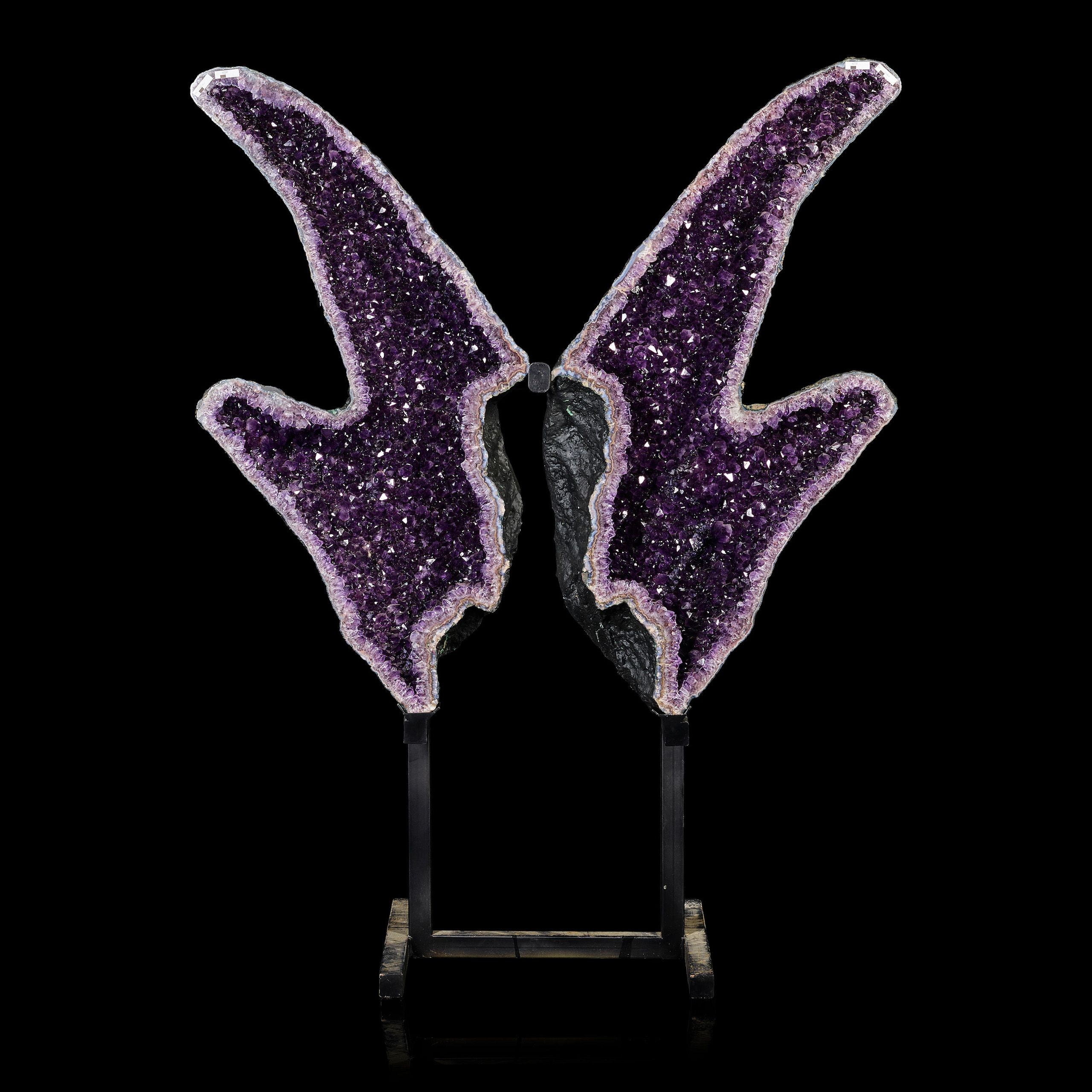

Quartz is one of the most sought-after and popular crystals among collectors. They are not only beautiful, but also fascinating due to their various physical and chemical properties.
We are honored to offer quartz and metaphysical minerals from the collection of Joanna Candler in our Natural History auction, taking place on 7 June in Los Angeles. Ahead of the sale, here are five quick facts about quartz and why it has become a popular collectible mineral.
1.
What is quartz?
Quartz is a mineral that has fascinated people for centuries. Its name has German and Slavic roots, and applies to a group of minerals of the same chemical composition (SiO2) and similar physical properties—some of the most popular known forms of quartz include amethyst, citrine, rose quartz, smoky quartz and clear quartz. It is one of the most abundant minerals on Earth.
Quartz is a collector’s mineral due to its fascinating characteristics and stunning beauty. Collecting quartz specimens can be a rewarding and educational hobby, allowing collectors to appreciate the natural beauty and unique properties of this remarkable mineral.
2.
Where is quartz found?
Quartz is found in many different parts of the world. Some notable locations include Brazil, the United States, Madagascar, Russia, China, Canada and Namibia. Within these regions, it can be found in different geological formations, such as veins, pegmatites, alluvial deposits and sedimentary rocks. The specific geological conditions and history of each location determine the type and quality of the quartz.
3.
Why is quartz significant?
Quartz is a significant mineral due to its unique physical and chemical properties, as well as its cultural and historical significance. It is a highly sought-after crystal for collectors and is used in a variety of practical applications.
Quartz is also a very hard mineral, with a Mohs hardness of 7 out of 10, making it an ideal choice for jewelry, decorative objects, laboratory equipment, and electronic devices. Its ability to produce an electrical charge when subjected to mechanical stress or pressure has made it an essential component in modern technology.
In addition to its practical uses, quartz has a long cultural and spiritual history. It has been used in many ancient civilizations for religious and healing purposes, and is still believed by some to possess properties such as promoting emotional balance, clarity of mind, and spiritual growth.
4.
What should a new collector look for?
There are many different types of quartz that are desirable to collectors, each with its own unique qualities and characteristics. Here are few that collectors look for:
Clarity: Clear rock crystal is a transparent variety of quartz that is prized for its clarity and versatility. Very few rock crystals are optically clear with no inclusions, and to showcase the water clear texture many are carved as a sphere or sculpture.
Size: Generally, larger crystals are more valuable, as they took longer to form.
Luster: Some quartz specimens have a natural surface, while others are polished to bring out their vitreous luster. A popular specimen known as druzy quartz is characterized by a layer of tiny, glittering crystals that form on the surface of a larger quartz based mineral. These crystals are typically formed by the slow deposition of silica or other minerals on the surface of the host material, resulting in a sparkling, textured appearance that is appealing to collectors.
Form: Quartz crystals can come in needles, points, cluster—which are showcased in our upcoming June sale.
Colour: Some of the most popular quartz crystals are the ones with vibrant colours, such as amethyst, citrine, smoky quartz, and rose quartz.
Rarity & Uniqueness: Rare or unique quartz specimens often hold special value for collectors. This could include specimens with unusual growth habits, rare color varieties, or specimens from rare or lesser-known localities.
5.
The Quartz Market
Quartz is a rock-solid investment. Popular for centuries for its beauty, practical uses and spiritual significance, it is still gaining attention throughout the mineral collecting market.
The demand for high-quality quartz specimens is increasing, especially ones with unusual quality or appearance. It also holds a strong demand in industries such as construction, electronics, optics and jewelry. As a result, the prices for quartz specimens can increase over time, especially if they are well-preserved and in good condition.
Register to bid for Natural History: Fossils, Meteorites and the Joanna Candler Collection of Quartz and Other Metaphysical Minerals before 7 June. For more information contact Esther.Park@bonhams.com.

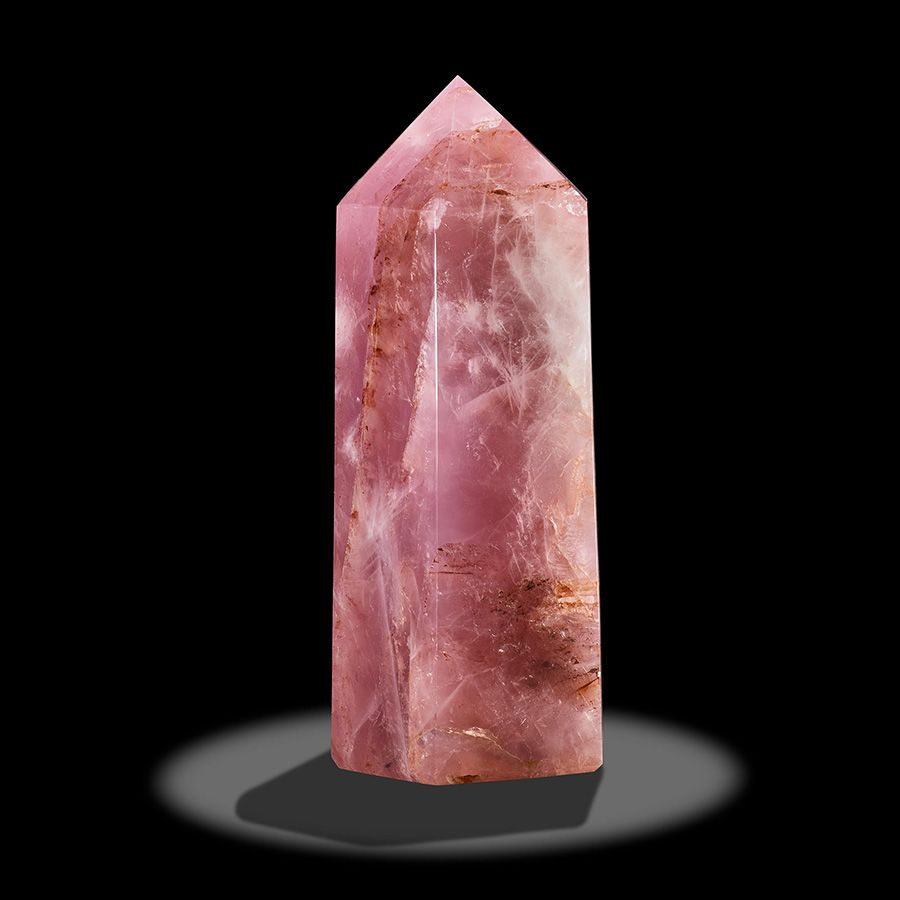
Lot 2266. Polished rose Quartz. Estimate: $800 - $1,200
Lot 2266. Polished rose Quartz. Estimate: $800 - $1,200
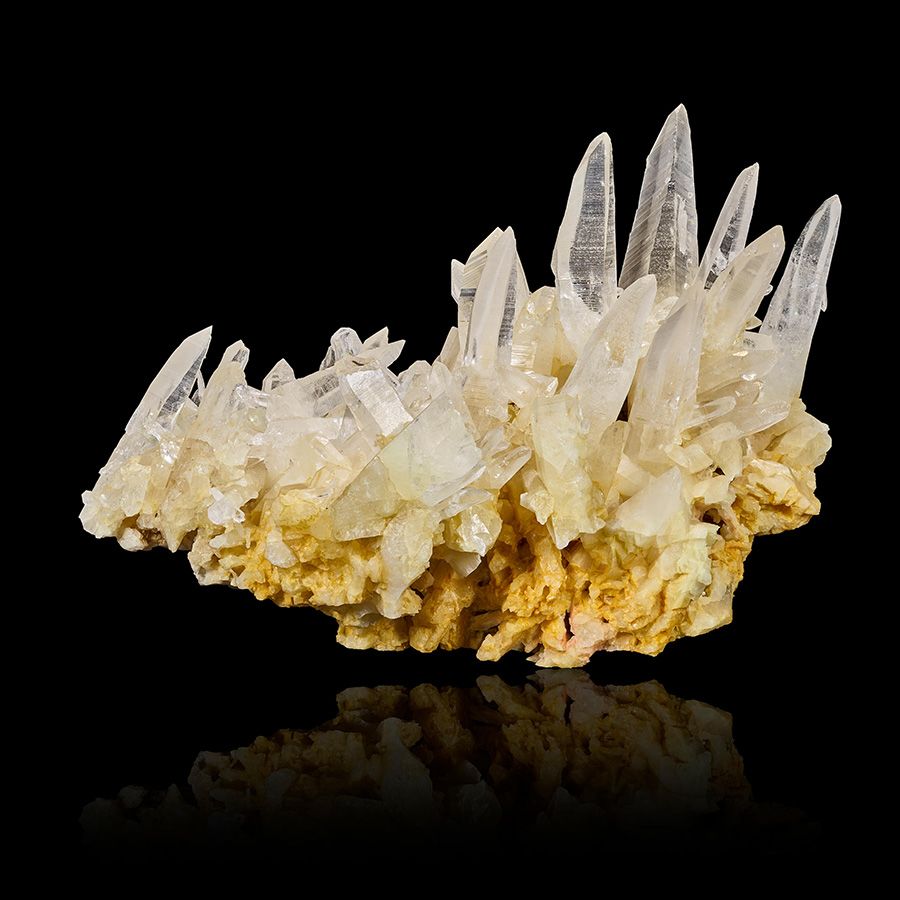
Lot 2298. Very Large Lemurian Quartz Cluster. Estimate: $3,000 - $4,000
Lot 2298. Very Large Lemurian Quartz Cluster. Estimate: $3,000 - $4,000
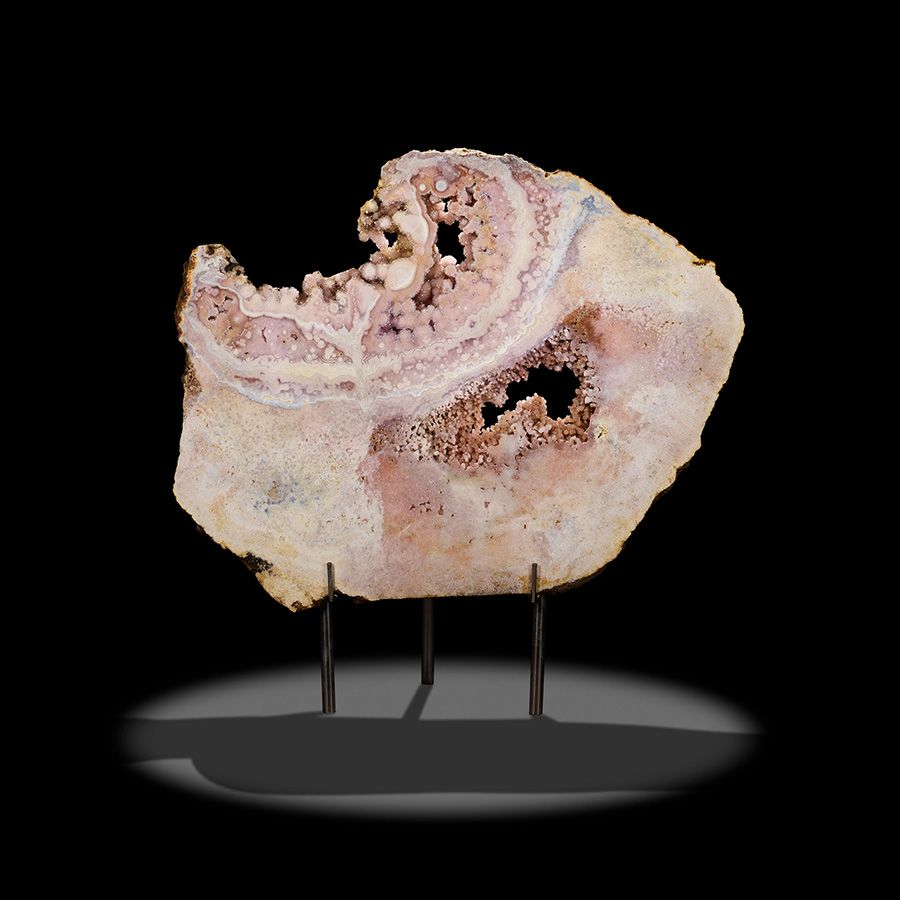
Lot 2267. Giant Rose Quartz Slab with Druzy Pierced Cavities. Estimate: $2,500 - $3,500
Lot 2267. Giant Rose Quartz Slab with Druzy Pierced Cavities. Estimate: $2,500 - $3,500
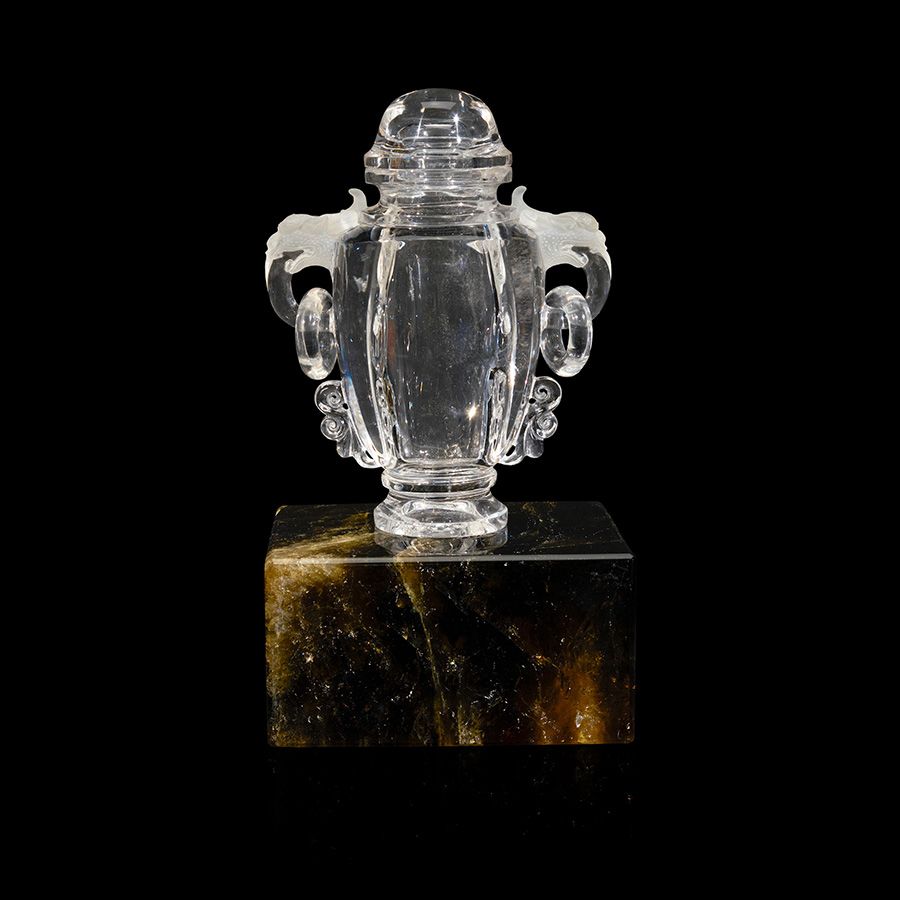
Lot 2290. High-Clarity Rock Crystal Quartz Covered Jar on Smoky Quartz Base. Estimate: $3,000 - $5,000
Lot 2290. High-Clarity Rock Crystal Quartz Covered Jar on Smoky Quartz Base. Estimate: $3,000 - $5,000
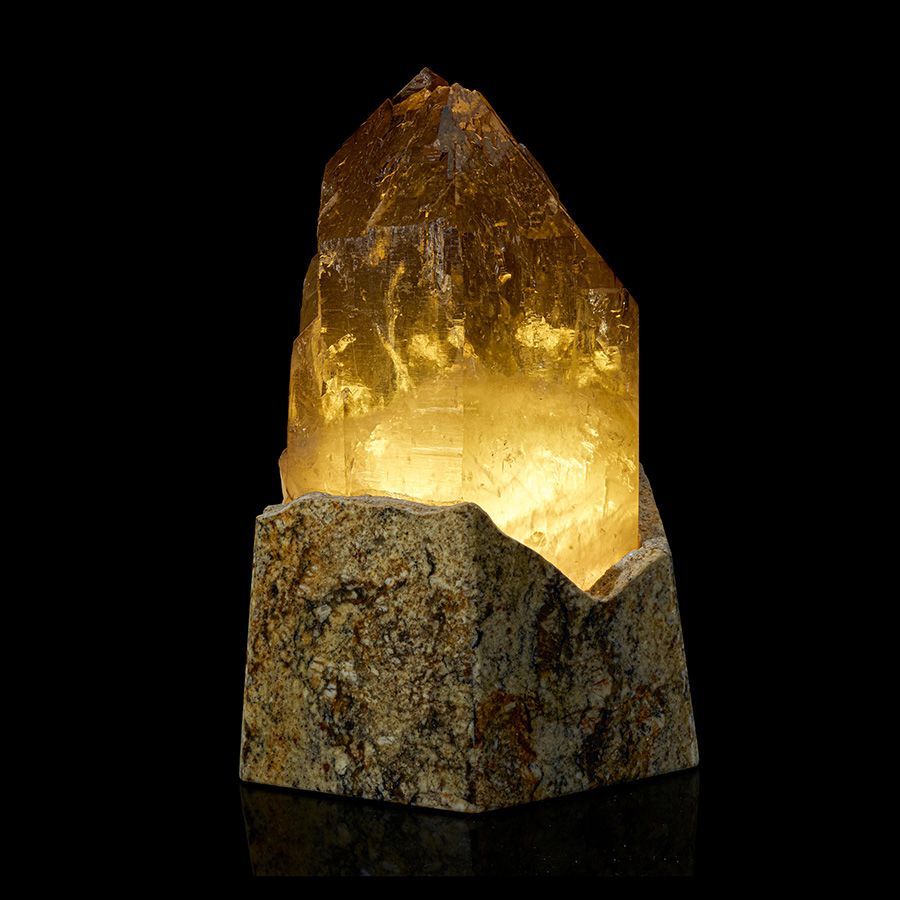
Lot 2285. Large Smoky Quartz / Citrine Cathedral with Illuminated Marble Base. Estimate: $4,000 - $6,000
Lot 2285. Large Smoky Quartz / Citrine Cathedral with Illuminated Marble Base. Estimate: $4,000 - $6,000
 Built with Shorthand