
Collecting 101
5 Things to Know About African, Oceanic and Pre-Columbian Art
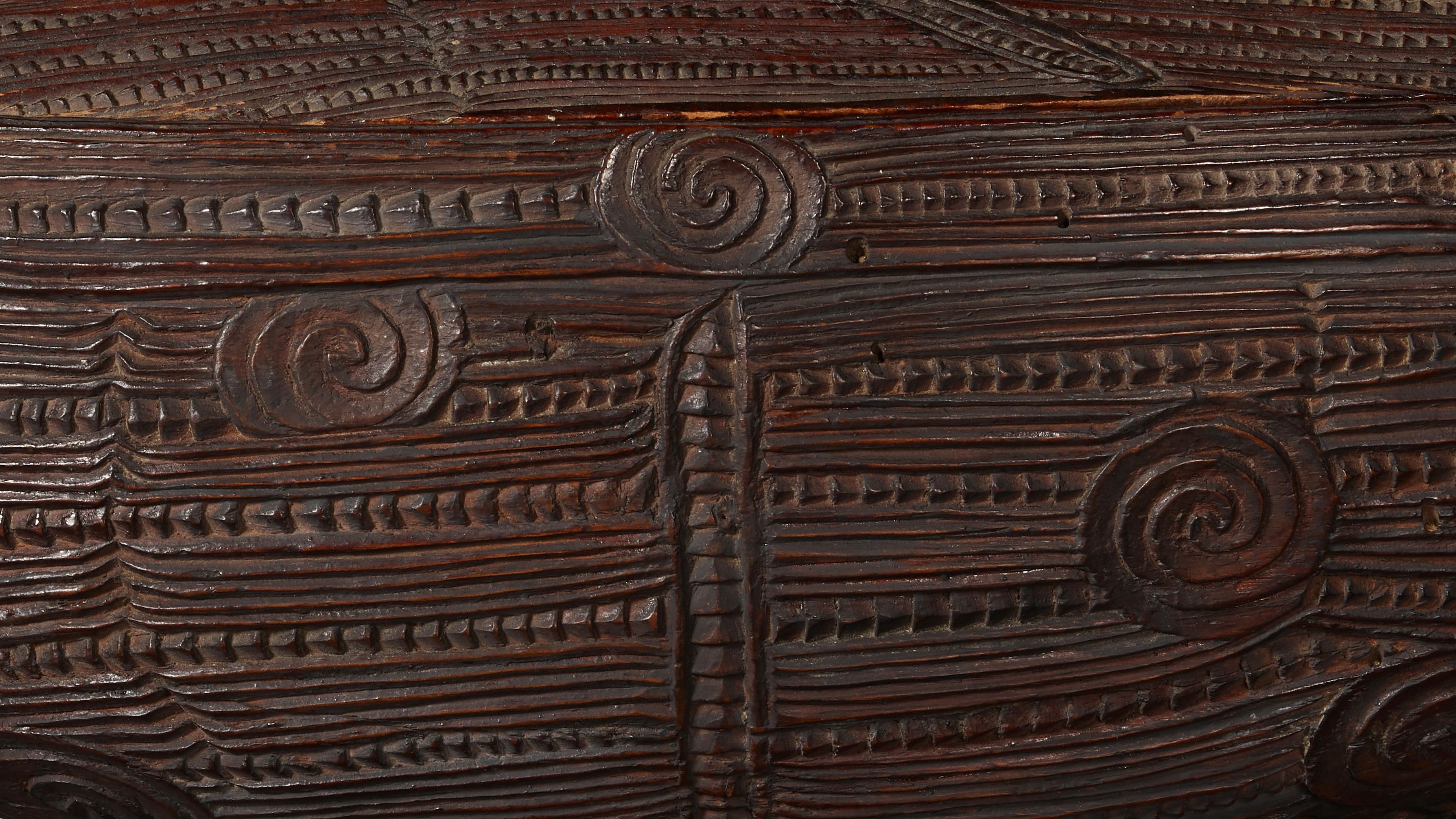

With the origins of some African, Oceanic and Pre-Columbian art going beyond recorded history, the rare and authentic pieces from these geographical regions provide insight into ancient worlds and traditions that, in many cases, no longer exist.
Here, Fredric Backlar, Director of the African, Oceanic and Pre-Columbian Art department, shares his 30 years of art academic experience on traditional tribal art from Sub-Saharan Africa, Polynesia, Micronesia, Melanesia, Australia, Indonesia and Central and South America.
Illustrated with lots offered in African & Oceanic Art taking place on 16 November 2021 in New York.

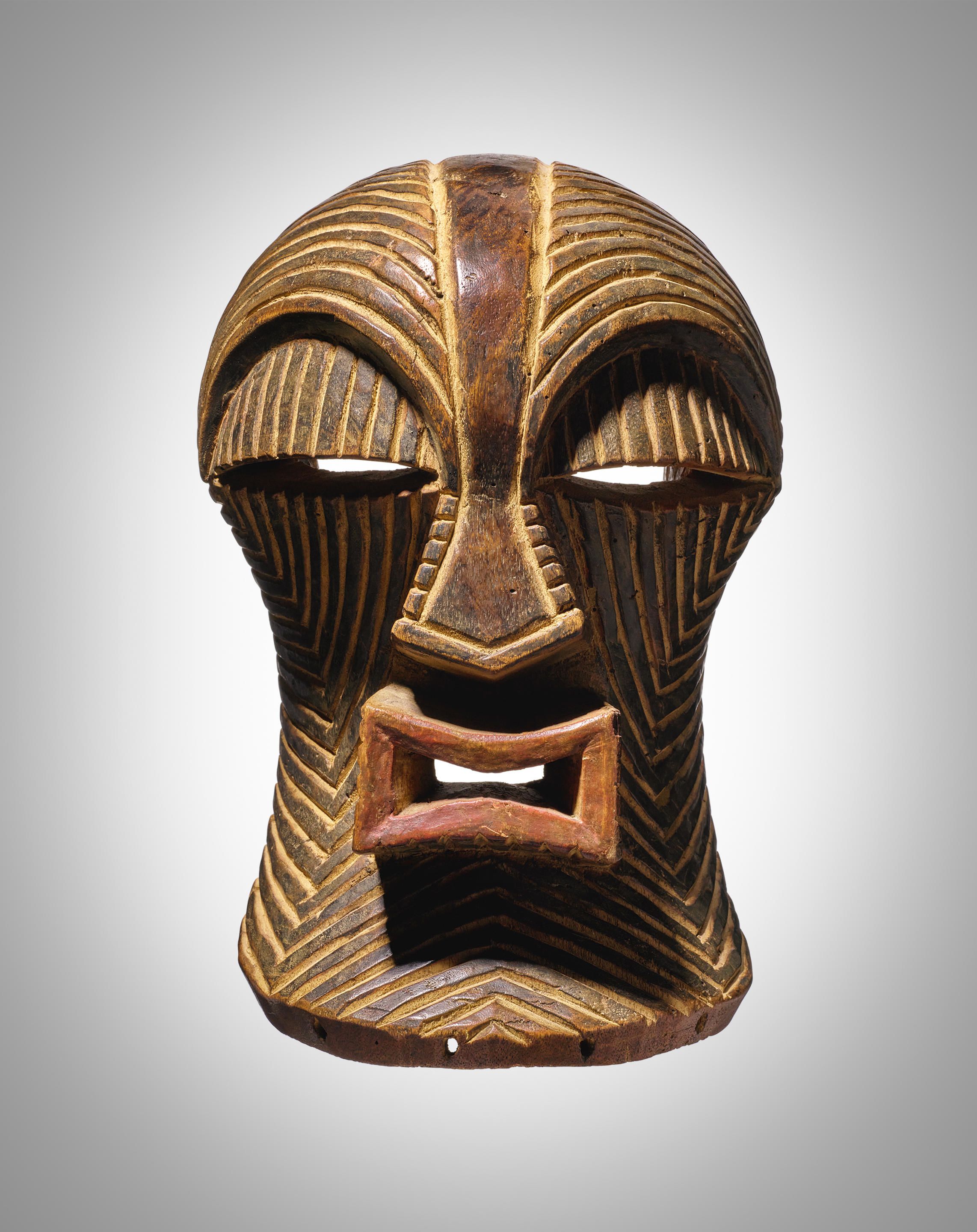
1.
Discovery
From as early as 3000 BC, civilizations and tribes from African, Oceanic and Pre-Columbian cultures created art that reflected their traditions. These included ceremonial and religious items for the elite as well as utilitarian and specialized items for daily use within the local cultures. From Easter Island Moai Miro wood sculptures to a Dogon Monkey Mask from Mali, or a Maya Polychrome cylinder vase, there is an abundance of styles and forms to choose from when beginning as a new collector of African, Oceanic and Pre-Columbian Art.
With so much variety, it is important to refine your taste, which should be determined by what appeals to you most visually. Educate yourself on the subjects, traditions and civilizations you are most interested in by exploring the vast amount of research material on offer. We recommend reading Tom Phillips’ Africa – The Art of a Continent, Kaeppler, Kaufman & Newton’s, Oceanic Art and Hasso von Winning’s Pre-Columbian Art of Mexico and Central America.
Introduce yourself to museum curators, scholars, academics, dealers and other collectors you can trust to give you guidance and advice. At Bonhams, we welcome and encourage new collectors to inquire and ask questions at any time.
2.
Authenticity
The traditional forms and purposes of African, Oceanic and Pre-Columbian art are key to defining their authenticity. Central and South American art forms began their decline in the late 15th century due to the European conquistadors and later in the late 19th and early 20th centuries traditional African and Oceanic art began to eclipse after many cultures were converted to Christianity or Islam.
As a result, art from the ancient civilizations started to lose its cultural relevance, which meant its authenticity became symbolic of the traditions it stood to represent. This symbolism can be seen in decorative pieces such as the Olmec Greenstone masquette from the oldest civilization in Mesoamerica and in the immense religious and royal structures associated with indigenous civilizations such as the Aztecs Tenochtitlán in central Mexico and the Nazca people’s mountaintop citadel, Machu Picchu. While many cultures attempted to keep traditions alive, and still try to this day, most of the artwork being produced after WWII was made for westerners seeking souvenirs from their exotic journeys. This prompted artists from these cultures to create work for commercial incentives rather than more traditional purposes.
Since the West’s discovery of African, Oceanic and Pre-Columbian cultures and art, the demand for authentic pieces has grown. Unfortunately, this has led to a rise in fakes, which are often deceivingly well made by artists who make pieces look aged by faking the patina and wear. This has subsequently led to negative repercussions for traditional artists creating decorative works made without the intent to mislead the buyer. In order to avoid the unfortunate sale of a counterfeit, it is wise to seek advice from a trusted advisor or specialist who will guide you through each step of the buying process.
3.
Provenance
As the striking forms and diversity in origin in this field continue to grow in demand, provenance becomes increasingly important. As a rule of thumb, pieces that have been owned by significant collectors, handled by reputable dealers, published in important reference books, or been on exhibition in museums are more desirable and, hence, in greater demand. However, it is important to realize that provenance is only secondary to the artistic quality of an artwork. There are many authentic works of art still to be discovered that lack provenance.
4.
Quality
To ensure the best possible quality it is important to look for purity of form, simplicity and spontaneity. In order to do this, proportions of the work should appear balanced with parts clearly delineated. Pieces from this period should have patina with signs of traditional wear and use. A mask, for example, will have a glossy patina on the interior surface where the dancer’s nose and forehead would rub during use, or there may be slight abrasions left by the raffia costumes attached to the holes around some tribal masks. The darkening of wood, age cracks and oxidation of materials are also useful signs to decipher the quality of an art form.
If the work in question has been restored previously, it is important to find out how much of it has been restored. With an abundance of styles and materials on offer such as stonework, textiles, ceramics and wood carvings, the real investment should be found in the joy the object adds to your life. With this in mind, always prioritize buying the best quality you can afford.
5.
On the Market
The free forms and conceptual works of African, Oceanic and Pre-Columbian art became increasingly popular with Western artists in the 20th century, providing refreshing alternatives to the more traditional and naturalistic forms associated with Hellenism and the Renaissance. This influence is often cited in the work of Pablo Picasso, whose Les Demoiselles D'Avignon, 1908 and its abandonment of perspective and adaptation of Primitivism, signified a radical departure from traditional European painting.
As the ‘primitivist’ world view of African, Oceanic and Pre-Columbian art continues to be relegated to the past, traditional art from these geographical regions is recognized for its profound artistic quality and relevance within the global art world and market. While these art forms were originally pigeonholed for their archeological qualities and subsequently placed within the history museum context, they are now included in major international public and private art collections. This includes The Metropolitan Museum of Art, which holds more than eleven thousand works of art that represent the diverse cultural traditions of African, Oceania and Central and South American art.
As a consequence, there is a growing demand - 2006 marked the turning point for the market, when the Vérité private collection went on sale at Enchères Rive Gauche. Totaling €44 million, the auction secured several price records at the time for a paid work of tribal art.
Hosting two exhibitions and auctions twice a year, our African, Oceanic and Pre-Columbian Art department offers an array of unique, high-quality works ranging in price. Our May 2021 auction held in New York secured sales for a variety of art forms including a Exceptional Sawos Ceremonial Hook Figure from Papua New Guinea sold for $106,000, a Superb Hook Necklace from Hawaiian Islands sold for $88,000, and a Kota Ndassa Reliquary Figure from Gabon for $69,000.
Our next auction takes place on 16 November in New York, showcasing the amazing elegance, variety of form, and sculptural skill of traditional artists from Africa and the Pacific Islands.
Interested in learning more? Fredric can be contacted at fred.backlar@bonhams.com.

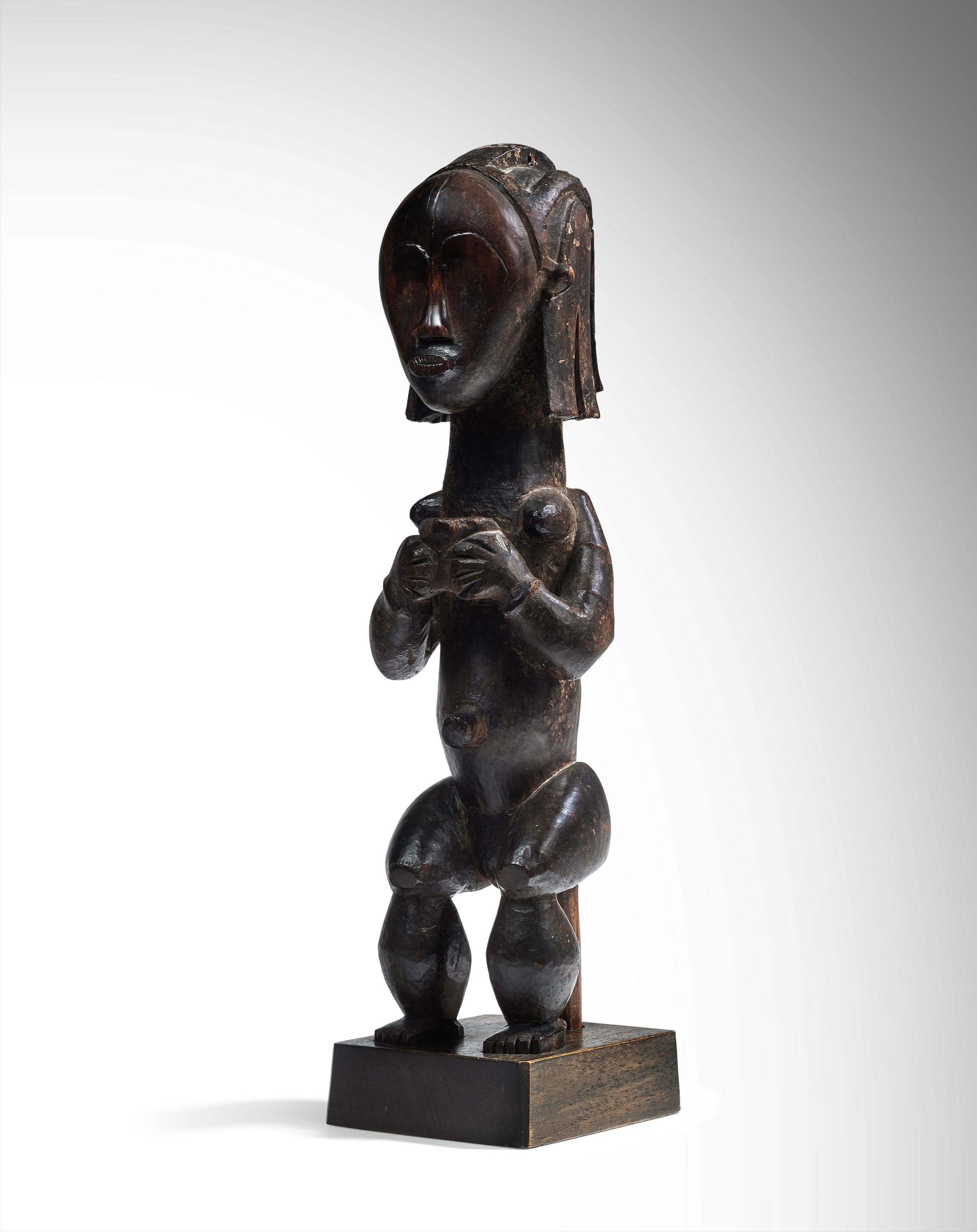
Lot 81. Fang Female Reliquary Figure, Betsi Group, Gabon. Estimate: $240,000 - 280,000
Lot 81. Fang Female Reliquary Figure, Betsi Group, Gabon. Estimate: $240,000 - 280,000

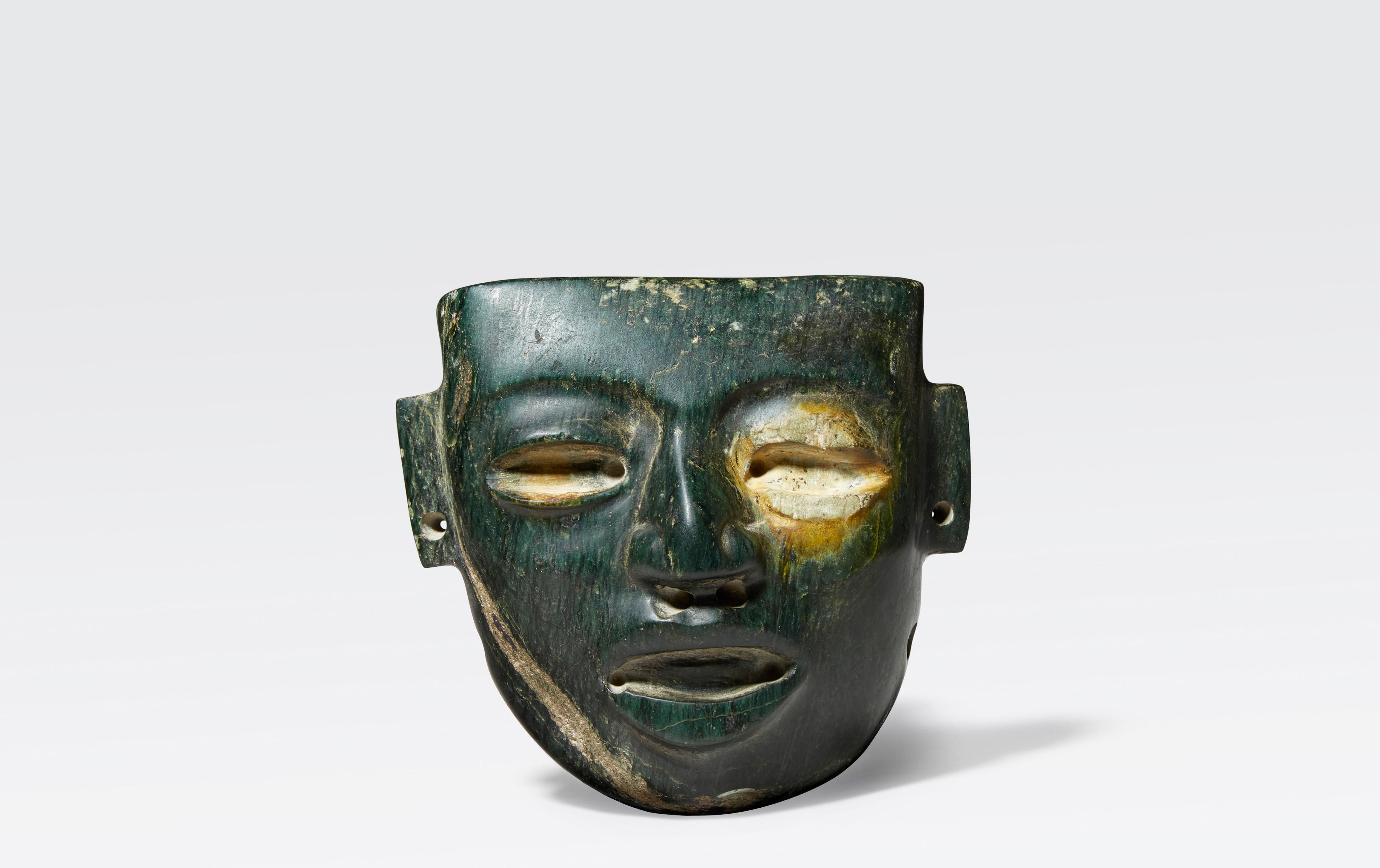
Teotihuacan Stone Mask. Sold for $36,250 on 6 December 2016 in Los Angeles.
Teotihuacan Stone Mask. Sold for $36,250 on 6 December 2016 in Los Angeles.

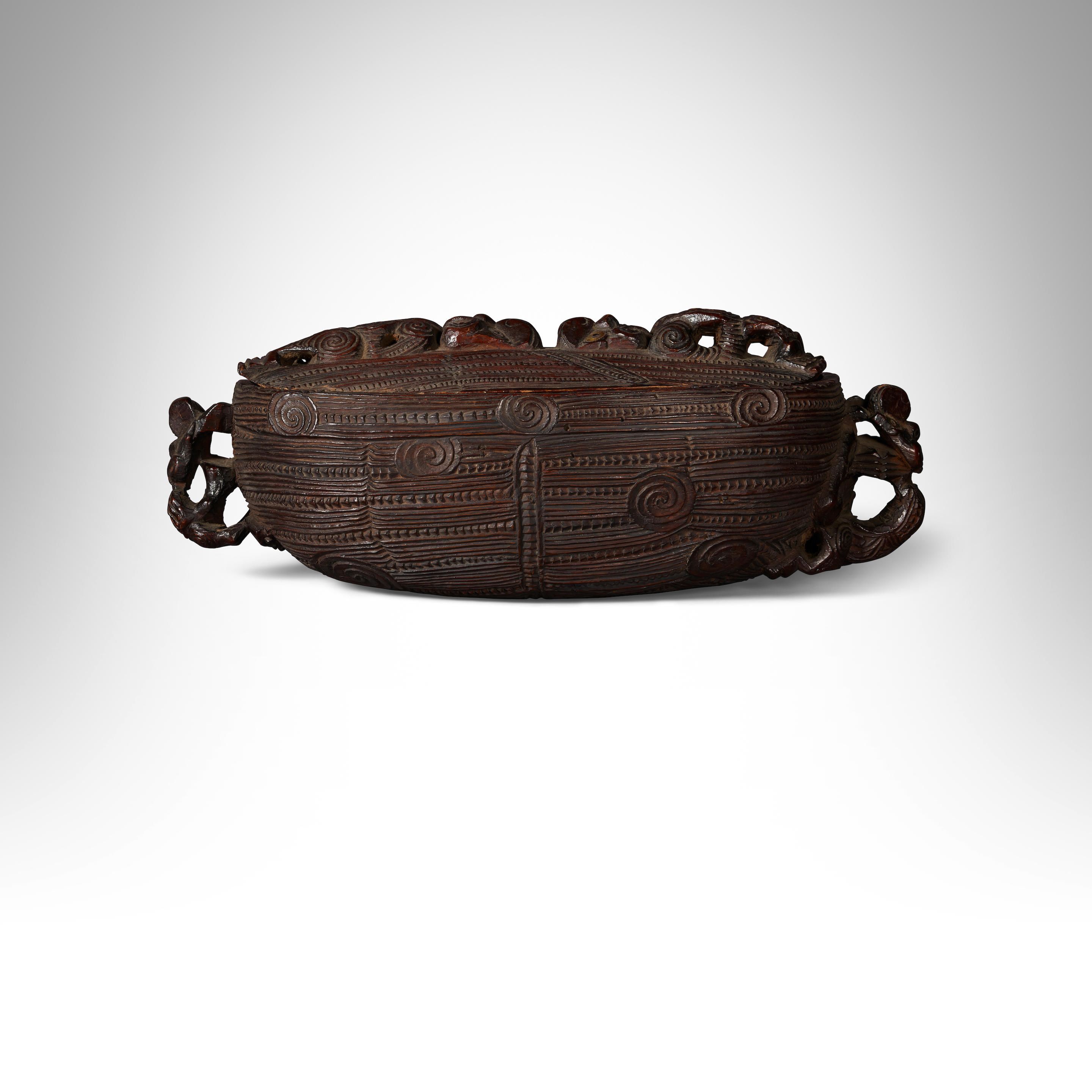
Lot 13. Rare Maori Treasure Box, New Zealand. Estimate: $35,000 - 45,000
Lot 13. Rare Maori Treasure Box, New Zealand. Estimate: $35,000 - 45,000
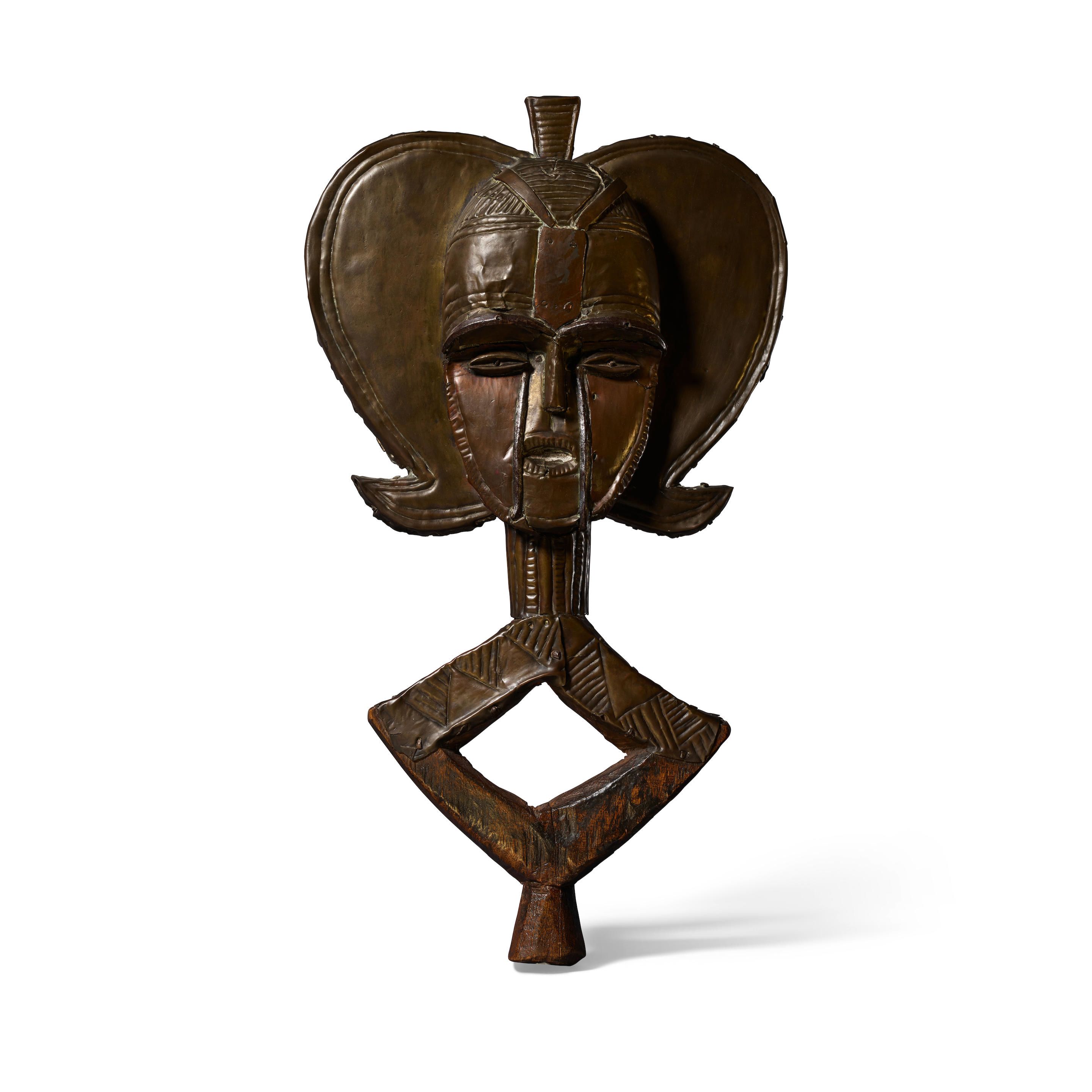
Lot 80. Kota-Ndassa Reliquary Guardian Figure, Gabon. Estimate: $30,000 - 50,000
Lot 80. Kota-Ndassa Reliquary Guardian Figure, Gabon. Estimate: $30,000 - 50,000
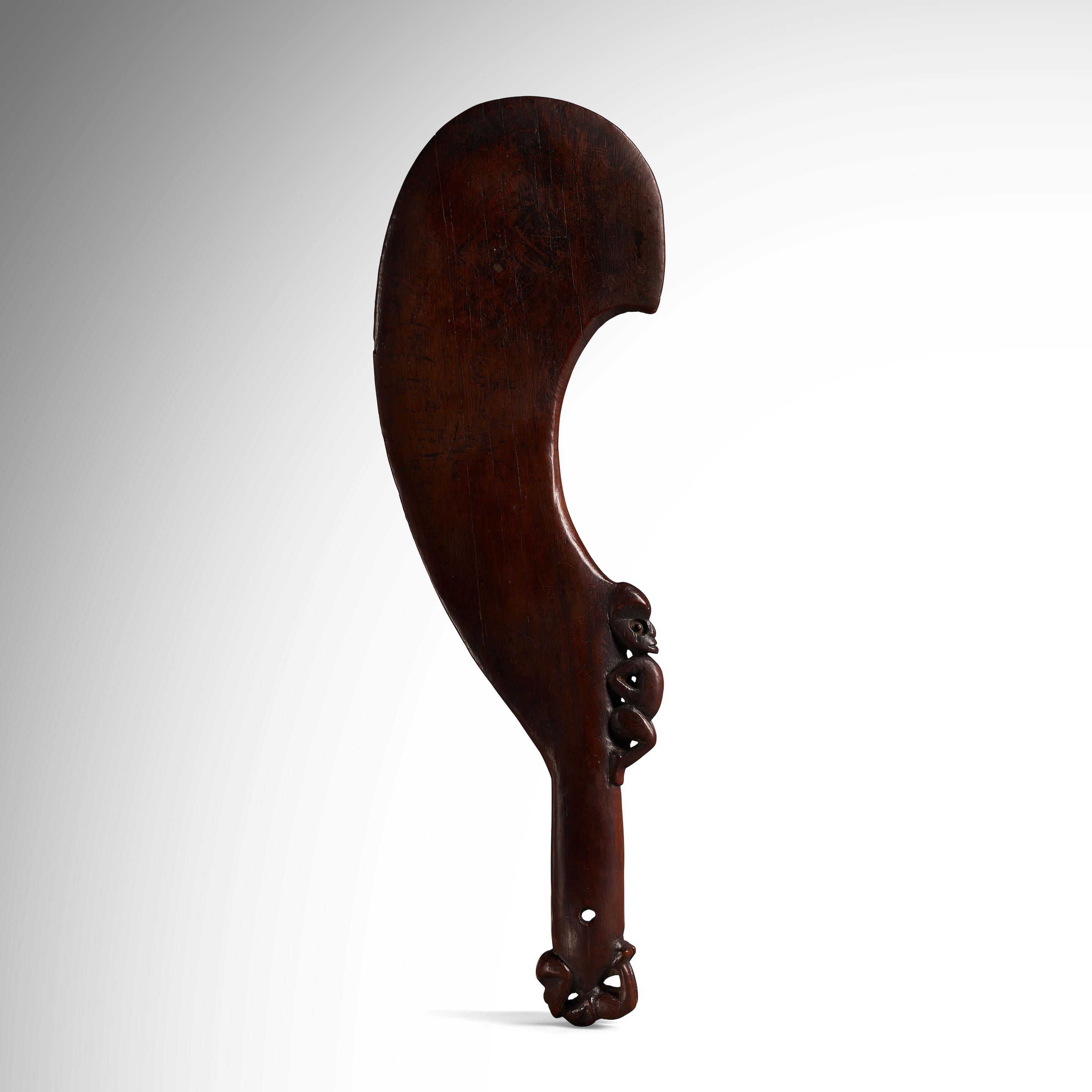
Lot 11. Maori Hand Club, New Zealand. Estimate: $25,000 - 35,000
Lot 11. Maori Hand Club, New Zealand. Estimate: $25,000 - 35,000
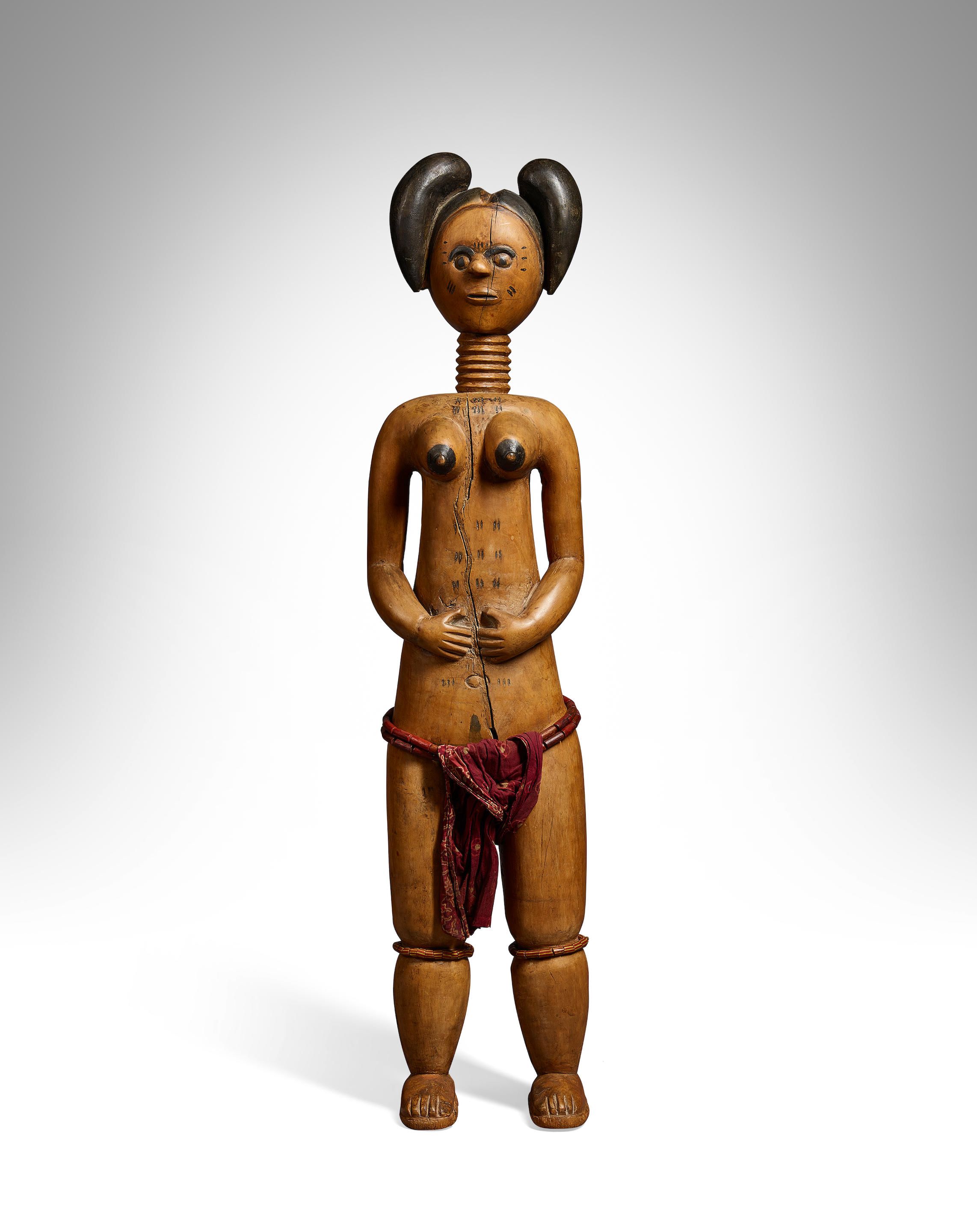
Lot 68. Fante Female Shrine Figure, Akan Culture, Ghana. Estimate: $40,000 - 60,000
Lot 68. Fante Female Shrine Figure, Akan Culture, Ghana. Estimate: $40,000 - 60,000


 Built with Shorthand