
Collecting 101
6 Things to Know About Native American Art
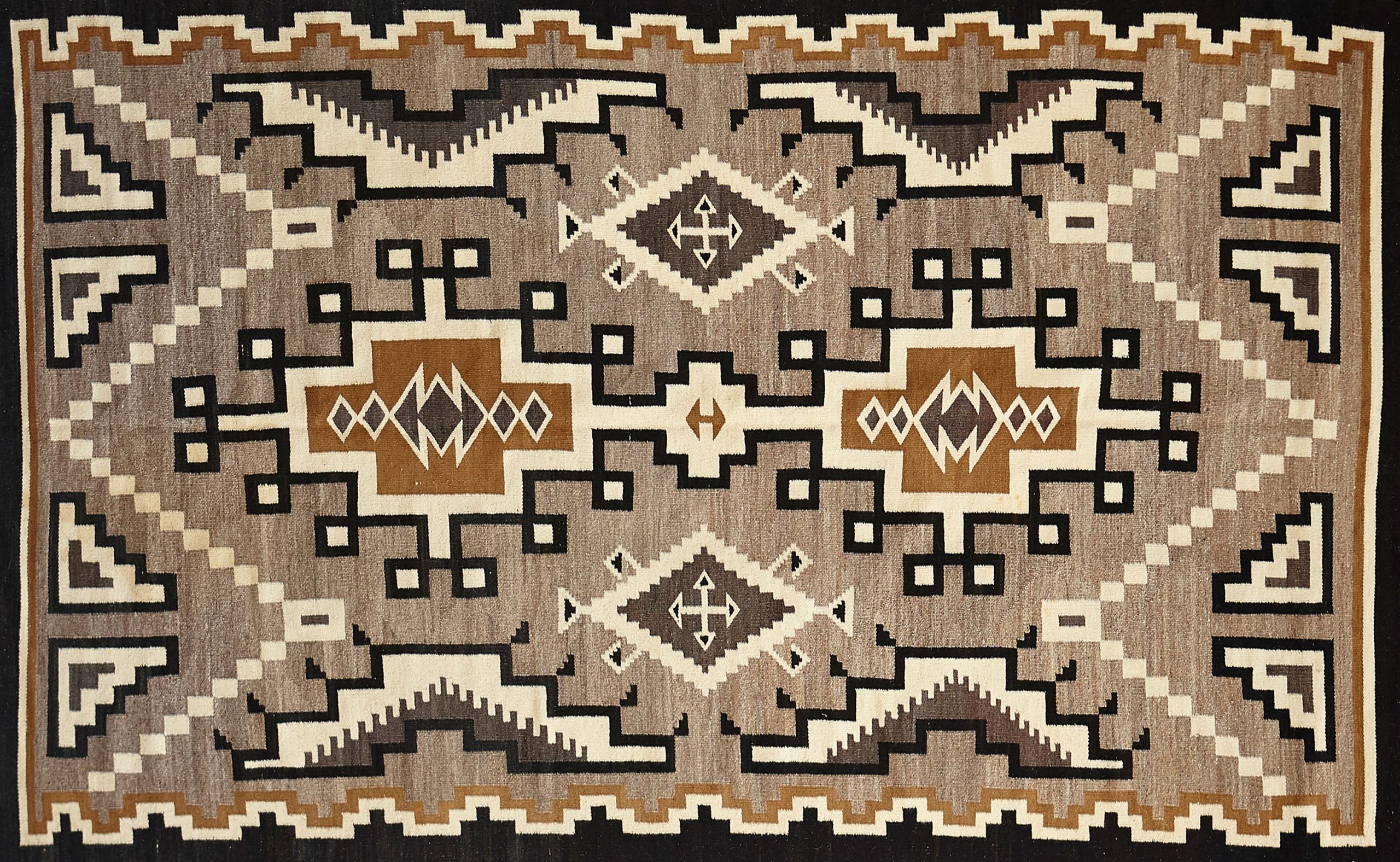

Native American Art documents the visual artistic practice of America’s original inhabitants, and encompasses a variety of mediums that include pottery, textiles and jewelry. From the historic artefacts to works by contemporary artists, Ingmars Lindbergs, Director of Native American Art shares with us the abundance of material documenting the remarkable achievements and technical craftsmanship of the Native American people.
Illustrated with lots offered in Modern & Historic Native American Art on 8 Dec and Native American Art Online on 7-16 Dec 2020.
1.
Pottery
The earliest Native American pottery appeared from 4,000 BCE and was traditionally used for utilitarian purposes; cooking, storing grains and holding water. The decorative qualities of traditional Native American pottery are as varied as the cultures that created them. While examples of ancient pottery can be found across the continent, the most well-known and recognizable is that of the peoples of the Southwest. Pottery from the Pueblos of New Mexico and the neighboring Hopi to the west is often cited as the most colorful in its design, imagery and execution and ranges in size from miniature vessels to monumental storage jars. Regardless of size, the pottery often includes intricate details. Many contemporary artists use the sgraffito technique when carving the surfaces of their pots. This form of decoration is created by scratching the surface of the ceramic to reveal a deeper layer, highlighting a change in colour.
When purchasing Native American pottery, it is important to examine the condition of the pieces in question. Always look for cracks or signs of restoration, which can usually be highlighted by areas that have been over painted or which have a slightly different texture from the rest of the pot. A backlight or flashlight are useful tools when looking for restoration areas or surfaces that may show signs of newer pigment, fill, or adhesive.
2.
Textiles
The most prevalent and commonly collected Native American textiles are the loom-woven wool blankets, dresses and rugs of the Navajo people. Their timeless textile designs have been a consistent trading commodity for nearly 200 years and have changed and evolved in myriad ways over that time. Navajo textile design elements can be seen in contemporary popular culture: motifs first appropriated by Euro-American designers are now being reclaimed by Native couturiers, and can be found on the runways of high-fashion brands and within the pages of luxury interior design magazines.
Similar to pottery, the condition of Native American textiles is very important. When collecting, always look closely for areas of insect grazing, repairs, restoration or any alterations that may seem apparent in a weaving. If an item needs minor restoration or small areas of repair it will not affect the value too drastically, however poorly executed mending, large areas of loss, spots of color run or “fugitive” dyes can be difficult and expensive to address. While balance and symmetry are important to look for in the overall execution of the weaving, the appeal of some weavings can be found in unexpected eccentricities of design or color. Viewing the piece from all angles is necessary because some textiles may have more soiling, sun fading or other issues on one face but not the other side.
3.
Jewelry
The desire to adorn oneself is as ancient as humanity itself. The jewelry of the Native peoples of the North American continent ranges from the walrus ivory labrets of the Inupiat of Alaska to the wampum bead adornments of the Eastern Woodlands peoples to the turquoise necklaces of the Southwest. In the modern era, the most recognizable Native American jewelry is found with the silver and turquoise creations of the Navajo and Zuni. The tarnishing and wear and tear of historic jewelry are important to look for when considering the condition of the piece in question. Any evidence of jewelry that has been worn is in fact a good sign as it highlights the age of the item. This is common in silver jewelry pieces such as bracelets and rings. Creations by modern Native jewelers and lapidarists transcend the boundaries of traditional jewelry while at the same time being bold statements of cultural pride and identity,
Craftsmanship and clarity of design go hand in hand with the best-made jewelry. The precious stones, shells and other materials used as well as the weight are key indicators for highlighting the quality of a piece. It goes without saying that you should always purchase jewelry you would want to wear as it is supposed to be worn rather than left in the jewelry box.
4.
Plains, Plateau and Woodlands
The Plains, Plateau and Woodlands are geographical locations used to define different Native American peoples and tribes. The Plains is representative of Indigenous peoples of the Great Plains and Canadian Prairies, The Plateau occupied the high rocky mountains from British Columbia down to the Southern Blue mountains in California while the Woodlands extended roughly from the Atlantic Ocean to the eastern Great Plains, and from the Great Lakes region to the Gulf of Mexico. Beaded objects such as moccasins and cradle covers; as well as clothing such as shirts and leggings are some of the most recognisable objects associated with these nomadic and semi-nomadic tribes.
When looking at traditional beadwork, it is always important to find objects that are visually pleasing, consistent in design and show evidence of actual wear and use. Similarly, there is an abundance of intricate jewelry, beaded clothing and accessories available by contemporary artists. The loss of beadwork is important to look out for when it comes to the condition. The same goes for hide pieces, which should be soft to touch and pliable, but can often go stiff and brittle from moisture. The Parfleche - a Native American rawhide container embellished by painting, incising, or both - is an exception to this rule. This is because the treatment of these objects leaves them stiff and able to withstand weather and other wear and tear.
5.
Contemporary Art
Similar to contemporary art at large, contemporary Native American art encompasses a wide range of mediums that include paintings, pottery, prints, fiber art, jewelry and sculpture. When collecting contemporary Native American art always start by familiarising yourself with what you like. Unlike historic works by Native artists, modern and contemporary art and objects are usually signed, which provides the collector with the opportunity to research the backgrounds and philosophies of the artists they wish to collect. Many contemporary and modern artists working today will use traditional motifs, methods or forms within their practice whilst simultaneously creating their own aesthetic; that being said, it is not required to have an in-depth understanding of historic Native American art to enjoy or collect the work of contemporary Native artists.
6.
Collecting & Care
As a rule of thumb, always collect what appeals to you, be it modern Native American pottery, contemporary paintings and prints by Native artists, vintage jewelry, or historic weavings. Always let your personal taste guide your collecting preferences, as acquired pieces will hopefully stay with you for some time. It is also important to practice good stewardship in terms of the storage and care of your collection: be aware of moths, moisture and any other environmental factors that could be detrimental to the long-term health of your acquisitions. Make sure to vet your purchases for condition prior to buying the piece and be sure you know it’s exactly what you want, and what it is said to be. Whenever possible, view pieces in-person. If buying remotely, review accompanying images and condition reports carefully. Finally, don’t hesitate to ask questions; when it comes to auction houses, specialists are always happy to speak to interested bidders, answer questions or provide additional images of lots prior to a sale.
For more from our global salerooms, follow @bonhams1793 on Instagram.

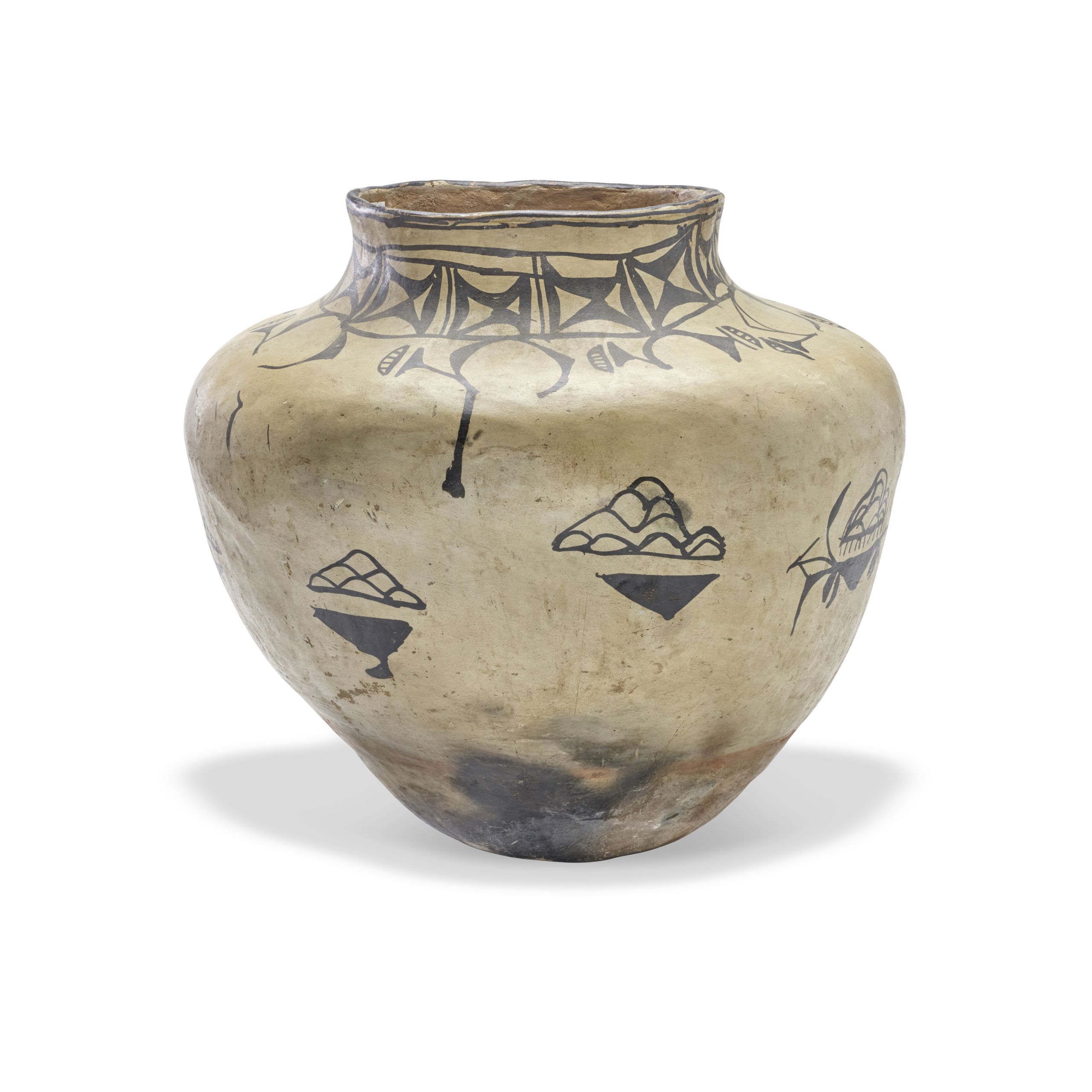
Lot 160. A Cochiti or Santo Domingo storage jar. Estimates: $8,000 - 12,000
Lot 160. A Cochiti or Santo Domingo storage jar. Estimates: $8,000 - 12,000

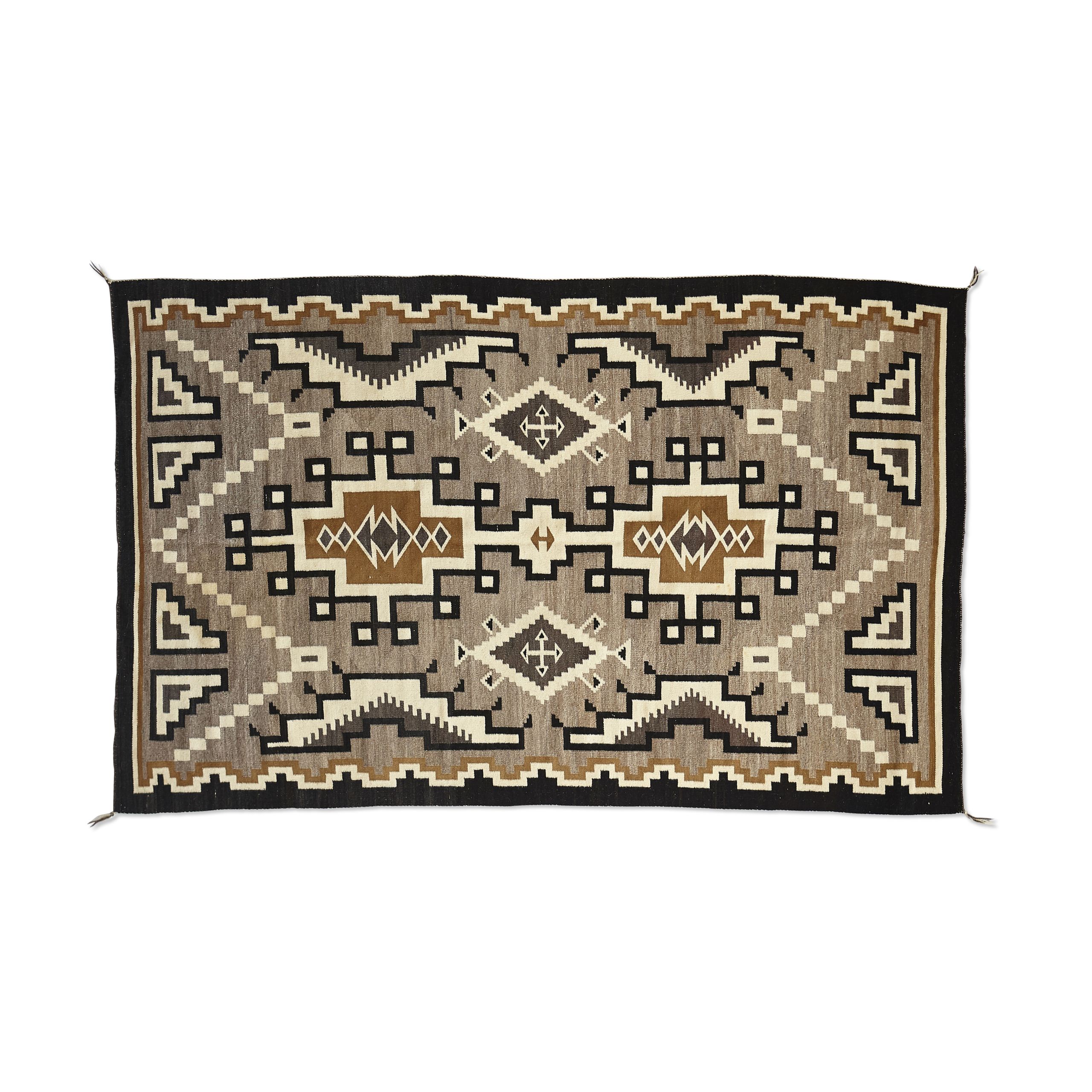
Lot 174. A Navajo Two Grey Hills Rug. Estimates: $1,500 - 2,500
Lot 174. A Navajo Two Grey Hills Rug. Estimates: $1,500 - 2,500

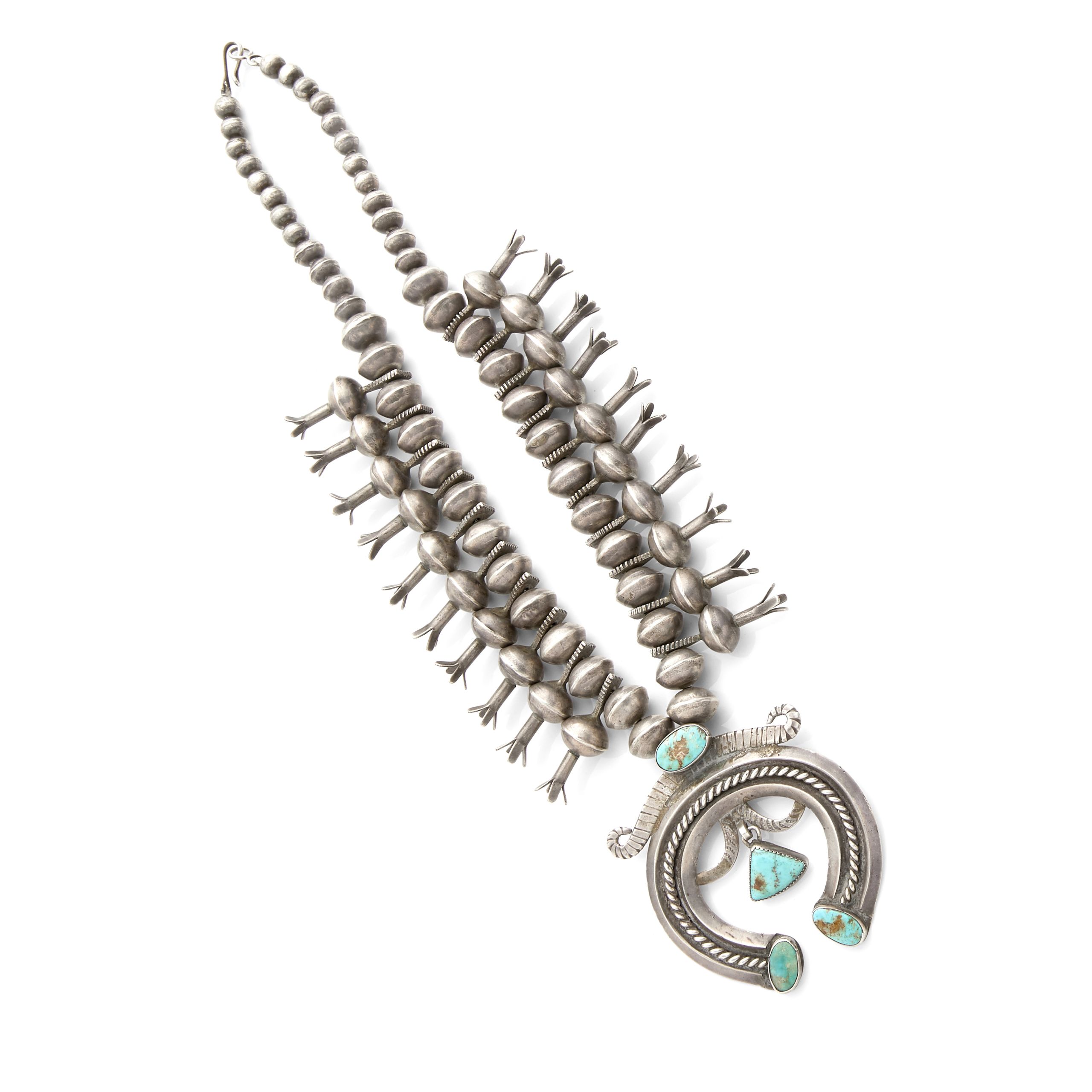
Lot 101. A Navajo squash blossom necklace. Estimates: $4,000 - 6,000
Lot 101. A Navajo squash blossom necklace. Estimates: $4,000 - 6,000

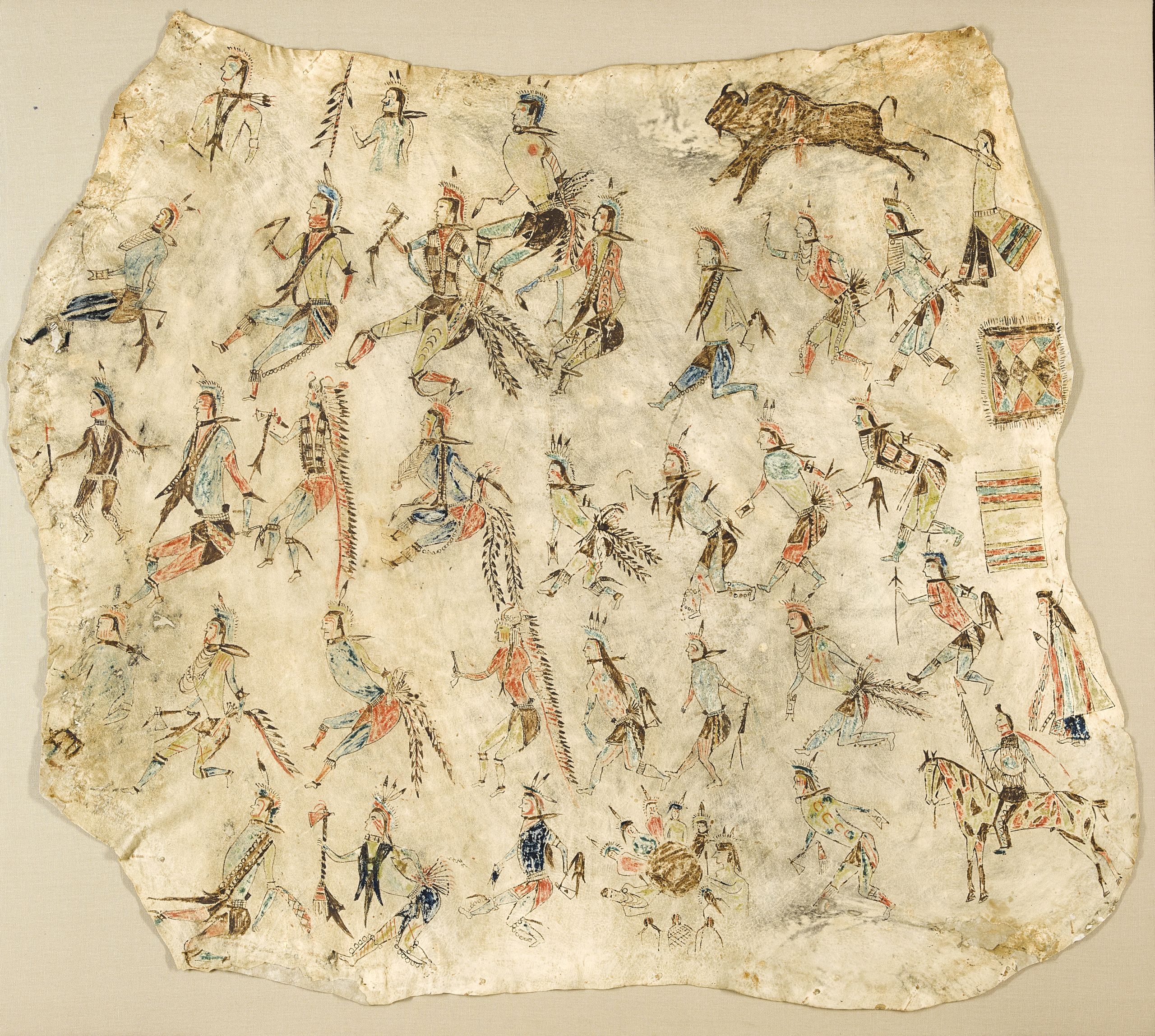
Lot 193. A Hethuska Society Painted Hide. Estimates: $50,000 - 60,000
Lot 193. A Hethuska Society Painted Hide. Estimates: $50,000 - 60,000

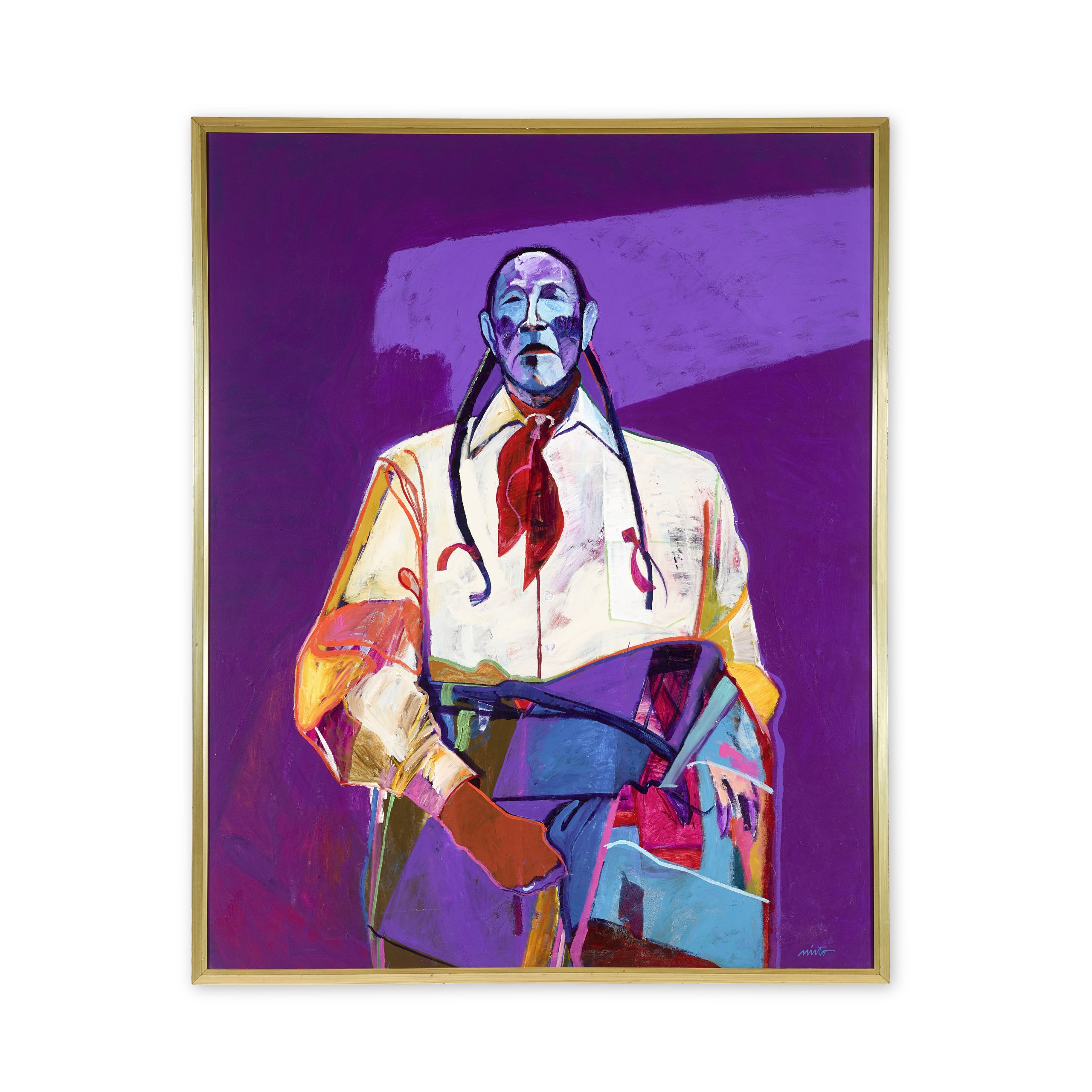
Lot 5. A John Nieto Painting, "Taos Pueblo Elder," 1991. Estimates: $12,000 - 18,000
Lot 5. A John Nieto Painting, "Taos Pueblo Elder," 1991. Estimates: $12,000 - 18,000


 Built with Shorthand