
Collecting 101
Surrealism
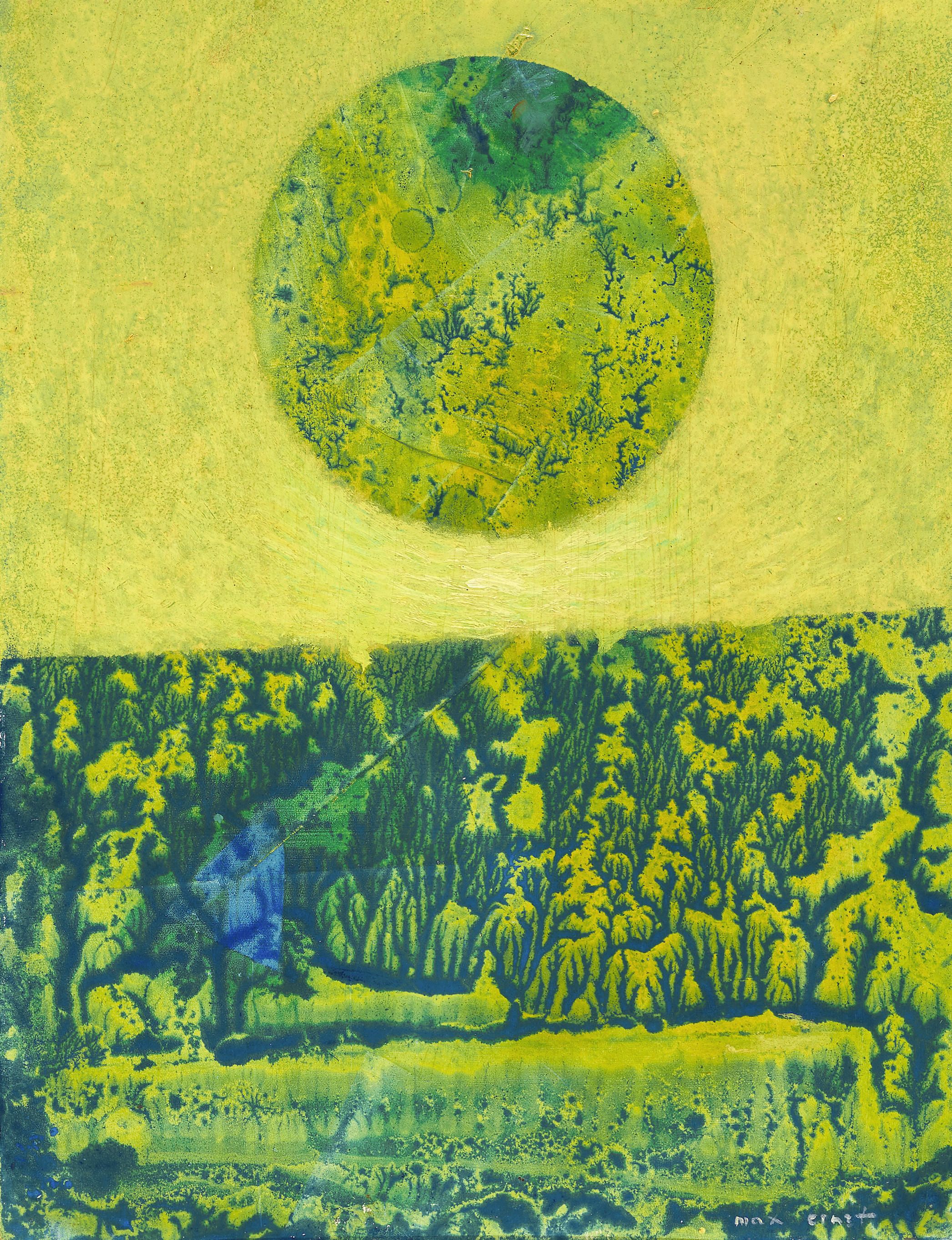

Discover the history of Surrealism and its revolutionary influence on art, photography, literature and design—along with key artists such as Gertrude Abercrombie, Salvador Dalí, Mario Carreño, Man Ray, and Max Ernst. Illustrated with highlights from our upcoming 20th / 21st Century Art Week, and past sold lots.
1.
An introduction to Surrealism
Surrealism originated in Paris in 1924, when the French poet and writer André Breton published the first Surrealist manifesto. Influenced by the psychoanalytic theories of Sigmund Freud, Breton used Surrealism to mine the unexplored realms of dreams, the subconscious and the irrational.
Born in the aftermath of World War I, Surrealism was largely influenced by the avant-garde art movement Dada, and attracted a vast array of artists galvanised by the creative possibilities to prompt unconscious desires and convey subjectivity through visual means.
Early Surrealist members and ideas
Breton recruited a number of artists and intellectuals residing in Paris to contribute to the movement, and some of its early members included Max Ernst, Salvador Dalí and Valentine Hugo. Recognised for its social inclusiveness, Surrealism was revolutionary in its championing of women artists and for its advocacy of sexual liberation, enabling artists to play with taboo and traditional gender roles. This culminated in some of the earliest expressions of fetish and transgender identities, as seen in the work of Claude Cahun, Man Ray and Hans Bellmer.

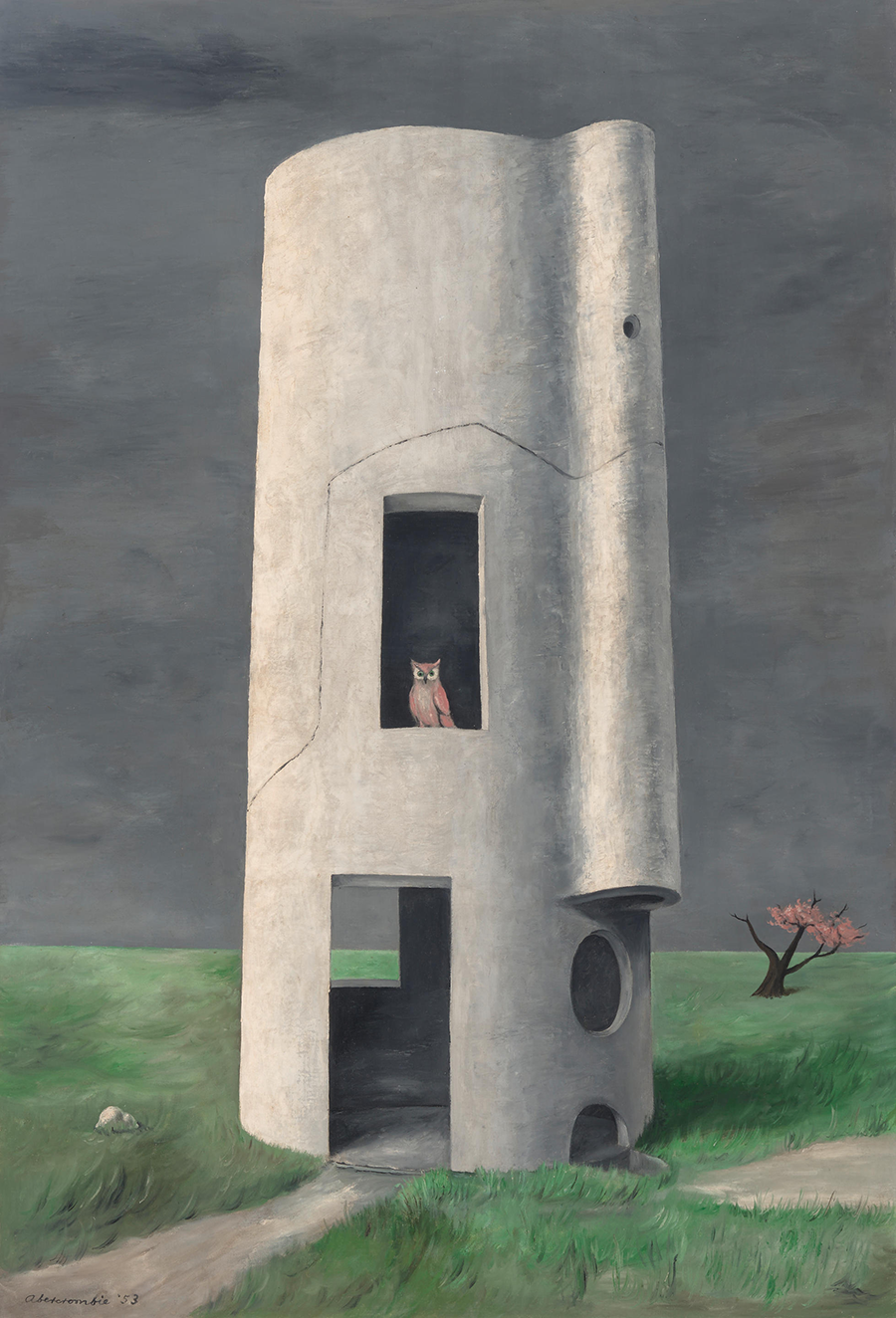
Gertrude Abercrombie (1909-1977), Silo at Aledo, 1953. Estimate: $100,000 - $150,000
Gertrude Abercrombie (1909-1977), Silo at Aledo, 1953. Estimate: $100,000 - $150,000
2.
Surrealist art
The Surrealist process sought to unleash the mind from the rational order of society. Novel artistic techniques such as frottage, decalcomania, grattage and fumage were developed by Surrealist artists and relied on the consequences of happy accidents and chance to inform compositional development.
Automatic drawing was also adopted by Surrealists to unlock the conscious mind. The Exquisite Corpse, a well-known technique promoted by Breton, encouraged collaborative art-making. Still played today, the exercise is initiated by a sentence, collage or sketch which is then passed on to the next player who adds to the work unbeknownst to the previous input. This method embraces chance and often creates bizarre, humorous or unsettling works.
Surrealism in England: The International Surrealist Exhibition
While Paris was recognised as the epicentre of the Surrealist movement, its influence was also felt in England. In 1933, a select group of Avant-Garde artists that included John Armstrong, Barbara Hepworth and Henry Moore formed Unit One and played a major part in organising the International Surrealist Exhibition in London in 1936. The group's impact on challenging the deep-rooted, dominant traditional aesthetic in Britain was enormous.

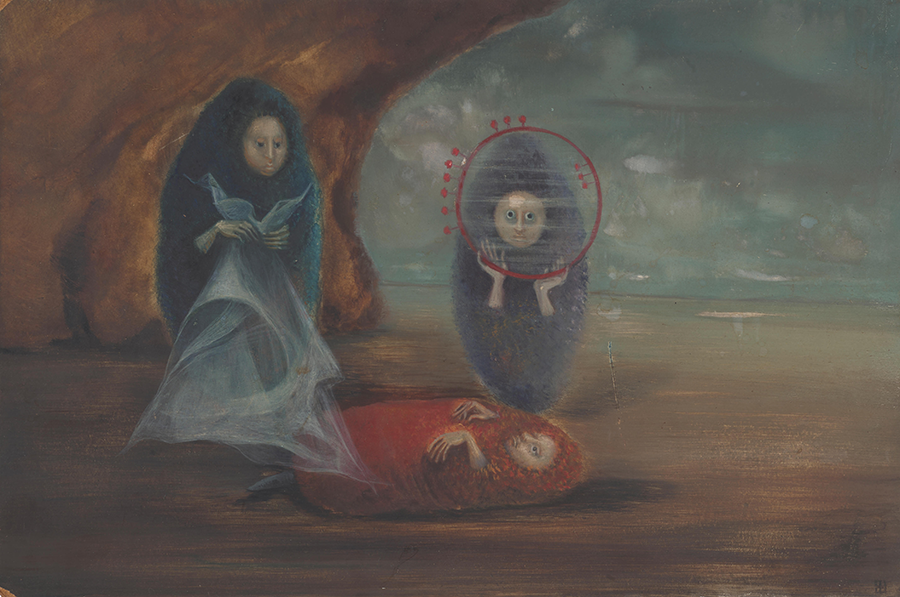
Bridget Bate Tichenor (1917-1990), Limpia, 1964. Estimate: $15,000 - $25,000.
Bridget Bate Tichenor (1917-1990), Limpia, 1964. Estimate: $15,000 - $25,000.
Read more: 10 Women Surrealists You Need to Know
3.
Surrealist design
Since the 1930s, Surrealism has continued to have a significant influence on various forms of design from furniture and architecture to graphic design and fashion.
The natural forms and motifs adopted by Surrealists inspired famous designers and architects such as Carlo Mollino and Gio Ponti, whose works often represent the biomorphic shapes and flowing lines of Surrealist art. Ponti also regularly collaborated with Piero Fornasetti, a master of imaginative decoration known for transforming furniture pieces into object’s d’art.
Some of the most iconic Surrealist objects were born from the collaboration between Dalí and the English poet Edward James. The two first became acquainted in 1935 and created the Mae West Lips Sofa and the Lobster Telephone, which are considered two of the most iconic works of Surrealism.
Surrealism around the world
The movement's influence on design was global, reaching as far as Japan. The designer Shiro Kuramata explored a myriad of Surrealist interpolations within his work, with the intention of creating “furniture that most strongly communicates with man, even psychologically” (Shitsunai, January 1972).

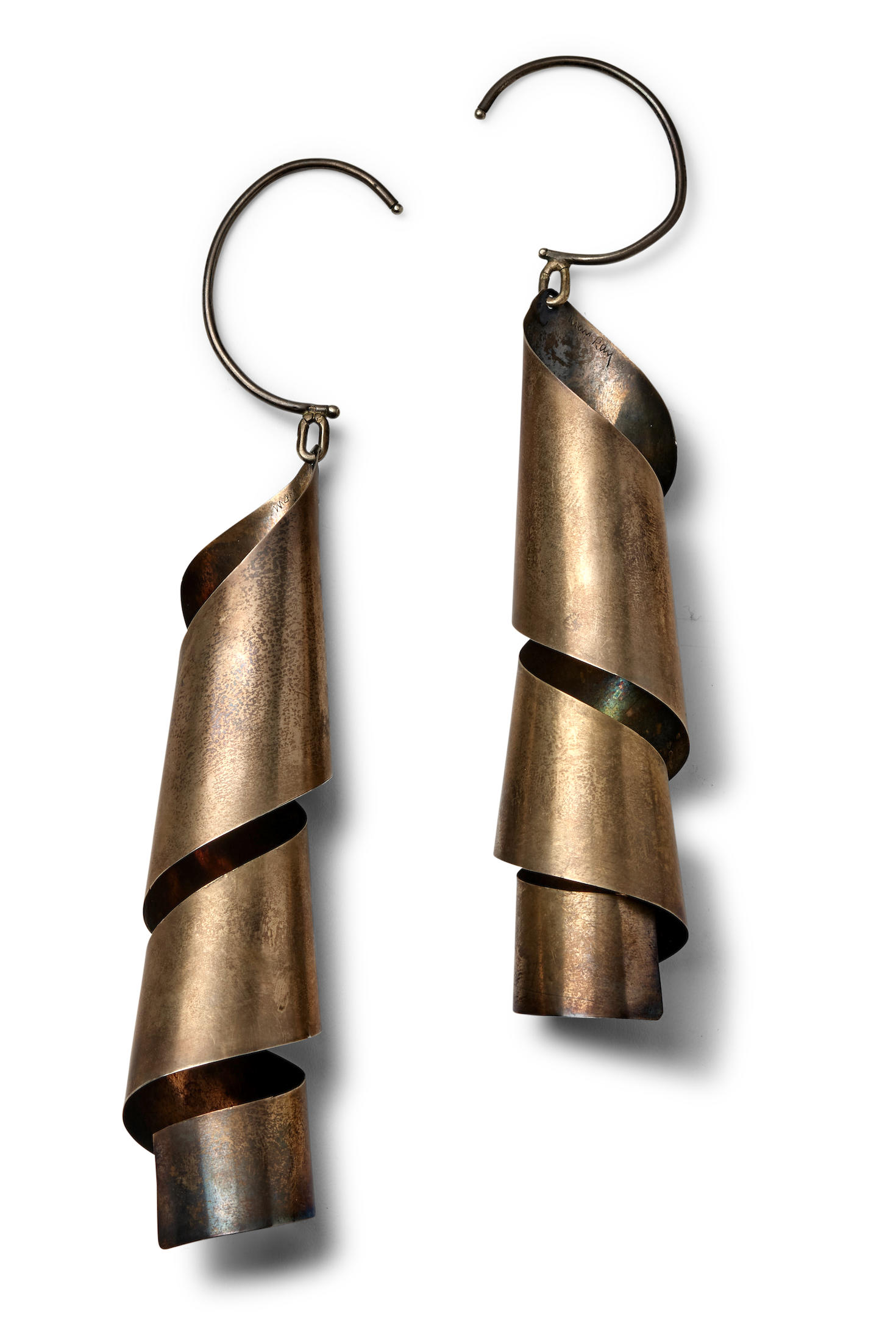
Man Ray (1890-1976), Pendants Pending, 1967. Estimate: $12,000 - $18,000
Man Ray (1890-1976), Pendants Pending, 1967. Estimate: $12,000 - $18,000
5.
Surrealist literature
The first example of Surrealist literature, The Magnetic Fields, was written by Breton and Philippe Soupault in 1919, and contains automatist works and accounts of dreams. Similar to Surrealist art, the literature rejected the organisation of thought, resulting in abstract text that is often difficult to analyse.
In the world of books and manuscripts, Surrealism can be divided into three categories: livres d’artiste created by Surrealist artists and photographers; literary works such as the Surrealist manifestos, or poetry and prose by the likes of Breton, Paul Éluard, Tristan Tzara, Guillaume Apollinaire and Franz Kafka; and finally, ‘accidentally’ surreal works by those not traditionally thought of as Surrealists, like the Victorians Lewis Carroll and Edward Lear, as well as modern figures including John Lennon and Spike Milligan.
In literature and books, Surrealism is where you find it. Anthropomorphic owls and pussycats, yellow submarines, metamorphoses, and the interpretation of dreams—surreal motifs appear throughout the ages, whether by chance or design.

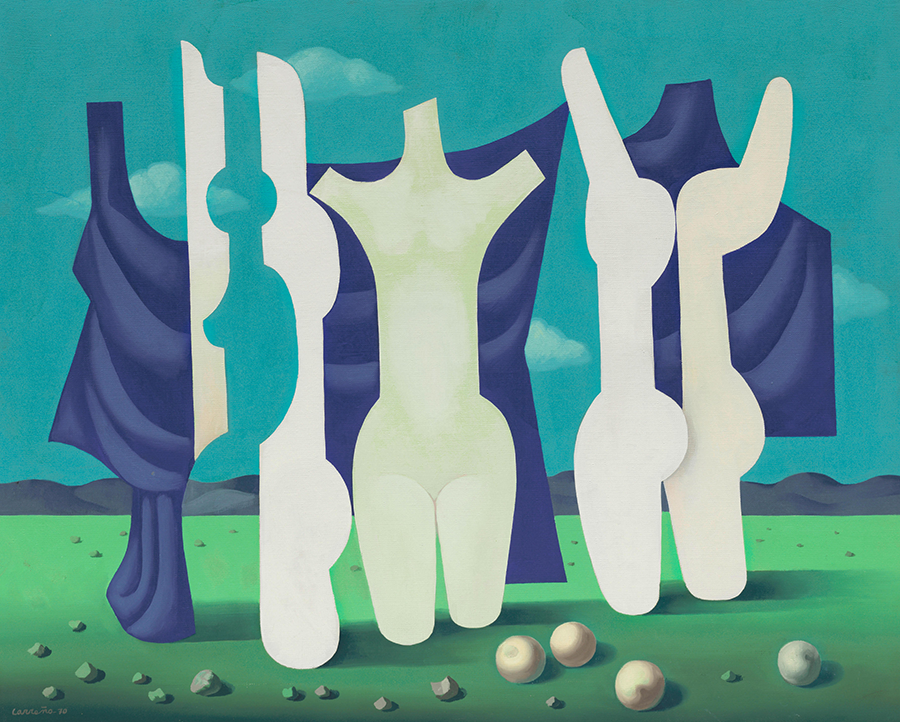
Mario Carreño, Paisaje surrealista, 1970. Estimate: $35,000 - $55,000.
Mario Carreño, Paisaje surrealista, 1970. Estimate: $35,000 - $55,000.
4.
Surrealist photography
Photography occupied a key role in Surrealist art and was regularly published in journals associated with the movement, such as La Revolution and Minotaure. Contrary to painting, which naturally caters to the imagination, the camera typically captures the real and material world. Surrealist photography often involved assigning unexpected roles to commonplace objects in order to fabricate uncanny images.
Artists such as Man Ray, Dora Maar and Hans Bellmer embraced the medium by creating manipulative techniques such as double-exposure, combination printing, solarization, rotation, distortion and collage/montage. Maar's striking black and white images often documented famous artists and figures from the era, while her surreal photomontages featured uncanny combinations of textiles and forms that often included architectural features.
Man Ray’s photographs have also become a symbol for Surrealist photography. Often recognised for his manipulation of household objects, the artist embraced the possibility of irrational combinations and camera-less pictures, which he called rayographs. These techniques evoked the union of dream and reality, ultimately subverting traditional ways of seeing.

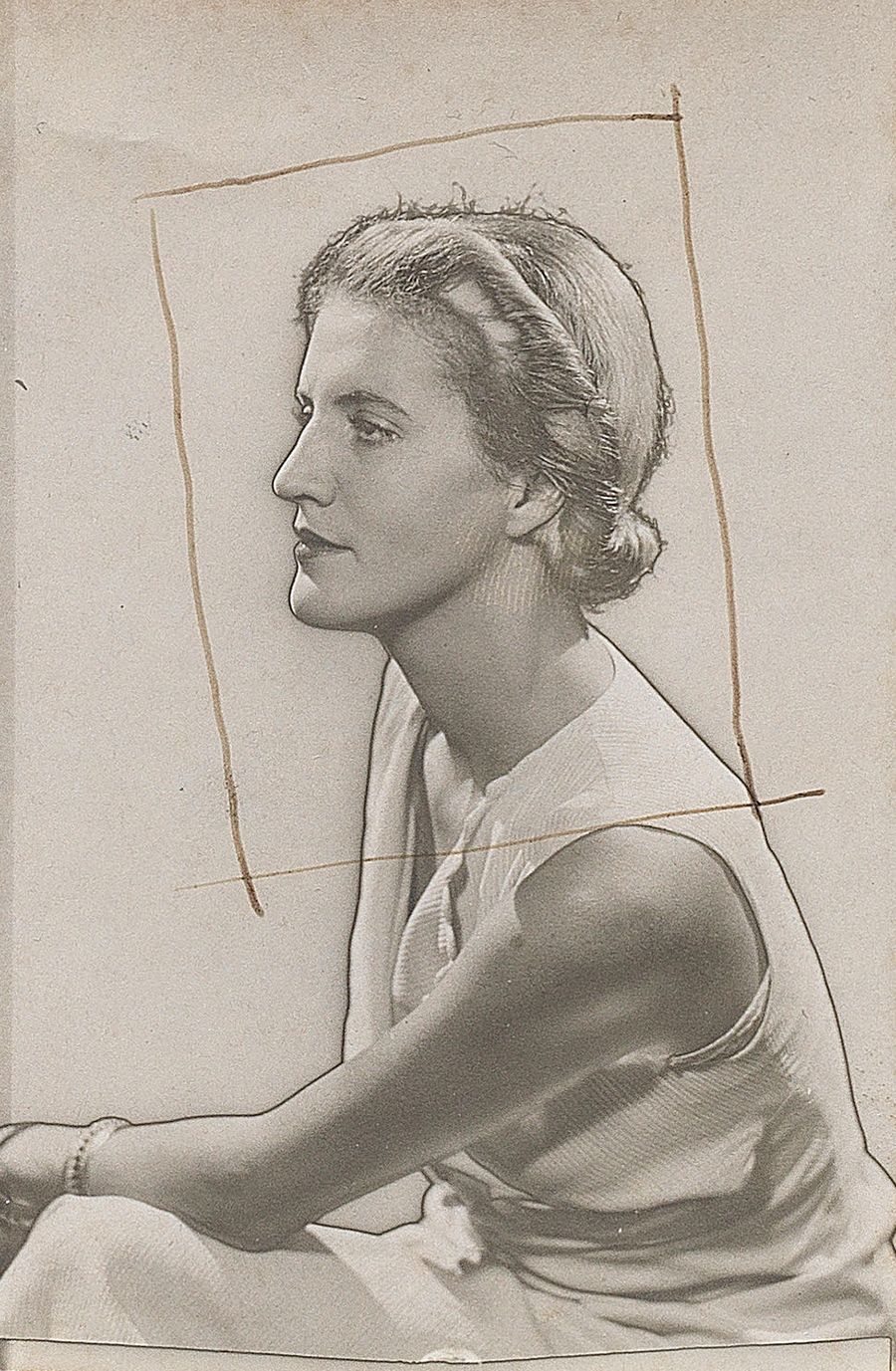
Man Ray (1890-1976), Sans titre (Jacqueline-Barsotti-Goddard), c. 1930. Sold for €9,562.50 inc. premium
Man Ray (1890-1976), Sans titre (Jacqueline-Barsotti-Goddard), c. 1930. Sold for €9,562.50 inc. premium
6.
Legacy and on the market
Surrealism's influence continues to be relevant today. Recent exhibitions—such as the current Surréalisme show at Centre Pompidou, and Surrealism Beyond Borders at The Metropolitan Museum of Art and Tate Modern—showcase the propensity for imaginative collaboration between artists and designers within the realm of Surrealism.
Surrealist artworks at auction
The enduring popularity of Surrealism can be seen through its success on the auction block. In March 2023, Bonhams Cornette de Saint Cyr set world records for Surrealist women artists at La Révolution Surréaliste auction in Paris.
Dalí’s masterpiece Couple aux têtes pleines de nuages, 1937, recently sold at Bonhams for £8,171,062. This signature work reveals two of his greatest obsessions: Freudian psychology, and his great muse, Gala. Similarly, the Surrealist art of Belgian artist René Magritte regularly fetches high prices; his beautiful yet uncanny Torse nu dans les nuages achieved $9,978,312 at the Bonhams New York saleroom in December 2021.

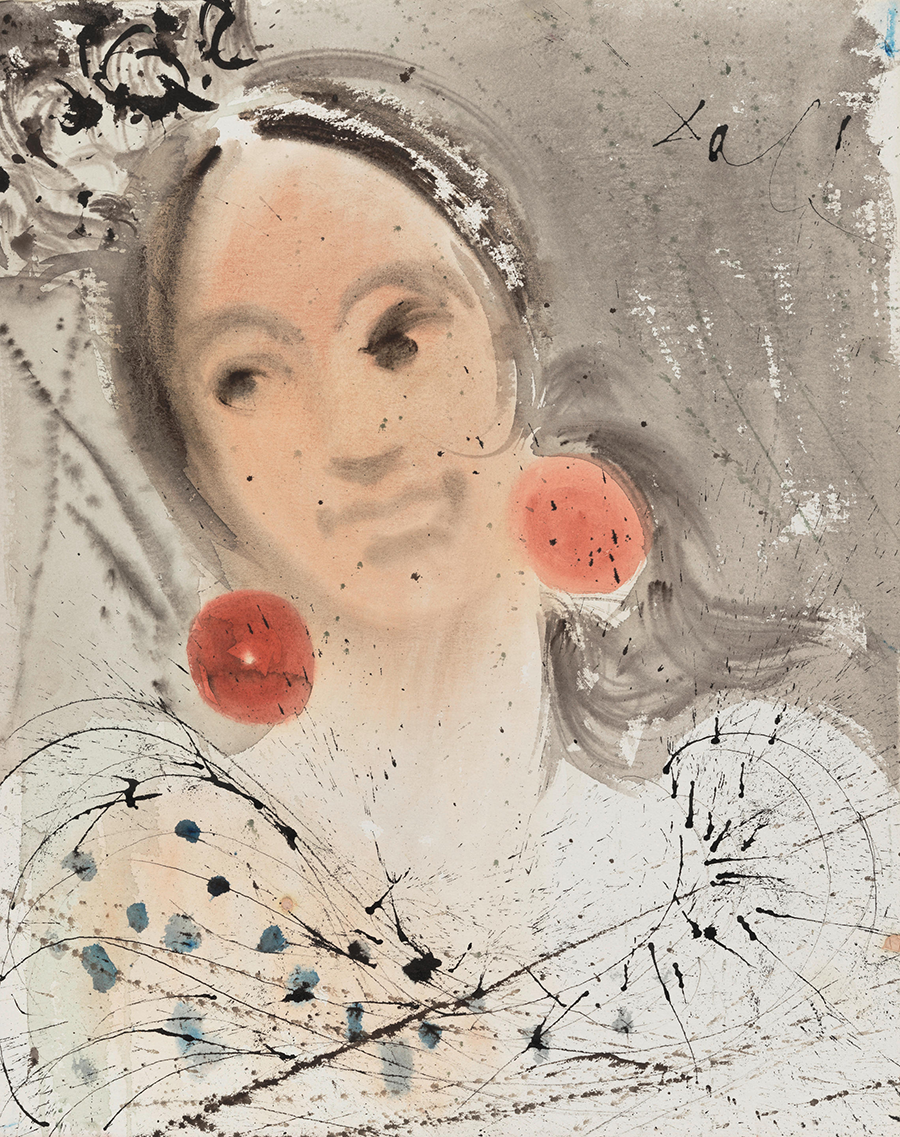
Salvador Dalí (1904-1989), Portrait de Carmen, illustration de l'acte I pour la série lithographie, $40,000 - $60,000
Salvador Dalí (1904-1989), Portrait de Carmen, illustration de l'acte I pour la série lithographie, $40,000 - $60,000
 Built with Shorthand