
Collecting 101
Scandinavian and Nordic Design
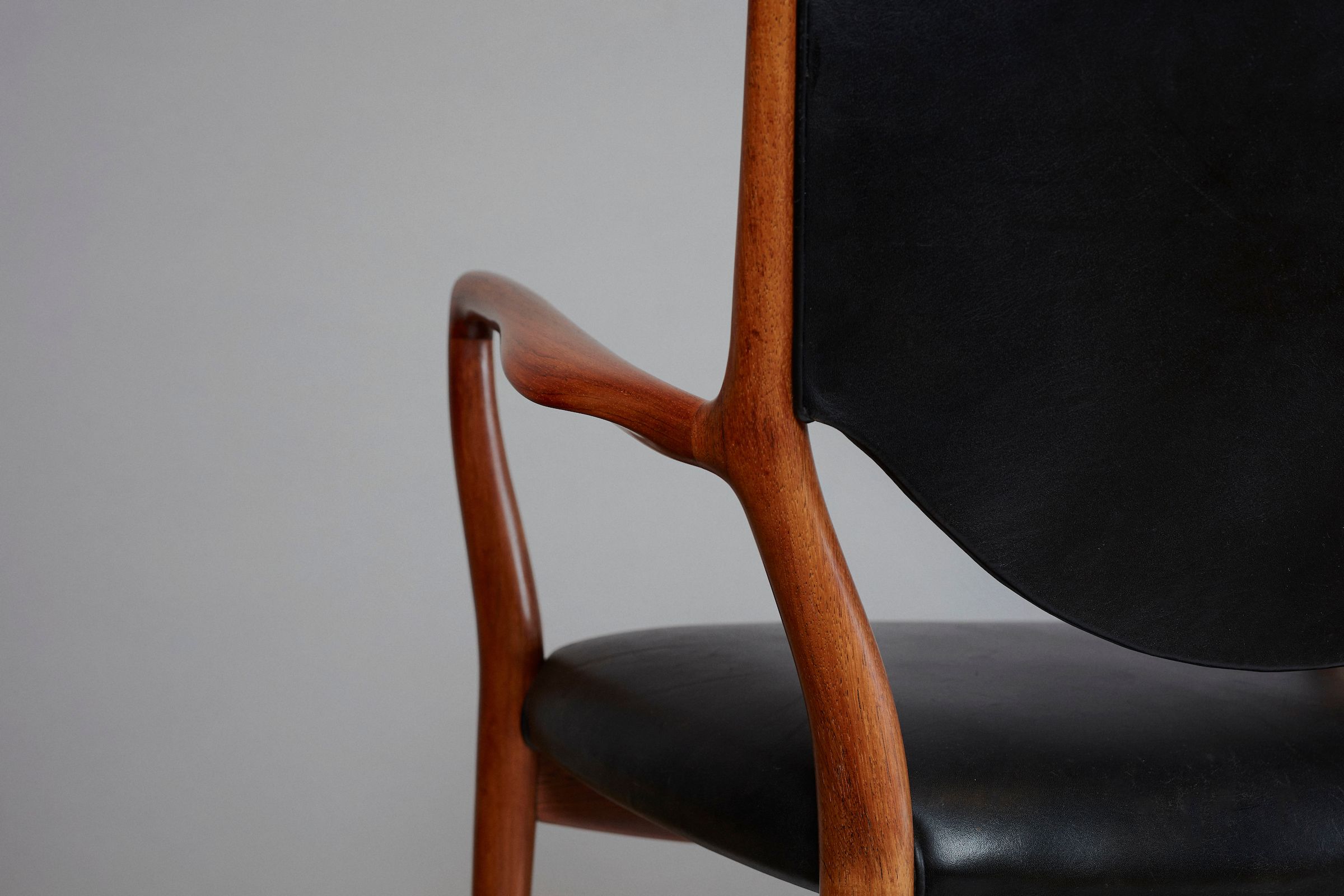

Ranging from early 20th century to modern and contemporary works, Design sales at Bonhams offer a myriad of styles for the discerning collector. Here we speak to Bonhams UK Director of Design, Marcus McDonald, about the enduring appeal of Scandinavian and Nordic Design and how revered it is today. Illustrated with highlights sold at Bonhams.
1.
A Golden Era
Whilst Denmark has a rich history of cabinetmaking and elegant modern design, it was work from the post-war period that began making waves at the Copenhagen Cabinetmakers' Guild Furniture Exhibition. The annual event, which began in 1927, was set up to revive the imperiled industry and was a great commercial and critical success, continuing until 1966. This new wave of design was so popular in part due to a culture of collaboration in Denmark, which saw traditional cabinetmakers teamed up with architects in order to preserve the craft.
One of these pairs consisted of architect, Finn Juhl, and cabinetmaker, Niels Vodder, who produced the iconic FJ46 armchair, a piece that performs remarkably well at auction. The success of collaborations such as these led to global recognition of the region’s talents and ushered in a ‘golden era’ in Scandinavian modern design.
2.
Cabinetmaker vs Manufacturer
Many of the iconic pieces from this golden era were commissioned which is part of what makes them so sought after by collectors today. Rather than being produced on an assembly line, they were handmade by a cabinetmaker in their workshop. Each piece represents the coming together of months of craftsmanship, expert knowledge and the highest quality materials.
Today A. J. Iversen is recognised as one of the leading cabinetmakers who paved the way for the style later known as Danish Modern. The importance of the cabinetmakers lies mostly in the fact that they established a high moral standard - for many years they have maintained a standard of craftsmanship and design so formidable that the whole Danish furniture production had to follow suit. Without the cabinetmakers’ furniture exhibitions, the Danish furniture industry would never have enjoyed its present success in the export trade.
“I think what draws people in is how exquisitely these pieces are made, using only the finest materials from Bangkok teak to Brazilian rosewood”
There is a dichotomy between cabinet made and manufactured design. The Finnish architect Alvar Aalto was a great proponent of the machine-made and while his choice of material was manufactured birch-veneered plywood, the execution and production of his designs were held to the same high standards as cabinet made design.
In the United Kingdom, Aalto’s designs were distributed by the company Finmar which was founded by Philip Morton Shand and Geoffrey Boumphrey in 1934, both of whom were writers for the Architectural Review. Included in our upcoming Design sale is a lovely and early shelf unit, model no. 111, circa 1934, by Aalto, this example retains its original Finmar distribution label and is a must-have for anyone who appreciates early Aalto designs.
3.
Designers and Cabinet Makers
As well as Finn Juhl, other notable names to look out for in Scandinavian design include Poul Kjærholm, who is known for his austere designs using metal instead of wood which led to a more minimal and severe aesthetic.
Marcus recommends also familiarising yourself with the greats such as, Arne Jacobsen, Ole Wanscher and the work of Marta Maas-Fjetterström whose rugs use bold designs and colours which vary from organic to geometric. Maas-Fjetterström, whose studio celebrated its centenary last year, established her company in Sweden in 1919 and only employed female weavers and designers, including Barbro Nilsson whose work is highly sought after on the secondary market. Nilsson, a skilled textile artist and established weaver, was the artistic director of Märta Måås-Fjetterström from 1942-1970.
Also coming up for sale is a beautiful Rubirosa, grön rug by Marianne Richter for Märta Måås-Fjetterström. Composed of viridescent triangles, which are enclosed by small dark squares; the exterior boarder contiguously frames the dominating and variegated solid large squares - one to watch on October 14.
4.
Contemporary Appeal
Original Scandinavian designs continue to hold intrigue and beauty for many collectors, who seek out the clean lines and exquisite materials of the mid-20th century for their 21st century interiors. Part of the aesthetic’s appeal is the way it complements contemporary art. When Finn Juhl was exhibiting his work at the Cabinetmaker’s Guild, for example, he would always pair it with contemporary paintings and sculptures. These days this crossover continues, with collectors of post-war and contemporary art often pairing their collections with mid-century furniture and objects in the home.
“I’ve always liked that quote by William Morris, “Have nothing in your house that you do not know to be useful or believe to be beautiful”. I think it is still imperative to surround yourself with design that communicates to you personally. When living with design, a room is rendered as if it is a performance; seating and lighting eloquently defining a space in unison, harmonising the environment, expressing refined sensibilities and sophistication”
5.
On the Market
Marcus suggests to always read up on a work’s provenance, not just as a necessary part of due diligence but to understand the story behind the design as well. It is always interesting to know the narrative; the history of a piece can be extremely enlightening. He also advises choosing works that resonate with you and then refine your appreciation through acquiring knowledge on the designer and understanding the different periods of their work.
Finally, he recommends visiting design exhibitions and collections such as that of the Danish Museum of Art & Design in Copenhagen, the V&A in London, and the Cooper Hewitt in New York, as well as the numerous auction viewings open to the public in major cities around the world.
“Throughout the 20th Century there have been many world fairs, expositions, and triennials dedicated to architecture and design. Design has always been a global community where the discussion of ideas, solutions, aesthetics and production has been a focus. The international presence of design continues to firmly represent a globally appreciated market”

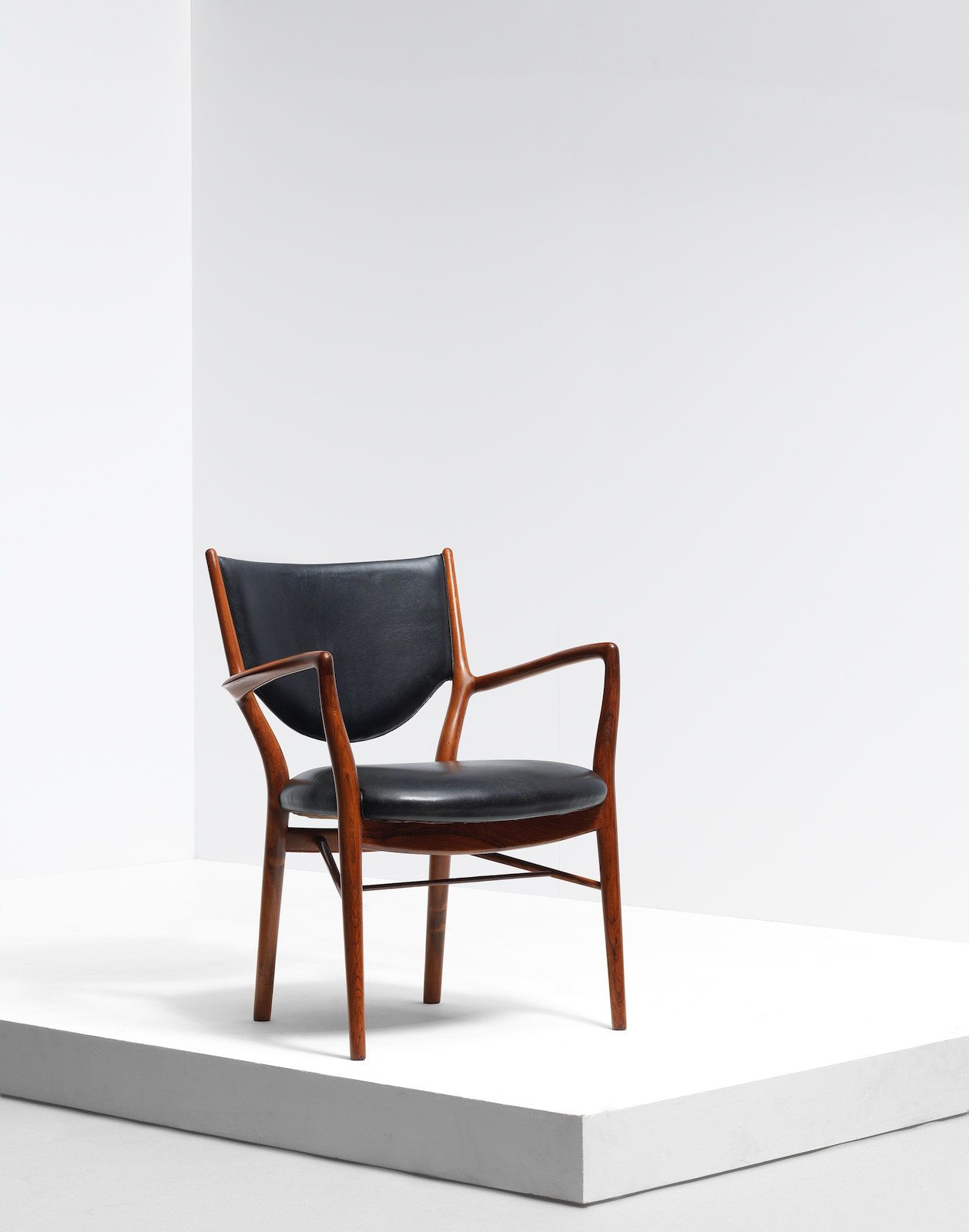
Finn Juhl, Armchair, model no. FJ46, designed 1946. Sold for £11,937.50 inc. premium.
Finn Juhl, Armchair, model no. FJ46, designed 1946. Sold for £11,937.50 inc. premium.

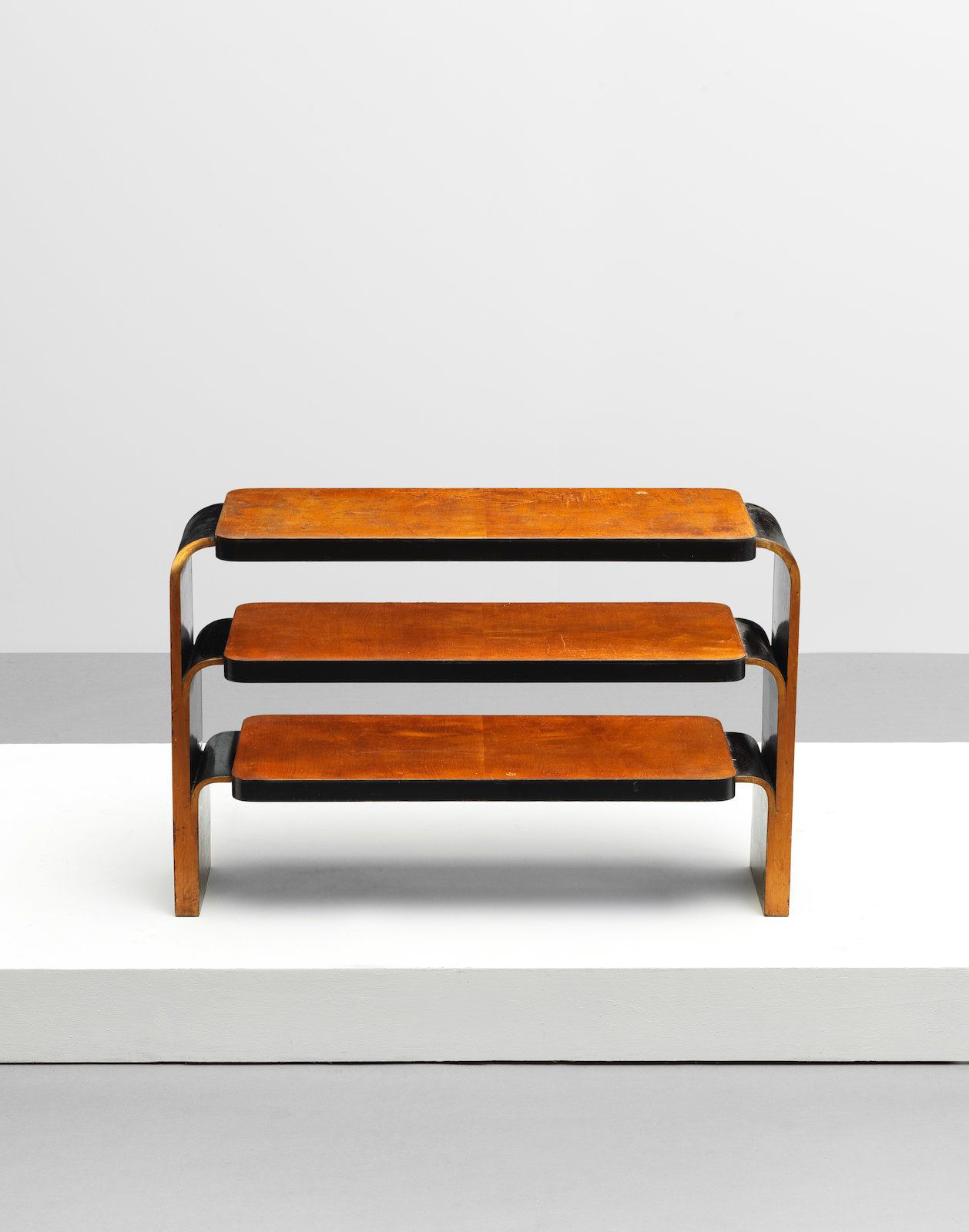
Lot 15. Alvar Aalto, Early shelf unit, model no. 111, circa 1934. Sold for £10,062.50 inc. premium.
Lot 15. Alvar Aalto, Early shelf unit, model no. 111, circa 1934. Sold for £10,062.50 inc. premium.

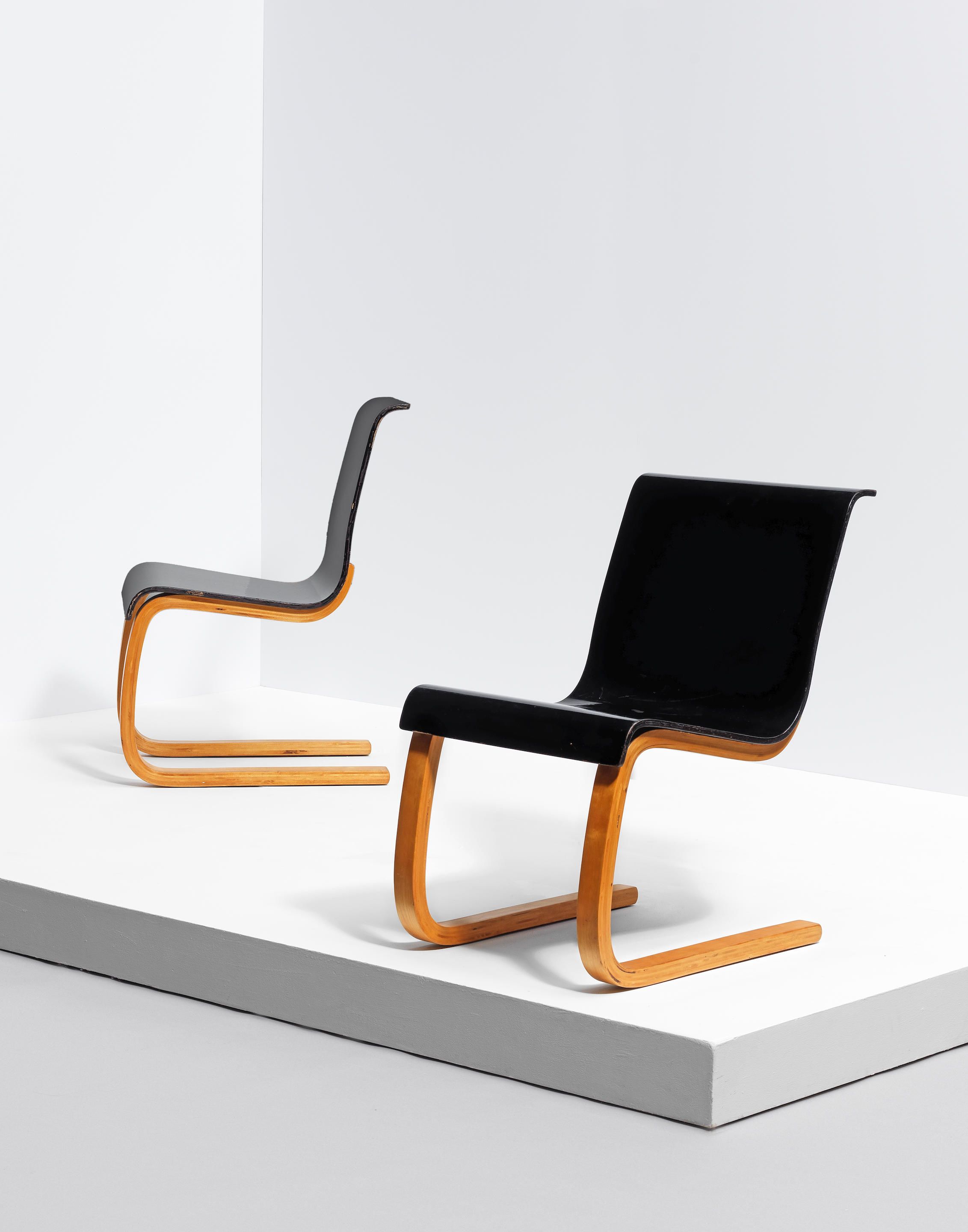
Alvar Aalto, Two chairs, model no. 21, circa 1925. Sold for £5,687.50 inc. premium.
Alvar Aalto, Two chairs, model no. 21, circa 1925. Sold for £5,687.50 inc. premium.

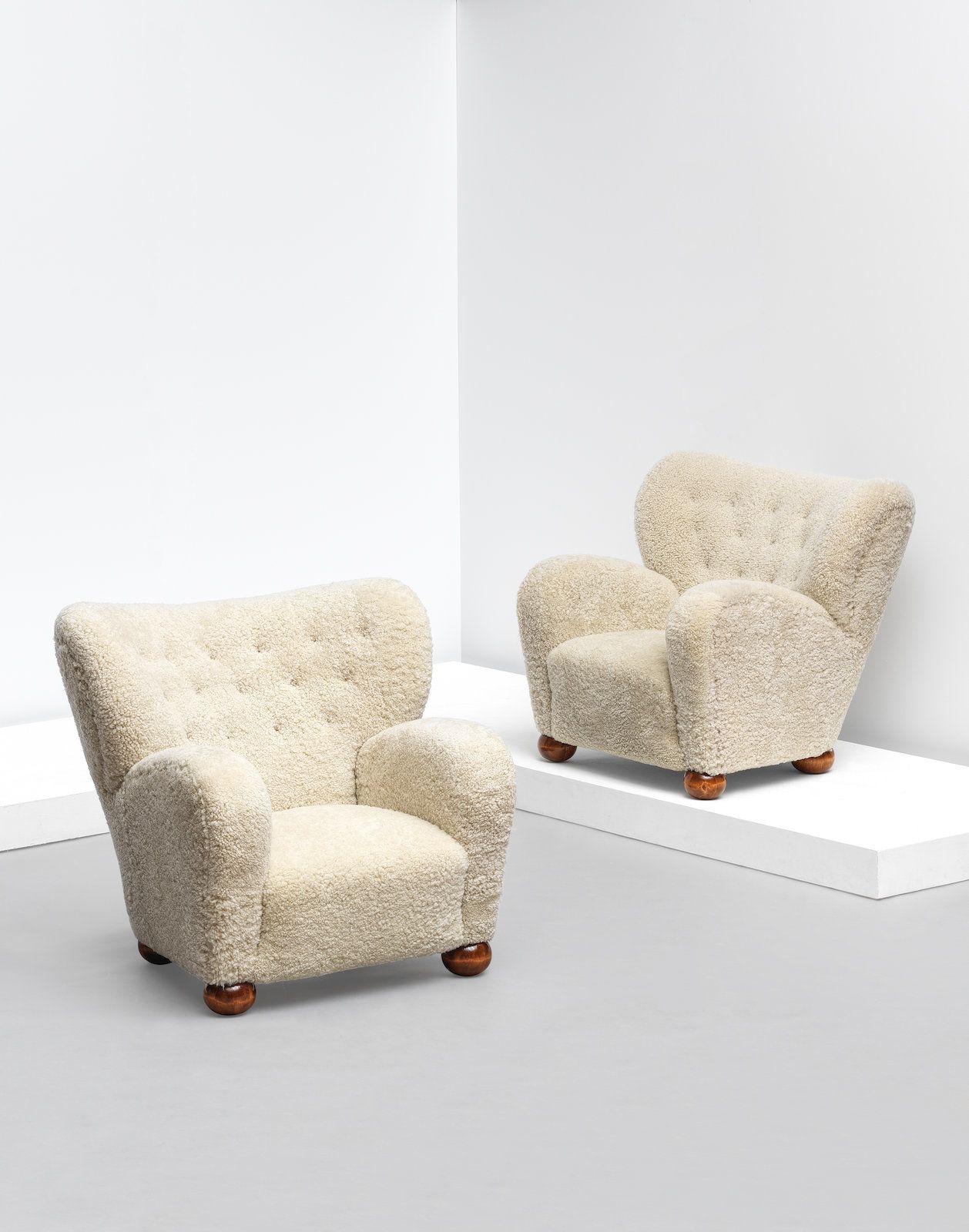
Attributed to Märta Blomstedt , Pair of armchairs, circa 1939. Sold for £21,312.50 inc. premium.
Attributed to Märta Blomstedt , Pair of armchairs, circa 1939. Sold for £21,312.50 inc. premium.

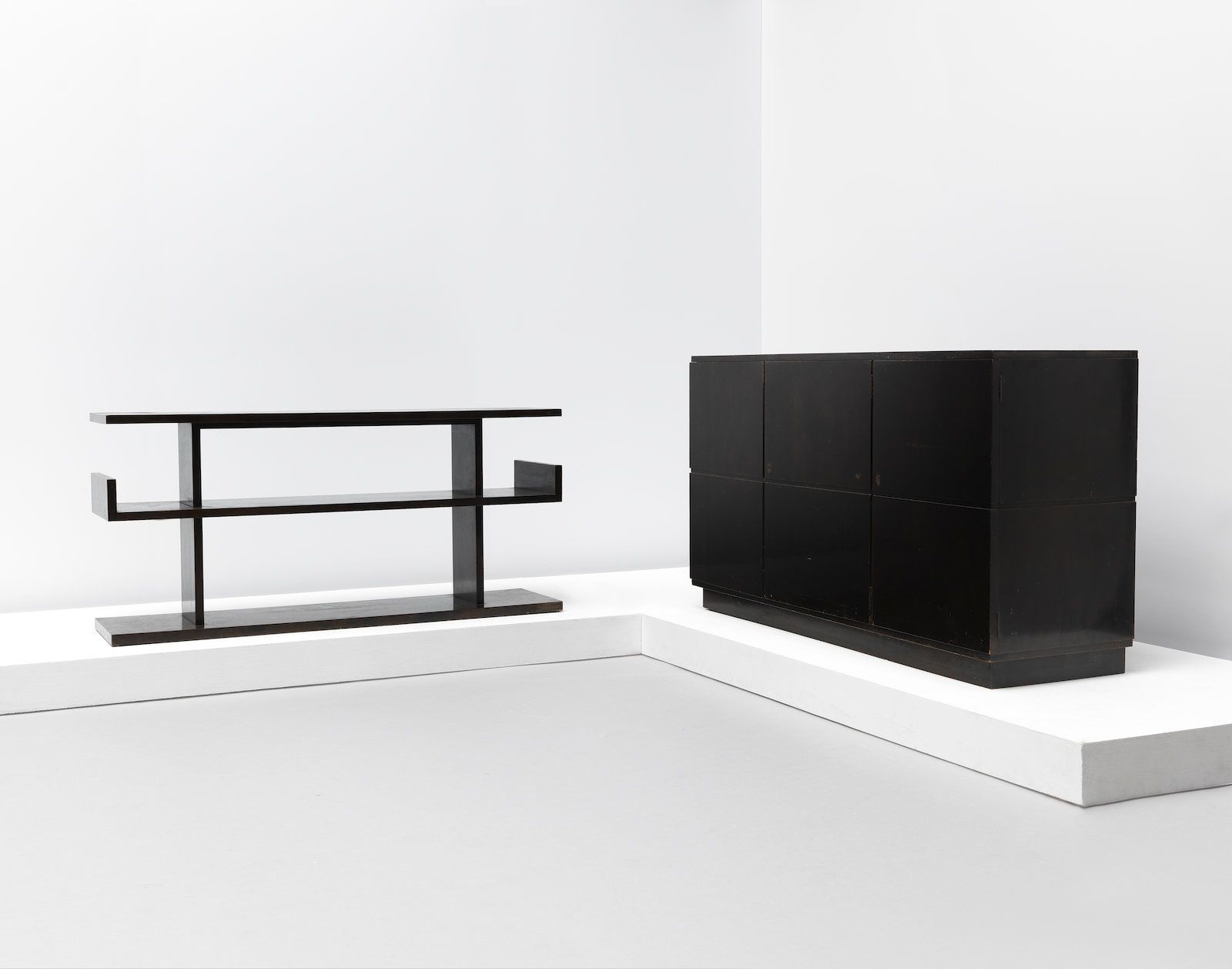
Lots 137 and 138. Axel Einar Hjorth, Console and Sideboard, from the 'Typenko' series,. Sold for £11,937.50 inc. premium.
Lots 137 and 138. Axel Einar Hjorth, Console and Sideboard, from the 'Typenko' series,. Sold for £11,937.50 inc. premium.

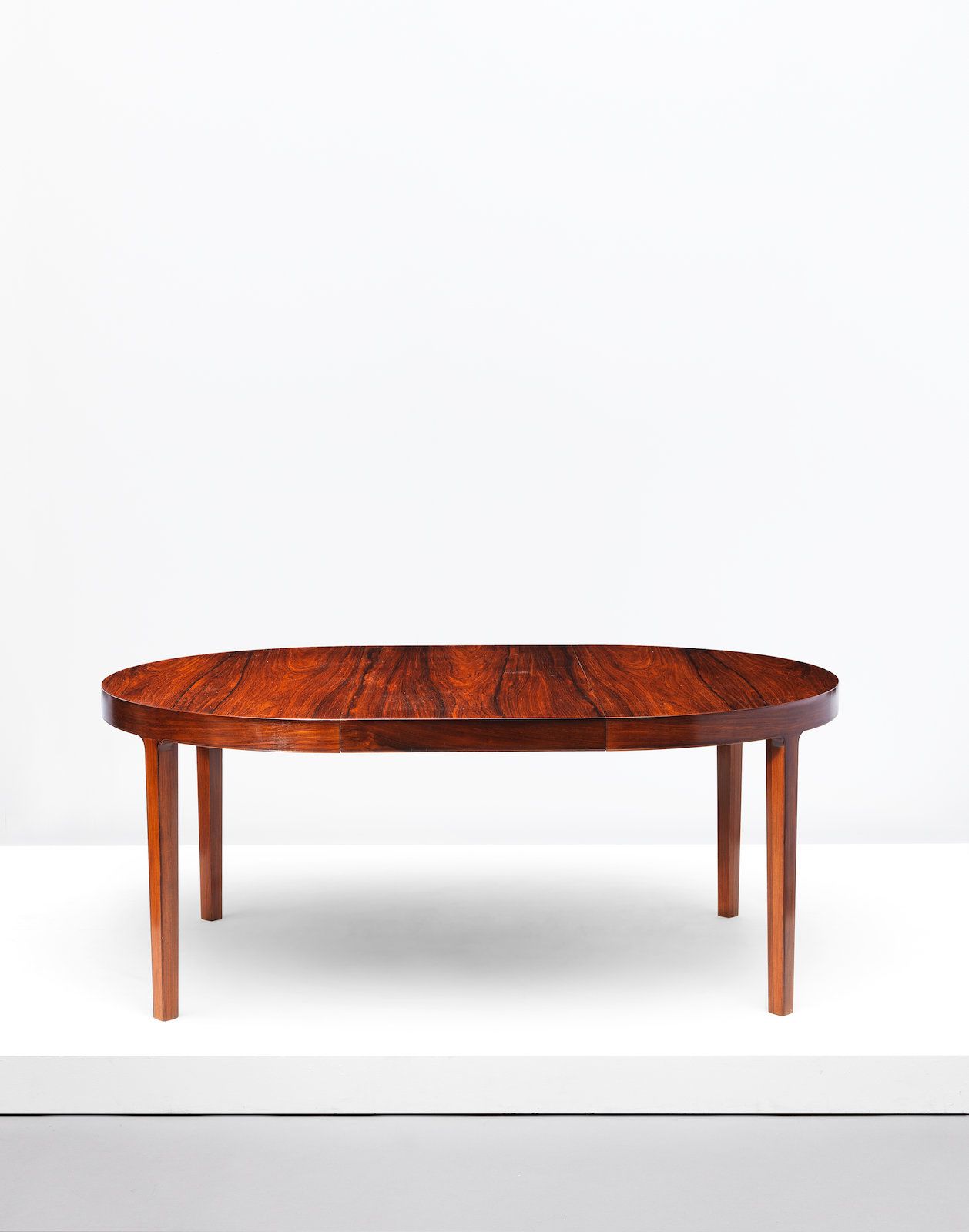
Lot 177. Ole Wanscher, Extendable dining table, designed early 1940s. Sold for £7,562.50 inc. premium.
Lot 177. Ole Wanscher, Extendable dining table, designed early 1940s. Sold for £7,562.50 inc. premium.
For the latest news and auction highlights, follow @bonhamsdesign on Instagram
 Built with Shorthand