
Collecting 101
5 Things to Know About Soviet Non-Conformist Art
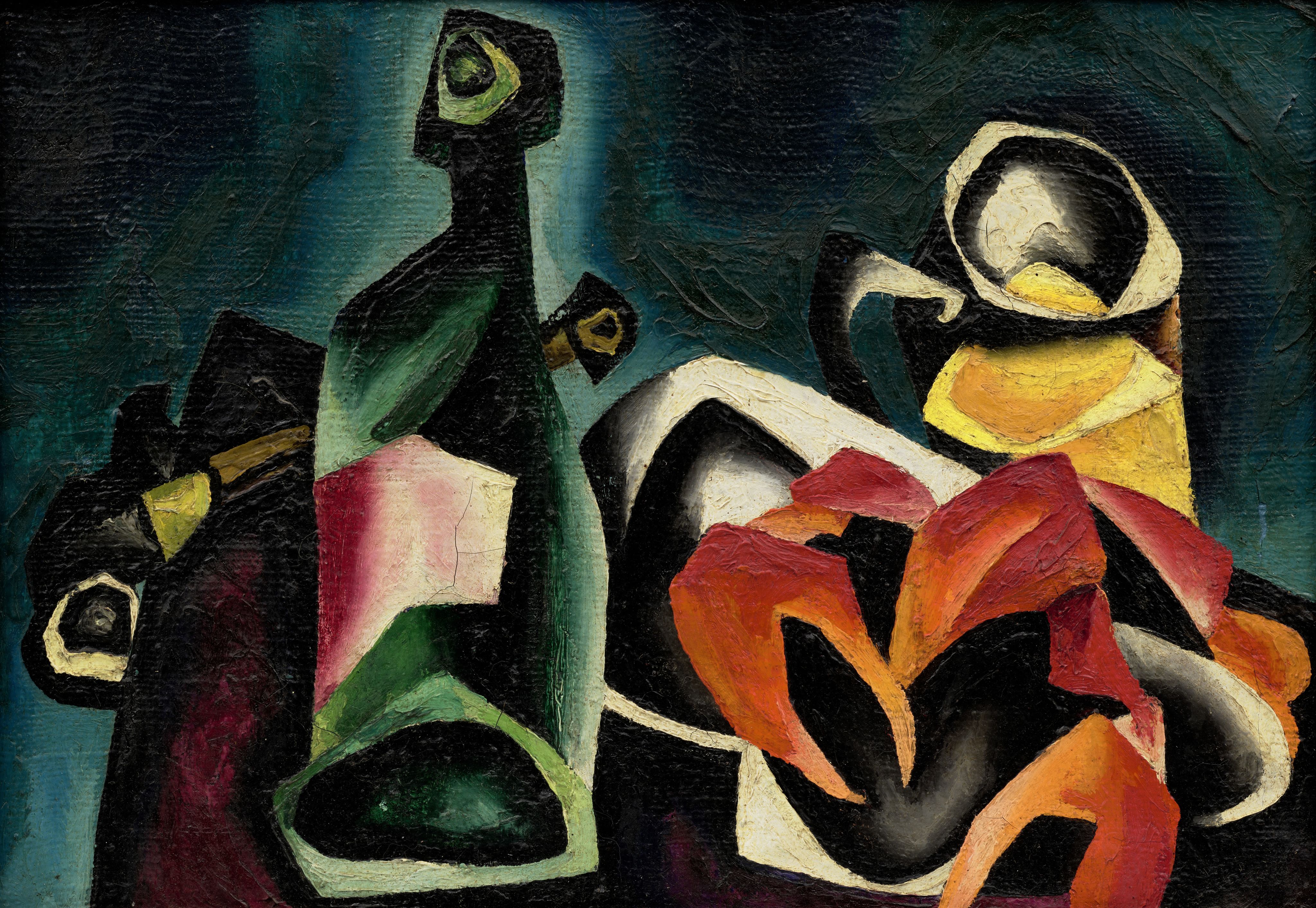

Here, we delve into the rich history of Soviet Art, specifically looking at ‘unofficial art’ between 1960–1980. During this period, ‘unofficial artists’ were forced to exercise their creative expression underground due to the socio-political climate.
Now visible, we take a look at the exhibitions that brought the movement to public attention, how the artists reacted against state-sanctioned censorship creatively, and why it is an exciting time to begin your own Russian Non-Conformist art collection.
Illustrated by lots offered in our upcoming auction The Second Avant-Garde: Soviet Non-Conformist Art from Important Collections, taking place online between 6 - 19 September.
Alongside the auction, our exhibition ‘I Live, I See’: An Important Collection of Soviet Non-conformist Art from Italy will take place in our Paris, avenue Hoche saleroom between 11 – 18 September, 10am – 6pm. Contact daria.khristova@bonhams.com for more information.

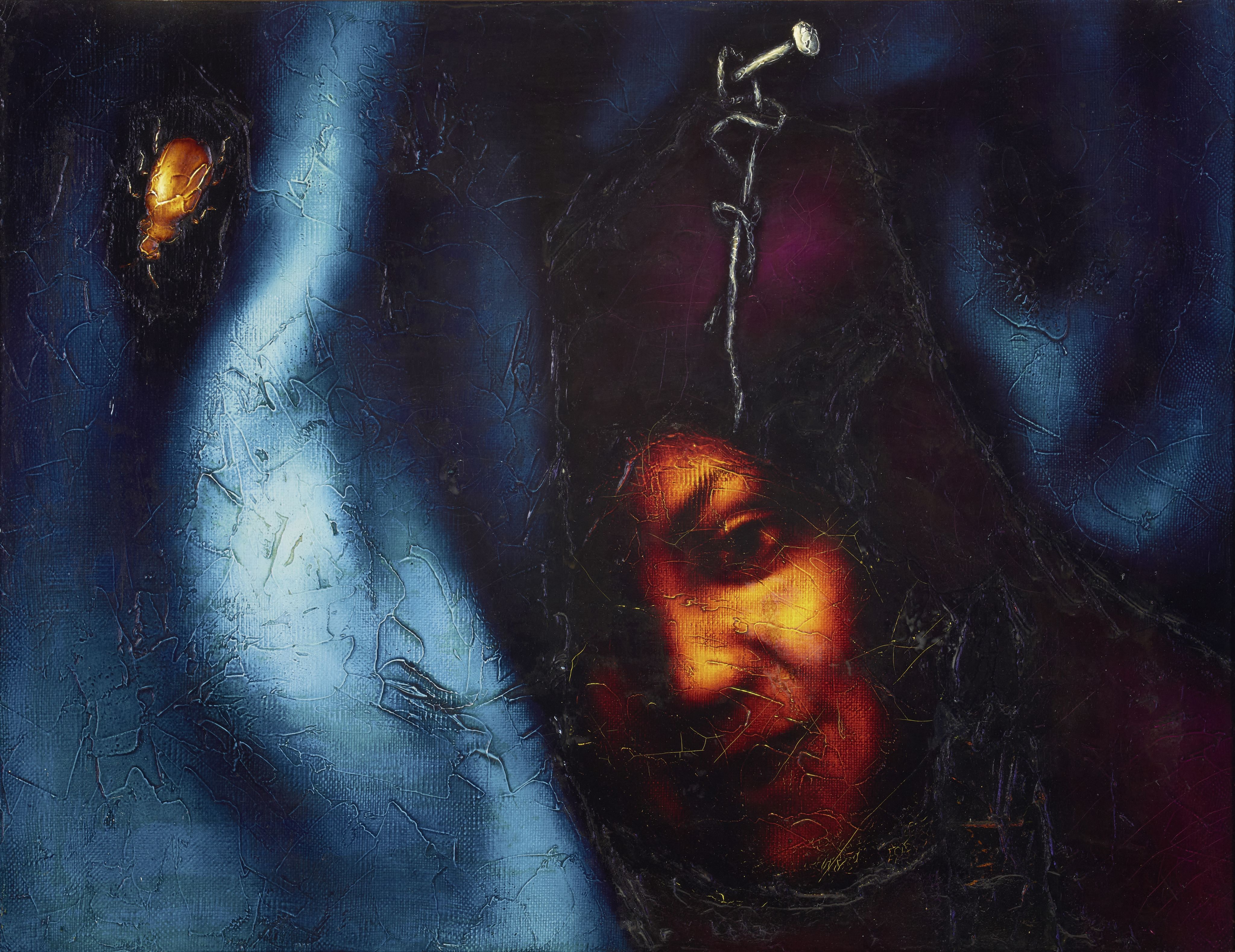
Lot 2. Oleg Tselkov (Russian/French, 1934-2021), Portrait de Tatiana Topilina/ Portrait of Tatiana Topilina. Estimate: €70,000 - €90,000.
Lot 2. Oleg Tselkov (Russian/French, 1934-2021), Portrait de Tatiana Topilina/ Portrait of Tatiana Topilina. Estimate: €70,000 - €90,000.
An Introduction to Russian Soviet Art
Socialist Realism was the official art movement of the Soviet Union (1932–1991). Its aim was to capture the “social reality” of the working class, labourers and soldiers. Government censorship of art and literature in the USSR ensured that it could not be used as a form of political agitation or criticism. Instead, artists were encouraged to use their art as a visual ally of the state, thus presenting an idealised view of the social and political climate of the time.
The 1960s marked a significant split between official and non-official art in Russia. Concealed for decades from public view, confined to artists’ studios and private apartment viewings, Soviet underground artists were united by their underlying pursuit of freedom of expression and the rejection of the state-imposed doctrine of Socialist Realism, censorship and cultural isolation.
1.
Background
The Soviet Non-Conformist artists (also known as unofficial artists) signified dynamism, exuberance and wit in the face of adversity. As summarised by Bauhaus founder and architect, Walter Gropius: “Art and state are irreconcilable concepts...the creative spirit, vital and dynamic, unique and unpredictable, refuses to be limited by the laws of the state”.
After decades of official, state-sanctioned artistic production, artists such as Ilya Kabakov and Oscar Rabin were questioning the existence of genuine visual art in Russia. They were challenging the role of the artist and their relationship to the state, asserting their right to independent artistic expression.
Many artists who had been excluded from working in public or state institutions chose to create their own art outside of the government-sanctioned process. Unofficial artists who wanted to show their work and connect to an audience had to do so creatively and surreptitiously - at great personal risk. Some continued the abstraction pioneered by the artists of the original avant-garde, others produced hyper-realistic works while the Sots-Art artists appropriated official Soviet imagery and emblems to subversive ends. Many also emigrated to the United States and Europe to be free of artistic repression.
Artists groups were formed, not necessarily through aesthetic concerns but by their shared search for a new sociocultural identity. The Lianozovo Group was established in 1958 and included artists Lidia Masterkova and Vladimir Nemukhin. Many members of the group worked in an abstract style as it was the antithesis of Socialist Realism.

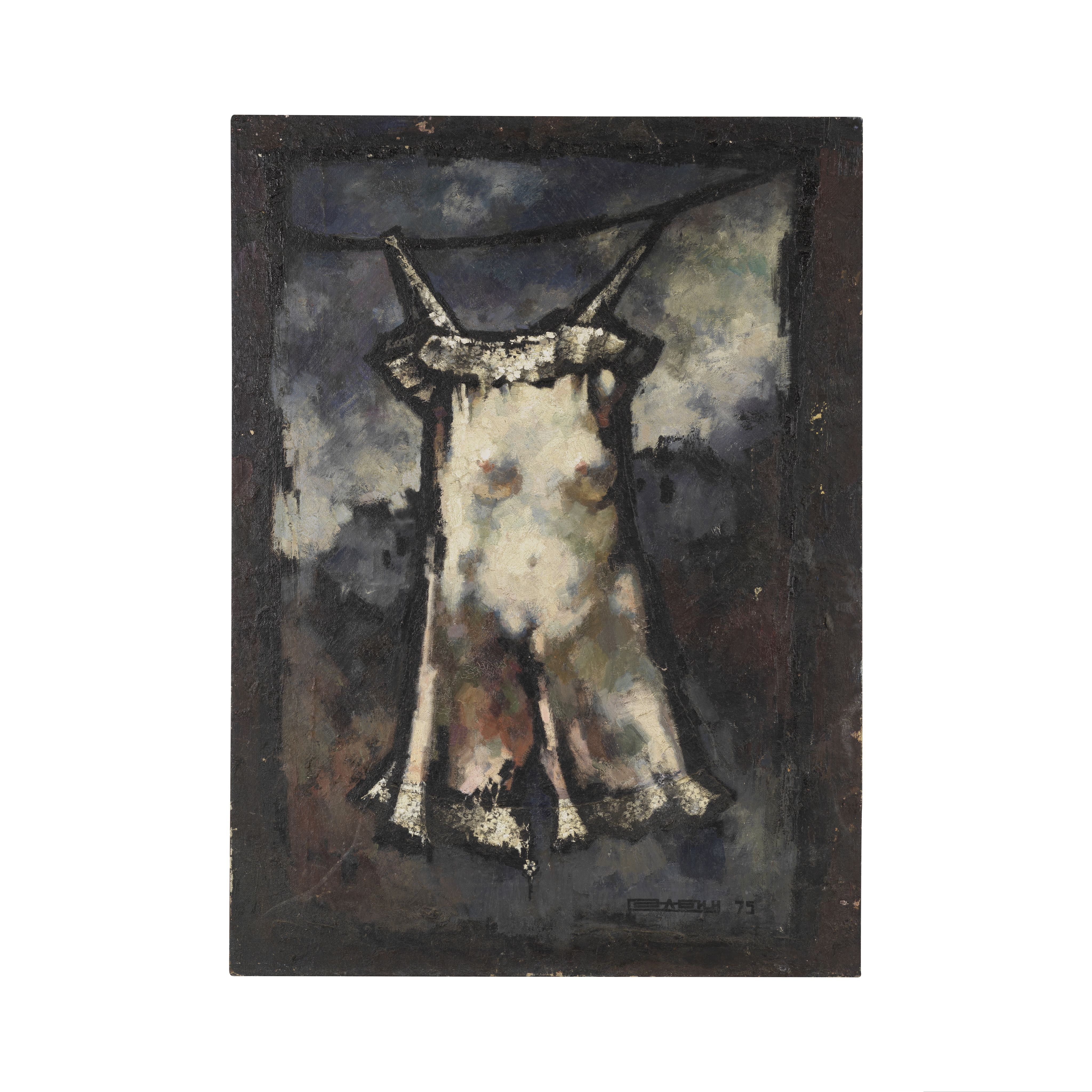
Lot 19. Oscar Yakovlevich Rabin (Russian/French, 1928-2018), 'Chemise de nuit n°8'/ 'Nightshirt No.8'. Estimate: €25,000 - €27,000.
Lot 19. Oscar Yakovlevich Rabin (Russian/French, 1928-2018), 'Chemise de nuit n°8'/ 'Nightshirt No.8'. Estimate: €25,000 - €27,000.
2.
Rooted in History
The history of Non-Conformist art can be distinctly examined through two significant exhibitions from the period. The 1962 show, 30 years of the Moscow Union, attended by the General Secretary of USSR Nikita Khruschv, was recognised as marking the end of the Thaw era (a period in the history of the USSR after the death of Joseph Stalin).
The unofficial exhibition Bulldozer was held on a vacant lot in the Belyayevo urban forest by Moscow and Leningrad avant-garde artists in 1974. Organised by Oscar Rabin and Evgeny Rukhin, the show was attacked by police and bulldozed to the ground. The event made international news, and its global attention was pivotal in helping the fight to legitimise contemporary art in the Soviet Union.
Reacting against the aesthetic restrictions of production, especially Socialist Realism in the Soviet state, was dangerous - Soviet Non-Conformist art was violently radical and the aesthetic choices made by these artists were tantamount to revolutionary political statements.
The Non-Conformist mastering of experimentation with materials and innovative ways of overcoming prevalent traditional techniques shows the movement’s influence on not just art history, but architecture, science and technology.
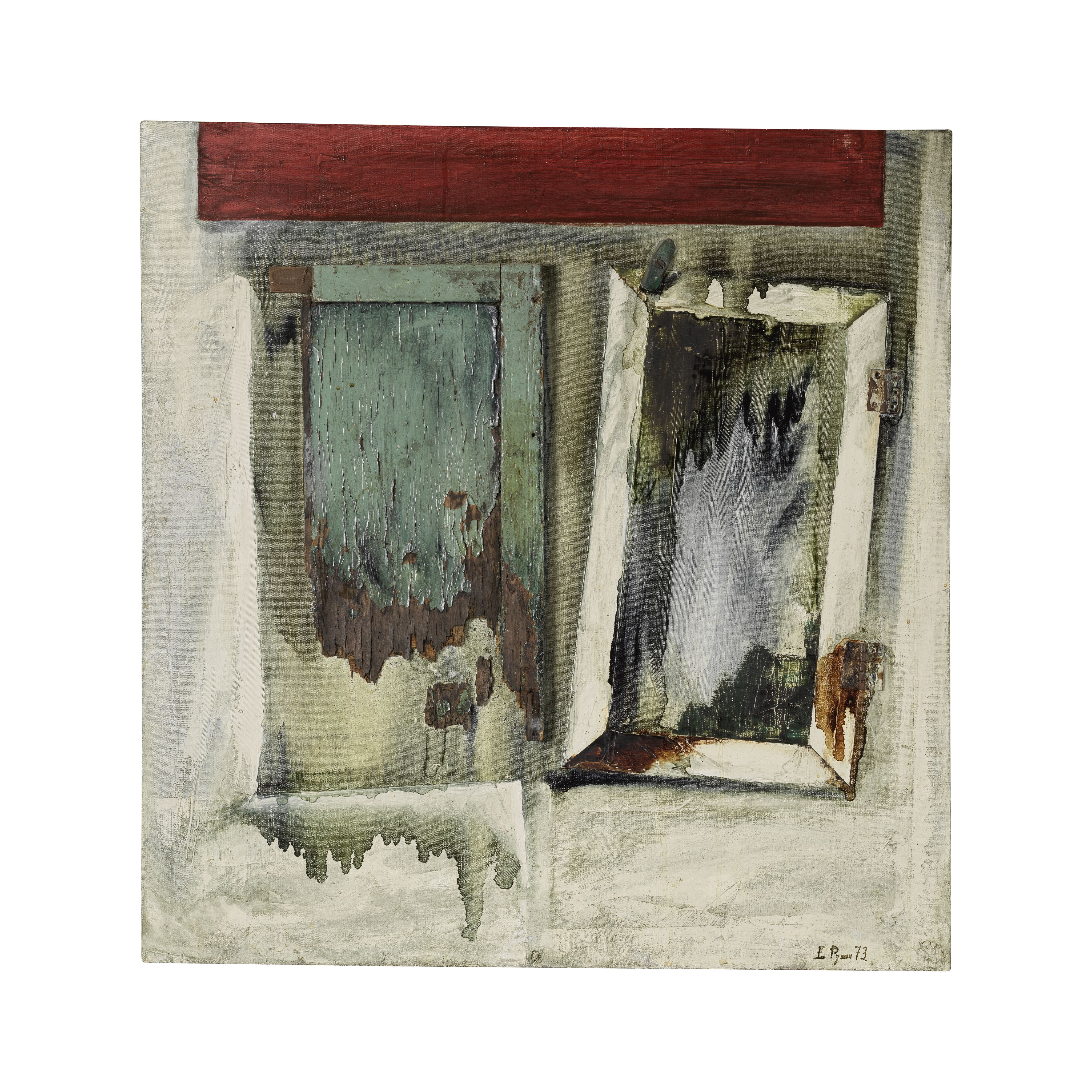
Lot 31. Evgeny Rukhin (Russian, 1943-1976), Sans titre/ Untitled. Estimate: €7,000 - €9,000.
Lot 31. Evgeny Rukhin (Russian, 1943-1976), Sans titre/ Untitled. Estimate: €7,000 - €9,000.
3.
Collecting Today
The art created during the Soviet period reveals much more than government-mandated propaganda. Taking into consideration the restrictions placed on Non-Conformist artists during this period, their ability to adapt and create powerful works of art that provide insight into a pivotal moment within Russian history, is remarkable.
By its very nature, unofficial Soviet art from this period has often been overlooked. Diverse in character, the artists represented in our auctions - such as The Second Avant-Garde: Soviet Non-Conformist Art from Important Collections - emerge as an essential part of the movement praised as the Second Russian avant-garde.
To build a collection that focuses on this period, I strongly recommend you start by researching and reading about USSR history. When it comes to collecting works, Non-Conformist artists created many on paper, so my suggestion would be to start a collection with drawings or lithographs. They are not only affordable, but represent the development of artistic style, and reflect the period in which they were made. Many will be available in our forthcoming auction.
If you are thinking of investing in a work of art from this era, we advise that you do your research. This can involve reading up on the era with books such as Nonconformist Art: The Soviet Experience, 1956-86, as well as speaking to a specialist. It is also important to look into the various exhibitions that have taken place over the last few years around this period. These include Ilya and Emilia Kabakov: Not Everyone Will Be Taken Into the Future at the Tate Modern (2018) and Bidding for Glasnost at the Garage Museum of Contemporary Art, Moscow (2018).
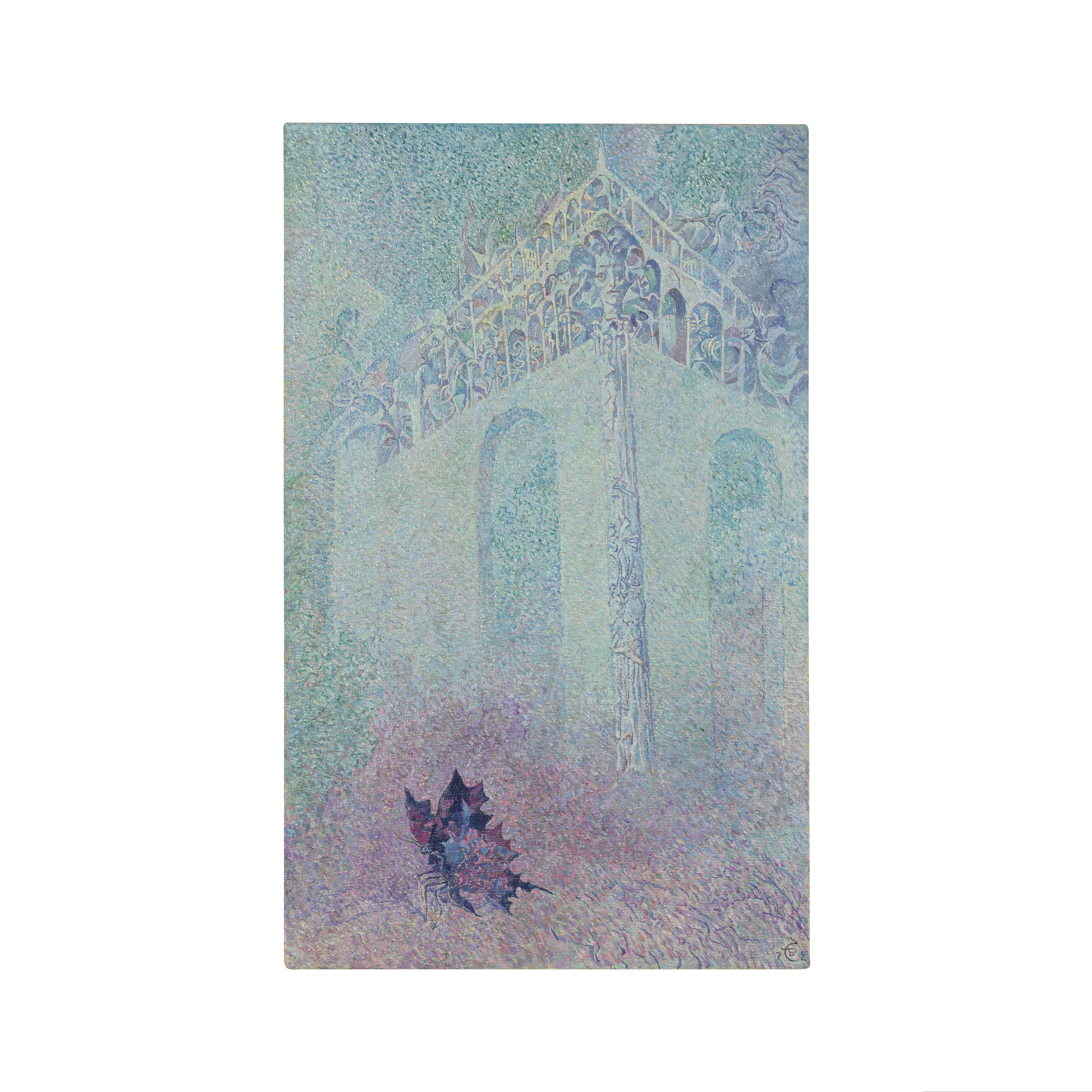
Lot 16. Boris Sveshnikov (Russian, 1927-1998), Maison d'angle/ Corner house sans cadre. Estimate: €30,000 - €40,000.
Lot 16. Boris Sveshnikov (Russian, 1927-1998), Maison d'angle/ Corner house sans cadre. Estimate: €30,000 - €40,000.
4.
On the Market
The Russian Non-Conformist market is as strong as ever, with recent examples at Bonhams such as Dmitry Krasnopevtsev's Amphoras, selling for €89,300 inc. premium, and Oleg Vasiliev's Flight - In memory of Boris Sveshnikov, selling for £150,250 inc. premium.
While it is always important to buy the art you love, and not just think of it as an investment, it is an opportune moment to consider collecting from this period, especially as the majority of artists from this period have established themselves through a strong performance at auction and global exhibitions.
Own a similar peice? Submit your artwork or collection online for a free auction estimate
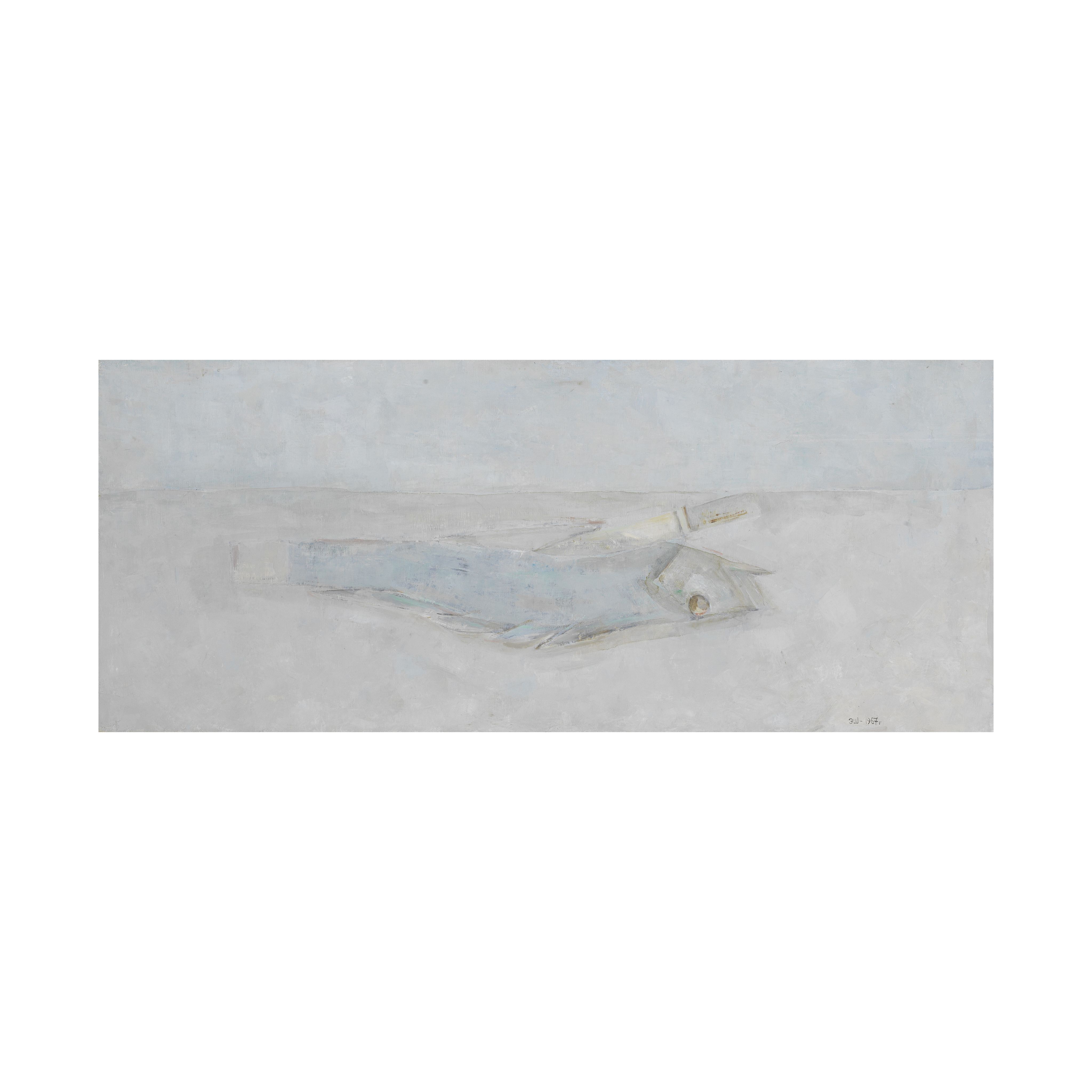
Lot 5. Eduard Arkadievich Steinberg (Russian, 1937-2012), Composition avec le poisson/ Composition with fish. Estimate: €20,000 - €25,000.
Lot 5. Eduard Arkadievich Steinberg (Russian, 1937-2012), Composition avec le poisson/ Composition with fish. Estimate: €20,000 - €25,000.
5.
Condition, Storage & Display
Non-Conformist artists were usually supported by diplomats or foreign journalists residing in Russia. Given the strict censorship around Non-Conformist art, works were rarely on public display, confined to private apartments of the patrons and artist studios.
It is only in the last decade that much art from this period has been unveiled from private collections and exhibited publicly. With this in mind, many works from this period have been kept in exceptional condition.
There are many works on paper from this period, and the suggestion would be to display them in hallways away from the sunlight. These works will benefit from contemporary frames, but many of the paintings from this period have original frames created by the artist.
It is always important to make sure you have a good framer, and that you use the correct mount and UV filtering glass. If you are considering storing the art, generally items need to be kept flat in acid-free paper. This ensures not only that the work holds its value as an investment, but can also be appreciated by future generations to come.

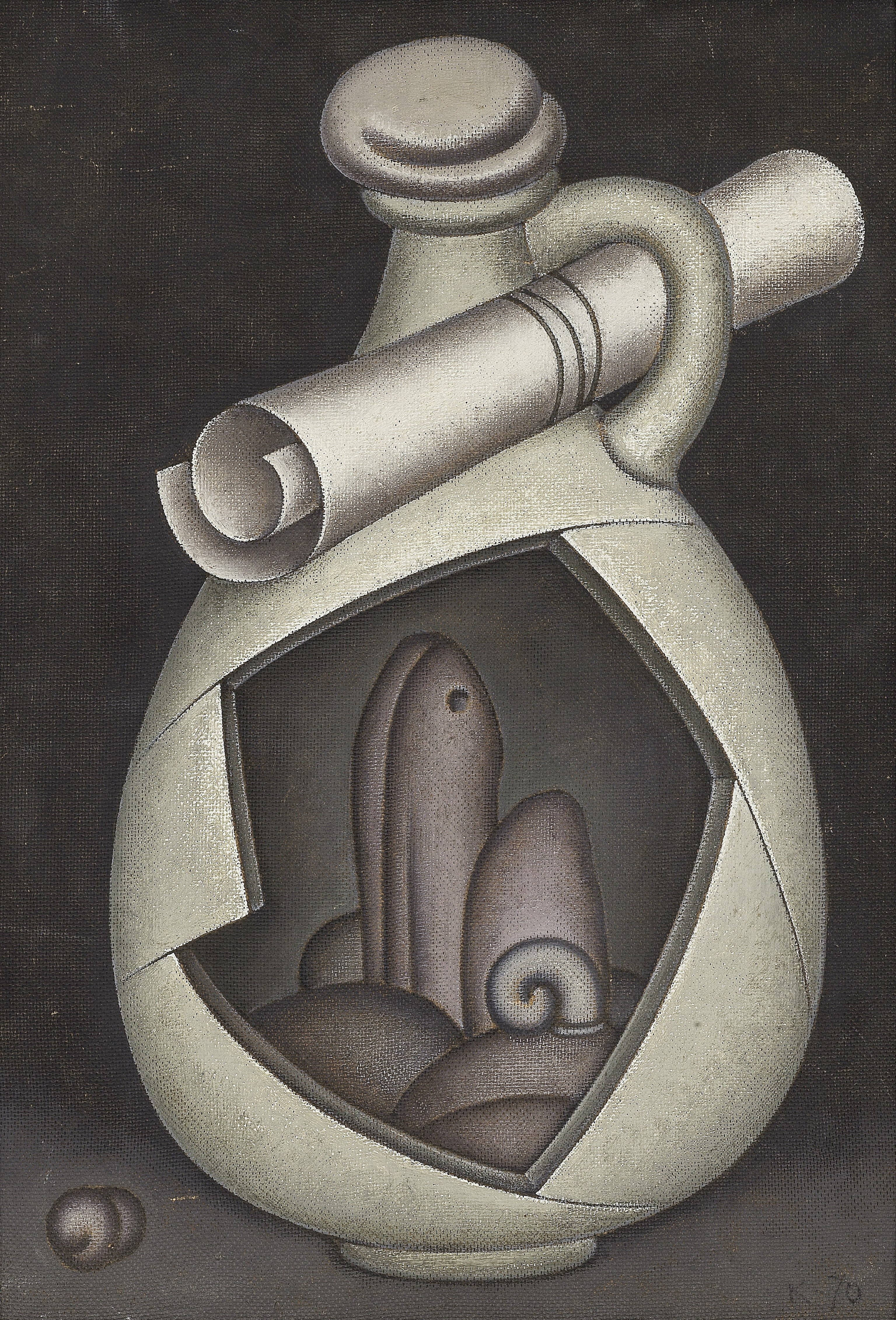
Lot 24. Dmitry Krasnopevtsev (Russian, 1925-1995), Sans titre/ Untitled. Estimate: €50,000 - €70,000.
Lot 24. Dmitry Krasnopevtsev (Russian, 1925-1995), Sans titre/ Untitled. Estimate: €50,000 - €70,000.
Register to bid in The Second Avant-Garde: Soviet Non-Conformist Art from Important Collections
The Second Avant-Garde: Soviet Non-Conformist Art from Important Collections is taking place online between 6 - 19 September, featuring works by Oleg Tselkov, Vasily Sitnikov, Oscar Rabin, and more. Browse the sale and register to bid today.
For more from our Russian Art team, follow @bonham_russian_art on Instagram.
 Built with Shorthand