
Collecting 101
100 Years of Motorcycles
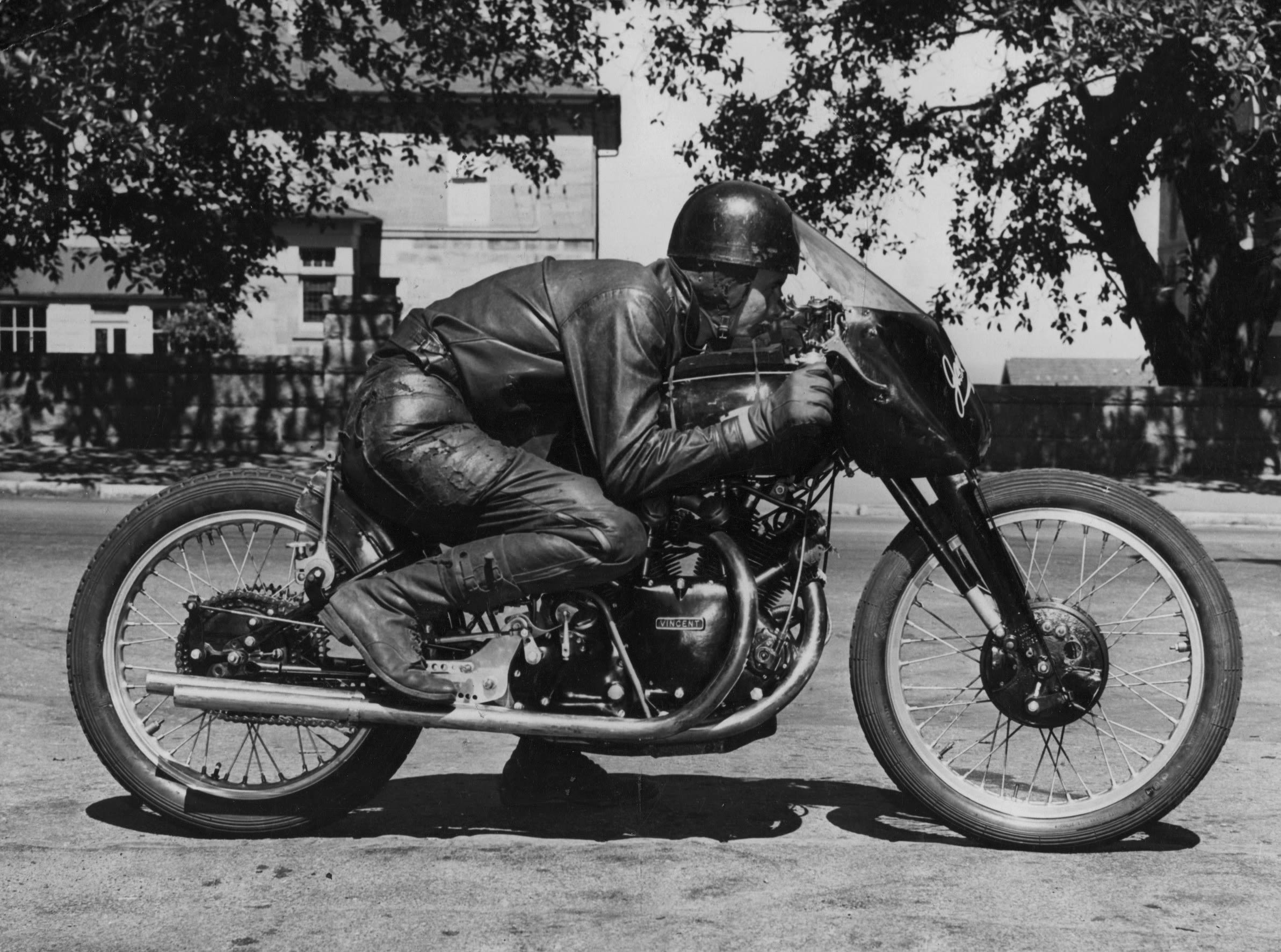


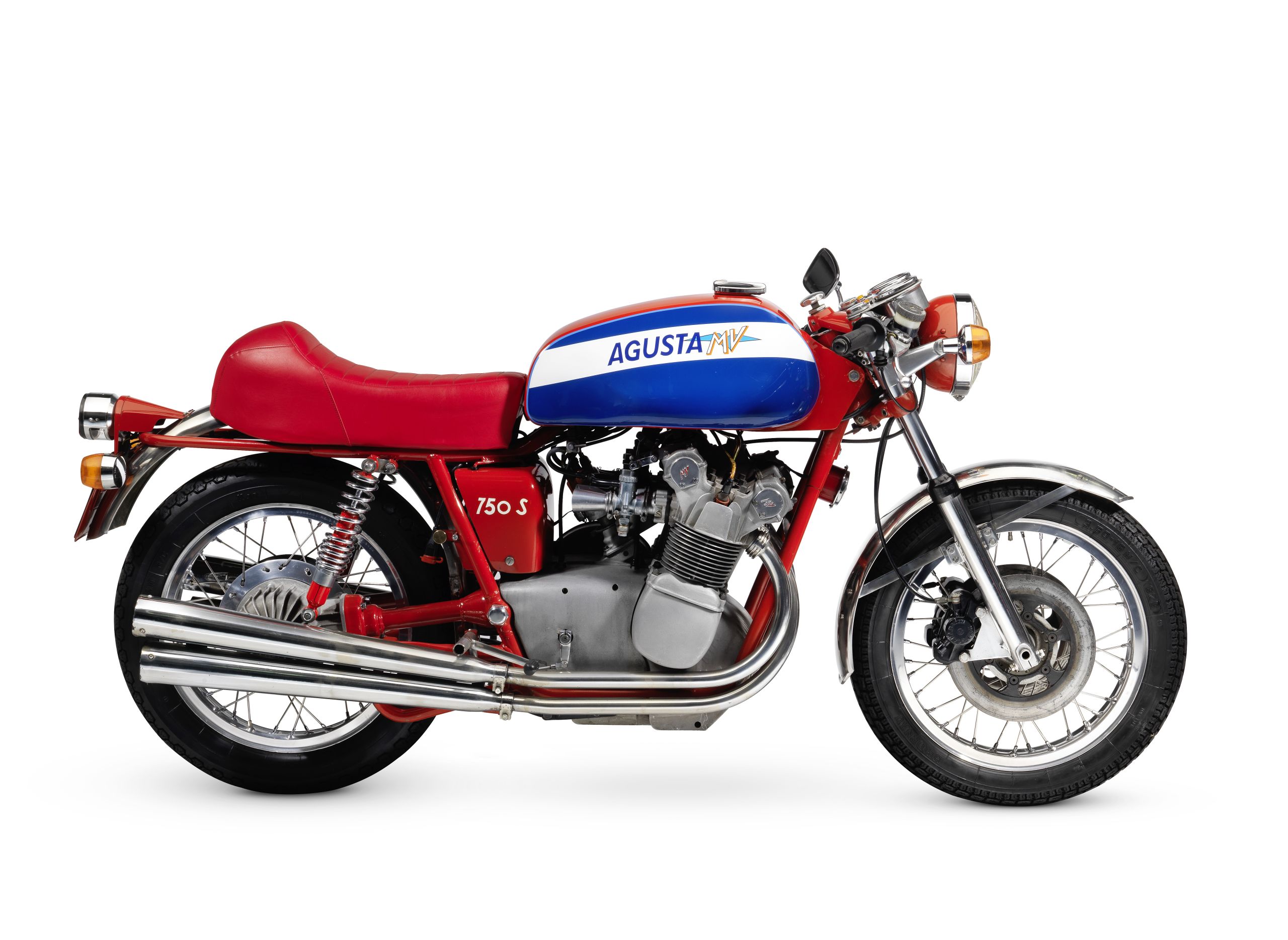
Forever associated with freedom, speed and style, the motorcycle has become a modern cultural icon. Here specialist Ben Walker gives us a brief introduction to this fascinating history and advises collectors on how to navigate the market. Illustrated with lots coming up in The Summer Sale.
1894 - 1914
The Pioneer Period
The first machine to which the term ‘motorcycle’ was applied was produced by German manufacturers Hildebrand and Wolfmüller in 1894, sparking a period of excitement and innovation in the industry. The turn of the century sees the establishment of world-famous brands such as Royal Enfield, Indian, Triumph, Norton, Harley-Davidson, Husqvarna and BSA.
This exciting period continues to appeal to many collectors today and pioneer machines are constantly in demand. An important factor in the value of an early motorcycle is whether it has a certificate issued by the Sunbeam Motorcycle Club which would allow it to participate in the famous Pioneer Run, an annual run from Epsom to Brighton for motorcycles manufactured before the close of the 1914 season.
Estimates range from as little as £4,000–6,000 for a basic machine and up to £400,000–600,000 for a topflight American board track racer from this era. There can be a 20–30% difference in value for a bike that has a Pioneer Certificate, or would qualify for one, compared to one that does not.
1920s
The Roaring Twenties
A decade of growth, prosperity and style, the twenties saw the motorcycle develop into a means of affordable transportation, with manufacturers producing small, lightweight bikes for the mass market. These can be a good starting point for new collectors, with estimates ranging from £2,000–6,000 for machines like a Royal Enfield 2¼hp, a Triumph Junior or a BSA Model B 'Round Tank'. At the other end of the scale are manufacturers such as Coventry Eagle, Montgomery, McEvoy and Croft Cameron in the UK, and Harley Davidson, Indian, Ace and Henderson in the US, building powerful v-twin and multi-cylinder bikes, that are highly sought after.
The standout marque of this period, and motorcycling collecting in general, is Brough Superior, whose SS100 model is the epitome of elegance and speed and realises between £200,000 and £450,000 at auction. The market for twenties machinery remains very strong as the history, excitement and challenge of owning and riding a vintage machine proves to have enduring appeal among contemporary collectors who have realised that it is still possible to buy pedigree motorcycles for less than an equivalent classic car from the same period. However, when collecting motorcycles, it’s important to buy machines that have matching numbers – this means that the model must have the engine and frame that it left the factory with, rather than replacements.
1930s
The Austerity Years
The Great Depression sadly spelt the end of production for many manufacturers while others moved away from making ultra-powerful motorcycles to basic ‘get you to work’ machines in order to make ends meet. This did not mean the end of innovation, however; at the 1931 Motorcycle Show, two exceptional four-cylinder machines aimed at the top end of the market were presented: the Matchless Silver Hawk and the Ariel Square Four. The former can command up to £55,000 on the market while the more common Ariel can reach £25,000 for a pre-war example.
During this time Brough Superior continued to produce their ‘gentleman’s express’ motorcycles but it was the Vincent-HRD Rapide Series-A which became one of the most collectable machines of all time. Approximately 78 were produced before the outbreak of war halted production, of which a mere 50 are said to survive. Estimates range from £200,000 to £350,000.
1950s
Baby Boomers
During the 1950s post-war austerity was starting to fade and for many, motorcycles offered a first taste of freedom. The decade soon became a golden age as manufacturers made new and exciting advancements and motorcycle sport began gaining in popularity.
One maker that continues to dominate the immediate post-war period is Vincent-HRD, which holds the world record price for a motorcycle at auction with the Vincent Black Lightning ($929,000). The brand’s Black Shadow model also continues to be in high demand among enthusiasts due to its speed and design and this has inevitably led to some spurious examples on the marketplace. If in doubt collectors are encouraged to consult the Vincent Owners Club or one of our specialists who can help to verify the authenticity of a bike or advise if there are any aspects of it which may compromise the machine. Some of the best Black Shadow models can reach £70,000 to £120,000 while the ultra-rare White Shadow variant tends to realise £140,000 to £180,000.
Another important arrival during this period was the scooter – a stylish but utilitarian means of transport designed to get nations moving. In 1958 Honda introduced the humble C100 Cub ‘Step-Thru’ (£500–3,500) which became the best-selling powered vehicle of all time and continues to be a perennial favourite at auction. While these may seem more affordable it’s important to consider that machines that have long gone unused must be recommissioned before use, which can be costly.
1960s
The Triumph Years
Founded in 1884 by Siegfried Bettman, Triumph came to epitomise British design with models that have stood the test of time as some of the most appealing machines of any era. During the swinging sixties it was the mount of choice for many celebrities, including Bob Dylan, Steve McQueen, Paul Newman, Elvis and Clint Eastwood.
Arguably one of the best-looking British bikes ever built, the T120 Bonneville owes its name to Triumph’s success on the Bonneville salt flats in Utah when, in 1958, a Tiger 110 set a new record for a 650cc engine of over 147mph. With a top speed approaching 120mph, the Bonneville was Triumph’s top of the range sportster and today estimates range from £3,000–5,000 for a machine requiring work, £7,000–10,000 for an excellent example dating from the mid-sixties, or £12,000–18,000 for an exceptional machine that was produced during the first years of production.
Over the last 10 years the market has seen a gradual rise in values however it may level off or even drop as the ageing baby boomer generation that grew up coveting the Bonneville and other classics from this era, such as the BSA Gold Star and the Norton Dominator, are now looking to sell, making it a good time for buyers. As with any work of art or antique, condition and rarity are important factors that will add value, along with good provenance – collectors should look for a paper trail as it is always valuable to know the story behind the bike.
1970s
Revolution & Radicalisation
The 1970s marked a revolution in motorcycle manufacturing; Honda introduced the CB750, a four-cylinder bike at an affordable price, which had a devastating effect on the British motorcycle industry. Japanese manufacturers went from strength to strength and by the time the British produced something that could compete it was too late for the industry to fully recover.
The market for this period remains strong as nostalgia runs high for seventies bikes. There has been particular interest in models such as the Yamaha RD350 (£4,000–8,000), the Kawasaki Z1 (£7,000–25,000) and the Suzuki GT750 (£5,000–12,000) but one of the main difficulties encountered by prospective collectors is the lack of parts available for Japanese machines, in particular original exhaust systems, so it is important to look for examples that still have original rather than pattern parts.
1980s
The Rise of the Super Bike
There are many iconic motorcycles from the eighties to choose from but the market is changing rapidly as collectors snap up the machines that remain unmodified and in good condition. Recent years have seen huge jumps in the values of bikes such as the BMW R80G/S (£5,000–15,000), the Ducati 851 (£8,000–25,000), the Suzuki GSX1100S Katana (£7,000–12,000), the RG500 Gamma (£10,000–20,000) and the GSX-R (£4,000–12,000).
The first World Superbike Championship in 1988 sparked a new breed of ‘homologation specials’ – over-the-counter road bikes that boasted race track specifications. Estimates vary greatly as the market continues to grow for the most famous examples such as Honda’s iconic RC30 (ranging from £18,000 to £55,000) or the rarer FZR750R – better known as the OW01 – (£15,000–30,000) by Yamaha. Despite the strength and range of the market, however, it’s never a good idea to collect for investment – collectors should always buy according to whether they are going to enjoy owning and riding a classic motorcycle.
1990s
Future Classics
Every so often a model comes along that rewrites the rulebook for sports motorcycles. Launched in 1992, Honda’s superbly styled and evocatively titled Fireblade blew away the opposition – principally Yamaha’s FZR1000 and Suzuki’s GSX-R1100.
The nineties saw further landmark developments in the ultra-competitive superbike class such as the arrival of the Yamaha R1 (£2,000–6,000) in 1998 and the Ducati 916SPS (£7,500–16,000) in 1994. Styled by Massimo Tamburini, the 916 and its subsequent evolutions established Ducati as one of the world's foremost brands – and the model became an undisputed classic of the modern age. In 1998, capitalising on Carl Fogarty's World Superbike Championship successes, Ducati introduced the limited edition 916SPS 'Fogarty Replica'. Only 202 were made and they can occasionally be found on the market for around £12,000–22,000.
For further advice on any aspect of collecting motorcycles, speak to a specialist who can provide a condition report, offer insight on the latest market trends and further details on the history of these wonderful machines.
For more from our Global Motorcycles team, follow @bonhamsbikes on Instagram.

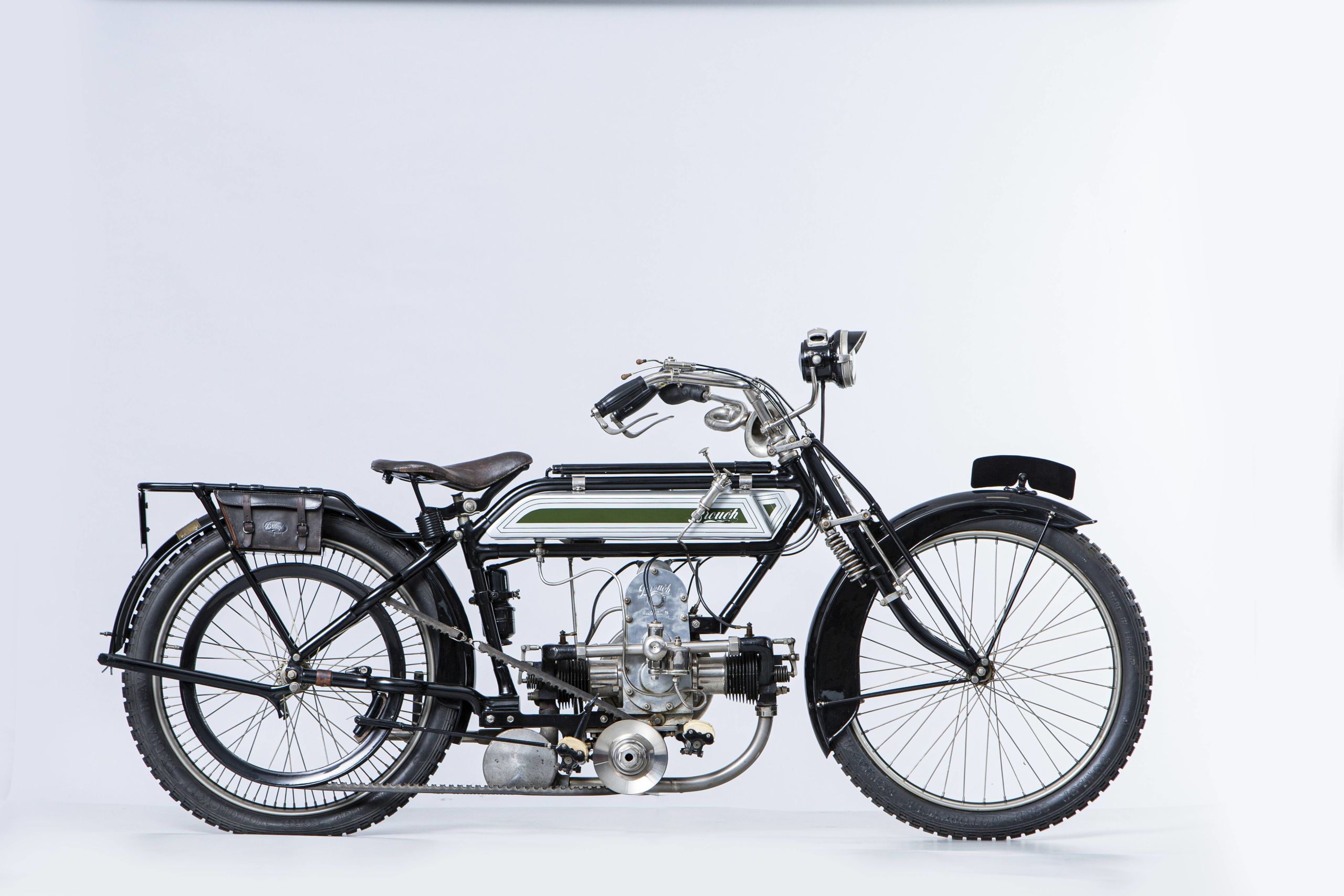
Lot 707. Offered from the National Motorcycle Museum Collection, 1914 Brough 497cc Model H, £ 50,000 - 70,000.
Lot 707. Offered from the National Motorcycle Museum Collection, 1914 Brough 497cc Model H, £ 50,000 - 70,000.
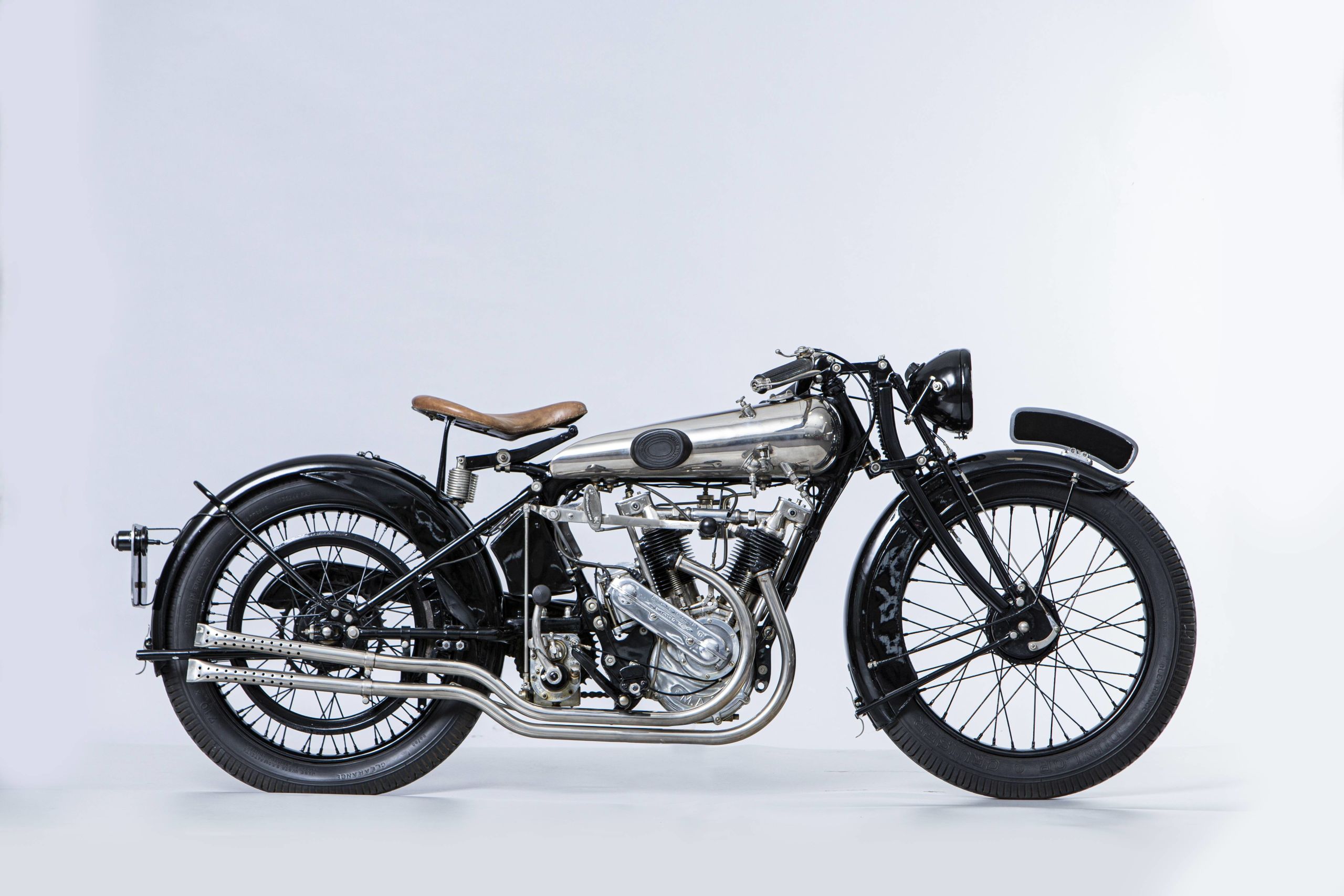
Lot 708. Offered from the National Motorcycle Museum Collection, 1925 Brough Superior 750cc Mark II, £ 80,000 - 120,000.
Lot 708. Offered from the National Motorcycle Museum Collection, 1925 Brough Superior 750cc Mark II, £ 80,000 - 120,000.
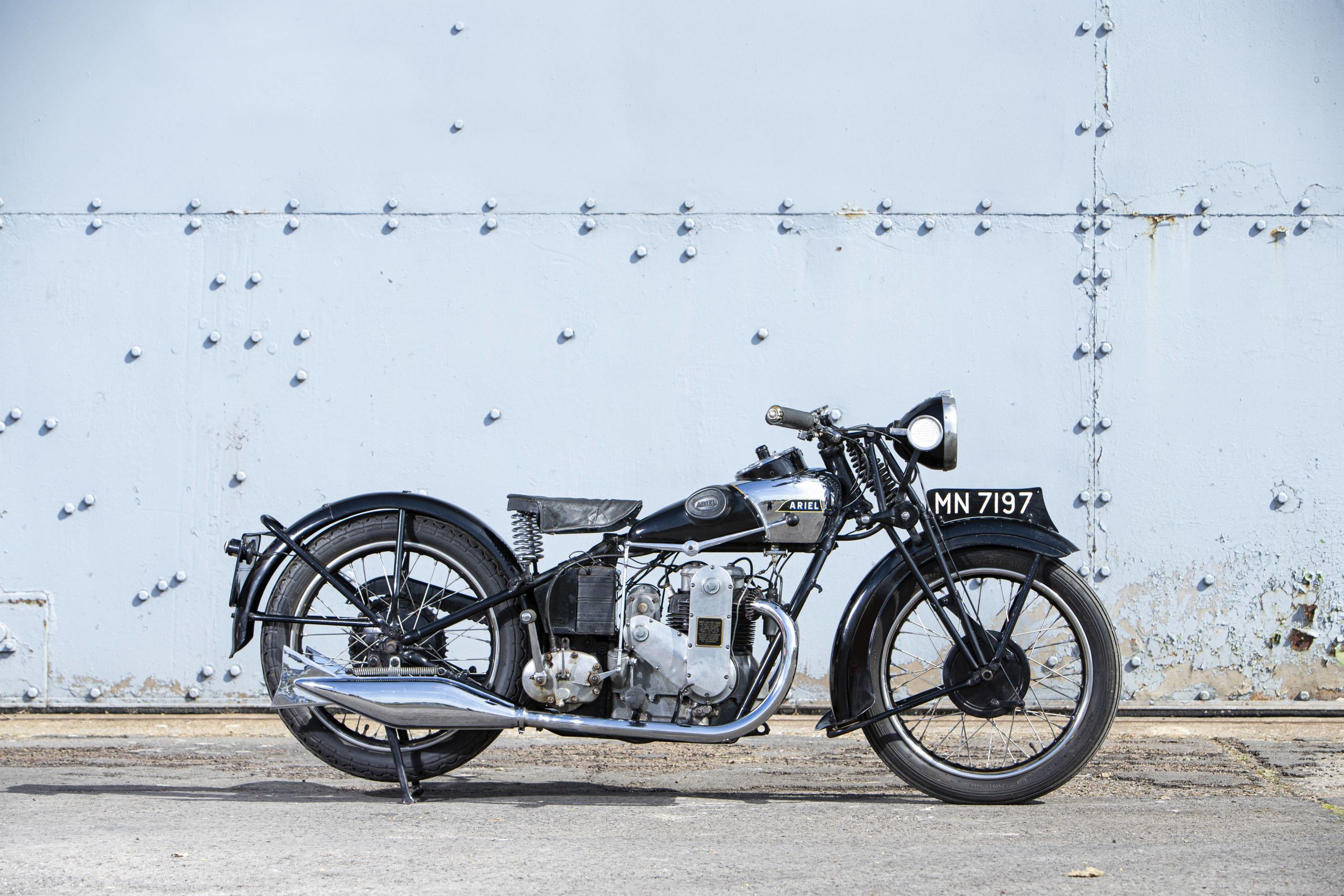
Lot 743. Property of a deceased's estate, 1931 Ariel 497cc Model 4F 'Square Four', £ 16,000 - 22,000.
Lot 743. Property of a deceased's estate, 1931 Ariel 497cc Model 4F 'Square Four', £ 16,000 - 22,000.
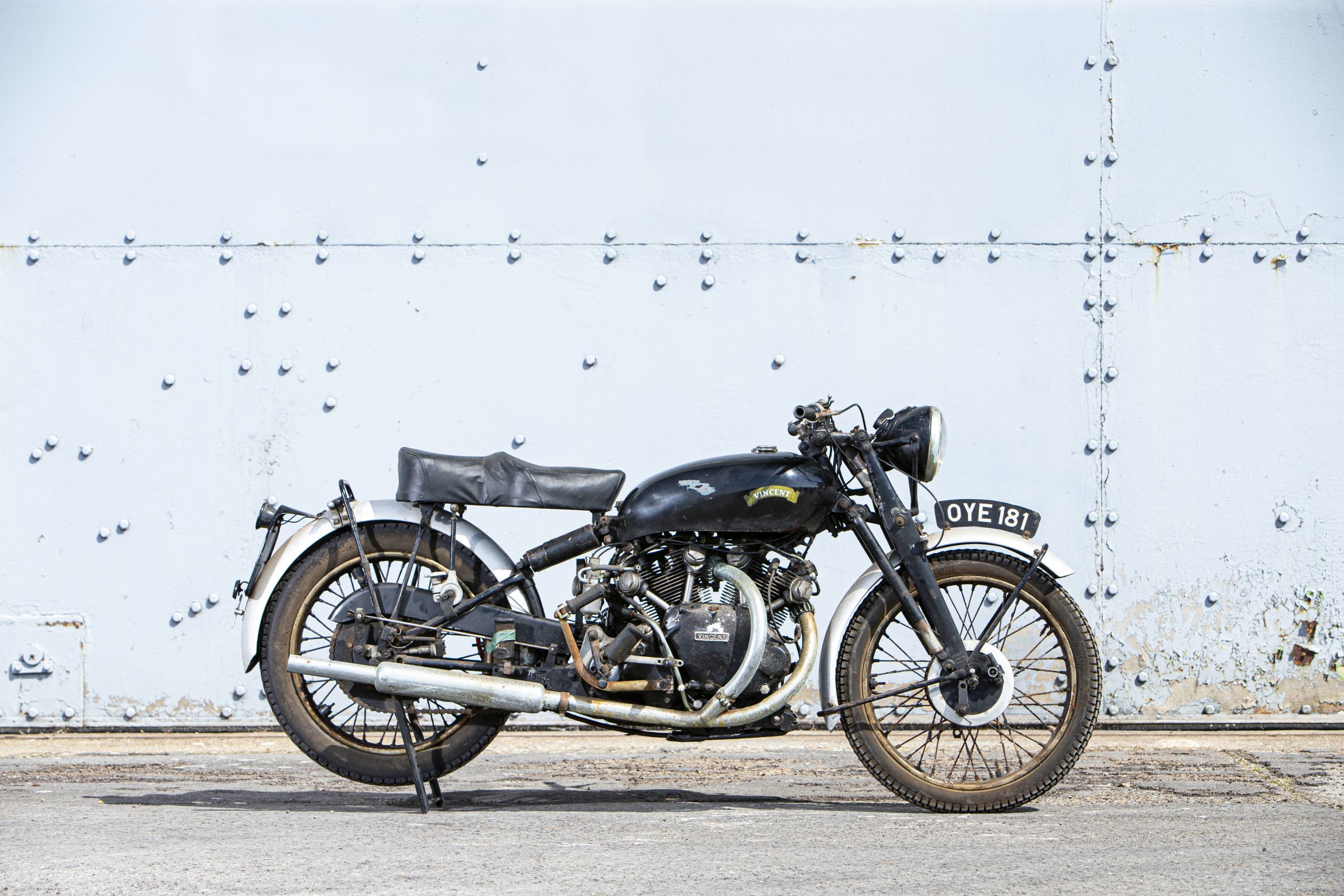
Lot 749. 1954 Vincent 998cc Series-C Black Shadow, £ 40,000 - 45,000.
Lot 749. 1954 Vincent 998cc Series-C Black Shadow, £ 40,000 - 45,000.

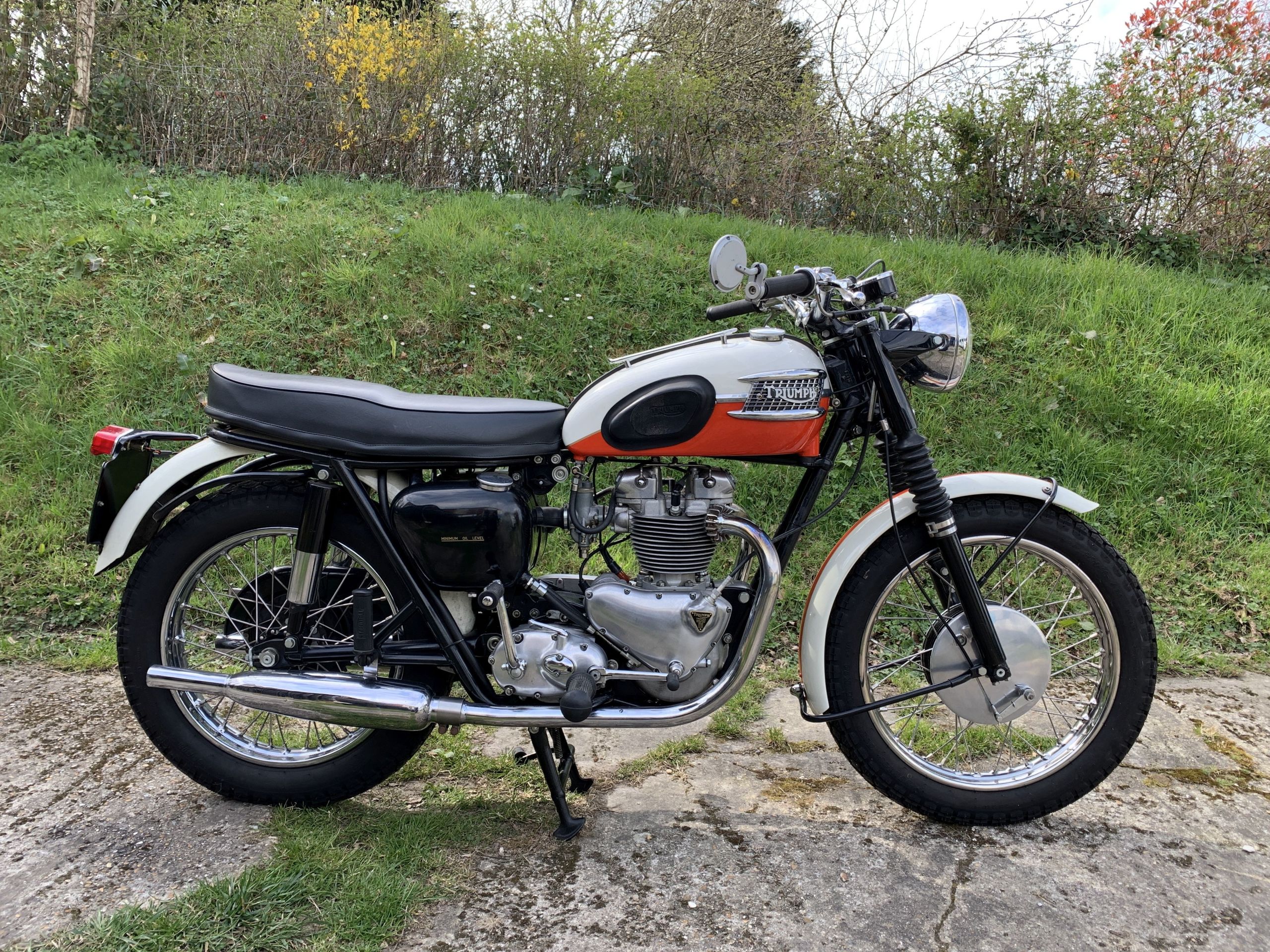
Lot 767. Property of a deceased's estate, 1960 Triumph 649cc TR6 Trophy, £ 7,000 - 10,000.
Lot 767. Property of a deceased's estate, 1960 Triumph 649cc TR6 Trophy, £ 7,000 - 10,000.
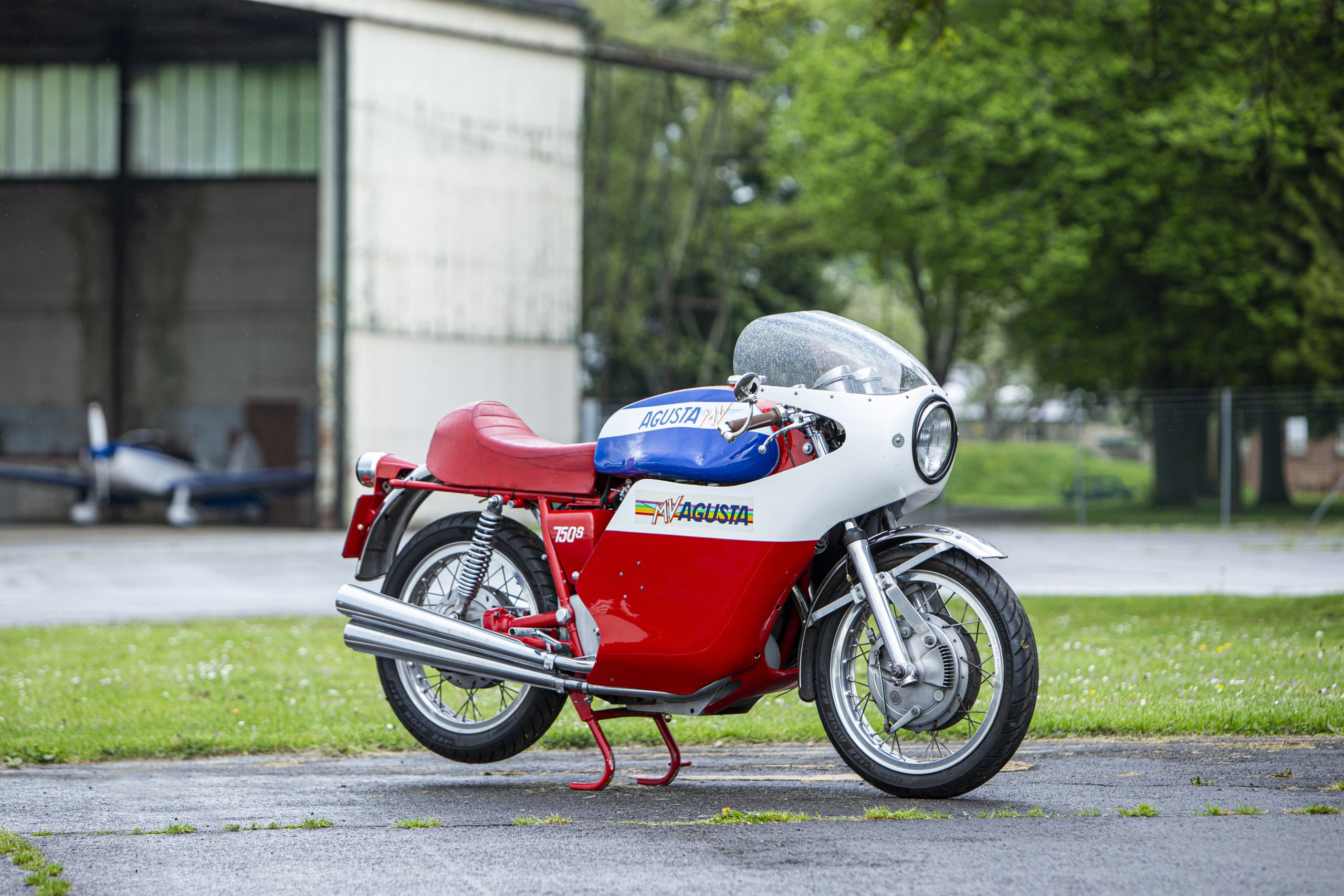
Lot 647. 1973 MV Agusta 750S, £ 60,000 - 80,000.
Lot 647. 1973 MV Agusta 750S, £ 60,000 - 80,000.

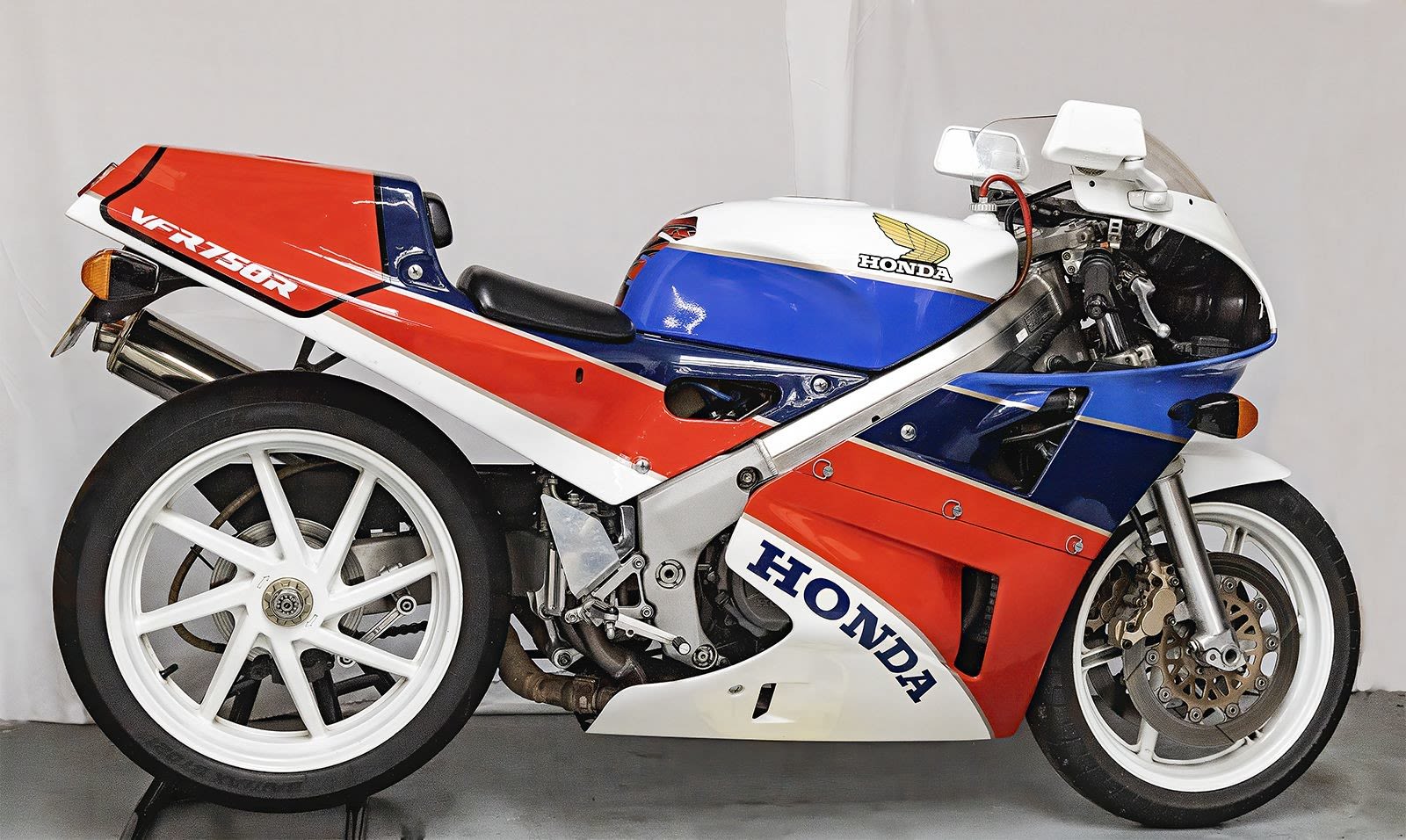
Lot 805. 1989 Honda VFR750R Type RC30, £ 26,000 - 28,000.
Lot 805. 1989 Honda VFR750R Type RC30, £ 26,000 - 28,000.
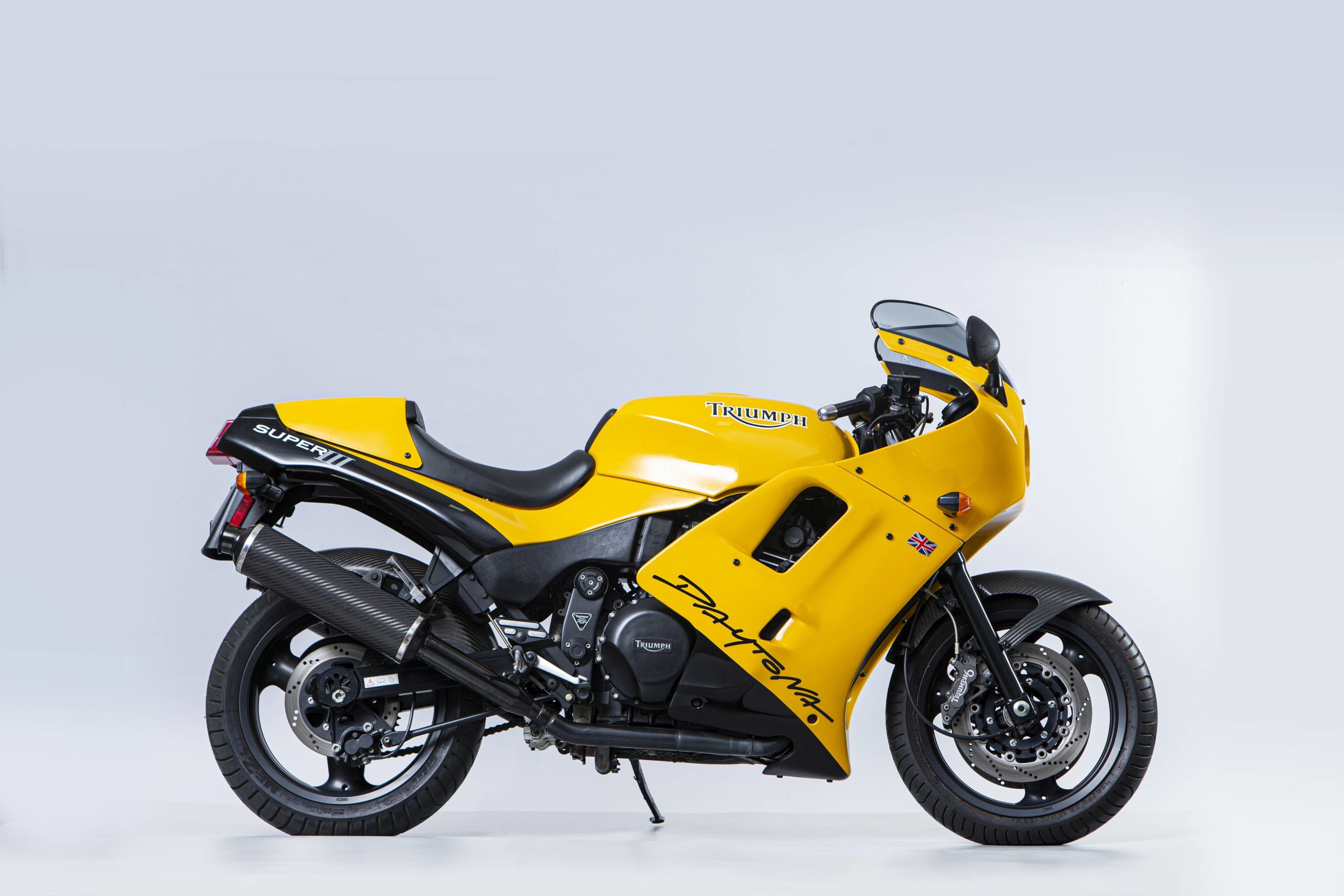
Lot 702. Offered from the National Motorcycle Museum Collection, 1996 Triumph 885cc Daytona Super
Lot 702. Offered from the National Motorcycle Museum Collection, 1996 Triumph 885cc Daytona Super


 Built with Shorthand