
Collecting 101
Lagonda

Wilbur Gunn, founder of the celebrated Lagonda marque, was a modern renaissance man. Born in Ohio in 1859, he later took up an apprenticeship with the Singer Sewing Machine Company. By 1899 he had established an engineering business in Staines and remarried. In 1906, he founded Lagonda, named after the Shawnee settlement in his hometown of Springfield.
Bonhams is set to offer some exceptional examples of the marque at our Goodwood Revival Sale on 18 September 2021. Here, we detail the history behind the cars illustrated with highlights from the upcoming auction.
1.
In the Beginning
The first fruits of Gunn’s engineering efforts were motorcycles, which he produced in the greenhouse of his second wife’s house in Staines. Emboldened by initial successes including a win on the 1905 London-Edinburgh trial, he expanded into tri cars, light commercial vehicles and even a powerboat using both his own and other manufacturer’s engines. Sheds sprung up across the lawn and his efforts continued until in 1907, when Gunn produced his first car, a 20hp six-cylinder Torpedo.
To promote his new vehicle, Gunn took part in the torturous 2000-mile Moscow-St Petersburg trial of 1910. He managed to cover the 400-mile return trip to St Petersburg in 24 hours, and in doing so managed to win the competition and be presented with a certificate by the Tsar himself. The combination of his derring-do and the evident reliability of his motor car won great admiration in Russia and a robust stream of orders until the outbreak of the Great War. During the First World War, Lagonda moved to the manufacturing of artillery shells to support the war effort. As the war came to an end, Gunn returned to manufacturing motor cars until his early demise in 1926, just a year after launching Lagonda’s first sports model, the 14/60.
2.
Track Triumphs
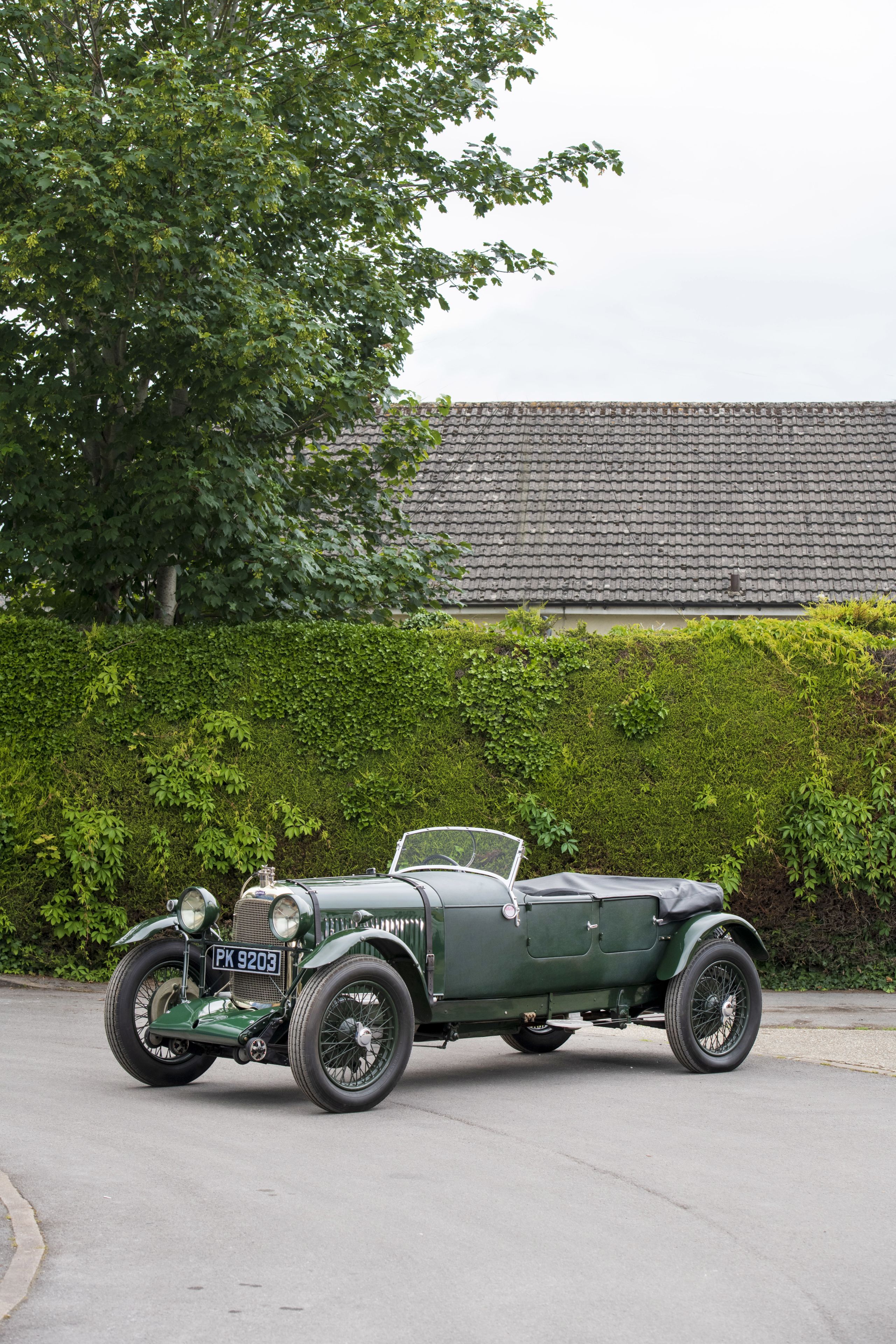
Lagonda’s sporting prowess grew, and in 1929, special competition versions of the 2-Litre Lagonda were entered by the Waltham and Hertford racing syndicate, Herefordshire-based racing enthusiasts, who pooled their resources to enter a slew of top races. The four 2.0-litre ‘Low Chassis’ examples – bearing consecutive registrations PK9201 to PK9204 – through Fox & Nicholls instantly made their mark on the circuit, placing second, third and sixth in class at their debut outing at the Brooklands Double Twelve Endurance Race. The unstoppable quartet marked the true beginning of Lagonda’s racing successes and went on to compete at formidable races including the BARC Six-hour race and the Ulster TT. PK9203 took it even further, entering the gruelling Le Mans 24 Hours at the hands of Tim Rose Richards and Hon. Brian Ellis. The press went wild for its distinctive exhaust note, a throaty sound still loved by enthusiasts today.
A few years later and with several impressive wins under their belts, Lagonda ended Alfa Romeo’s stranglehold on the Le Mans podium and stormed to victory with the Meadows 4.5-Litre powered racers at a rain-soaked circuit.
The Meadows engine was ultimately replaced with a glorious V12 engine designed by none other than W.O Bentley. He had been brought in as technical director by Lagonda’s new director Alan Good who had pipped Rolls Royce to the post in a bidding war for the Lagonda name. Good fielded a team at Le Mans in 1939 and built on the fearsome Lagonda endeavours of the late 20s and early 30s with 3rd and 4th place in the race. However sadly, just months later, the Second World War broke out and put an end to motor racing for some time.
3.
The Takeover
In 1947, David Brown bought Lagonda and in 1948 merged it with Aston Martin, another of his newly acquired concerns. Lagonda’s crown jewels were the new 2.6-litre engine and dazzling chassis with fully independent suspension designed by W.O Bentley, which they had previously had been unable to be put into full production due to ongoing steel rationing. Brown saw its potential, and the 2,580cc twin overhead cam straight six became the basis for the Aston Martins of the 50s such as the DB2 and DB2/4.
Coachbuilders Tickford gradually took on more production of the David Brown cars, and eventually, Brown acquired the concern. He then moved all Aston Martin Lagonda operations to the factory at Newport Pagnell. Production of Lagondas slowed until 1961 when the 4-Litre Rapide was introduced. The four-door was of a different spirit and design to the earlier models, and only 55 were made in its two-year production run.
Lagonda fell dormant until 1974 when, under the new control of William Wilson and Company Developments Ltd, the Lagonda V8 entered production for a grand total of 7 models. By the end of the production ‘run,’ Aston Martin Lagonda had yet another set of owners who set in motion the process resulting in the second V8 Lagonda. The bold, wedge design boasted cutting edge technology and was hugely popular across the world until production ceased in 1990.
4.
A Brave New World
Since the second V8, a select range of models have been produced. In 2008, Aston Martin announced that it would relaunch the legendary Lagonda marque in celebration of its centenary in 2009. They had ambitions to develop cars with ‘a different character to a sports car’ for a global market, and at the 2009 Geneva Motor Show, a 4WD SUV was unveiled with a V12 engine in homage of W.O Bentley’s magnificent creation.
In 2014, the Lagonda Taraf was launched, a £1M, 565HP beast of a machine limited to 200 production units, primarily intended for the Middle Eastern market. Today, the dazzling history of the Lagonda legend is being reborn for the 21st century as Aston Martin announced their intention to use the branding for its all-electric range to be launched in 2025.
Browse this auction and register to bid for The Goodwood Revival Sale at Bonhams.com

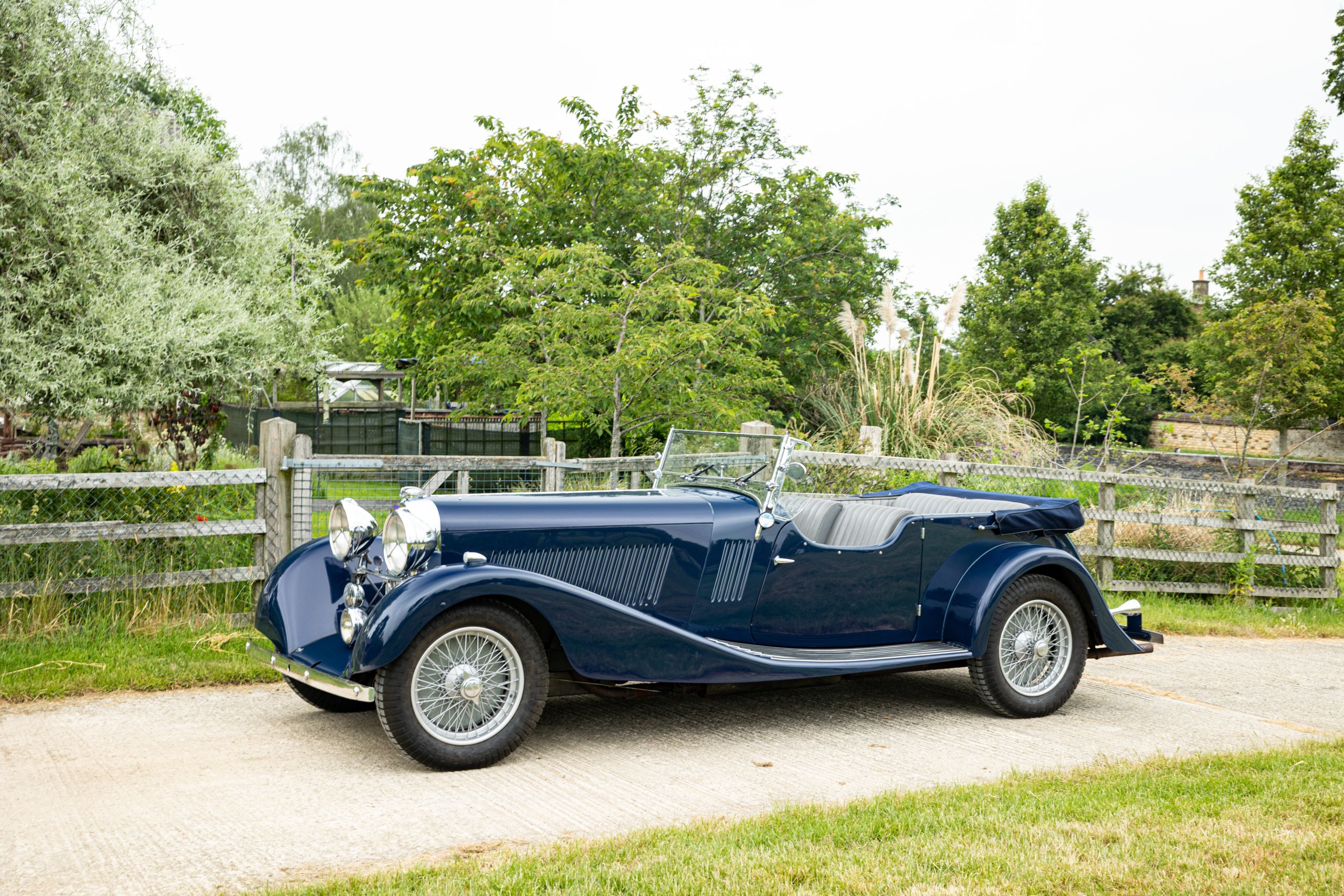
Lot 214. The Stan West Collection, 1933 Lagonda M45 4½-Litre Tourer. Estimate: £ 90,000 - 140,000.
Lot 214. The Stan West Collection, 1933 Lagonda M45 4½-Litre Tourer. Estimate: £ 90,000 - 140,000.
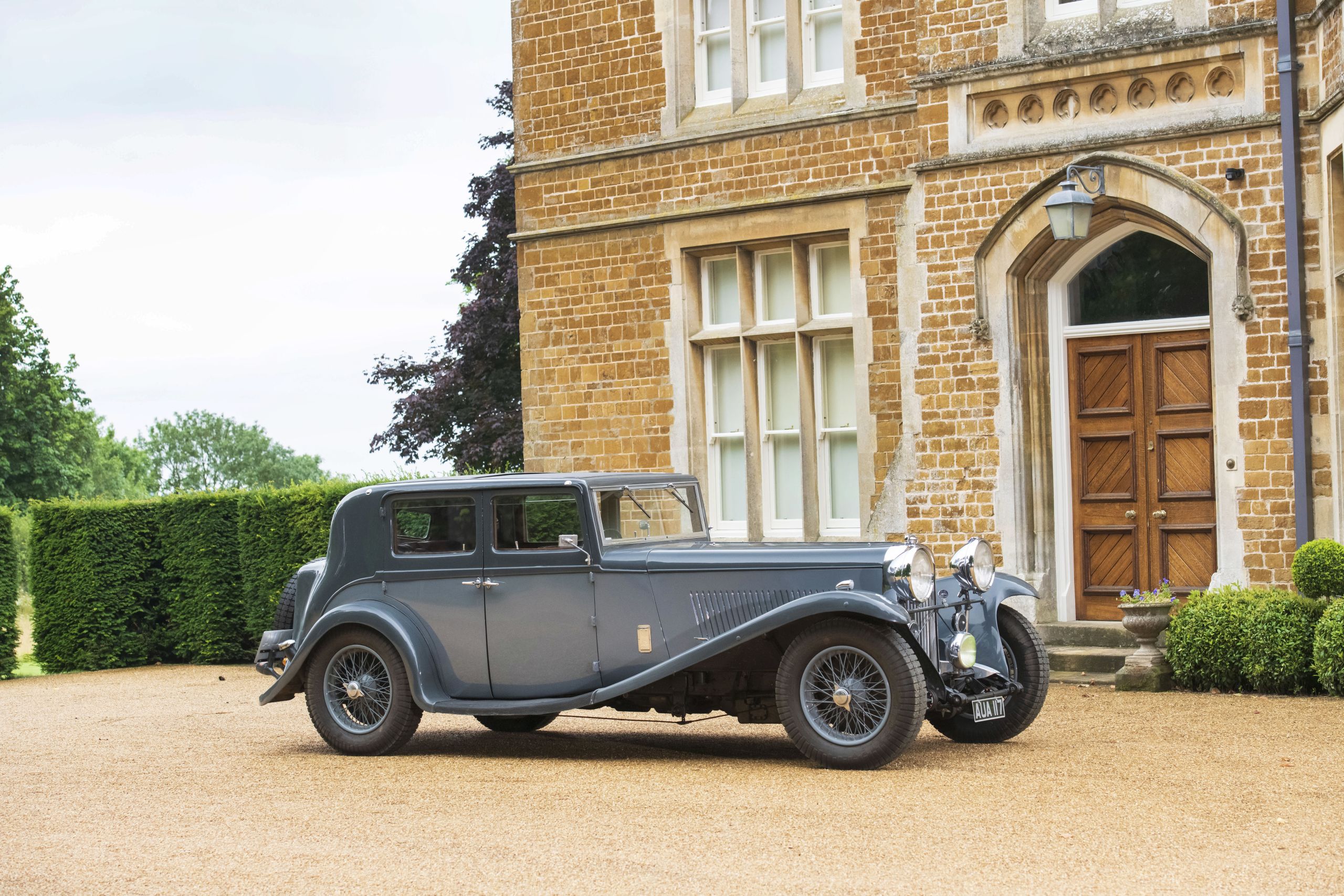
Lot 279. 1934 Lagonda M45 Pillarless Saloon. Estimate: £ 120,000 - 150,000
Lot 279. 1934 Lagonda M45 Pillarless Saloon. Estimate: £ 120,000 - 150,000
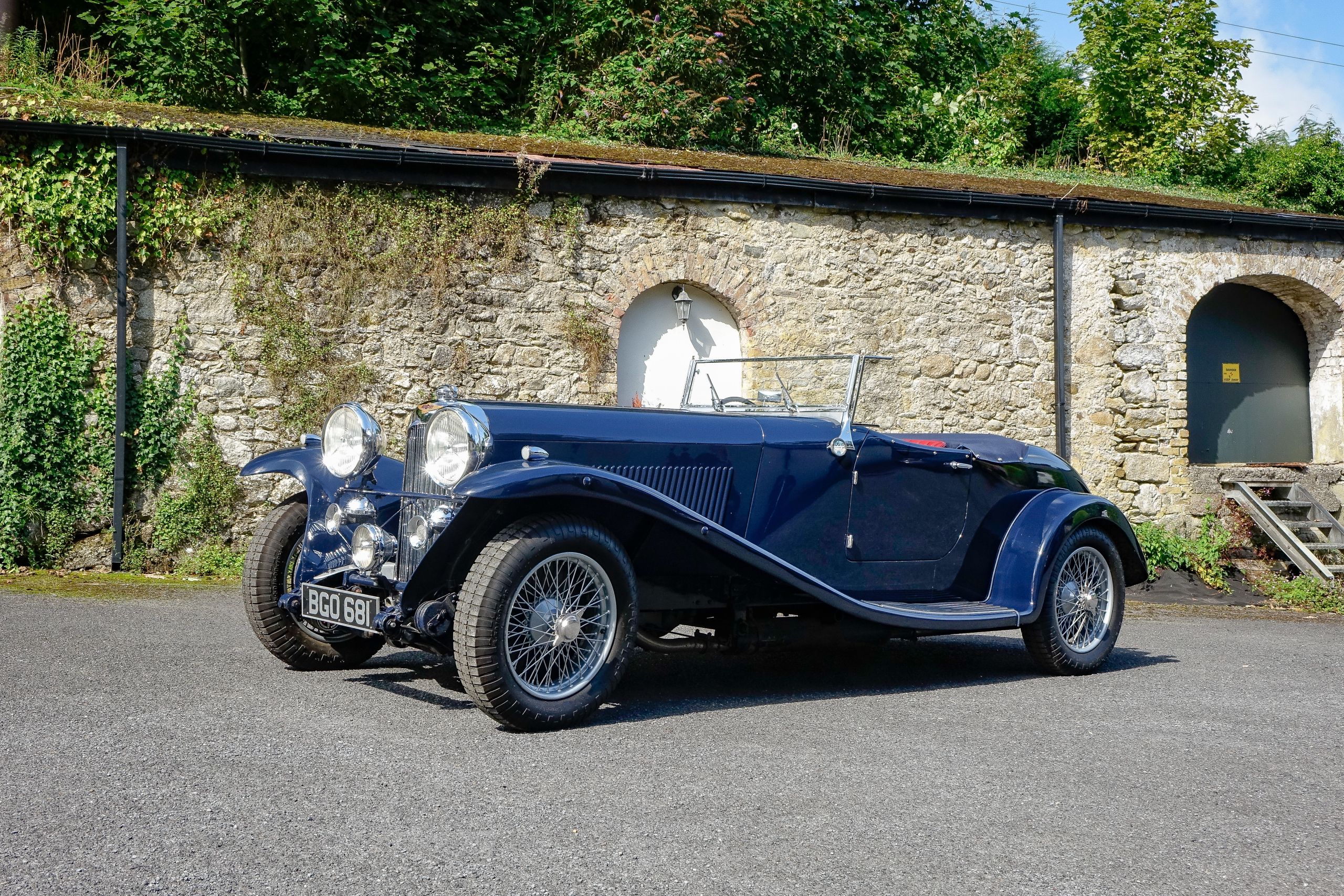
Lot 284. 1934 Lagonda M45 4½-Litre Two-Seater Tourer. Estimate: $1,500,000 - 1,850,000
Lot 284. 1934 Lagonda M45 4½-Litre Two-Seater Tourer. Estimate: $1,500,000 - 1,850,000
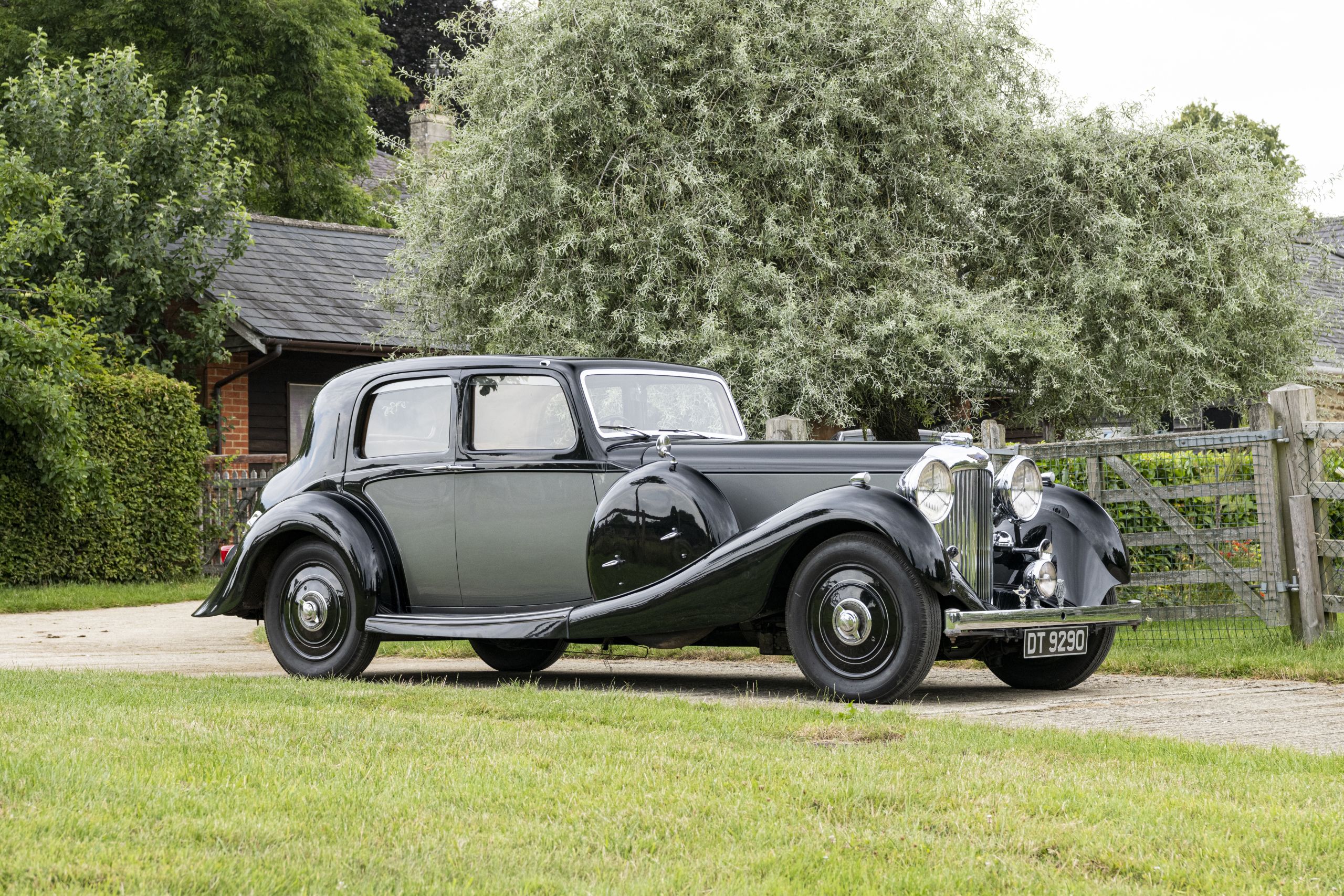
Lot 223. The Stan West Collection, 1937 Lagonda LG45 Saloon De Ville. Estimate: £ 90,000 - 140,000
Lot 223. The Stan West Collection, 1937 Lagonda LG45 Saloon De Ville. Estimate: £ 90,000 - 140,000
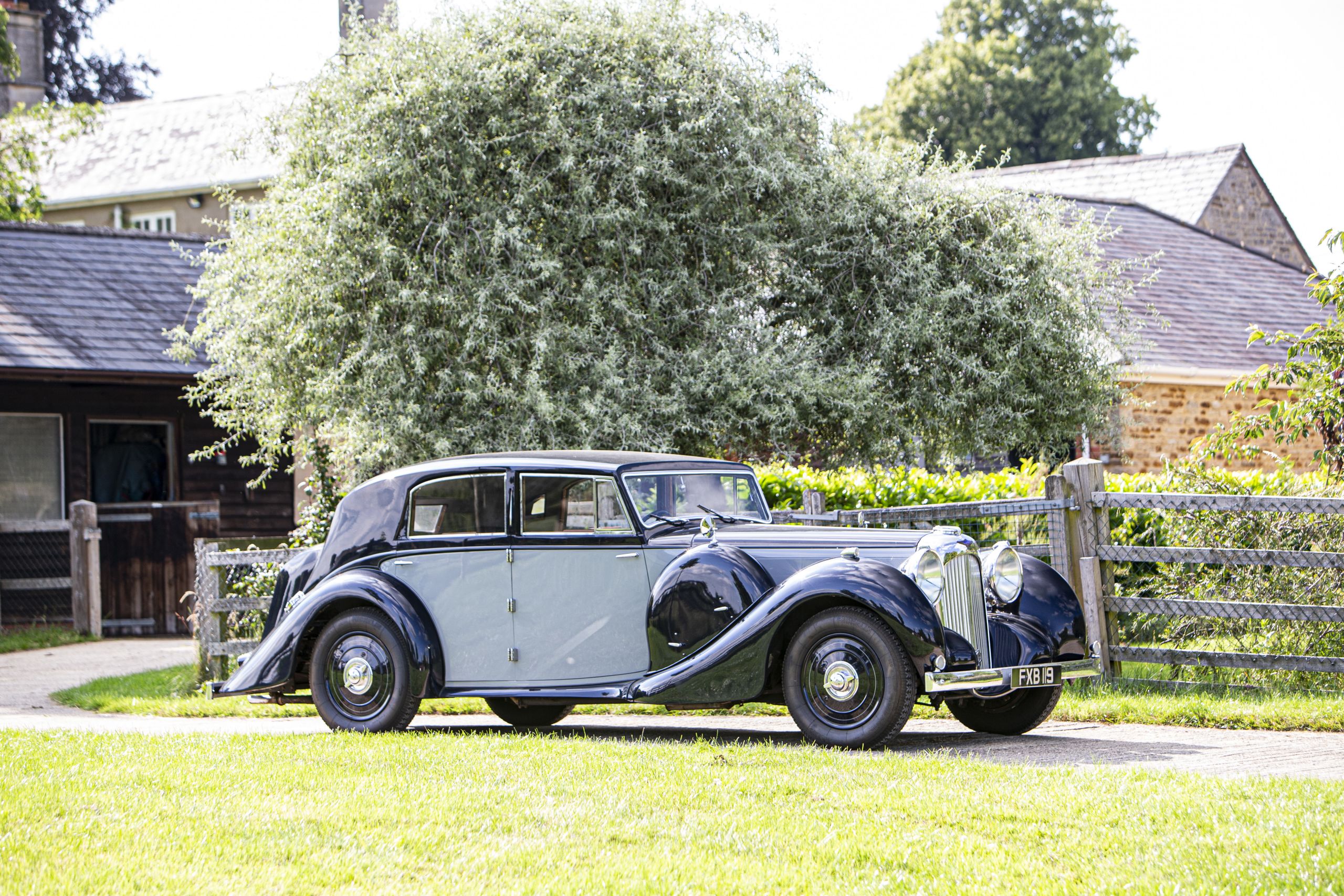
Lot 225. The Stan West Collection, 1939 Lagonda V12 Sports Saloon. Estimate: £ 70,000 - 100,000.
Lot 225. The Stan West Collection, 1939 Lagonda V12 Sports Saloon. Estimate: £ 70,000 - 100,000.
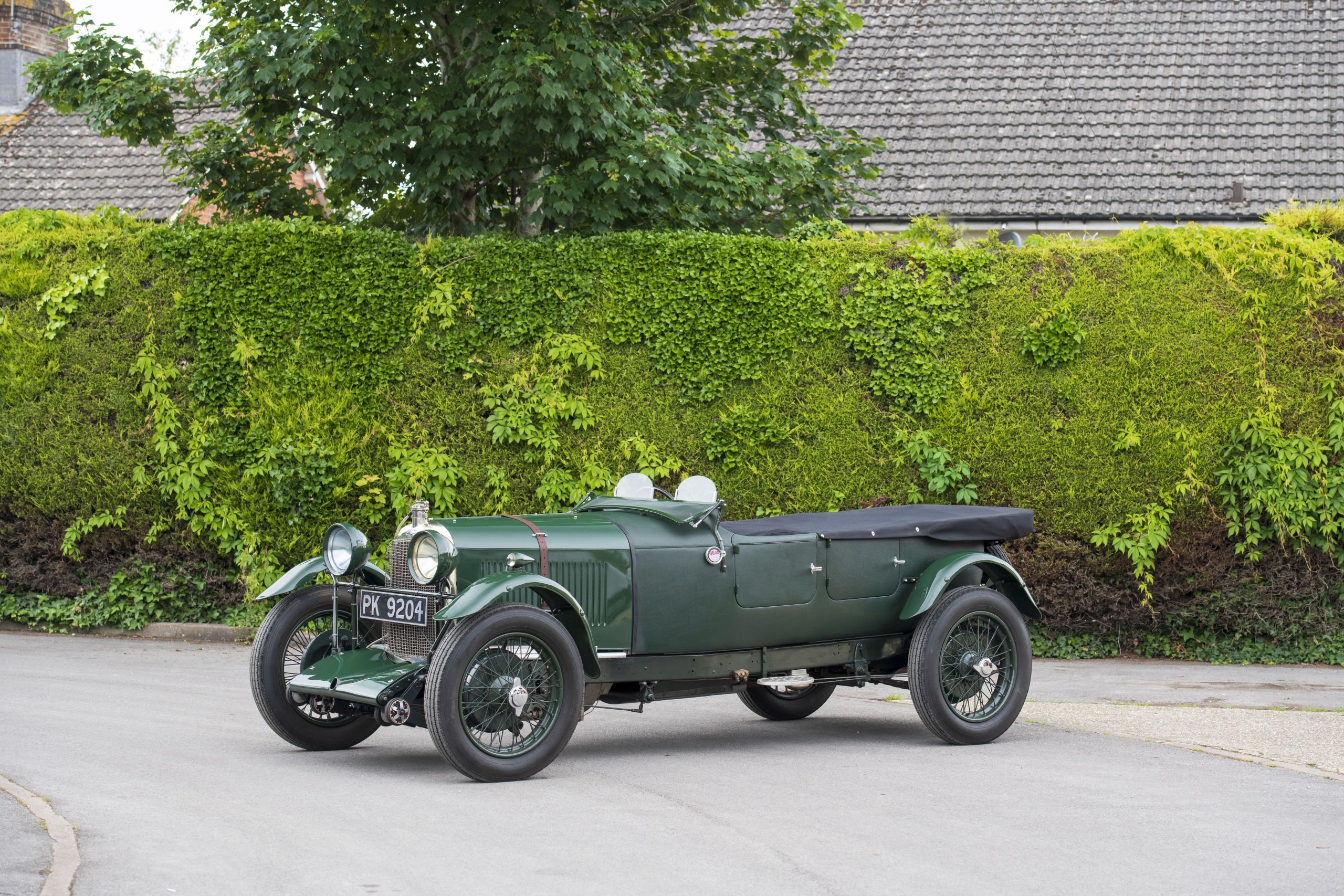
Lot 259. 1929 Lagonda 2-Litre 'Low Chassis' Tourer. Estimate: £ 200,000 - 300,000.
Lot 259. 1929 Lagonda 2-Litre 'Low Chassis' Tourer. Estimate: £ 200,000 - 300,000.


 Built with Shorthand