
Artist 101
5 Things To Know About Dia Azzawi
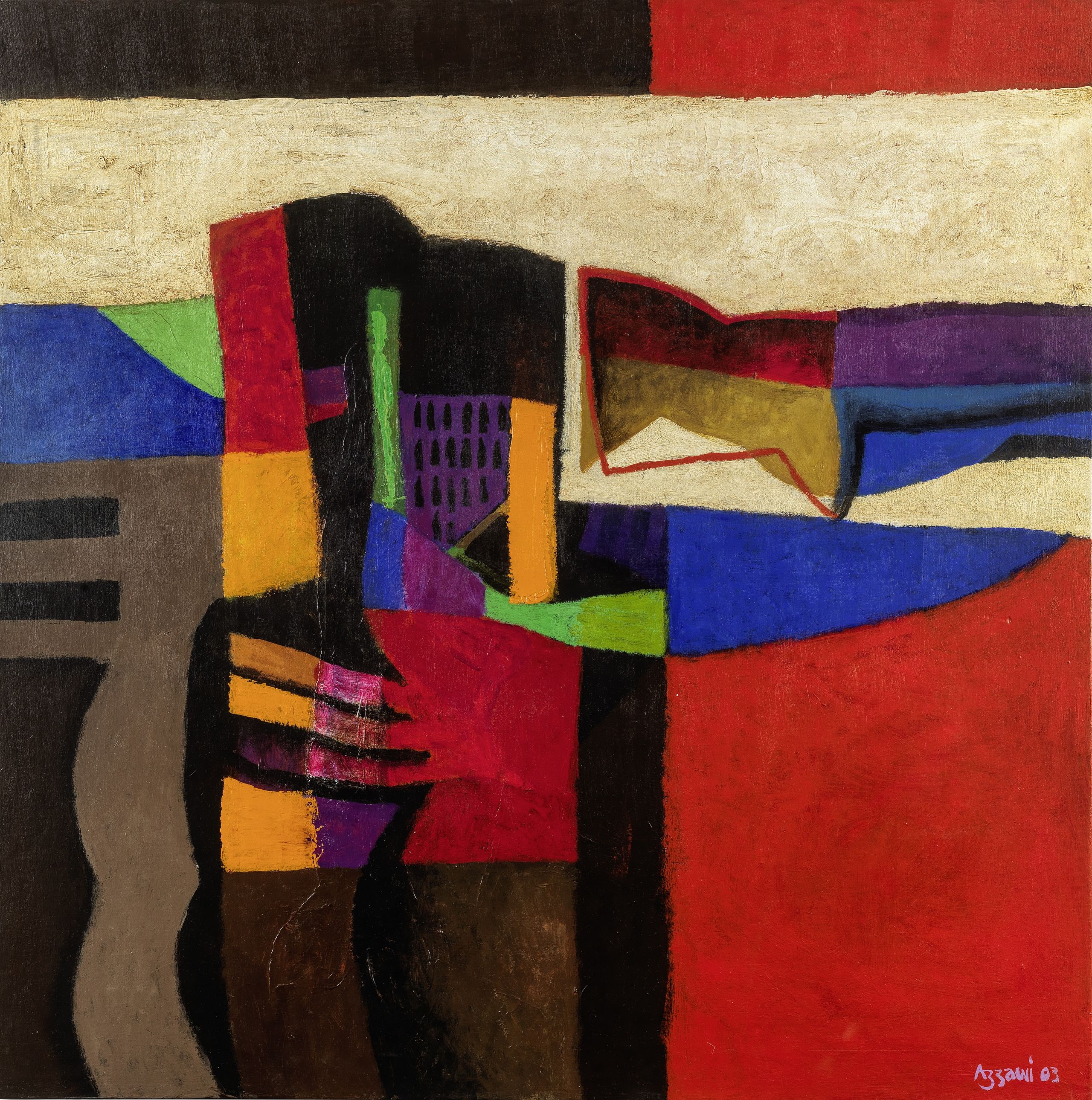

Dia Azzawi is one of the most celebrated contemporary artists from the Middle East and a pioneer of the modern Arab art world. Born in Baghdad in 1939 but based in London since 1976, he has played a crucial role in the promotion of Arab and Iraqi culture to international audiences.
Working across painting, sculpture and other media, Azzawi creates deeply political artworks that bring Arabic traditions, such as symbols and calligraphy, into modern compositions of vibrant colours.
As four of his works come to the market in the Modern and Contemporary Middle Eastern Art Sale on 2 June in London, we explore the relevance of Azzawi’s work and his growing market.
1.
Ancient Beginnings
Azzawi was born in Baghdad in 1939 to a large family that included nine other siblings. He was drawn to art from a young age and showed promise, but his father wanted him to pursue a more secure career.
The young Azzawi enrolled the College of Arts in Baghdad to study archaeology, a discipline that would greatly influence his artwork. He qualified in 1962, and then two years later he graduated from Baghdad’s Institute of Fine Arts, where he was taught by the great Iraqi modern artist Hafidh al-Droubi. Azzawi’s double education meant his fledging artistic practice could juxtapose first-hand knowledge of ancient culture with an interest in modern European painting.
In 1965, Azzawi held his debut solo exhibition of paintings at the Al-Wasiti Gallery, Iraq’s first commercial gallery, founded by the architects Saeed Ali Madhloom and Mohamed Makiya.
2.
Media & Style
From early on, Azzawi’s work drew inspiration from Arabic script and calligraphy as well as from Iraqi poetry. He was also attracted to Western modernism, to which he was exposed by mentors and peers that had travelled abroad. He synthetised all these strands of interest in his artwork, resulting in a highly personal, semi-abstract style in vibrant colours.
In his pursuit of expanding his knowledge of Arab cultural history and mythology, Azzawi joined the Baghdad Modern Art Group, founded in 1951 by the artist and intellectual Shakir Hassan Al Said and that attempted to unite Iraq’s cultural legacy with a contemporary nationalistic narrative.
Between 1966 and 1973, Azzawi served as a reservist in the Iraq army, an experience which shaped his concern with the victims of war and oppression. Bearing titles such as Defeated Warrior, Blood Monument or Suffering, many of the works he completed between 1967 and 68 attest to this preoccupation with political and existential tragedy.
3.
New Vision
By 1969 Azzawi was a leading figure in the Iraqi art scene, a position he cemented with the creation of the New Vision art group (al-Ru’yya al-Jadidah). His Towards a New Vision manifesto, co-written with Ismail Fatah Al Turk, invited artists to preserve their individual styles while striving together towards change and forward-thinking by combining Iraqi heritage with contemporary culture. During this time his work was inspired by various current affairs, most notably the plight of the Palestinians.
Concurrently, Azzawi held an important institutional position between 1968 and 1976: Director of the Iraqi Antiquities Department in Baghdad.
In 1976, following Saddam Hussein’s rise to power, Azzawi left Iraq and moved to London where he has lived ever since, working across media including painting, sculpture, tapestry, printmaking and books. Between 1977 and 1980 he also served as artistic director of the Iraqi Cultural Centre in London.
In 1978, Azzawi had his first solo exhibition in the UK at London’s Patrick Seale Gallery, where he presented a powerful collection of paintings and etchings of expressionistic and existential overtones in sandy colours, as seen in works such as Martyrs (1970), Man in Desert (1973) and Human States (1975).
4.
Recognition
Between 1982 and 1983, Azzawi completed one of his most acclaimed masterpieces: the monumental yet sobering ink-and-crayon drawing Sabra and Shatila Massacre, also known as the “the Guernica of the Arabs”. Measuring 3 metres by 7.5 metres, it was Azzawi’s response to the killing of hundreds of Palestinians and Lebanese Shiites by Lebanese Christian militia groups in areas under the control of the Israeli military. Tate Modern acquired the piece for its collection in 2012.
Azzawi’s work is part of numerous international art institutions and museums, including the British Museum and the Victoria and Albert Museum in London; the Guggenheim in Abu Dhabi; the Institut du Monde Arabe in Paris; LA’s LACMA, and Doha’s Mathaf.
In 2016, the Mathaf staged one of Azzawi’s most comprehensive retrospective exhibitions to date, under the title I am the cry, who will give voice to me?. Held across two locations in Doha, the Mathaf and the Qatar Museums Gallery Al Riwaq, the show featured more than 500 works in a range of media, as well as a major public art commission, the sculpture Hanging Garden of Babylon.
5.
Building a Collection
Azzawi occupies a unique position in the Middle East art market, and his work, which has been a staple of Middle Eastern collections for decades, is increasingly being recognised and sought by international and western art collectors alike.
"Dia Azzawi is the living bridge between early Iraqi Modernism and Contemporary Middle Eastern art. He was at the centre of the development of Iraq's modern artistic identity in the 1960s as a painter, and since then as a sculptor, printmaker and graphic artist he has emerged as one of the most prolific and talented multidisciplinary artists of the twentieth century and a cultural spokesman for the whole of the Middle East as a region."
In the last few years Bonhams has sold a number of important paintings by Azzawi. In 2017, the 1968 oil on canvas Bird of Death sold for £75,000. Meanwhile, in 2019, the 1973 painting Rajul Fi'l-Sahraa' (Man in Desert), which had been originally sold in his 1978 exhibition at London’s Patrick Seale Gallery, fetched £100,062. In November 2020, Bonhams sold two works: the 1968 oil on canvas Architectural Composition, for £62,750, and the more recent work Search for a Bird, an oil on canvas from 2008, for £44,000.
For those wanting to know more about Azzawi’s body of work, there are a number of articles and profiles available online as well as few catalogues that can be purchased. For example, Dia Al-Azzawi: Retrospective, published in 2009 by Art Advisory Associates Ltd, and Dia Al-Azzawi, Taking A Stand: Activism Through Graphic Design, published in 2017 by Khatt Books.
For more from our Modern & Contemporary Middle Eastern Art team, follow @bonhamsmiddleeast on Instagram.

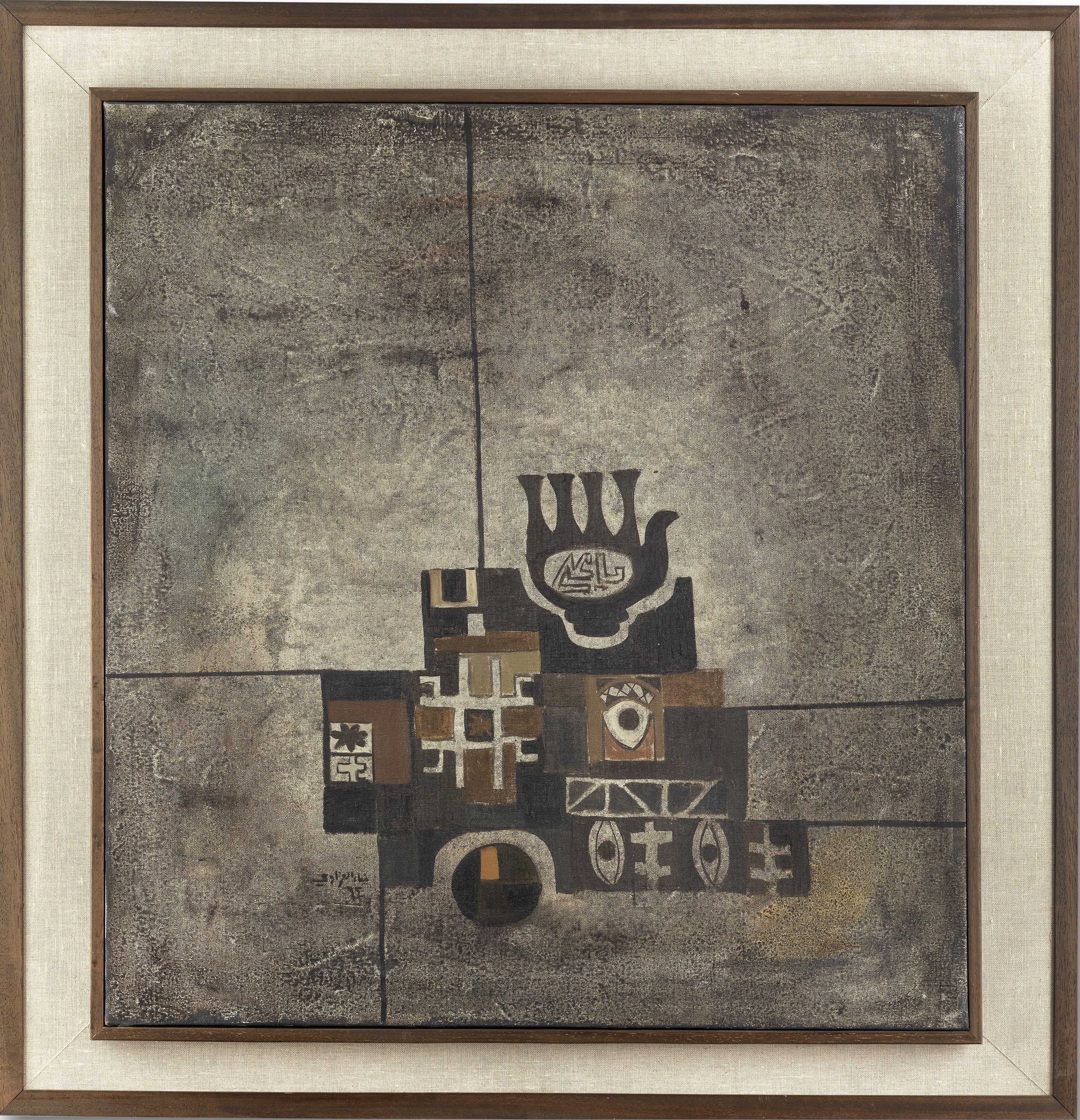
Lot 23, Dia Azzawi, Oh Ali!, Estimate: £40,000 - 60,000
Lot 23, Dia Azzawi, Oh Ali!, Estimate: £40,000 - 60,000

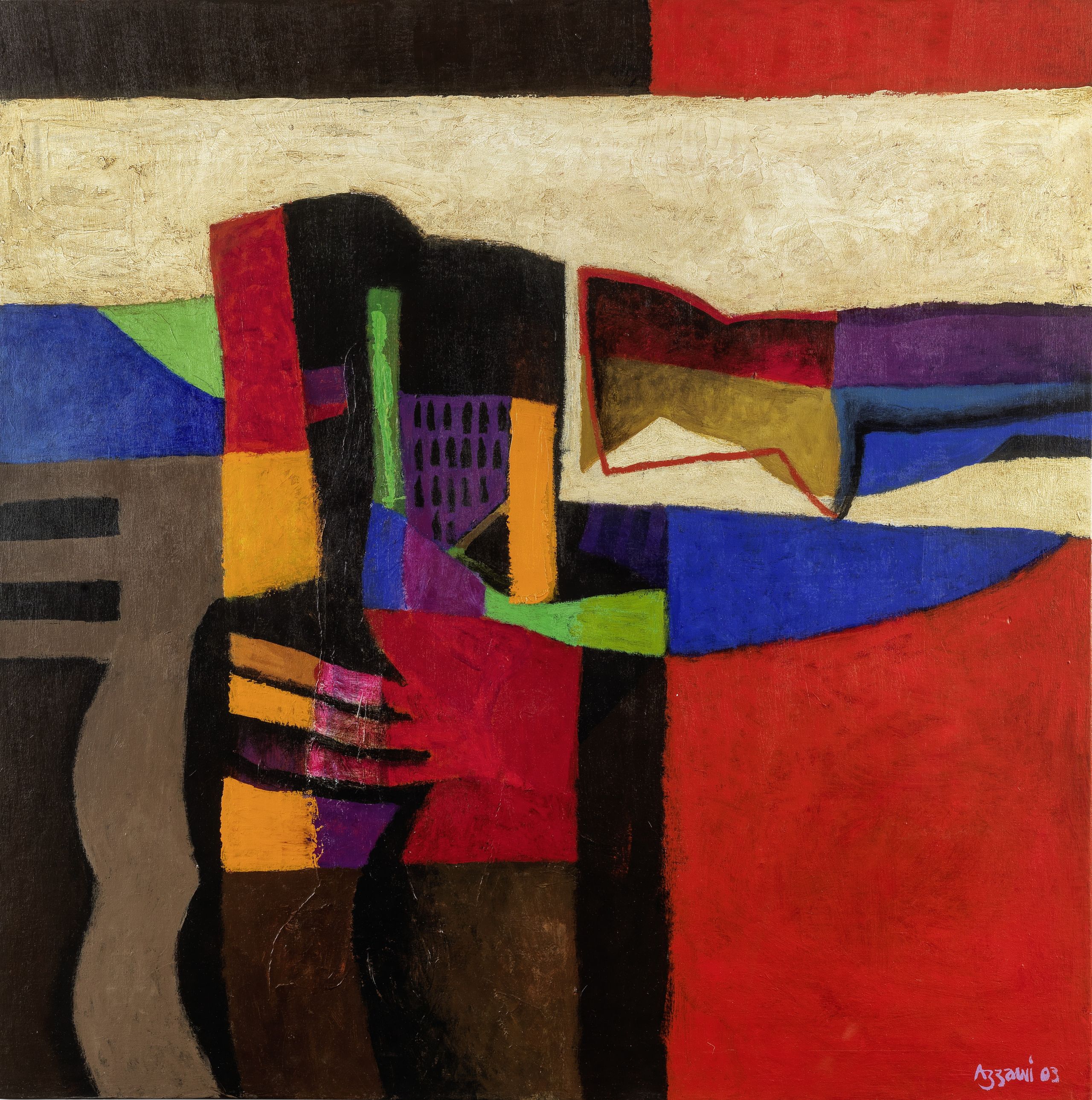
Lot 61. Dia Azzawi, Improvisation II, Estimate: £20,000 - 30,000
Lot 61. Dia Azzawi, Improvisation II, Estimate: £20,000 - 30,000

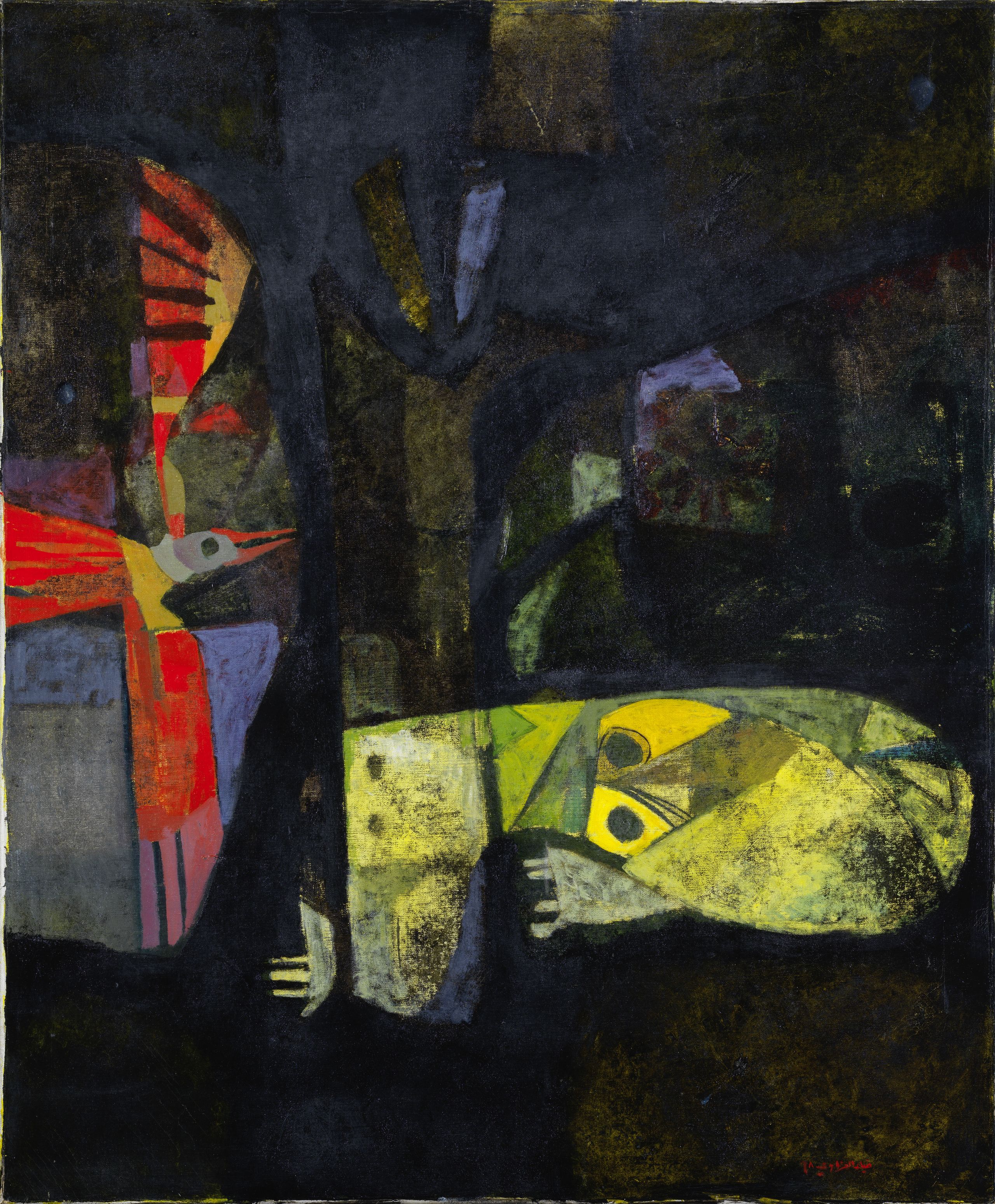
Dia Azzawi, Bird of Death, Sold for £75,000
Dia Azzawi, Bird of Death, Sold for £75,000

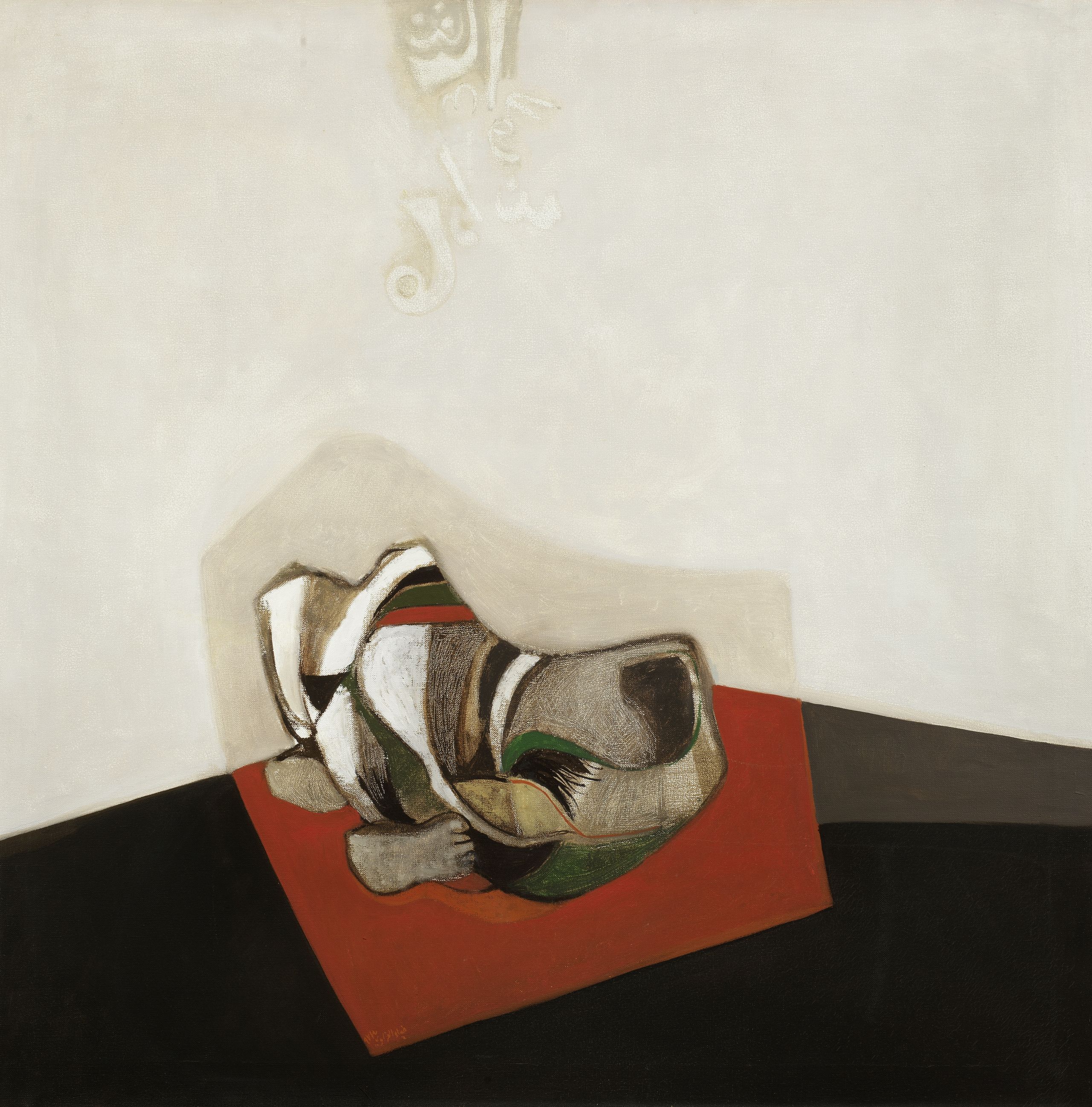
Dia Azzawi, Rajul Fi'l-Sahraa' (Man In Desert), Sold for £100,062
Dia Azzawi, Rajul Fi'l-Sahraa' (Man In Desert), Sold for £100,062

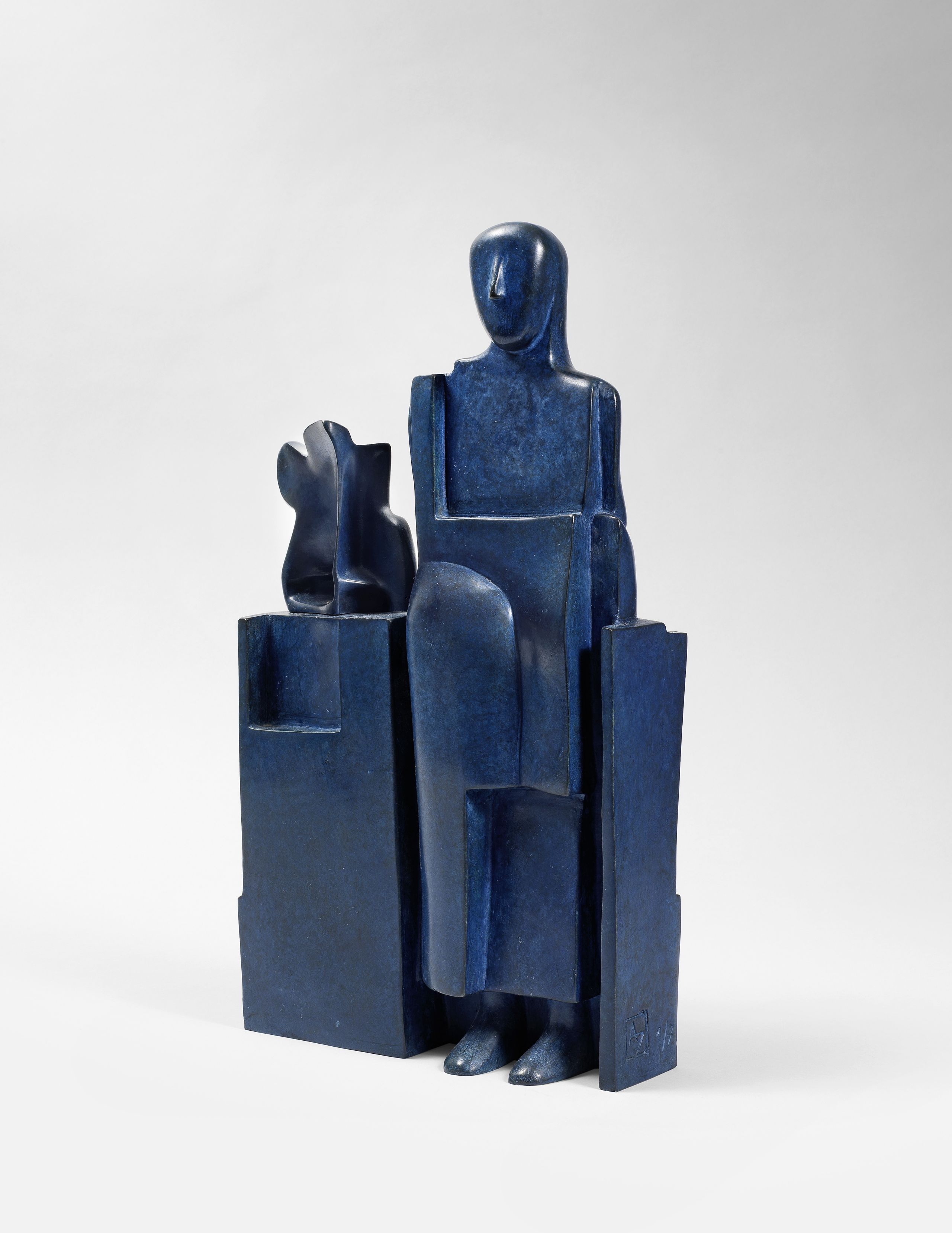
Lot 62. Dia Azzawi, Guarding his Mysterious Gift No.2, Estimate: £10,000 - 15,000
Lot 62. Dia Azzawi, Guarding his Mysterious Gift No.2, Estimate: £10,000 - 15,000

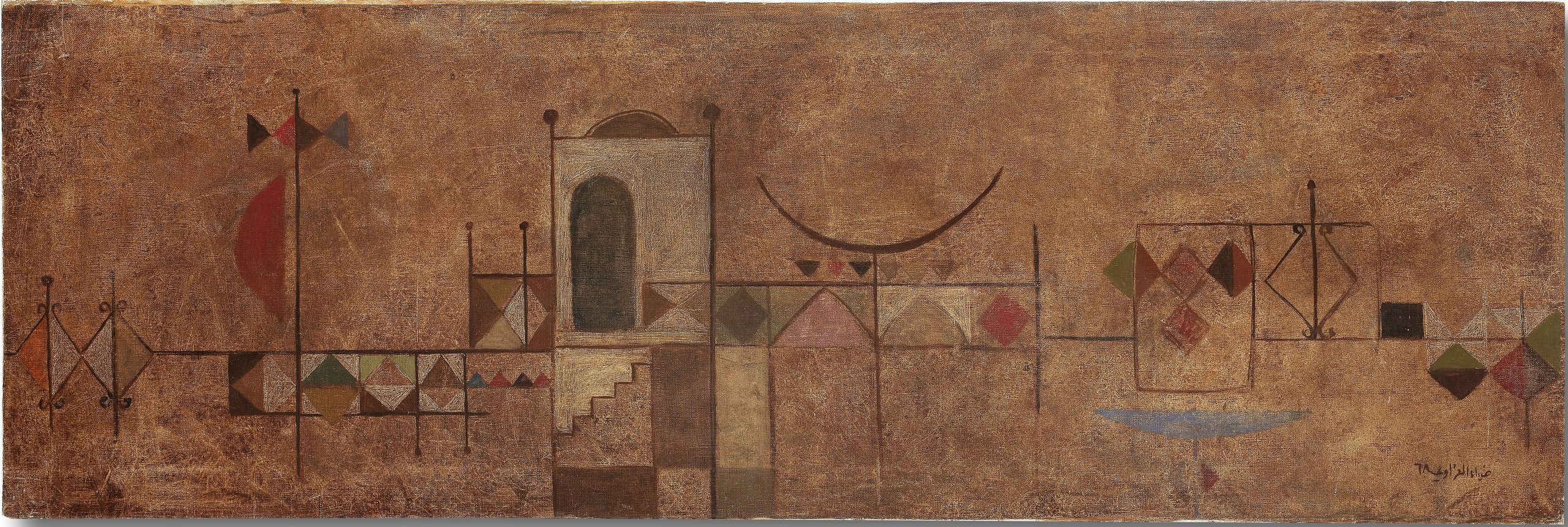
Dia Azzawi, Architectural Composition, Sold for: £62,750
Dia Azzawi, Architectural Composition, Sold for: £62,750

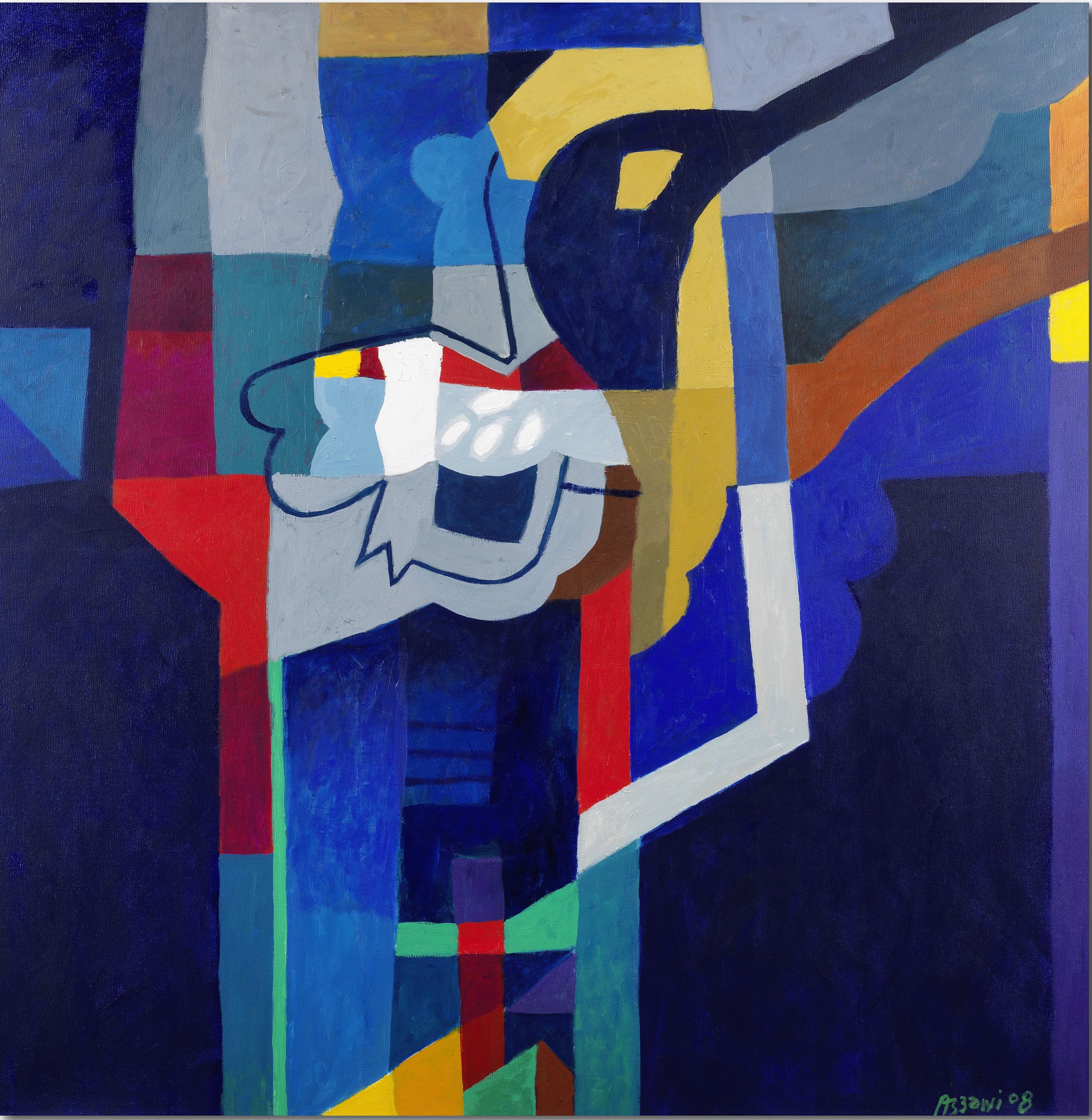
Dia Azzawi, Search for a Bird, Sold for: £44,000
Dia Azzawi, Search for a Bird, Sold for: £44,000


 Built with Shorthand