
Artist 101
Gerard Sekoto
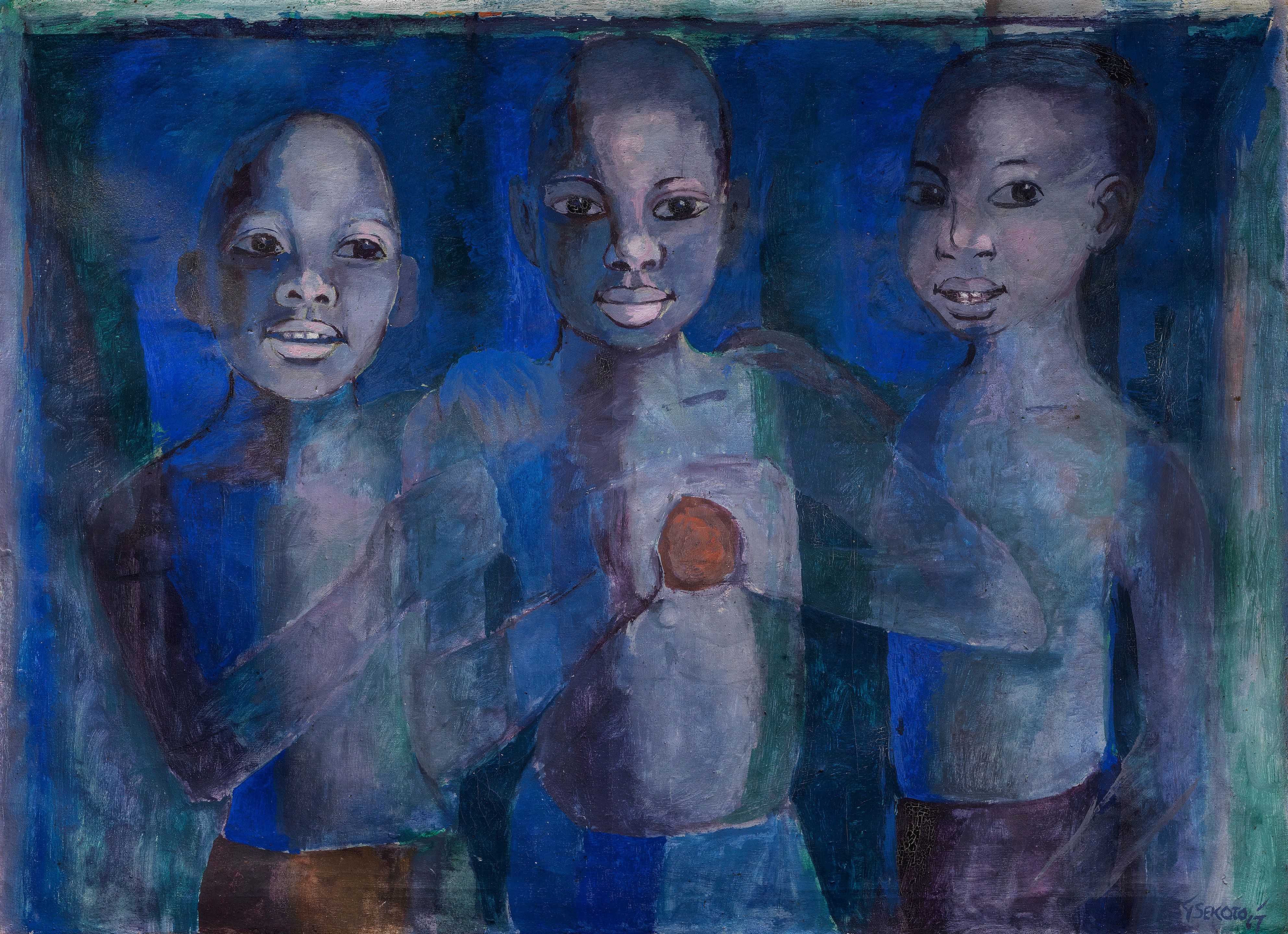

Artist and musician Gerard Sekoto (1913 – 1993) was one of South Africa’s most prominent modern artists. A pioneer of urban art, social realism and Black South African art, his contributions were vital to the development of his home country’s cultural landscape.
Sekoto was an artist who straddled continents, cultures and media. His vibrant and dynamic depictions of everyday life remain important historical records of a pivotal time in 20th century socio-political history. In the run up to our Modern & Contemporary African Art auction on 19 October, we explore the artist’s life, work, and lasting impact.
1.
Early Life & Career
Sekoto was born in 1913 to a priest and schoolteacher in the Lutheran Mission Station in Botshabelo. In the same year, the South African Parliament introduced the ‘Natives Land Act’, the first in a series of segregation legislations to be passed. This oppressive political backdrop would ultimately lead Sekoto, and many others, into voluntary exile.
Sekoto was exposed to art and music from an early age, but his talent for visual art emerged in his teenage years when he attended the Diocesan Teachers Training College in Pietersburg. Unlike most schools at the time, drawing classes and craftwork were offered on the curriculum.
After winning second prize for a painting submitted to the May Esther Bedford Art Competition organised by Fort Hare University College (George Pemba secured first prize), Sekoto took the bold step to pursue art full time in 1938.
By 1939, Sekoto had left the rural environment of his upbringing for Sophiatown, a township on the outskirts of Johannesburg. The area was densely populated, had a large black South African community, and was burgeoning into a hub of creativity. His early studies, which involved quick life sketches with poster paint on brown paper that he would later refine behind closed doors, demonstrated his gift for observing and capturing the theatrics in everyday urban life.
It was in Sophiatown that he met Brother Roger Castle who encouraged the development of his art career by introducing him to Joan Ginsberg of the Gainsborough Gallery and artist Judith Gluckman who taught him how to mix oil paints and prepare canvases.
2.
An Artist on the Rise
By the 1930s, Sekoto had honed his technique, gained confidence in his medium, and began exhibiting prominently in Johannesburg. In 1940, Johannesburg Art Gallery purchased the artist’s Yellow Houses, an ethereal work depicting a street in Sophiatown. With this acquisition, Sekoto became the first Black artist to have a picture purchased for a museum collection.
In the 1940s, Sekoto lived in District 6, Cape Town and later Eastwood, Pretoria the latter offering more prosperous working conditions for the artist. It was the works Sekoto created during this period that are considered his most revered.
His work captured the essence of the South African people, as well as the cultural vibrancy and social tensions in these townships, focusing primarily the underprivileged Black communities. These works serve as important historical records of three South African districts that would ultimately be destroyed during Apartheid.
During the same decade, Sekoto had two major solo exhibitions at the Gainsborough Gallery and The Christie’s Gallery in Pretoria. The shows were a triumph, and Sekoto sold nearly all the paintings exhibited, including Three school girls, which came up for auction at Bonhams in 2018. Importantly, the financial success of these exhibitions offered Sekoto a means to escape the escalating racial segregation in South Africa.
3.
Paris & Later Life
In 1947, Sekoto moved to Paris in an act of self-imposed political exile. He imagined Paris to be the nucleus of the international art world, but unable to speak French and struggling to earn a living, the artist’s early days in the city were challenging. Music became a means through which Sekoto could support his visual art practice. He made ends meet as a pianist and singer in jazz bars, an environment that prompted a destructive relationship with alcohol. As South African author, Andre Brink described of Sekoto during this time, ‘he used to be one great debauchers of Paris, a brilliant jazz musician who’d drunk himself to the brink of death in Montmartre…’
Sekoto developed an interest in the pan-African movements in Europe and mingled in Parisian creative circles. Although he initially found it difficult to sell works, he gradually made his mark, exhibiting in Paris and around Europe, while simultaneously garnering attention in African art circles. In 1966, he was invited to contribute to the First Festival of Negro Artists by the former President of Senegal.
When South Africa was in the throes of Apartheid in the 1970s, Sekoto’s work became increasingly politically charged. In 1989 the Johannesburg Art Gallery honoured the artist with a retrospective exhibition and the University of Witwatersrand presented the artist with an honorary doctorate. Although this recognition arrived late in his career, it reinforced his legacy and immense impact on South African culture. Sekoto would remain in France until his death in 1993.
4.
On the Market
Despite the historical and cultural importance of Sekoto’s work, it was only in the late 1980s, when Barbara Lindop produced three books on his work, that his reputation began to flourish. Following the artist’s death, the Gerard Sekoto Foundation was established, which sought to broaden understanding of Sekoto’s work, as well as encourage art education for South African children.
Market interest in Sekoto’s work is increasingly strong in the 21st century. In a 2011 South African Sale, Bonhams set the world auction record for the artist with Yellow Houses, District Six, which sold for £602,400 inc. premium.
Our Modern & Contemporary African Art auction (taking place on 19 October) features a variety of works by Sekoto at different price points, ranging from £4,000 and reaching £150,000 for one of the sought-after pieces in the sale, Three Children (estimate: £100,000 - £150,000).

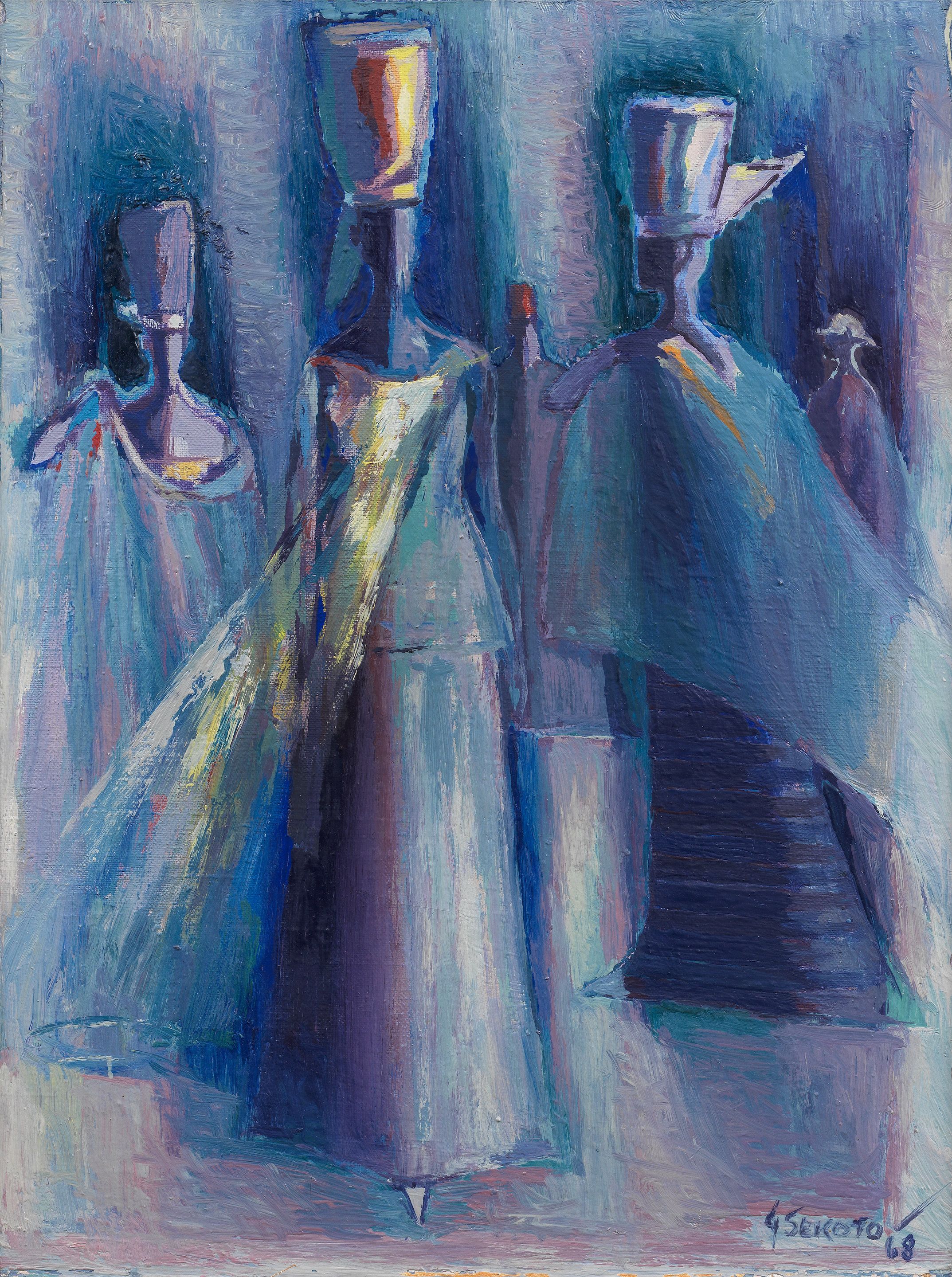
Lot 24. Gerard Sekoto, Three Senegalese ladies. Estate: £40,000 - £60,000.
Lot 24. Gerard Sekoto, Three Senegalese ladies. Estate: £40,000 - £60,000.

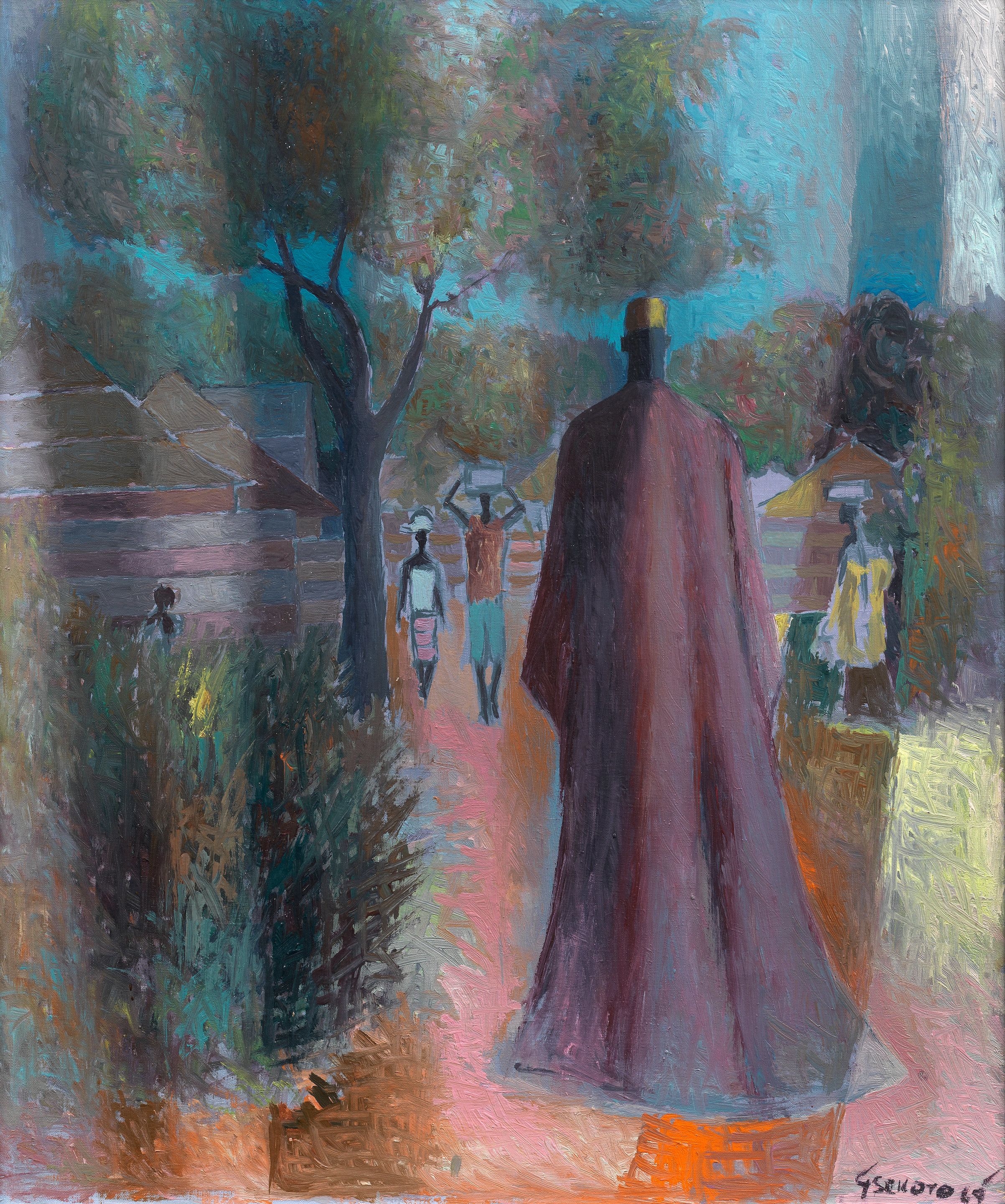
Lot 25. Gerard Sekoto, A Senegal village path. Estimate: £40,000 - £60,000.
Lot 25. Gerard Sekoto, A Senegal village path. Estimate: £40,000 - £60,000.

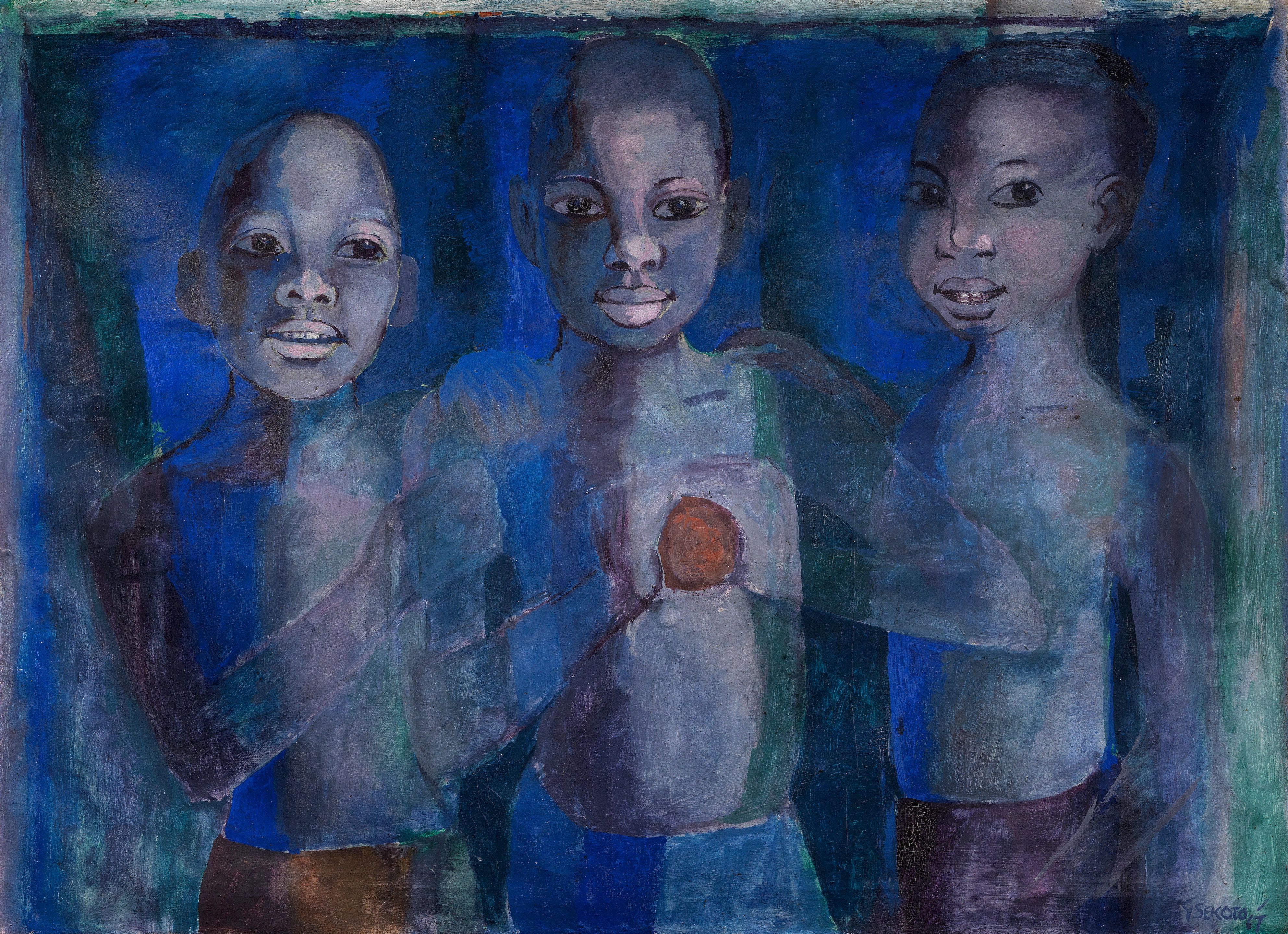
Lot 23. Gerard Sekoto, Three Children. Estimate: £100,000 - £150,000.
Lot 23. Gerard Sekoto, Three Children. Estimate: £100,000 - £150,000.

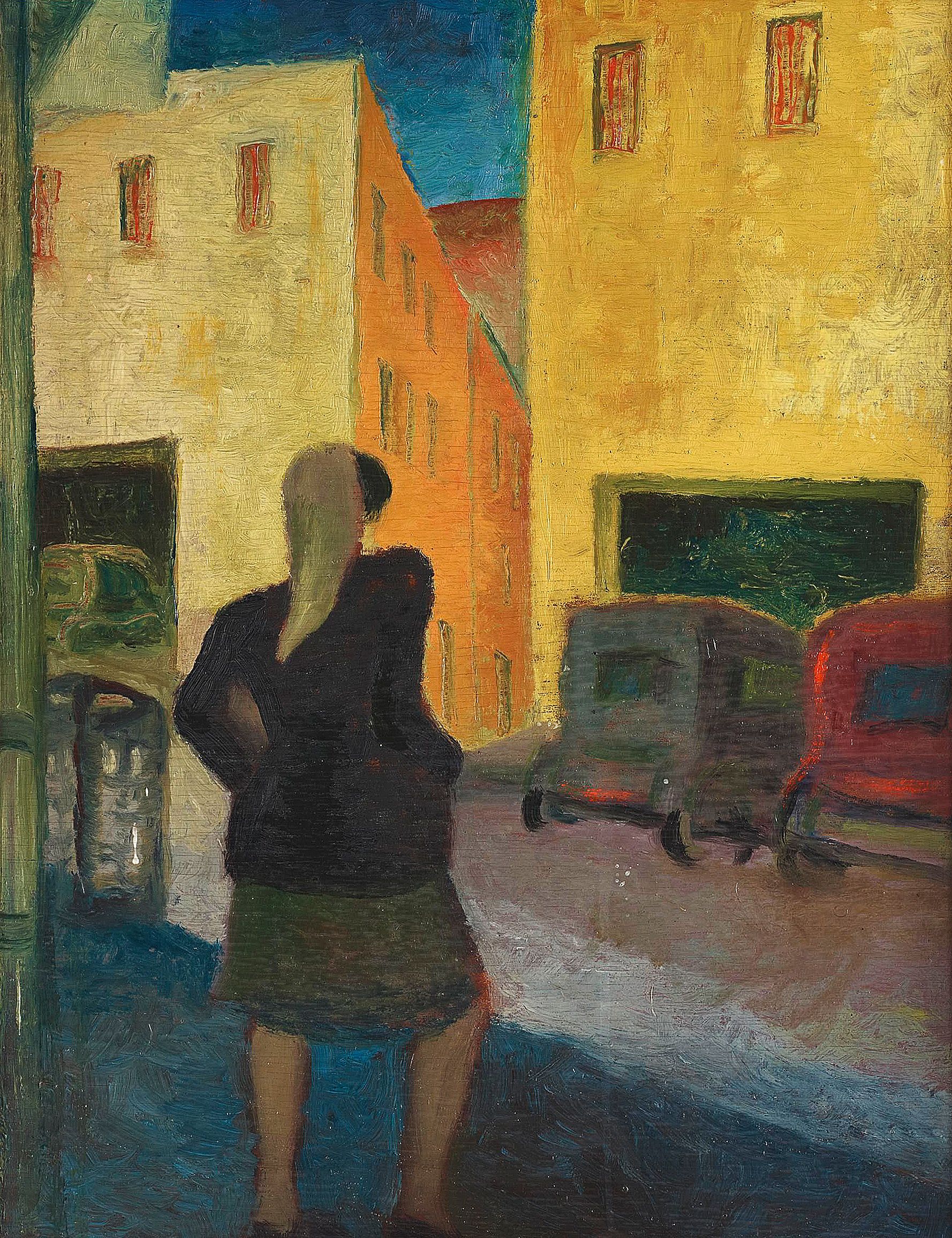
Lot 27. Gerard Sekoto, Woman crossing the road. Estimate: £50,000 - £80,000.
Lot 27. Gerard Sekoto, Woman crossing the road. Estimate: £50,000 - £80,000.

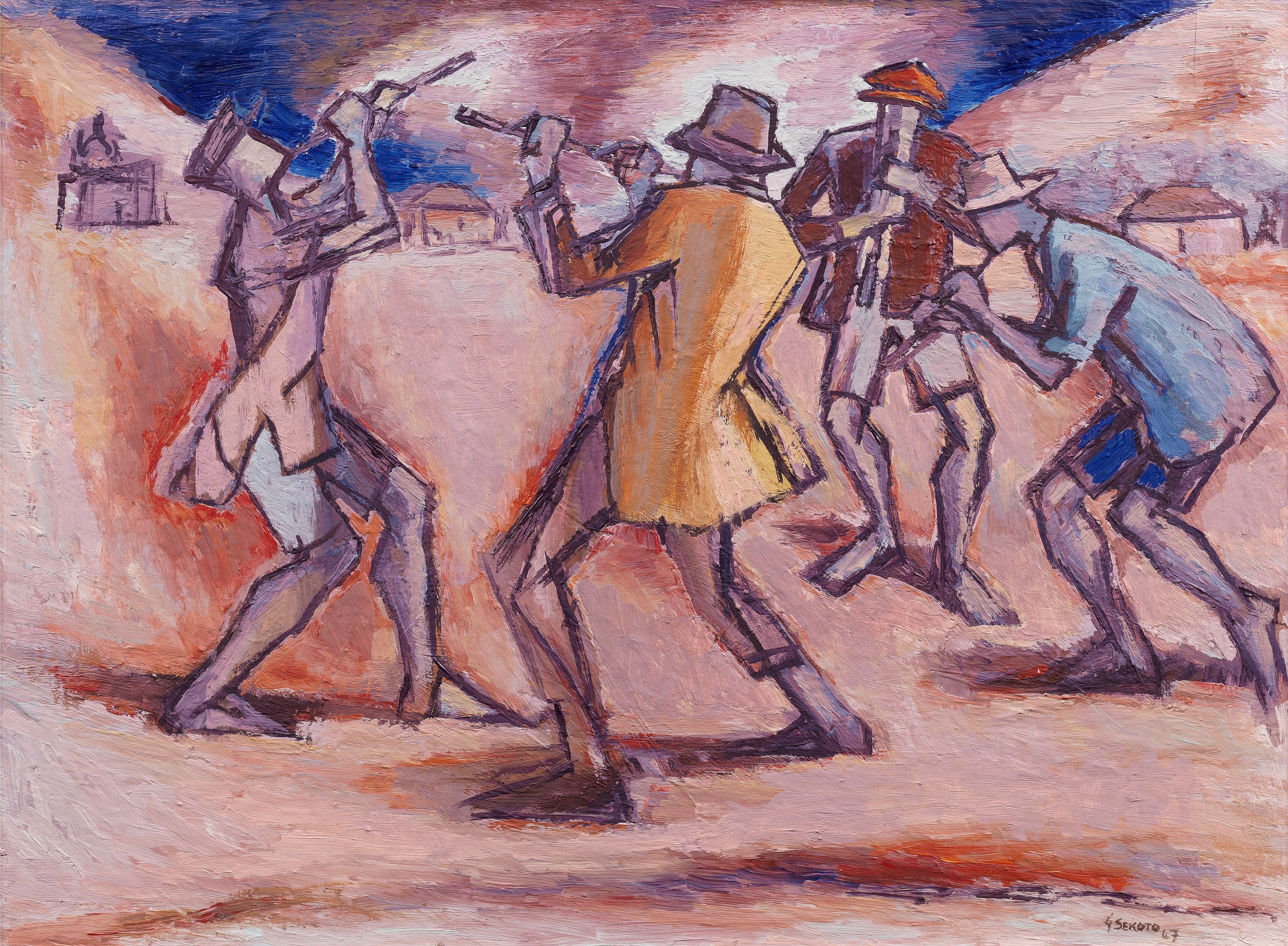
Lot 56. Gerard Sekoto, The Penny Whistlers. Estimate: £50,000 - £70,000.
Lot 56. Gerard Sekoto, The Penny Whistlers. Estimate: £50,000 - £70,000.

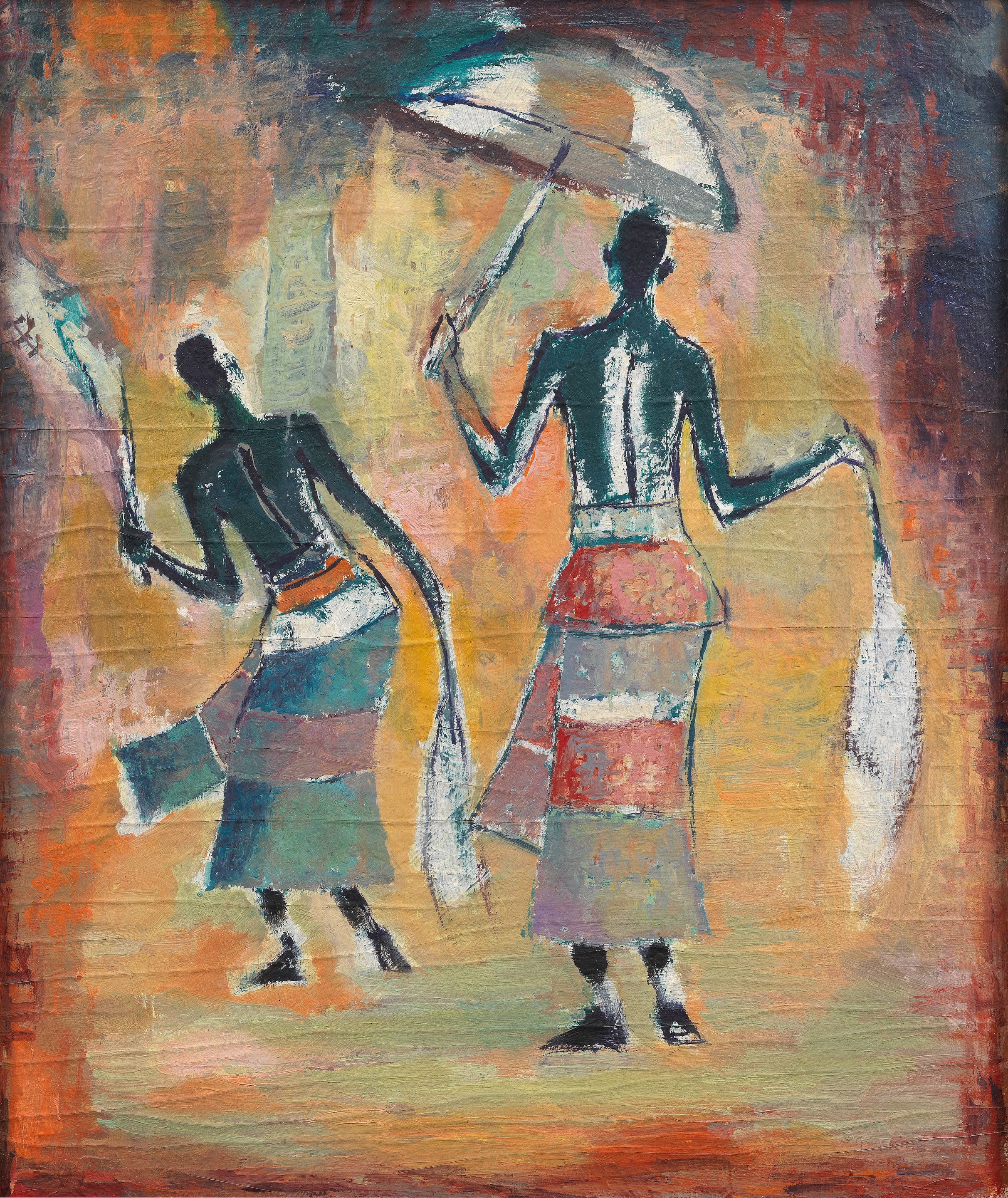
Lot 57. Gerard Sekoto, Casamance Dancers. Estimate: £30,000 - £50,000.
Lot 57. Gerard Sekoto, Casamance Dancers. Estimate: £30,000 - £50,000.

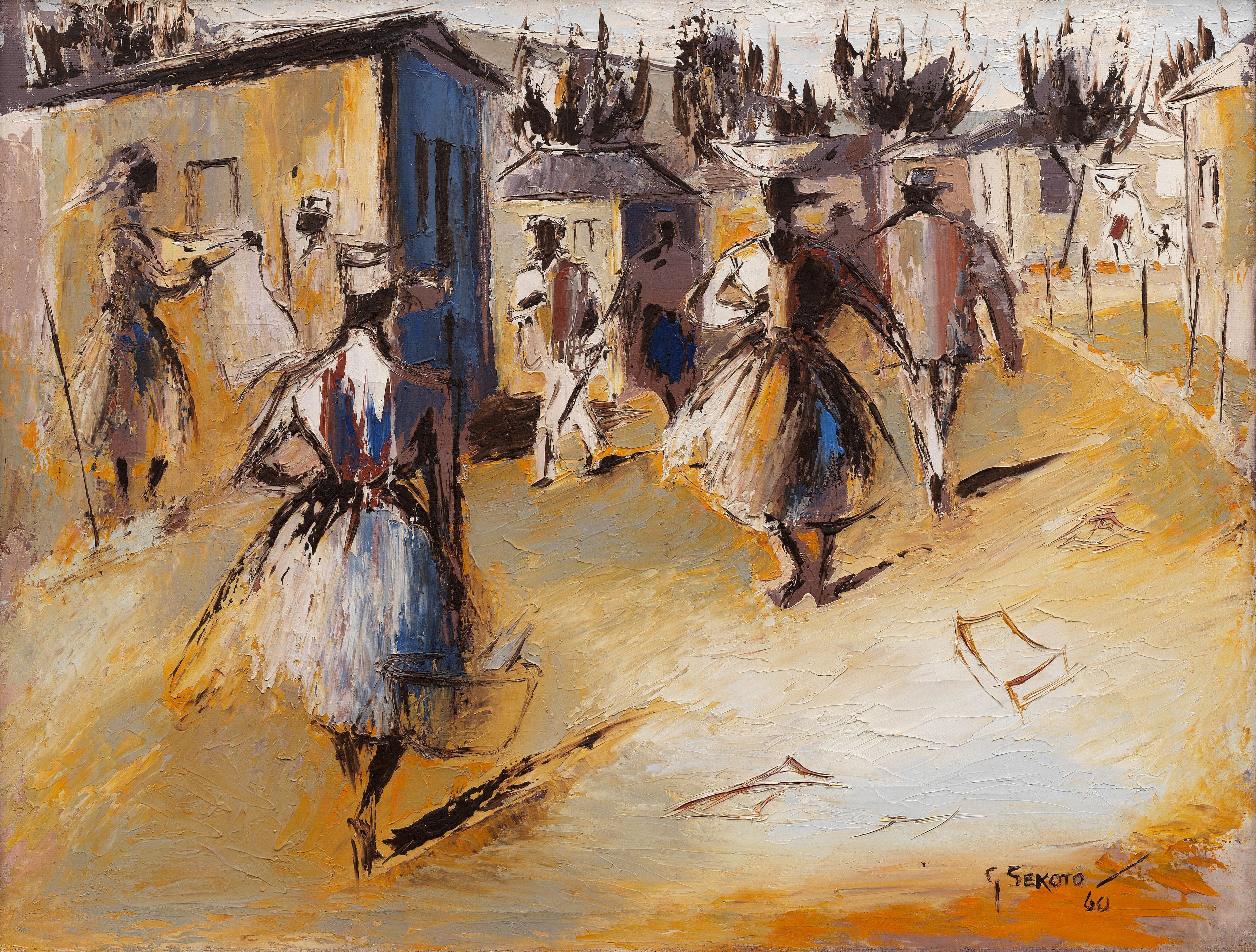
Lot 58. Gerard Sekoto, Untitled. Estimate: £15,000 - £20,000.
Lot 58. Gerard Sekoto, Untitled. Estimate: £15,000 - £20,000.

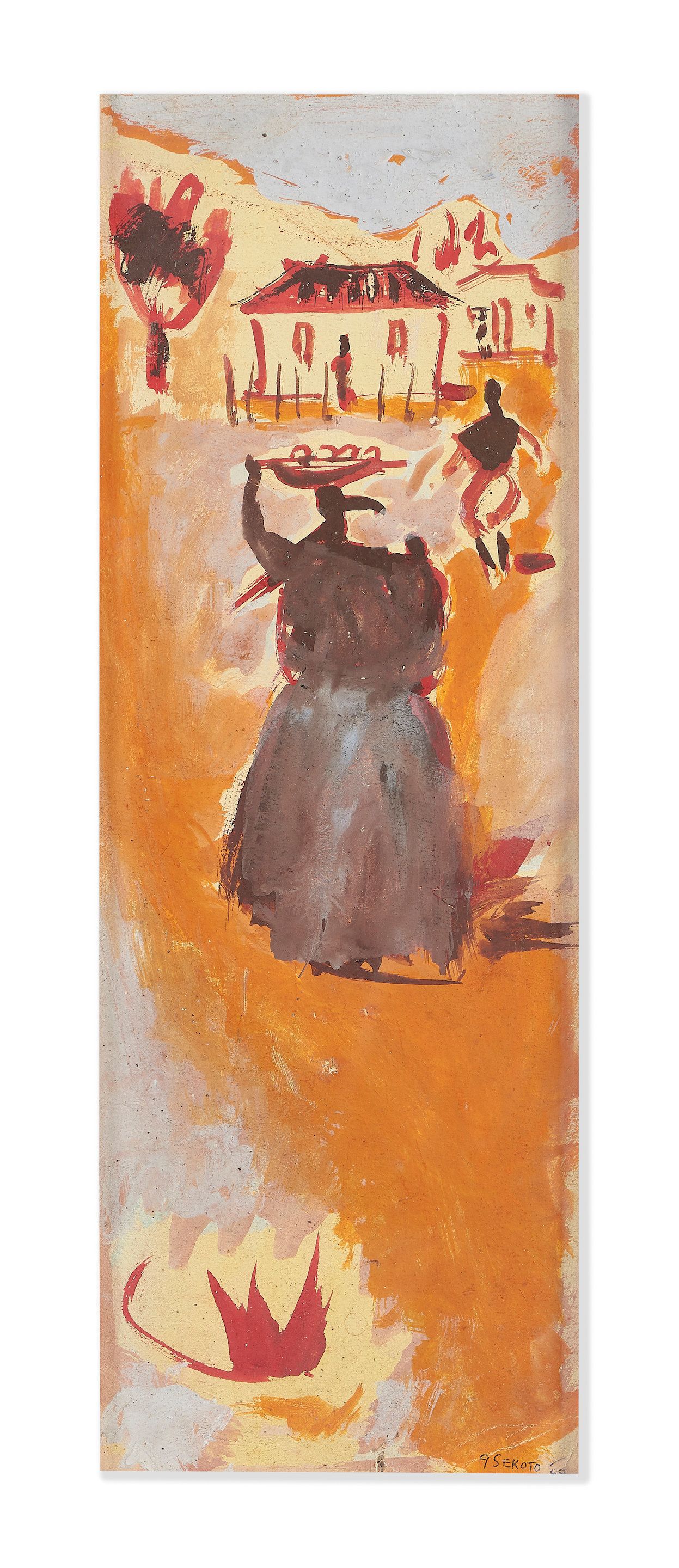
Lot 59. Gerard Sekoto, Untitled. Estimate: £4,000 - £6,000.
Lot 59. Gerard Sekoto, Untitled. Estimate: £4,000 - £6,000.


 Built with Shorthand