
A Life in Collecting: At Home with the Whites
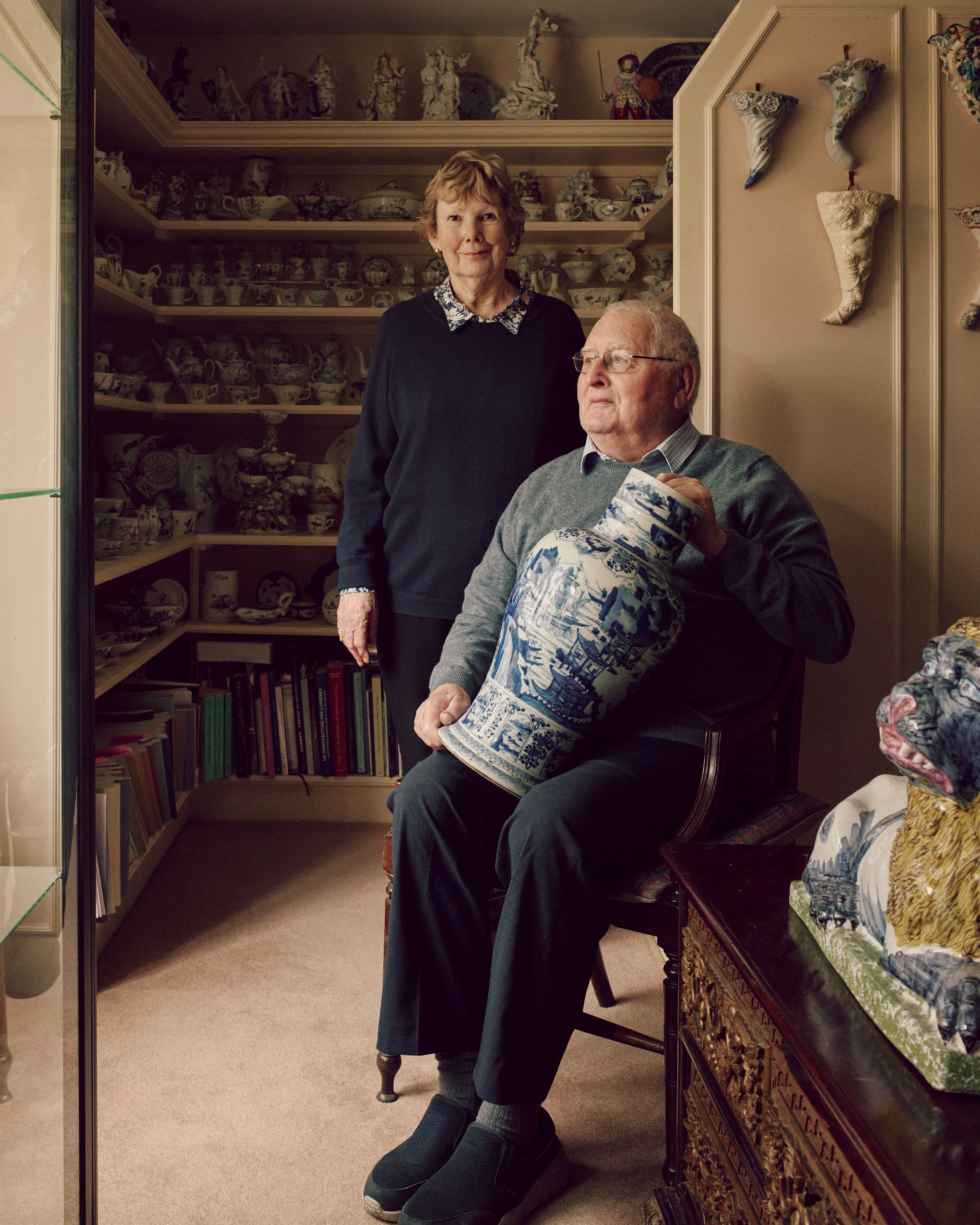

Visiting the home of Peter and Mary White is like being in an immensely comfortable, but well stocked, small museum. Their extraordinary collection of over 3000 ceramic objects is mostly exhibited in purpose-built display areas in order not to overwhelm their daily life.
Unlike most collections it is not a homage to any particular specialism, apart from the enduring story of the development of ceramics and how they were traded. After over a half a century of collecting, key elements of their passion will go on sale at Bonhams in several separate sales, under the title A Life in Ceramics: The Peter and Mary White Collection.
Explore Upcoming Lots

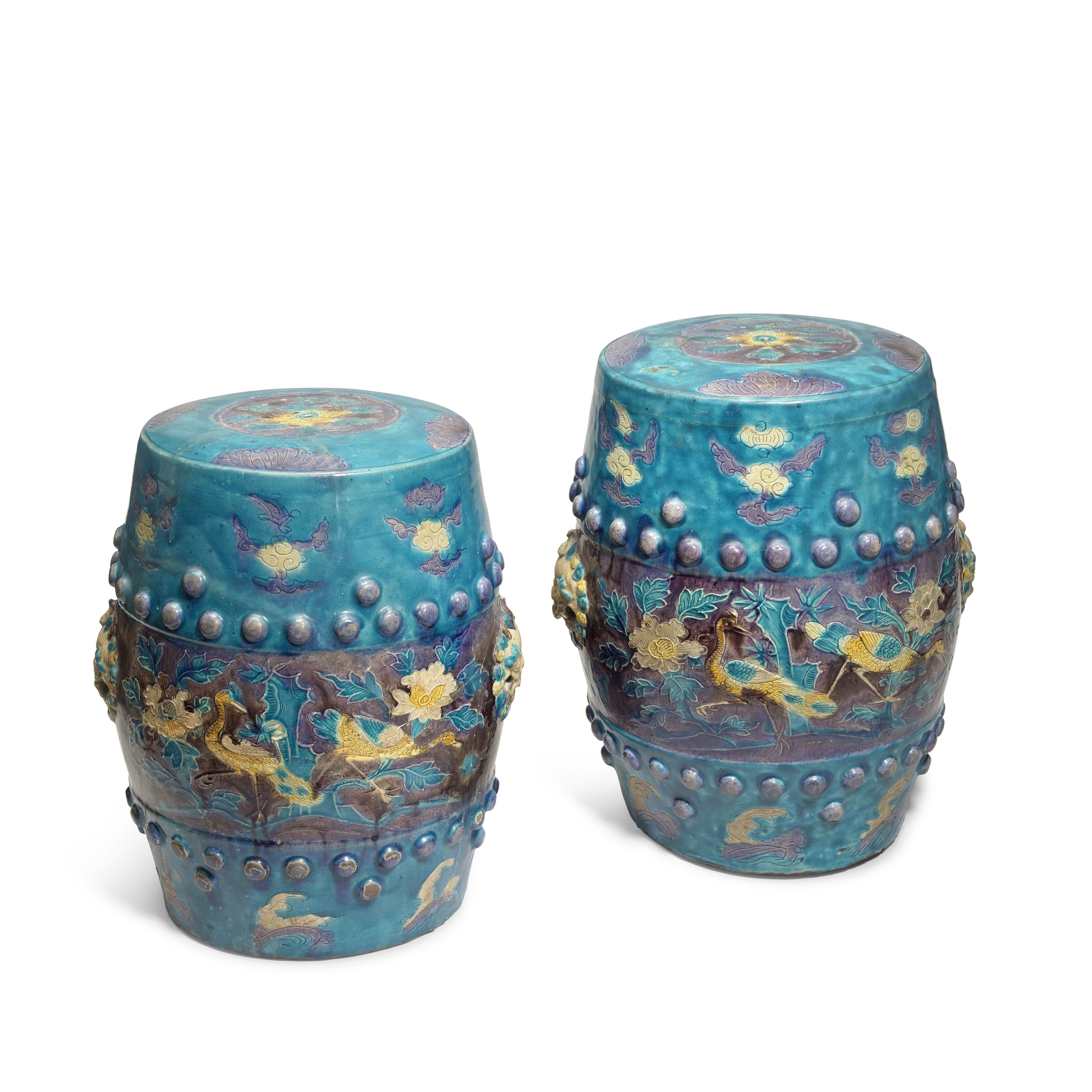



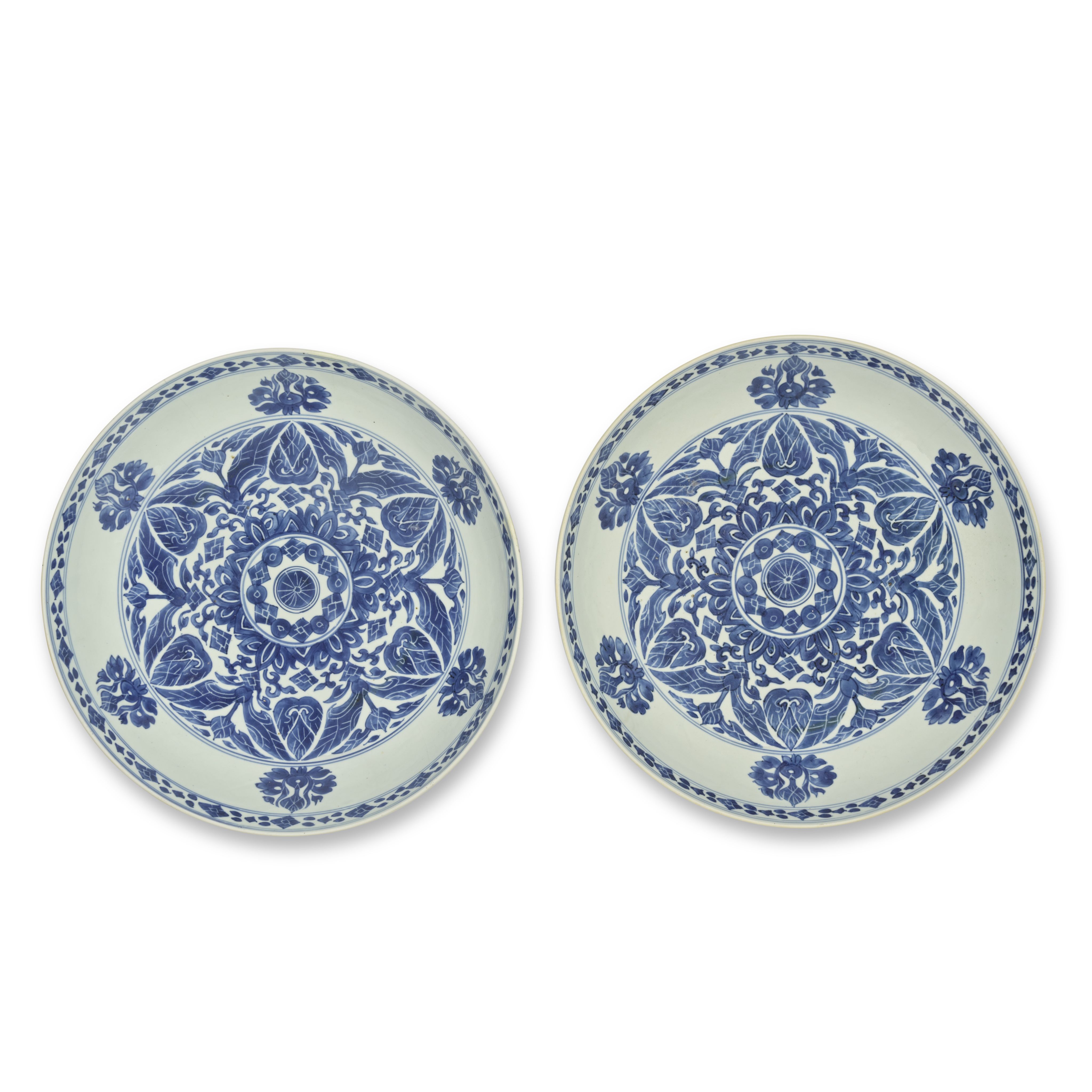


A PAIR OF BLUE AND WHITE 'FLORAL' DISHES FOR THE ISLAMIC MARKET, Kangxi. Sold for £5,120 inc. premium.
A PAIR OF BLUE AND WHITE 'FLORAL' DISHES FOR THE ISLAMIC MARKET, Kangxi. Sold for £5,120 inc. premium.
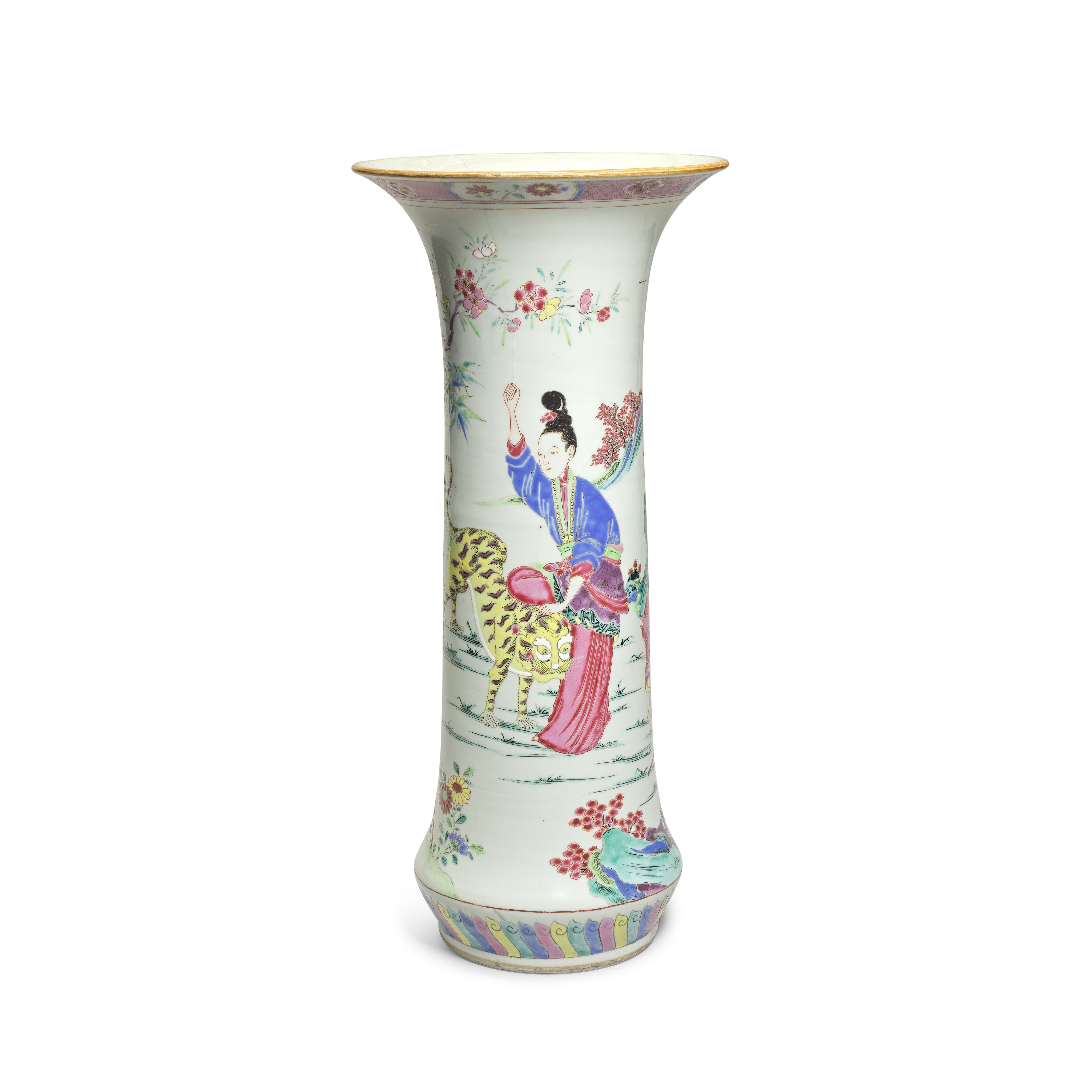
A LARGE FAMILLE ROSE 'FILIAL PIETY' VASE, GU, Yongzheng. Sold for £3,840 inc. premium.
A LARGE FAMILLE ROSE 'FILIAL PIETY' VASE, GU, Yongzheng. Sold for £3,840 inc. premium.
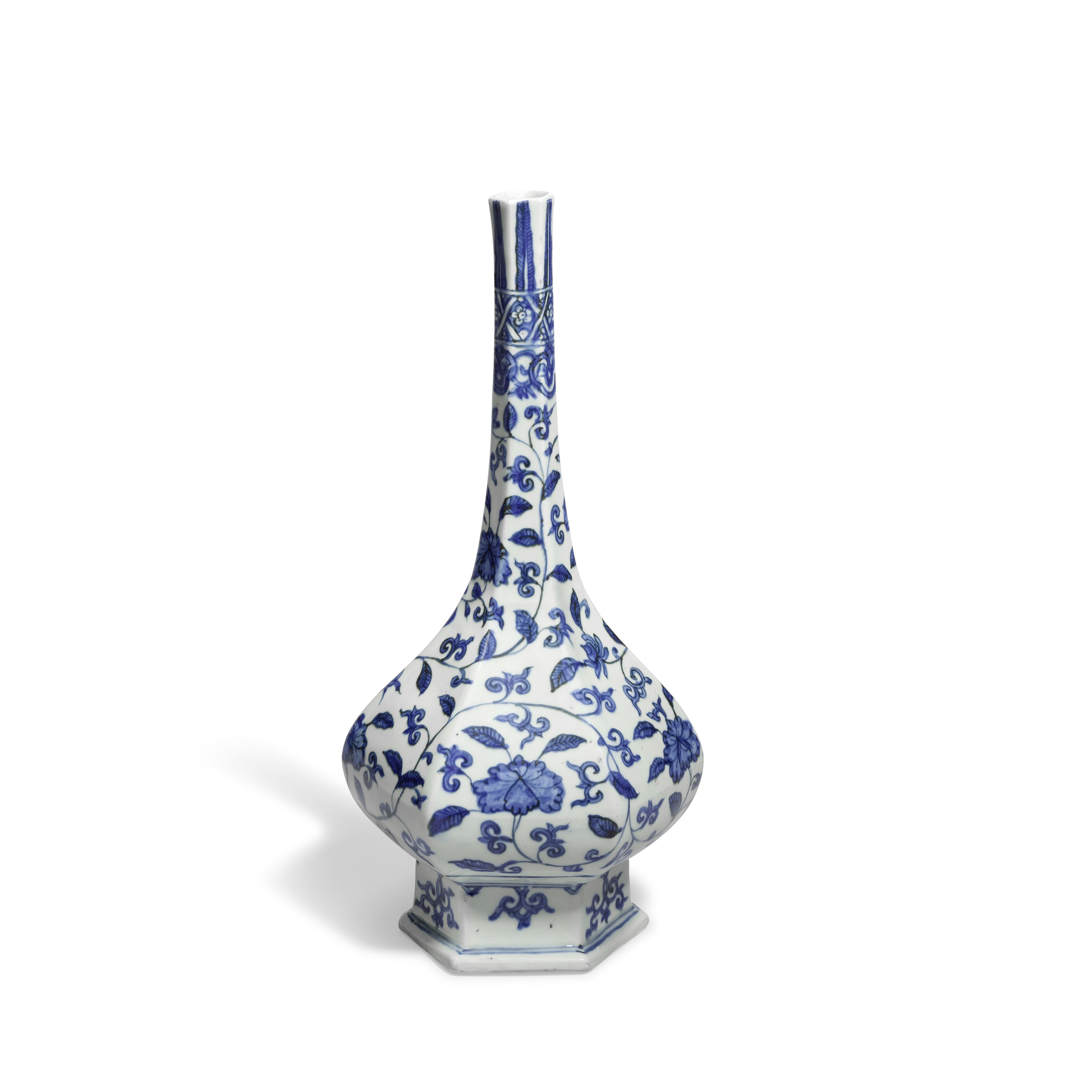
A BLUE AND WHITE 'LOTUS SCROLL' WATER SPRINKLER, Jiajing. Sold for £7,040 inc. premium.
A BLUE AND WHITE 'LOTUS SCROLL' WATER SPRINKLER, Jiajing. Sold for £7,040 inc. premium.
A PAIR OF BLUE AND WHITE 'FLORAL' DISHES FOR THE ISLAMIC MARKET, Kangxi. Sold for £3,328 inc. premium.
A PAIR OF BLUE AND WHITE 'FLORAL' DISHES FOR THE ISLAMIC MARKET, Kangxi. Sold for £3,328 inc. premium.
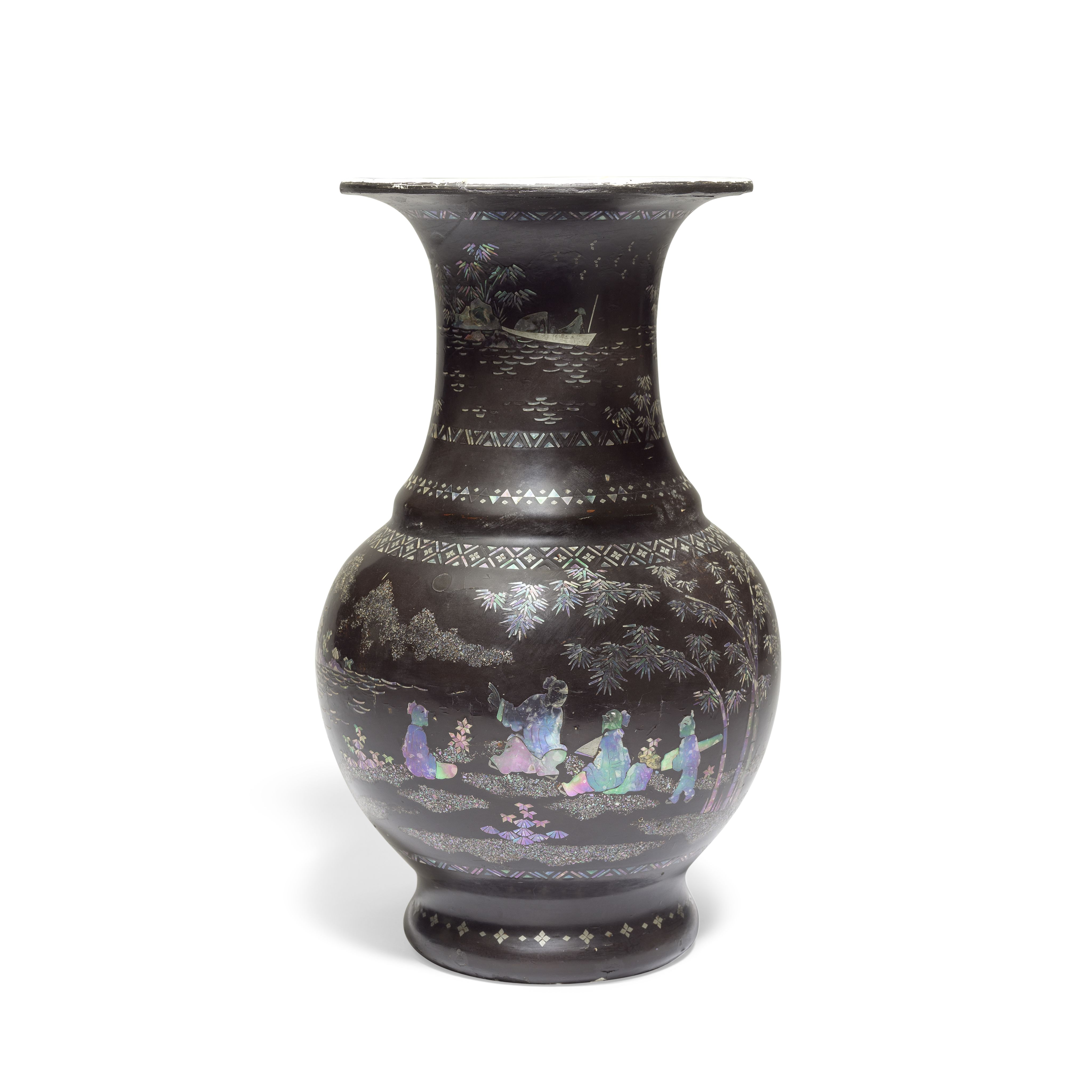
A RARE MOTHER-OF-PEARL-INLAID BLACK LACQUERED PORCELAIN VASE, Yongzheng. Sold for £6,400 inc. premium.
A RARE MOTHER-OF-PEARL-INLAID BLACK LACQUERED PORCELAIN VASE, Yongzheng. Sold for £6,400 inc. premium.
Origin of the Collection
As with many collectors, collecting started in childhood: for Mary matchbox covers, and for Peter, stamps. Once married they switched to 18th century silver, a collection they sold to finance family life. But the Whites had the collecting bug, so when a friend suggested that they collect ceramics, the die was cast. “She said they’re cheap especially if they are cracked. We got our cracked Worcester tea pot from her for £10. We still have it,” laughs Mary. “We started off collecting English ceramics with the intention to acquire a piece from every English factory, but it was bit tedious, as we didn’t have a lot of money or knowledge, so tended to end up with fairly ordinary pieces. We diversified into other things. We bought things if we liked them and learnt a bit more about them after we'd bought them. We like rare and we like beautiful pieces. Ceramics are so personal, not just to us; these things have been used and loved.”

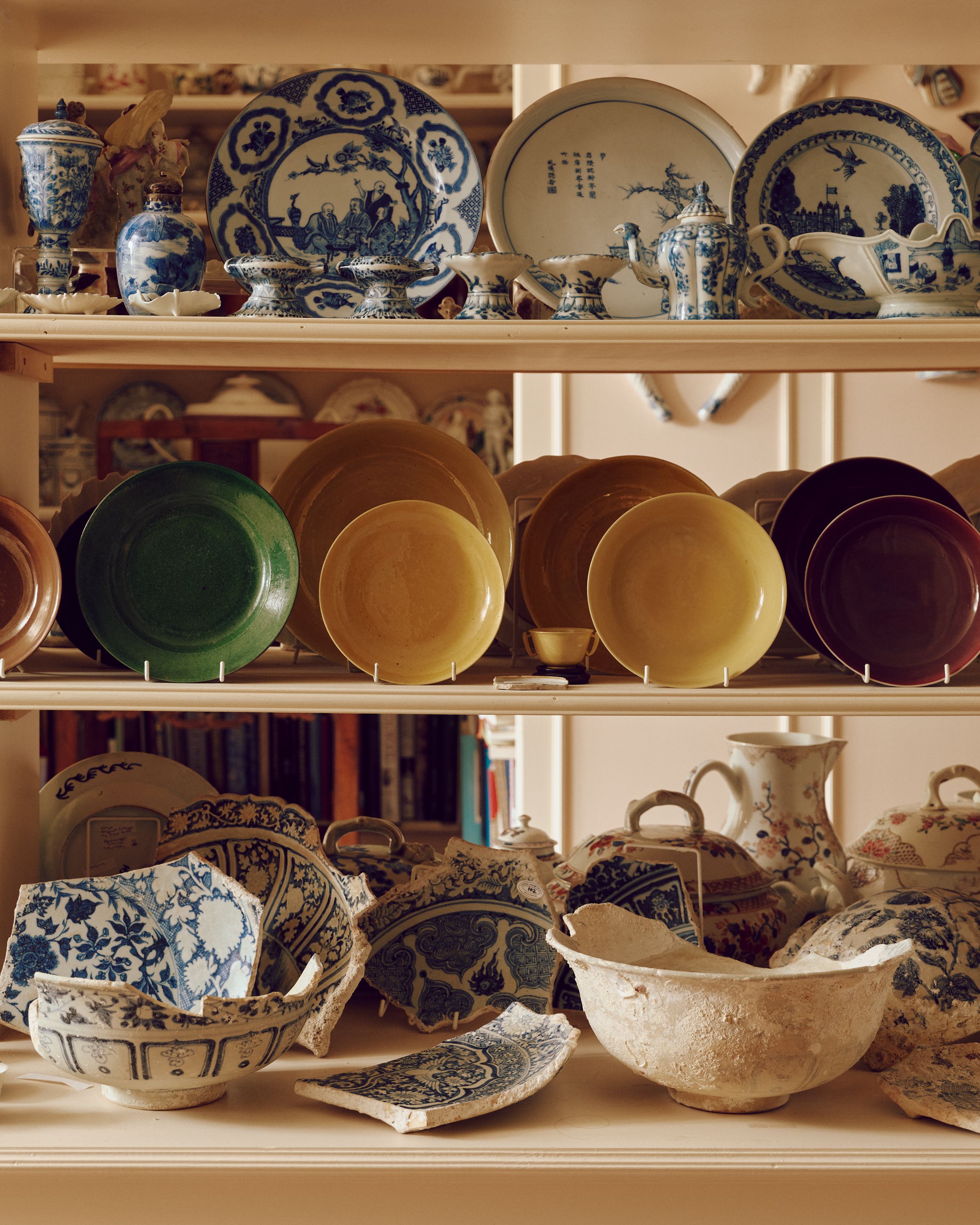
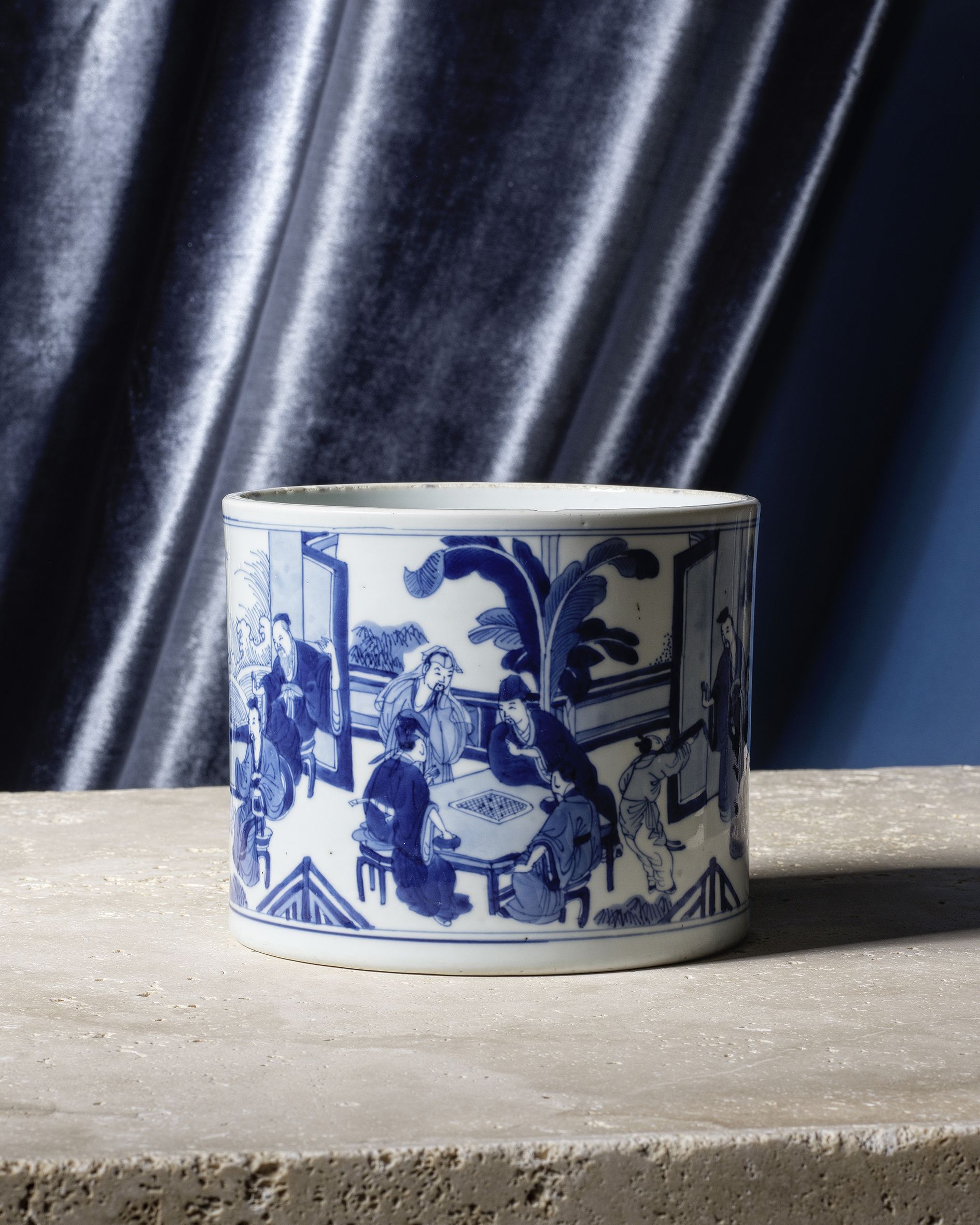
A selection of Chinese and other ceramics from the White's collection.
A selection of Chinese and other ceramics from the White's collection.
That eagerness to learn has informed all their collecting and much knowledge has been acquired during their travels. They have become acknowledged authorities, often consulted by other collectors and frequently in conversation with specialist dealers as well as curators. Serendipity played a part in their collecting. “There was no real goal in mind.” Indeed their collection contains probably something from everywhere, of almost every important manufacturer.
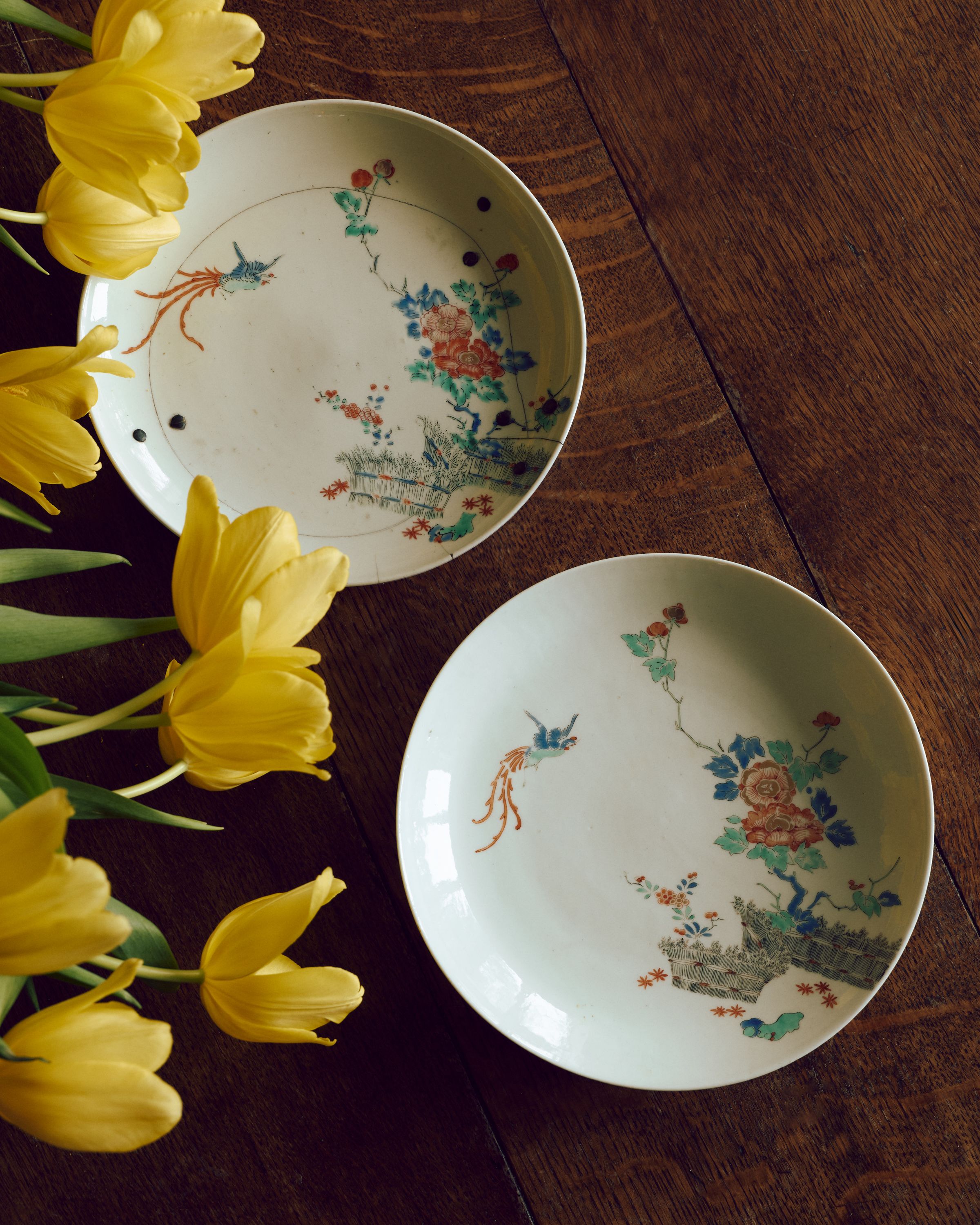
A Meissen circular dish from the Japanese Palace, circa 1730, together with its Japanese counterpart, Edo period (1615-1868), circa 1720, sold for £1,280 inc. premium.
A Meissen circular dish from the Japanese Palace, circa 1730, together with its Japanese counterpart, Edo period (1615-1868), circa 1720, sold for £1,280 inc. premium.

Their collecting became more passionate when Peter retired. He became Treasurer of the French Porcelain Society and the Oriental Ceramic Society, in which Mary was also involved, as well as the English Ceramic Circle. They went on societies’ trips, which they recommend for serious would-be collectors. They visited museums, private collections and kiln sites in a roll call of world ceramics; traveling to America, Japan, Vietnam, Korea, Cambodia, Thailand, Iran, and much of the Middle East and Europe.
The Whites also bought at auctions and from specialist dealers. “We used to have lovely days going up and down (the dealers in) Kensington Church Street,” says Mary, although Peter admits to a more competitive approach. “Simon Spero had selling exhibitions of about 50 pieces. There was huge competition for the best pieces of English ceramics. You could look at the things beforehand and talk to him about them. You had to queue up to go in, so the first person in the queue would get first dibs.” Queuing with collectors from Australia, Canada and America, involved camping out overnight and using the local pub’s facilities. “It was quite convivial, we made friends with our competitors, although I did have one altercation where I'd queued 24 hours and just as Simon opened the door, this woman came to the front,” says Peter.

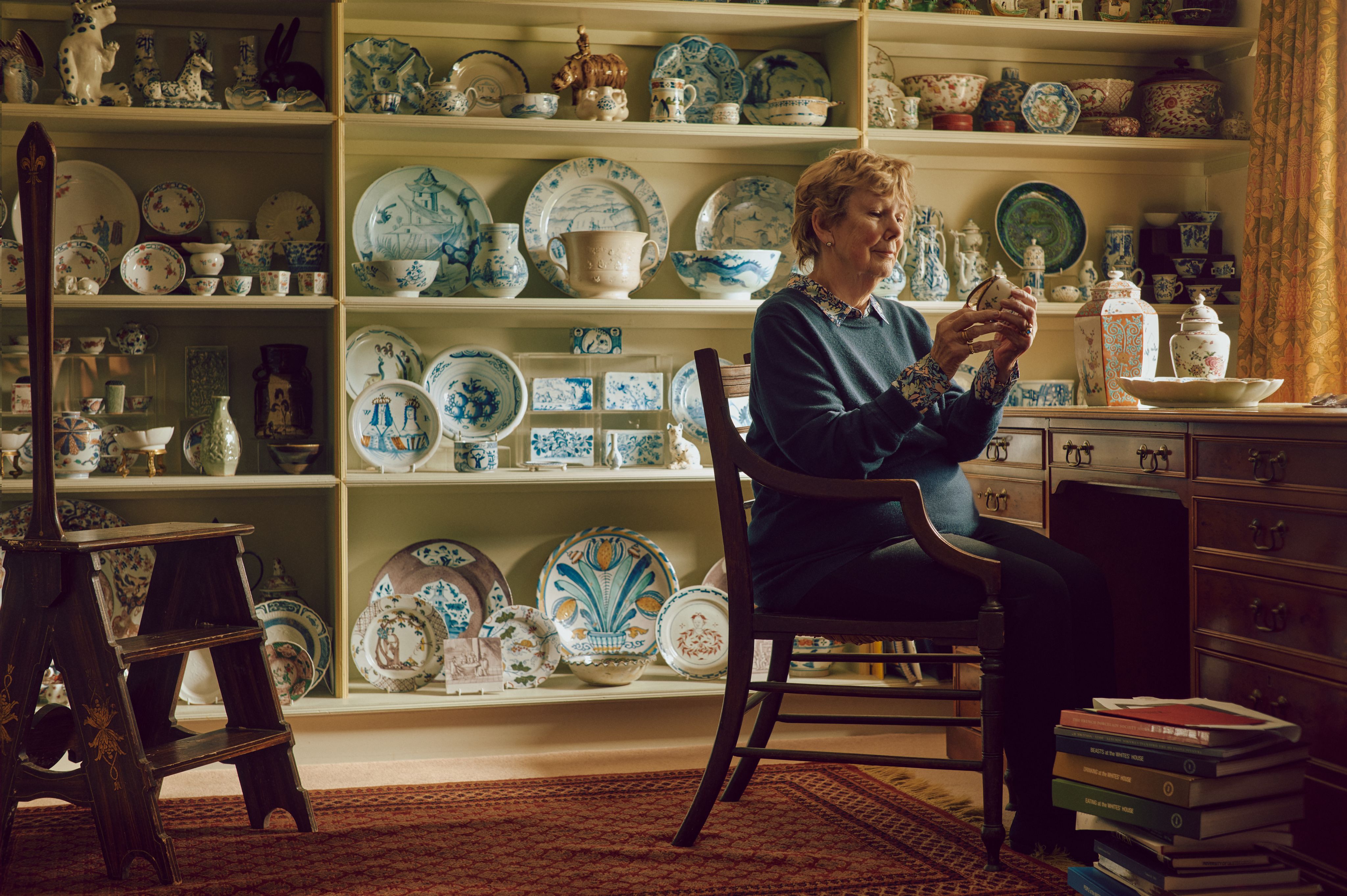
Mary White at home with pieces from her collection. Photographed by Michael Sinclair.
Mary White at home with pieces from her collection. Photographed by Michael Sinclair.
There are other pleasures aside from the thrill of the hunt. The couple have appreciated the scholarship, the acquisition of knowledge and the sense of community. “It's been fun, meeting people with similar interests, traveling and having a purpose. We're not good at sitting on the beach,” explains Mary.
Neither enjoys small talk, but both derive considerable pleasure from talking about ceramics. “It’s something we both like, because I'm keen on sport and Mary’s very keen on other things, which I'm not keen on. So it's one thing that we're actually brought together by. There's nothing else we agree on so much,” says Peter. “We can each go through an auction catalogue separately and pick out the same things,” adds Mary. “It's part of our life. I think we’re lucky that we've been able to do it together,” says Peter.
Their collection is largely pre-1800, “Mostly it's grouped by geography. However we've got an alcove where we compare things, to show the links between countries and factories. Many people are bewildered by our collection and really don't understand. It is being able to take a Chinese ceramic from several different shelves and finding emulations from varying countries. A ceramic thread confirming trade across land, but mostly sea.”
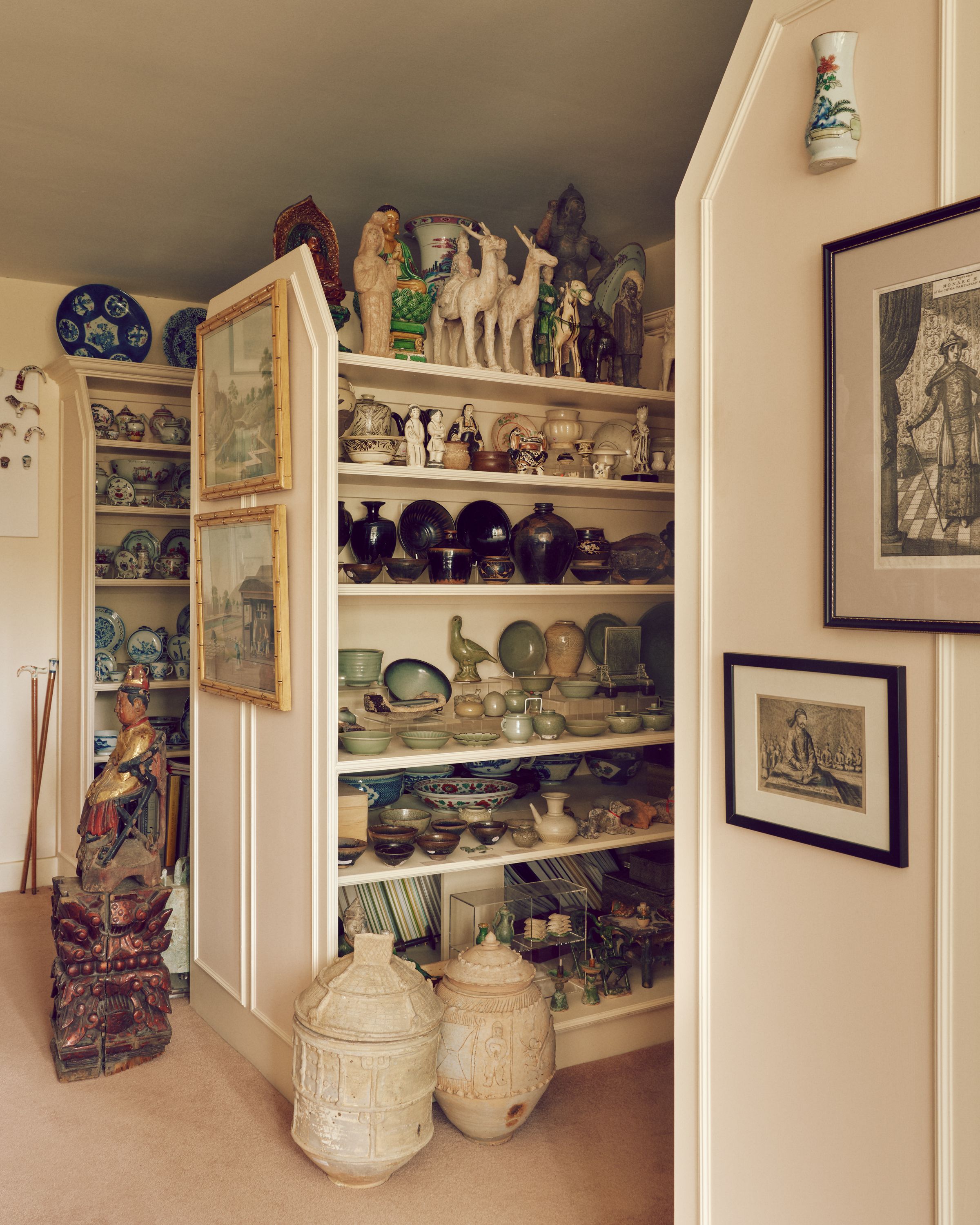
Pieces from the collection on display in the White's home.
Pieces from the collection on display in the White's home.
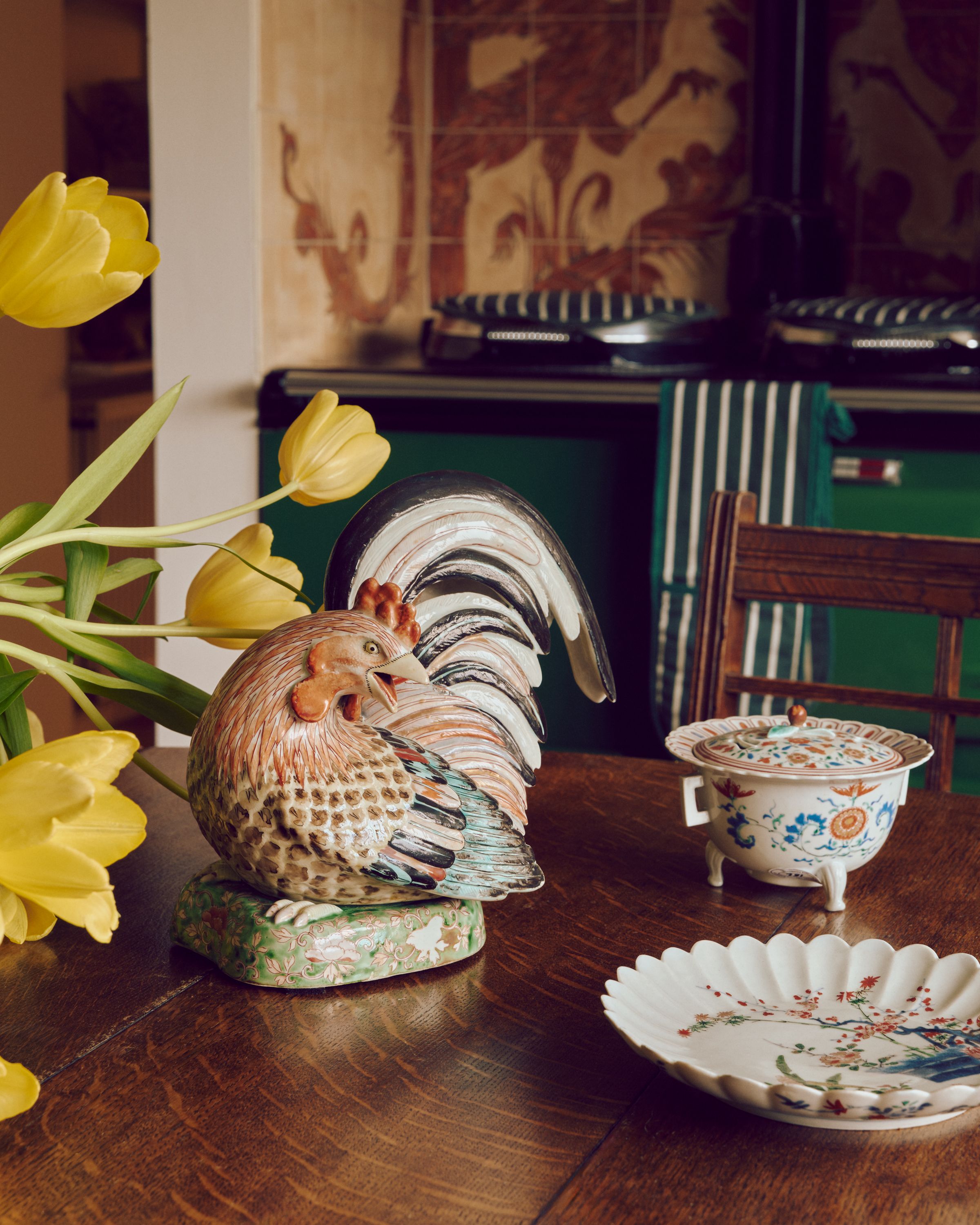
L-R: An Arita incense burner in the shape of a cockerel, Edo period (1615-1868), circa 1680; An Arita pot-pourri or incense burner and cover, Edo period, circa 1670; An Arita circular lobed dish, Edo period, circa 1700, sold for £1,088 inc. premium.
L-R: An Arita incense burner in the shape of a cockerel, Edo period (1615-1868), circa 1680; An Arita pot-pourri or incense burner and cover, Edo period, circa 1670; An Arita circular lobed dish, Edo period, circa 1700, sold for £1,088 inc. premium.
It's nice to think of that thread coming through to quite crude examples of Dutch or English (ceramics), going back to something very refined and esoteric. I've always found that interesting”. It is sometimes the modest, early pottery that is more valuable than more sophisticated pieces”.
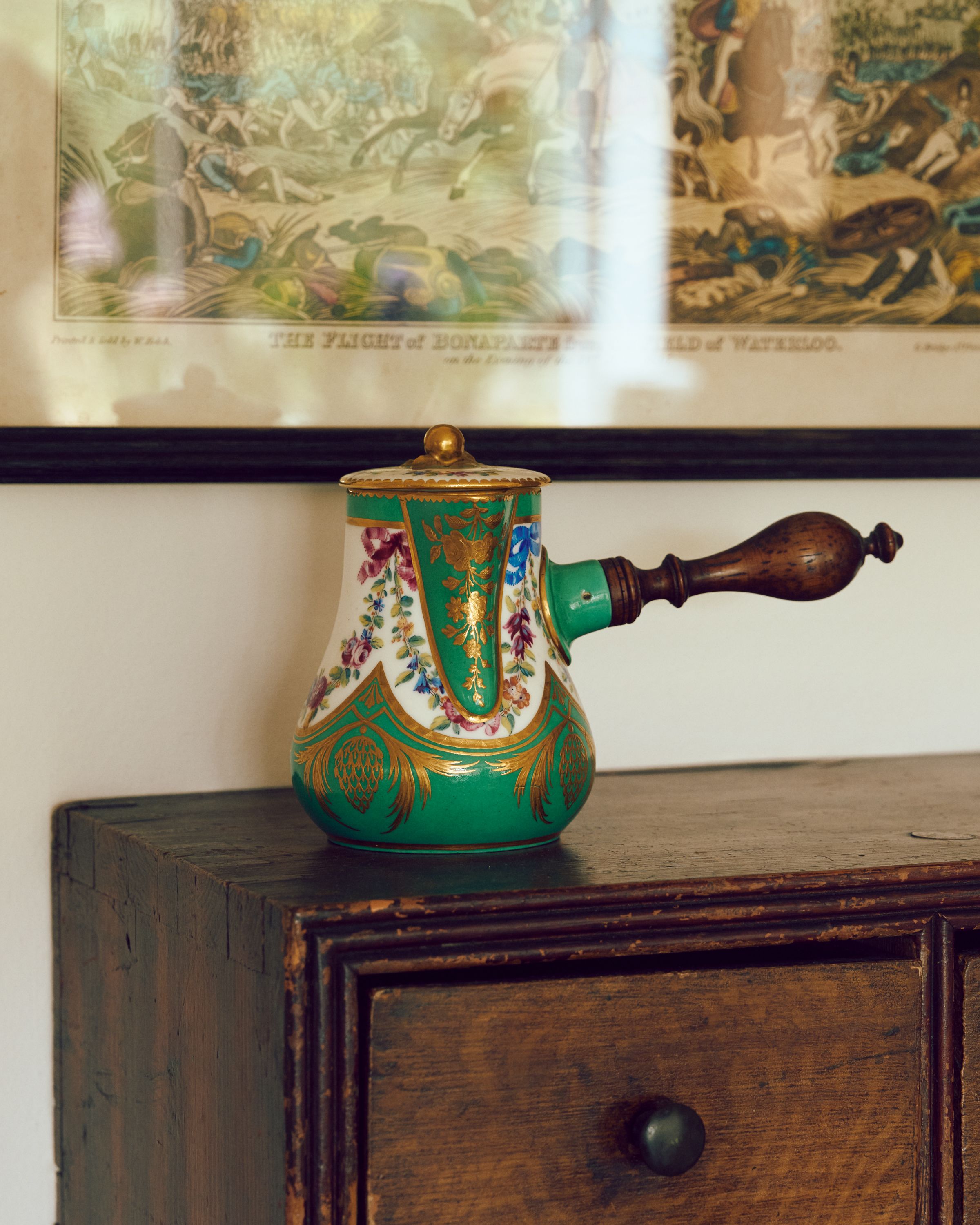
Their collection incorporates relatively little Sèvres. “We felt that it was too upmarket for us. In a way, it doesn't fit with the rest of the things we had. It fights with everything, including other French factories. We had to create a special Sèvres display alcove. You can't mess with Sevrès. You have to think about it more than with other works. With Chinese, you think more about the period. You wouldn't put the Song monochromes, necessarily, with the blue and white Ming. It’s a different reasoning with Sèvres. It’s a period of 30 years and it's all the different colours that they brought in at different times, and all the background colours. They don't go together. You have to colour coordinate. With other things they're from different centuries, different cultures, and yet you can have them one shelf below the other. You can’t with Sèvres.”
Despite the joy and intellectual stimulation they have gained from collecting, they have come to a time in life when they have to think about what will happen to their collection. Their children and grandchildren have made their choices, but none can accommodate the depth and breadth of the collection. “I wouldn't sell it,” laments Mary, “but I realise I've got to, so that's it, and we'll keep some things. It's not exactly sparse. We have enjoyed it very much and look at it daily.” Peter is adamant that donating all the pieces to a museum is not quite right in this case. Mary concurs. “The collection is too big; it’s never going to happen. There is a possibility that the pieces wouldn't be seen or enjoyed in the way we would hope in a museum collection..."
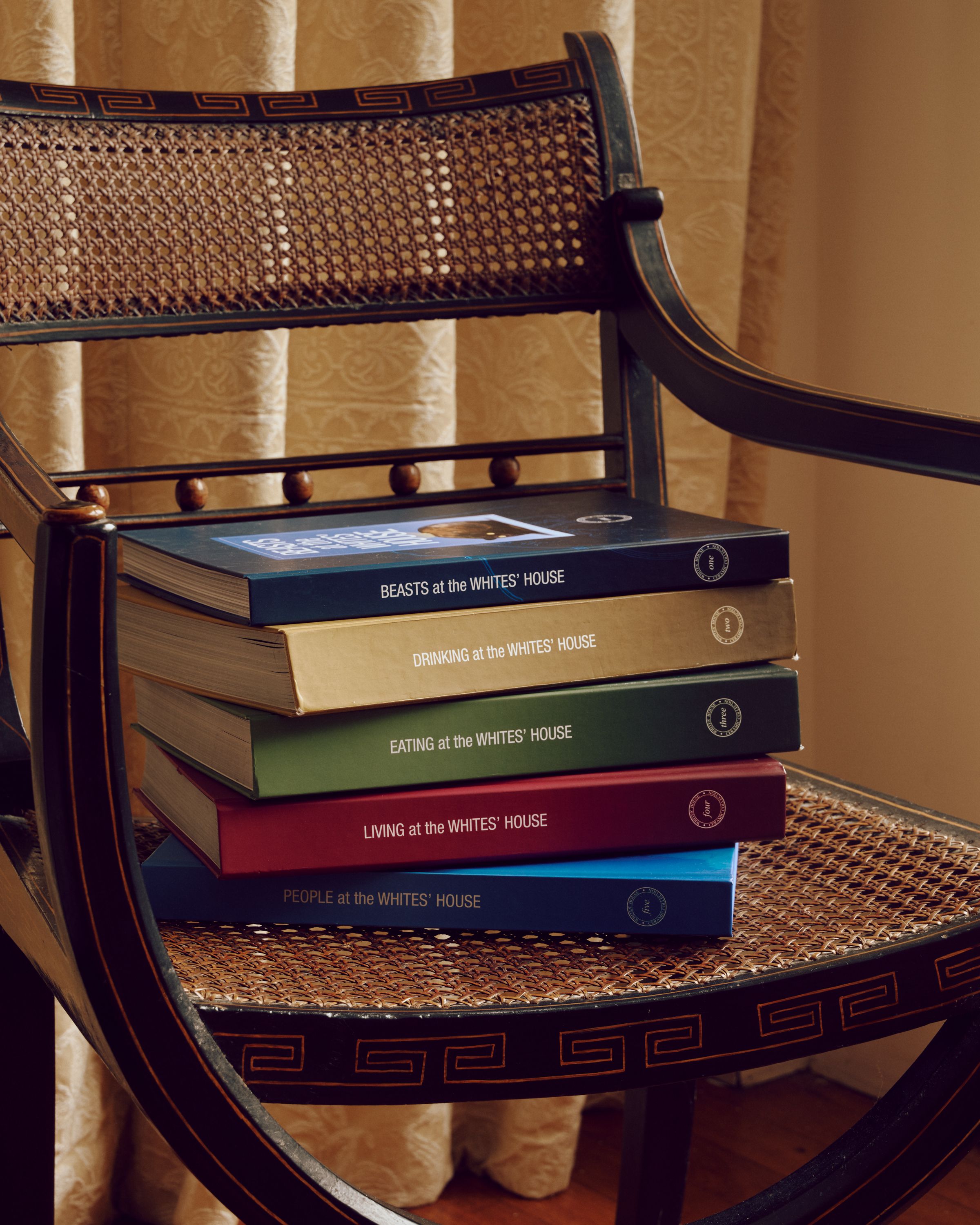
A series of five books by Mary White on the complete collection.
A series of five books by Mary White on the complete collection.
But legacy is important. Theirs is a series of five books written and photographed by Mary in lockdown, that details the whole collection. It is an incredible resource. “We really want to reflect what Mary has done in her publications, in the auction catalogues and series of sales; to really show objects of various different backgrounds and explain why they're important,” explains Nette Megens, Director of Decorative Arts: Europe and UK and Head of European Ceramics at Bonhams. “They are always related to the link in history they provide. The works will be sold across departments ranging from Antiquity and Islamic art to British, Chinese, Japanese and European ceramics.”
The Whites deep trust in Nette was key to their selecting Bonhams. They had known her through the French Porcelain Society committee, where she helped organise trips abroad. “They always took joy in sharing their collection with museum people, collectors and people from the commercial world, actively seeking out discussions on re-attribution and authenticity,” explains Nette. “We were always encouraged to give our honest opinion, especially when we had doubts about a piece. That’s quite rare in our world, but I think it made their collection so much the better for it. The breadth of their collecting is astounding, there are very few people that venture out of the comfort zone of collecting one particular factory, let alone World Ceramics.”
“When you are collecting at this level it is never purely transactional. We work on a basis of trust and friendship. They really want to inspire a new generation of collectors to take joy in learning and discovering about the world through ceramics.” says Nette. “Do start collecting. Start with our collection. It's wonderful,” enthuses Mary.
“Do start collecting. Start with our collection. It's wonderful.”
Despite downsizing, they can’t resist the urge to collect more. “It is,” as they both say “addictive.” Mary has the last word. “I think there are psychological factors, a way to relax and de-stress, an escape from anxiety, it's peaceful and it is an area of life that can be controlled, a reality that is commercial. Of course we both have to like something and find it interesting/beautiful/rare, any or all of those, but we also felt that we weren't necessarily frittering money away. More interesting than stocks and shares, sociable and a pleasure.”
Discover the Auctions

A Life in Ceramics
The Peter and Mary White Collection of Chinese Art, Part III
8 - 15 May 2026 | Online
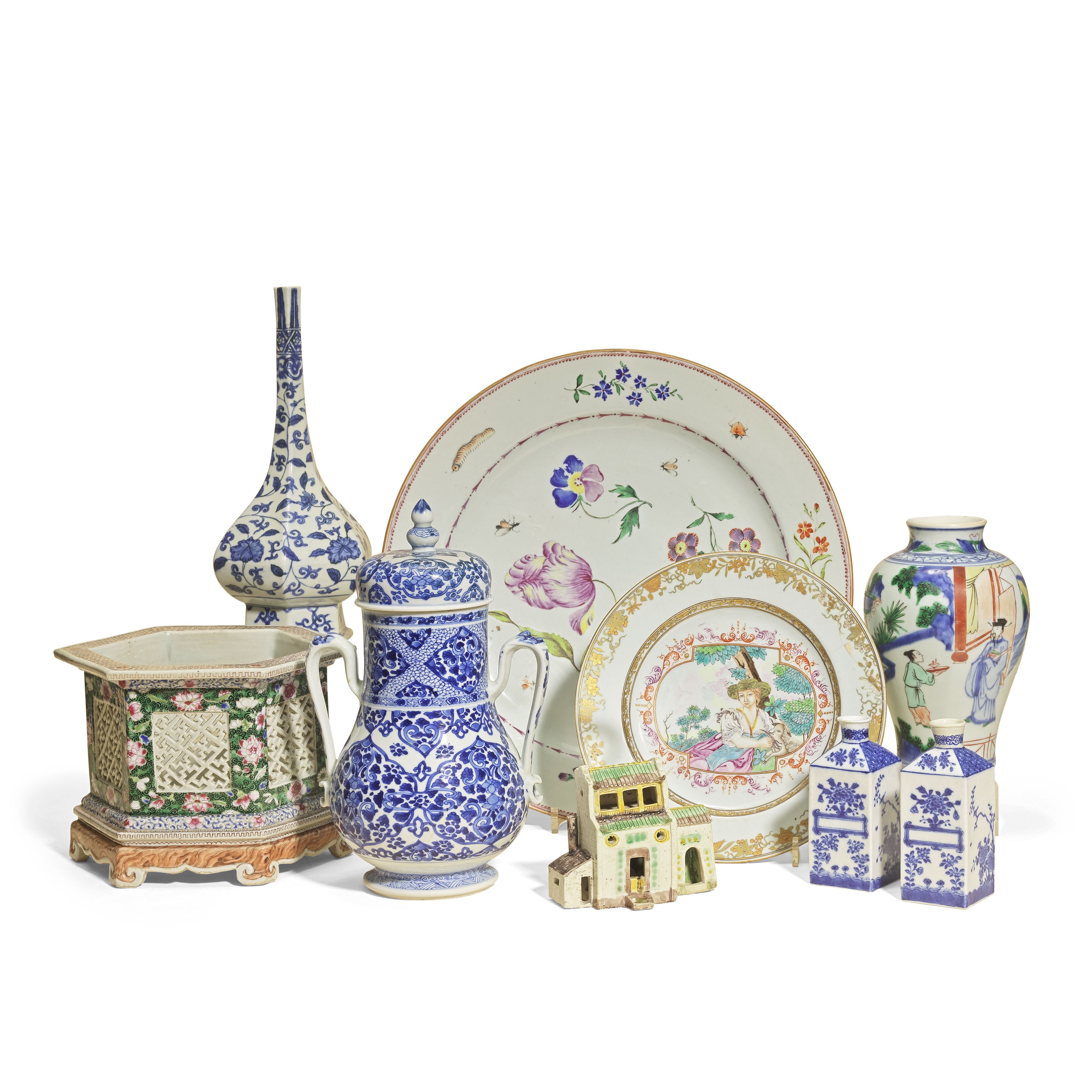
A Life in Ceramics: The Peter and Mary White Collection of Chinese Art, Part II
27 February – 10 March 2026 | Online
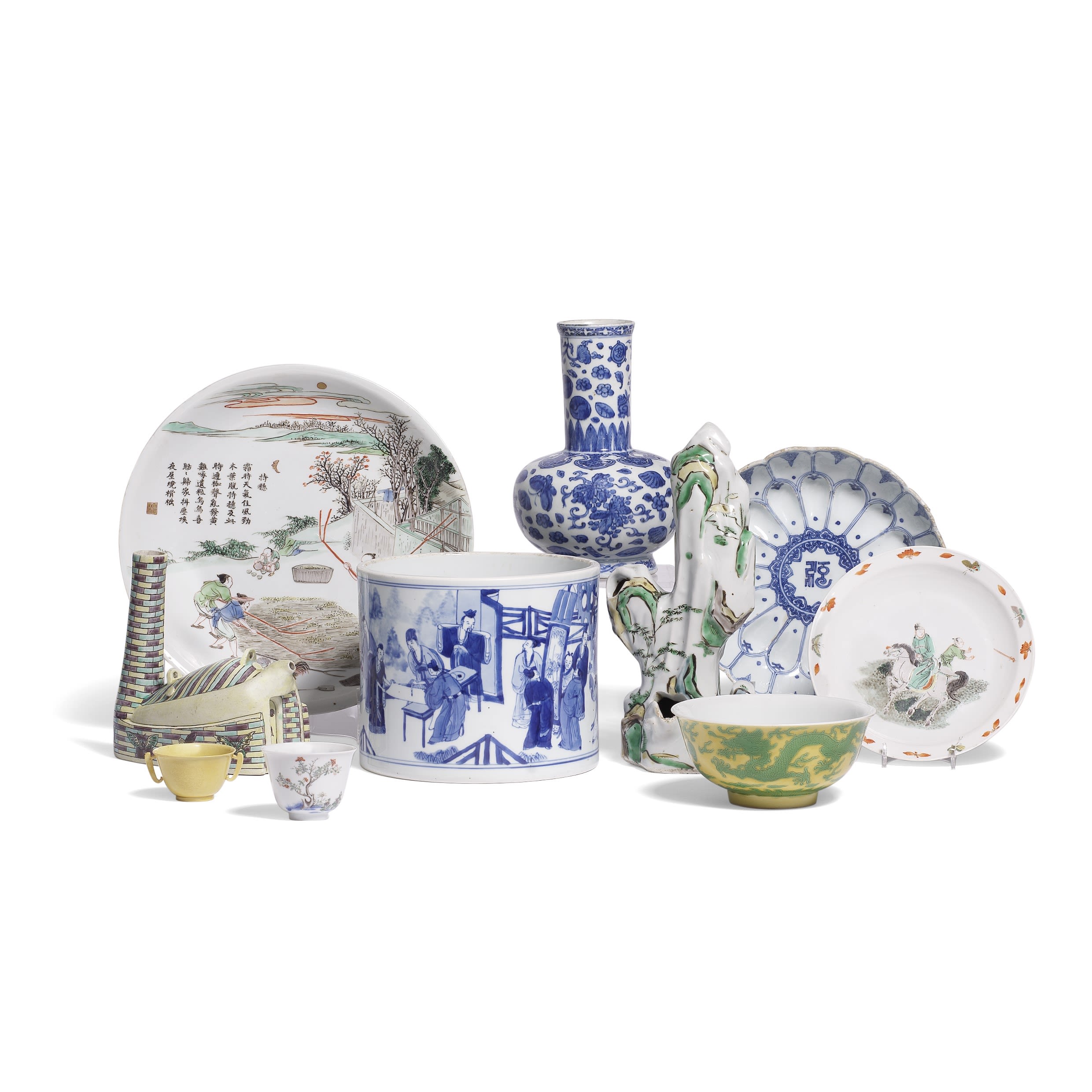
A Life in Ceramics: The Peter and Mary White Collection of Chinese Art
31 October – 10 November 2025 | Online
A Life in Ceramics: The Peter and Mary White Collection
1 December 2025 | London, New Bond Street
Stay updated with our auctions
Register with Bonhams to follow your favourite collecting categories and get email alerts when new auctions open for bidding.
 Built with Shorthand