
A Closer Look:
Pieter Brueghel the Younger
The Wedding Dance
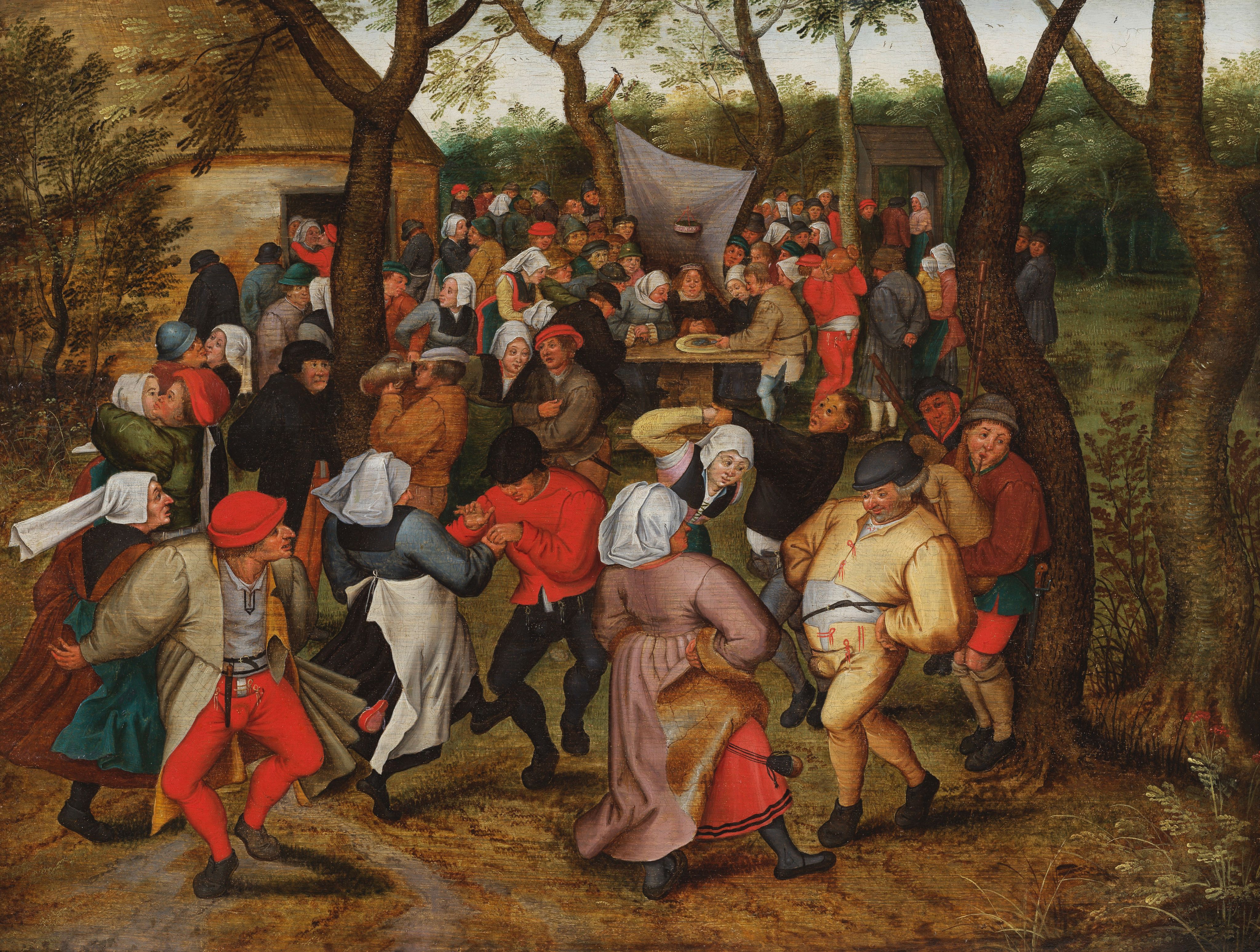

Among the highlights of the Old Master Paintings sale is a rare painting by Pieter Brueghel the Younger (1564–1637/38), the eldest son of the renowned Pieter Bruegel the Elder (1525/30-1569). Renowned for his vibrant depictions of everyday life, his work evolved from reproducing his father's compositions to developing original pieces that quickly gained popularity across Europe. The Wedding Dance, La danse de noces en plein air, one of the finest examples of this subject painted post-1616, is celebrated for its vivid palette, attention to detail, and dynamic depiction of peasant festivities.
This painting, likely based on a composition from the 1560s by Pieter Bruegel the Elder, captures the joyful energy of a wedding celebration. Pieter Brueghel the Younger’s skillful refinement of these compositions is evident in the heightened sense of movement and the brilliant colour contrasts, making this work a quintessential representation of Flemish life.
The Wedding Dance
Pieter Brueghel the Younger's The Wedding Dance is regarded as one of the finest versions of this iconic composition, celebrated for its exceptional quality and vibrant palette.
This painting captures the joyful movement of peasant revelers, showcasing Brueghel’s mastery of colour, detail, and dynamic composition. The lively depiction of Flemish wedding traditions demonstrates his remarkable ability to blend narrative richness with pictorial brilliance.
The wedding dance, a theme deeply embedded in Flemish art and culture, is central to the composition. The revelers are depicted in dynamic motion, their swirling movements imbuing the scene with a remarkable sense of energy. Each dancer, uniquely posed, conveys joy and celebration through their gestures and expressions, complementing one another. The fluidity of their actions generates a vibrant rhythm, enlivening the composition and accentuating the festive spirit of the occasion.
The use of landscape in The Wedding Dance perfectly complements the movement of the dancers. The elements of nature intensify the celebratory atmosphere while enhancing the overall harmony of the composition.
In the background, a Flemish wedding ritual unfolds. The central focus is on a woman, possibly the bride, seated solemnly at a table, surrounded by guests. A man places a coin on a plate, likely symbolizing a dowry or marital offering. A hanging cloth and balance scale behind her may hold symbolic meaning.
The surrounding guests, both amused and attentive, highlight the communal aspects of marriage in 17th-century Flanders. The bride's modest posture reflects traditional expectations of restraint, even during celebration. This lively yet structured atmosphere captures the blend of festivity and duty in historic wedding customs.
This painting is built on contrasts — not just in colour and scale of composition, but in the motifs themselves. The crowd, filled with revelers kissing and celebrating freely, is interspersed with more sombre guests, creating a striking opposition.
Pieter Brueghel the Younger
The Wedding Dance, circa 1616
Estimate: €300,000 - €500,000
Old Master Paintings
9 April | Paris, Avenue Hoche
Stay updated with our auctions
Register with Bonhams to follow your favourite collecting categories and get email alerts when new auctions open for bidding.
 Built with Shorthand