
A Brief History of Surrealism
From Signs and Symbols to Dreams and Dada, we chart the history of a movement...

Ahead of two major Surrealism auctions in Paris and London this spring, Bonhams revisits past stories, star lots, leading figures and the enduring motifs that define the Surrealist legacy.
A guide to Surrealism feels appropriately counter-intuitive. When the French poet and theorist André Breton delivered his Surrealist Manifesto in 1924, he described the movement as “pure psychic automatism”, the implication being that it is art that guides itself, a celebration of the subconscious, a philosophy of letting go.

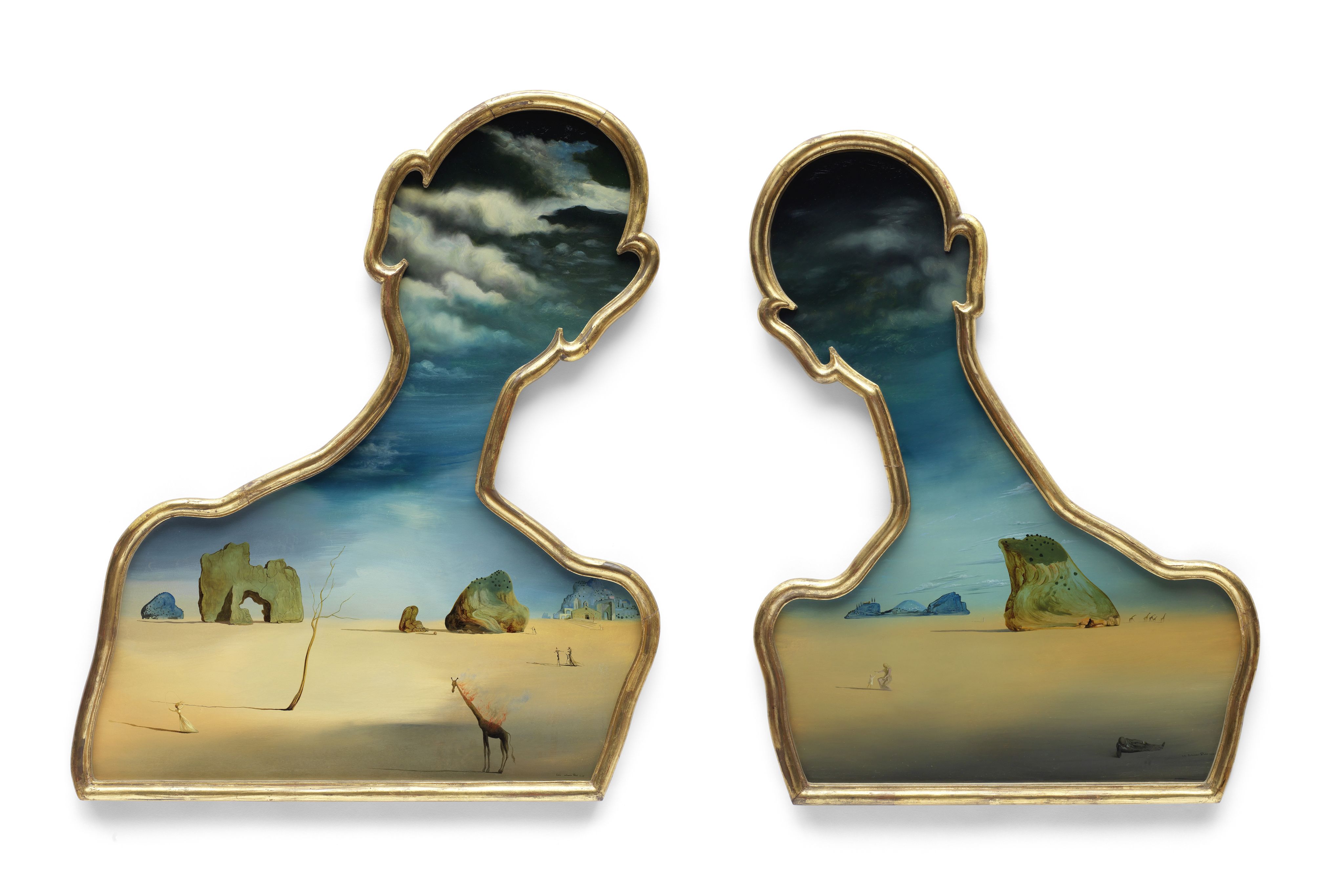
Surrealism was rooted in the early 20th century cult of Freudian analysis, a new-found fascination for dreamscapes and a search for alternative ways of living (the traditional one having led to the horrors of the First World War). This pan-cultural investigation – one bookended by the Victorian obsession with the supernatural and the narcotic trippy-ness of the Hippy era – touched on visual arts, literature, politics, even cuisine.
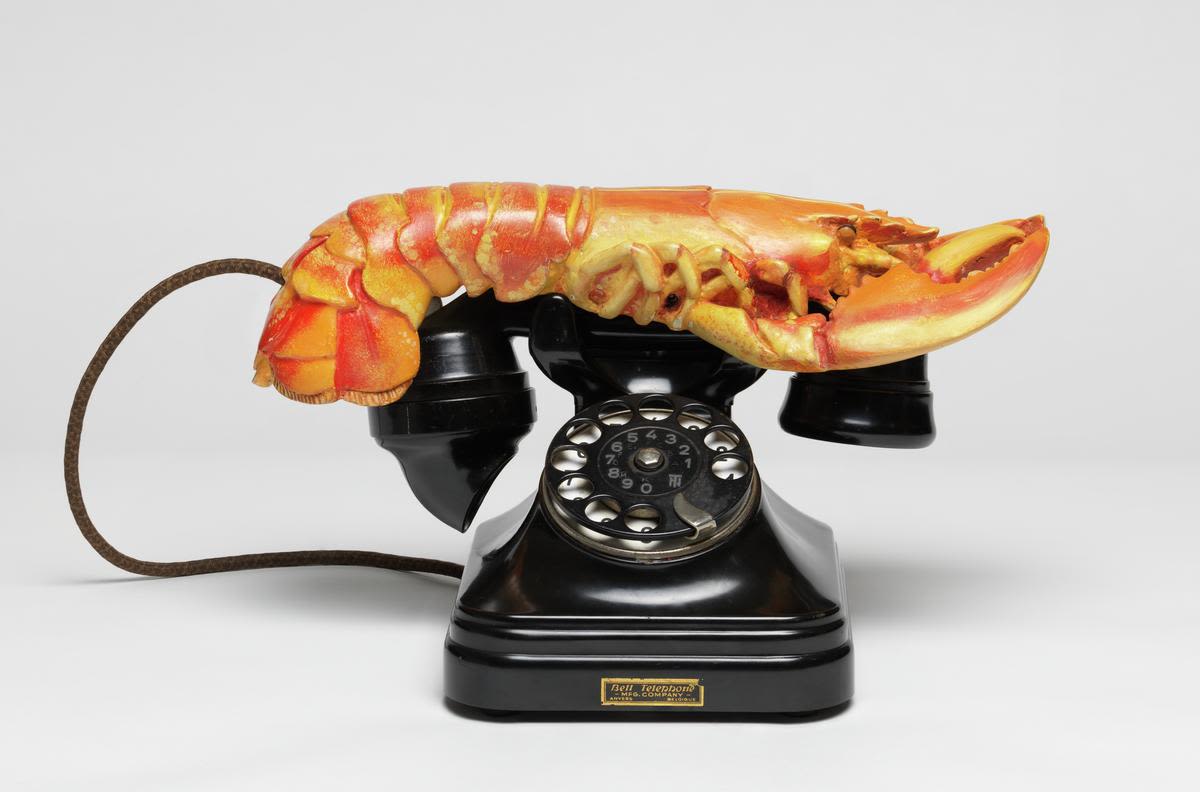
Banner image: Salvador Dalí, Lobster Telephone, 1938. Tate Collection. © Salvador Dalí, Gala-Salvador Dalí Foundation/DACS, London 2025.
Origins: Freud, War and Words
Everything about Surrealism is open to interpretation. Not least when it began. Certainly, there were surrealists before “Surrealism”. The nightmarish paintings of Hieronymus Bosch and quirky vegetable-faces of Giuseppe Arcimboldo could be viewed as elements of a Renaissance school of surrealism. The term itself was coined in 1917 by the French poet and playwright Guillaume Apollinaire.
Arriving in the inter-war years, Surrealism developed out of the absurdist theatrics of the Dada movement of the 1910s, itself a reaction to the inconceivable reality of the trenches. Surrealism thrives in uncertain times. Ironically, Breton’s Surrealist Manifesto of 1924 was a set of rules for rulebreakers. And André was the undisputed headmaster of the school. Breton’s letters to his fellow Surrealists – with whom he often fell out – are highly collectible.
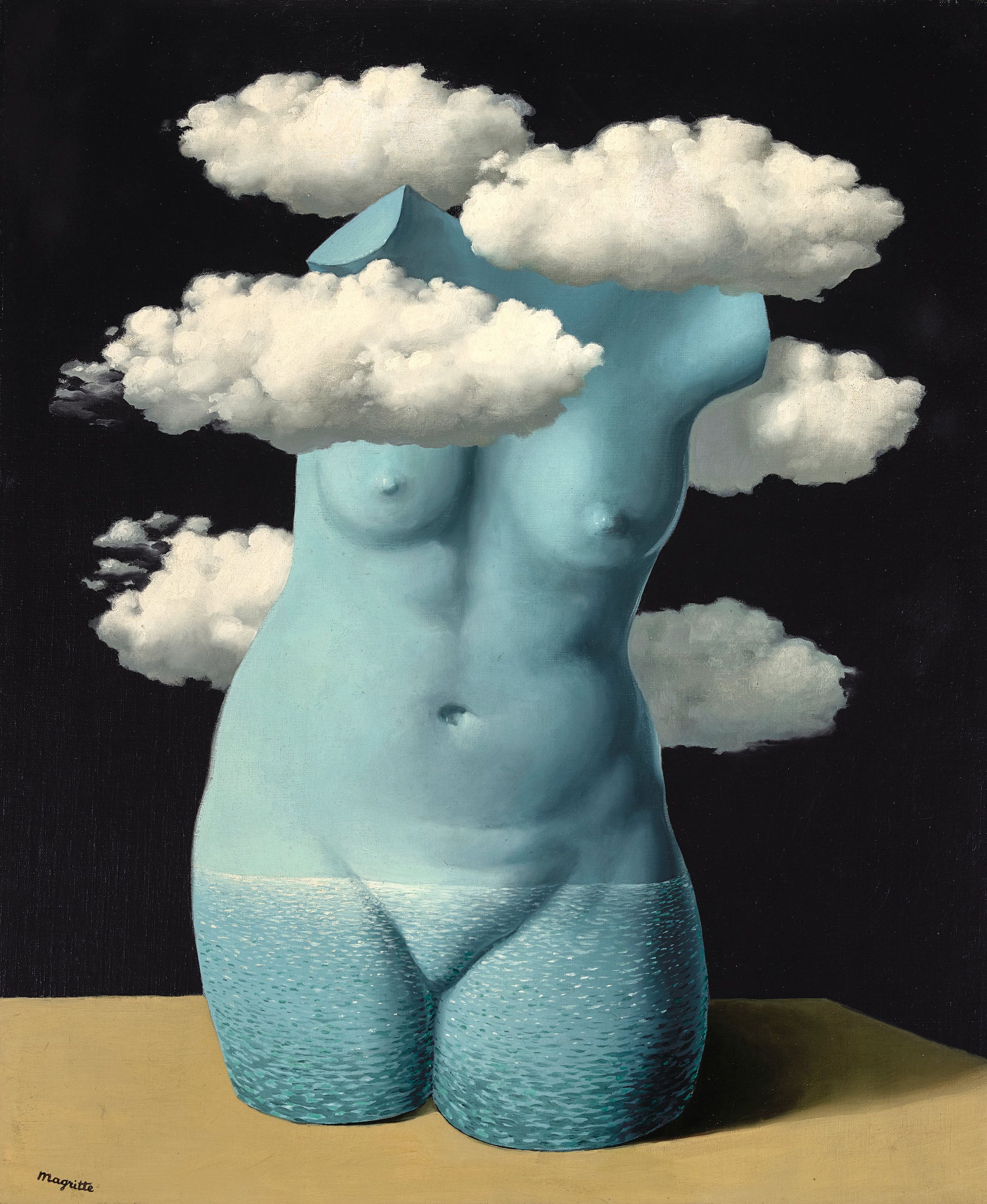
The movement was born of words but coalesced in pictures. A (un)clear aesthetic soon emerged, one shaped by nonsensical juxtapositions of objects and places, and visual non-sequiturs that invite interpretation. As early as 1926, René Magritte was producing paintings of men made of wood and trees formed of musical scores.

"To be truly progressive, one must not confine himself solely to the most summary realities."
– Andre Breton

Signs & Symbols: When is a pipe not a pipe?
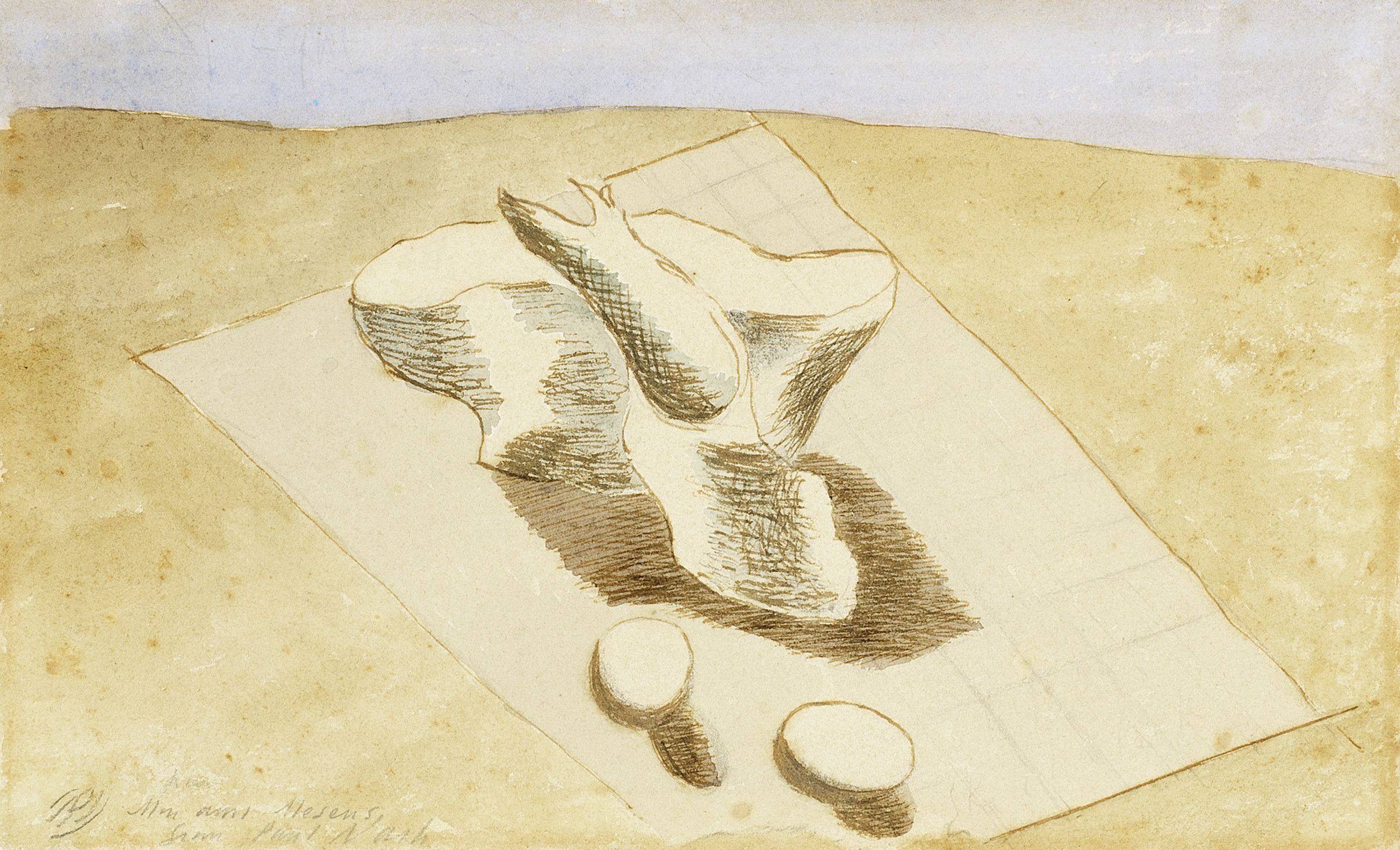
Surrealism celebrates contradiction. Its symbols are undiluted by fixed meaning, with motifs at odds with their circumstance. For Magritte, it was domestic ephemera pictured out of place – pipes, apples and bowler hats hovering in the sky – for Dalí it was a menagerie of reconfigured creatures: giraffes on fire, lobsters turned into telephones.

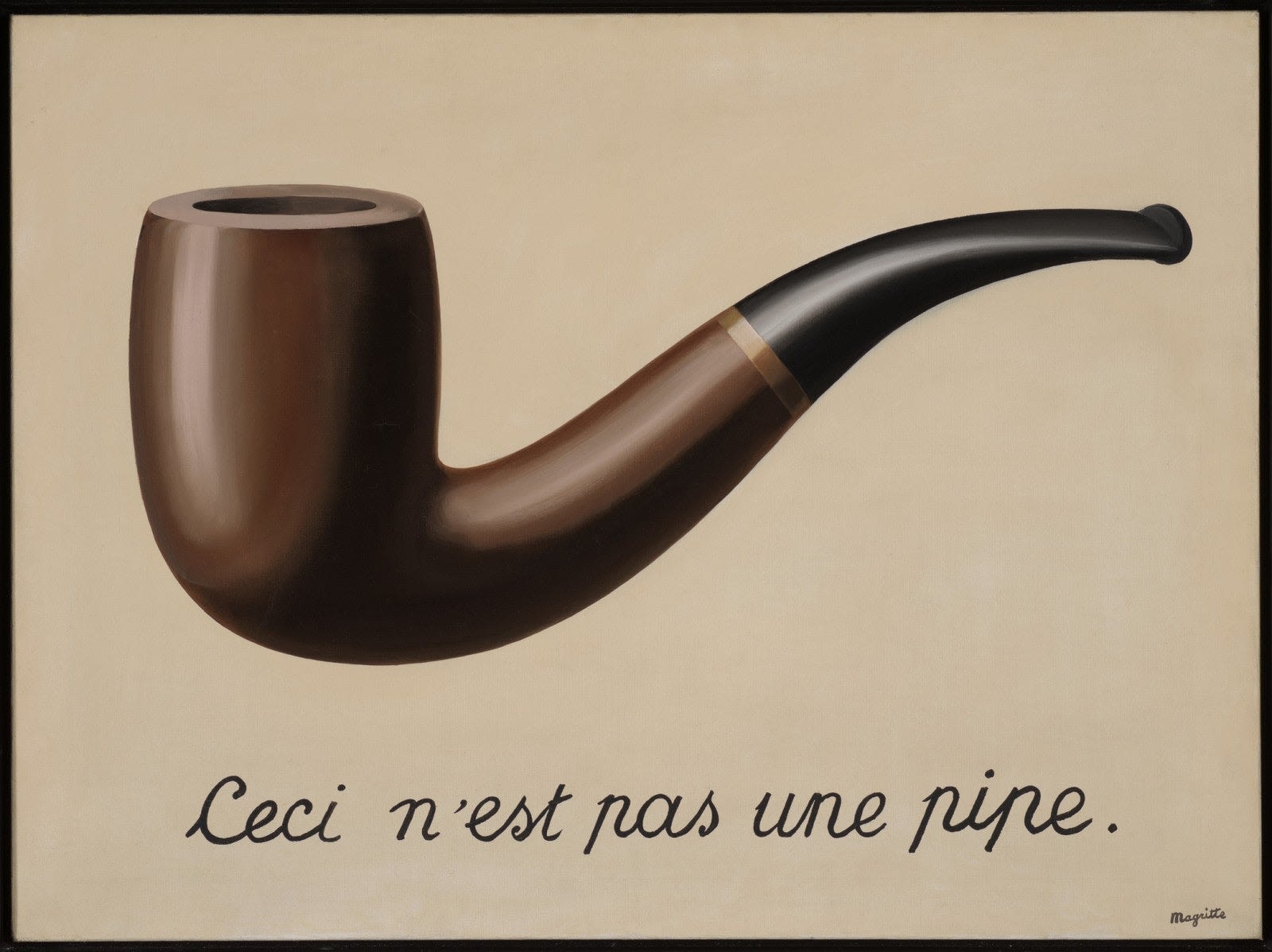
René Magritte, The Treachery of Images, 1929. Los Angeles Country Museum of Art. © ADAGP, Paris and DACS, London 2025.
René Magritte, The Treachery of Images, 1929. Los Angeles Country Museum of Art. © ADAGP, Paris and DACS, London 2025.
Settings in Surrealist compositions are fluid. Interiors can be exteriors; clouds can drift through doorways (themselves symbols of portals of perception). What does it all mean? Well, the randomness of dreams is its touchstone. Rather than addressing the certainty of technology, as much of Modernism did, Surrealism surveyed the outer reaches of the human imagination. To be truly progressive, observed Breton, one must not “confine himself solely to the most summary realities.”

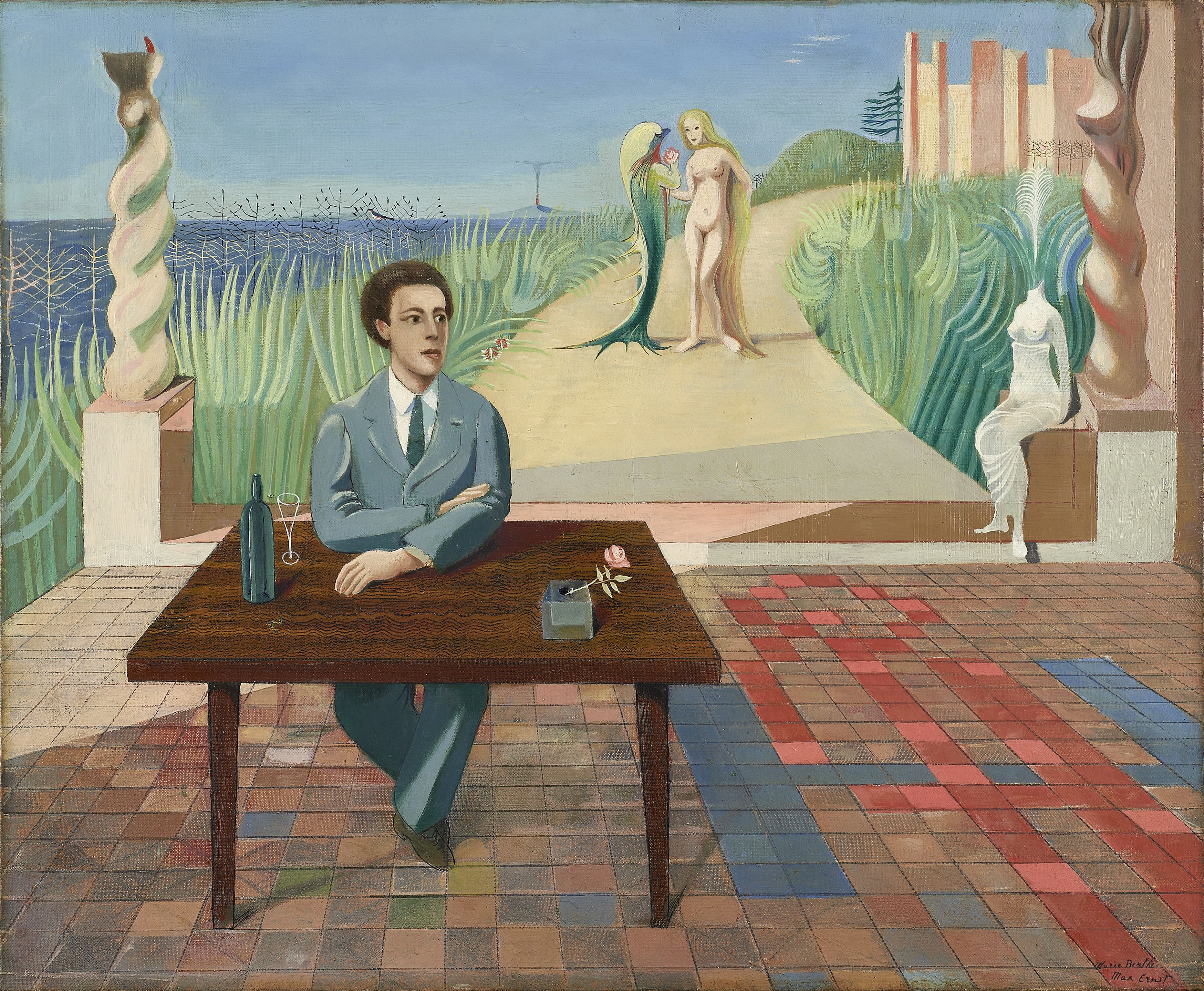
Upcoming Highlights from British Surrealism, 17 April-1 May, London & Surrealism, 30 April, Paris
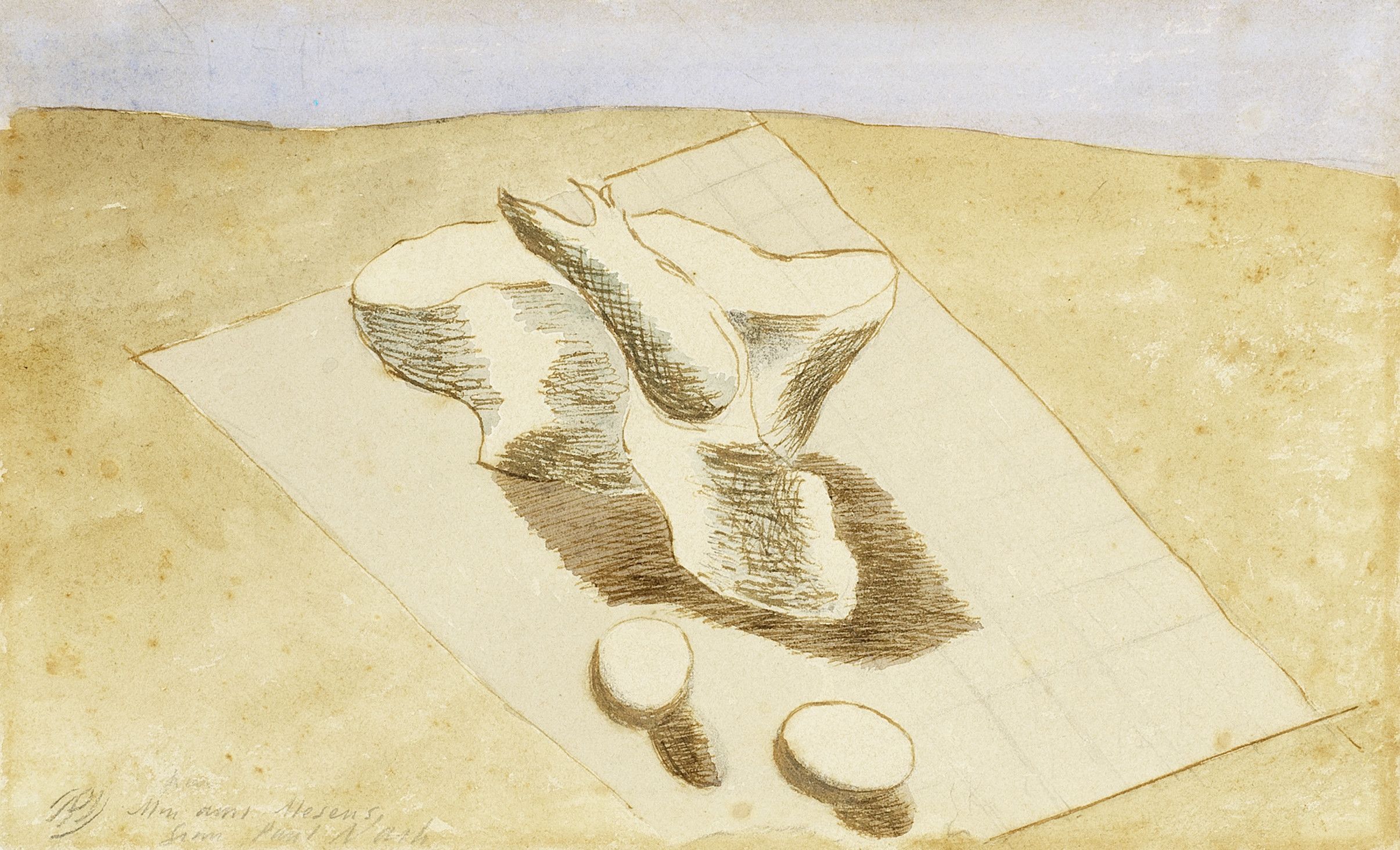
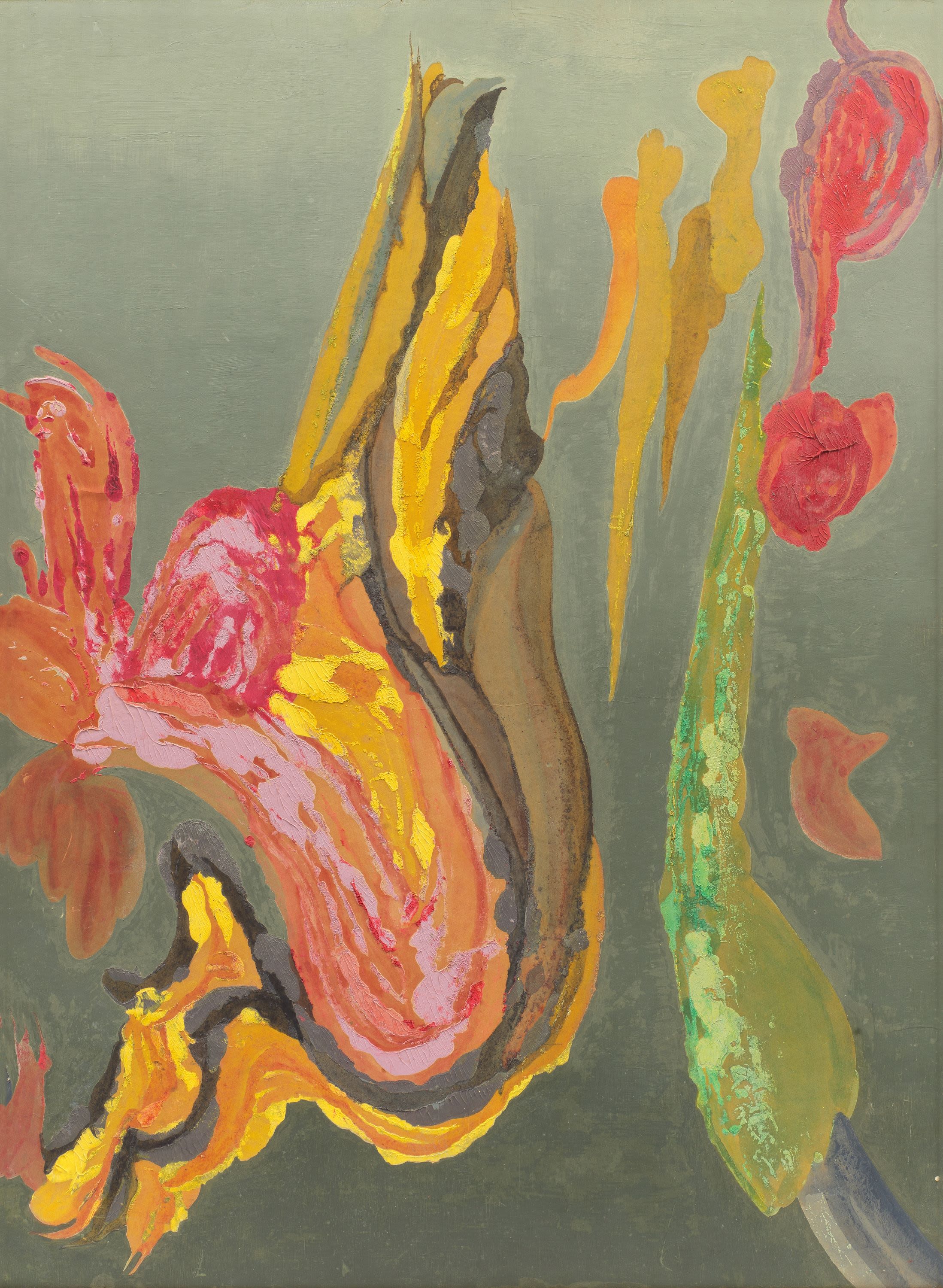
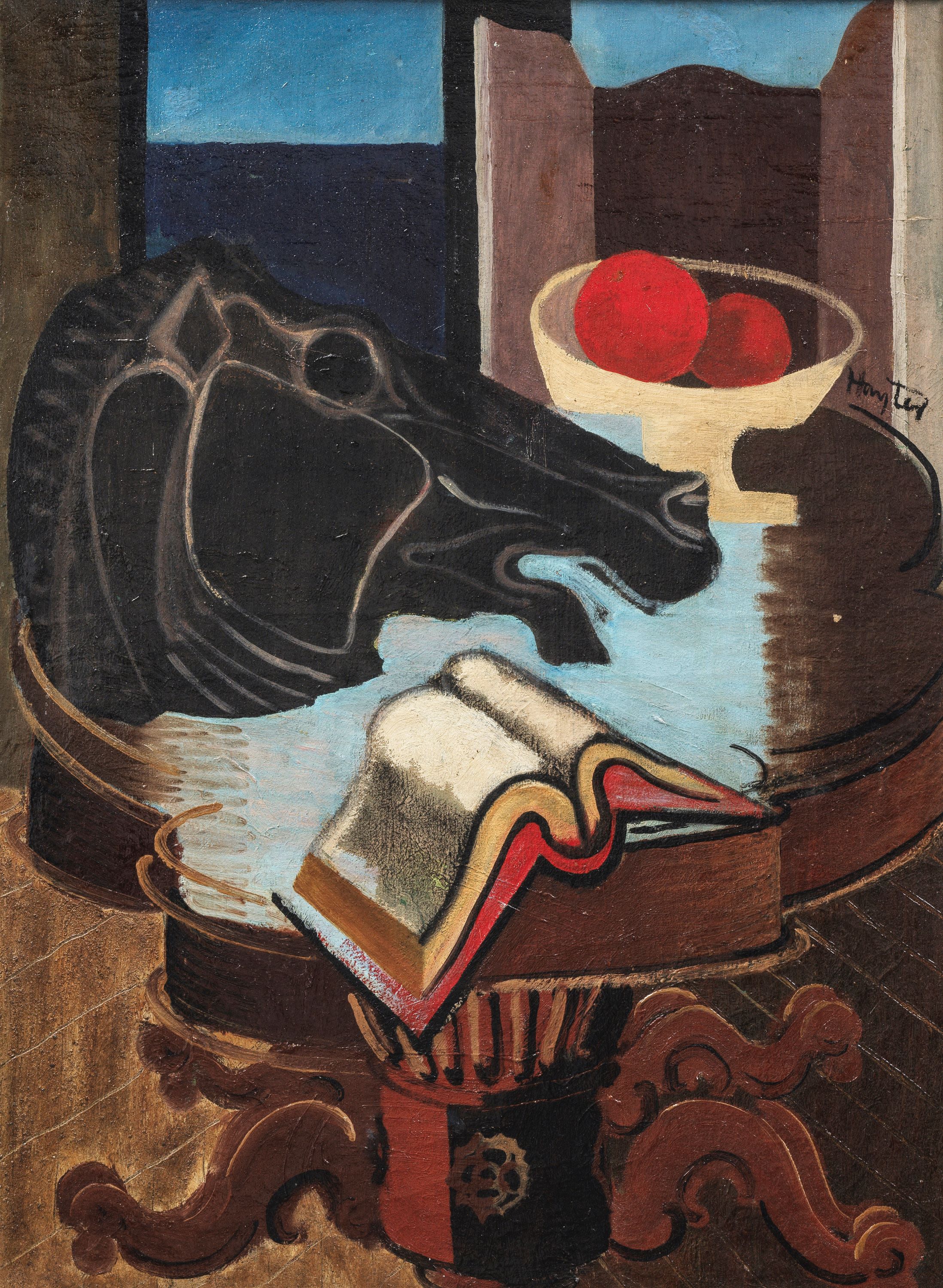
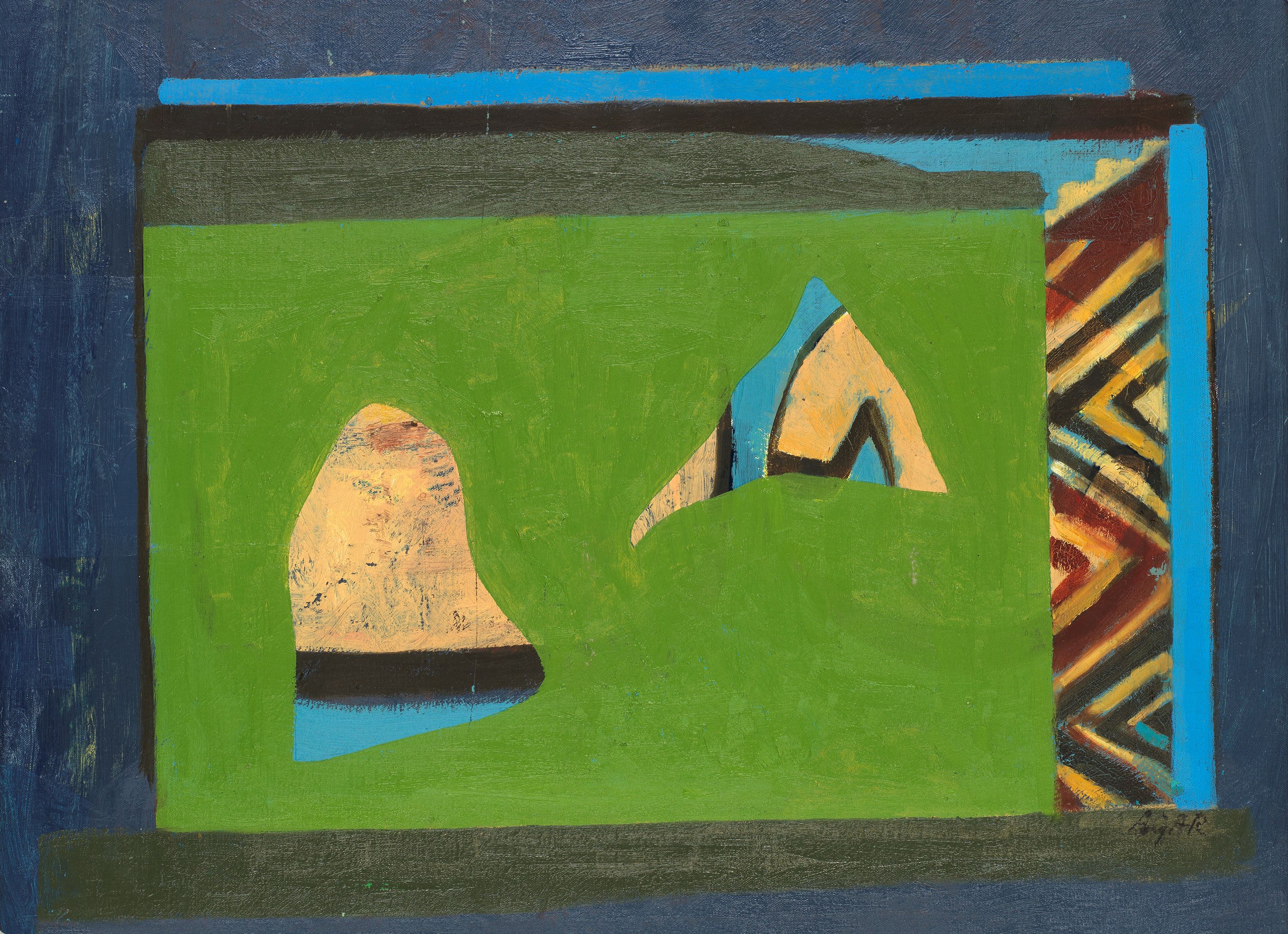
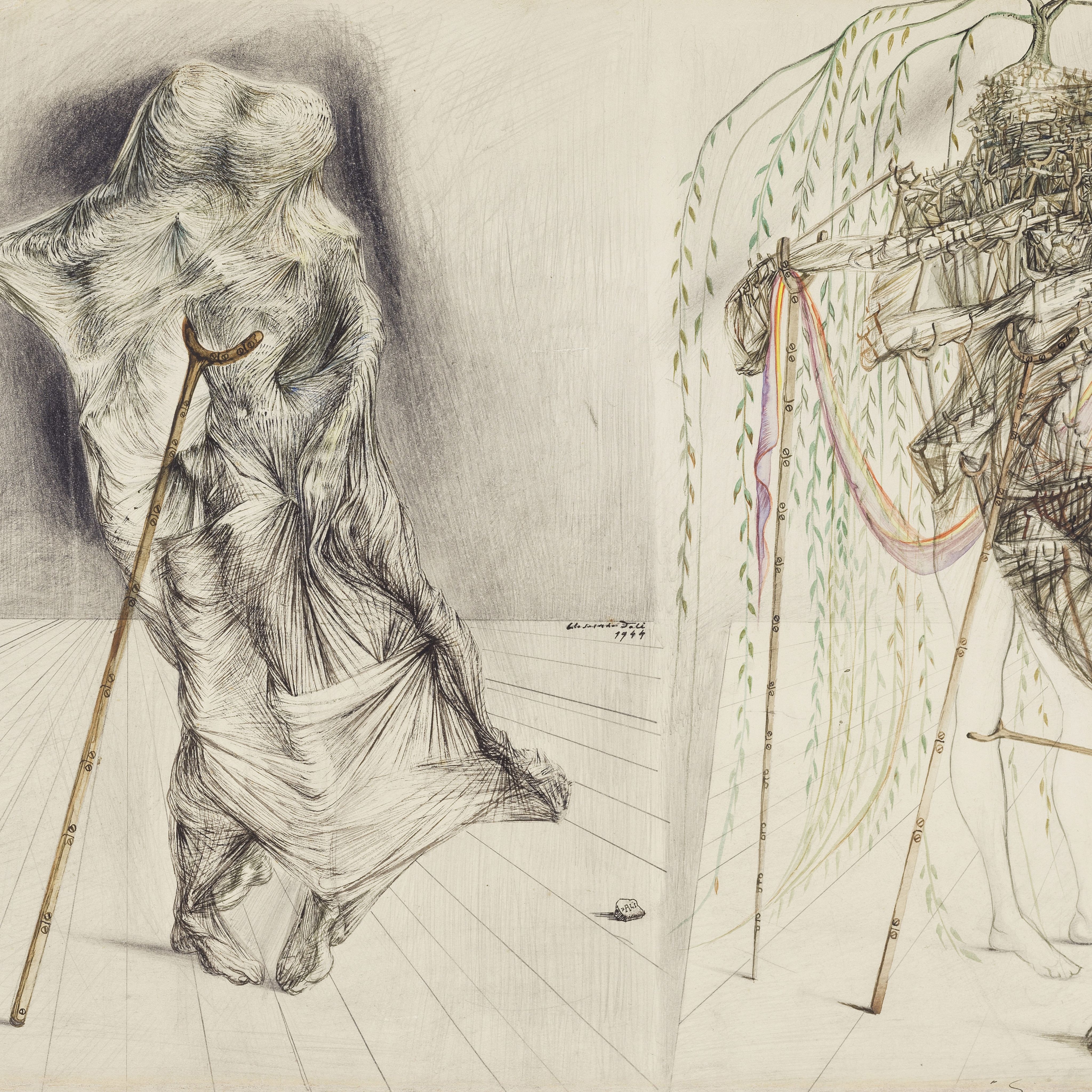
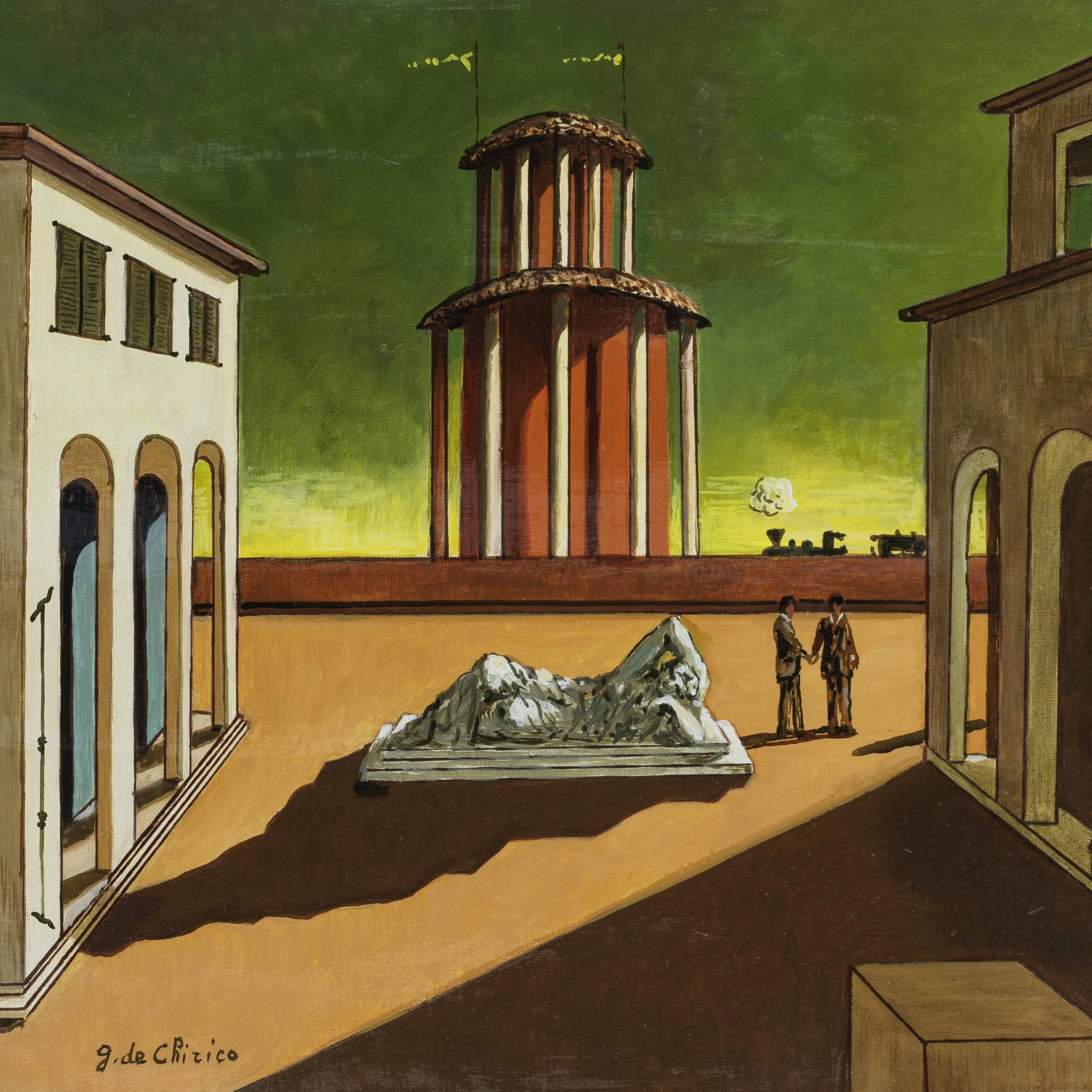
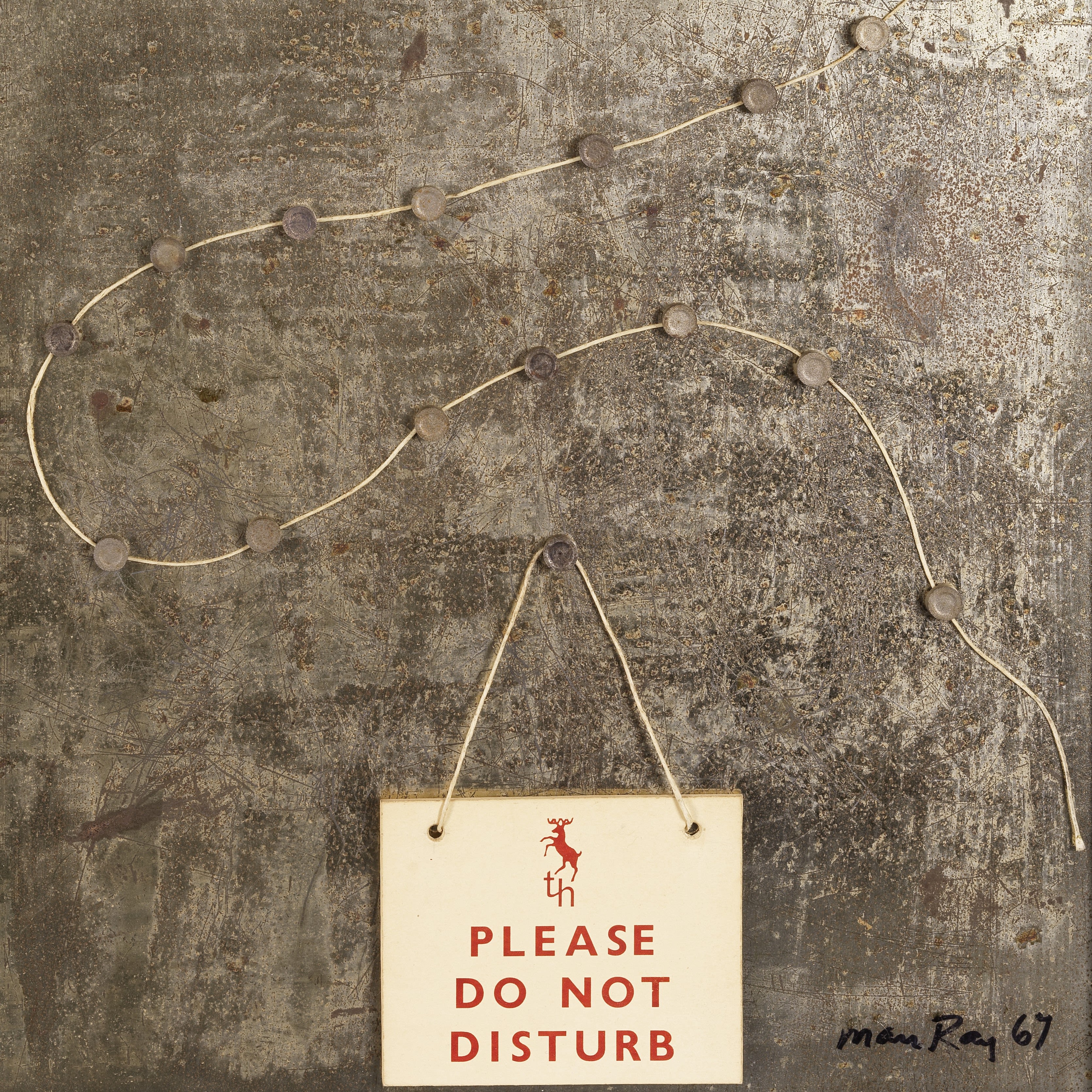
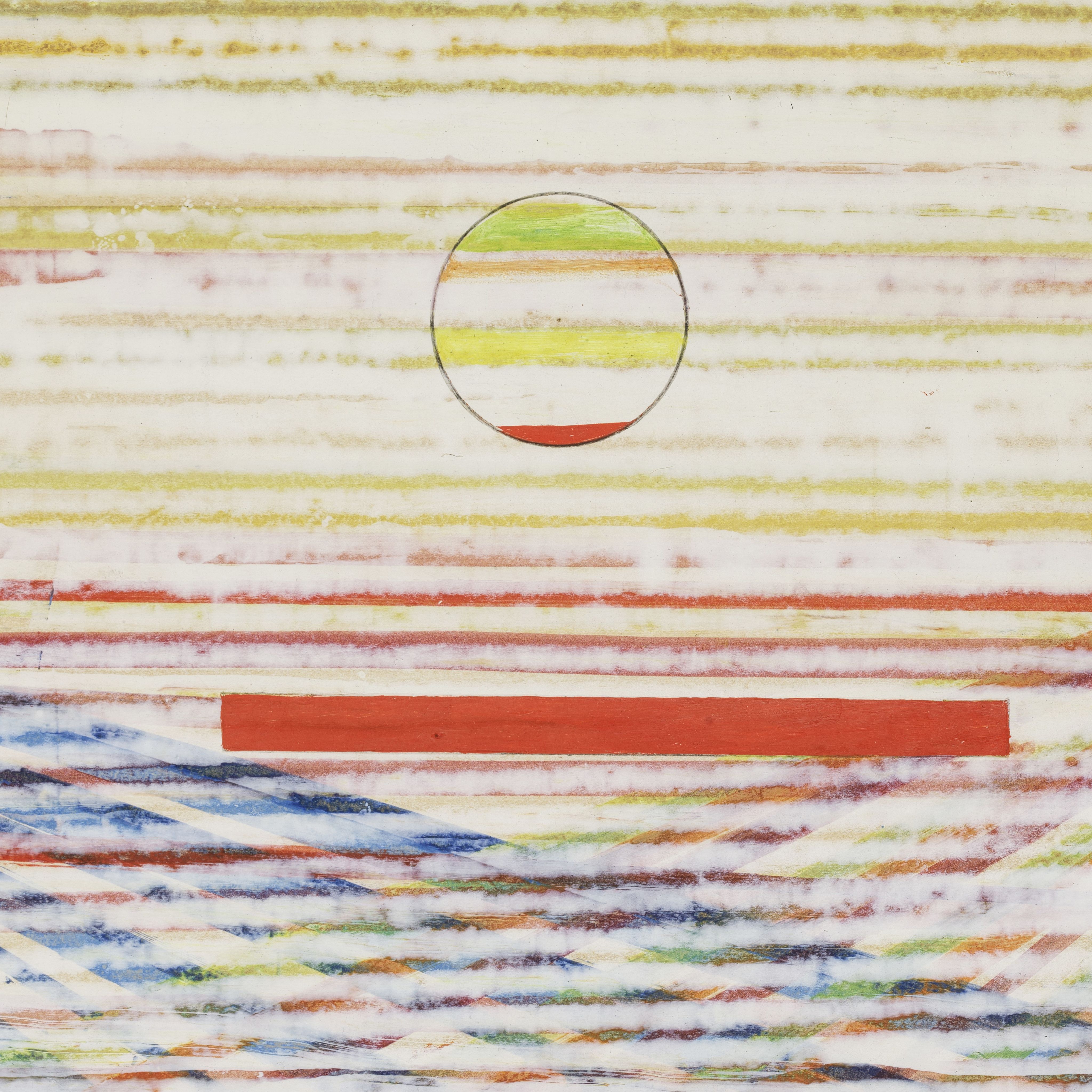
Women Surrealists: Fighting the patriarchy one painting at a time
For much of its history, Surrealism was a boys’ club – a narrative that in recent years has been reconsidered, as museums and publishers delve into the oeuvres of extraordinary female figures who produced remarkable work while frequently dismissed as merely the partners of male artists. Surrealism created a tangle of love affairs.

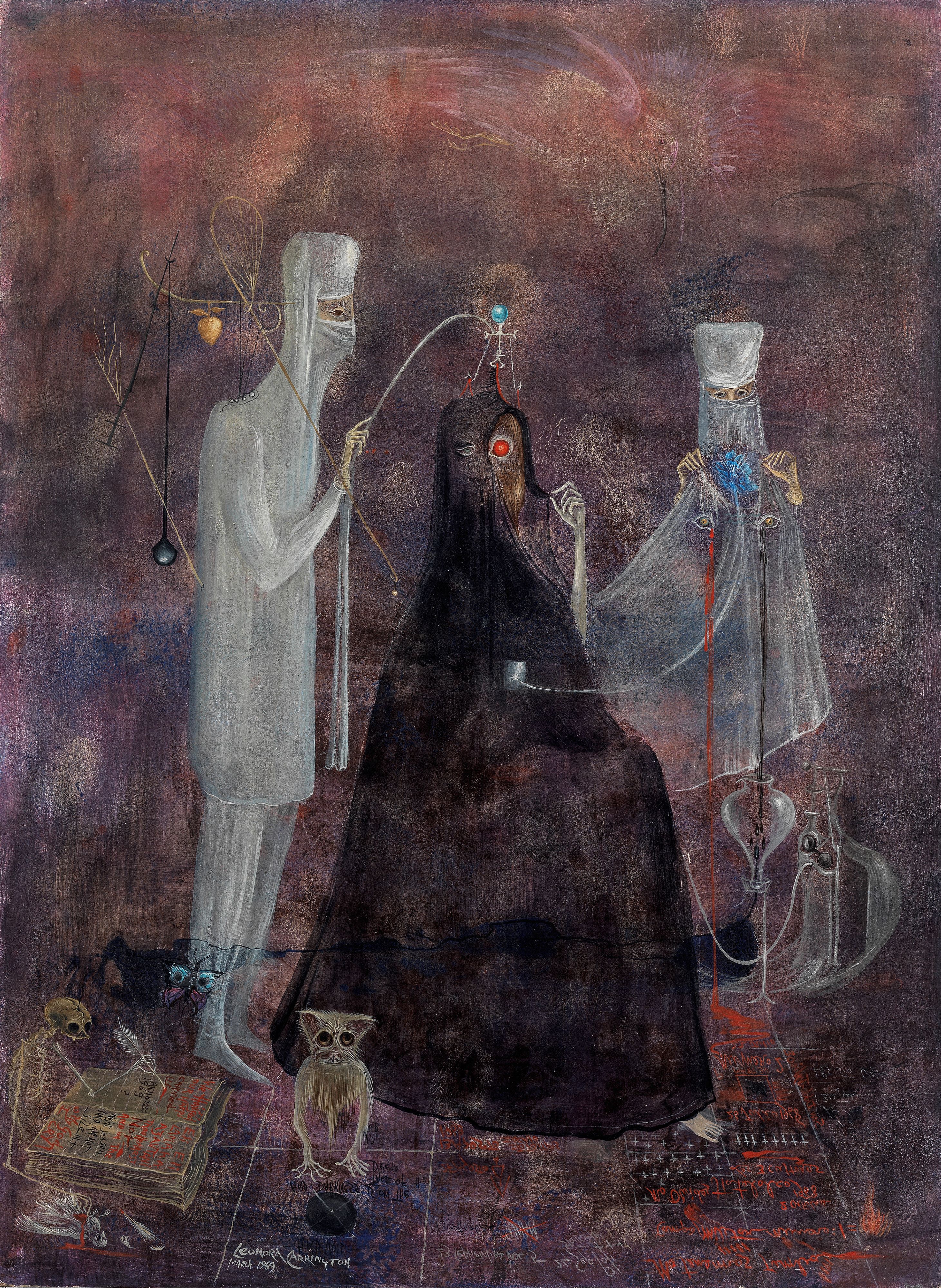
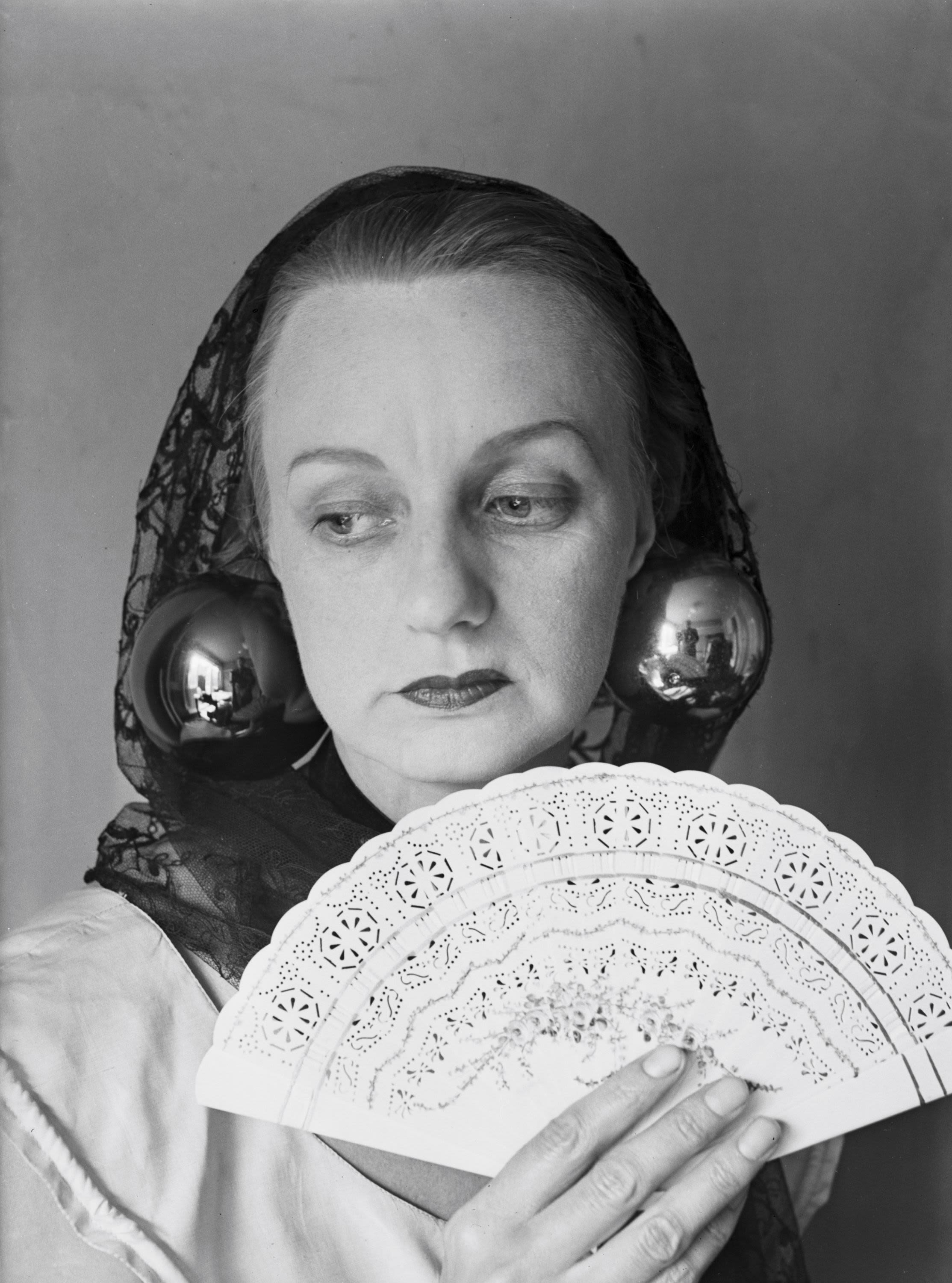
The works of Leonora Carrington and Dorothea Tanning – both of whom were, at different times, lovers of Max Ernst – are today highly regarded. Both riffed on the Gothic tradition and were writers as well as painters. Carrington, a Catholic debutante with a wild streak, created dreamlike visions of manors, mazes and ghouls, idiosyncratic English echoes of Bosch. Tanning, meanwhile, painted mercurial self-portraits and amorphous monsters, and wrote surreal stories and poems. “There is more than meets the eye,” she insisted late in life.

Other important female surrealists include the Argentinian-Italian artist Leonor Fini, who created a diverse, erotically-infused body of work – painting, design, writing, and illustration – and Meret Oppenheim, the German-Swiss artist and photographer responsible for one of the most iconic surrealist artworks: Object (1936), a breakfast tea-service made of fur. Meanwhile, in Britain, the photographer Lee Miller, who would go on to marry the leading British surrealist Roland Penrose, was a muse for both Max Ernst and Man Ray and brought an eye for incongruity to her own pictures.
Tanning painted mercurial self-portraits and amorphous monsters, and wrote surreal stories and poems: “There is more than meets the eye”
Renewed interest in these and other women continues apace. In April 2025, Surreal: The Extraordinary Life of Gala Dalí by Michèle Gerber Klein, the first biography of Salvador’s wife and frequent collaborator, chronicles the life of a woman once considered the “Mother of Surrealism.”
This Sceptred Isle of Surrealism
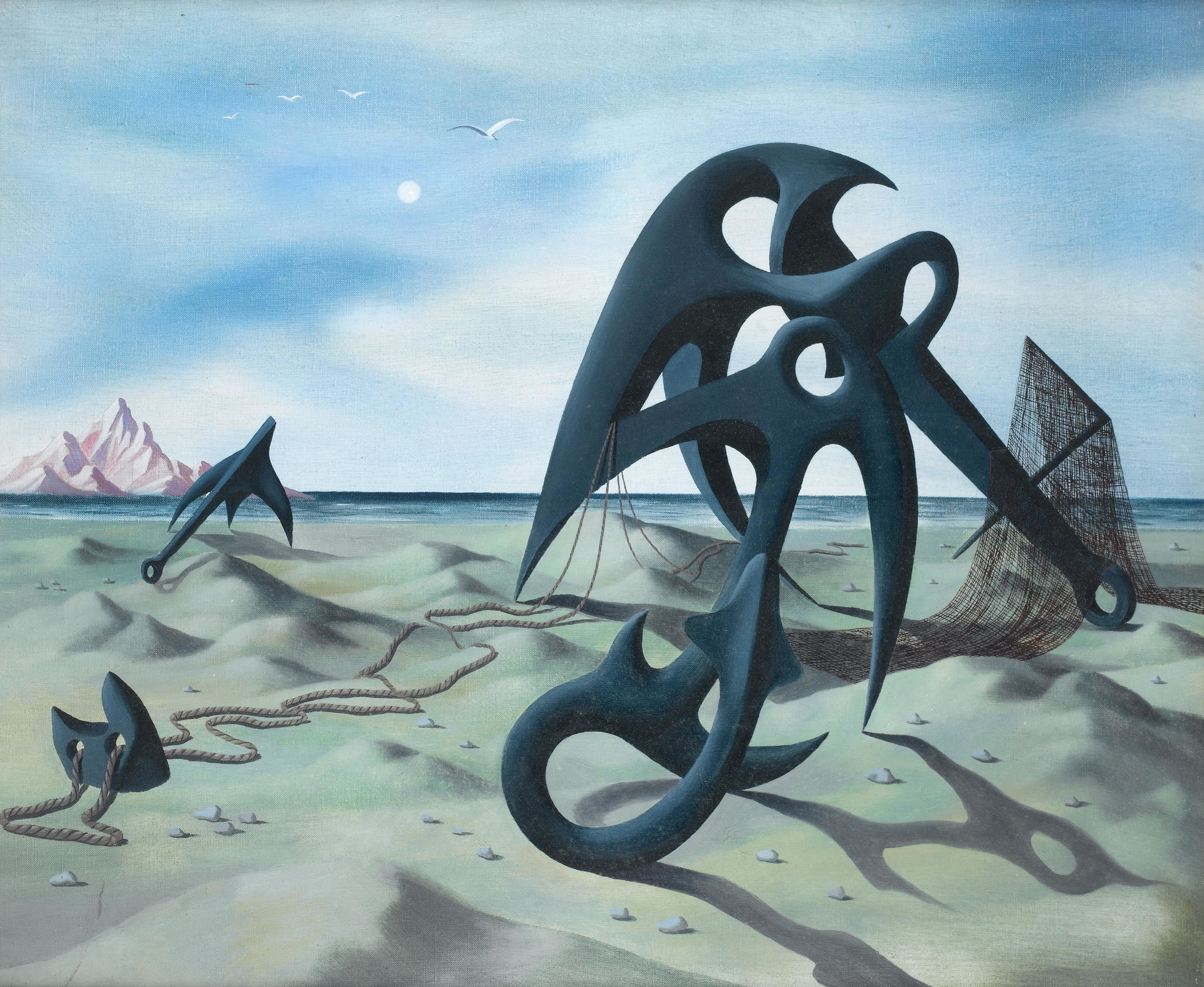
While the lodestar for Surrealism was Paris, there were other hubs. Magritte was in Brussels and Leonora Carrington worked for decades in Mexico City (her 1969 painting Operation Wednesday, a surreal take on Mexican politics, sold at Bonhams in 2021 for £682,000). And a thriving, if lesser known, British scene emerged, beginning with the International Surrealist Exhibition at the New Burlington Galleries in London in 1936. Salvador Dalí nearly suffocated when attended the opening in a diving helmet.
British Surrealism 17 April – 1 May 2025
"Marking 101 years from the birth of surrealism, this unique auction will assemble a focused look at the movement's British impact and legacy."

Tanning painted mercurial self-portraits and amorphous monsters, and wrote surreal stories and poems: “There is more than meets the eye”

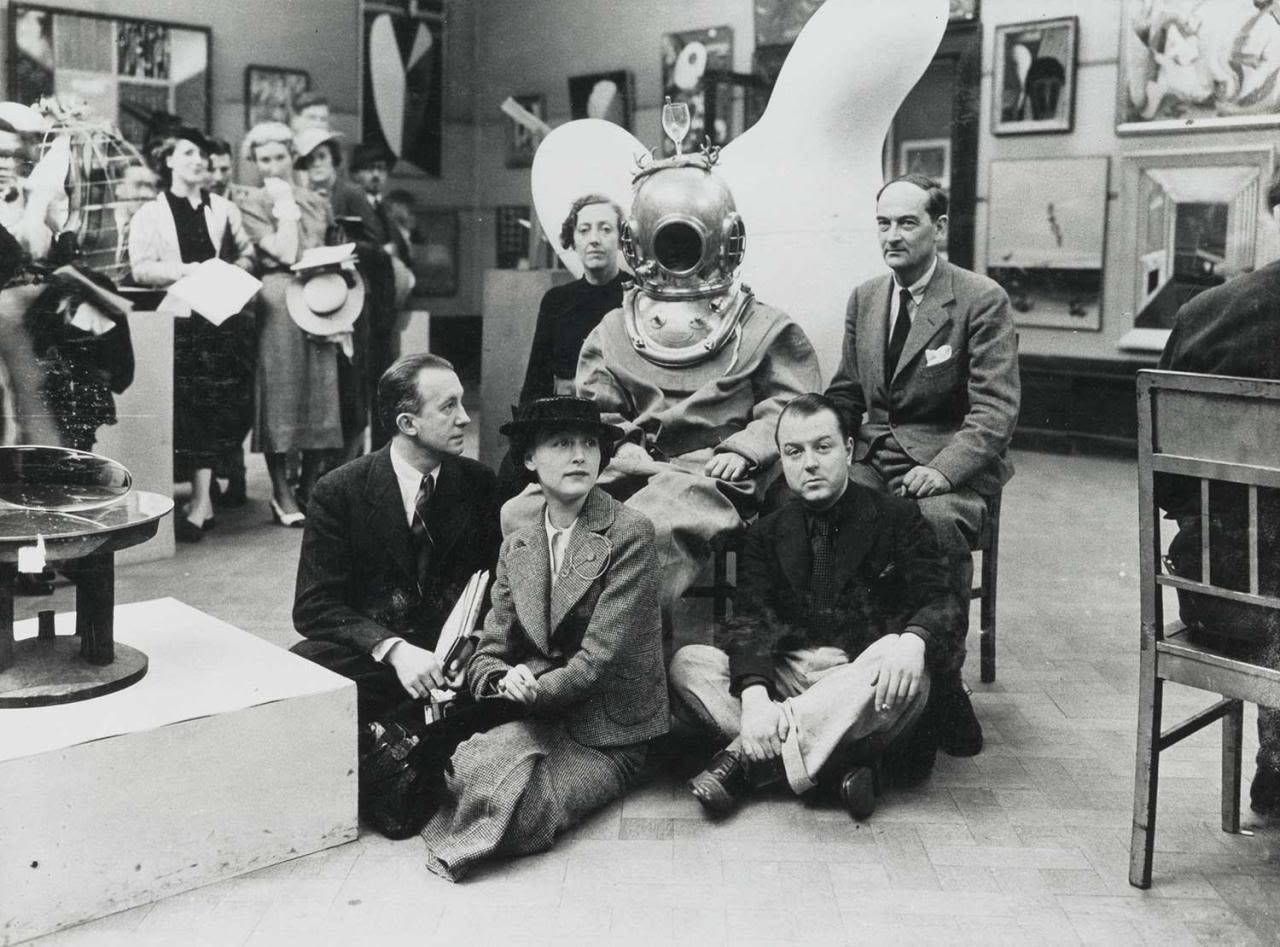
Salvador Dalí in diving suit and helmet with Paul and Nusch Eluard, ELT Mesens, Diana Brinton Lee and Rupert Lee, at the New Burlington Galleries, 1936. National Galleries of Scotland.
Salvador Dalí in diving suit and helmet with Paul and Nusch Eluard, ELT Mesens, Diana Brinton Lee and Rupert Lee, at the New Burlington Galleries, 1936. National Galleries of Scotland.
Roland Penrose, who organised the Burlington show, remained its leading light in Britain and a circle of like-minded artists – including Eileen Agar and ELT Mesens – formed at his and Lee Miller’s home in Hampstead and, later, Farleys House in East Sussex during the post-war years.
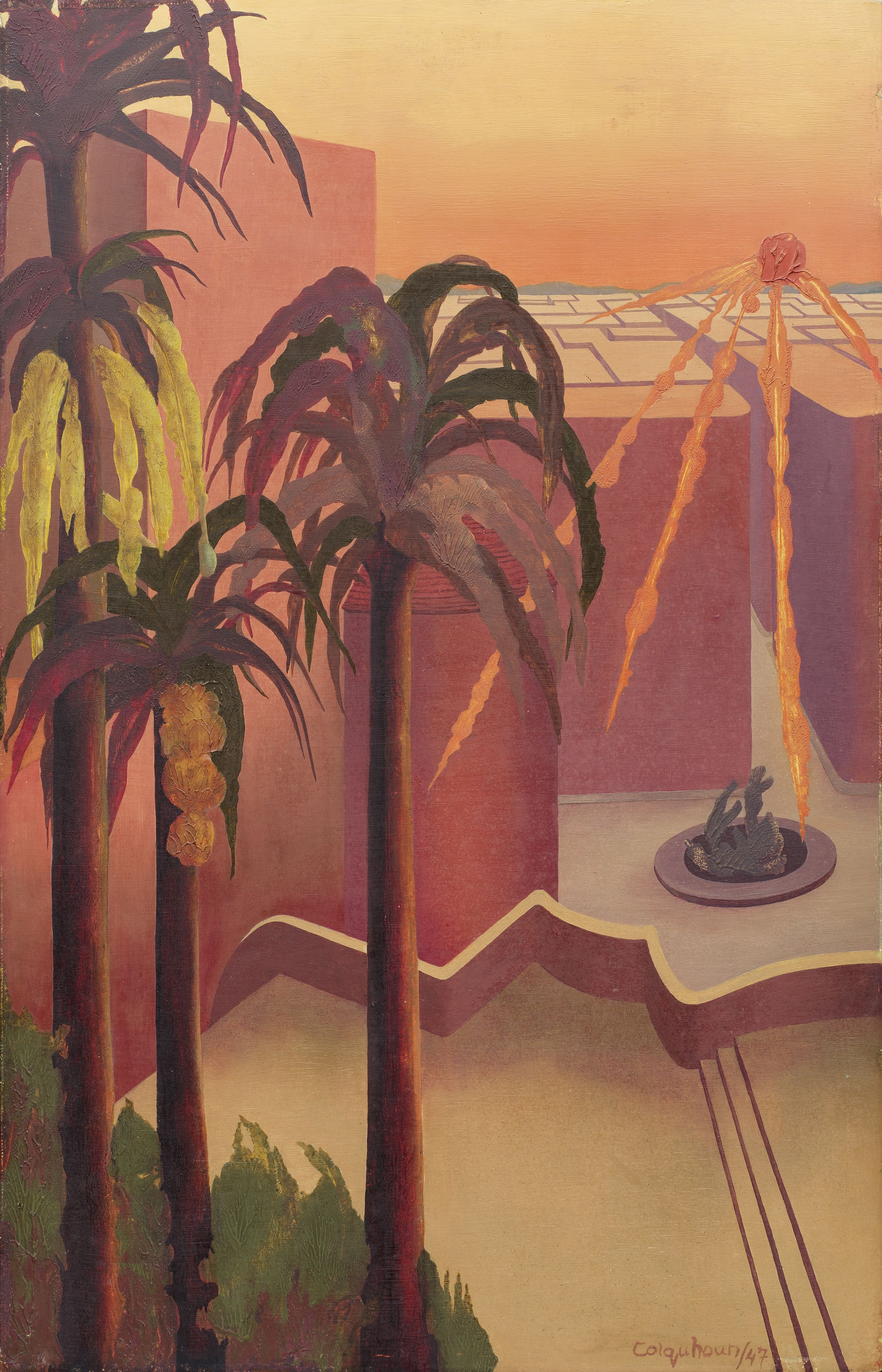
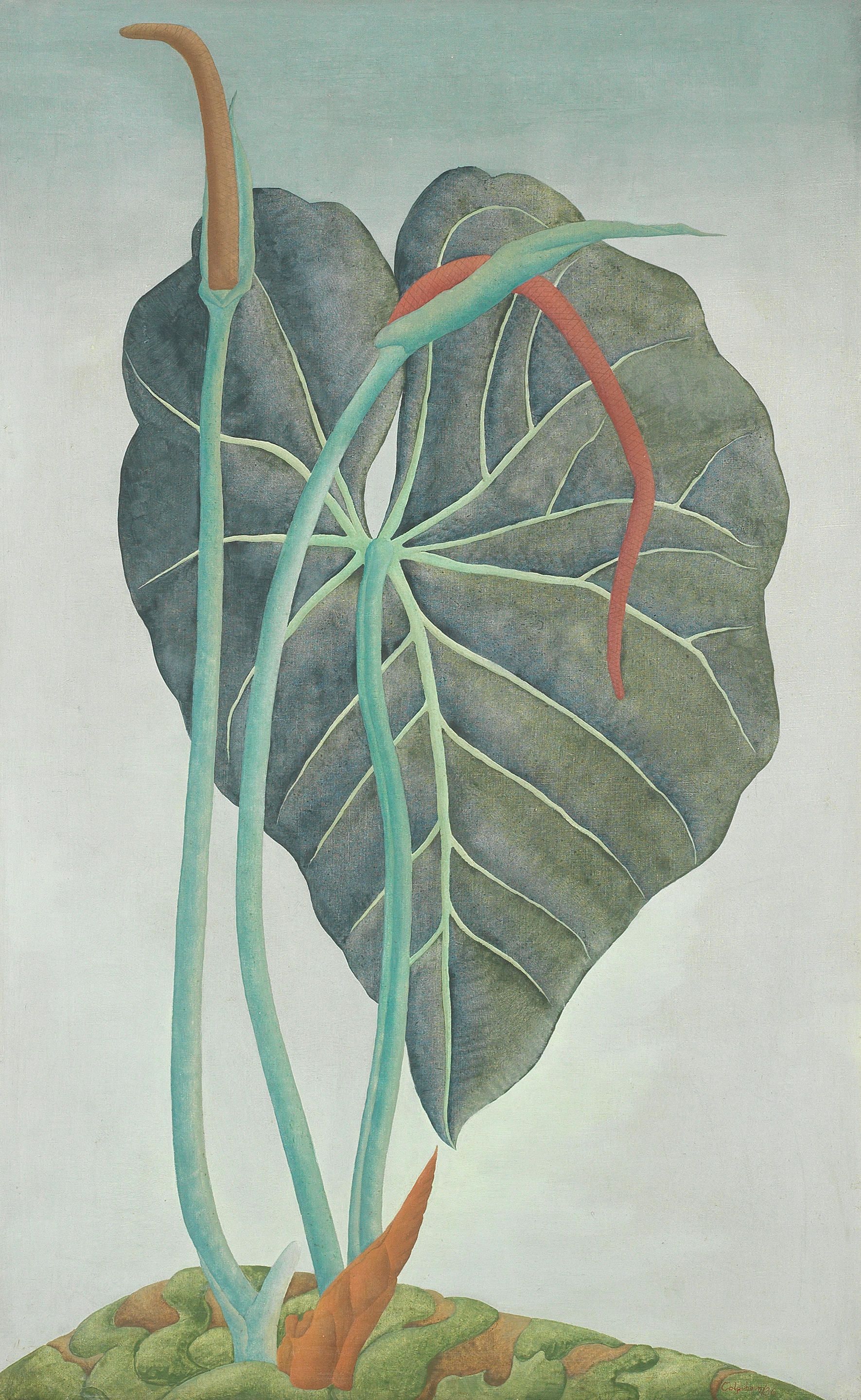
Following the landmark British Surrealism exhibition at Dulwich Picture Gallery, London, in 2020 – “exuberant” observed The Times – Bonhams has pioneered sales in this area, achieving new auction records for artists such as Ithell Colquhoun, Tristram Hillier, and Grace Pailthorpe.
The dedicated British Surrealism auction at Bonhams London from 17 April-1 May looks to further explore the diverse and far-reaching legacy of this remarkable branch of the movement, presenting works from the 1930s through to the present day, from well-known male names such as Edward Burra, Desmond Morris and Penrose himself, to newly reconsidered and rightly celebrated women painters and photographers such as Marion Adnams, Edith Rimmington and Emmy Bridgwater.
Rimmington attended the International Surrealist exhibition at the New Burlington Galleries in 1936, and witnessed Dali in the now-famous costume, declare he was "diving into the human subconscious", and this encounter proved pivotal for her own explorations, resulting in a work called Eight Interpreters of the Dream.

Le fin, pas la fin
When Dorothea Tanning, the last of the original movement, died in 2012, it might have marked the end for Surrealism. Yet, more than a decade on, it is thriving.

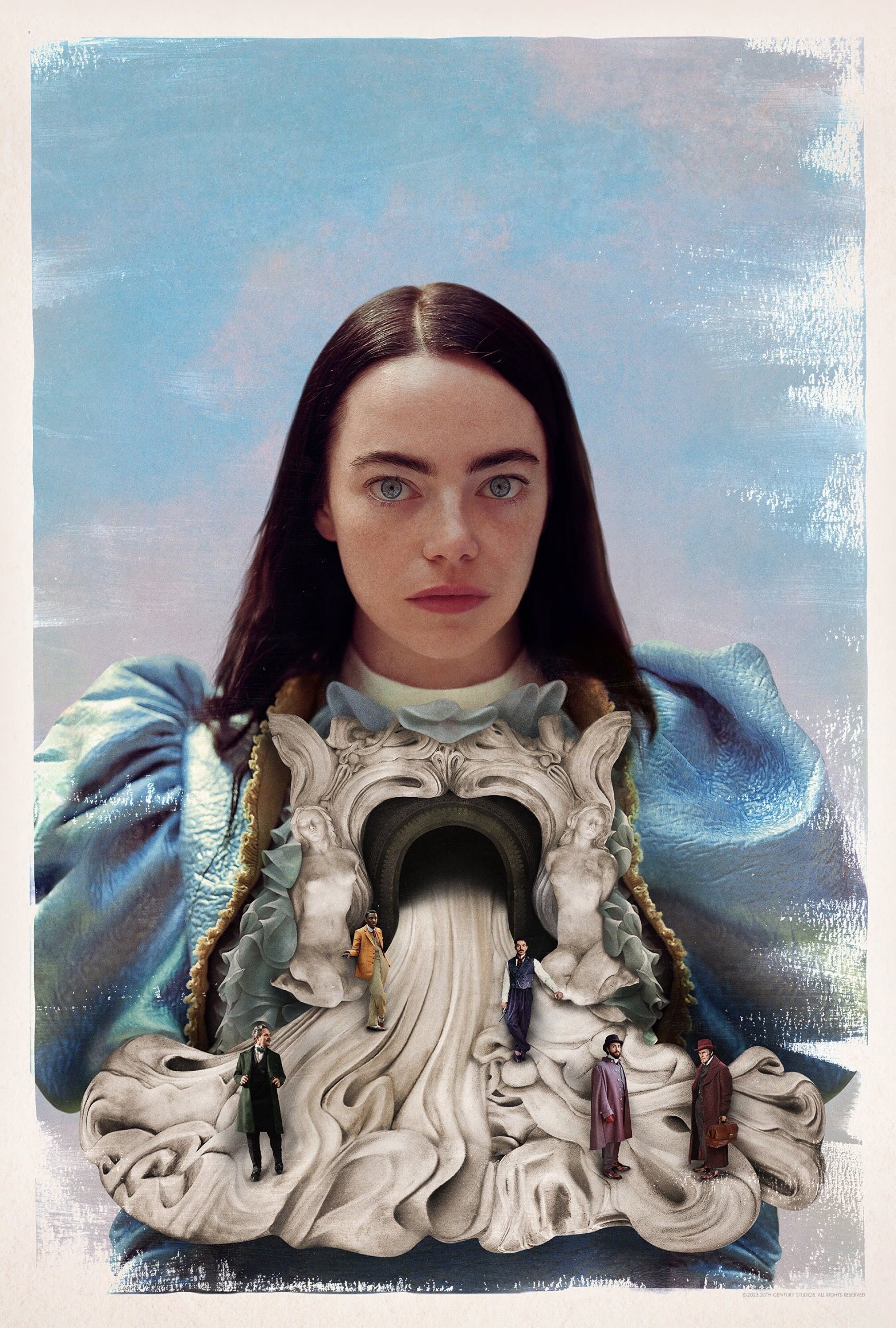
Poor Things, 2023, directed by Yorgos Lanthimos. © Searchlight Pictures.
Poor Things, 2023, directed by Yorgos Lanthimos. © Searchlight Pictures.
The films of Yorgos Lanthimos, such as The Favourite and Poor Things, have brought surrealist tactics to Hollywood; contemporary painters, such as Ewa Juszkiewicz, riff on it; and conceptual artist Carsten Höller is a prankster firmly in the Dalí mould.

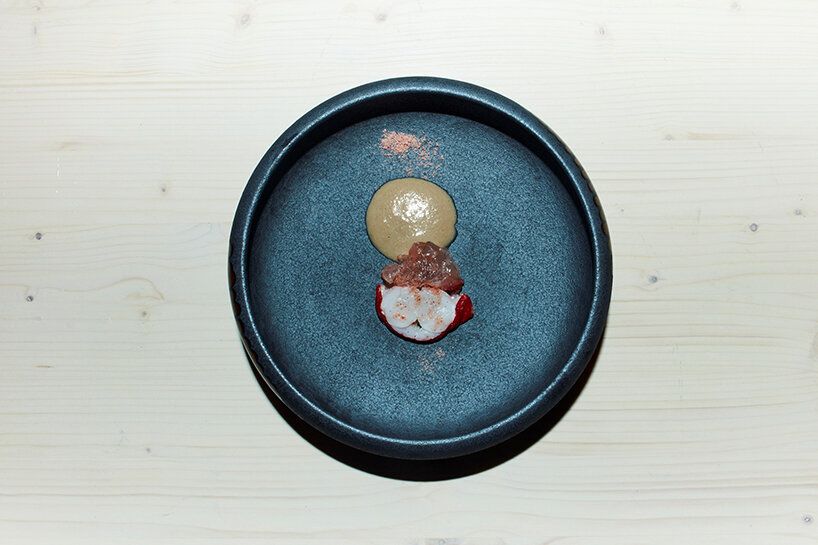
A dish at Carsten Höller's restaurant Brutalisten, Stockholm.
A dish at Carsten Höller's restaurant Brutalisten, Stockholm.
In 2022, Höller opened a restaurant in Stockholm, Brutalisten, that serves dishes made of just one ingredient, an echo of Dalí's 1973 cookbook, Les Diners de Gala, a copy of which sold recently at Bonhams. But one only has to scroll Instagram to witness Surrealism’s enduring, and now AI-embellished, influence. What André Breton derisively called “the reign of logic” is well and truly over.
Banner image: René MagritteThe Mysteries of the Horizon, 1928. © ADAGP, Paris and DACS, London 2025.
Explore Surrealism at Bonhams
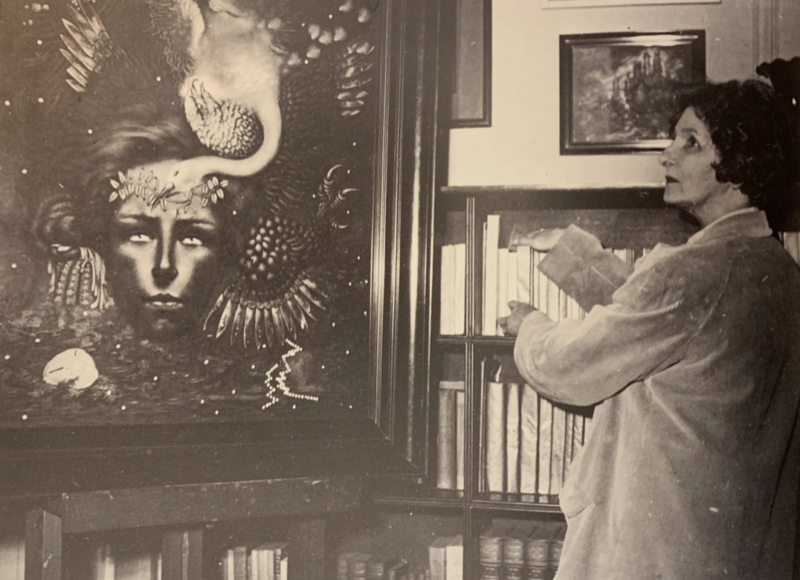
Punching Up
One of the few women at the heart of the Surrealist movement, Valentine Hugo created radical and visionary paintings, against the odds.
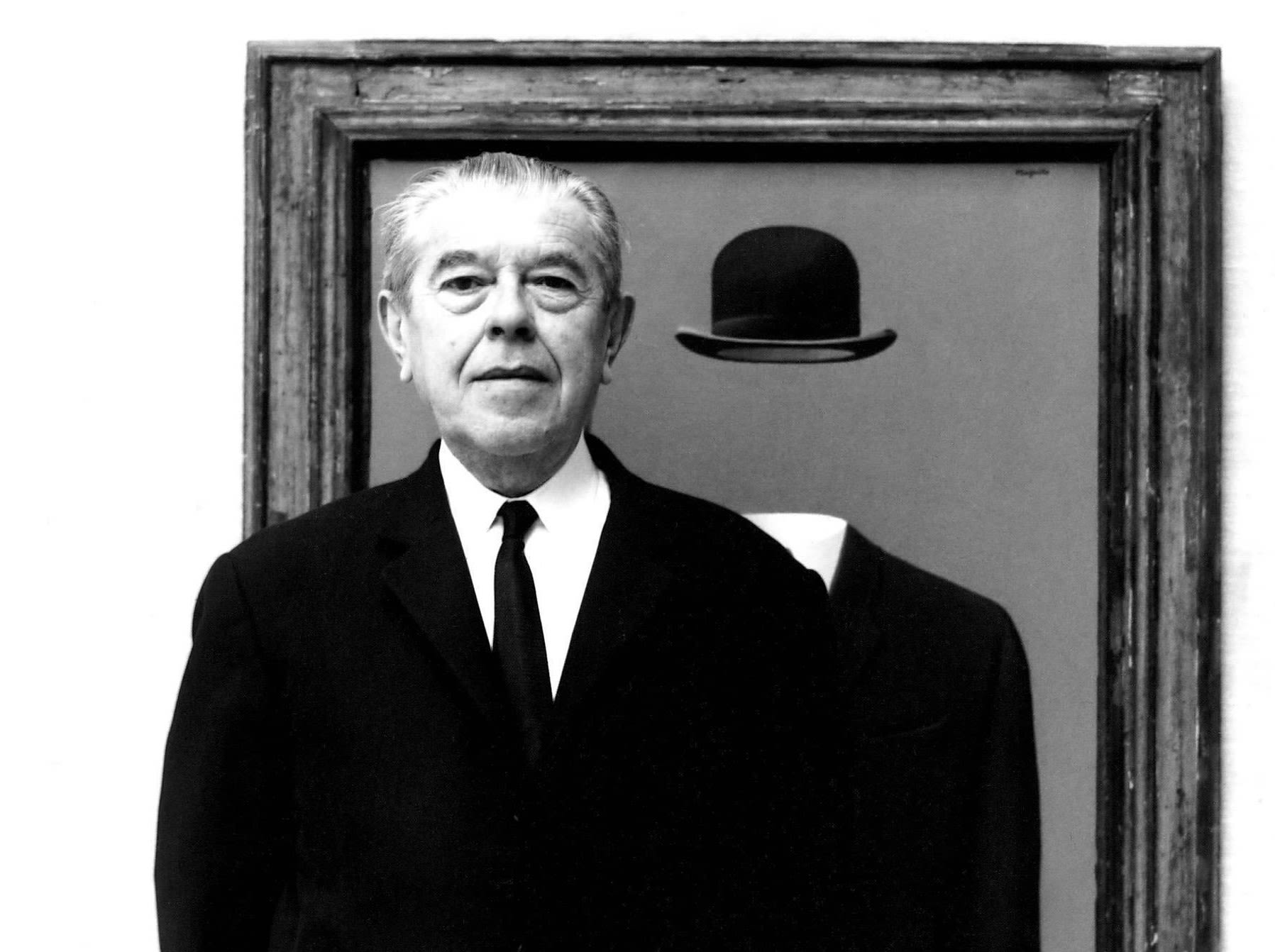
Dissembling the World
Deconstructing Magritte's masterpiece to reveal what’s hidden in plain sight.
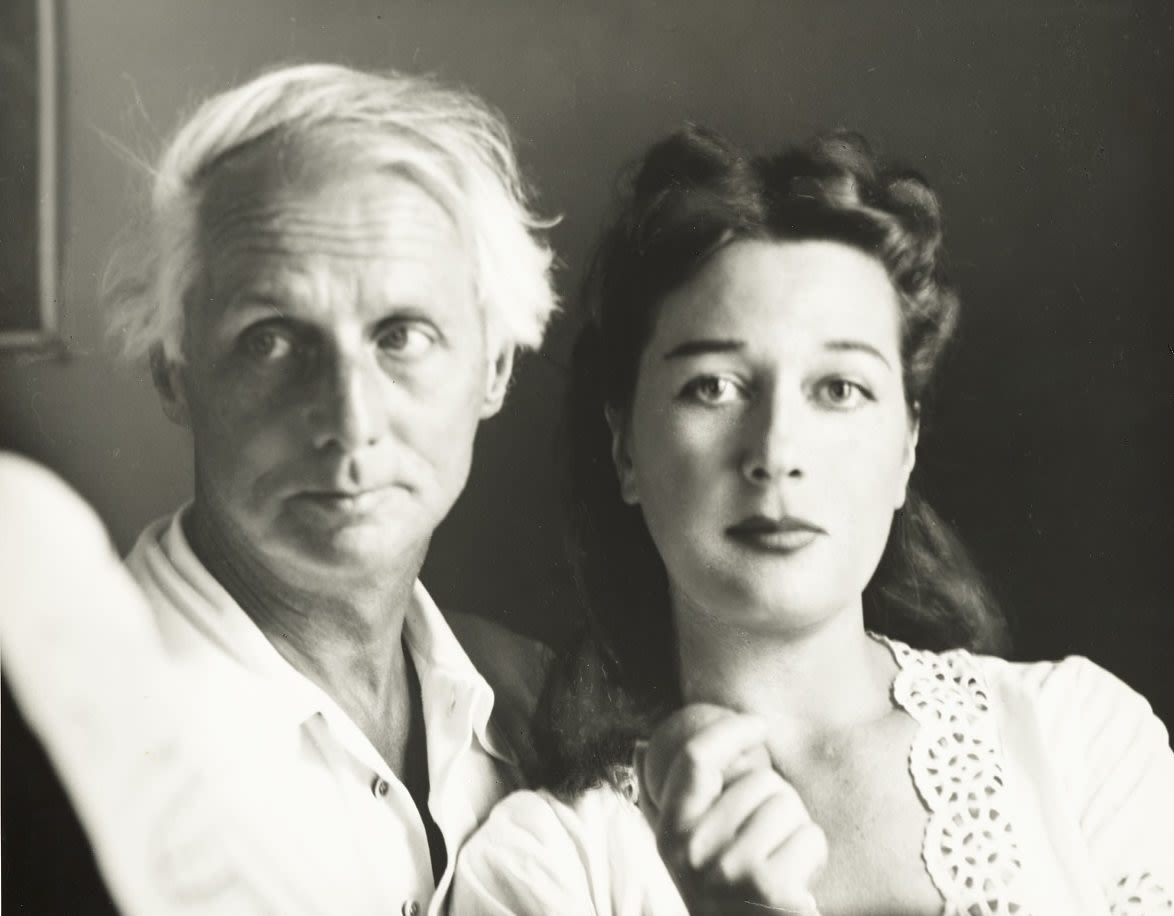
Star Struck
Max Ernst streaked across the world of surrealism, leaving lovers in his wake. But when he met Dorothea Tanning, something changed.
Living the Dream
Ithell Colquhoun’s intoxicating art was brewed from equal parts of surrealism and the occult.
 Built with Shorthand